What Is on These Garages
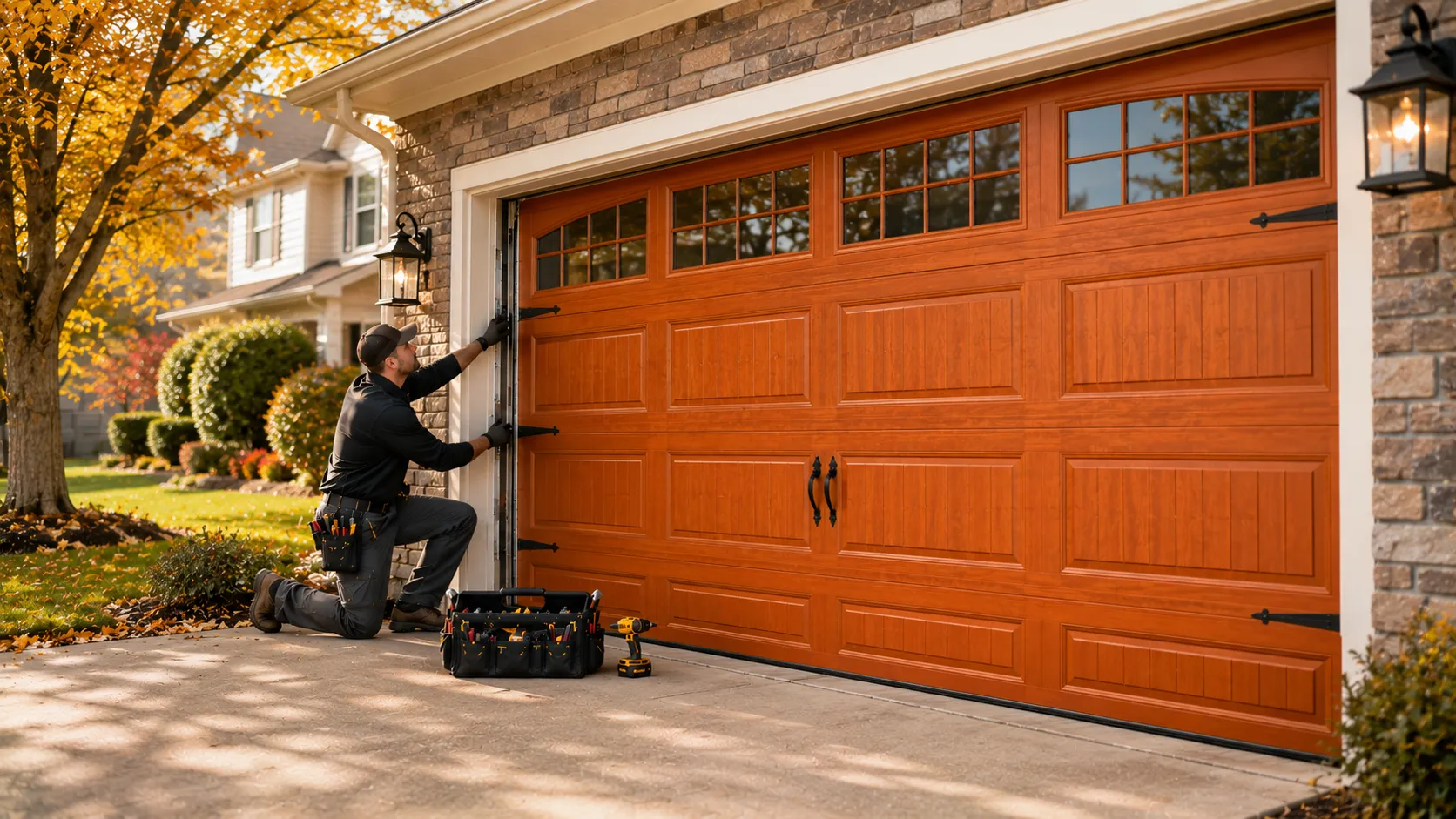
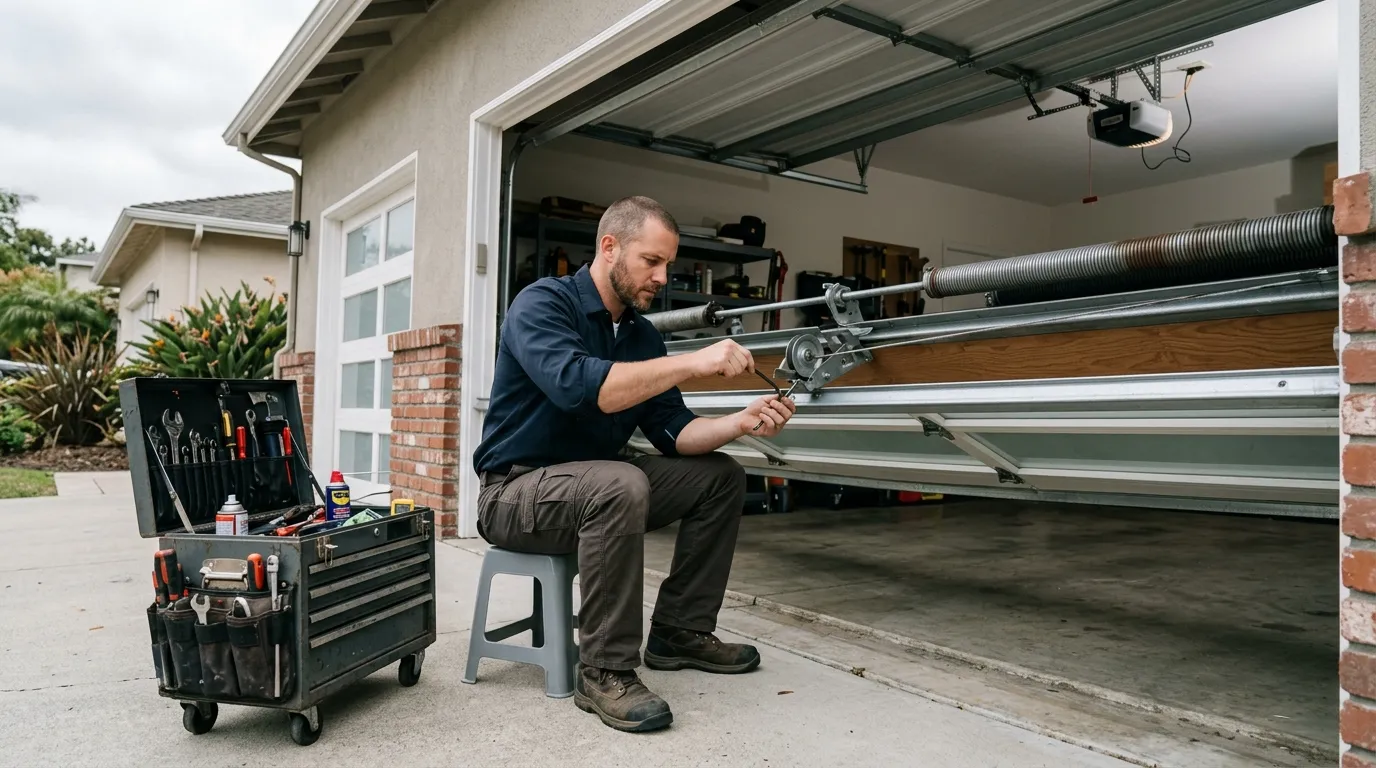
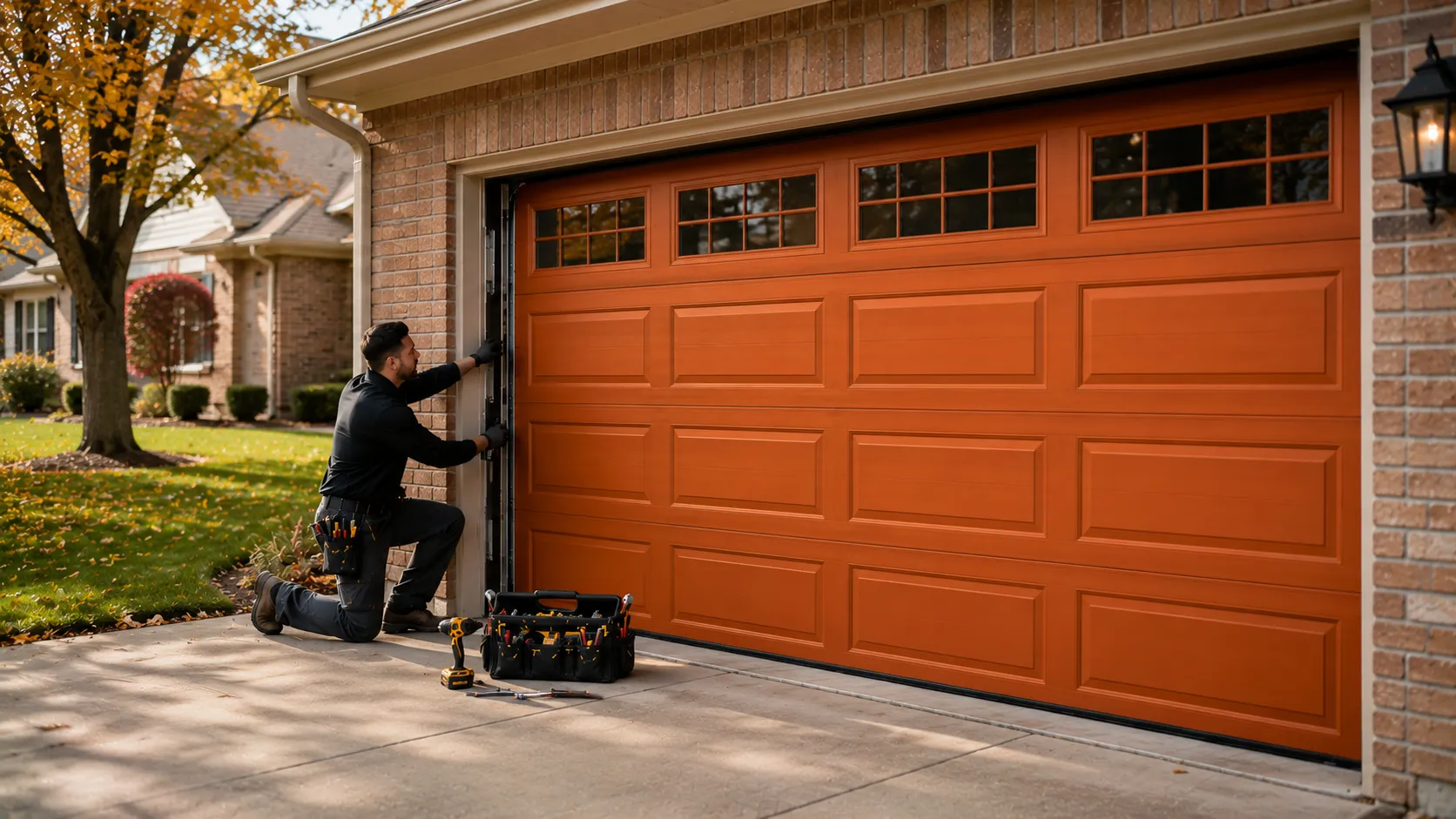
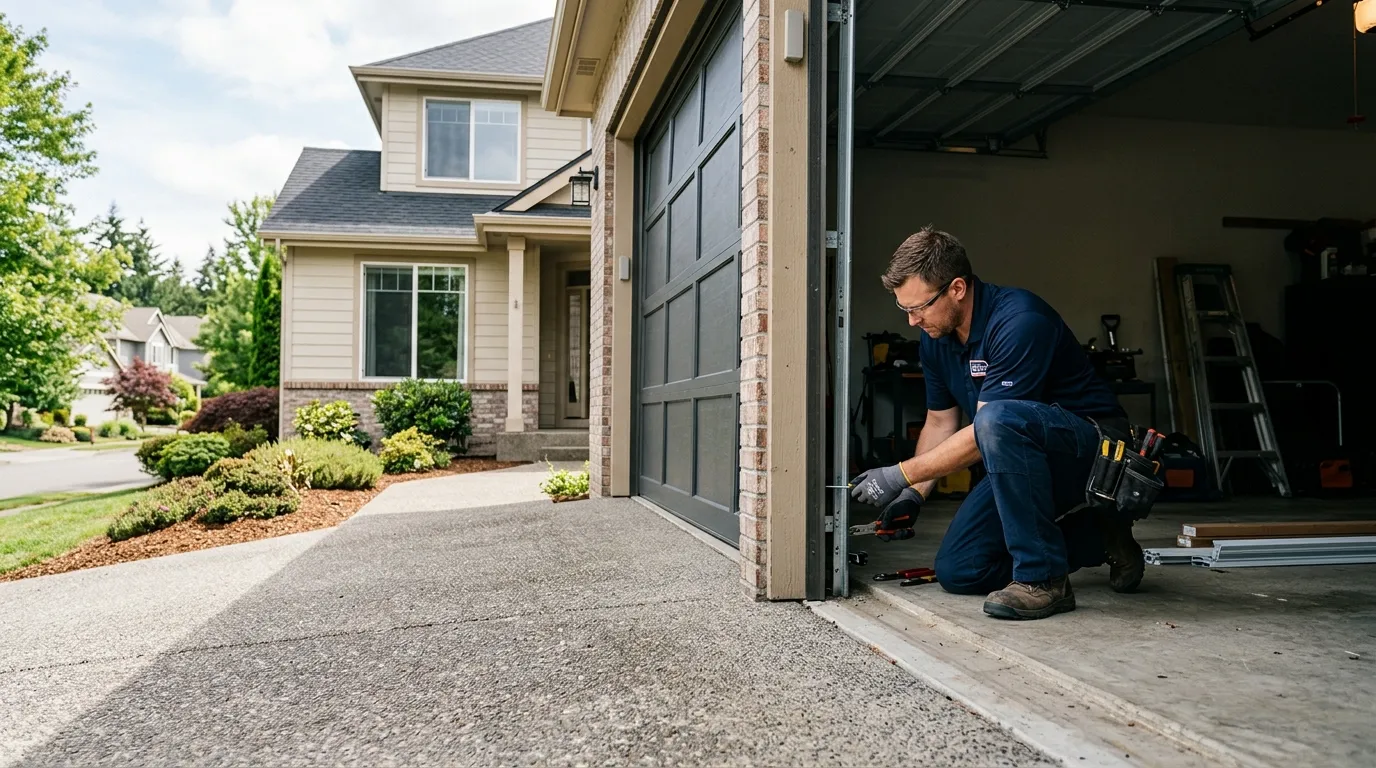
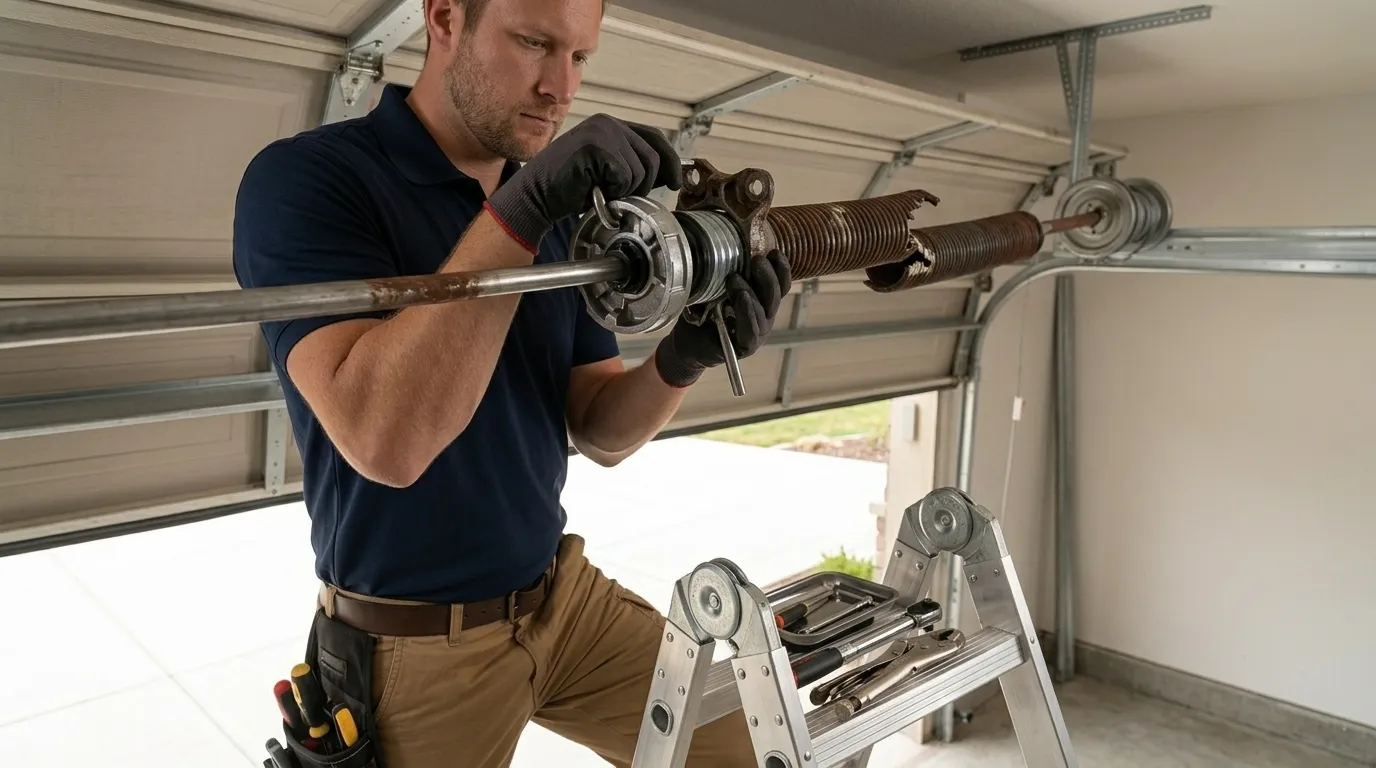
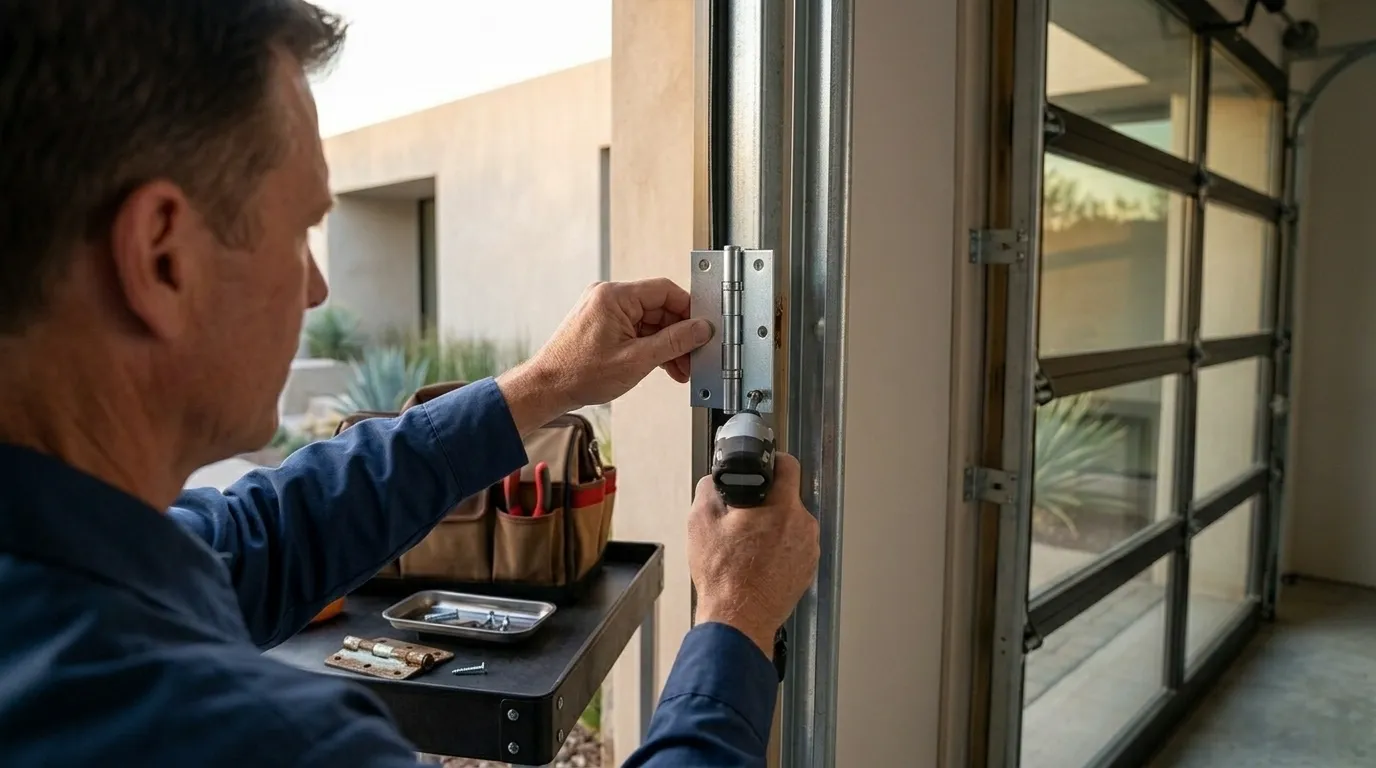
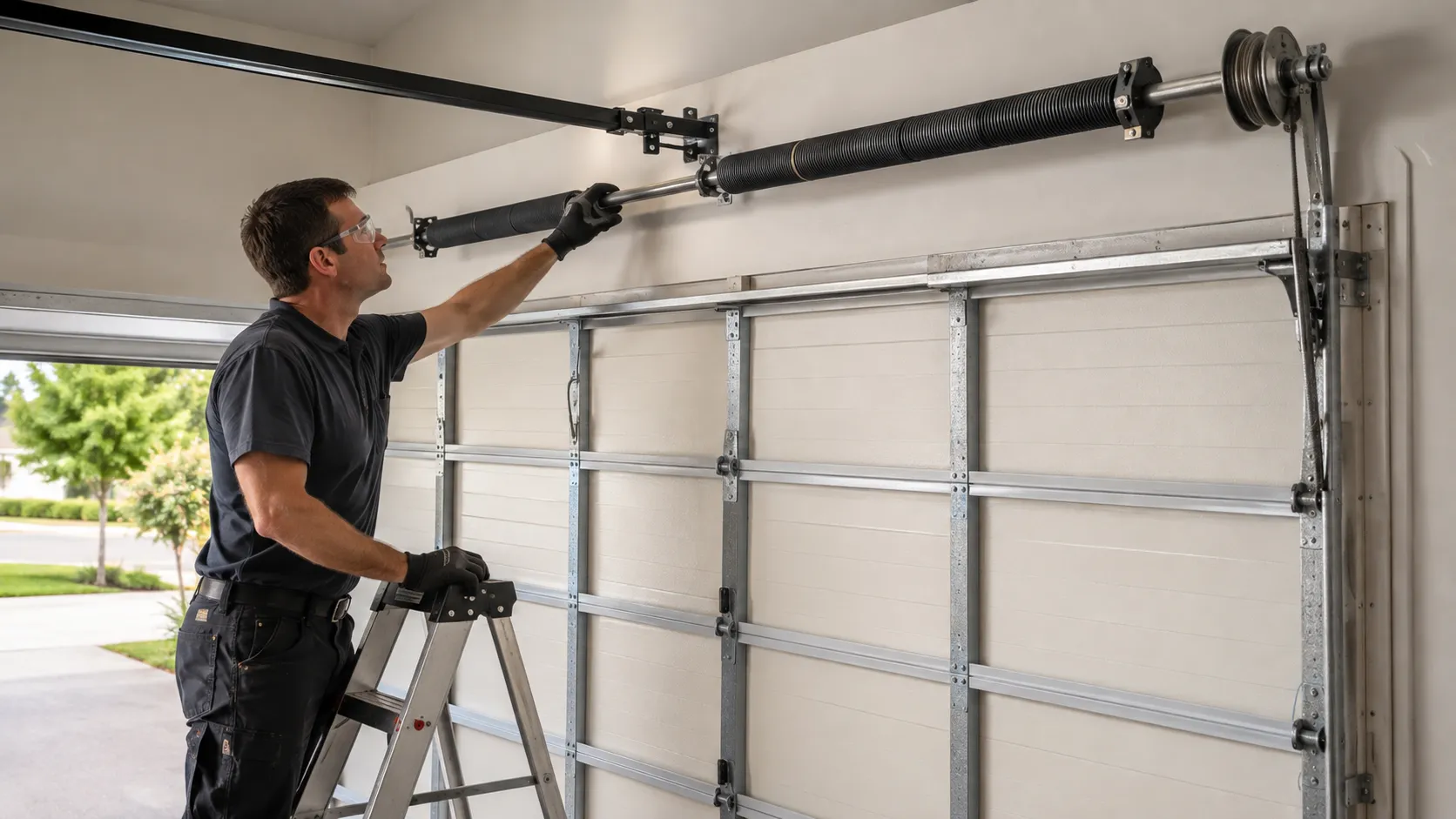
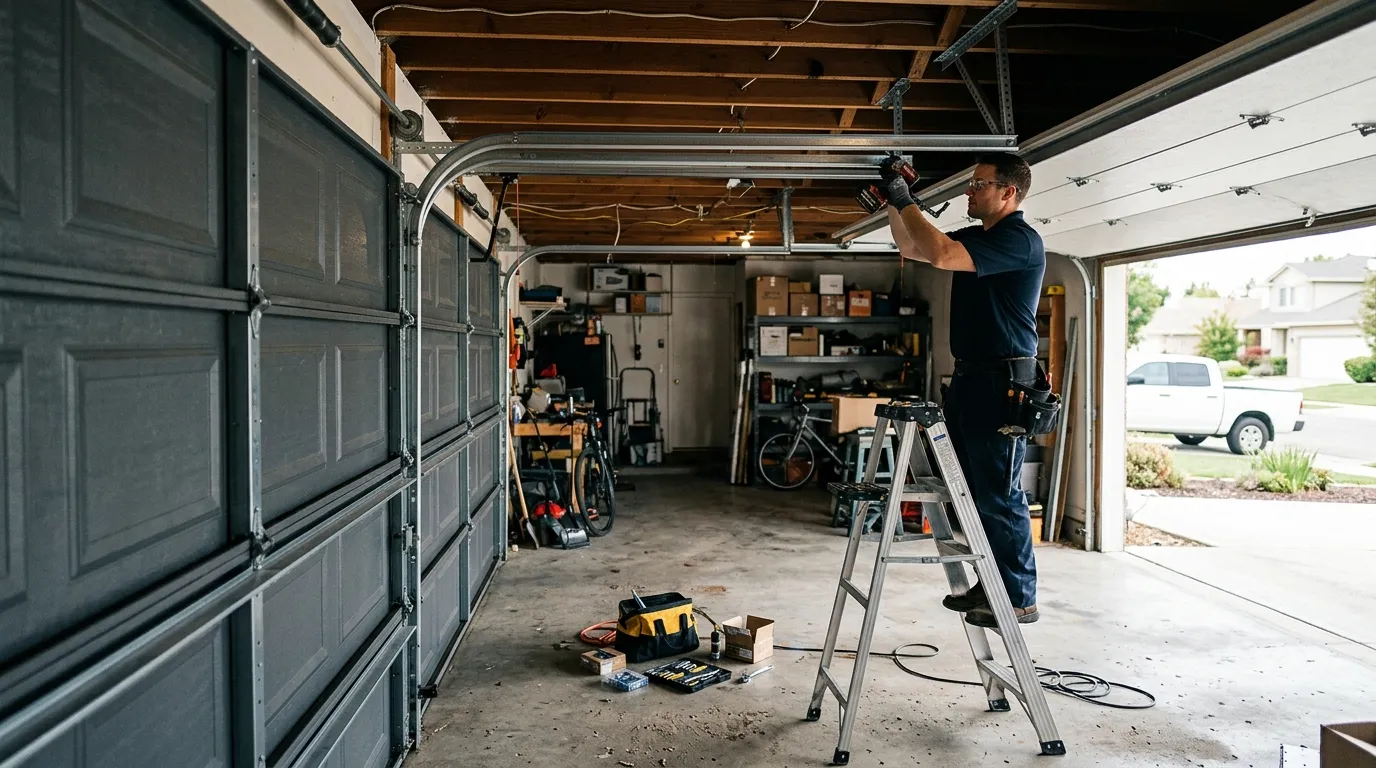
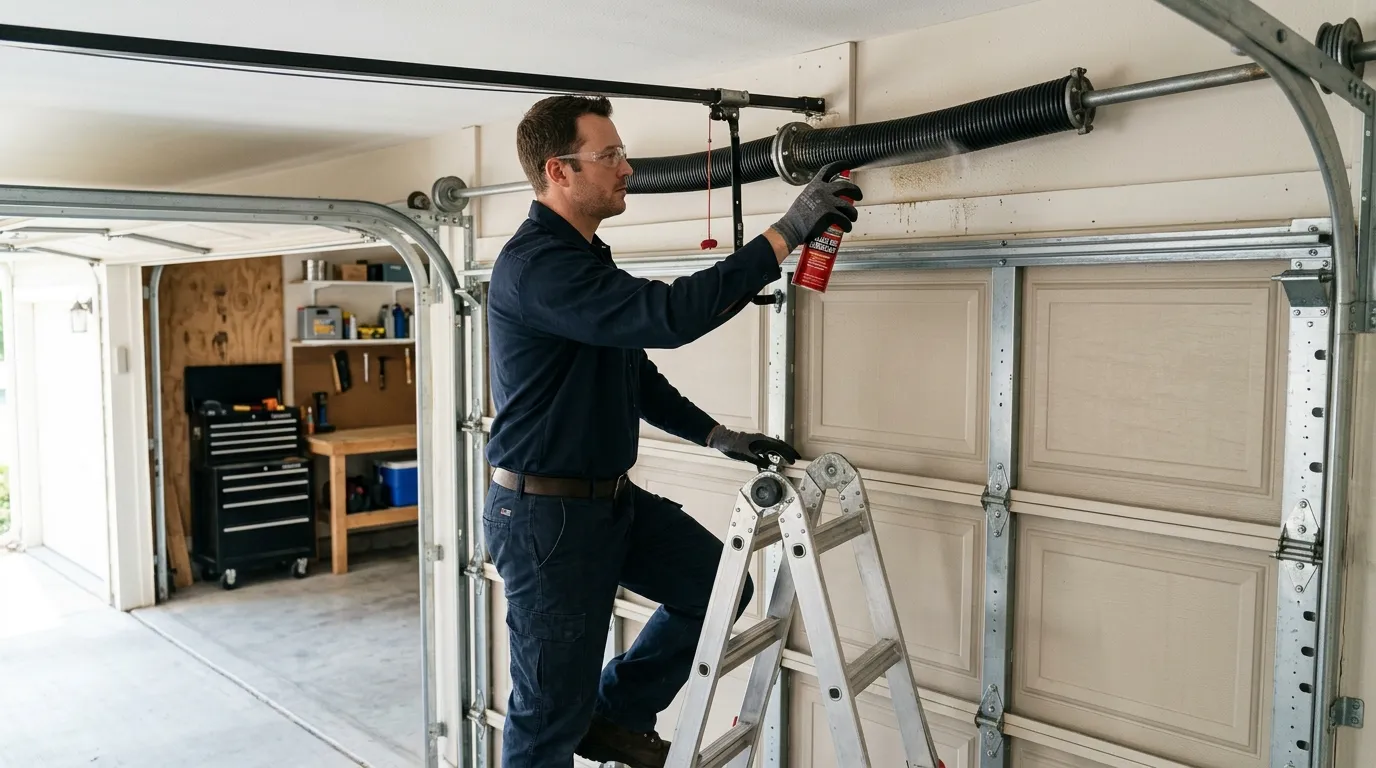
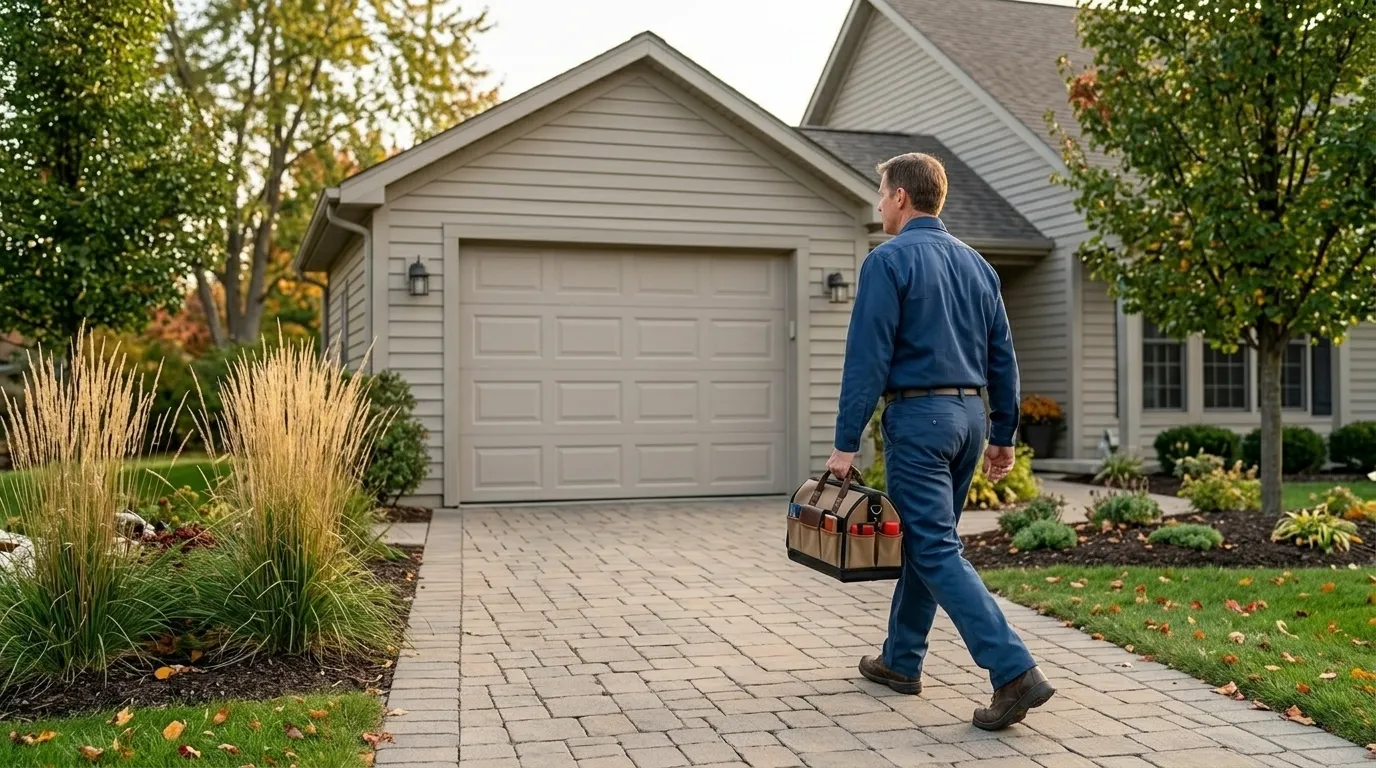
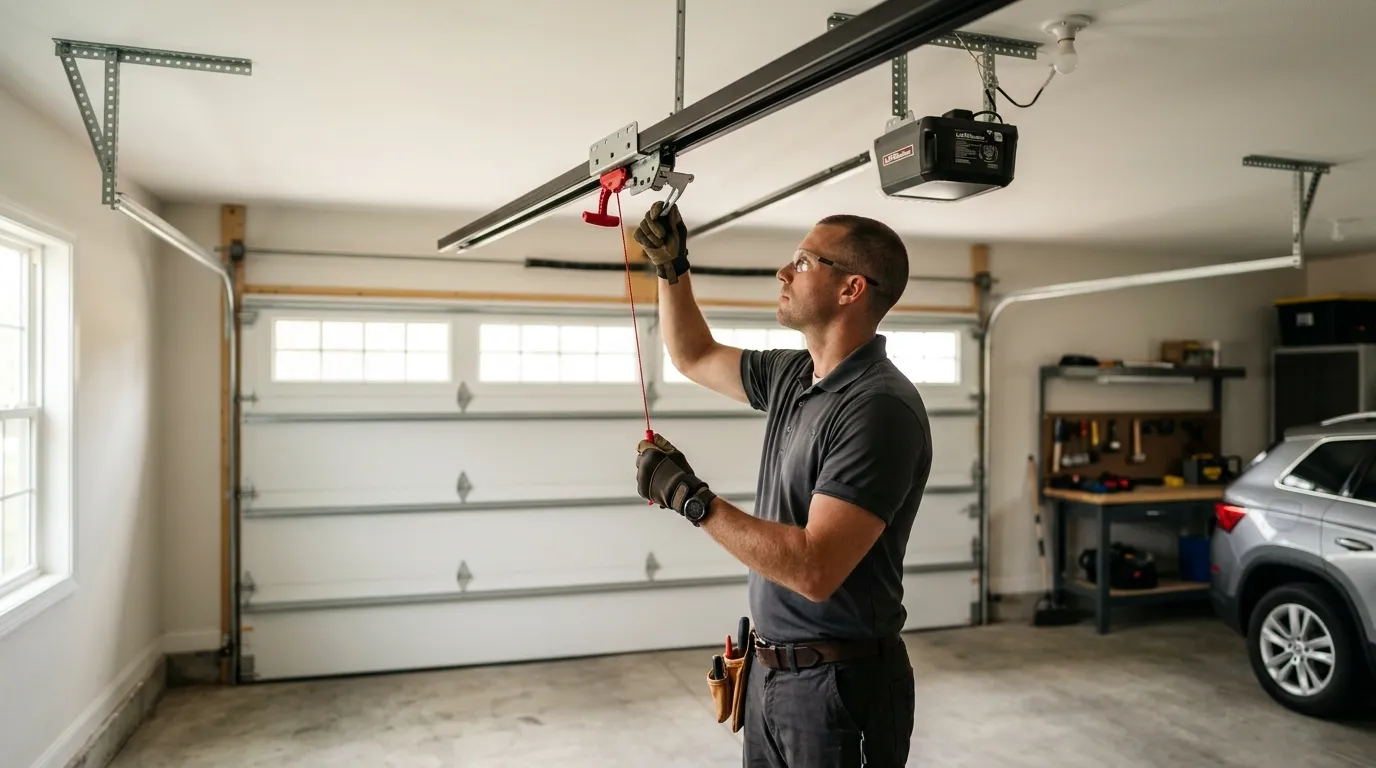
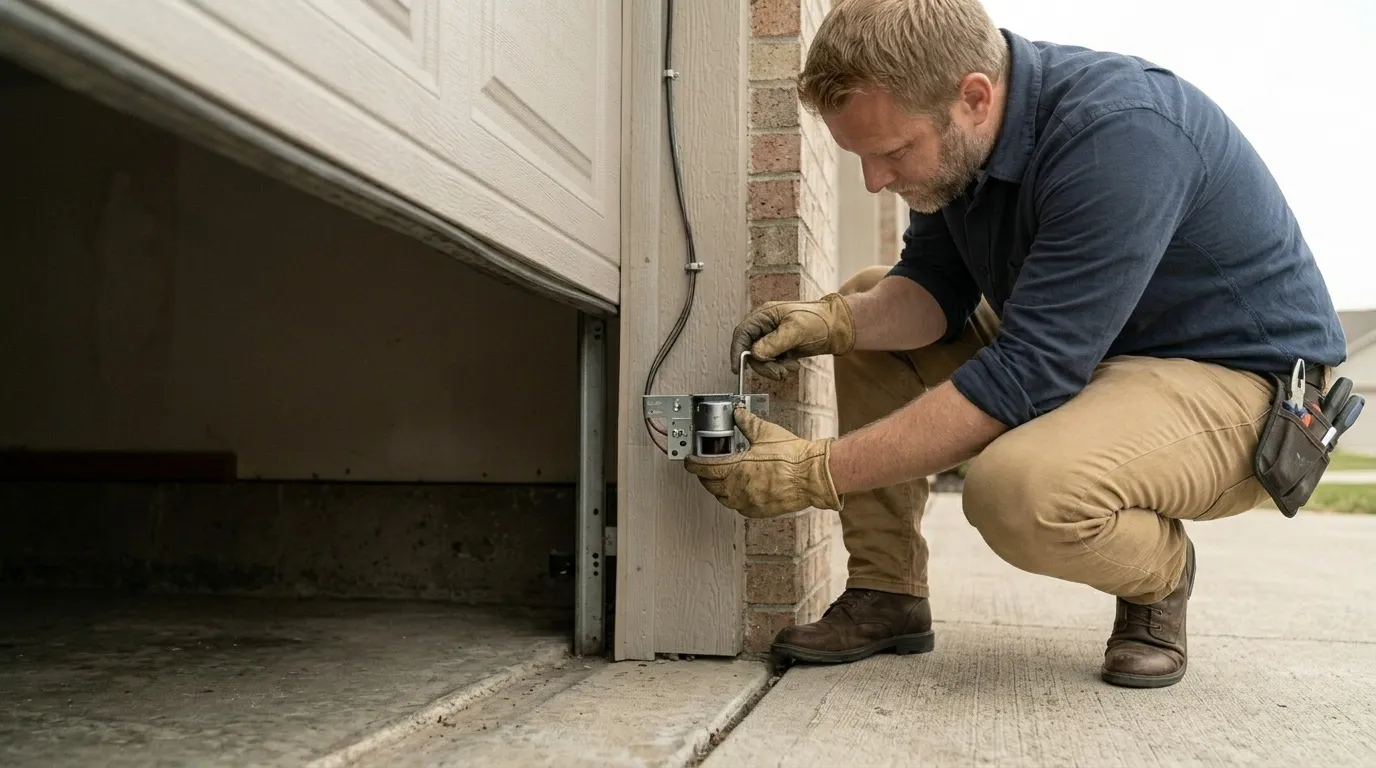
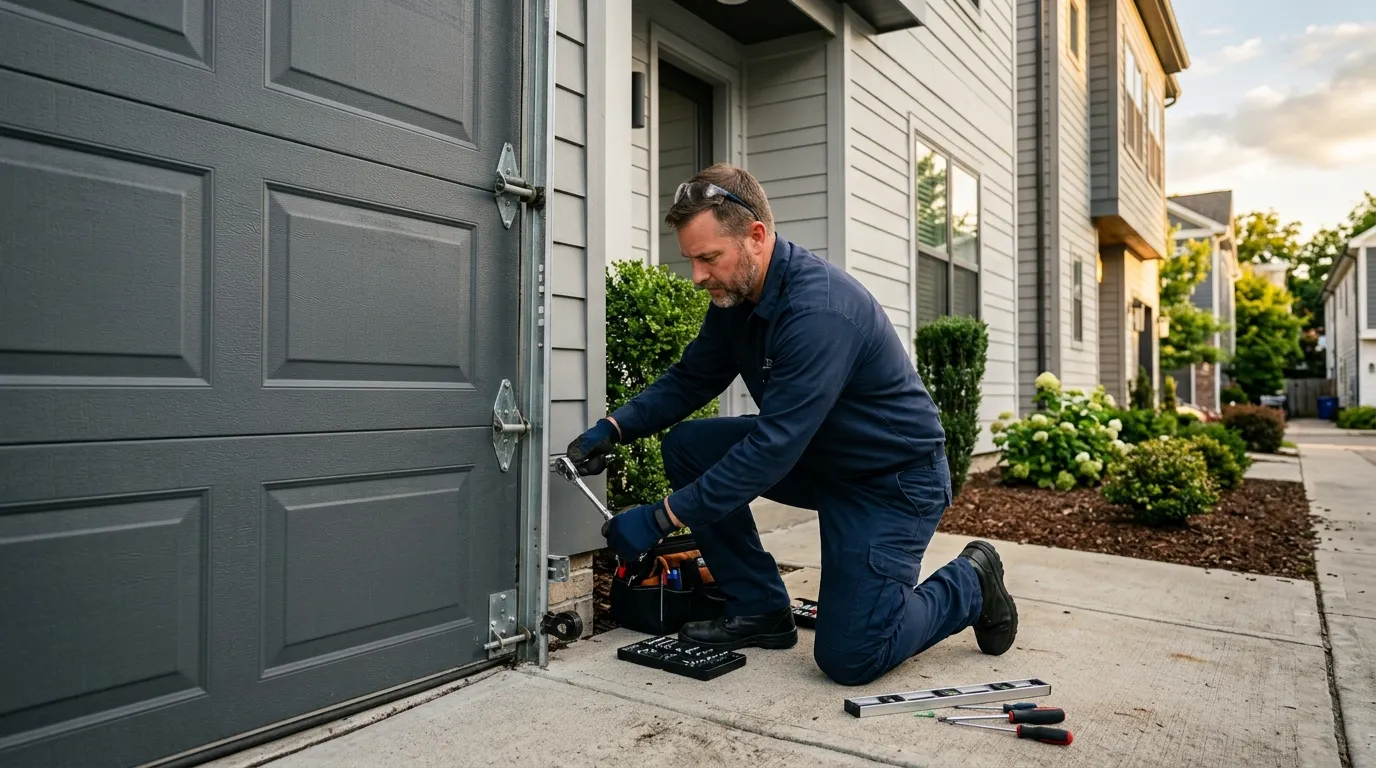
Wesconnett's houses mostly went up between 1973 and 2007, with the typical build year sitting around 1985. That puts a lot of garages in the neighborhood on the same basic hardware path: steel sectional doors on torsion springs, chain-drive or early screw-drive openers, and rollers that were never meant to run this many cycles without service. Nothing here is exotic. It's the same door and opener combination that went into most Jacksonville-area subdivisions built in that window, and it fails in the same predictable ways - a torsion spring that's done its 10,000 cycles and snaps on a cold morning, a opener logic board from the 90s that finally quits, sensor brackets that have been knocked out of alignment for years without anyone noticing.
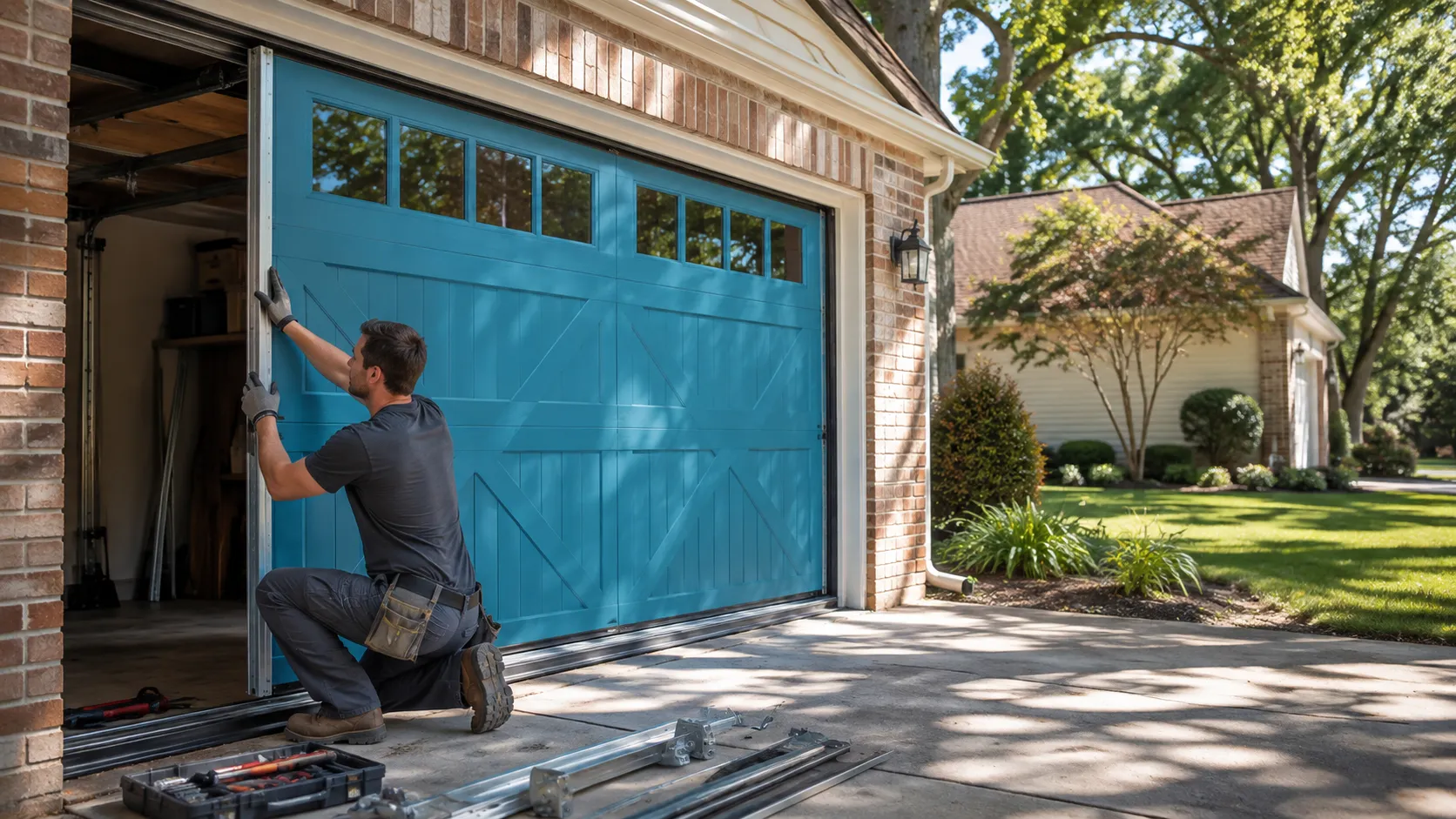
We don't guess at what's behind a Wesconnett garage door before we get there, but the build era tells us most of what we need to know before we open the truck. If your door is original to a house from that stretch, it's very likely on a torsion spring system with a single spring on a single door or two springs on a double - parts we carry, not parts we have to hunt down.
One honest limit: if a house was renovated or the garage converted after the original build, all bets on hardware age are off, and we won't tell you what's inside until we've actually looked at it.
Houses on These Streets
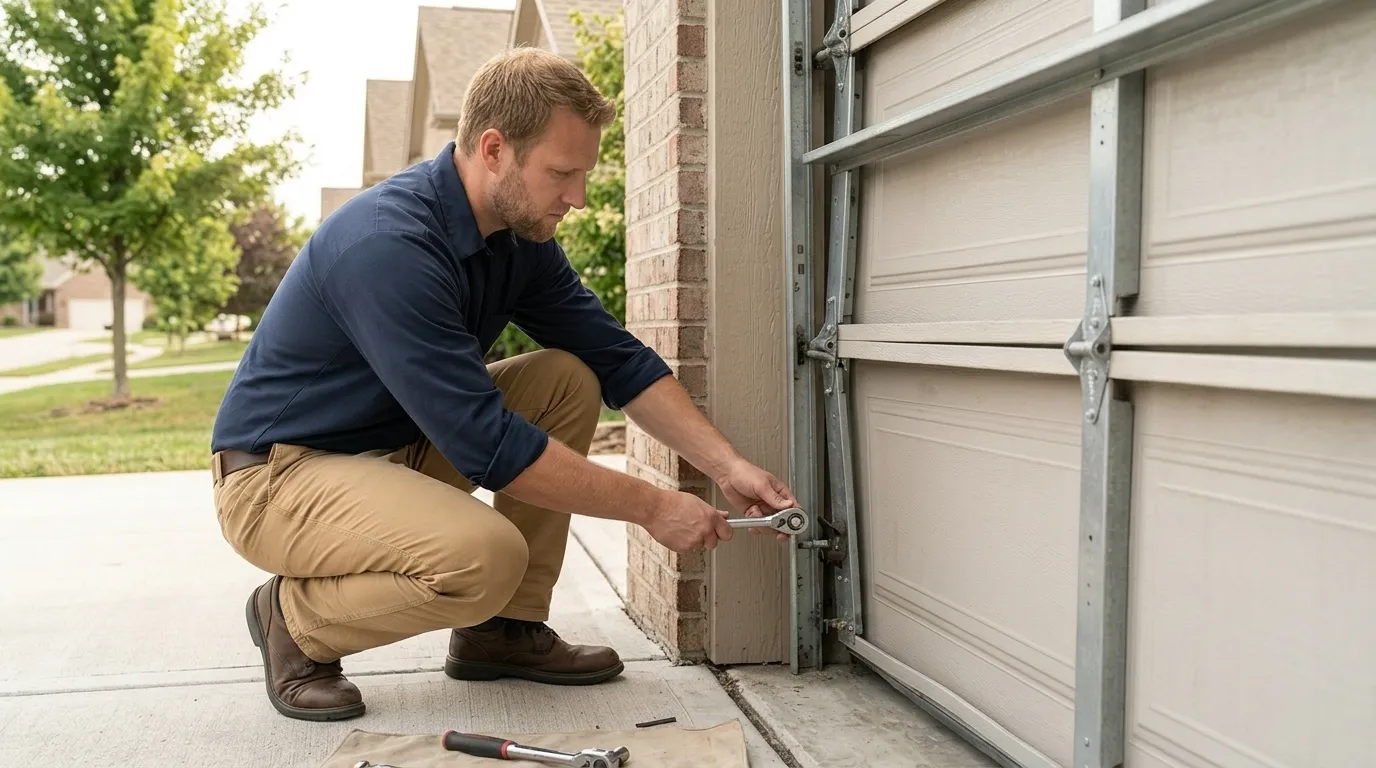
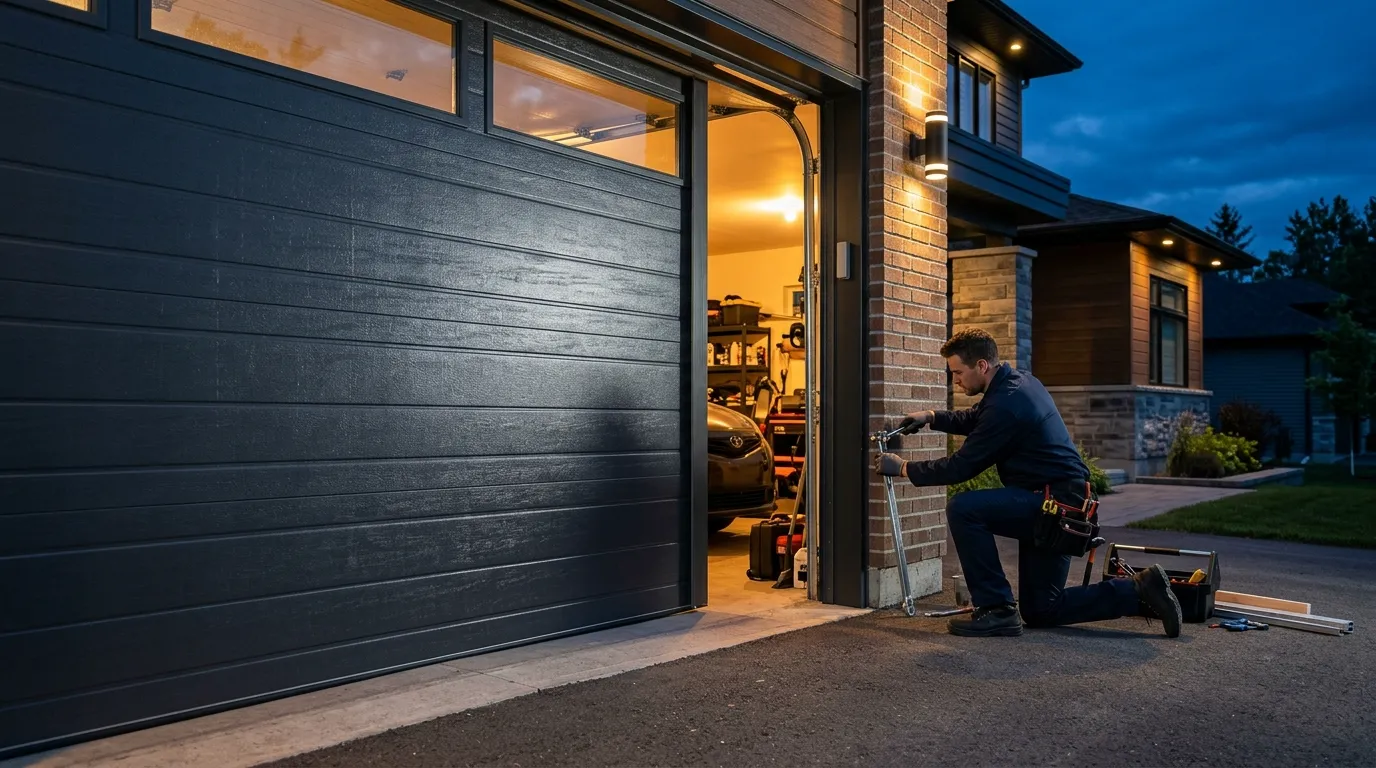
A door built in the 1970s or 80s and a door built in the early 2000s aren't the same job, even in the same neighborhood. Earlier houses in Wesconnett's build window are more likely to carry a single, non-insulated steel door on older extension-spring hardware mounted along the horizontal tracks rather than torsion springs overhead. Later houses from the 90s and 2000s in that same 1973-2007 range shifted to torsion spring setups and, by the tail end of that window, R-value insulated panels.
Because the median build year lands around 1985, a big share of what we see on these streets falls into that middle ground - torsion spring doors old enough that the springs are past due, but not old enough to need the extension-spring style repair. We size springs to the actual door weight and cycle count we find, not to a rule of thumb, because a slightly heavier double door on the wrong spring wears out its opener drive gear years early.
The area's median household income sits at $103,288, and most of the repair and replacement calls we get from streets like this are people replacing a working-but-tired setup before it fails on a cold morning, rather than waiting for a full breakdown.
Where This Is
Wesconnett sits about 8 miles southwest of downtown Jacksonville. It's inland, not on the coast, which keeps it out of the salt-air corridor that eats hardware faster on beachside doors - Jacksonville's climate here runs mild temperate, without the deep freeze cycles that crack seals or the direct salt exposure that rusts springs from the outside in.
We work the wider Jacksonville service area, which covers roughly 86,151 households, about 48,862 of them owner-occupied houses - the kind of stock where garage door repair and replacement calls actually come from, as opposed to rentals where a landlord handles it differently. Wesconnett's position 8 miles southwest of the center puts it well within that coverage, on the same side of town as the mid-century-through-2000s build pattern that runs through several nearby neighborhoods.
We don't cover every town in Northeast Florida, and we won't quote a job sight unseen for a house outside the area we actually drive.