What Is on These Garages
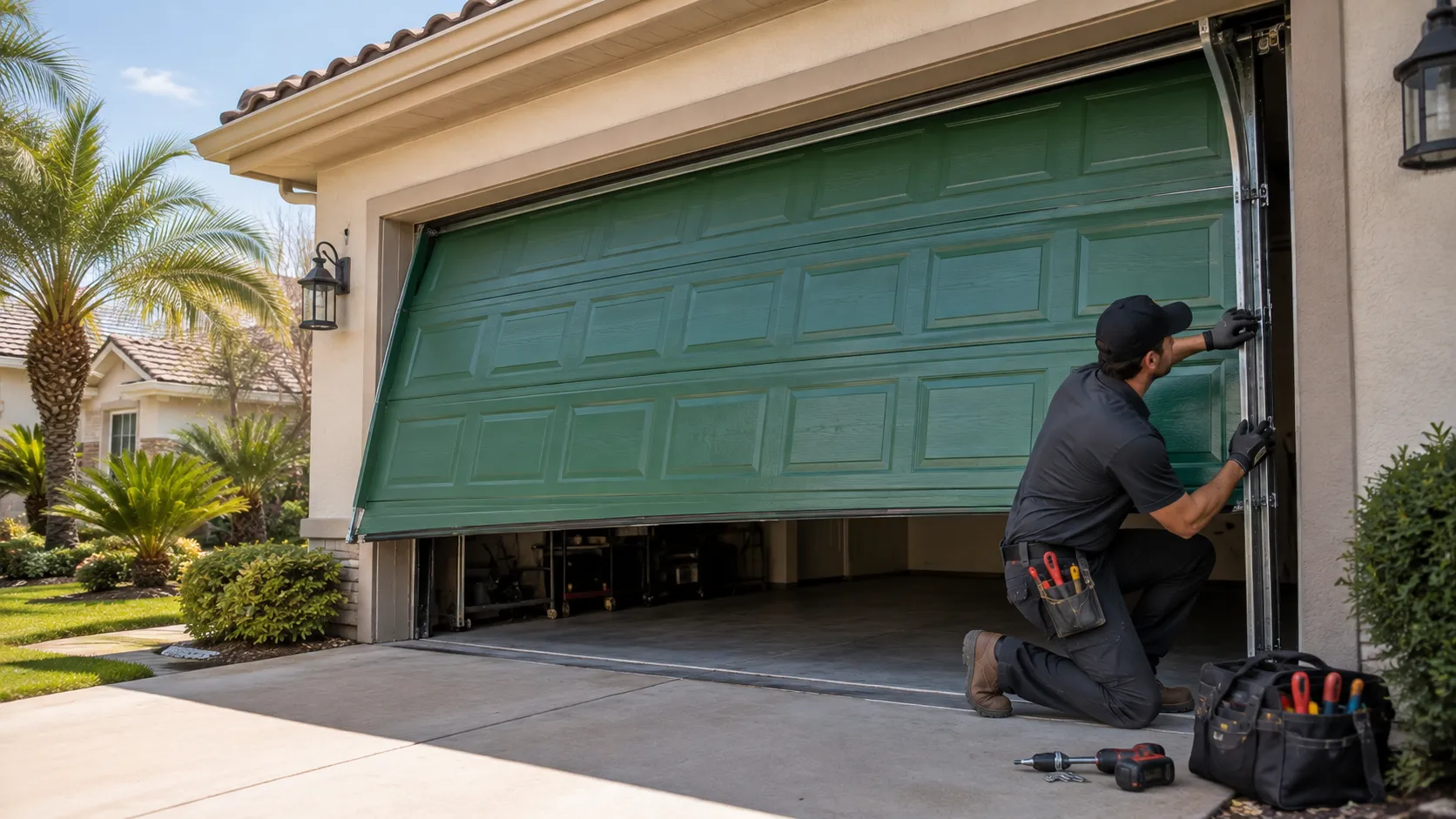
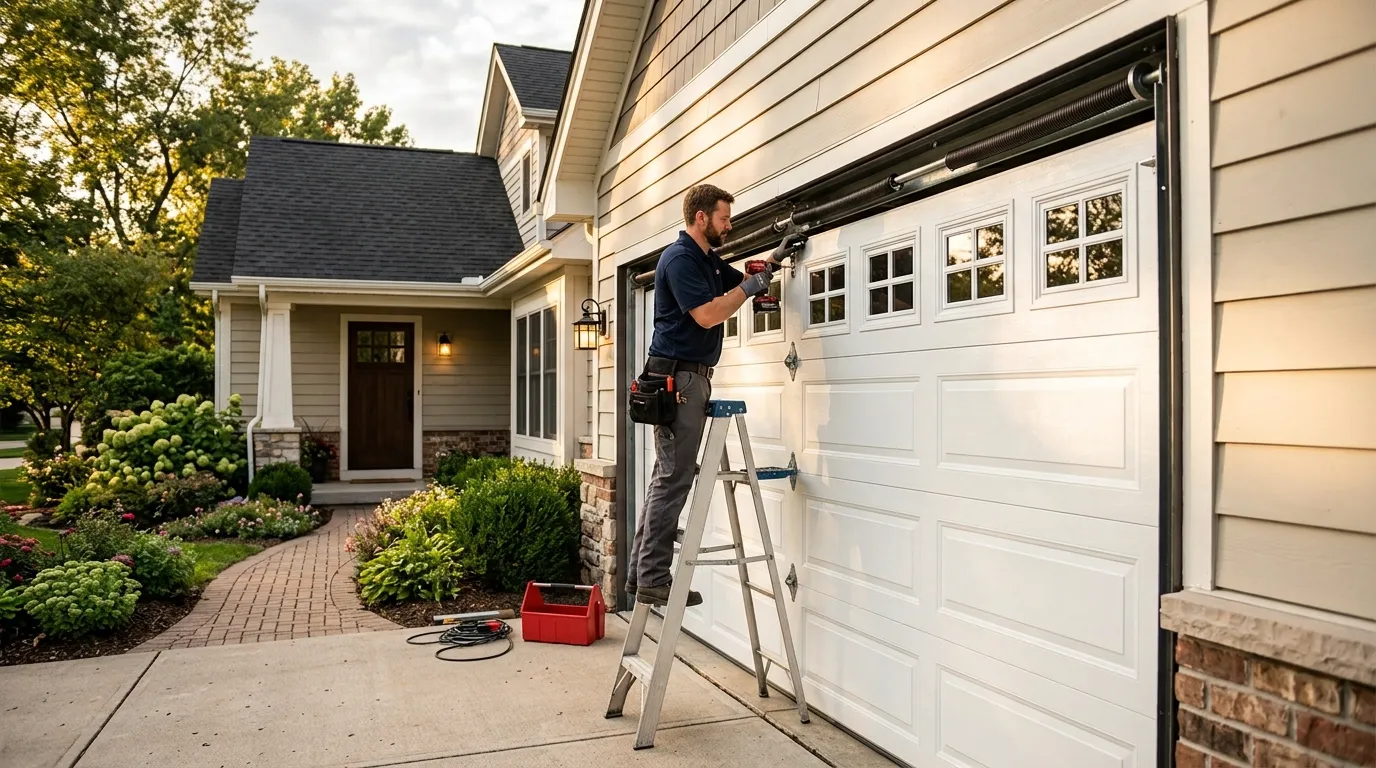
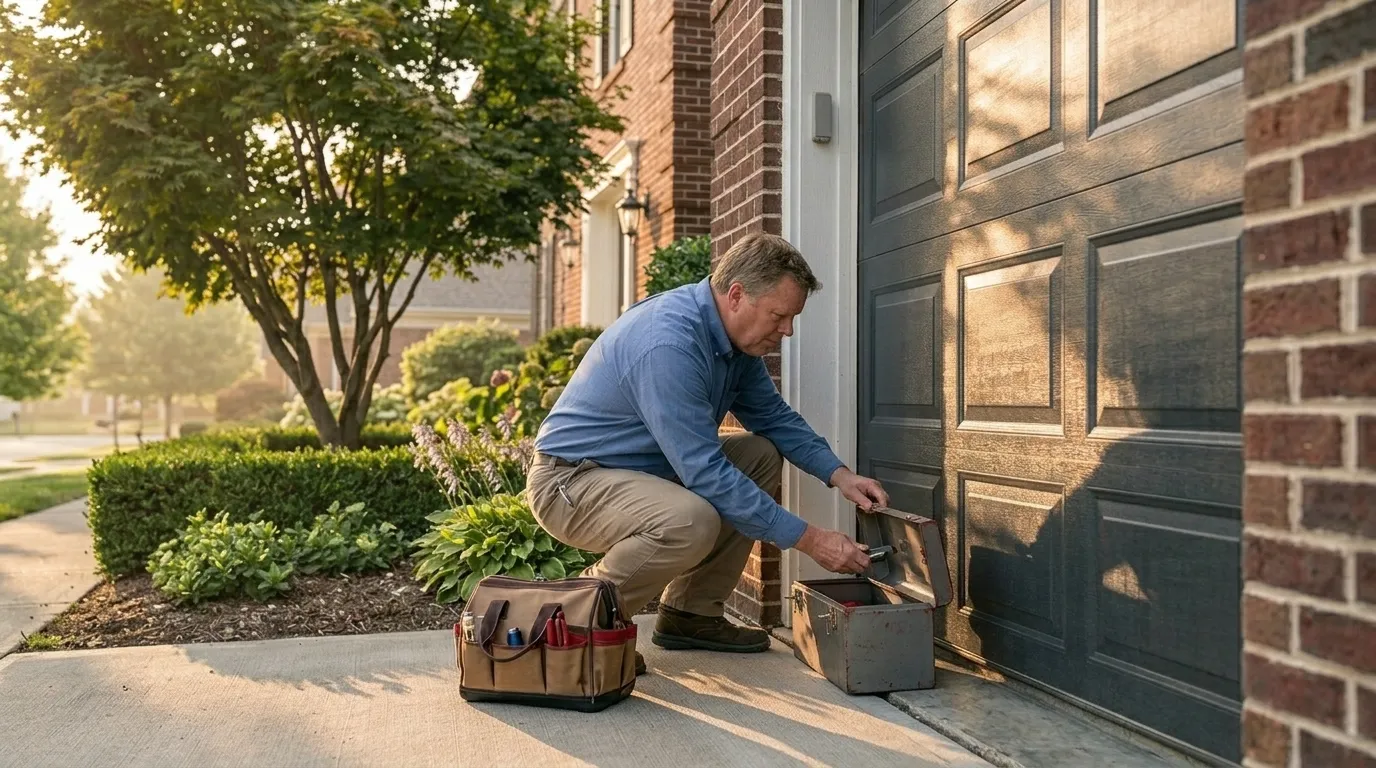
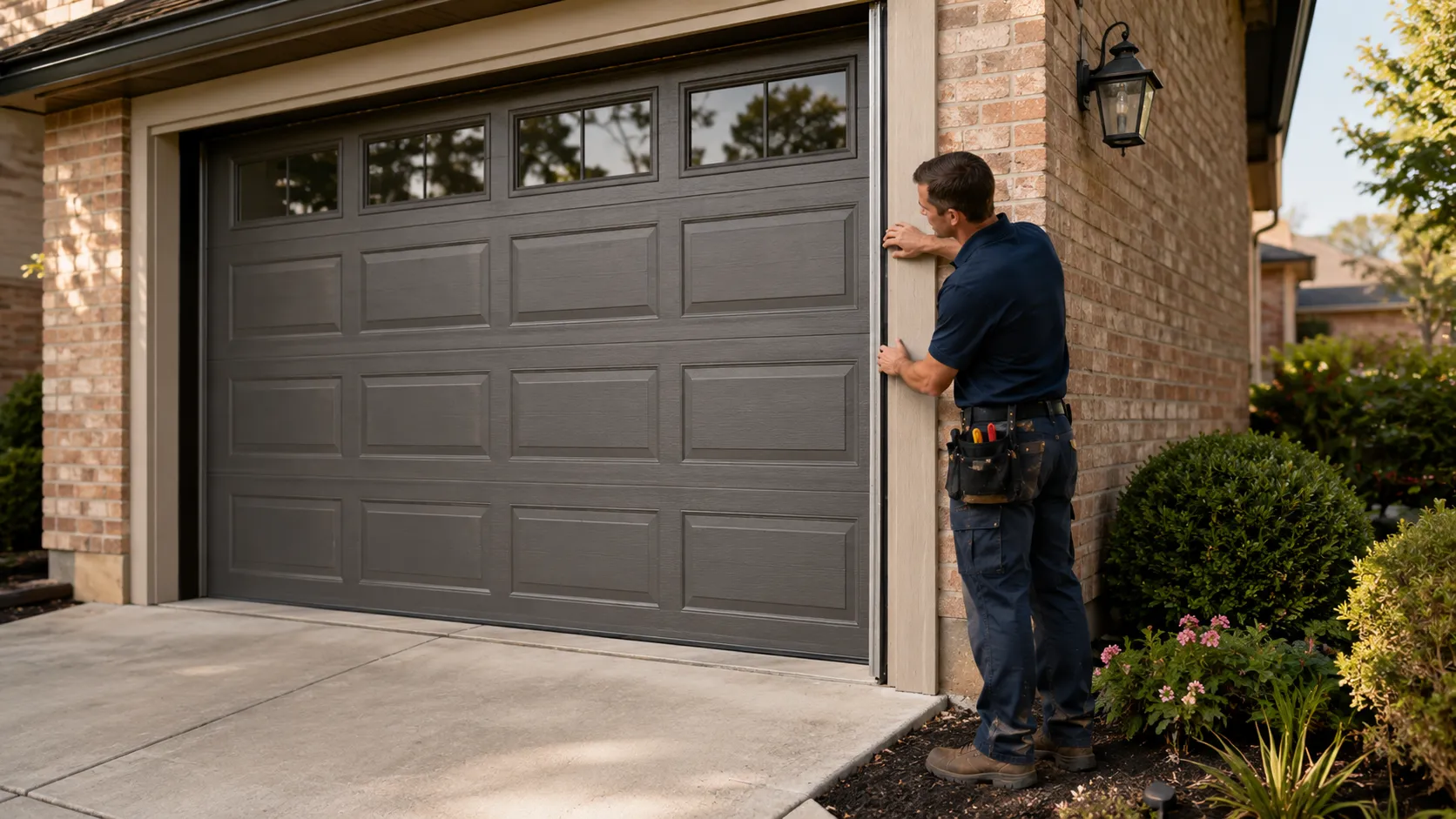
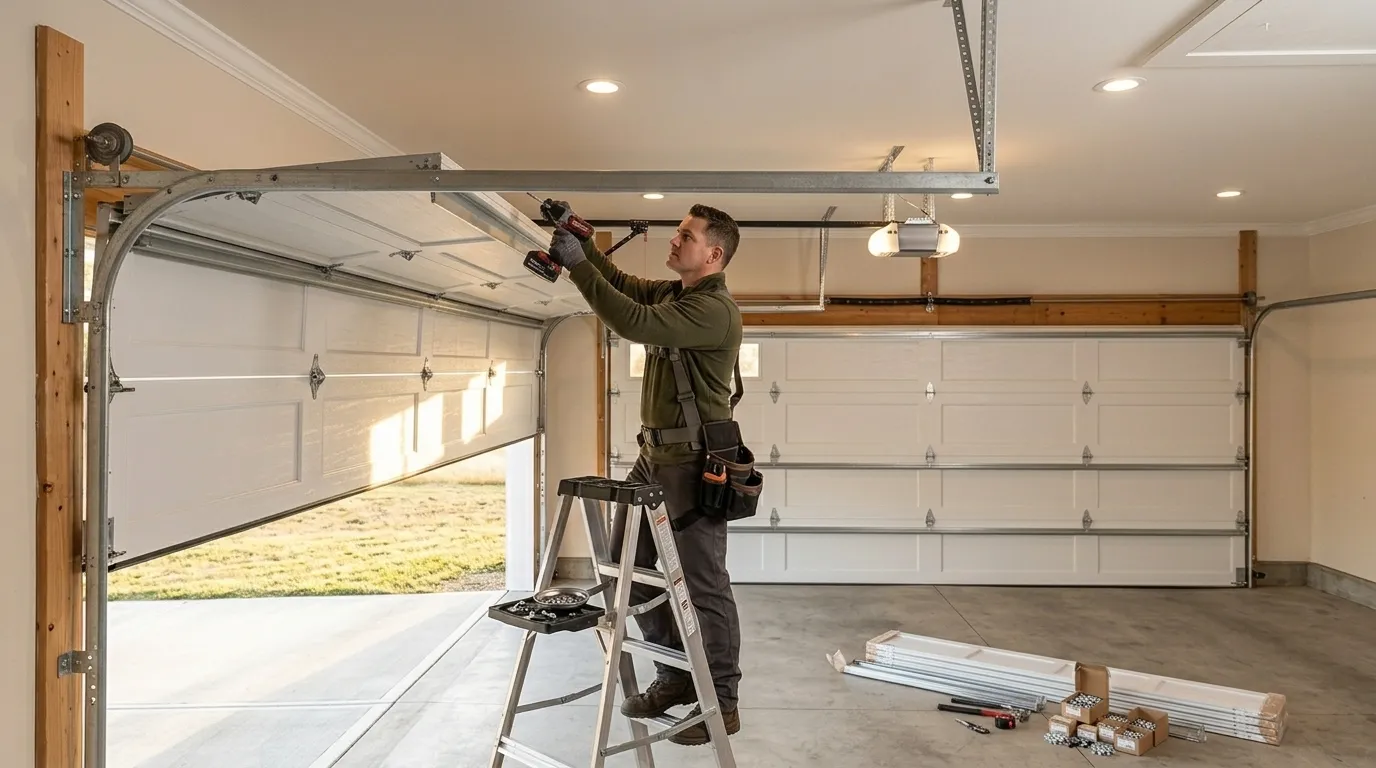
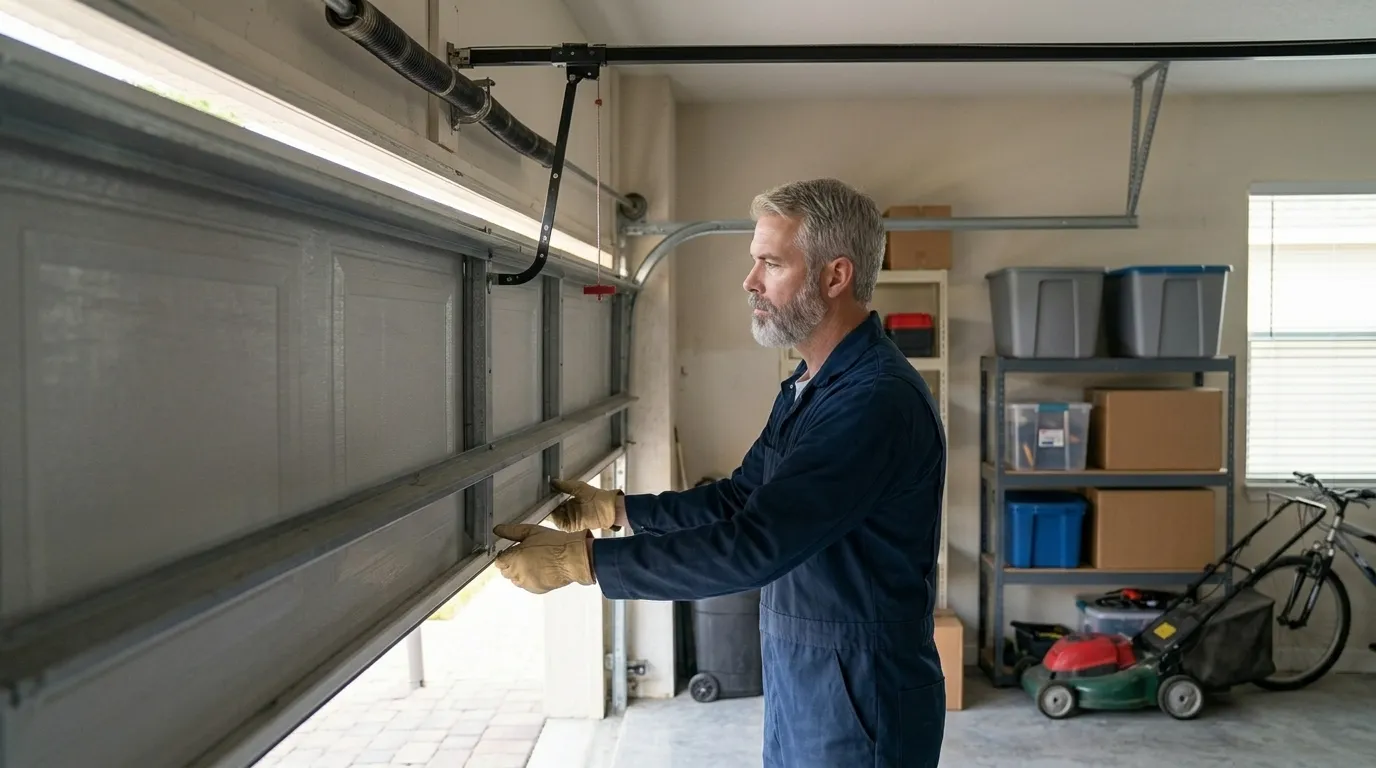
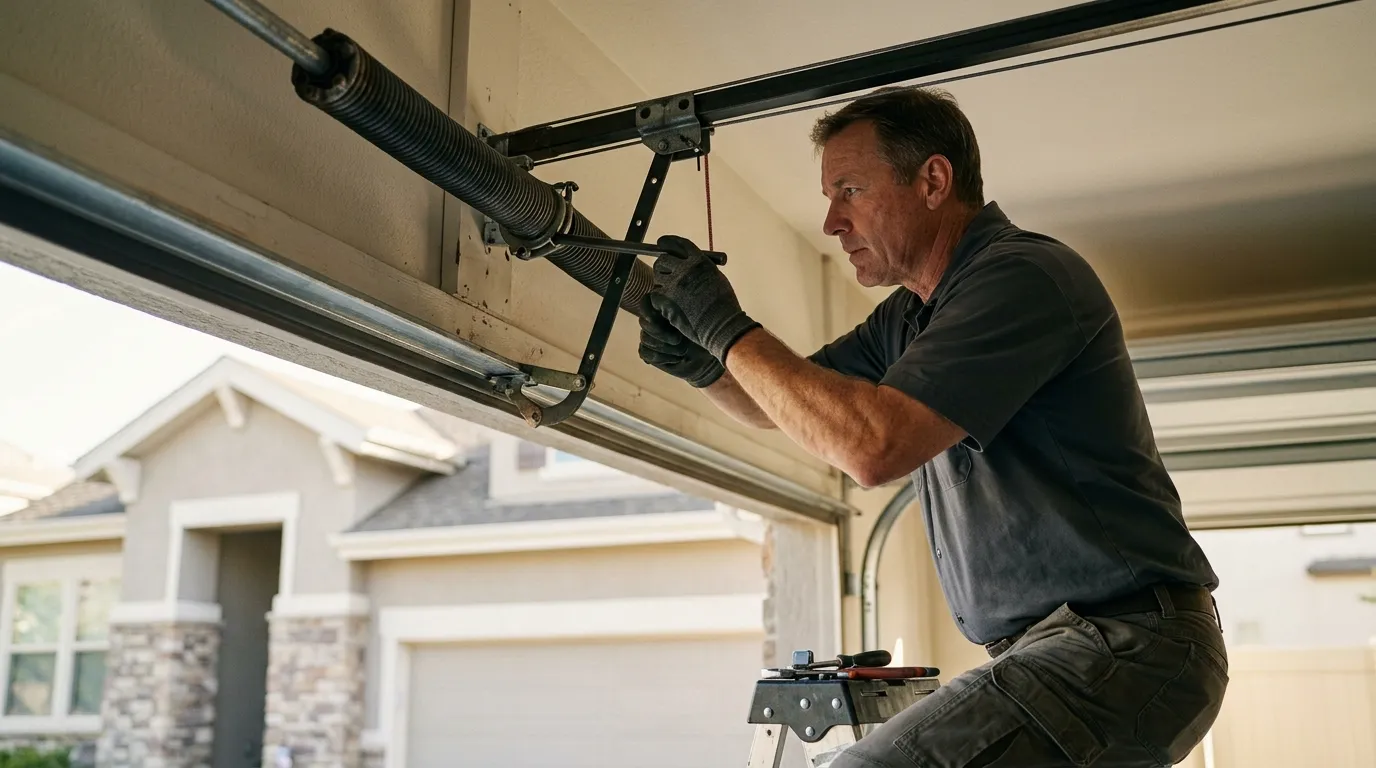
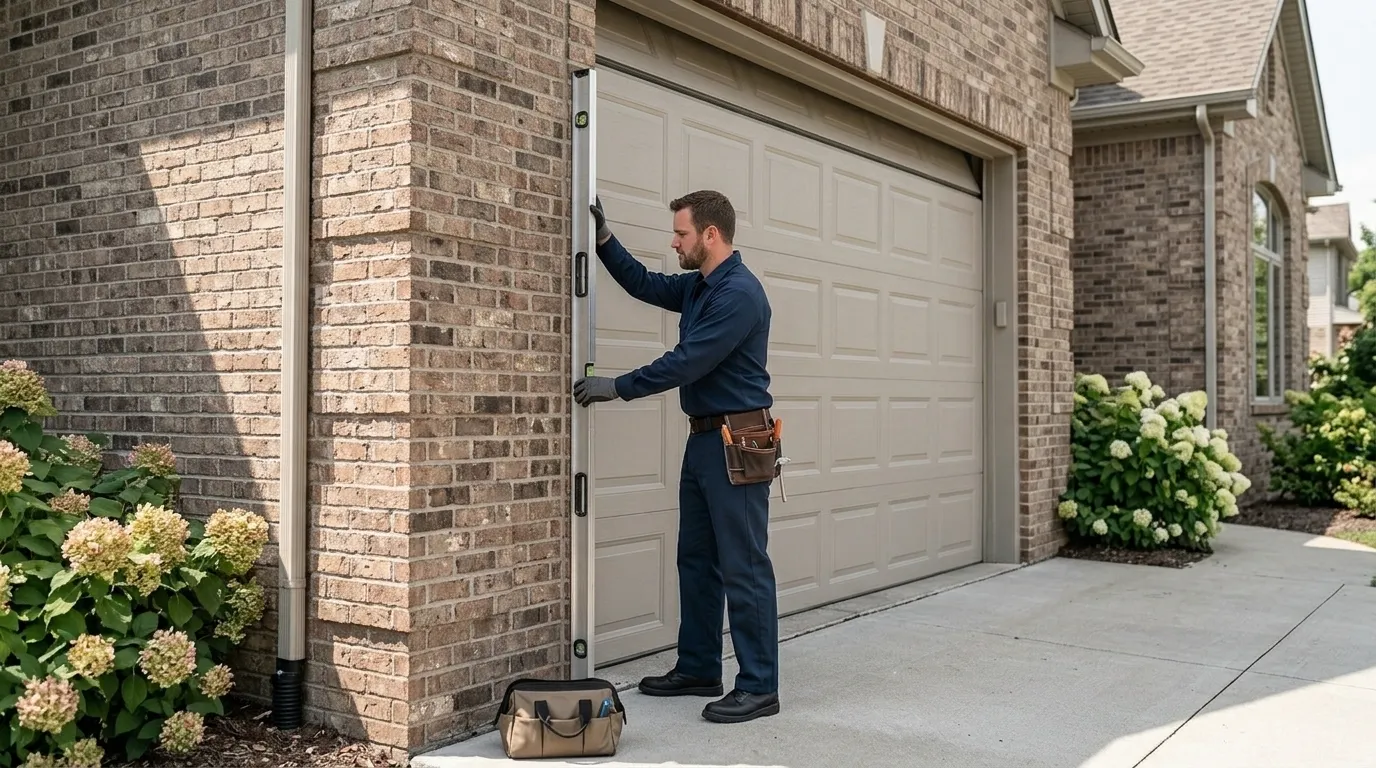
Arlingwood sits inside the part of Jacksonville where most housing went up between 1973 and 2007, with the median home dating to around 1985. That matters more than people think when a door starts acting up. A garage built in the early 80s almost always came with a steel raised-panel door on a torsion spring mounted centered above the opening, paired with a chain-drive opener that's been swapped out once or twice by now. Later builds from the 90s and early 2000s start showing extension springs on some models and lighter-gauge panels that dent easier but track smoother when the hardware is aligned right.
We see a lot of original torsion springs still hanging on in this stretch, which is impressive but not something to bet on. A 30-plus-year-old spring can go on a Tuesday afternoon with no warning, and when it does, the door won't lift no matter how strong the opener motor is. If your opener is straining, clicking, or reversing on its own, it's usually not the opener - it's the spring doing less work than it used to and the motor trying to cover for it. We check spring wear before we ever recommend a new opener.
Houses on These Streets
The housing stock here runs mostly single-family with attached two-car garages, consistent with the broader 1980s-90s build pattern across this side of Jacksonville. Garage widths and header heights from that era are fairly standard, so parts availability is usually good - we're not chasing down obsolete track sizes or custom door widths.
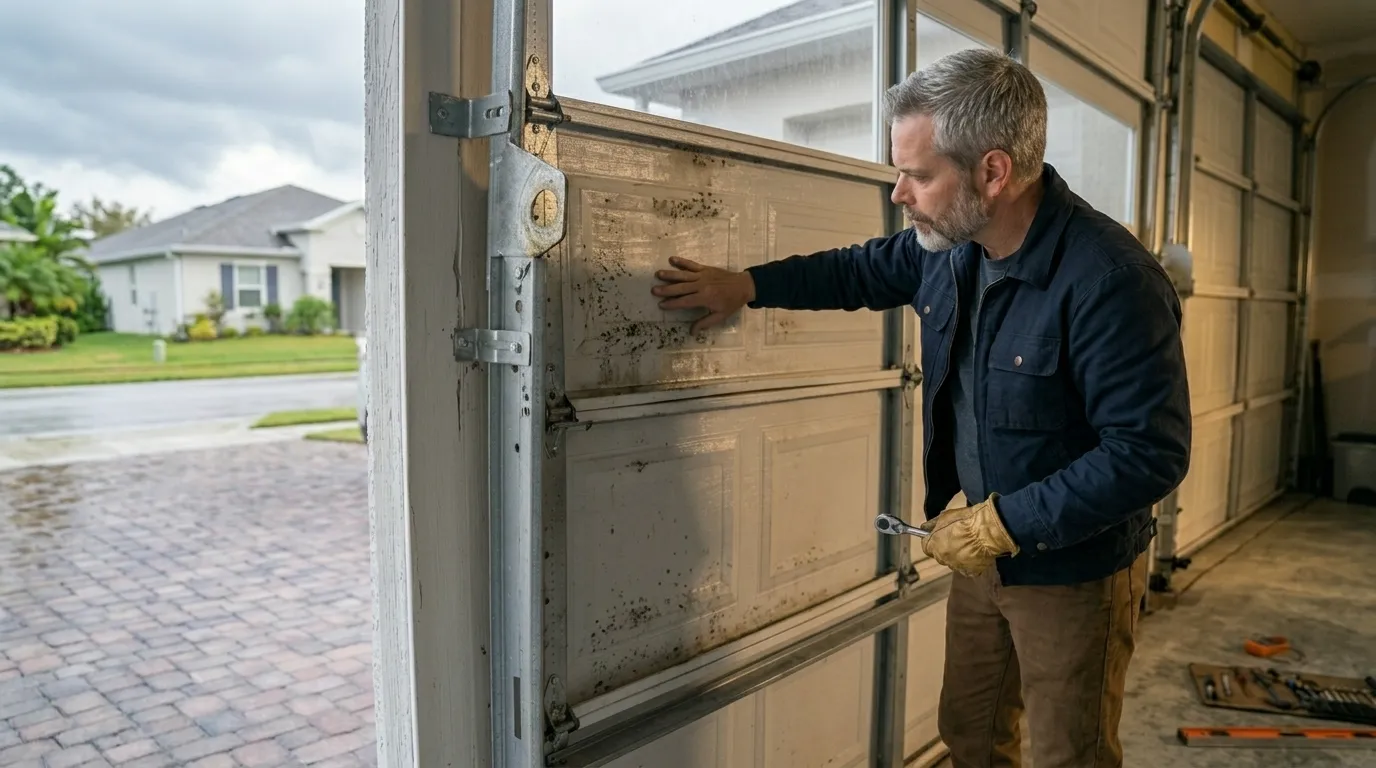
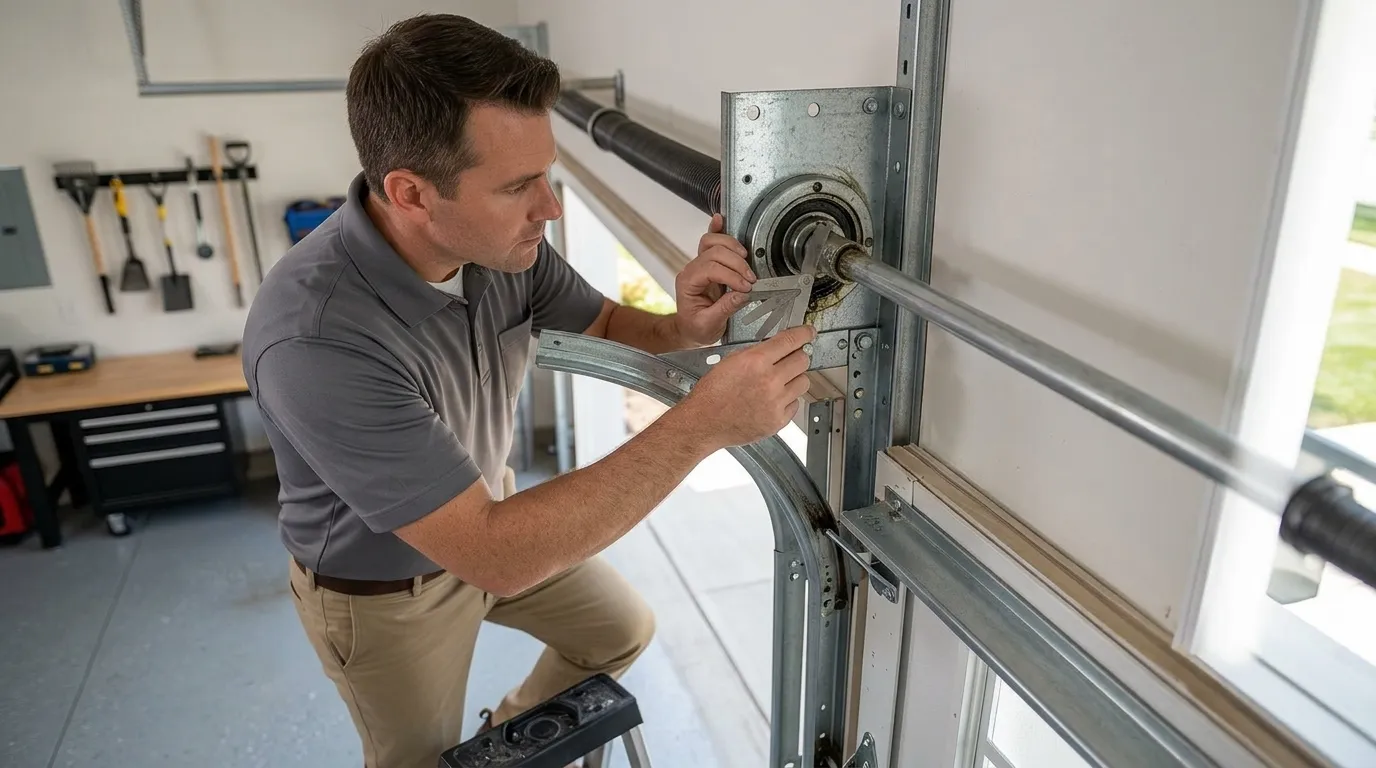
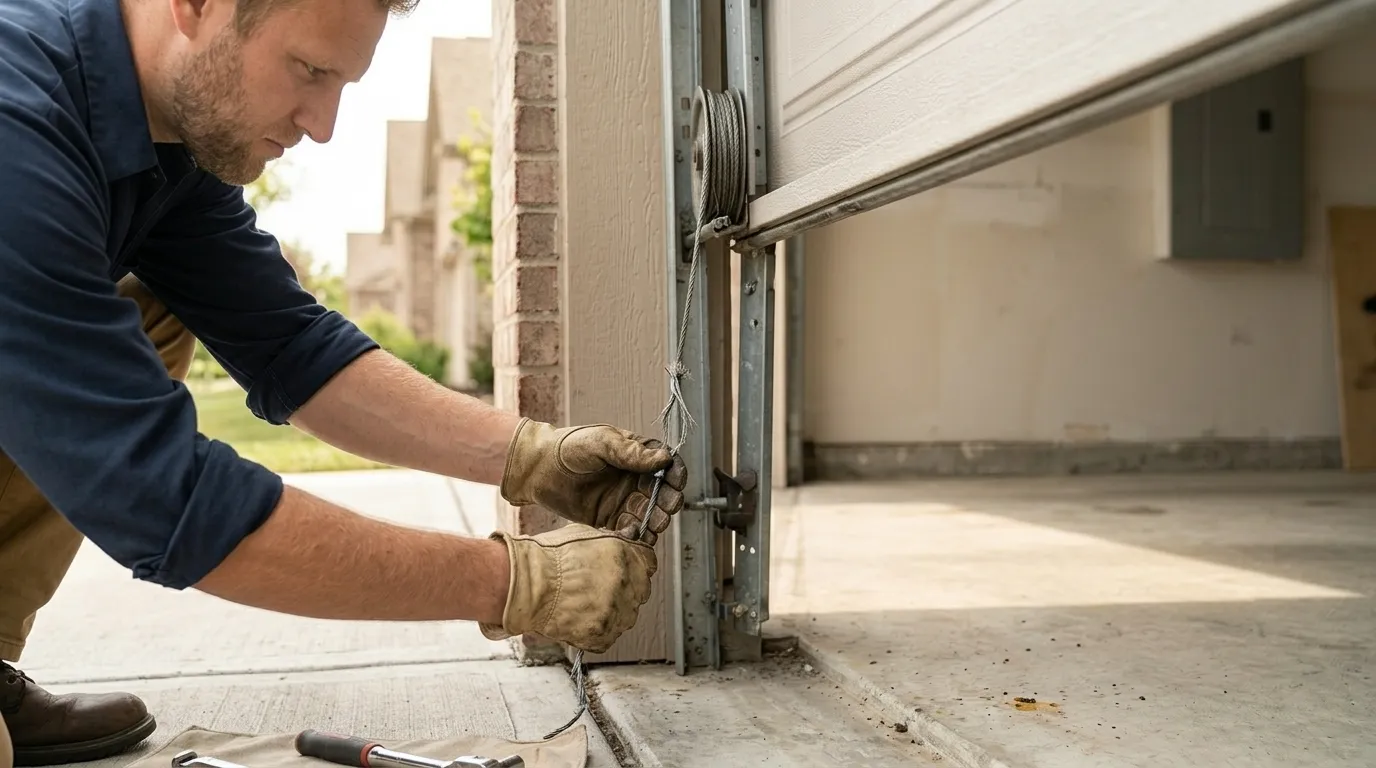
What does vary house to house is how much the original hardware has been touched. Some garages here still run the factory torsion spring and drums from the day the house was framed. Others have had a repair or two along the way, sometimes with parts that don't quite match the original spec - a slightly wrong wire gauge on a spring, or a roller swapped for a size that doesn't sit right in the track. Mismatched hardware is one of the more common issues we find on service calls in this age bracket, and it's often the real reason a door feels rough even after a spring replacement.
One limitation worth being upfront about: if a track or panel is bent badly enough, or if the door is an odd width outside standard sizing, we may need to order the part rather than carry it on the truck. We'll tell you that upfront instead of guessing at a same-day fix.
Where This Is
Arlingwood sits about 6 miles east of downtown Jacksonville. It's on the same general side of the city as San Marco, Southbank, and Springfield, all of which sit within a couple of miles of downtown itself, though Arlingwood is further out from that core cluster. We don't have a service boundary list to hand you here, but if you're in this part of Jacksonville and your house dates to the same building years as the rest of the neighborhood, the hardware situation is going to look familiar to us.
We work out of the broader Jacksonville service area, which covers close to 86,151 households and around 48,862 owner-occupied houses. Arlingwood is one stretch of that, built mostly in the same 1973-2007 window as the surrounding areas, which is part of why we can speak to the hardware here with some confidence instead of guessing.