What Is on These Garages
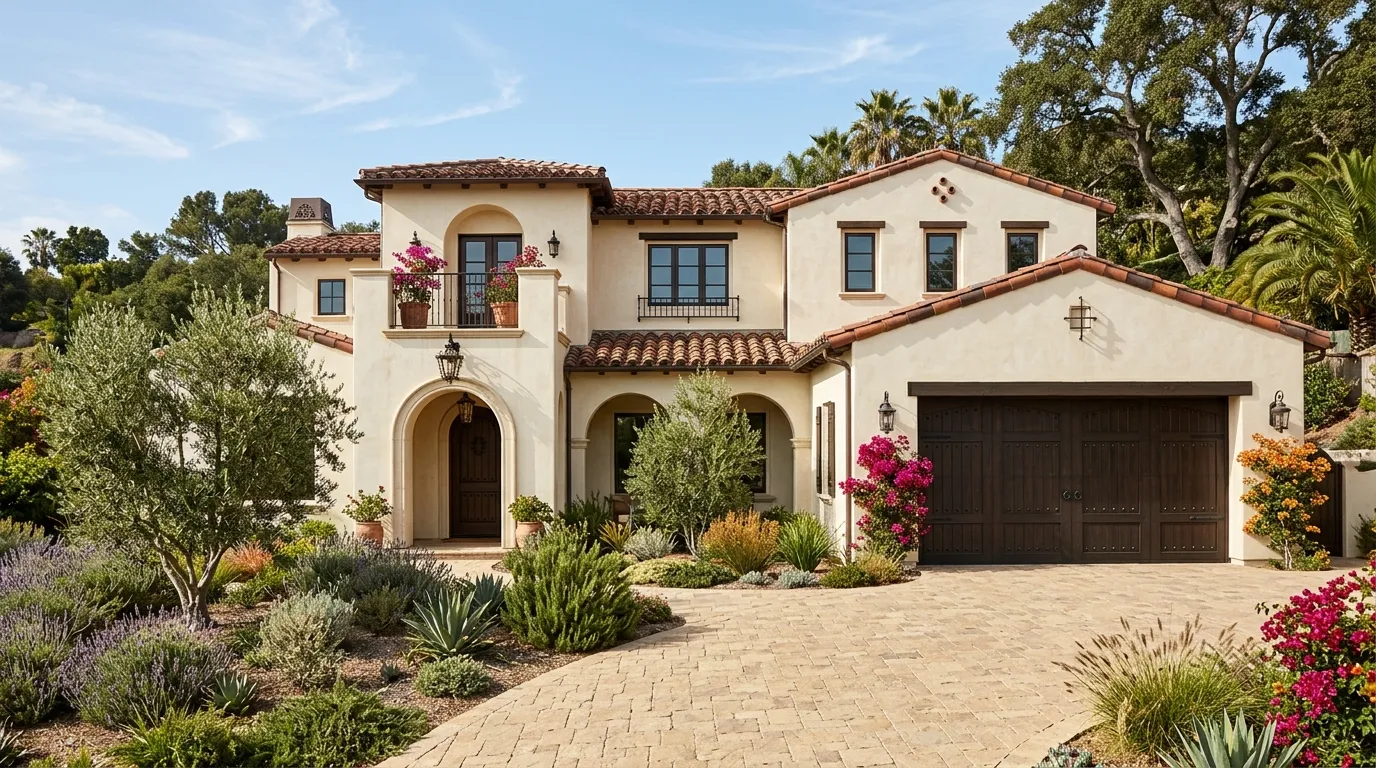
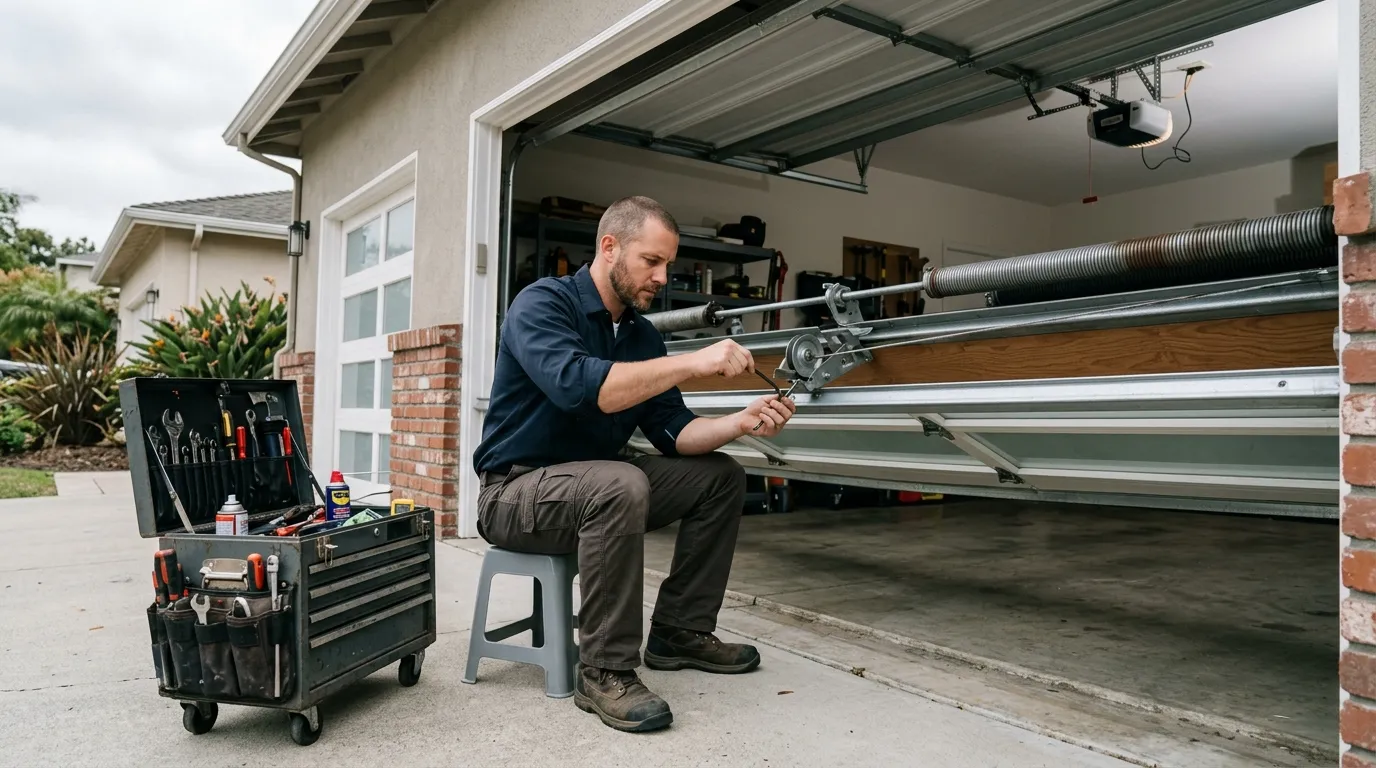
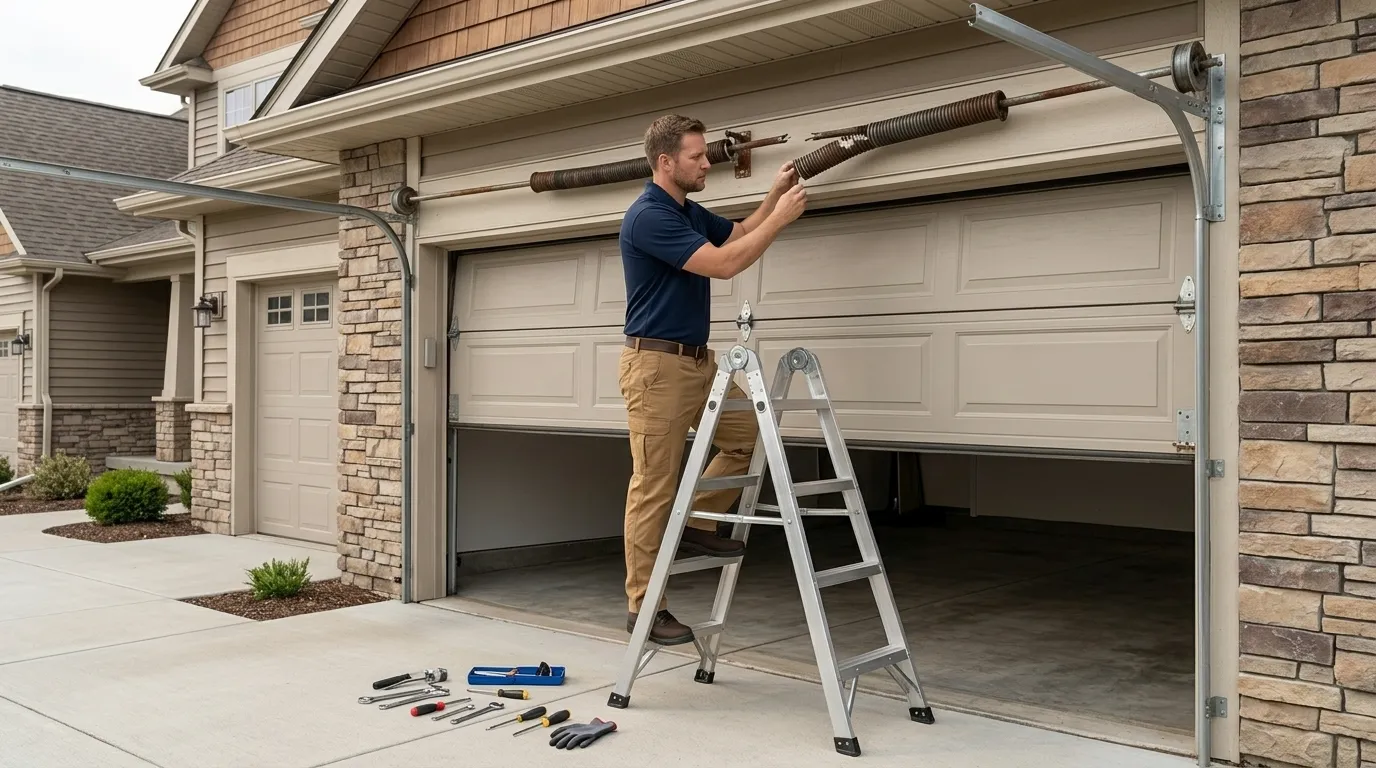
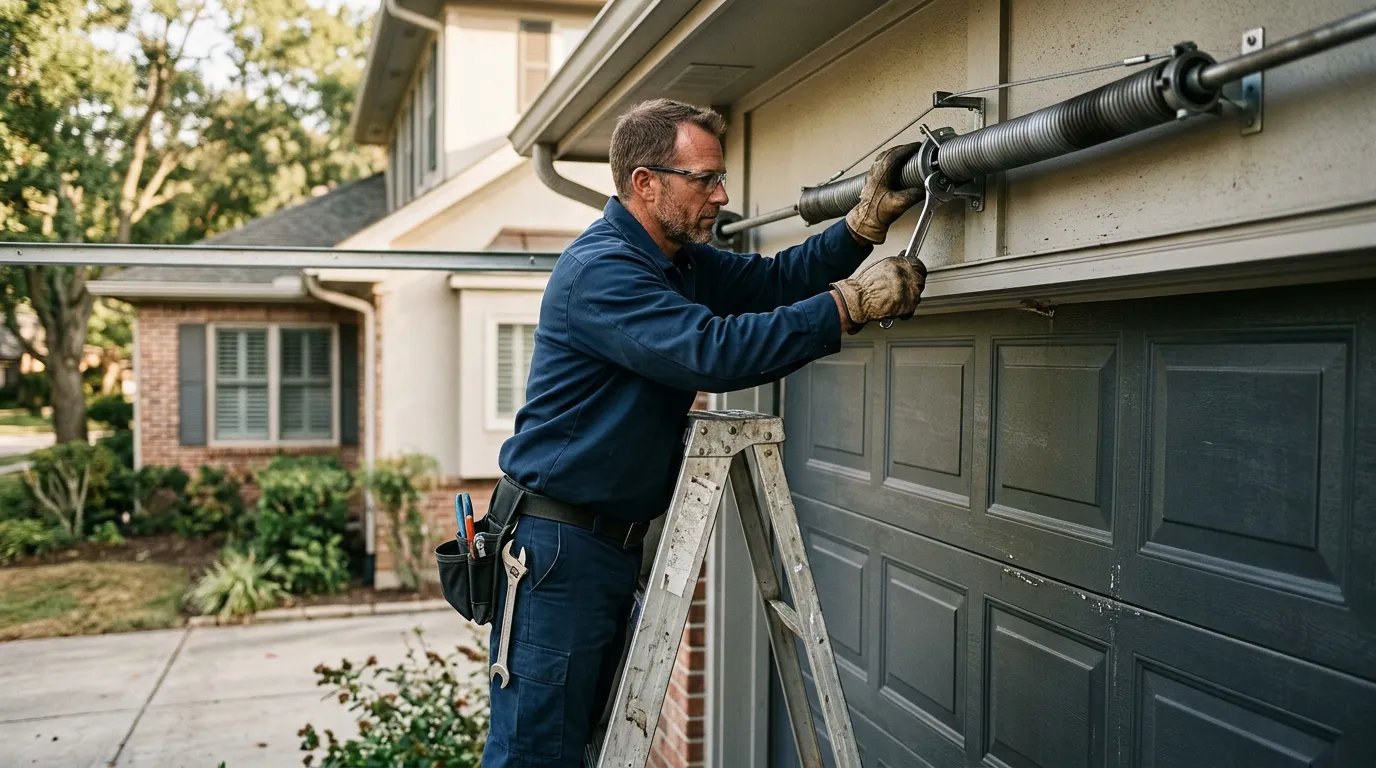
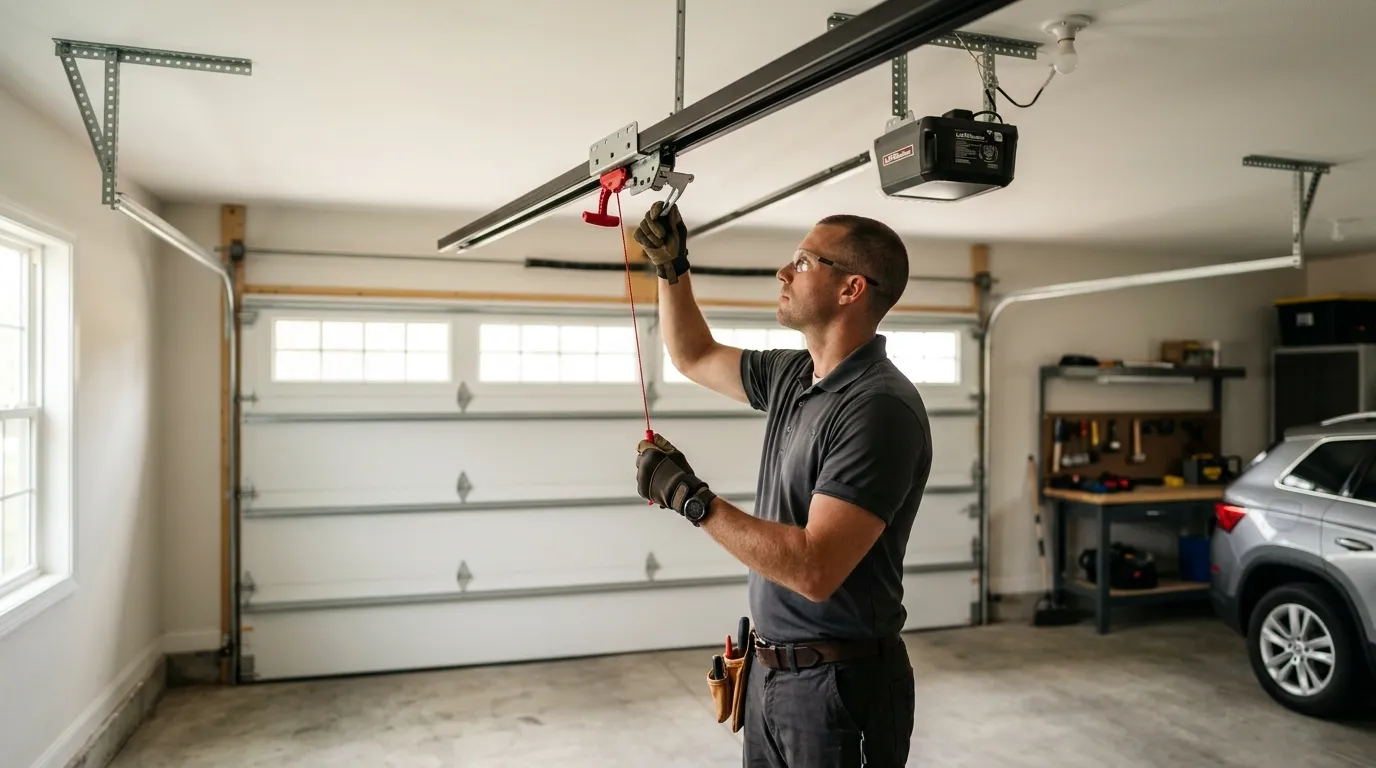
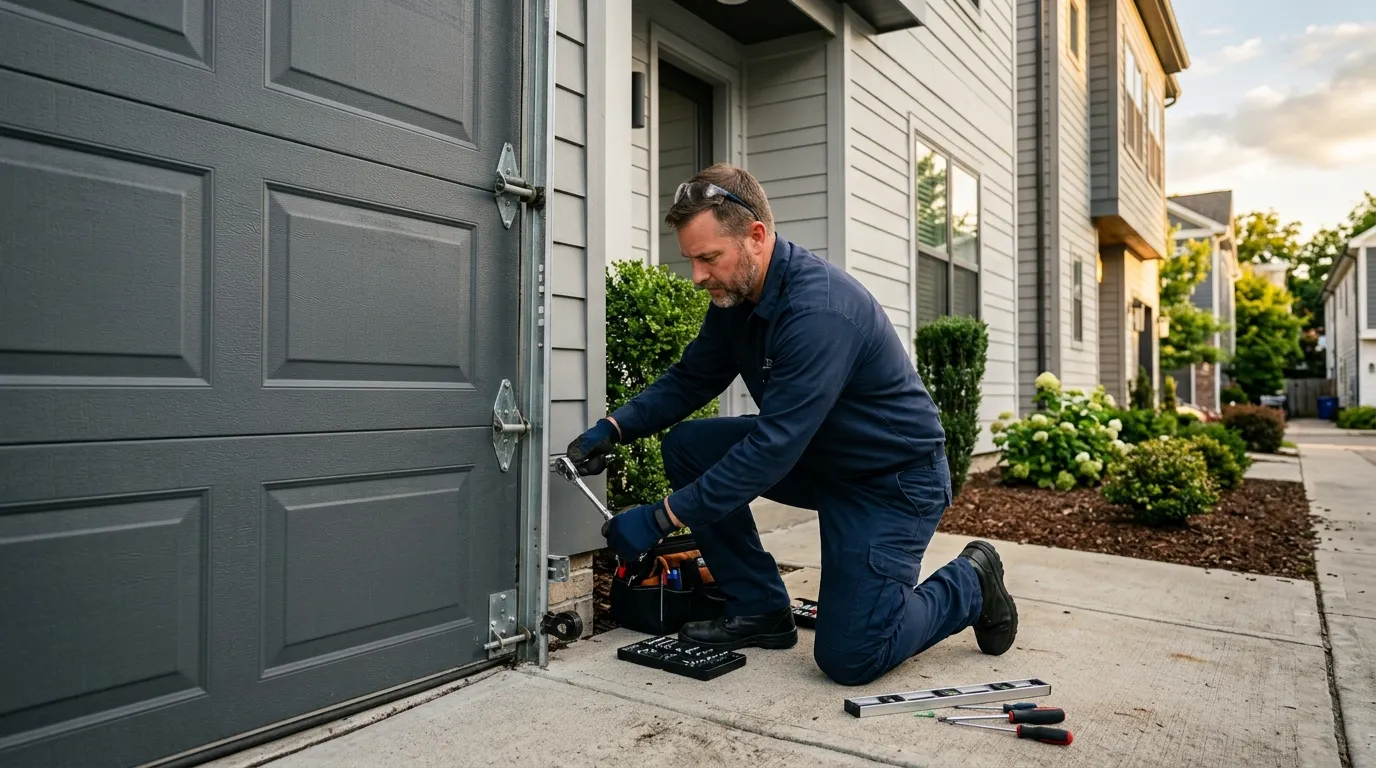
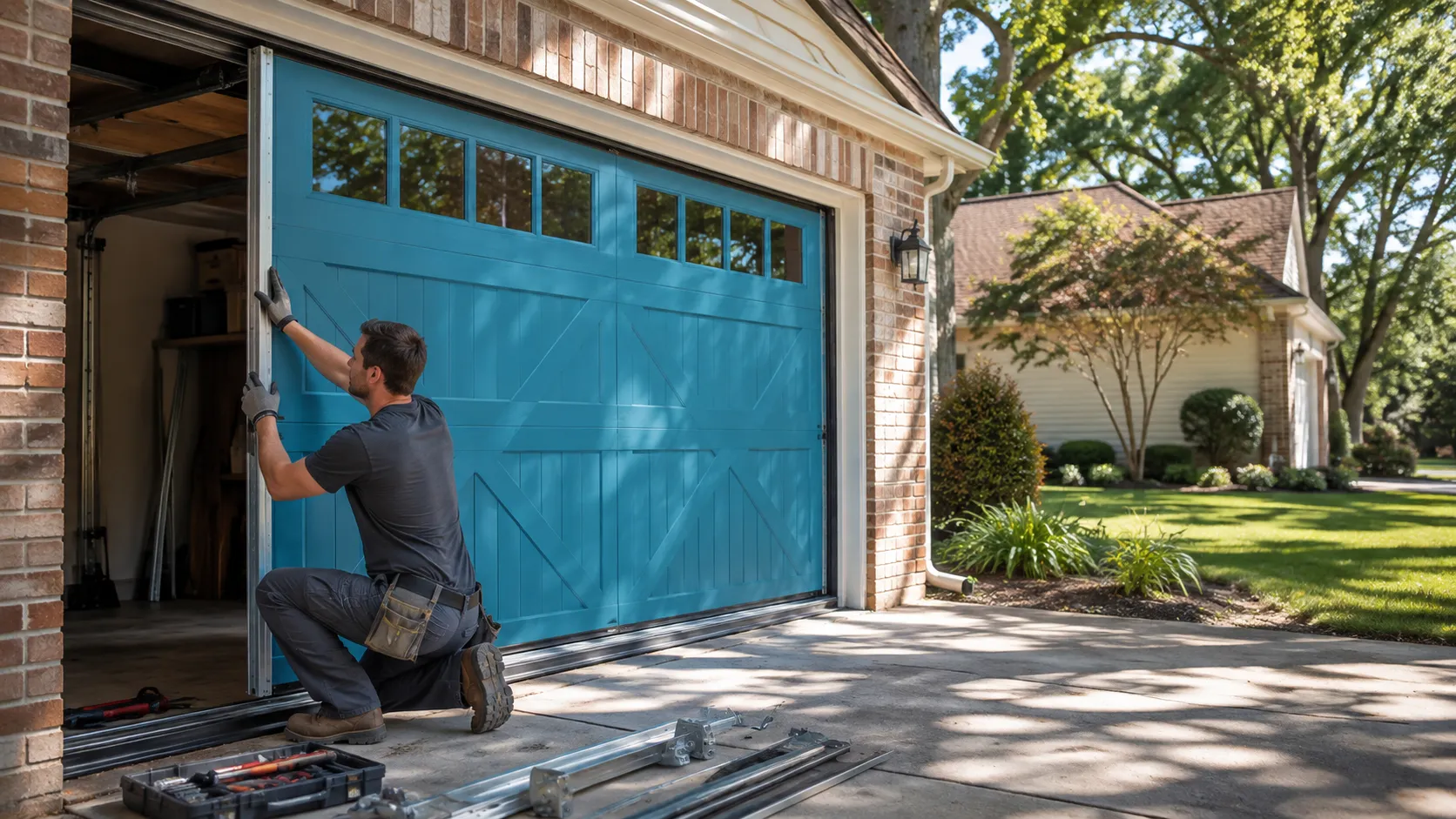
Avenues sits in a stretch of Jacksonville where most housing went up between 1973 and 2007, with the typical build year landing around 1985. That spread matters more than it sounds. A house built in the mid-70s usually still has its original steel sectional door on extension springs, maybe with an opener bolted on later as a retrofit. A house from the late 90s or early 2000s is more likely to have come with a garage door opener already wired in and a torsion spring setup over the header. On any given street here you can find both, sometimes on the same block.
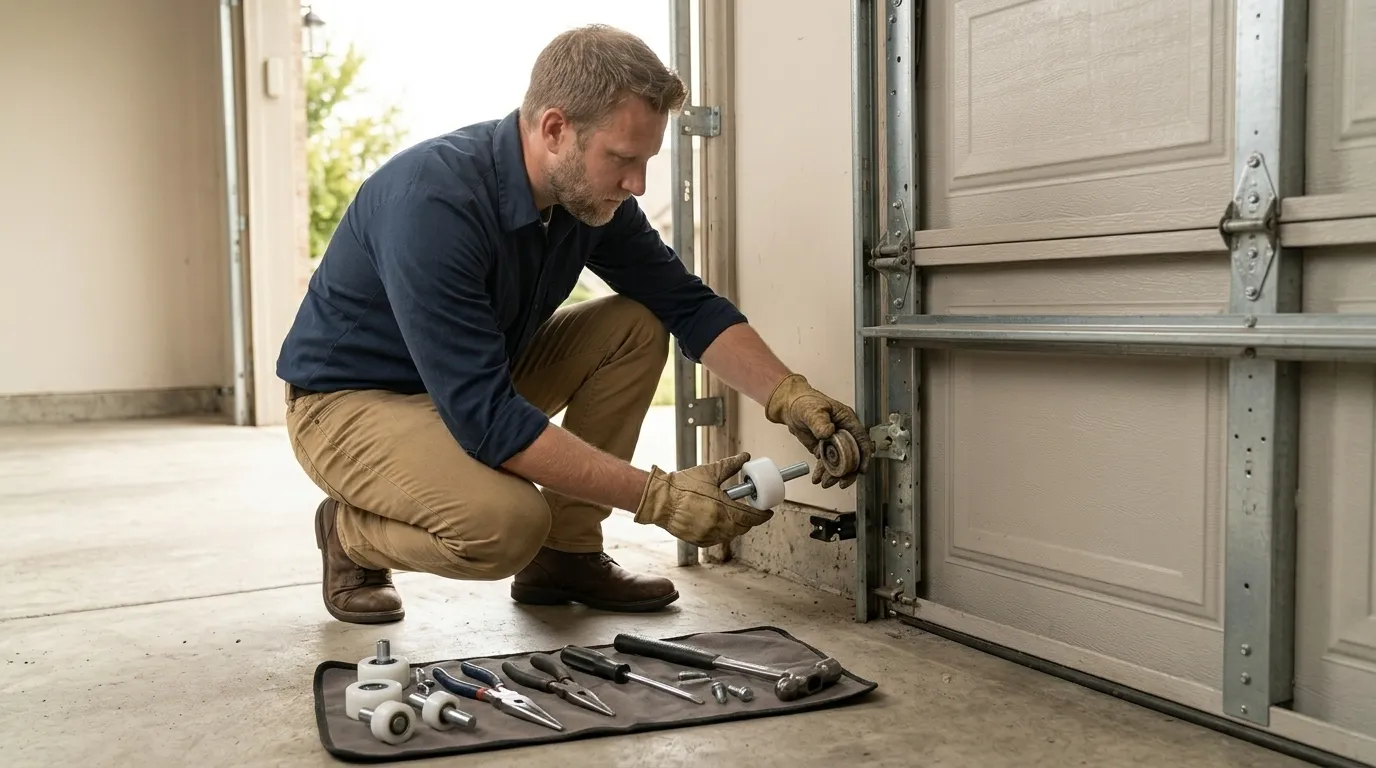
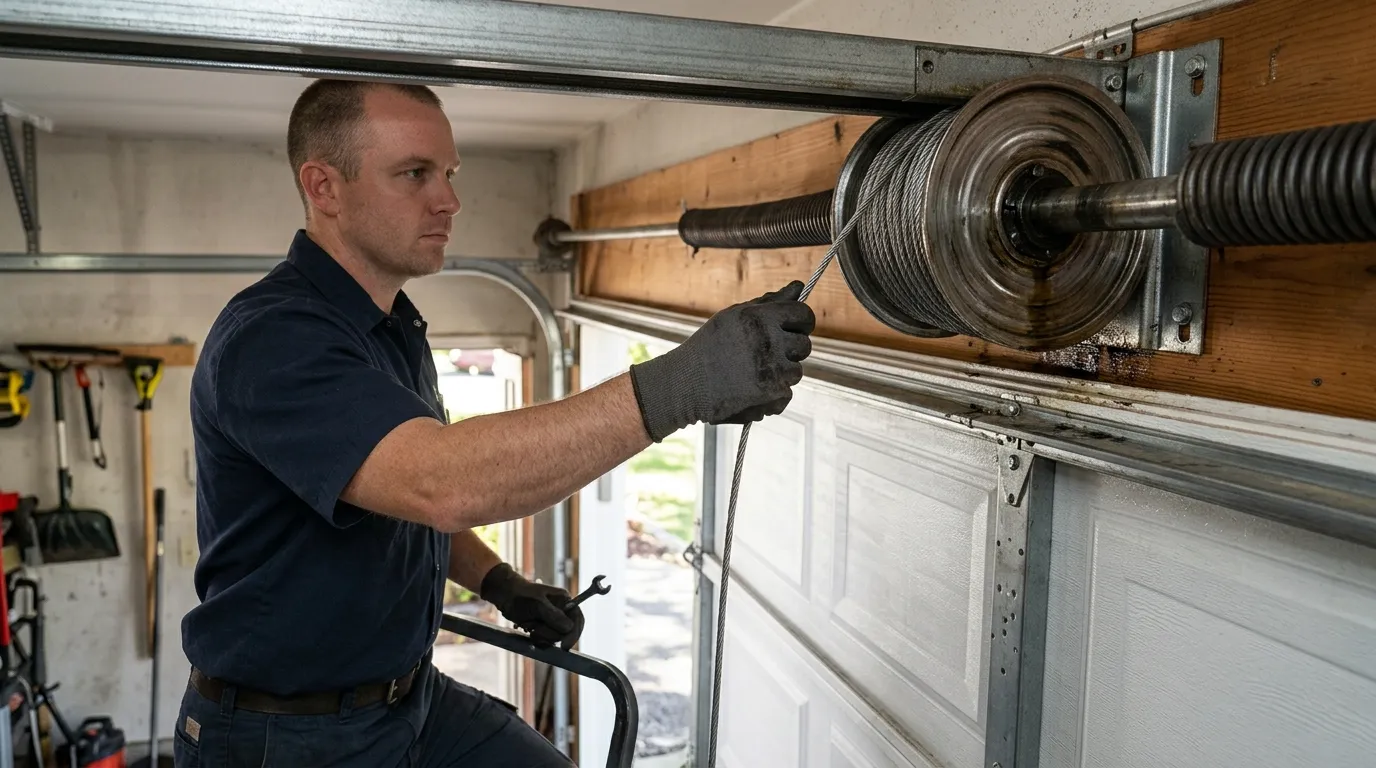
What that means for repair work: we're not walking into a single standard setup. Older doors in this age range often have single-piece hardware or spring configurations that newer parts suppliers don't stock the way they used to, so a repair can take longer to source than a same-year job across town would. Newer doors from the 90s-2000s wave are closer to what's sold today, so those repairs move faster. Either way, knowing the build era before we quote a job saves a second trip.
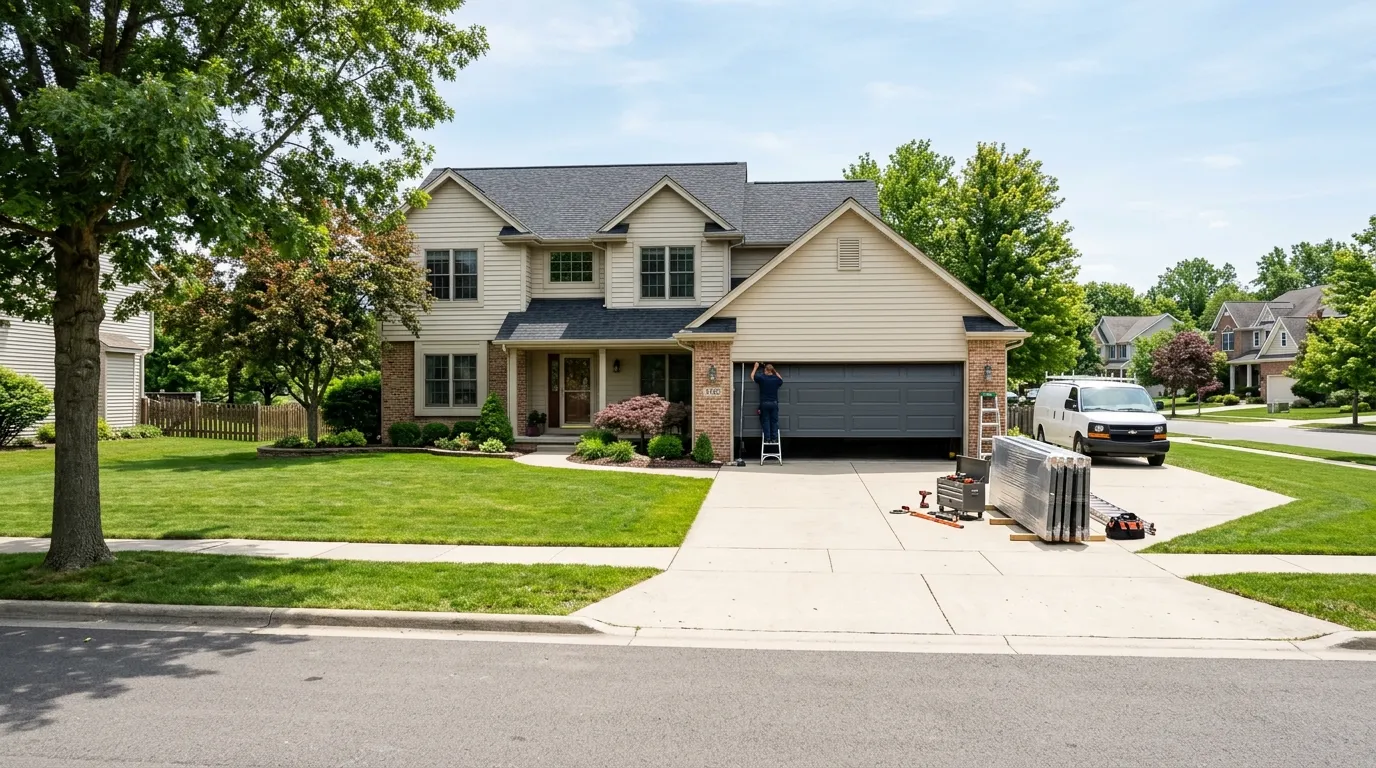
Houses on These Streets
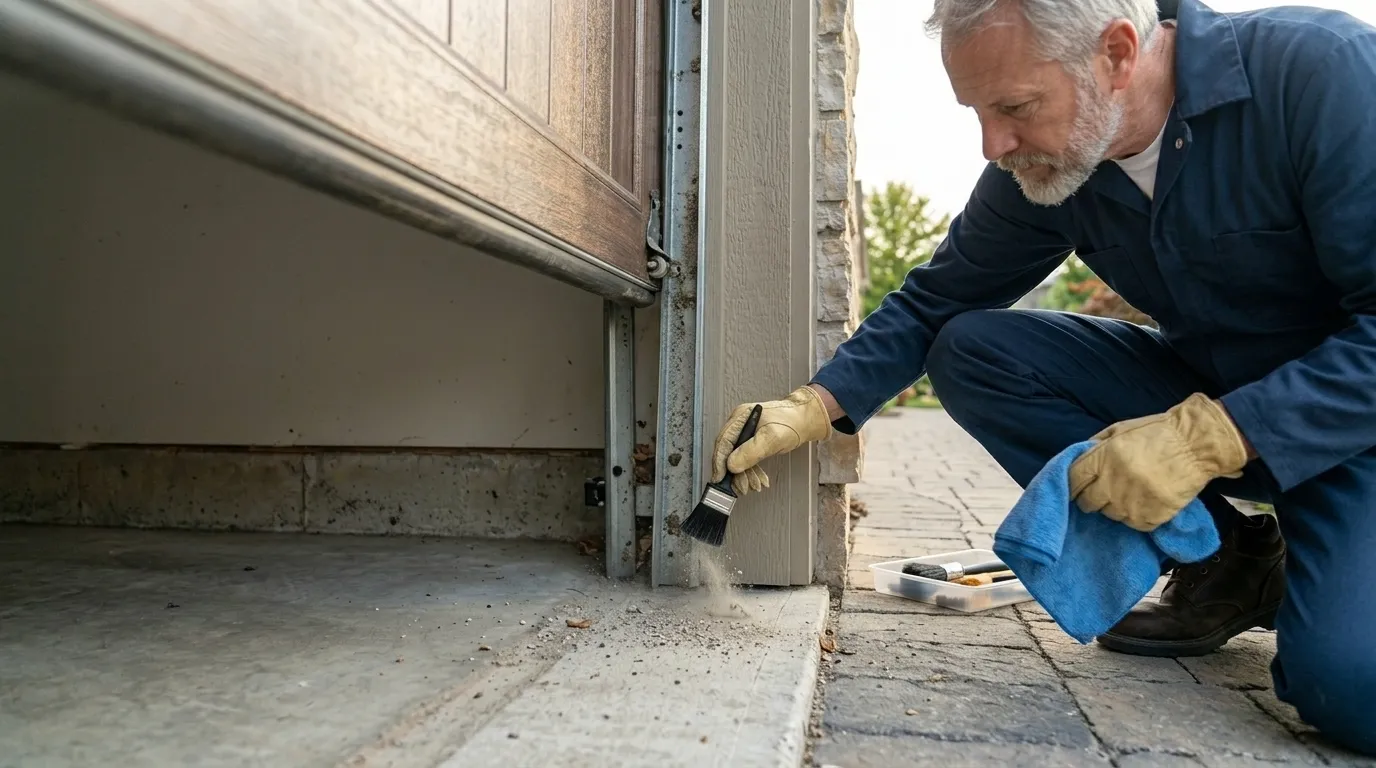
The mild temperate climate this part of Jacksonville sits in is kinder to garage door hardware than a lot of the country gets. You don't get the deep freeze-thaw cycles that crack torsion spring coils or seize up rollers in colder states, so a lot of failures here come down to age and use rather than weather stress. That said, mild doesn't mean no wear. Humidity and heat still take a toll on weatherstripping, wood trim around older door frames, and the lubrication on rollers and hinges, especially on doors original to a 1970s or 80s build that have never been serviced.
Across the wider service area, median household income runs $103,288, and we see that reflected in the mix of repair-versus-replace calls: a fair number of owners choose to replace an aging single-layer steel door with an insulated model rather than keep patching an original unit. We don't push replacement on every call. If a spring or opener repair gets a 1980s door running safely for years more, that's the honest recommendation, and that's what we'll tell you.
Where This Is
Avenues sits about 12 miles southeast of the center of Jacksonville. It's not a beachfront or riverfront neighborhood the way some of the named areas closer to the coast are - Jacksonville Beach, Atlantic Beach, and Neptune Beach are all farther out, in the 16-17 mile range, and Southbank and San Marco sit much closer in, about 2 miles southeast of downtown. Avenues falls in between those distances, on the inland side of that spread.
For anyone trying to place it relative to other points around the city, Bellair-Meadowbrook Terrace and Orange Park are both roughly the same 12-mile distance from downtown, though in different directions, while closer-in areas like Miramar sit about 4 miles out. We work this stretch of Jacksonville and the surrounding service area rather than one isolated pocket, so if your address is near Avenues but not squarely in it, that's still within reach.