What Is Going On
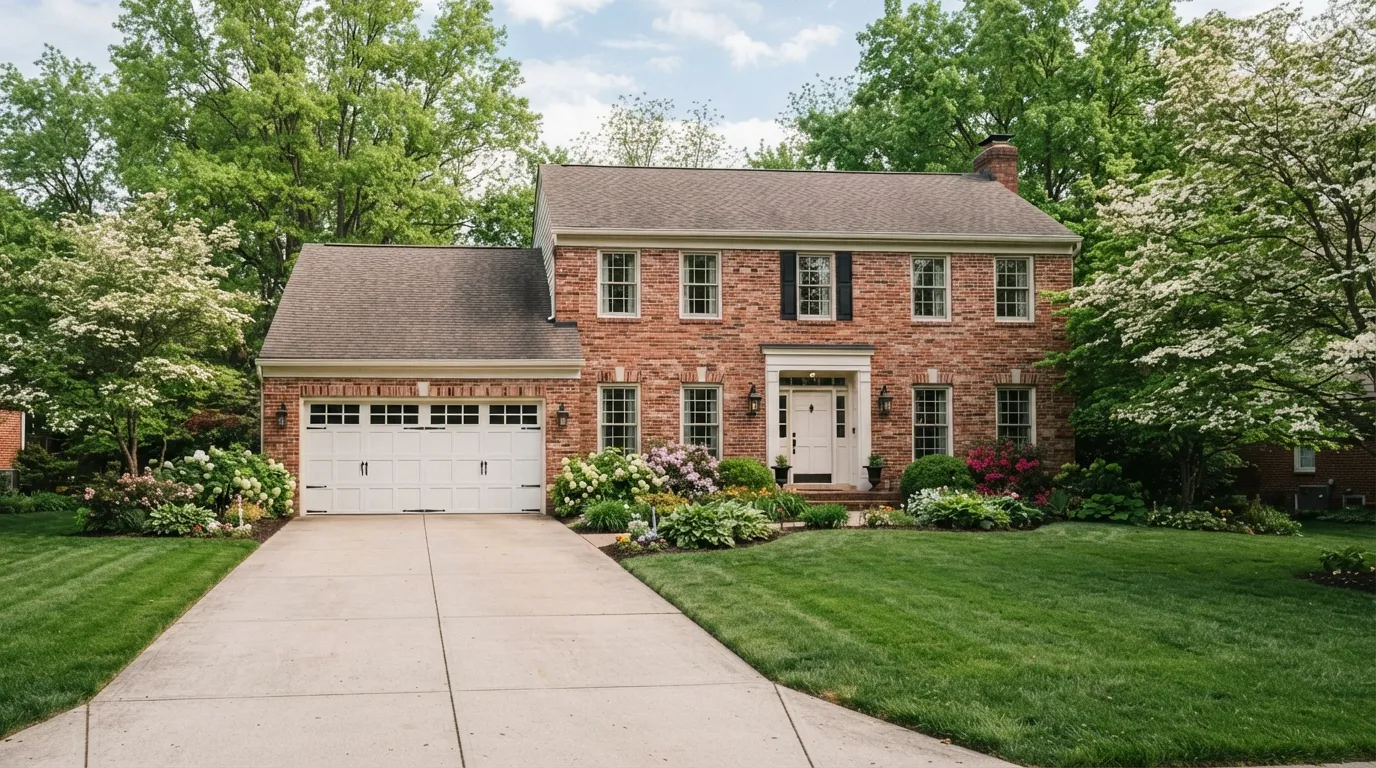
Most of the housing across this service area went up between 1973 and 2007, with the typical build year landing around 1985. That matters more than people think. A torsion spring is rated for a set number of open-close cycles, usually somewhere in the 10,000-cycle range depending on what was installed, and a house from the 1980s or 90s has had thirty-plus years to burn through that count. When a spring goes, it's rarely a surprise to the door itself. It's the spring reaching the end of a lifespan that was baked in at installation.
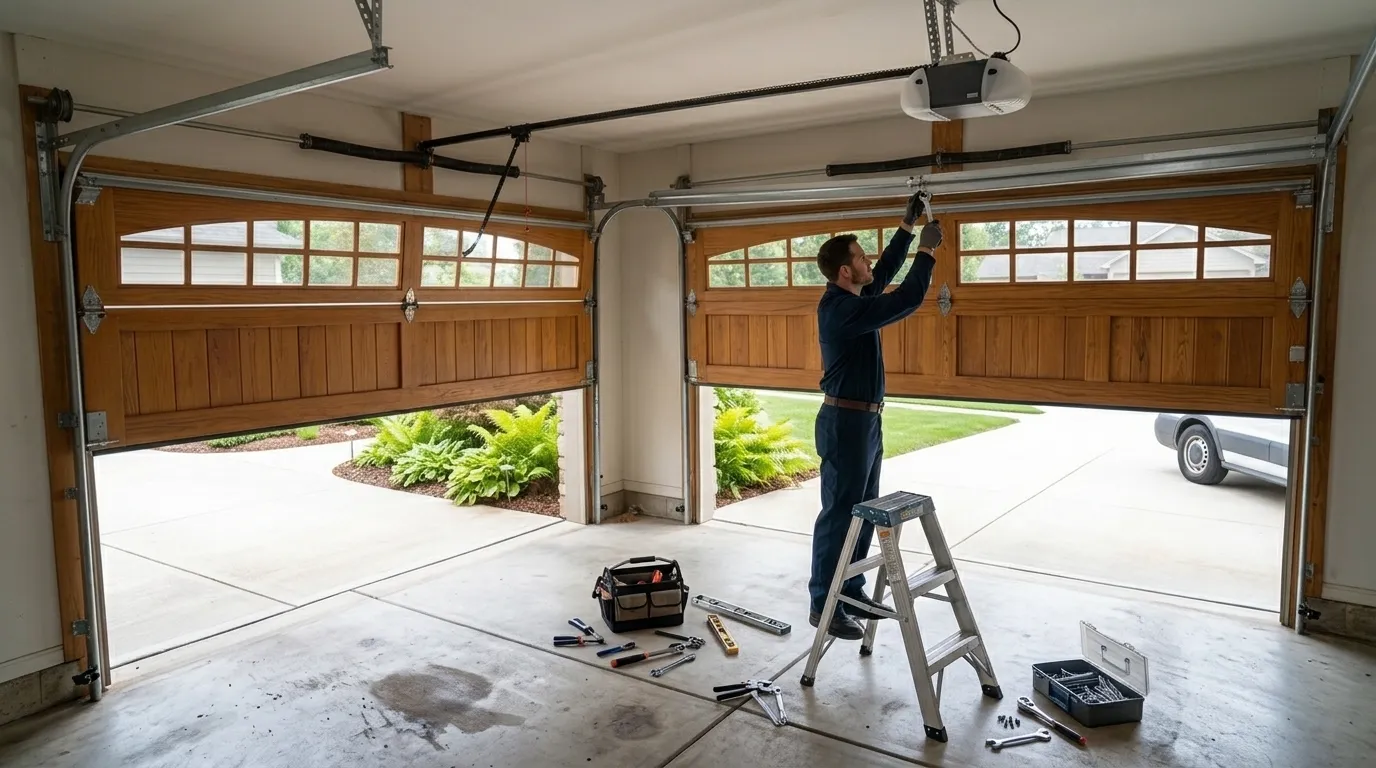
What you'll notice first is usually a door that feels heavier than it used to, or one that slams the last foot of travel instead of settling. Sometimes it's a loud bang from the garage and the door just won't lift at all. That bang is the spring letting go, and on a two-car door with a single spring carrying the load, it happens all at once. On homes with two torsion springs, one can fail while the other still holds, which is actually worse because the door looks fine until you try to open it and the cable jumps the drum.
The Common Mistake
The mistake we see most is owners assuming that because Jacksonville sits in a mild temperate climate band, spring failure here is a non-issue the way it might be in a place with real winter. That logic skips a step. Steel doesn't need a hard freeze to fatigue and snap. It needs cycles, and mild temperate doesn't mean no cold mornings. When a spring goes in cold weather, even the milder cold snaps we get, the metal has already lost some flexibility overnight and the failure just happens to land on a chilly morning instead of a warm one. The climate isn't causing the failure. It's coincidental timing that gets blamed on the weather when the real cause is a spring that's been due for replacement for a year or two already.
The second version of this mistake is waiting. Once a spring shows uneven tension, or the door starts drifting when you disconnect the opener, that's the hardware telling you it's near the end. Waiting for total failure means you're doing the repair anyway, just with less warning and sometimes a bent track from the sudden drop.
How Local Conditions Play In
Jacksonville's mild temperate climate band is genuinely easier on garage door hardware than a lot of the country. You're not fighting the freeze-thaw cycle that cracks concrete slabs and pulls anchor bolts loose, and you're not seeing the kind of extreme cold that makes steel brittle overnight. That's the good news, and it's real.
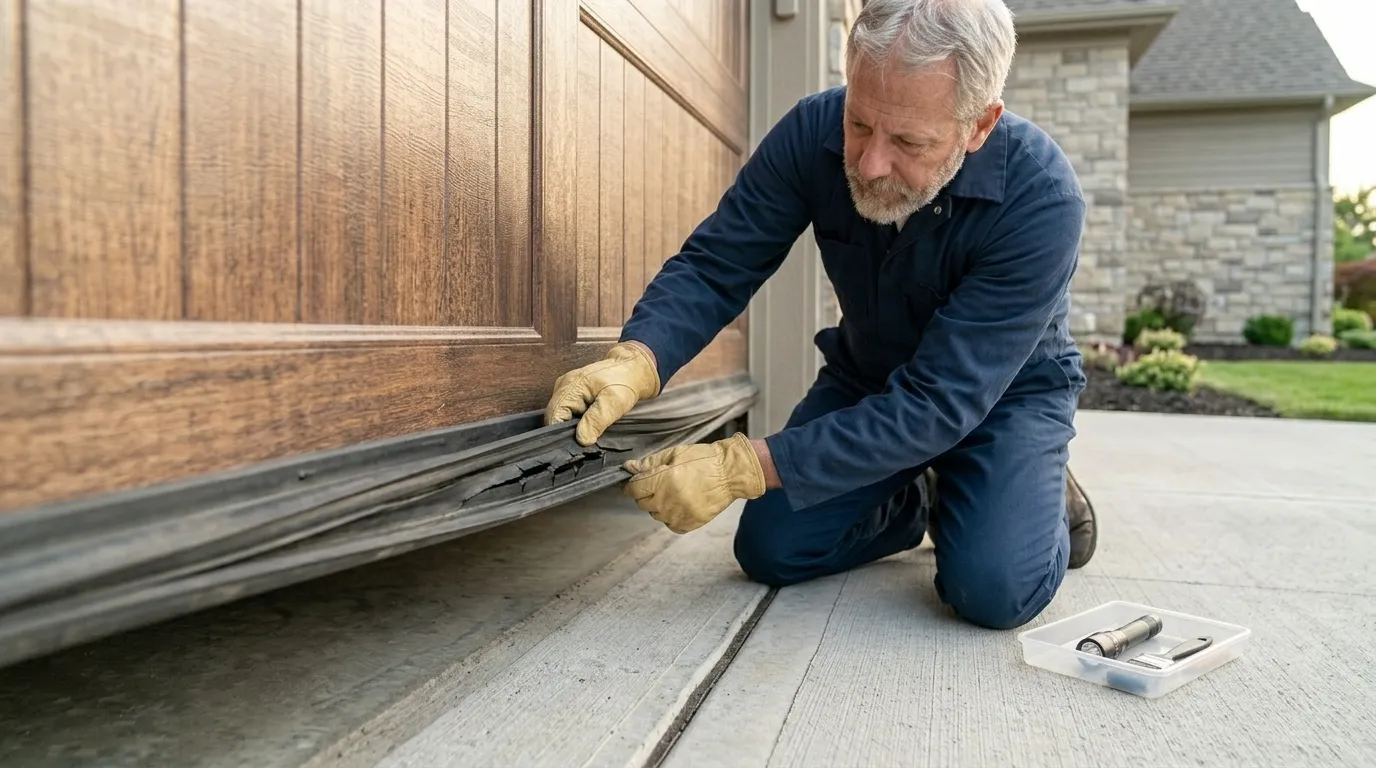
The part that doesn't change with climate is age. Whether a house sits near Hogan's Creek, out past Riverside, or toward Oakleaf Plantation, the spring wear pattern tracks the building era of the neighborhood, not which side of town it's on. Across the roughly 48,862 owner-occupied houses in this service area, the ones built in that 1973-to-2007 window are the ones we get called to most, simply because that's when the springs currently on those doors were sized and installed. Humidity is a factor too - it doesn't wear out a spring the way cycles do, but it does speed up surface rust on hardware that hasn't been lubricated in a while, which is a smaller, cheaper problem to catch early than to ignore.