What Is Going On
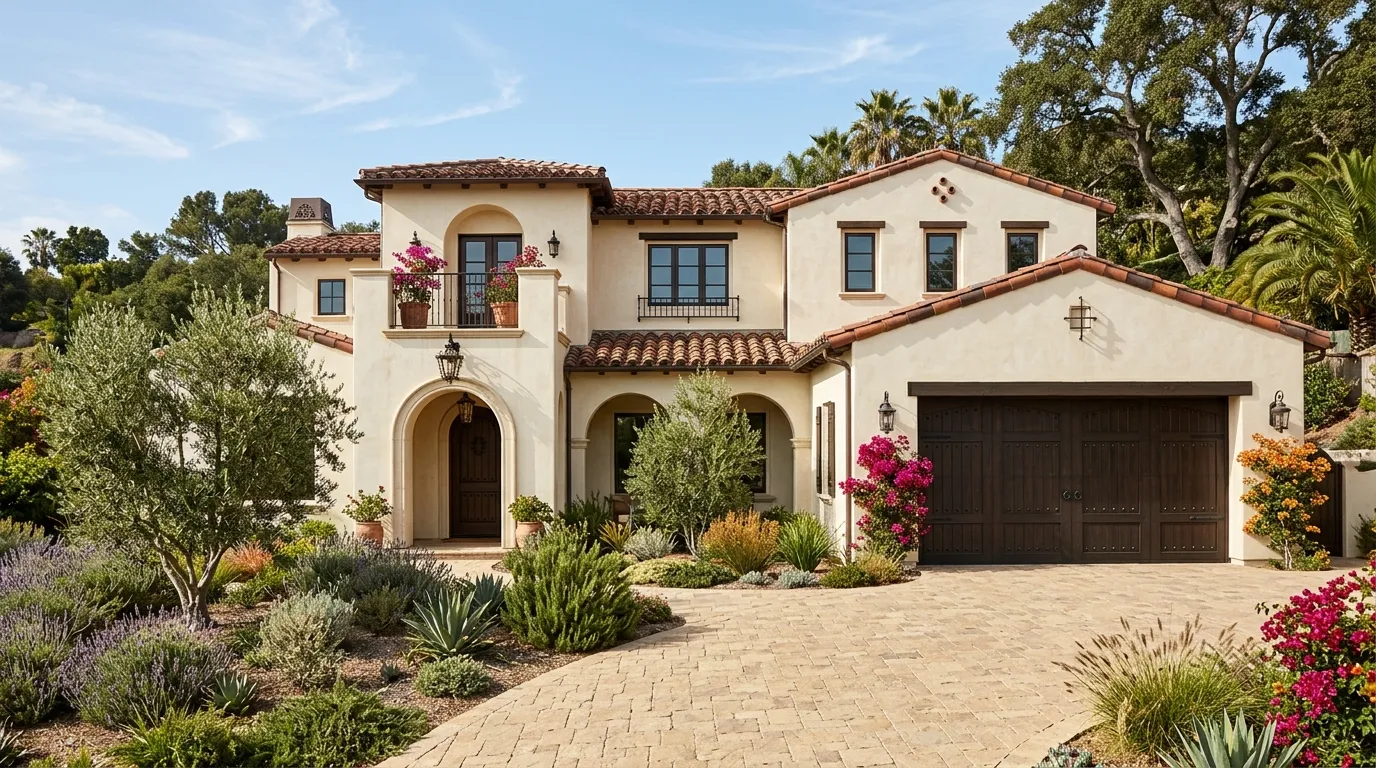
Most of the housing across this service area went up between 1973 and 2007, with the median build year sitting around 1985. That's not ancient, but it's old enough that a lot of original garage door hardware is still out there, or was replaced once already by whoever owned the house before you. Across the thirteen named areas we cover, from Riverside and Murray Hill in close to Fleming Island and Oakleaf Plantation further out, the stock runs mostly 1980s and 90s construction. Not much older, not much newer.
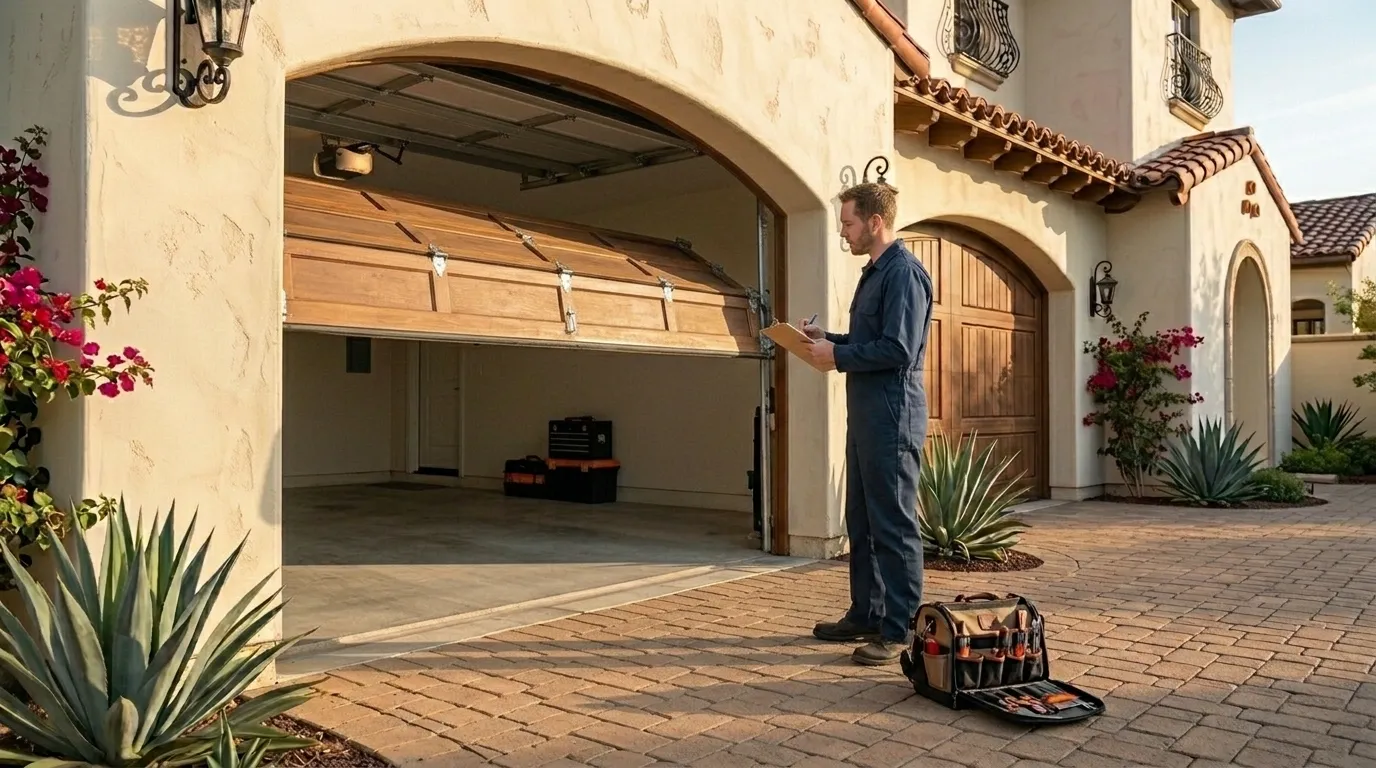
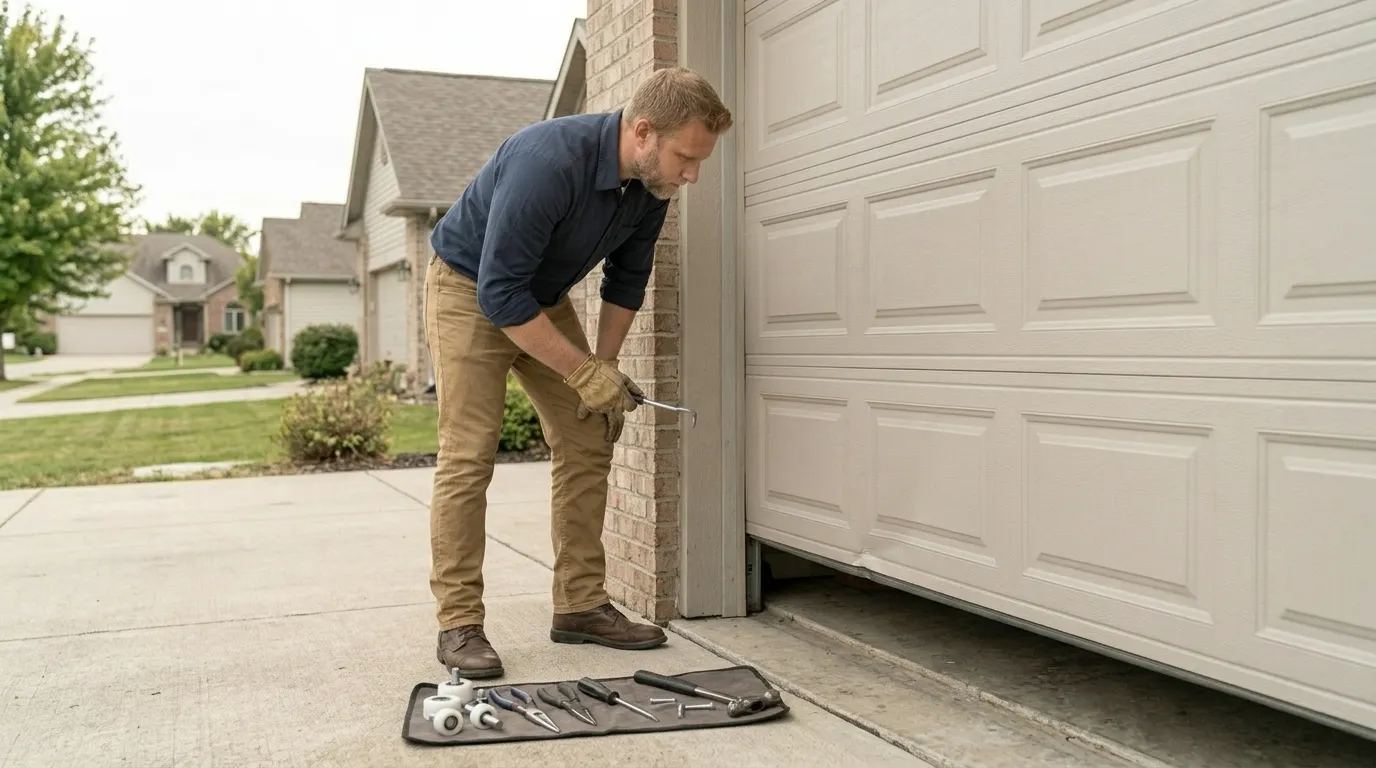
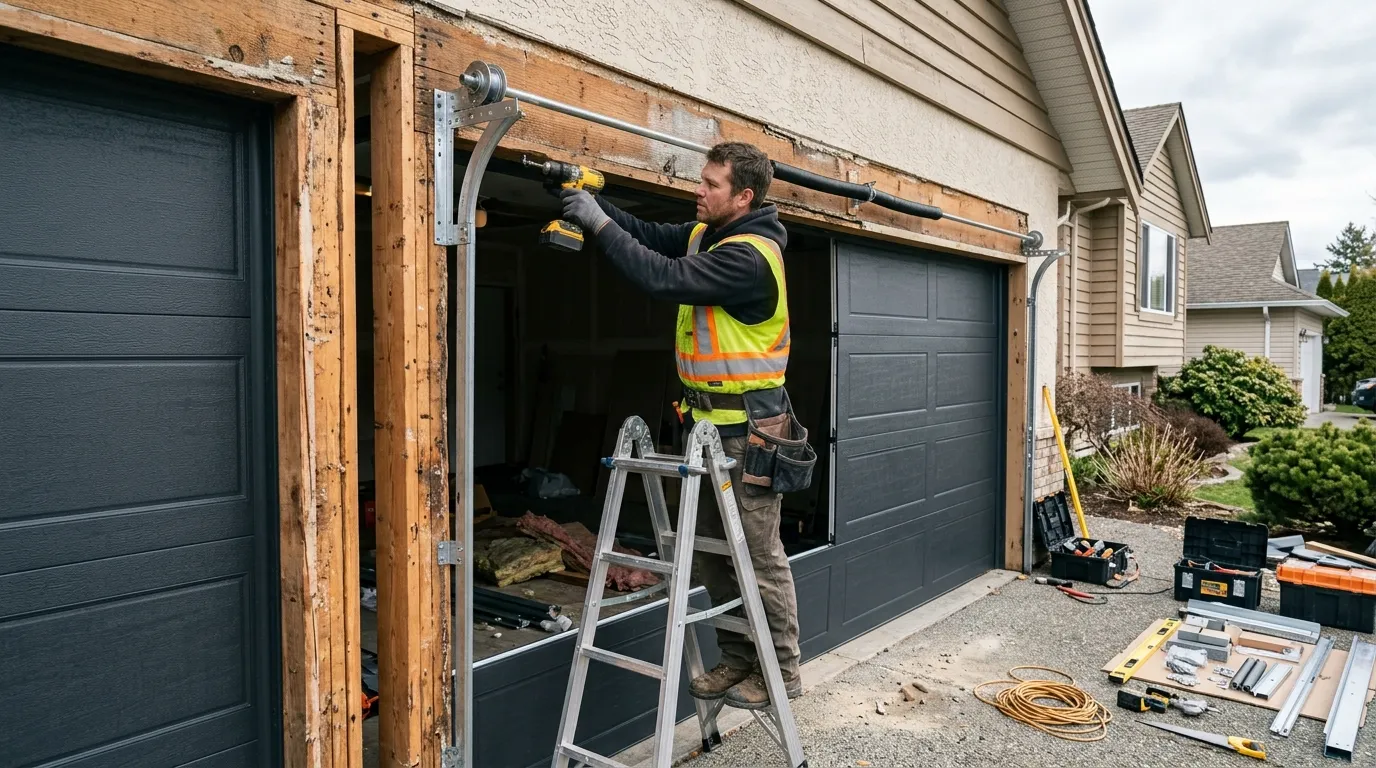
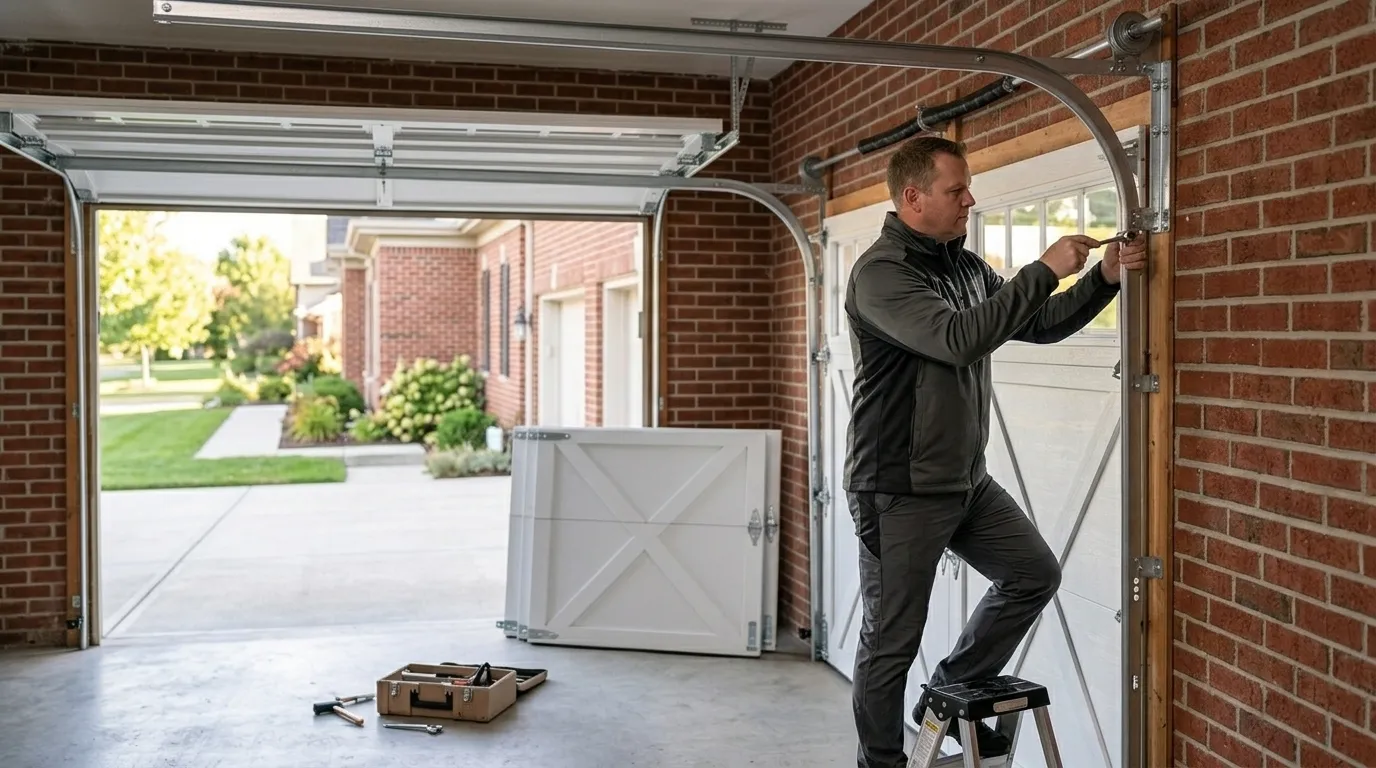
What that means in practice: doors on torsion springs sized for the openers and panel weights common to that era, steel sectional doors that have usually been repainted at least once, and openers that are on their second or third motor by now. We're not dealing with a town full of pre-war carriage doors, and we're not dealing with brand-new builds with smart openers as the default either. It's a specific middle band, and the failures we see match it: worn rollers, fatigued springs, and openers that are old enough to lose logic boards but young enough that people expect them to still work fine.
The Common Mistake
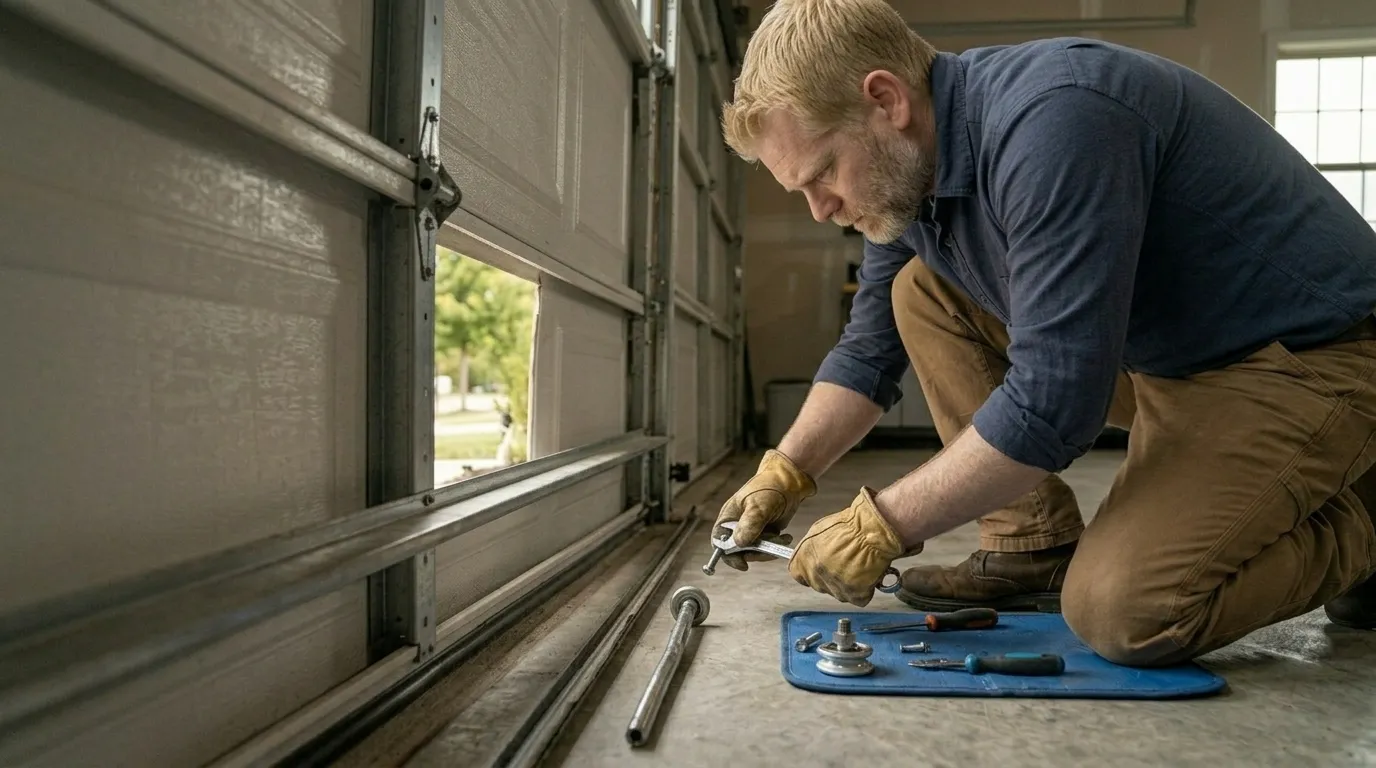
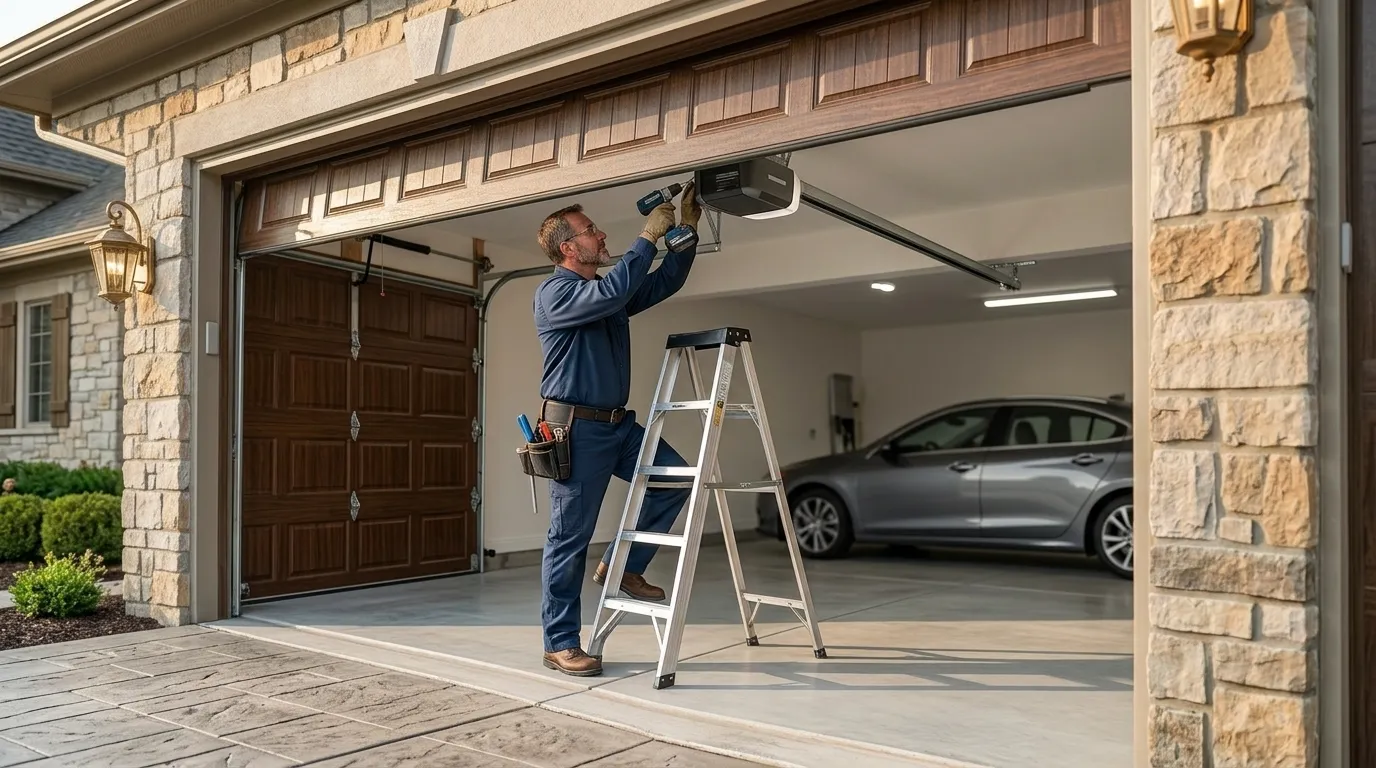
The mistake we see most is someone replacing a spring or a roller on a door from this era without checking whether the opener itself is original to the house. If your home was built anywhere in the 1973-2007 window and nobody's mentioned swapping the opener, there's a decent chance it's the same unit, just with a newer keypad taped over the old one. Fixing the door side and leaving a tired opener in place means you're back out here again in a year for a problem that looked separate but wasn't.
The other version of this mistake is guessing at spring weight based on what a neighbor's house needed. Panel weight and door width vary enough within this same construction era that a spring sized for one house can be wrong for the one next door, even if they went up the same year. We measure the door in front of us. We don't reuse a number from memory because the houses look alike from the street.
How Local Conditions Play In
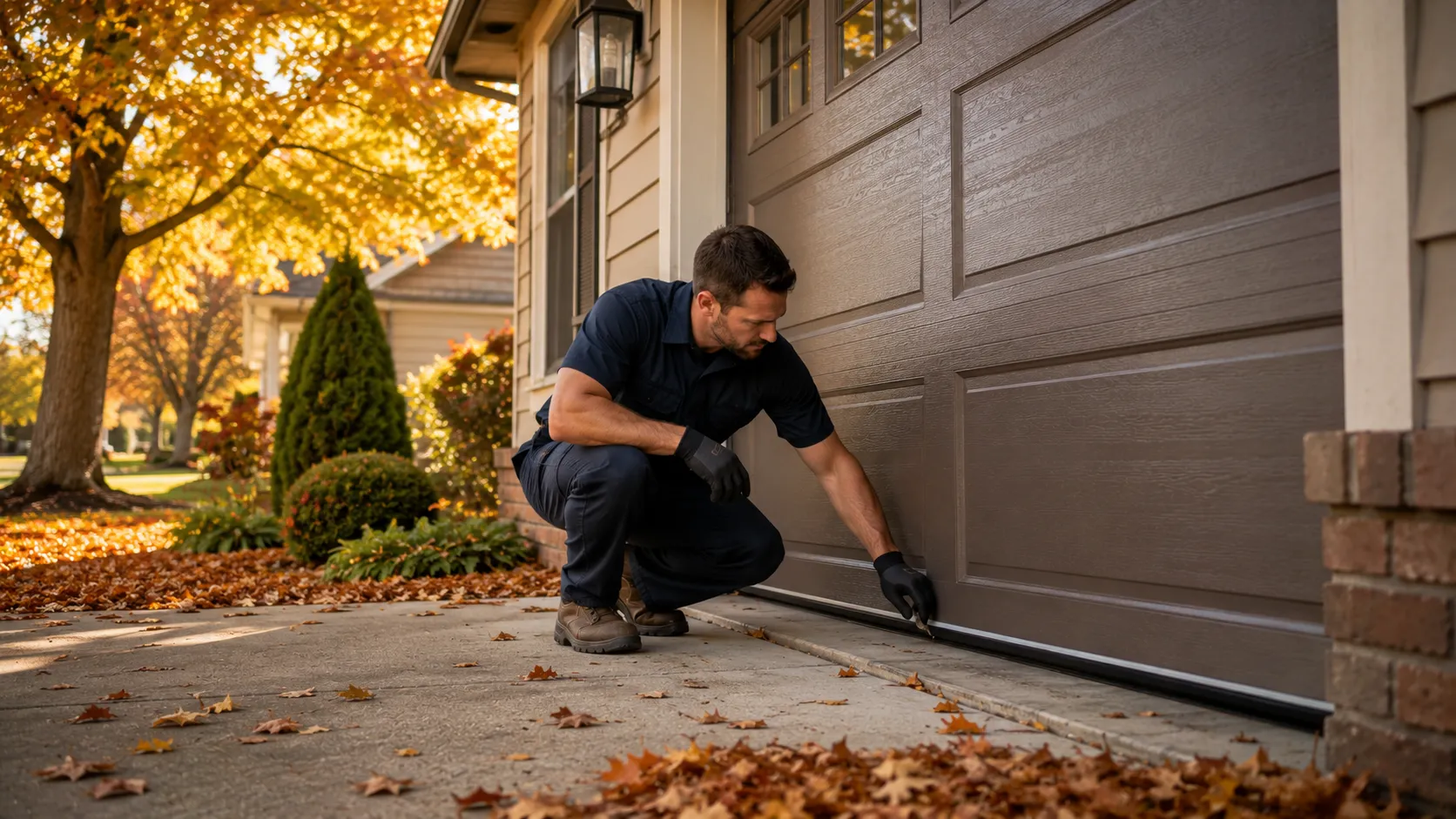
Jacksonville sits in a mild temperate climate band, which cuts both ways for garage doors. We're not fighting frozen tracks or ice-cracked panels the way a shop further north would be, so you won't see the classic cold-snap spring failures that dominate winter service calls elsewhere. What we do see instead is steady humidity wear: rubber weatherstripping that dries and cracks faster than the manufacturer spec sheet implies, and steel panels that hold moisture at the seams longer than they would in a drier climate.
For houses built in the 1973-2007 window, that slow humidity wear has usually had decades to work on original seals and hardware, even where the door itself still looks fine. It's a quieter kind of aging than what a freeze-thaw climate produces, but it adds up the same way, and it's the reason a door that looks structurally sound can still be sticking or binding on the track when you open it.