What Is on These Garages
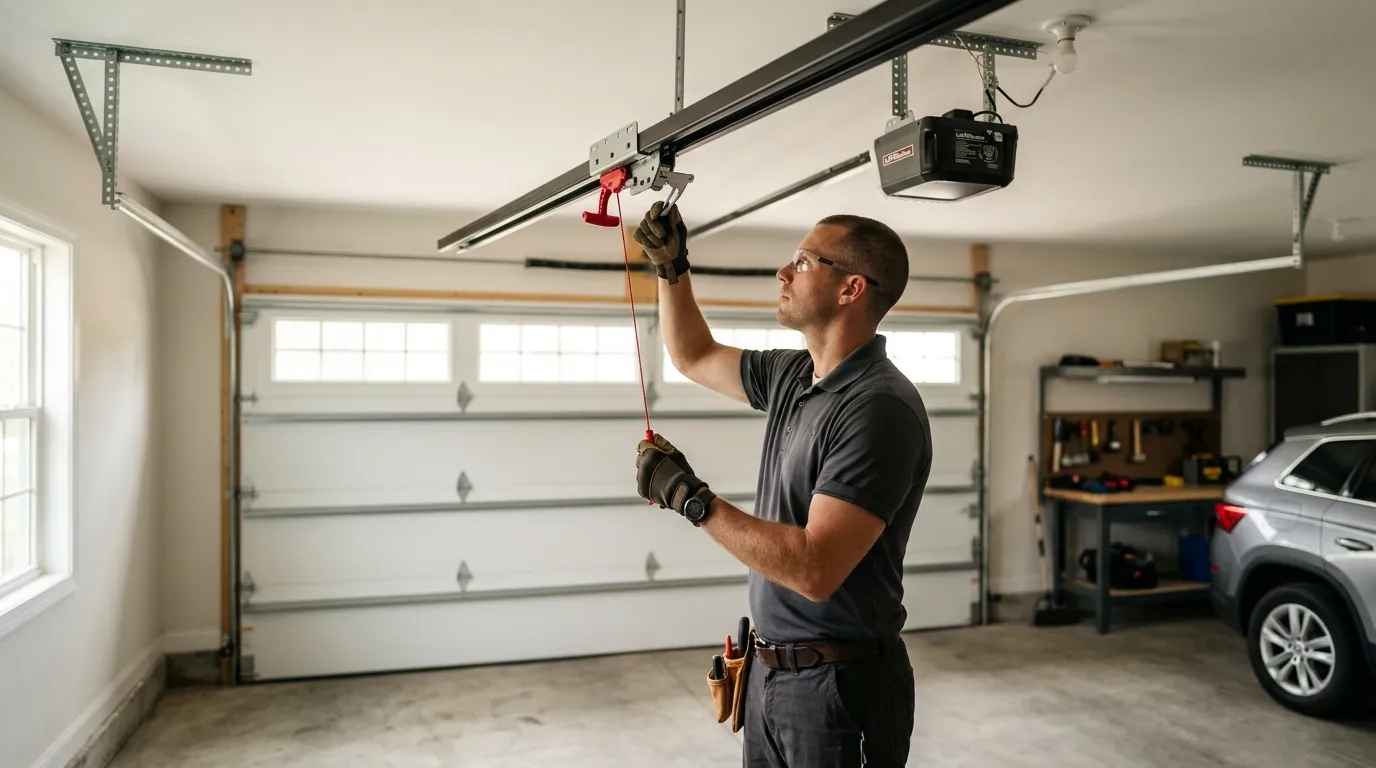
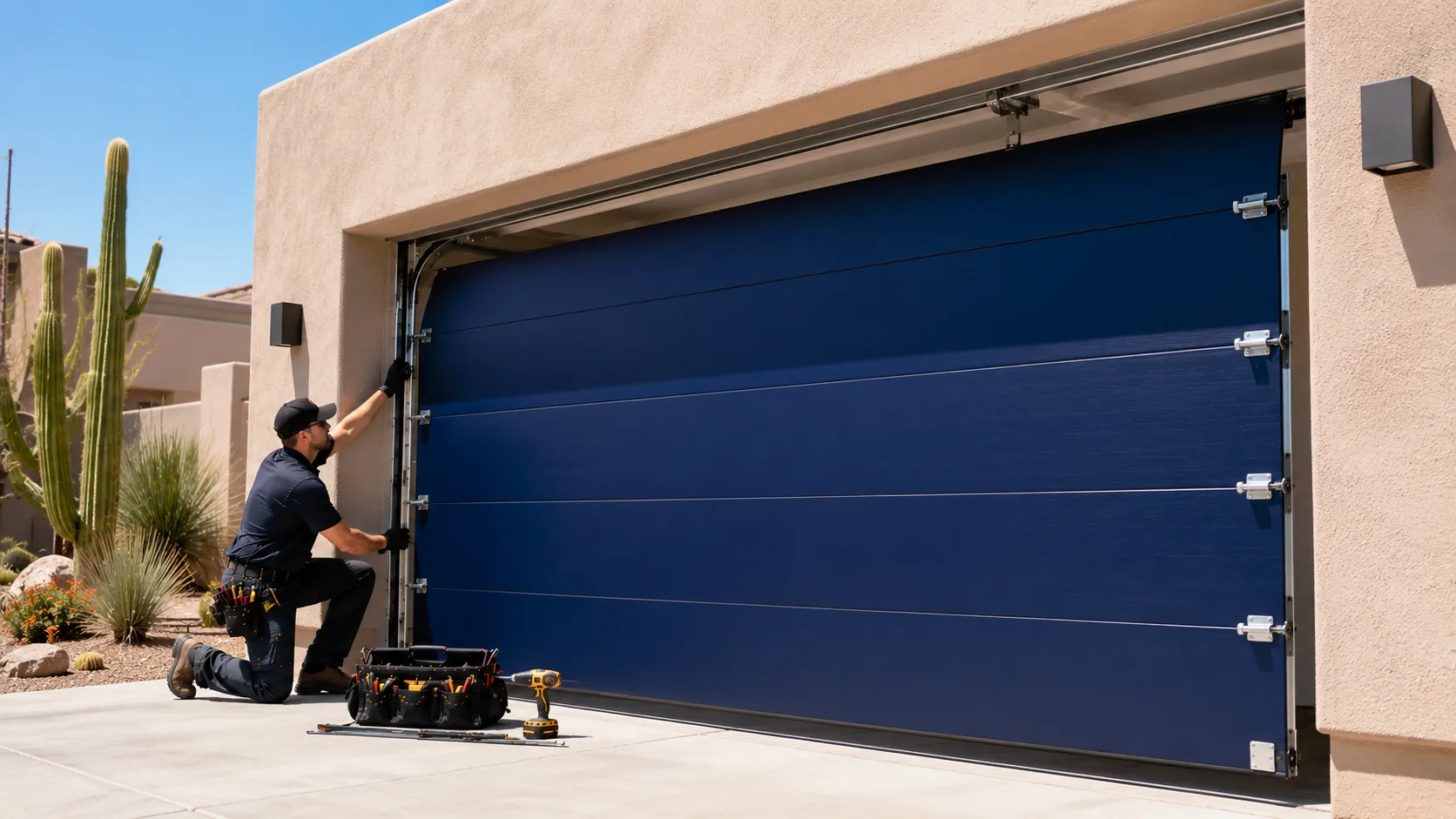
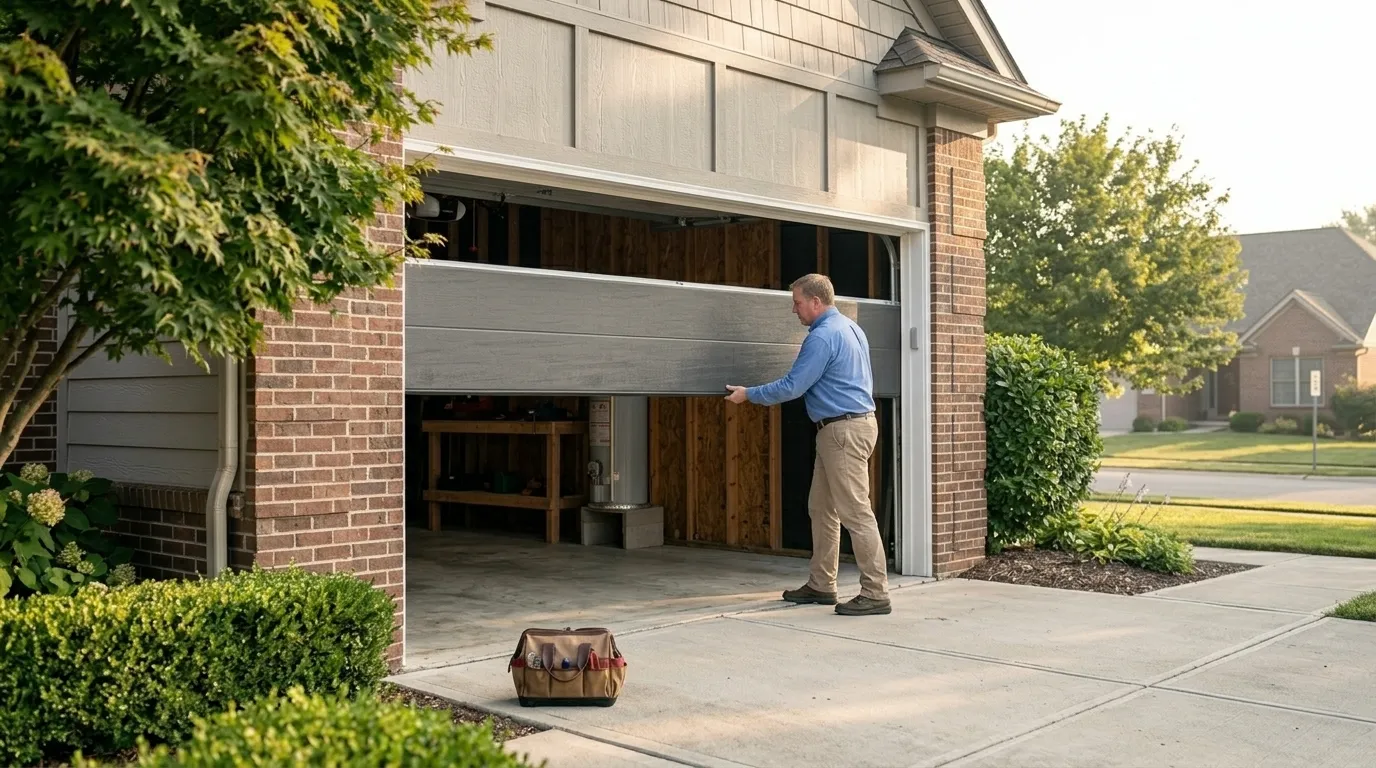
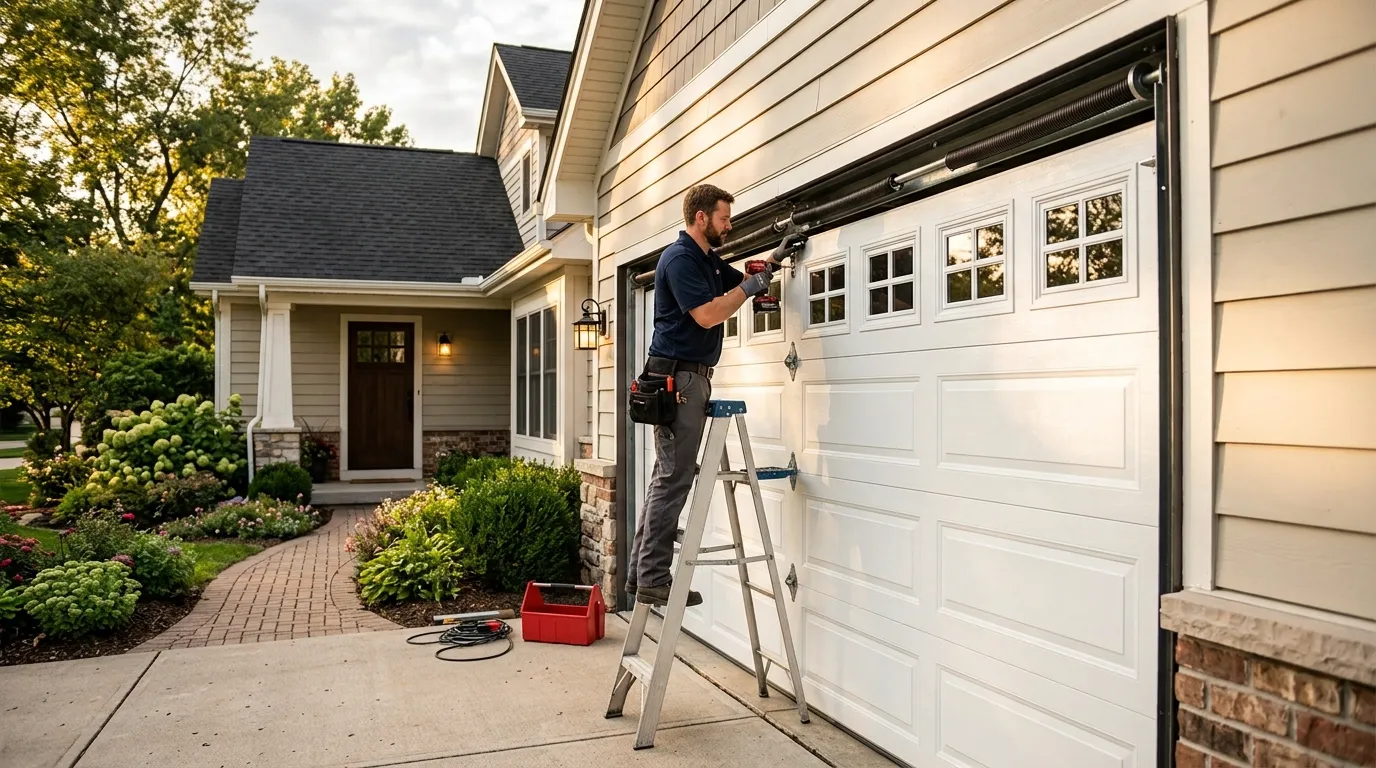
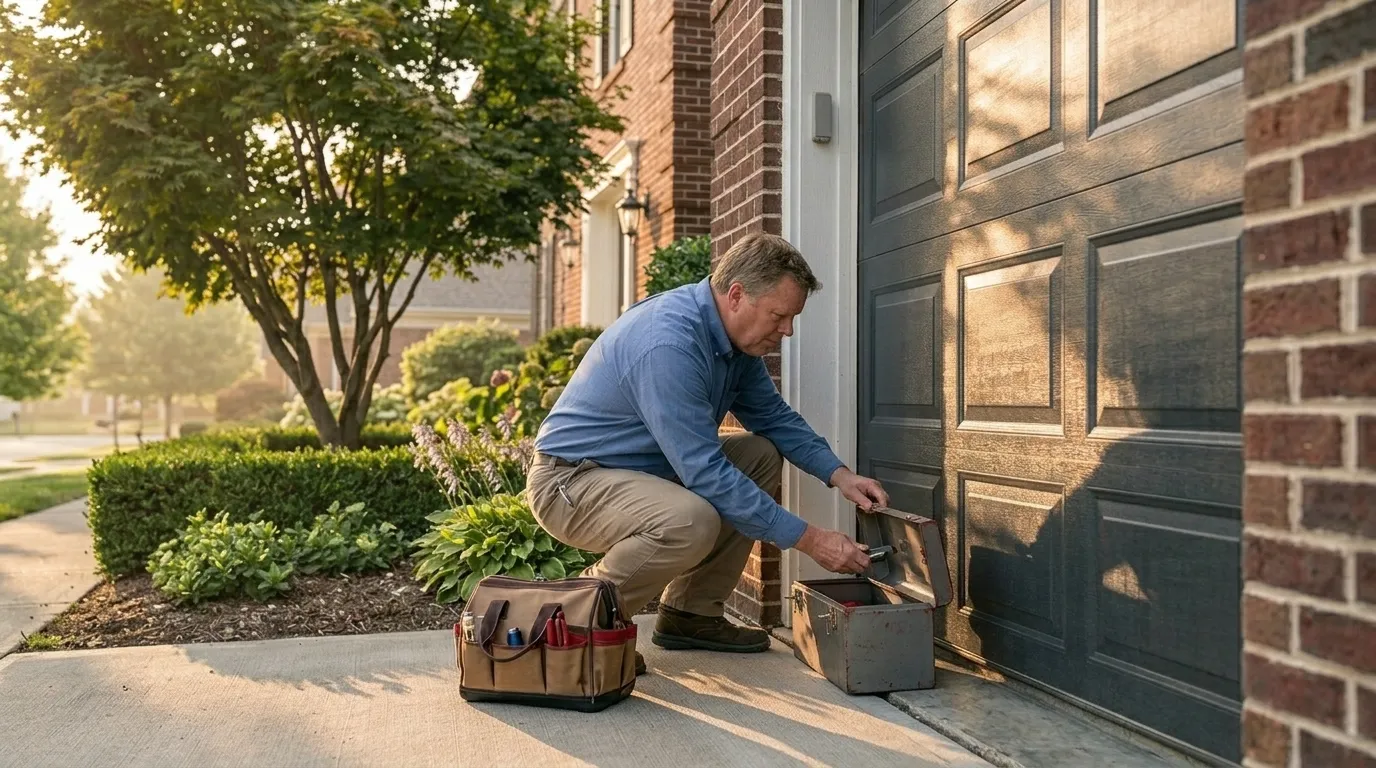
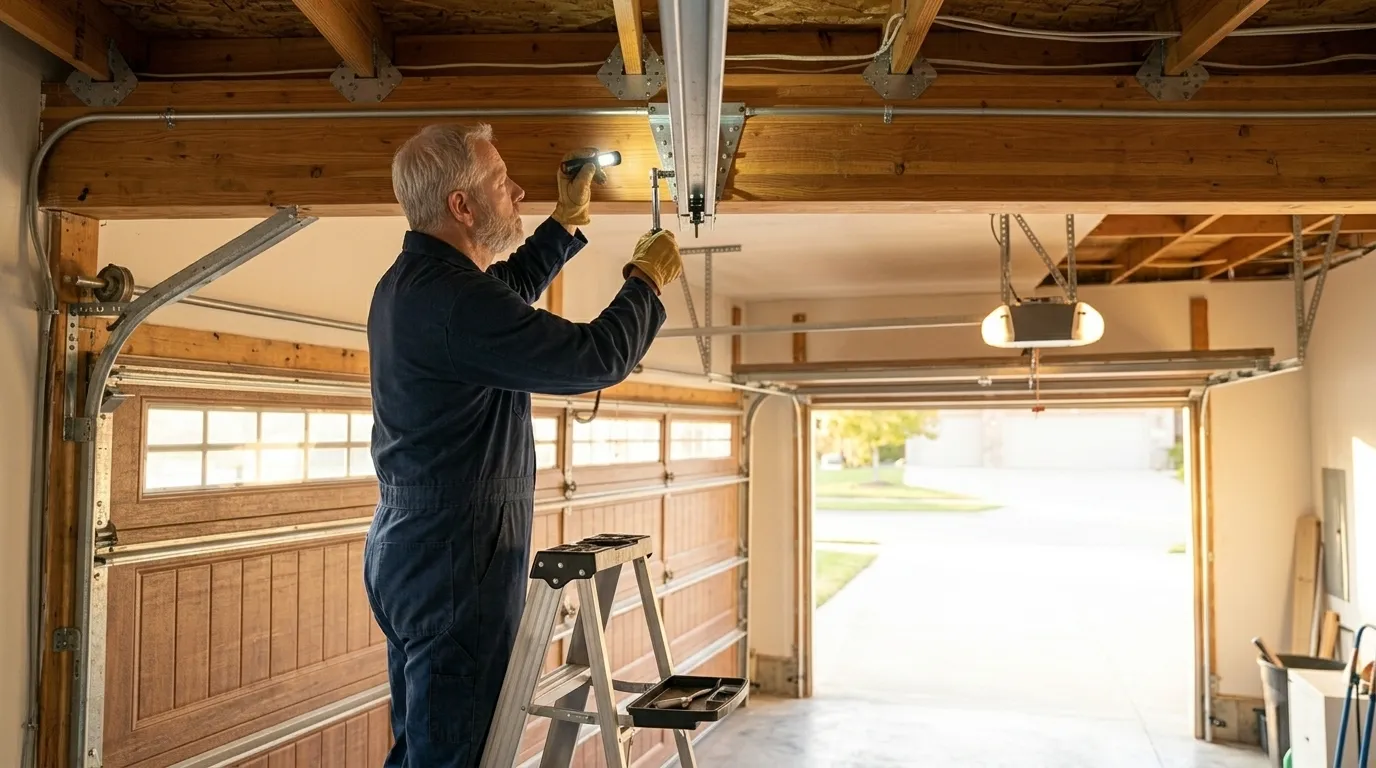
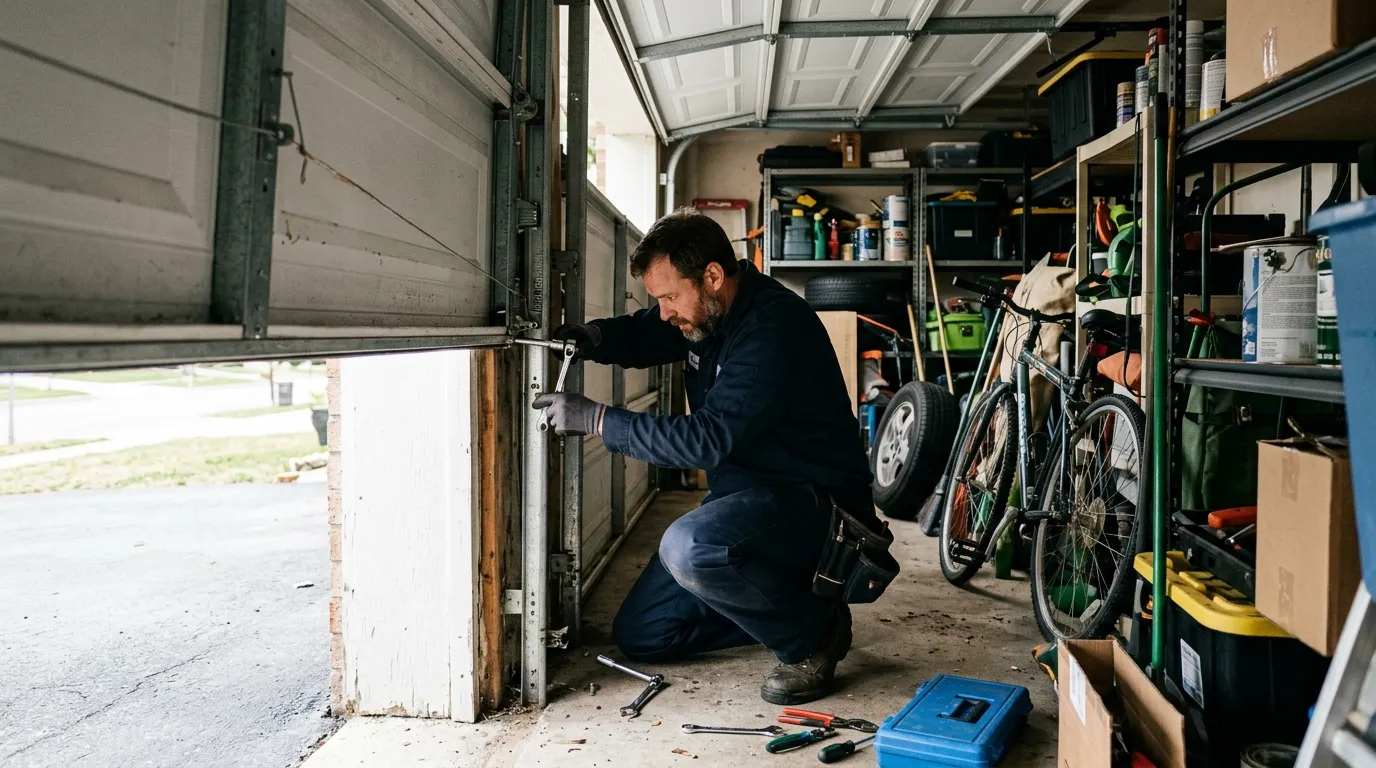
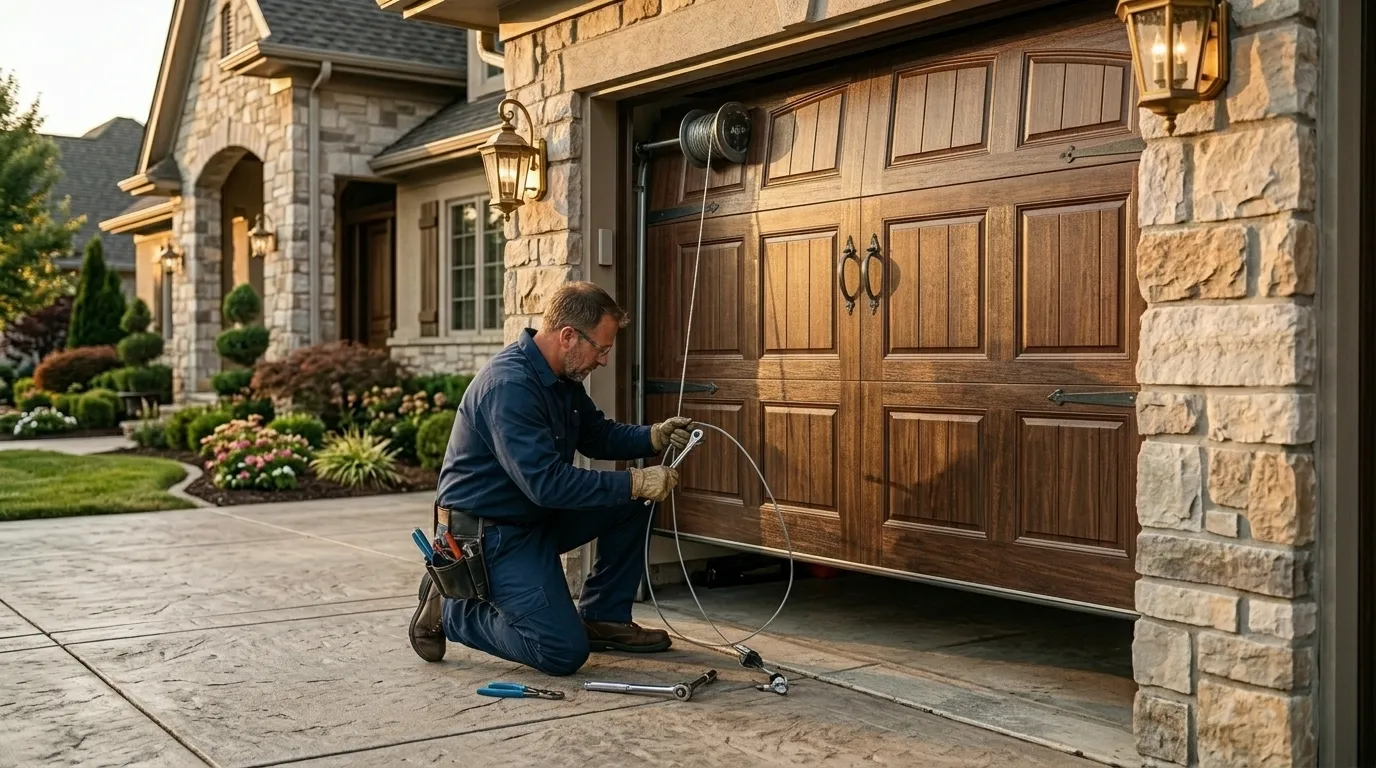
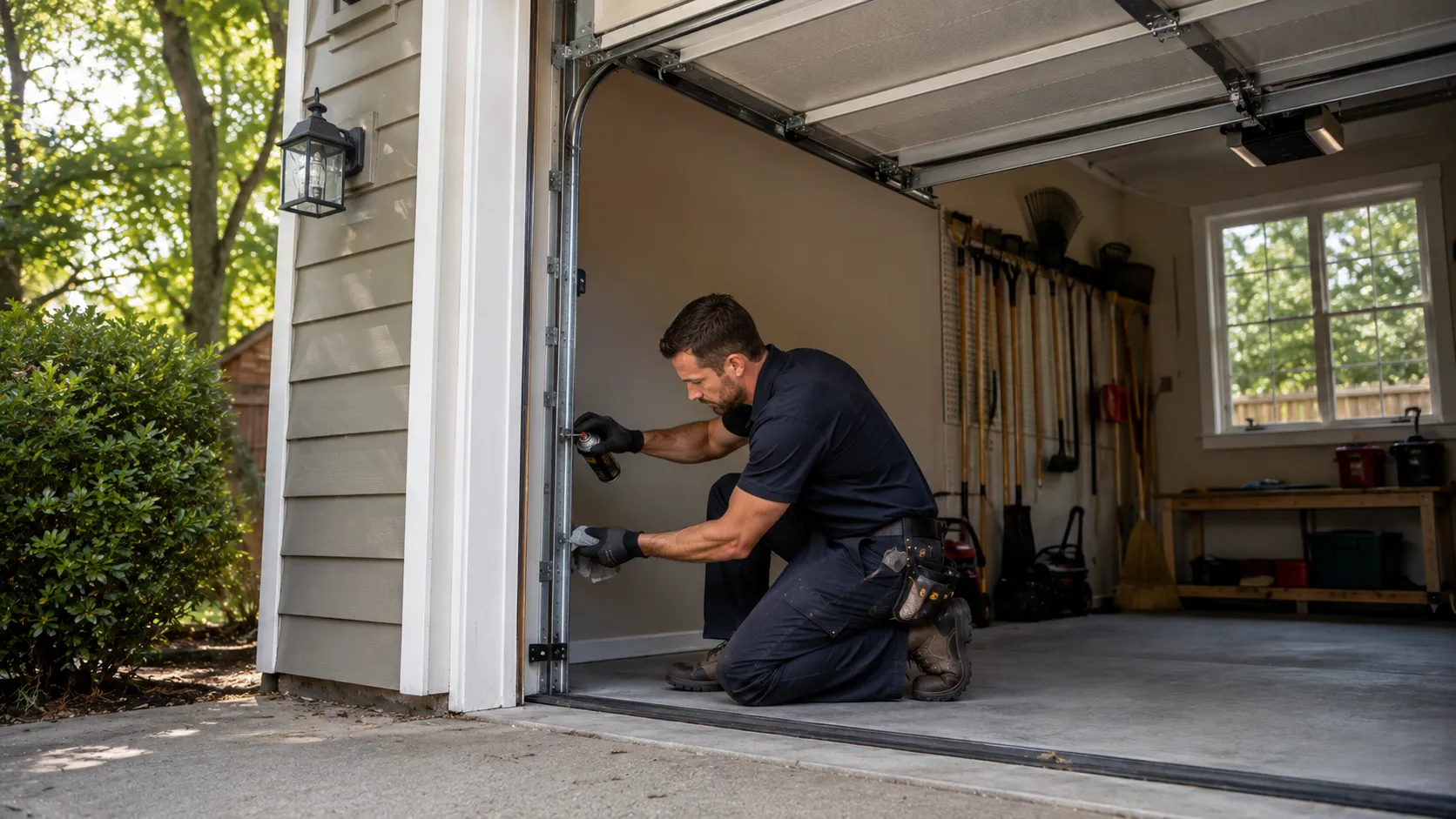
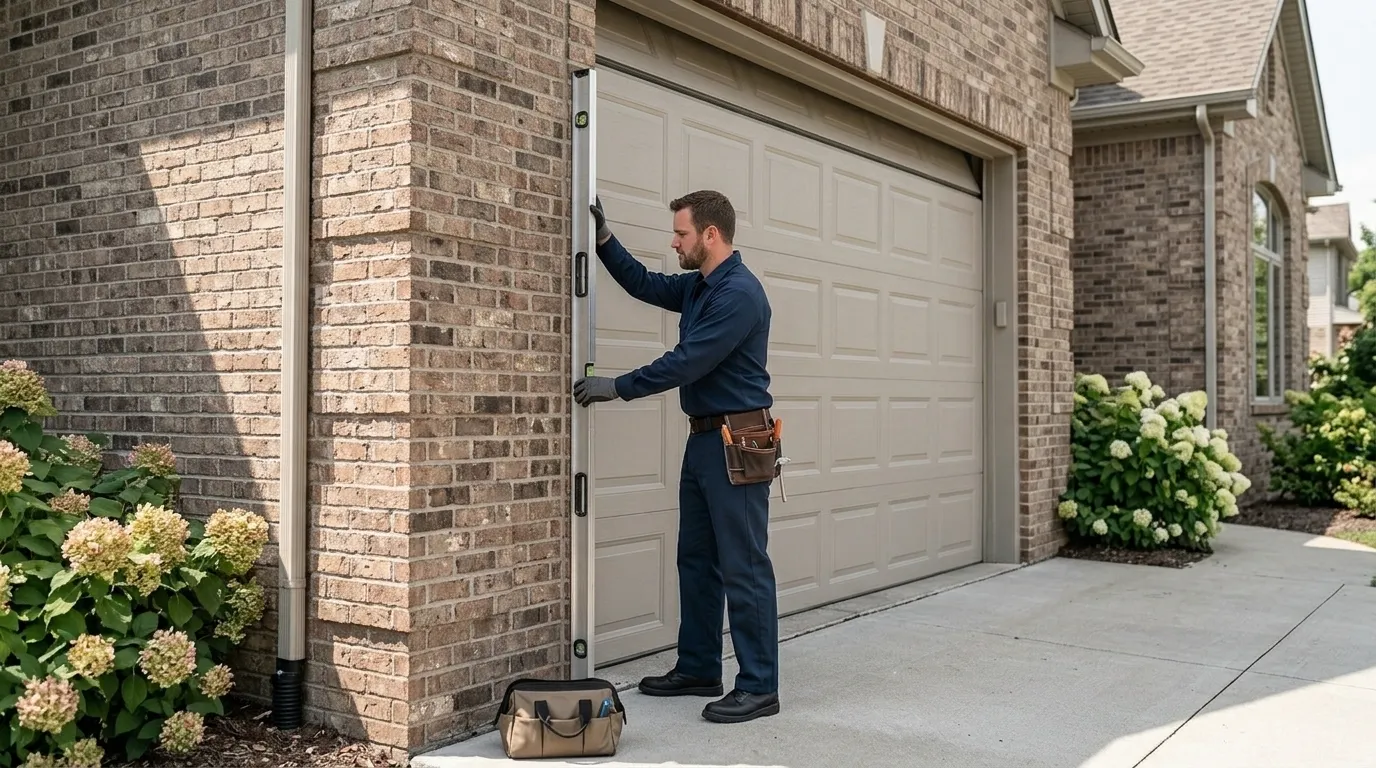
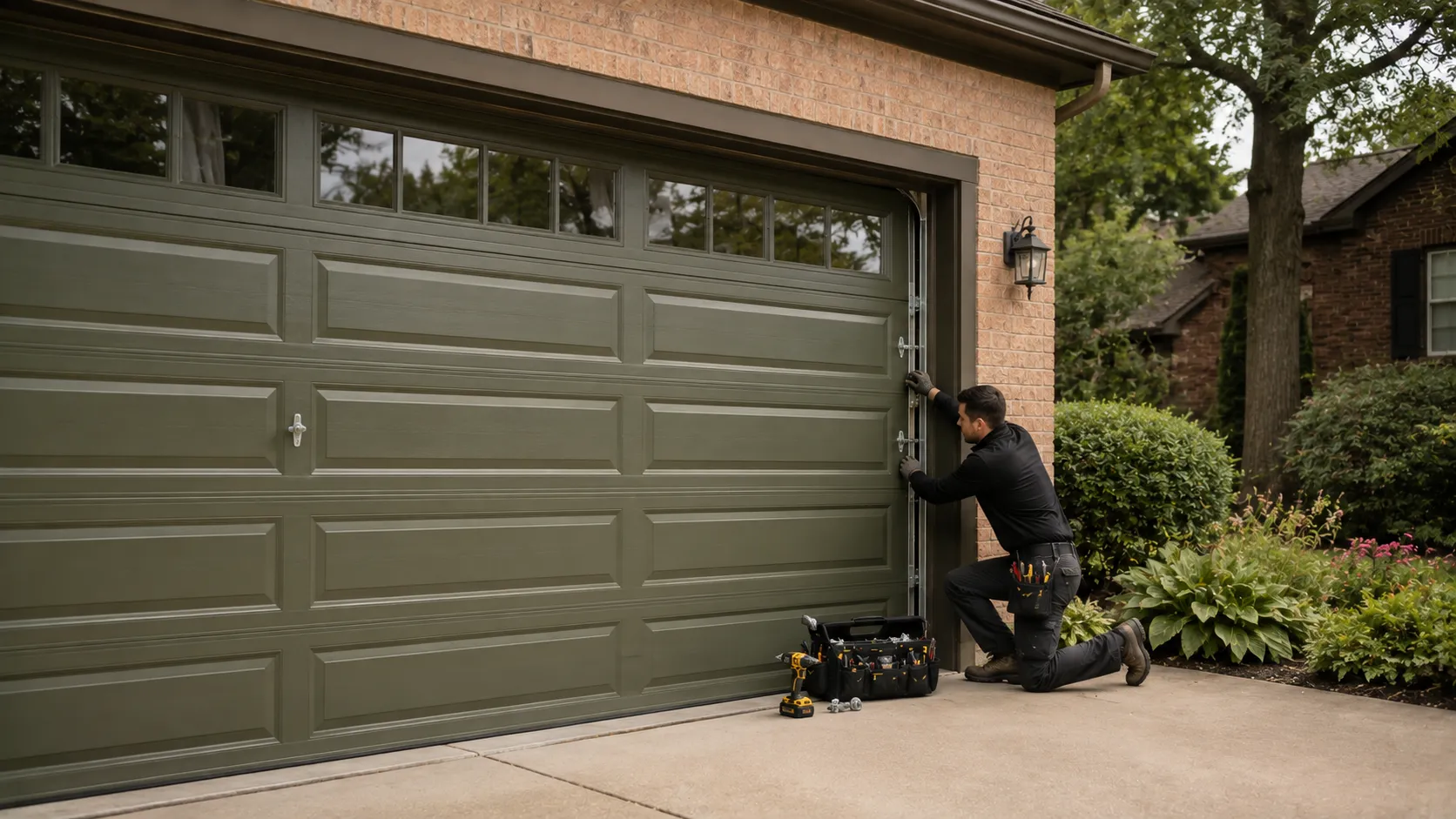
Cedar Hills sits about seven miles southwest of downtown Jacksonville, and the garages out here mostly match a single build window. Houses in this part of the city went up between 1973 and 2007, with the median landing right around 1985, so what's bolted to the header above most driveways is a steel sectional door on extension-spring hardware, not the torsion setups you'd find on newer construction. Extension springs run along the horizontal tracks instead of over the header, and they wear differently - the cables fray, the pulleys seize, and the safety cable that's supposed to catch a broken spring is either missing or was never installed to code in the first place.
We're not seeing custom wood doors or oversized carriage-style panels on these streets. It's builder-grade steel, single or double car, sized for the openings that were standard when these lots were platted. If your door still has the original opener, it's likely a chain-drive unit with a light-duty motor that was never meant to run daily for close to forty years. We don't rebuild those; once the gearing goes, replacement is the honest answer, not a patch.
Houses on These Streets
Cedar Hills reads as a mid-century-to-Reagan-era neighborhood on paper, and the garage doors track that. A door installed when a house was built in the early 1970s is now over fifty years old if it's never been swapped - steel that thin has usually rusted through at the bottom panel long before the springs ever fail. Houses from the later end of that 1973-2007 range, closer to the median 1985 build year, are more likely to still have their original hardware because galvanized steel and better spring wire started showing up by then.
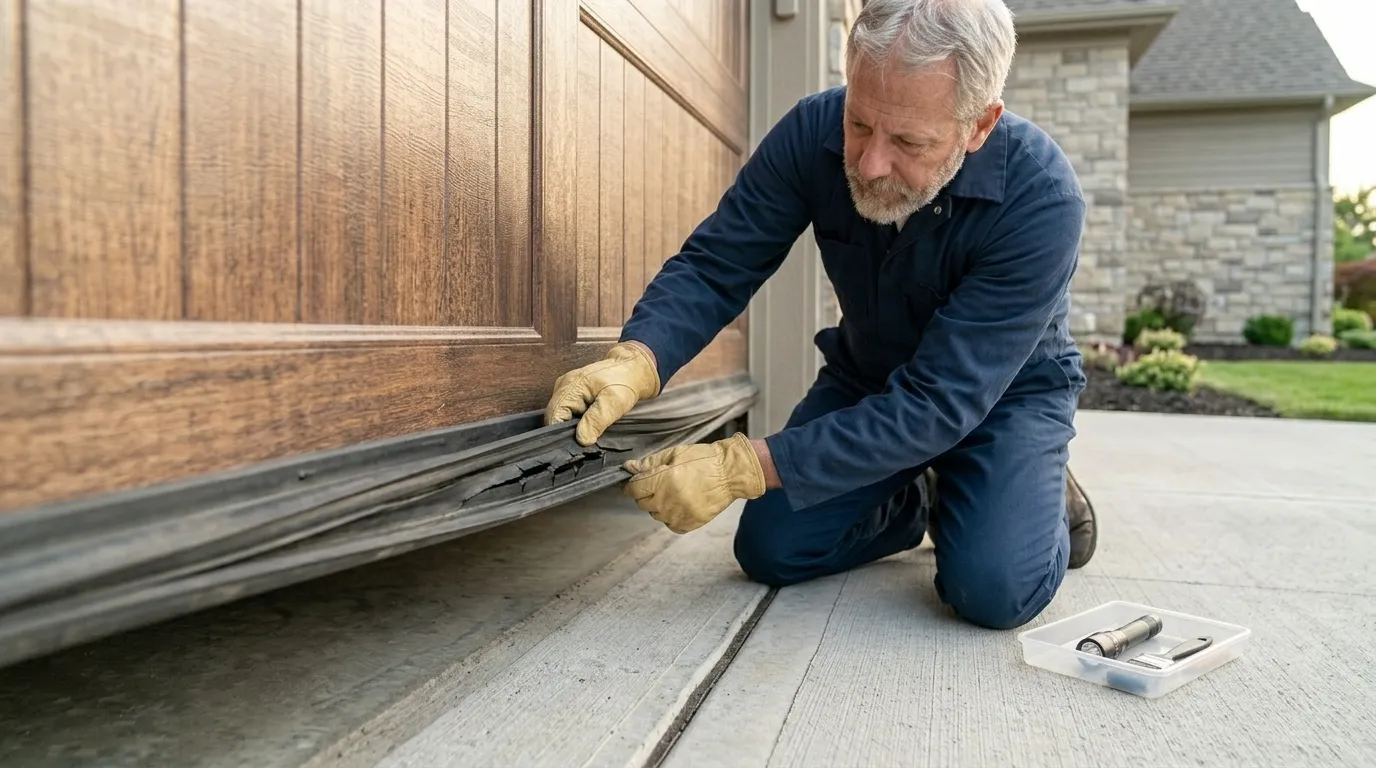
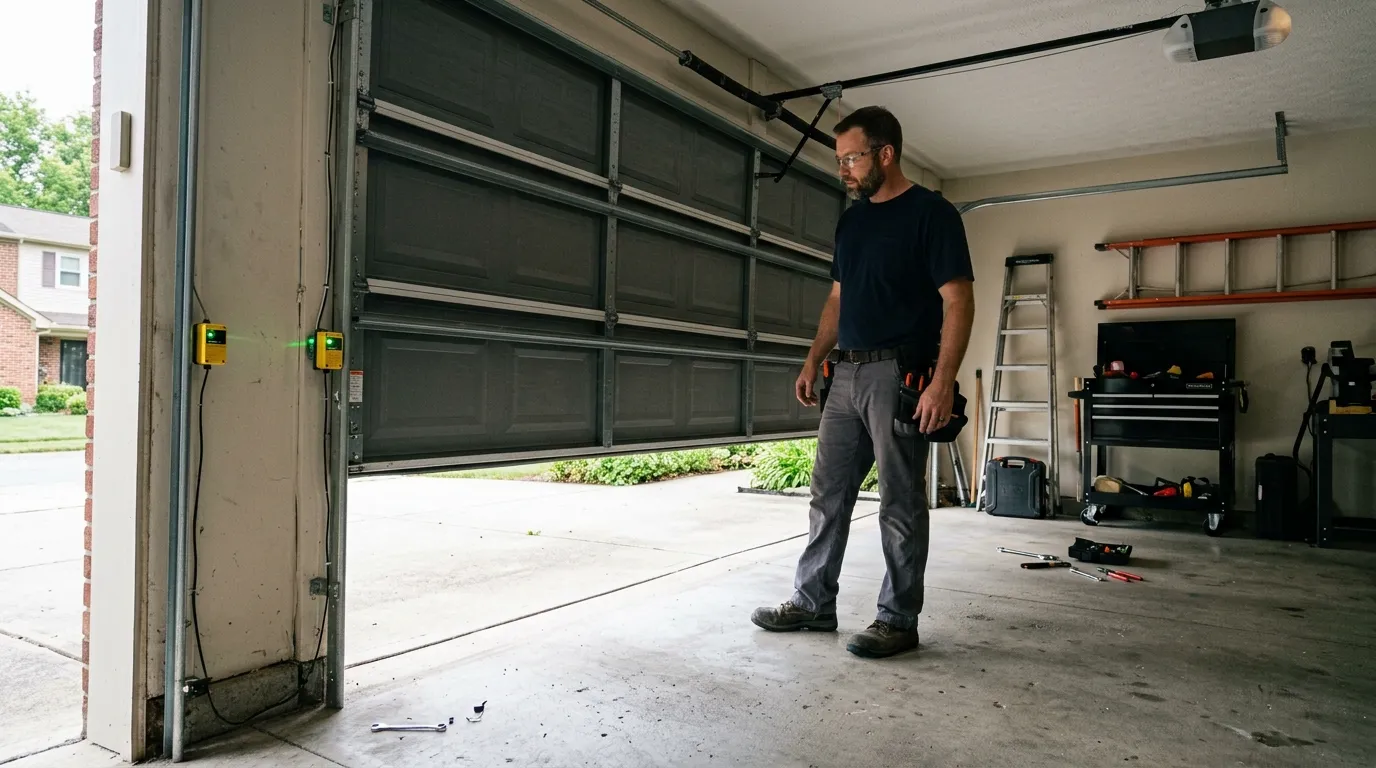
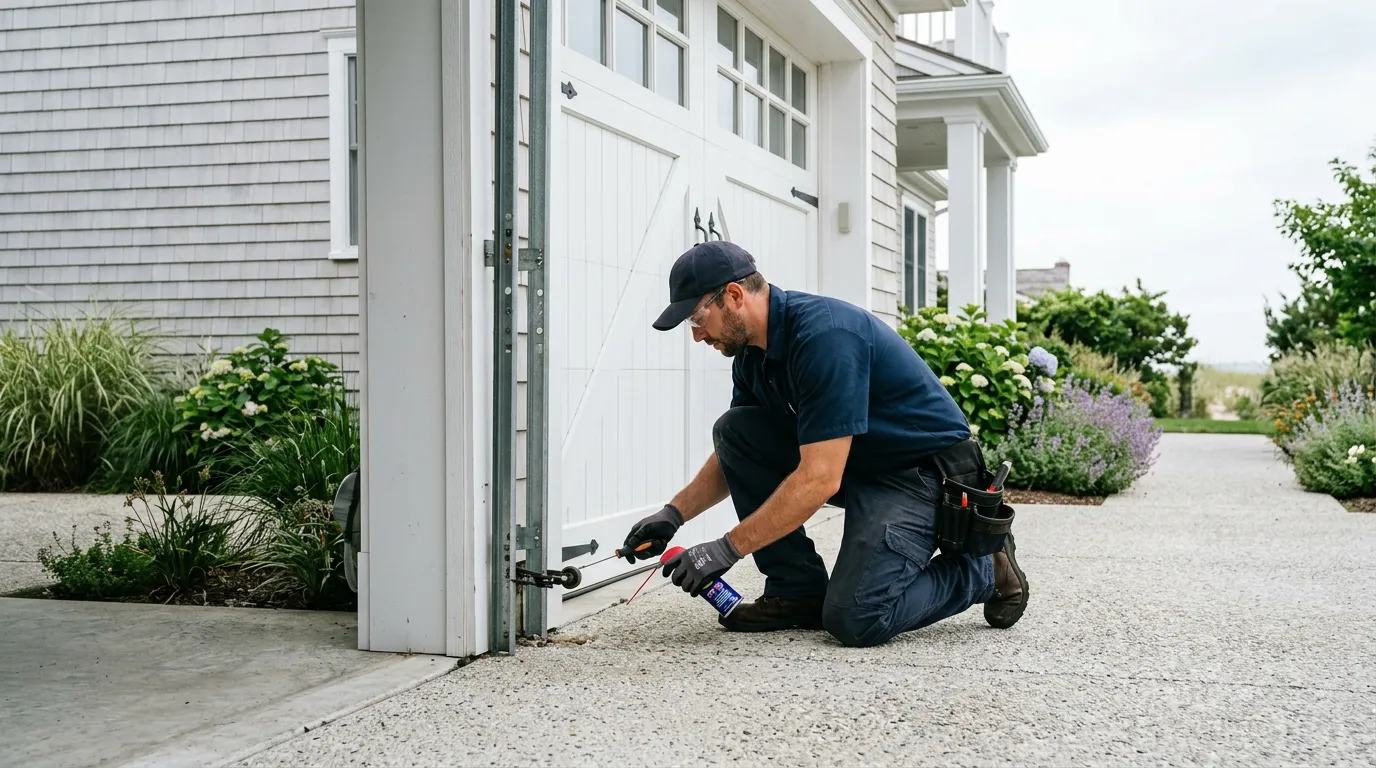
Jacksonville sits in a mild temperate band, so we're not dealing with frozen tracks or snow load bending panels the way colder climates do. What we do see is humidity working on unlubricated rollers and hinges - nylon rollers that have gone brittle, hinges rusted stiff at the pivot. It's slower damage than a hard freeze would cause, but it adds up over three or four decades just the same. If a door on these streets is original, expect the rollers and cables to be past due even if the panels themselves still look fine.
Where This Is
Cedar Hills is about seven miles southwest of downtown Jacksonville. It's inside the same service area we cover across the broader Jacksonville footprint, which includes 86,151 households and 48,862 owner-occupied houses, most of them built during that same 1973-2007 stretch that shaped Cedar Hills itself.
We don't have landmark-level detail to point to for this specific neighborhood beyond its build era and location relative to downtown, and we'd rather say that plainly than make up a cross street. What we can tell you is that a house here fits the same pattern as most of the service area: mild climate, older steel doors, and hardware that's aging out around the same time across the whole stretch of the city.