What Is on These Garages
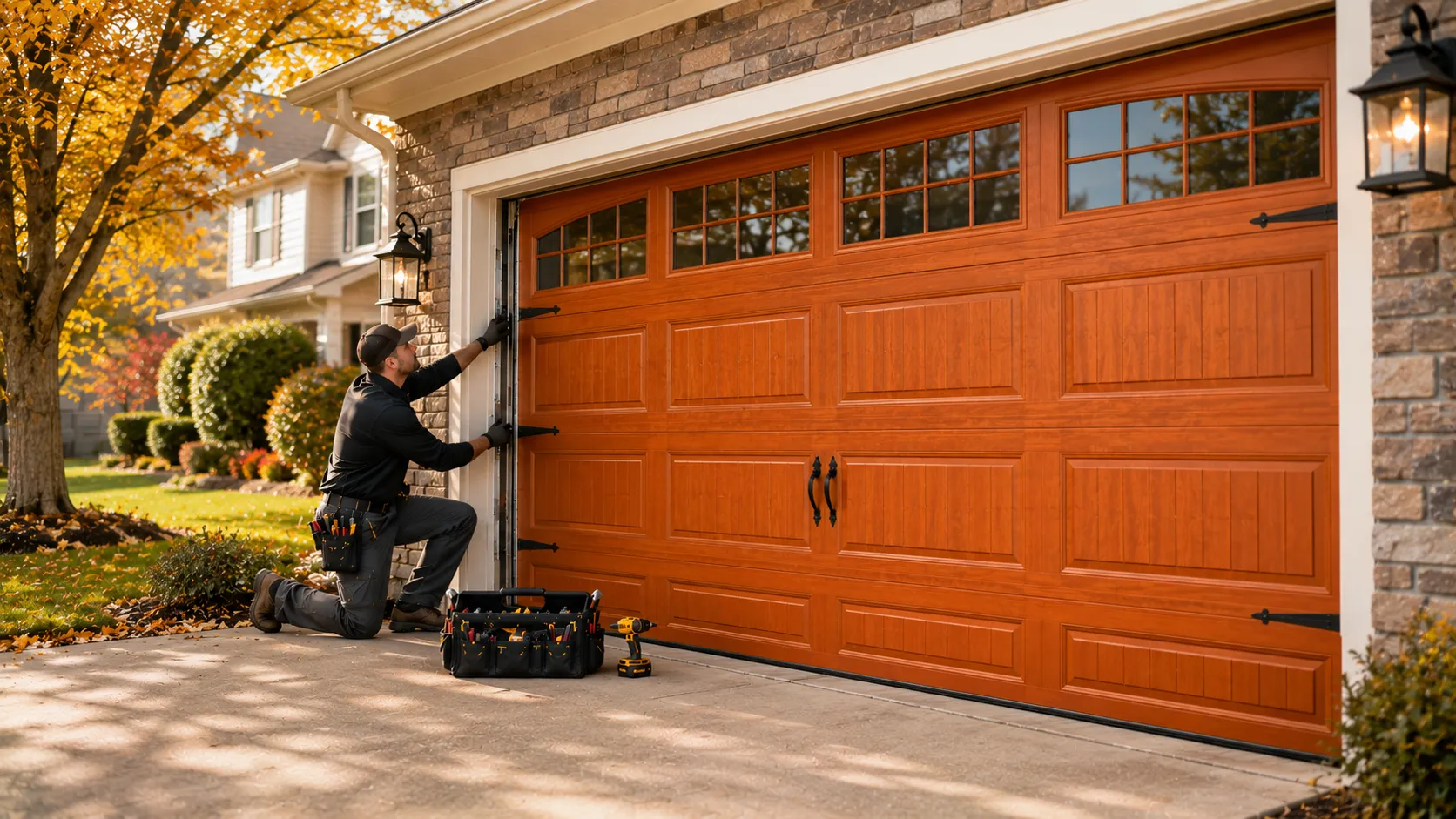
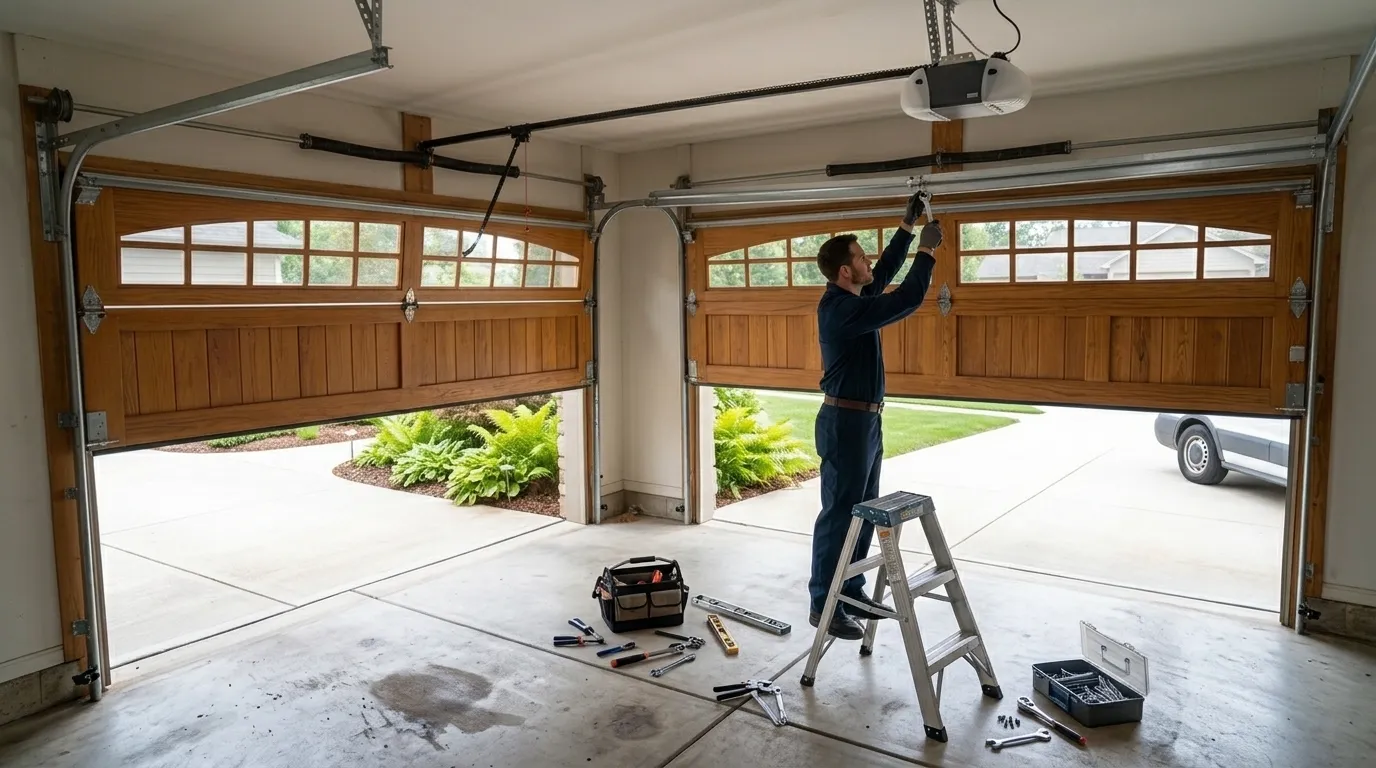
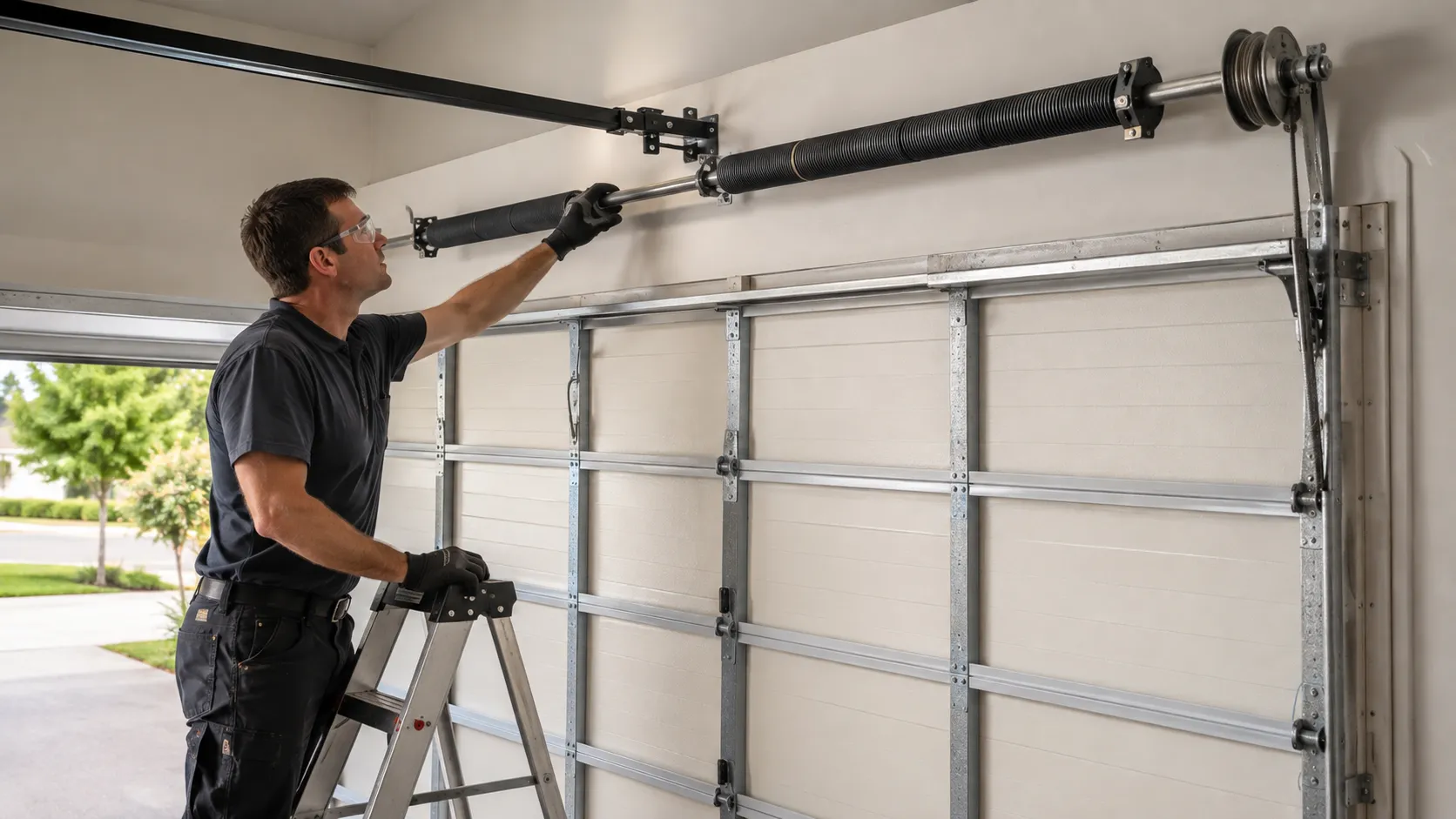
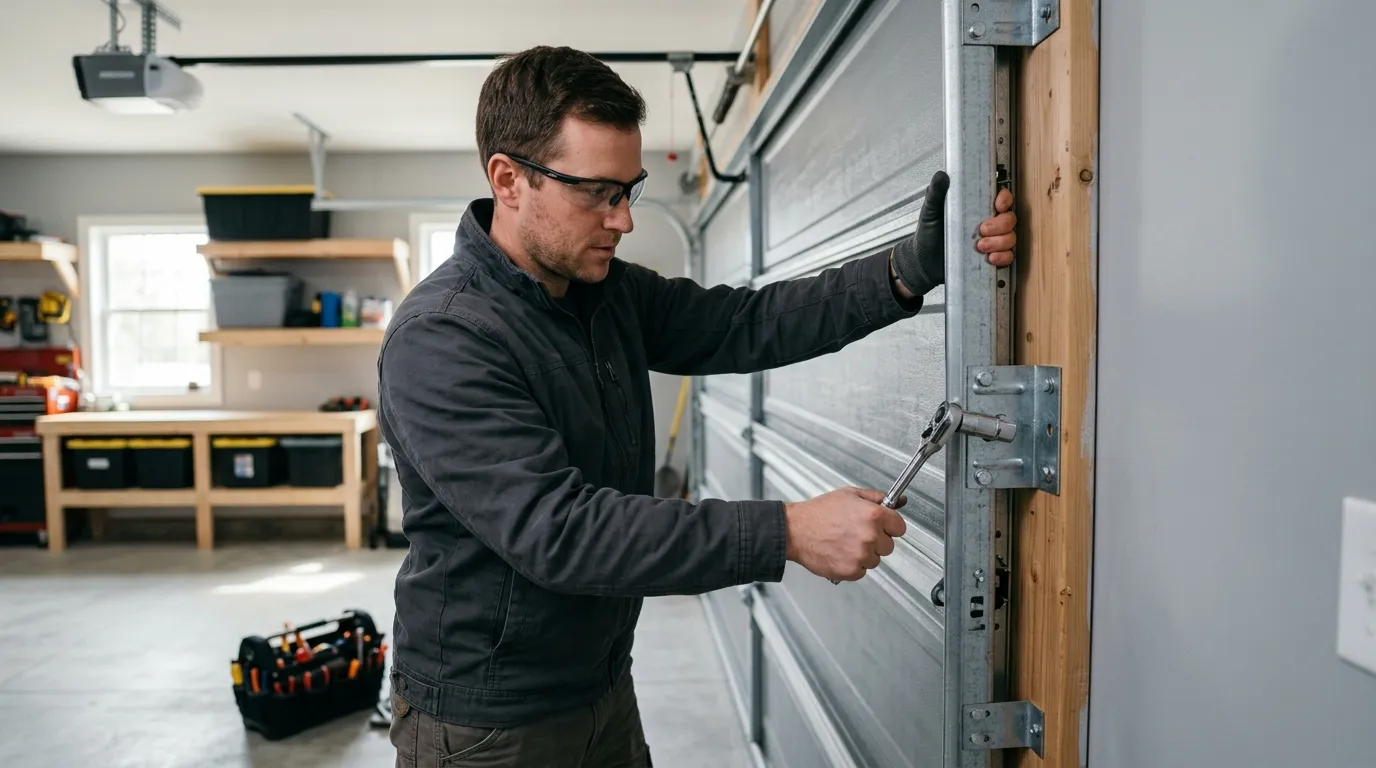
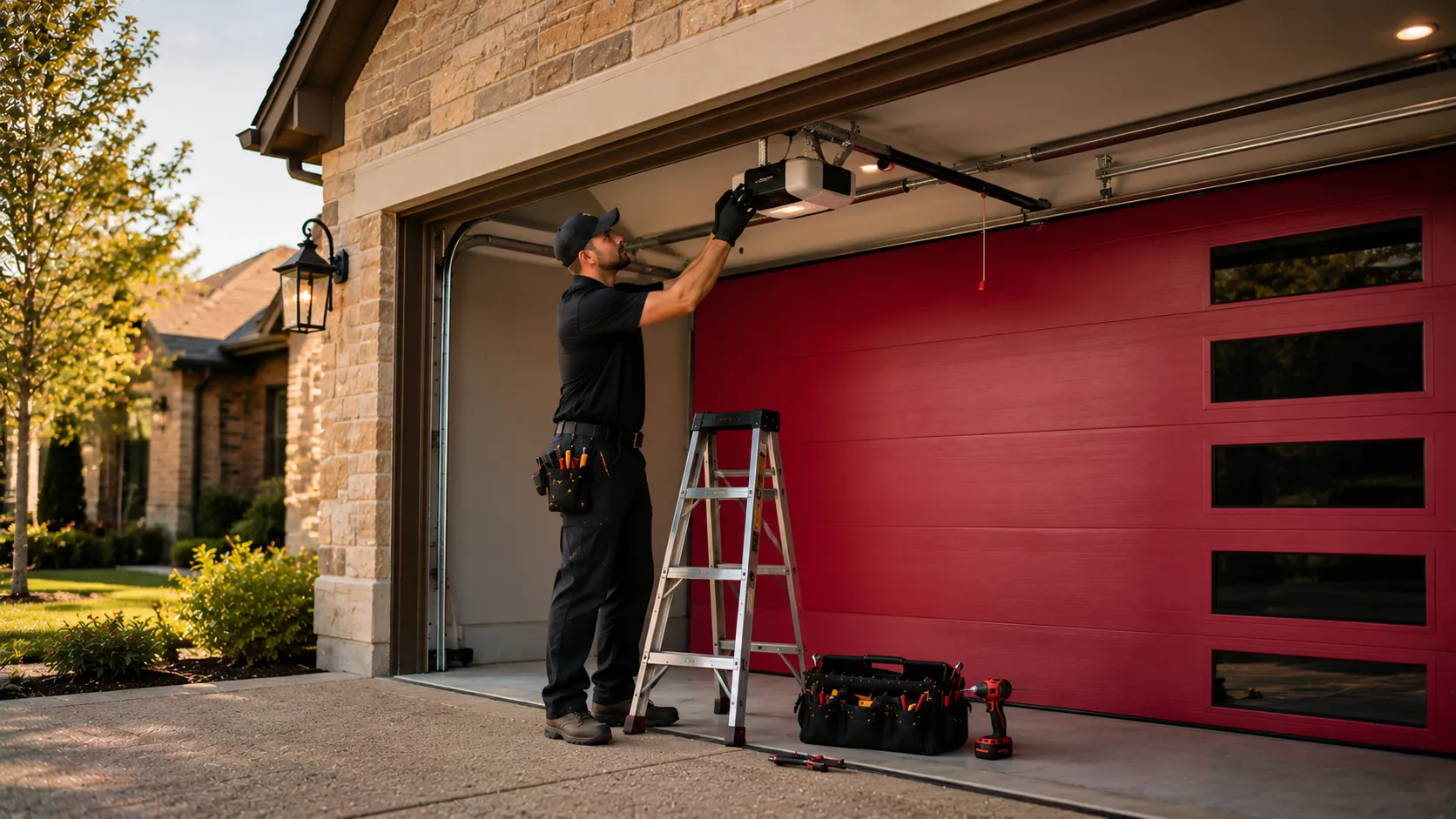
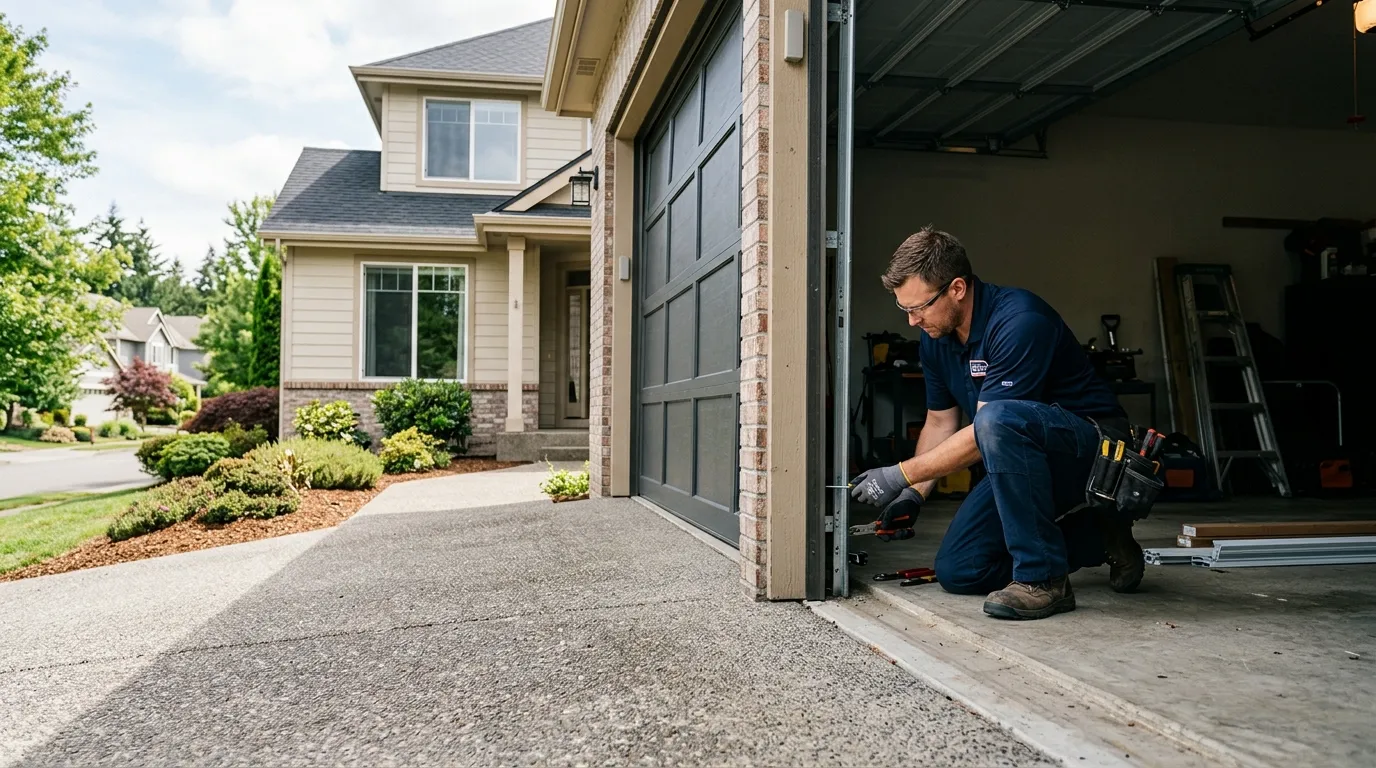
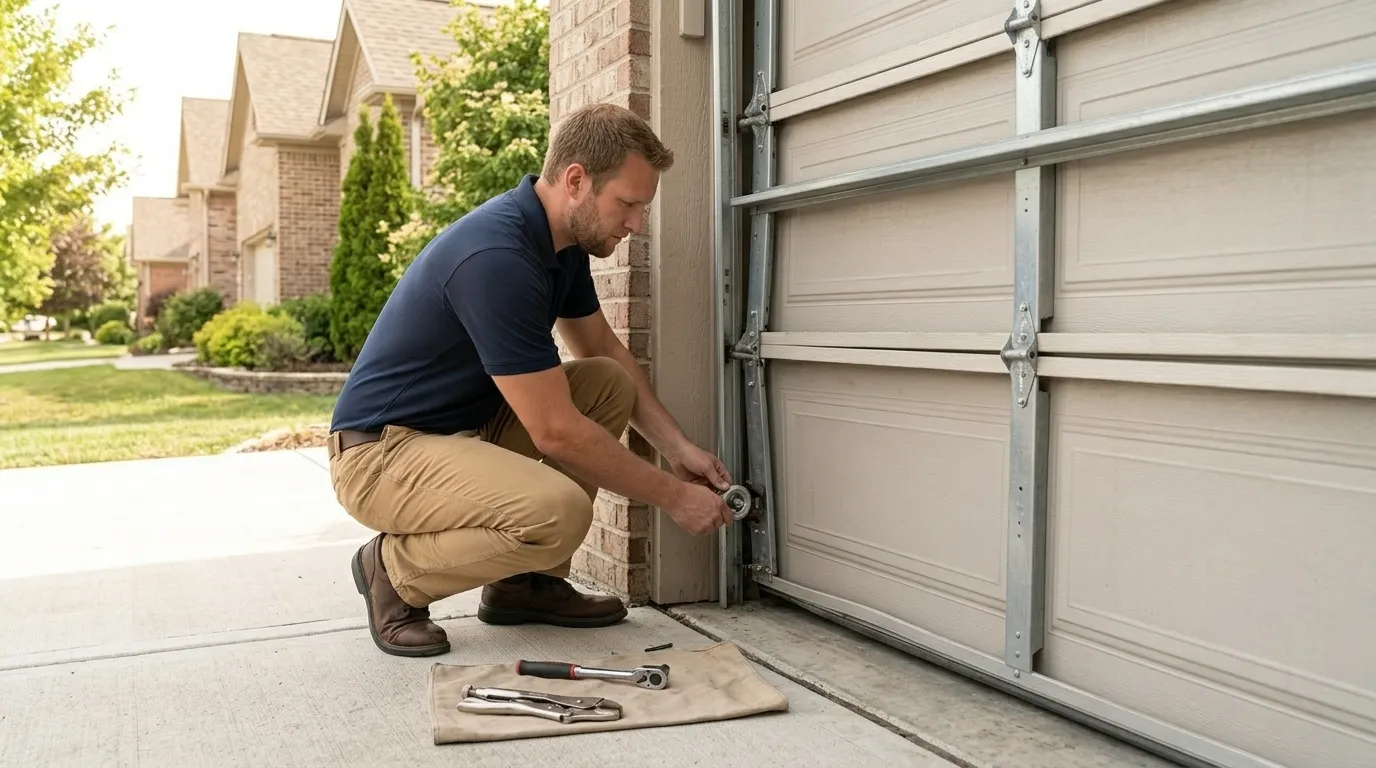
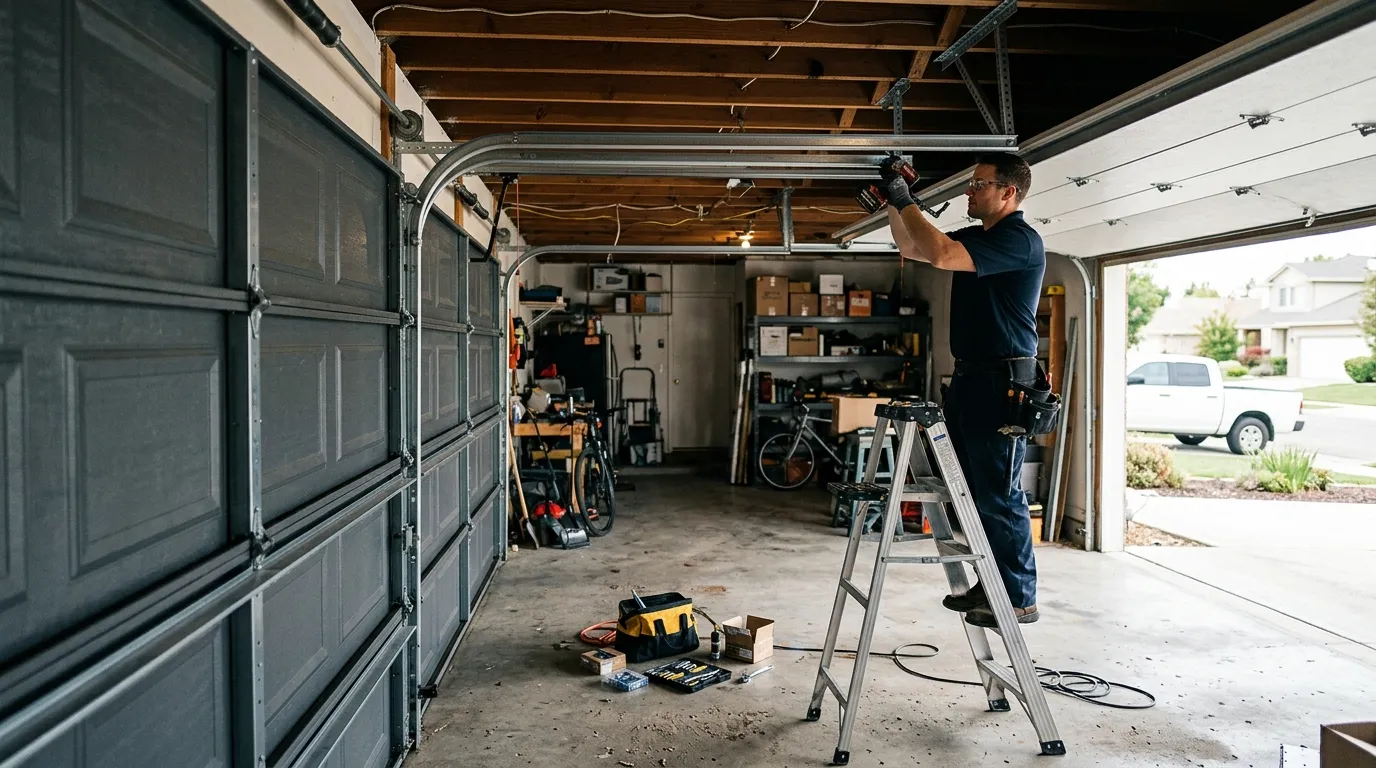
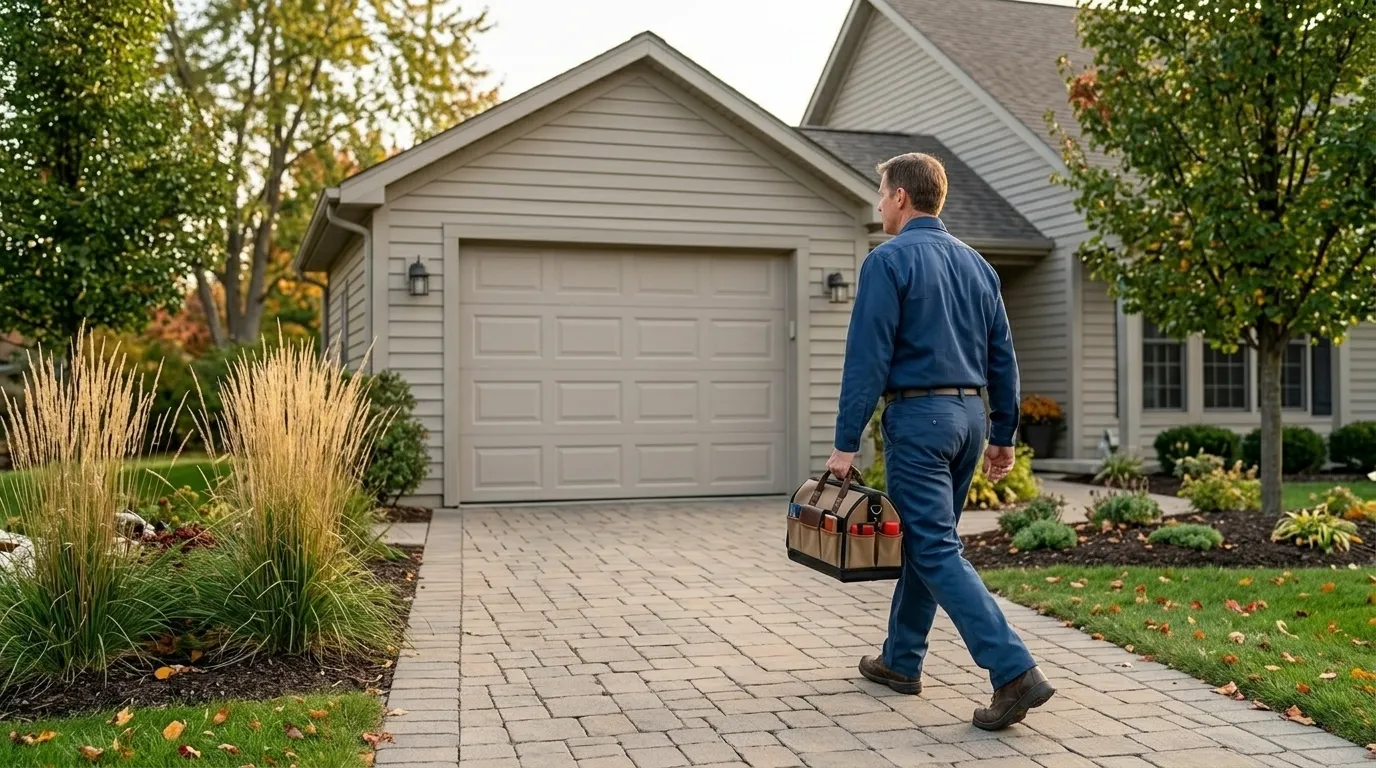
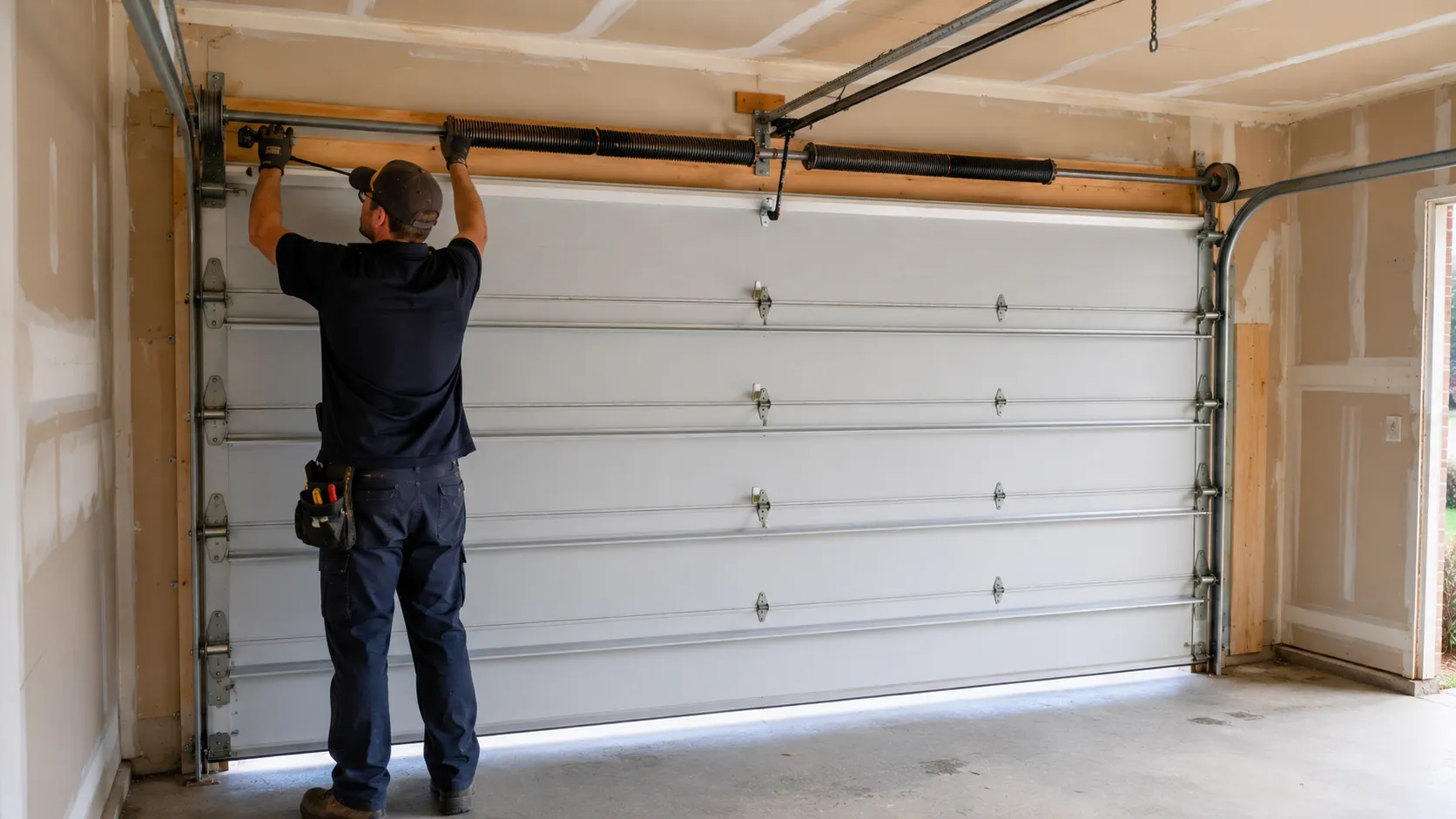
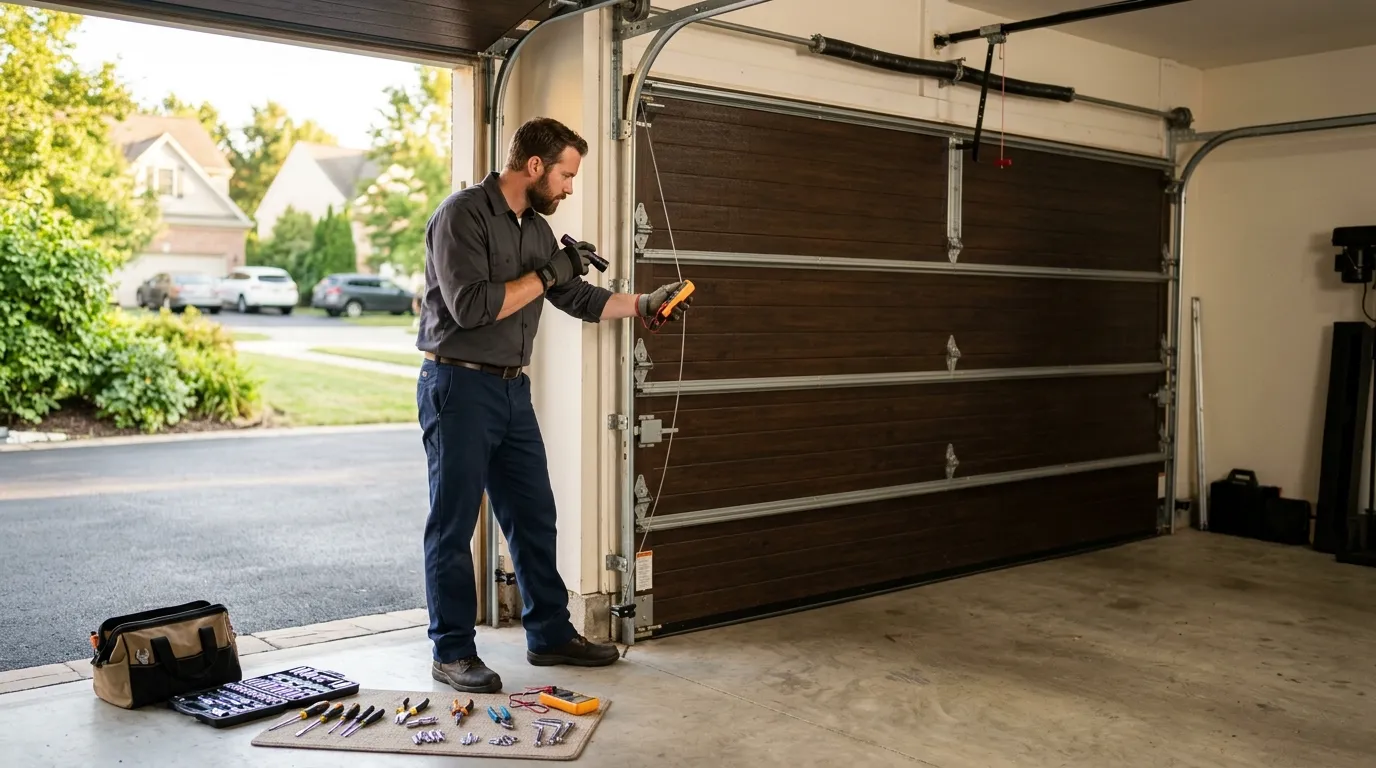
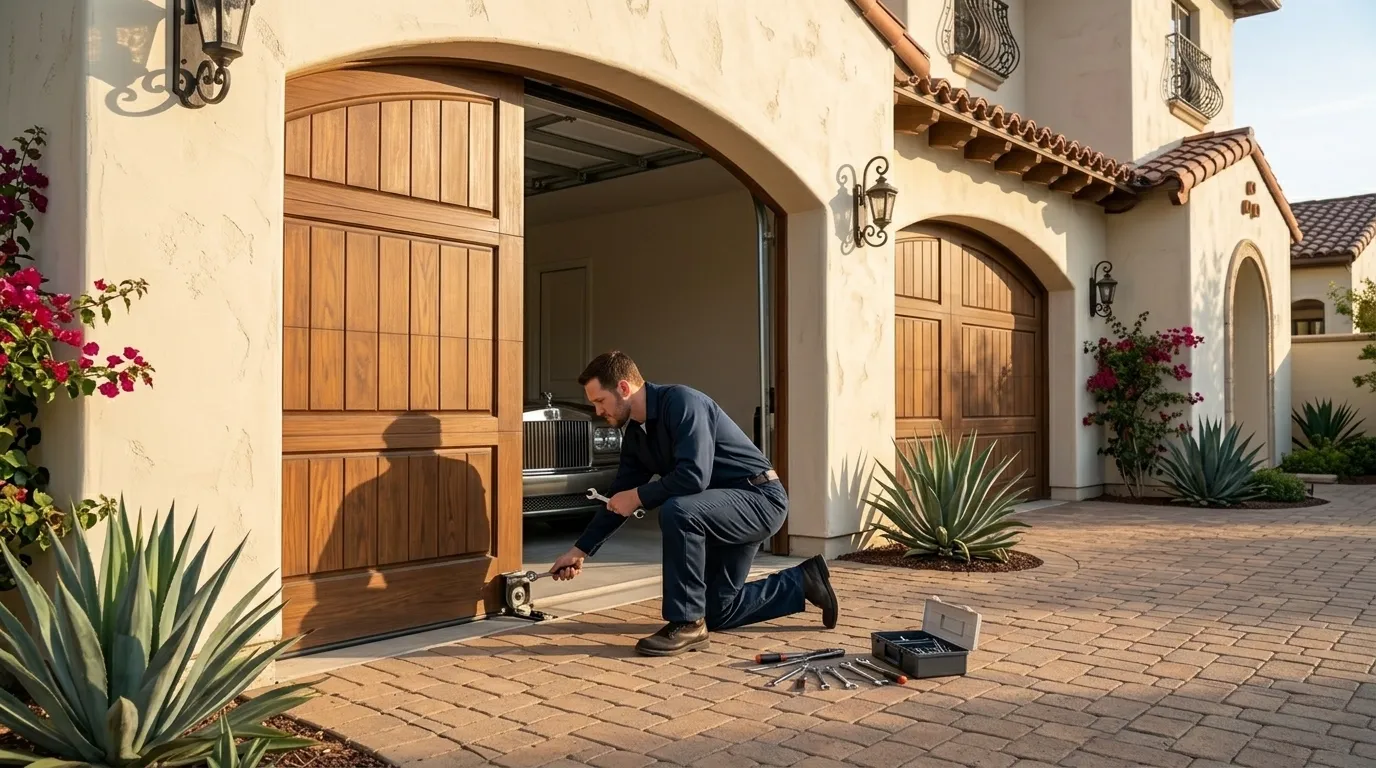
Across this side of Jacksonville, most of the housing stock went up between 1973 and 2007, with the median build year landing around 1985. That puts a lot of garages in the same window: steel sectional doors on extension or torsion springs, openers that have likely been swapped out once already since the house was new, and hardware that was standard for its decade rather than custom to any one build. The service area sits in a mild temperate climate band, which is easier on doors than a freeze-thaw market up north - you don't get the ice-jammed tracks or cracked panels that come with hard winters. What you do get is humidity working steadily on lubricant and nylon rollers, and UV slowly chalking out paint on south-facing doors. None of that is dramatic, but it adds up over 35-plus years faster than most owners think. I don't have street-level records for individual homes in Avondale, so I won't tell you what's behind your specific door - what I can tell you is that if your house fits that 1973-2007 window, the spring and roller wear pattern is predictable, and worth a look before it becomes a stuck door on a Monday morning.
Houses on These Streets
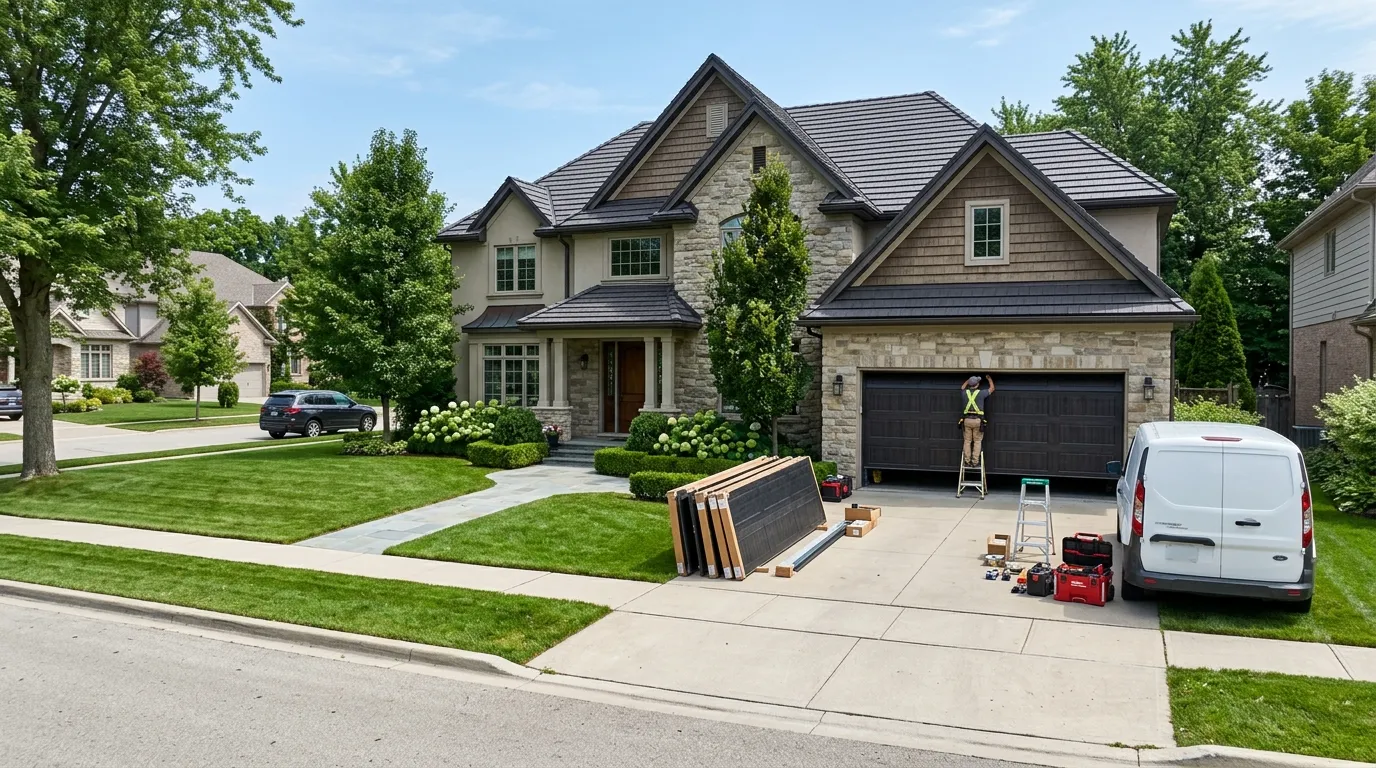
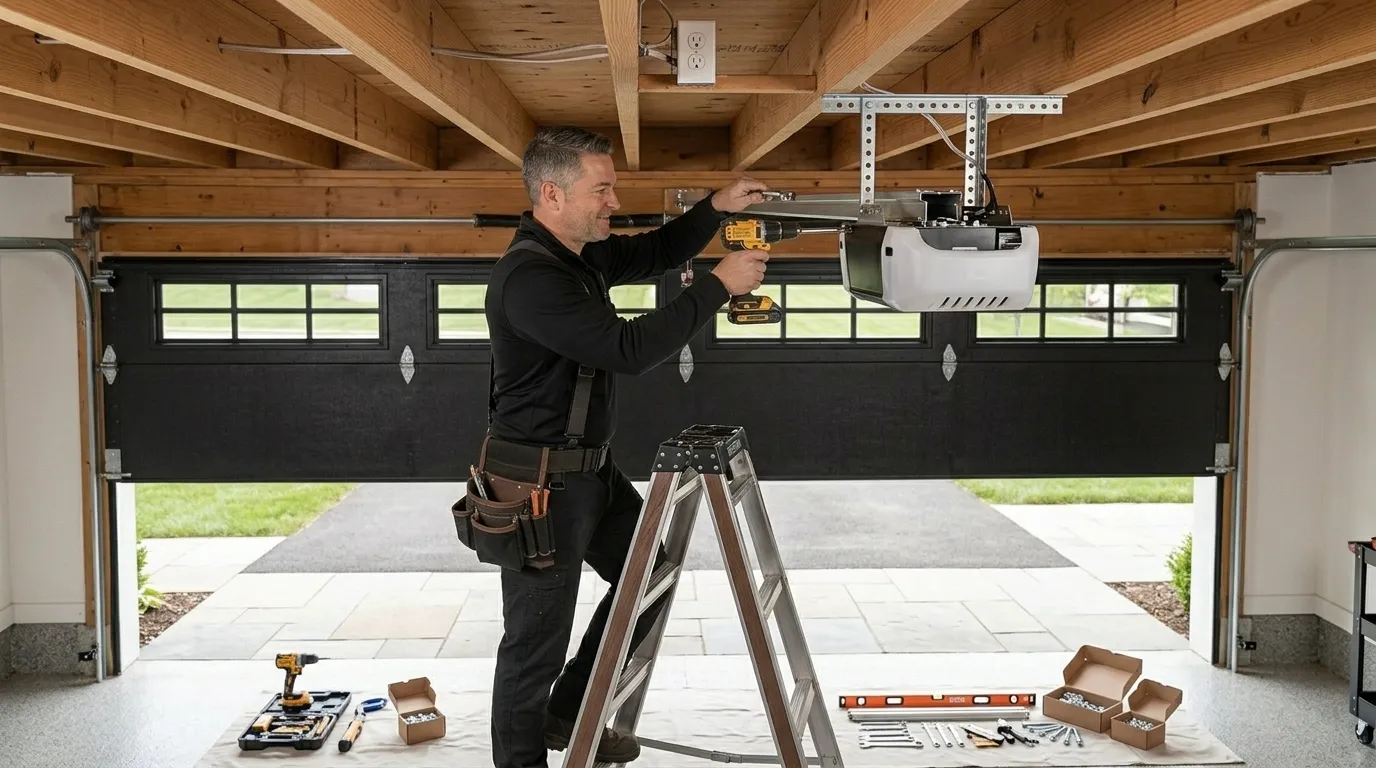
Without landmark or street-level data for Avondale, I'm not going to guess at what's behind any particular door - that's how a page loses credibility fast. What I can say comes from the build-year pattern for this part of Jacksonville: homes from the 1980s and 90s stock typically carry torsion springs rated for the original door weight, which is a problem if a heavier insulated replacement went in later without the spring being re-rated. That's one of the most common no-close calls on doors from this era - not a broken part, just a spring sized for a door that no longer exists. Openers from a mid-90s build are also usually on their second or third unit by now, since chain-drive motors from that period rarely make it past 15-20 years of daily use. If your door is original to a house built in that window, the panels themselves have usually held up fine in this climate - it's the moving parts, not the steel, that wear out first. I'd rather tell you that plainly than dress up a generic 'aging home' pitch with details I don't actually have for your street.
Where This Is
Avondale sits about four miles southwest of downtown Jacksonville. Riverside is closer in, about two miles southwest of the center, and Murray Hill sits roughly three miles to the west-southwest - both give a sense of how this stretch of the city sits relative to downtown. Brooklyn, a mile southwest of center, and Woodstock, four miles due west, bracket the area from the other side. Miramar sits about four miles south. None of these are landmarks inside Avondale itself - I don't have street names or named points within the neighborhood to point to - but they're useful if you're trying to place Avondale relative to the rest of Jacksonville's core. The area falls within the mild temperate climate band that covers the broader service region, so the weather-driven wear on doors and openers here tracks with what you'd see in Riverside or Murray Hill rather than differing sharply block to block.