What Is on These Garages
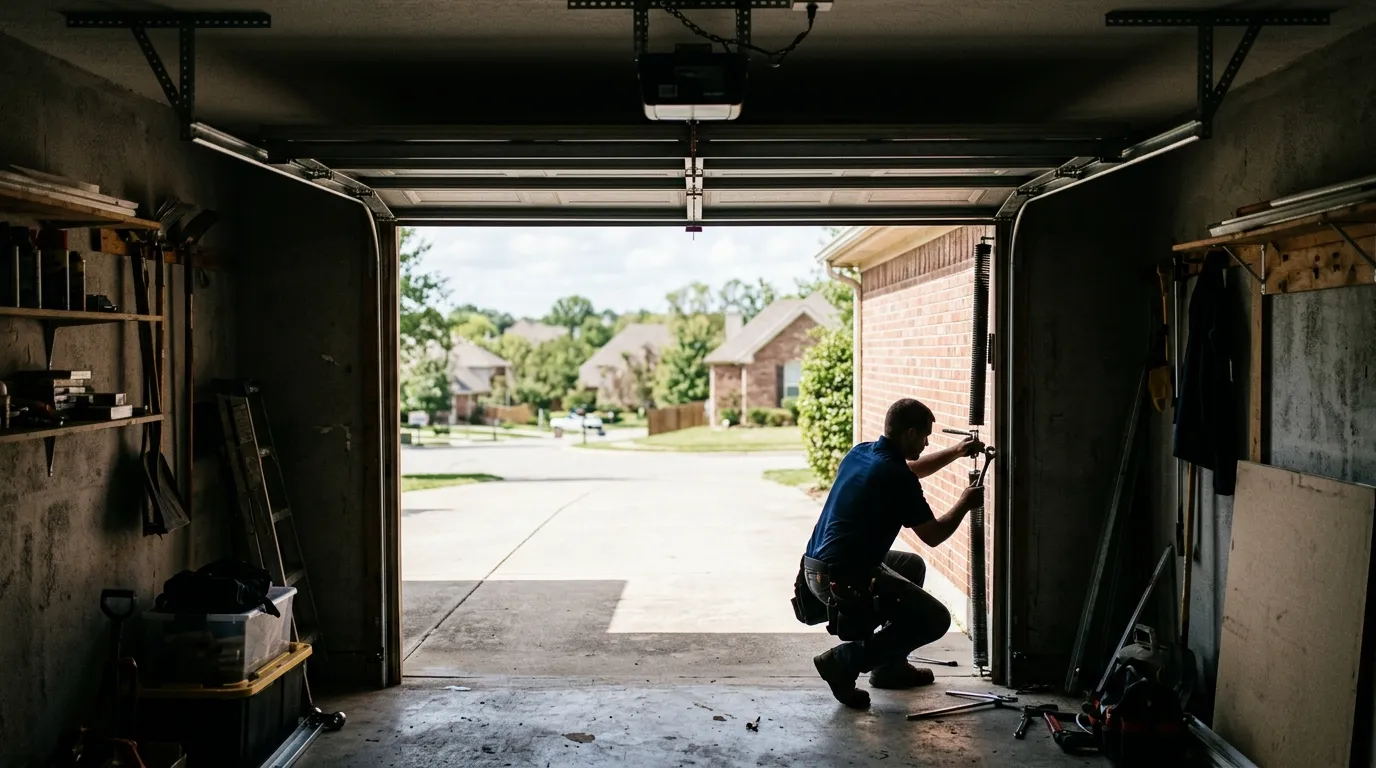
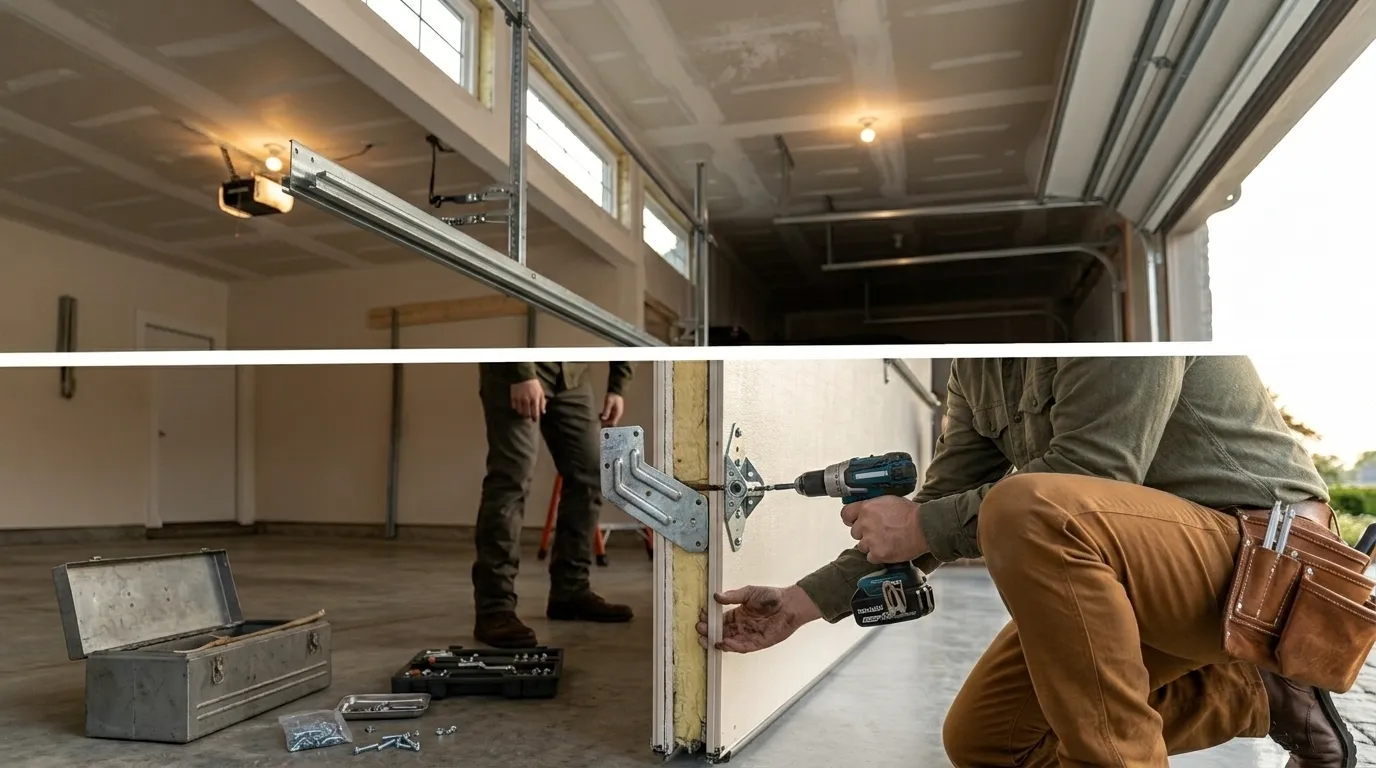
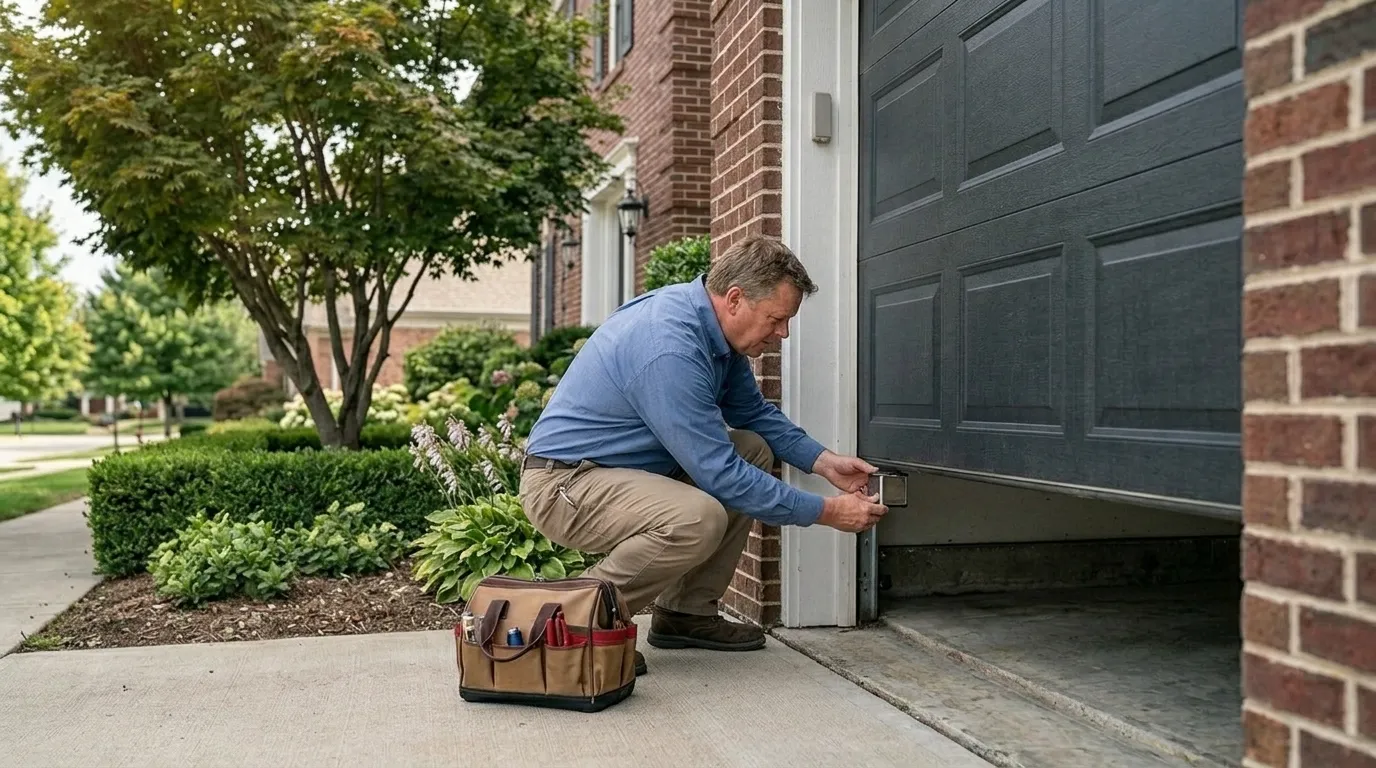
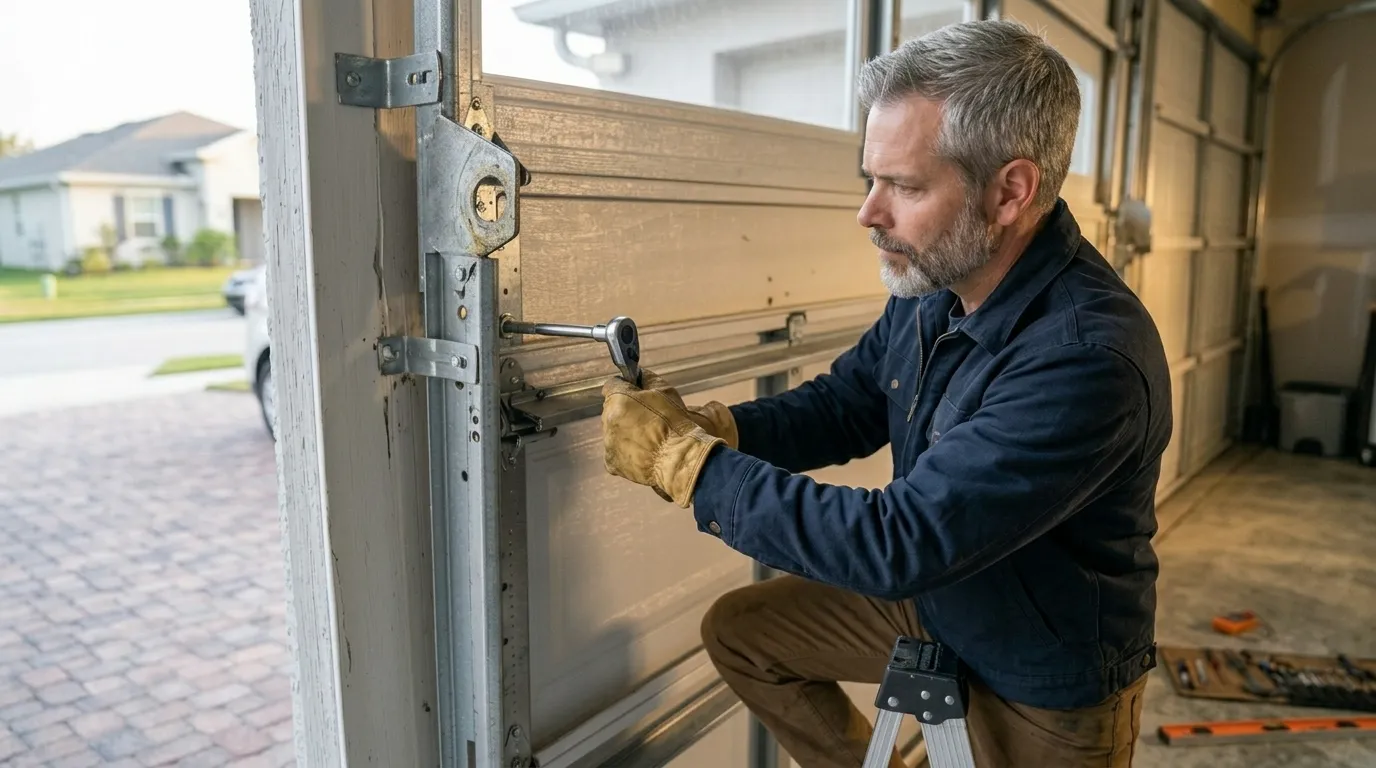
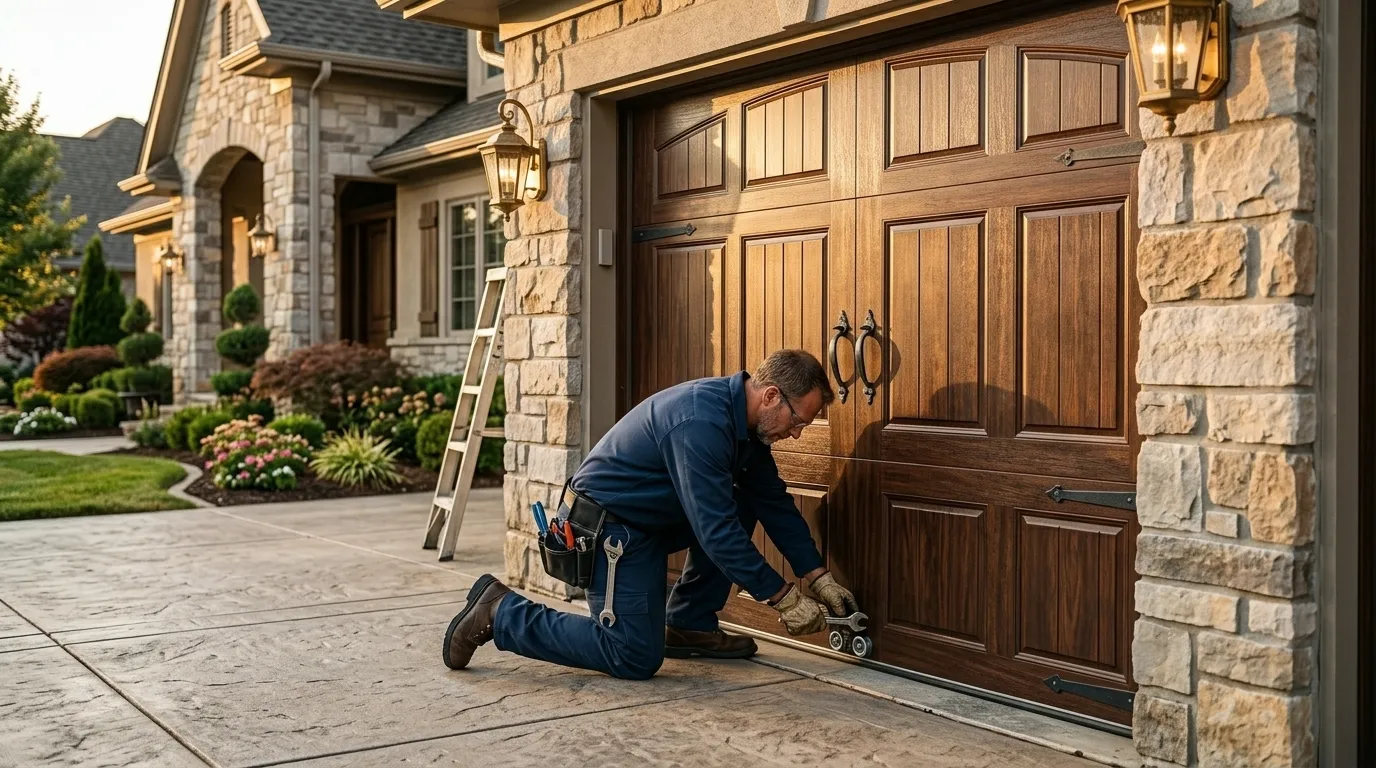
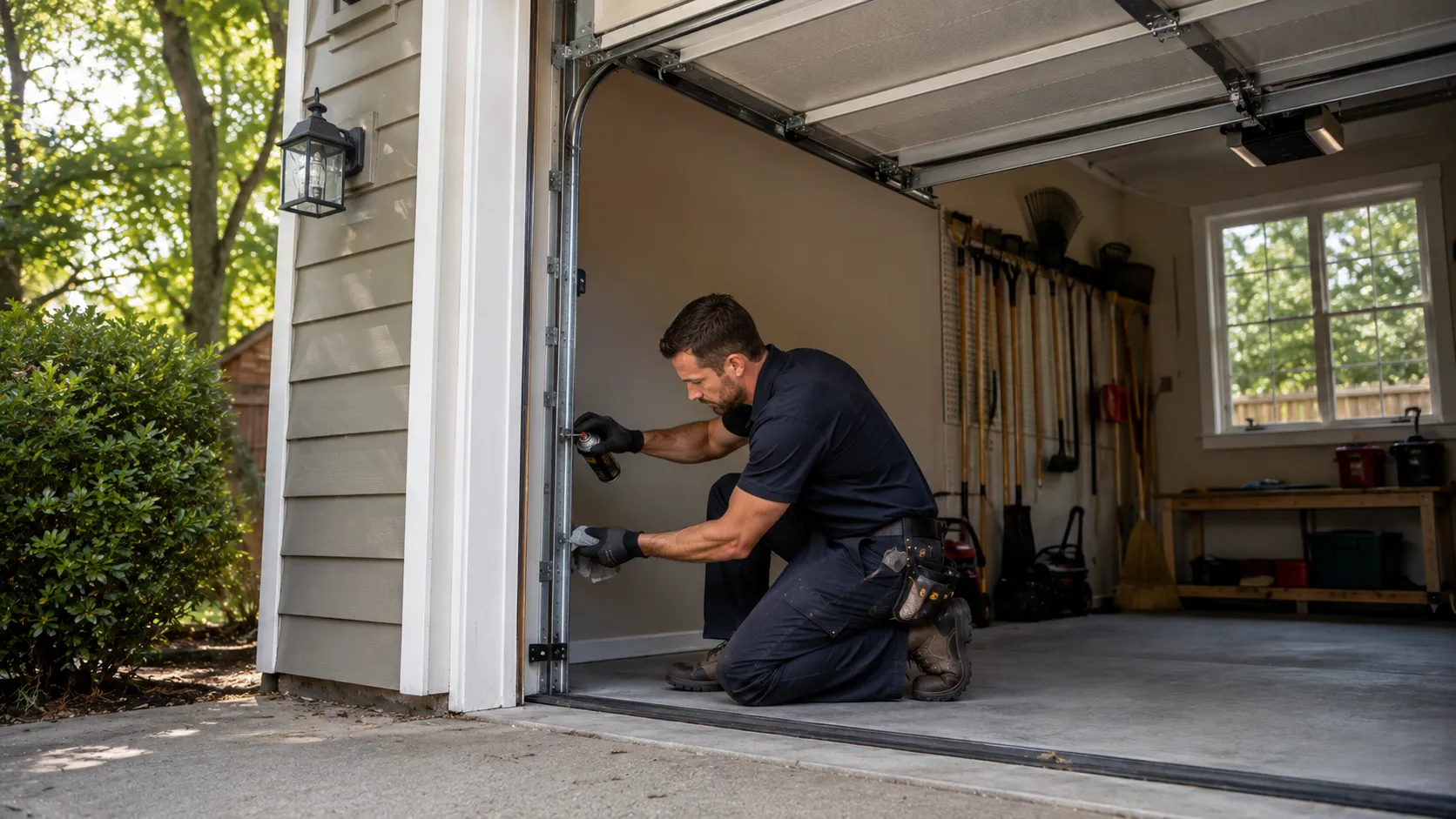
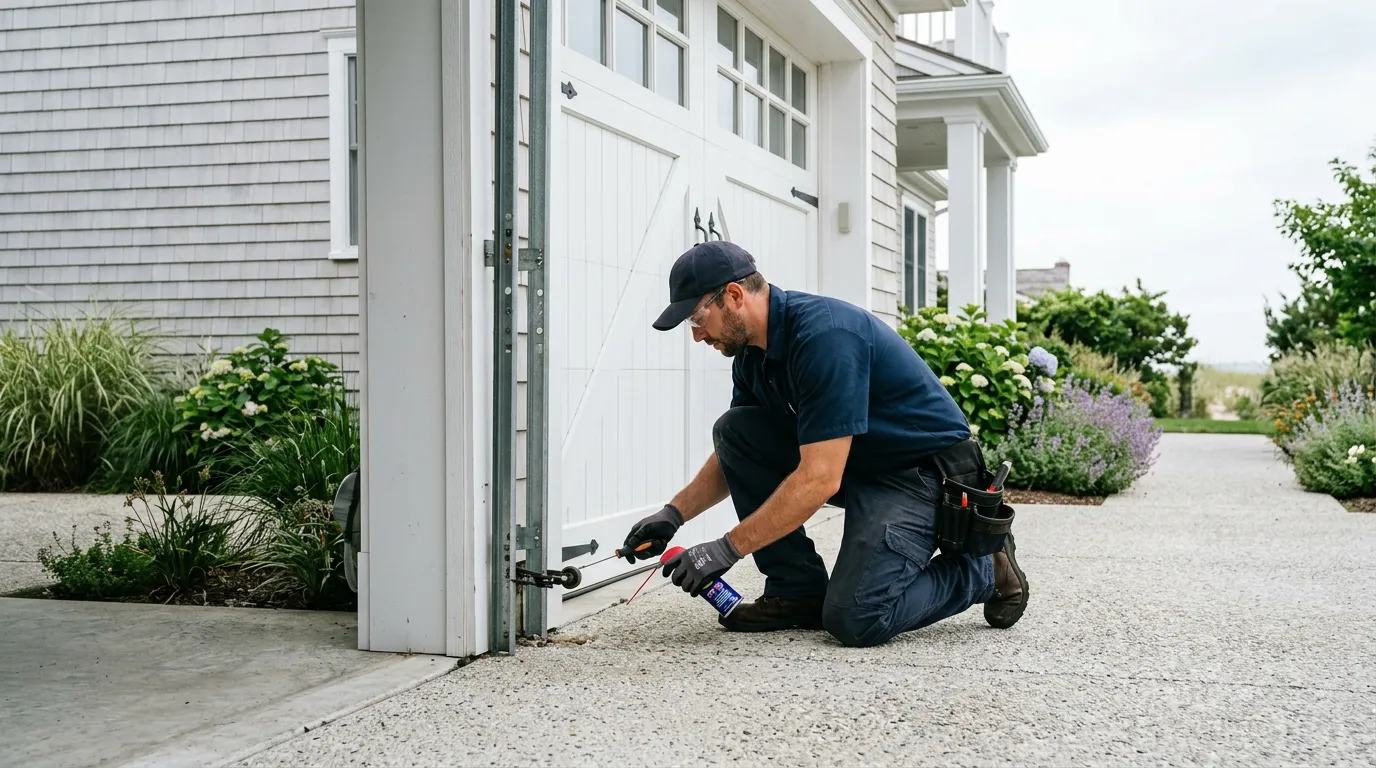
Argyle Forest sits inside a stretch of Jacksonville where the houses went up mostly through the 1980s and 90s, which tells us a lot before we ever pull into a driveway. Doors from that build window are almost always steel sectional panels on torsion springs mounted above the opening, not the older extension-spring setups you'd find on anything from before 1973. The springs on these are usually original replacements by now, since a torsion spring on a daily-use door has a working life measured in cycles, not years, and a house built in 1985 has had that door open and close tens of thousands of times.
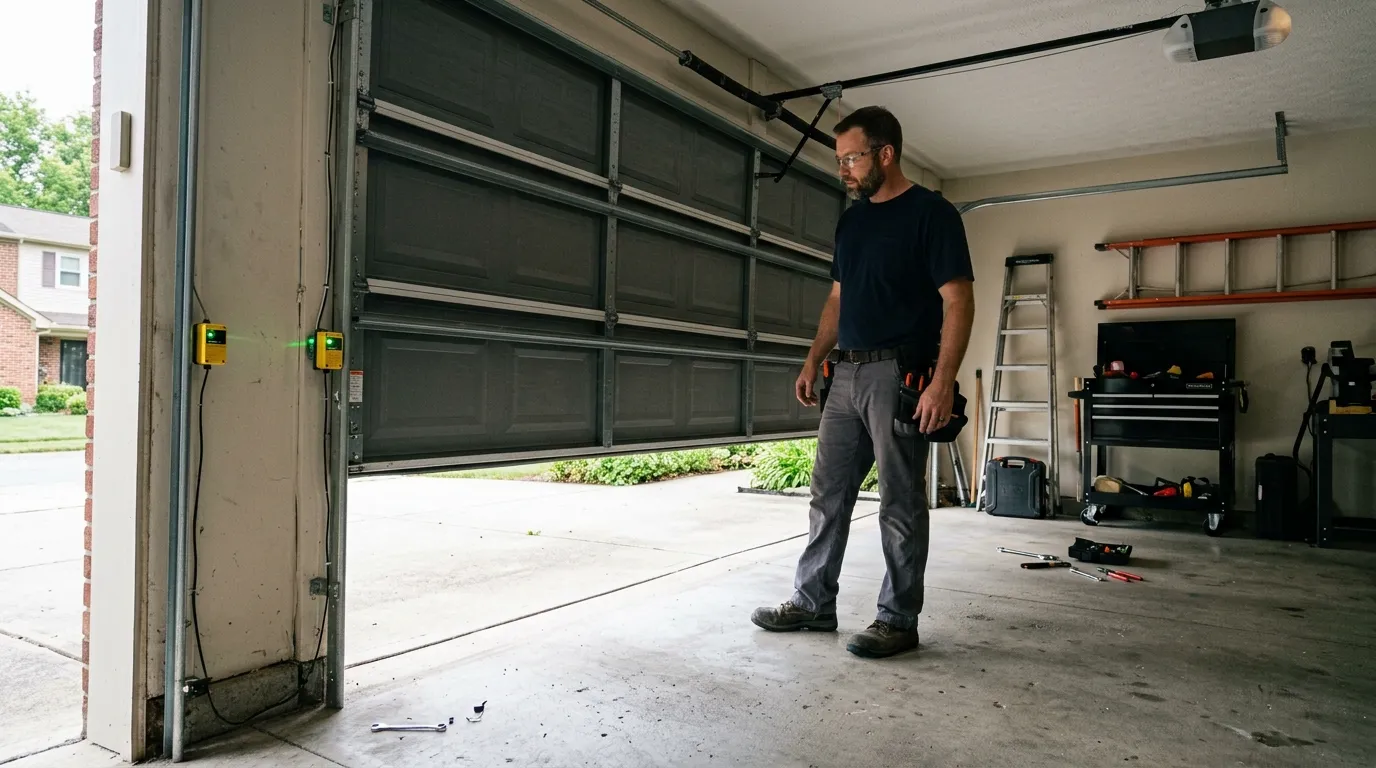
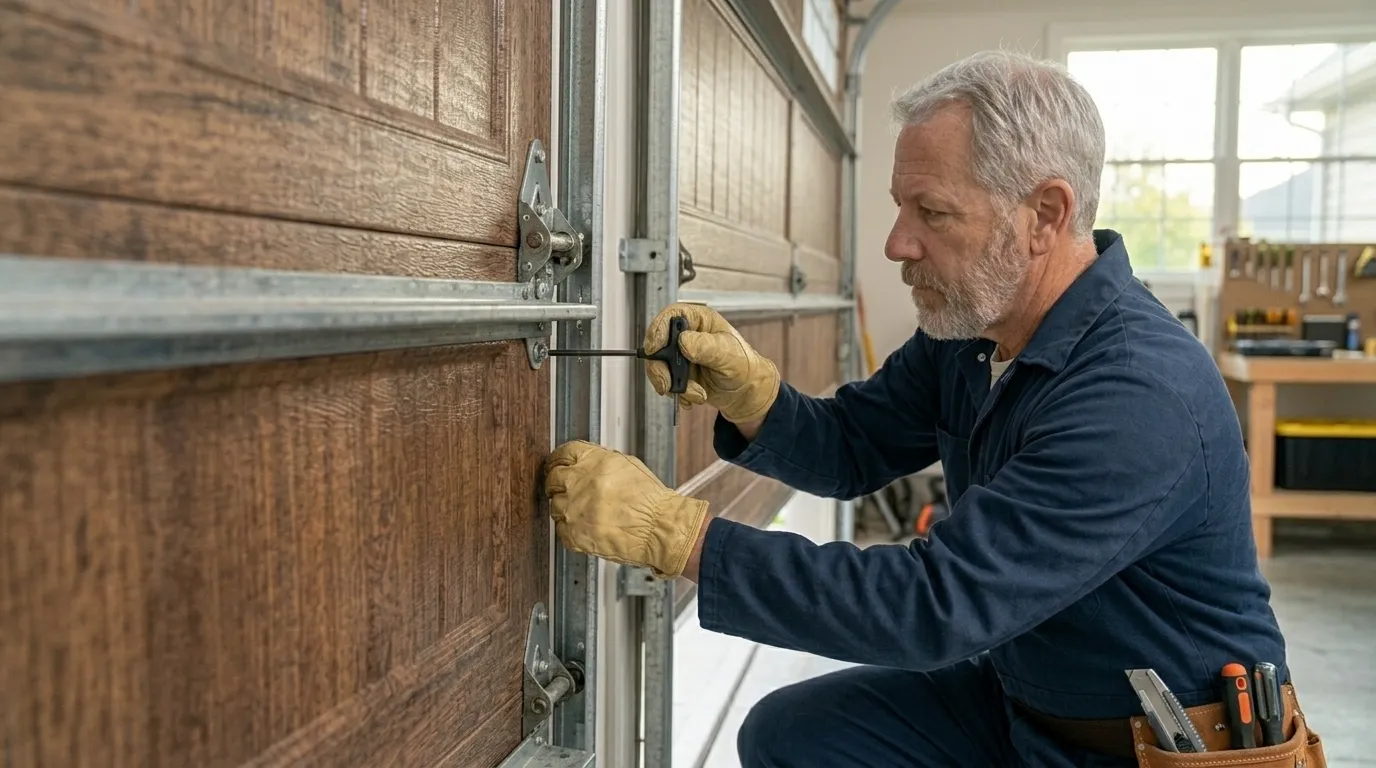
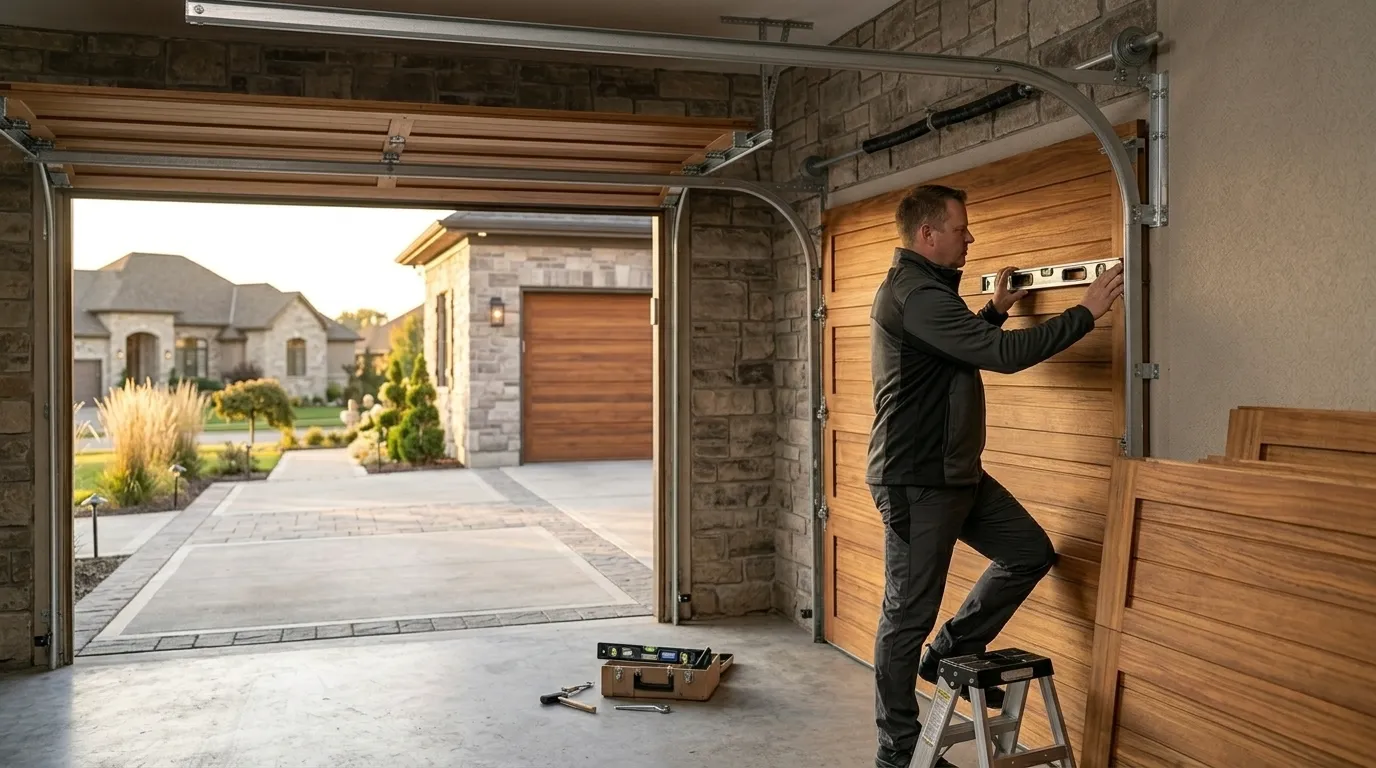
What we don't see much of here are the side-mounted extension springs with the loose safety cables, or the wood-panel doors that need full carpentry work to patch. That's a small mercy - it means most jobs on this end are spring swaps, roller replacement, or opener work rather than structural door repair. One limitation worth saying plainly: if a panel's dented or rusted through on a door this age, we're not going to hunt down a matching replacement panel from a discontinued line. Full door replacement is usually the honest answer, not a patch.
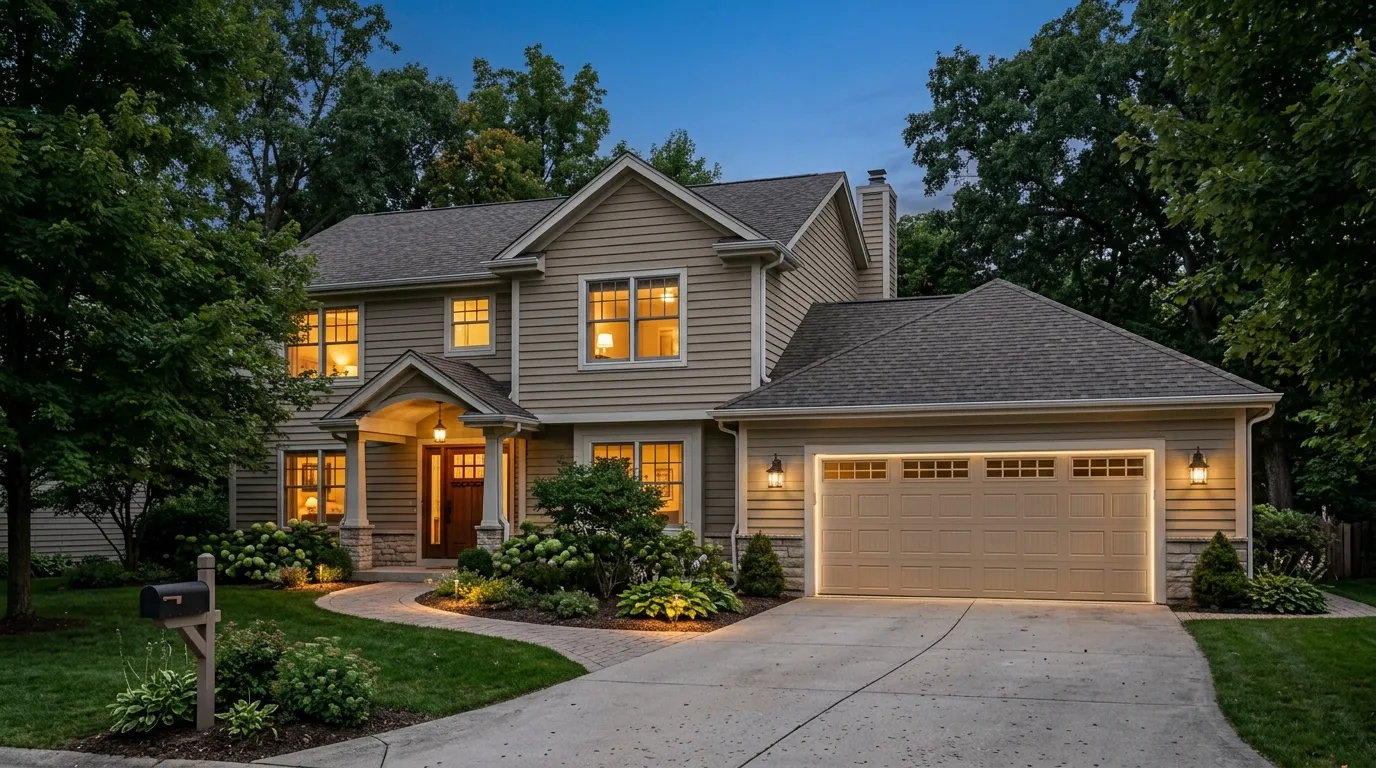
Houses on These Streets
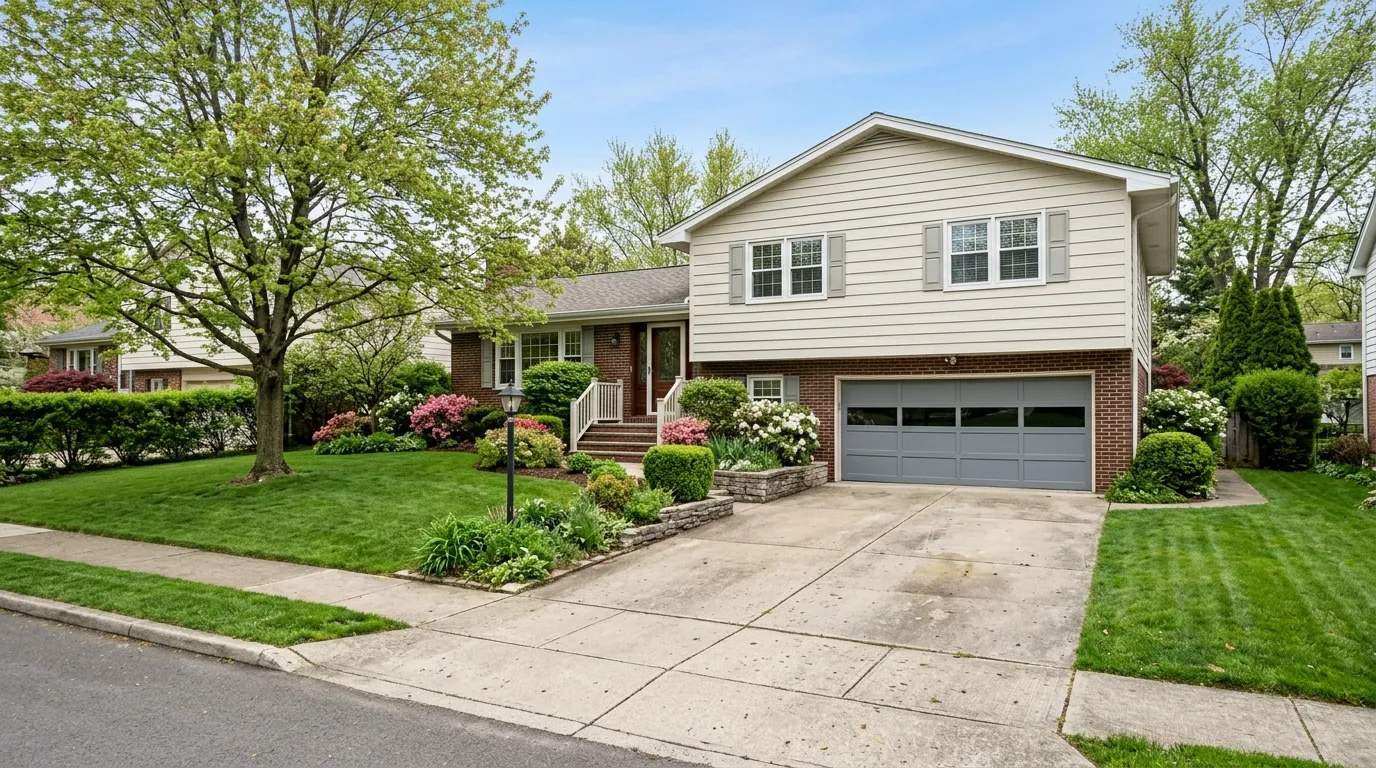
The service area this neighborhood sits in runs from houses built in 1973 up through 2007, with the median landing around 1985. That's a wide window, but it clusters heavy in the 80s and 90s - garages sized for a single car or a two-car tandem, openings built to code standards from that era rather than the wider double-door openings common in new construction now. If your door looks original, it's on hardware that's roughly 30 to 40 years old, which is well past the point where we'd recommend just replacing a cable and calling it done.
The mild temperate climate here works in your favor on the mechanical side. We don't get the freeze-thaw cycling that cracks springs and seizes bearings in colder states, so failures here tend to be wear-driven - a spring that's simply cycled out, a roller that's worn its track groove wide - rather than weather-driven. That's a real difference in how we diagnose a call before we even get in the truck.
Where This Is
Argyle Forest sits about 11 miles southwest of downtown Jacksonville. It's on the outer edge of the service area we run, further out than the closer-in neighborhoods but well within normal routing for us. If you're not sure whether your street falls inside Argyle Forest proper or in one of the surrounding pockets, that's fine - the housing stock and the work it needs runs consistent across this whole stretch of southwest Jacksonville, so it doesn't change how we approach the call.