What Is on These Garages
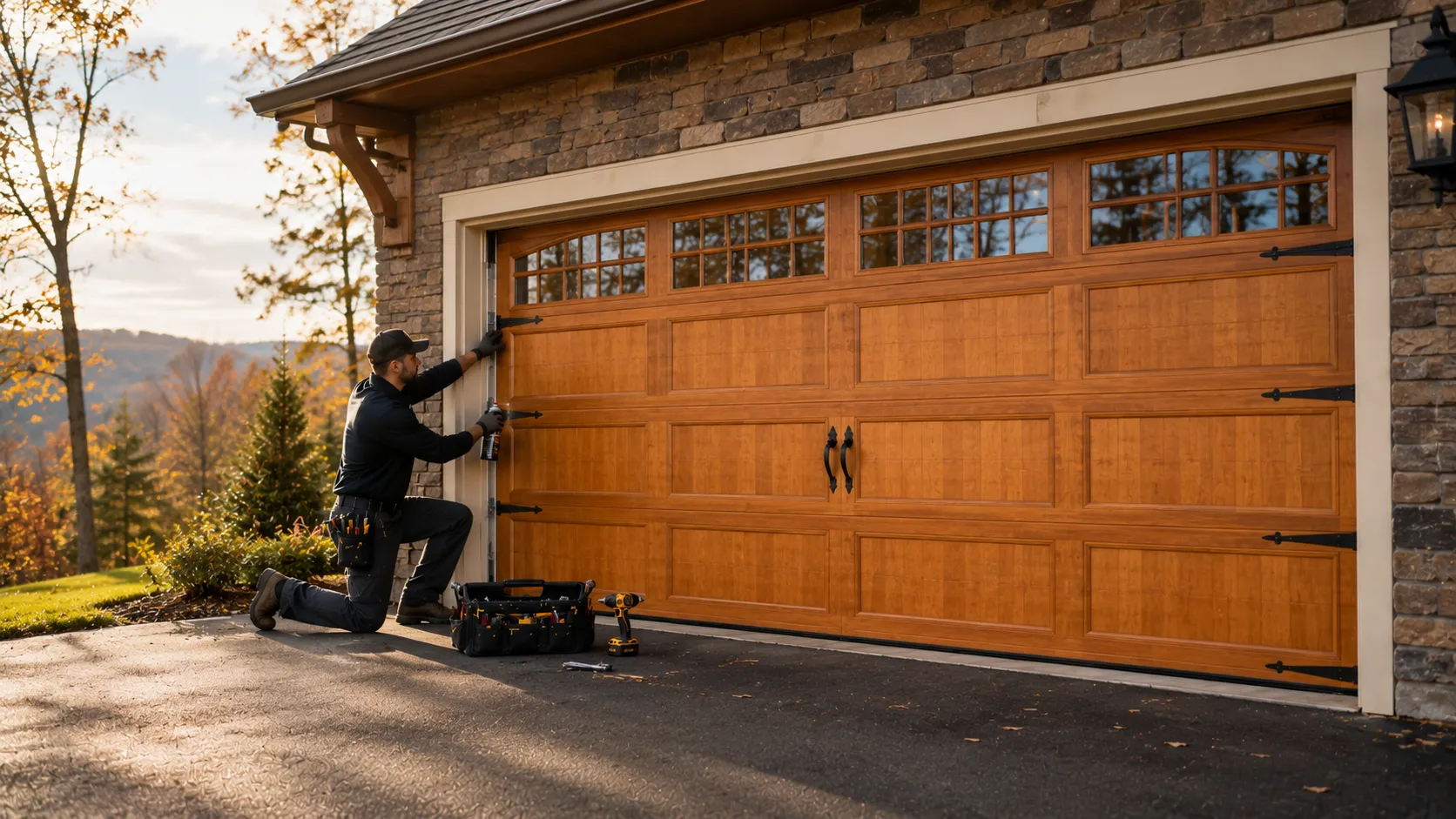
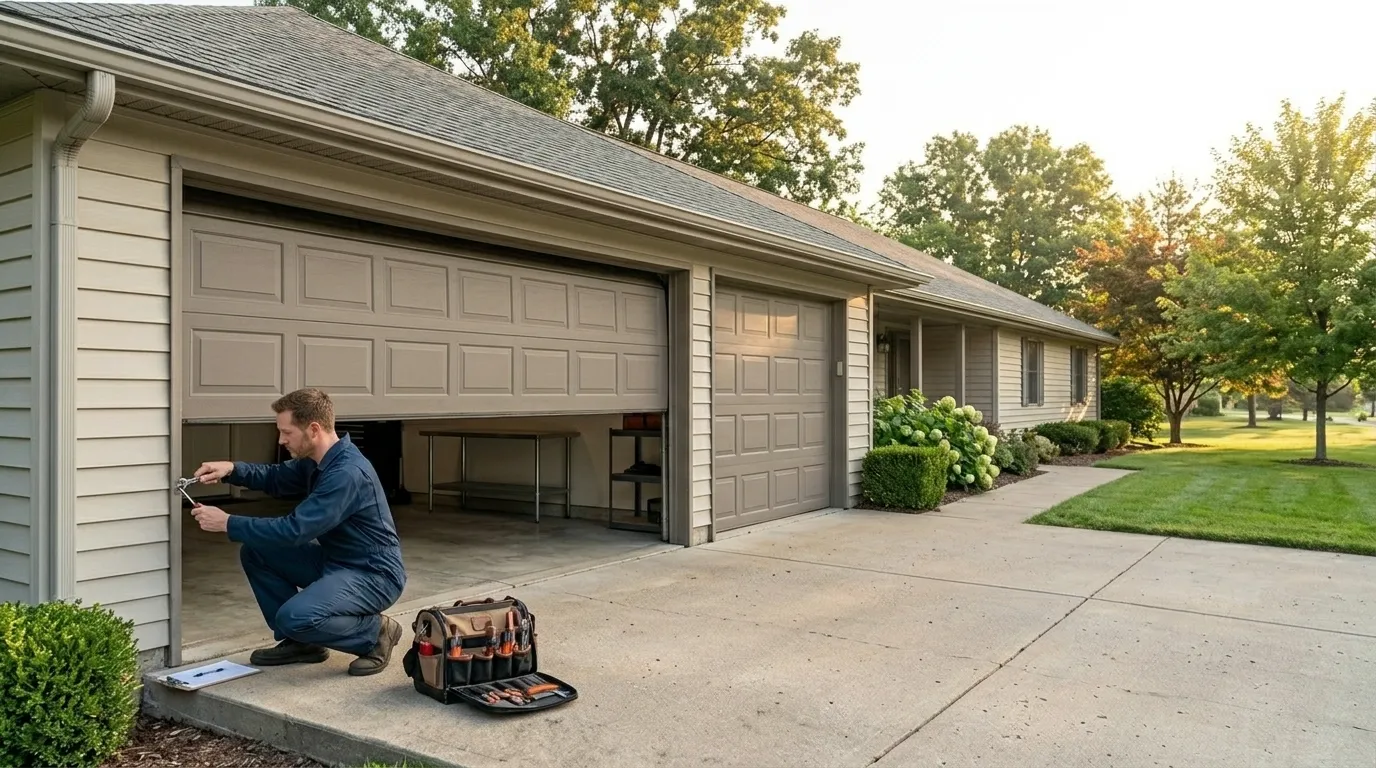
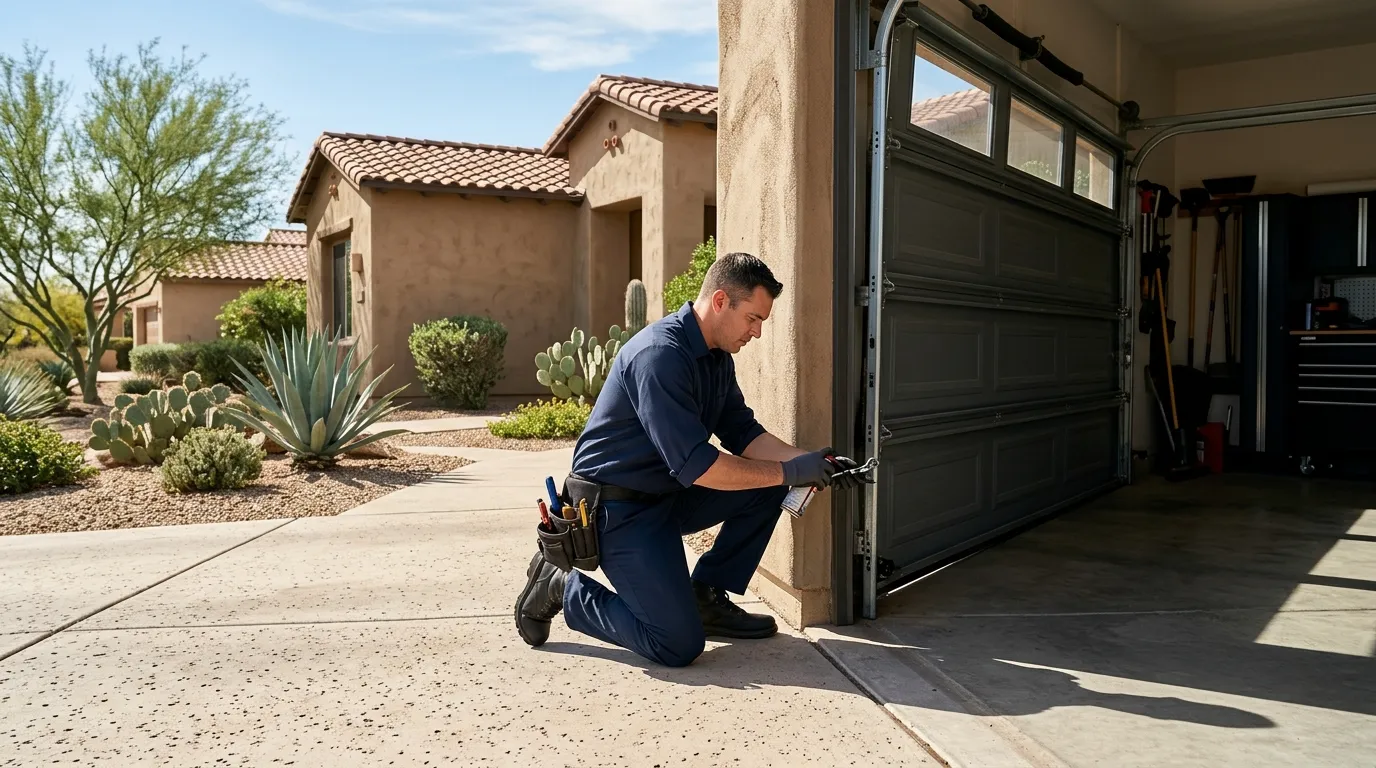
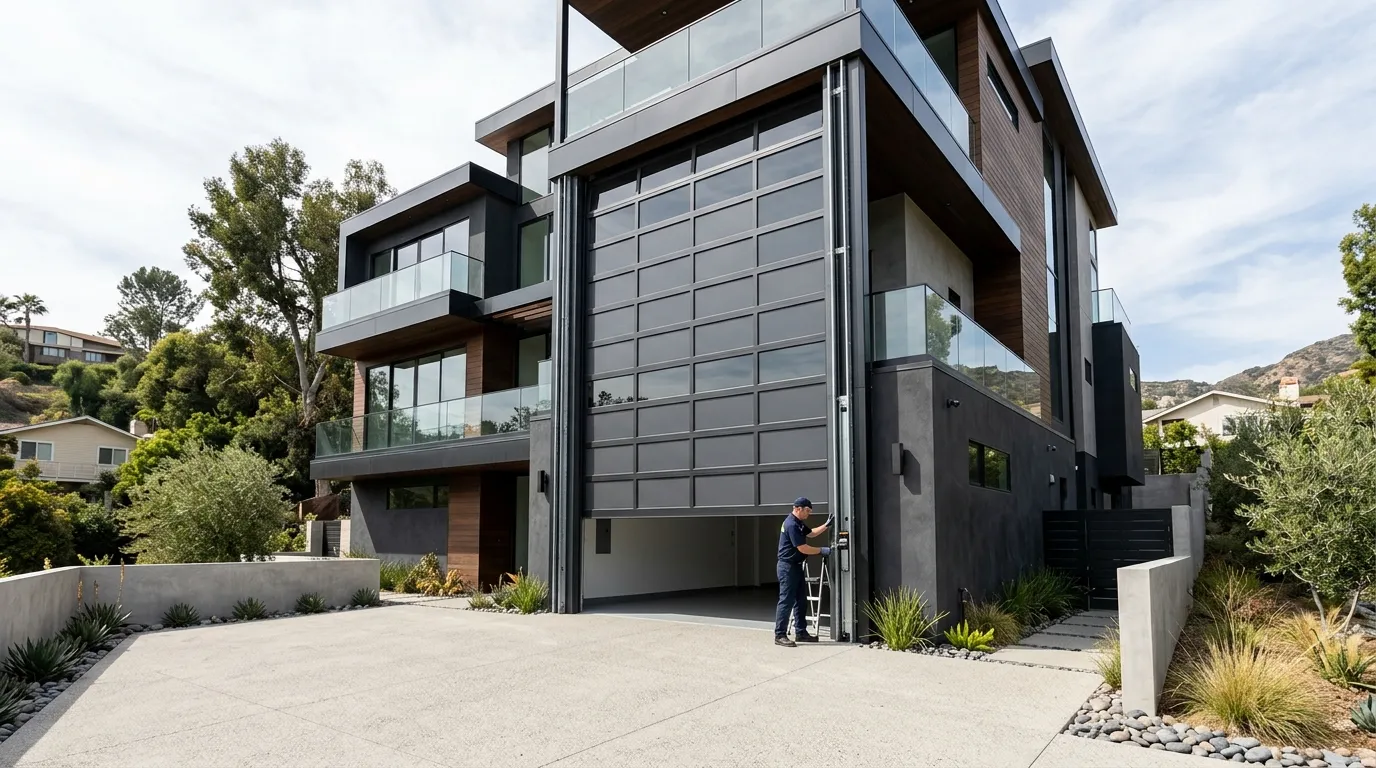
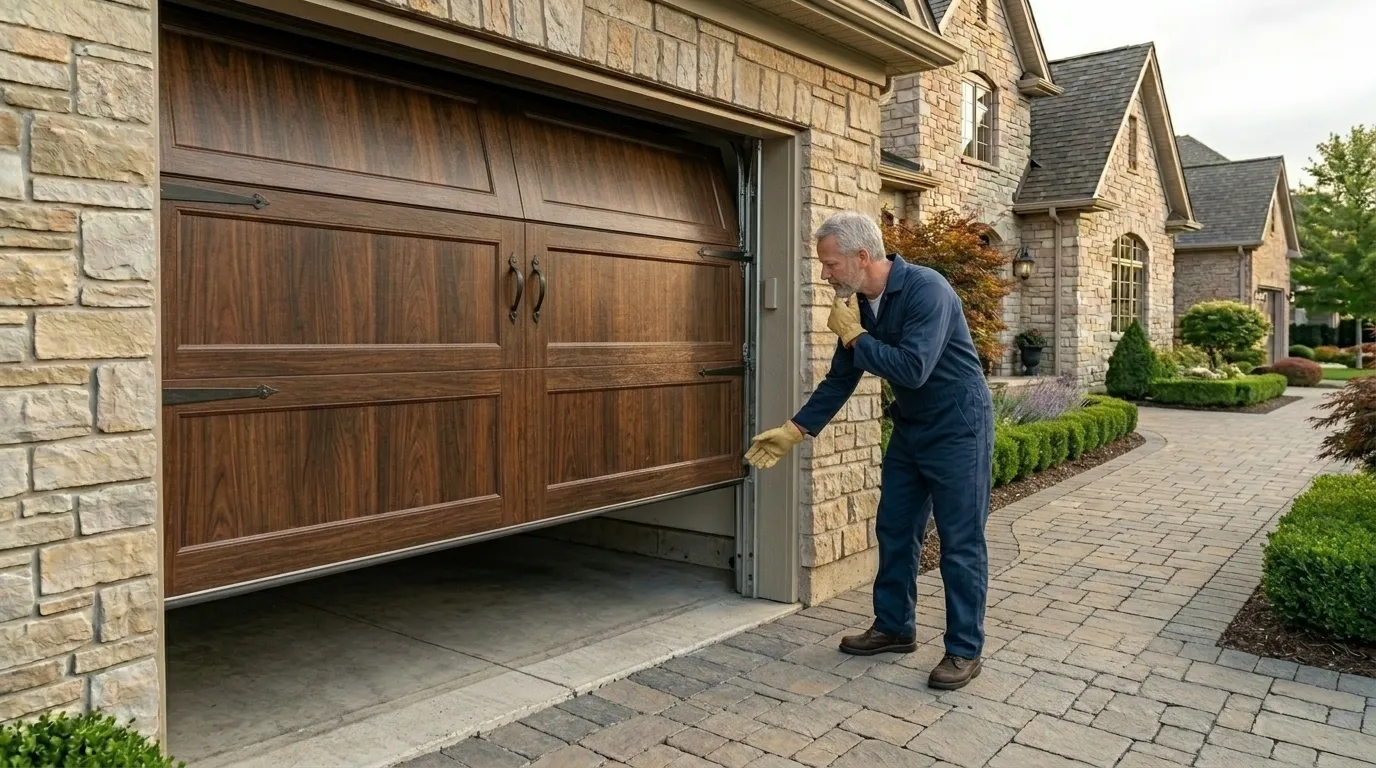
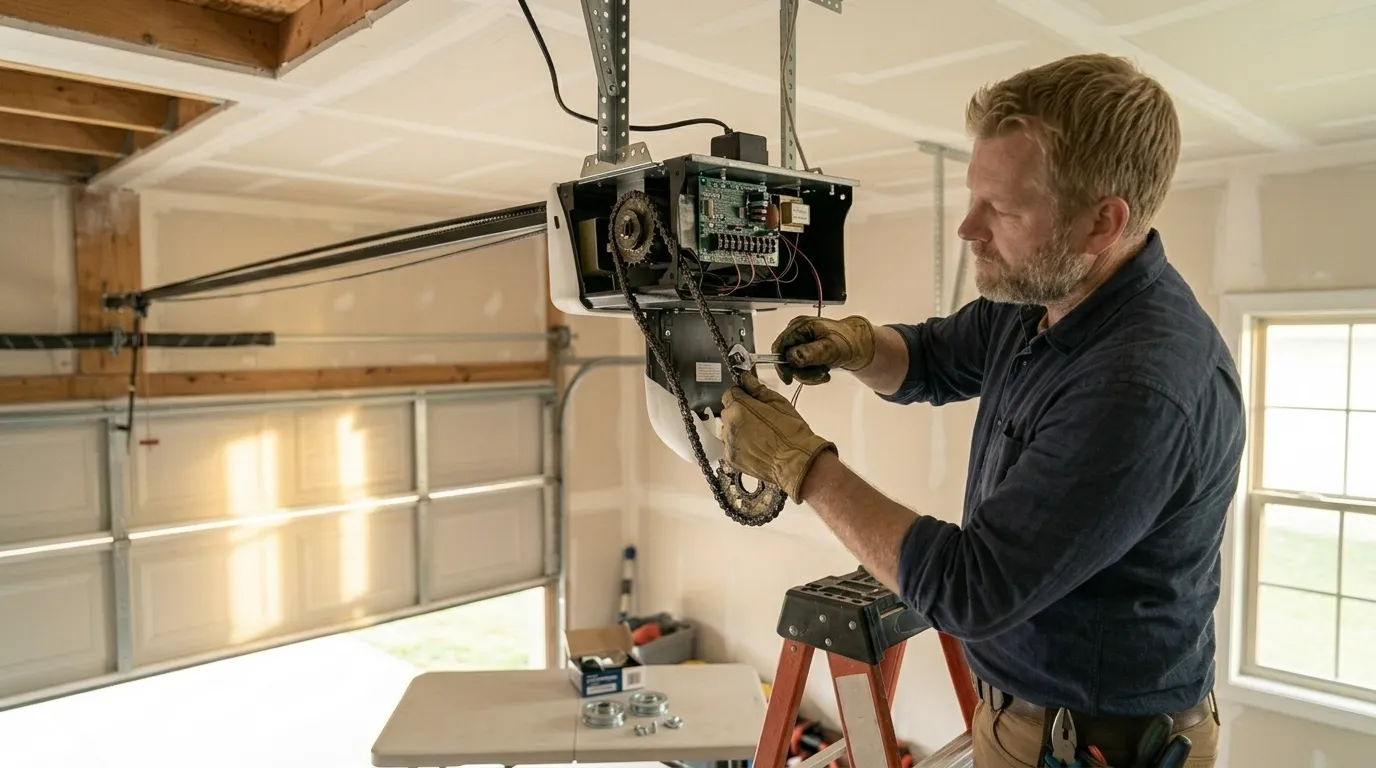
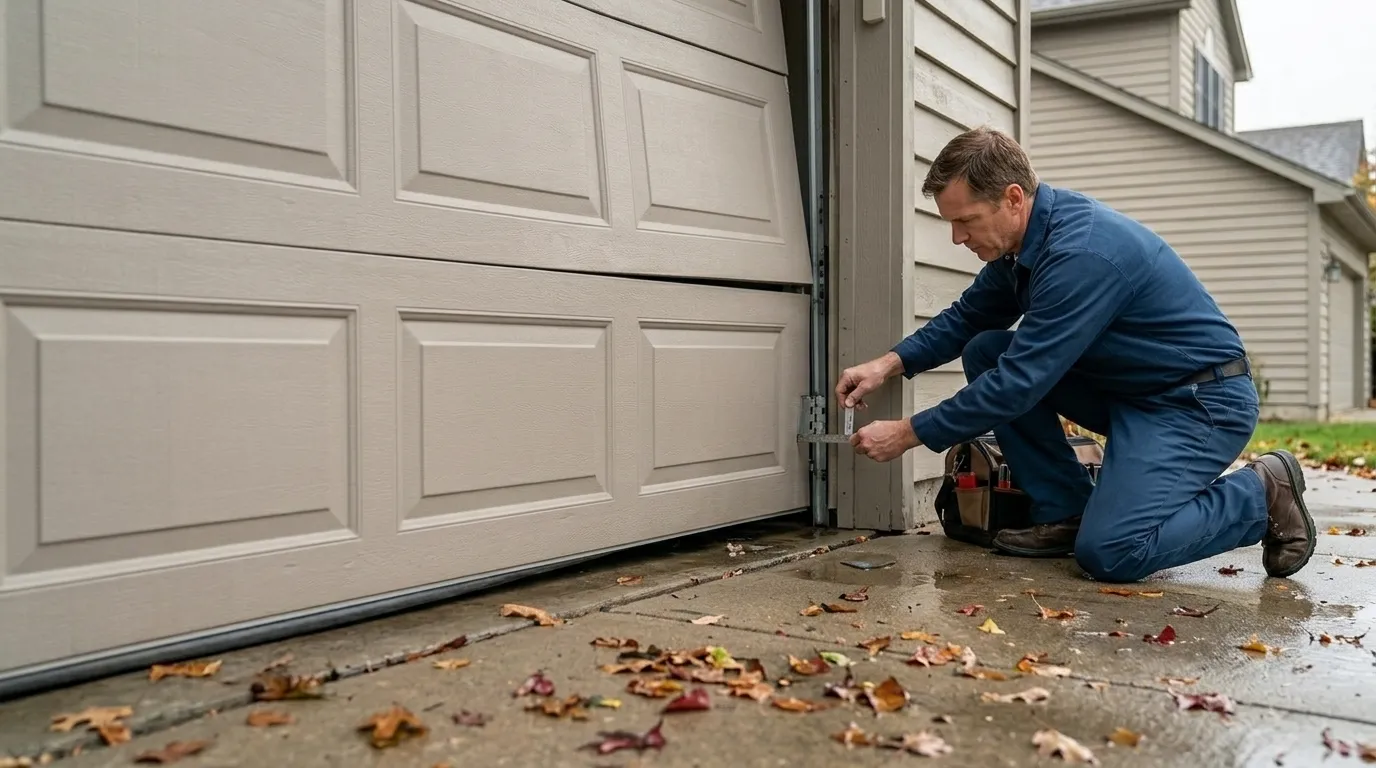
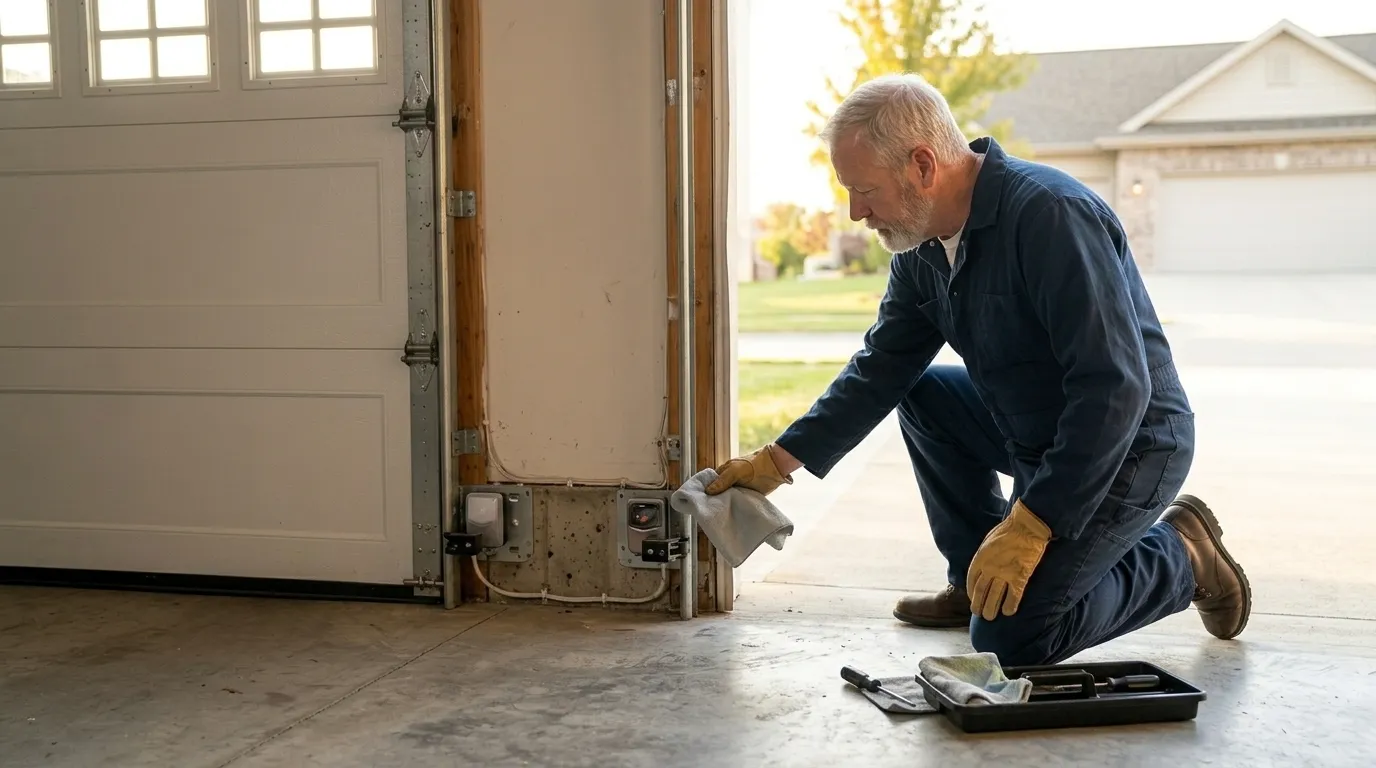
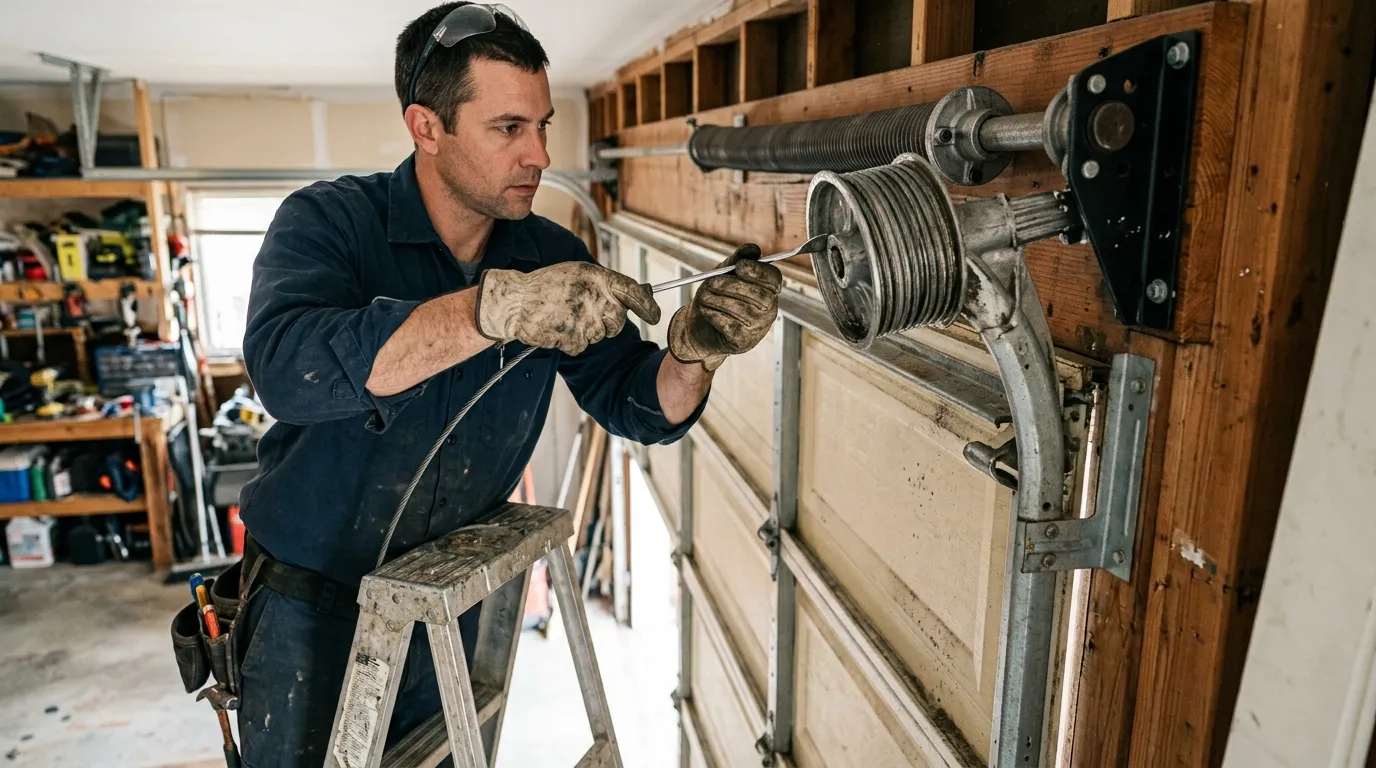
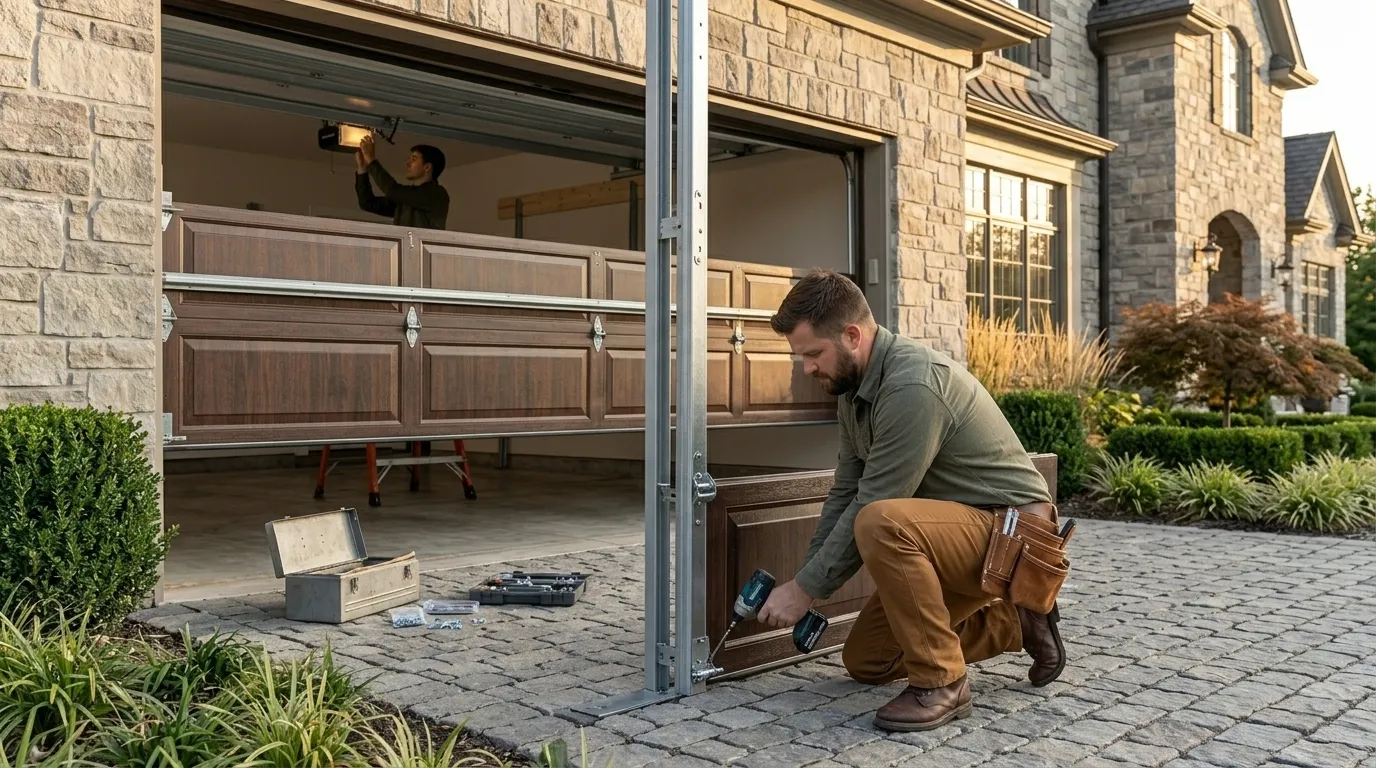
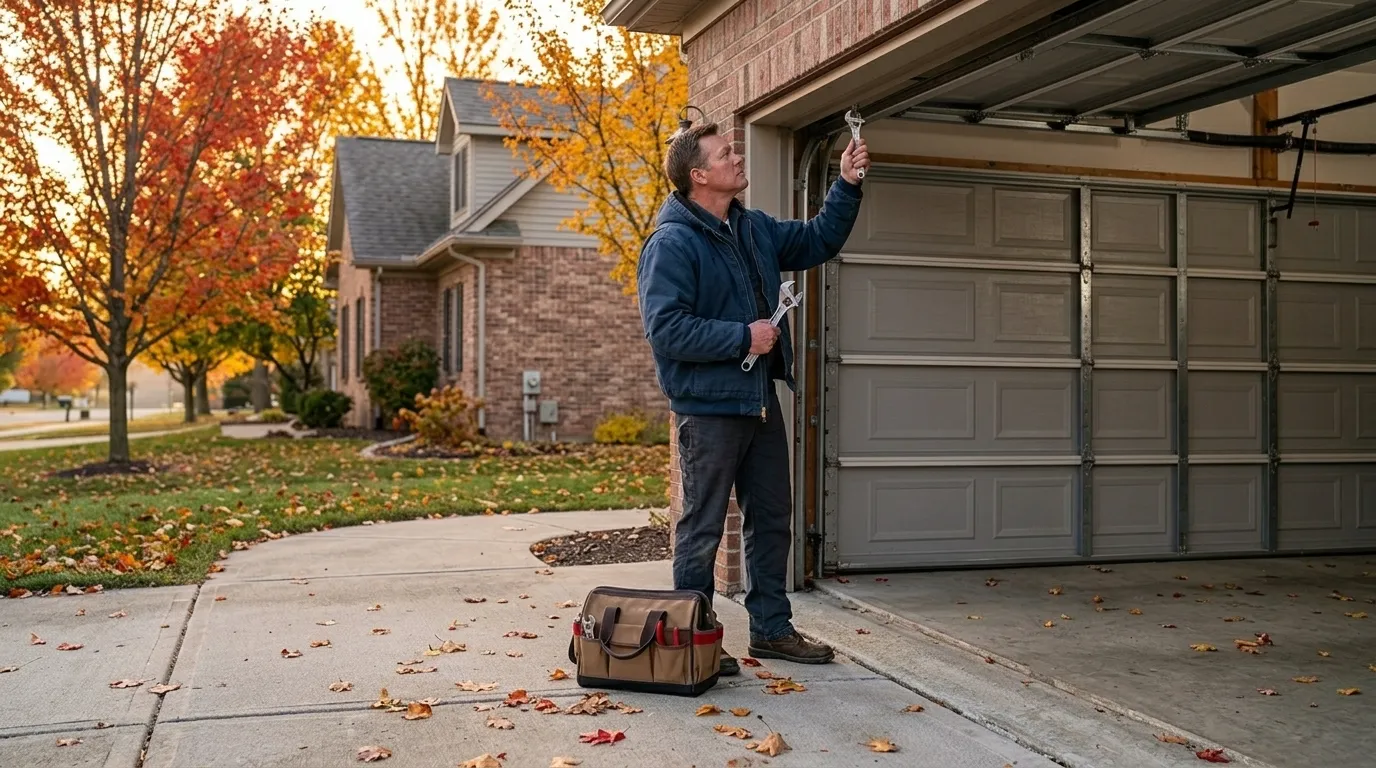
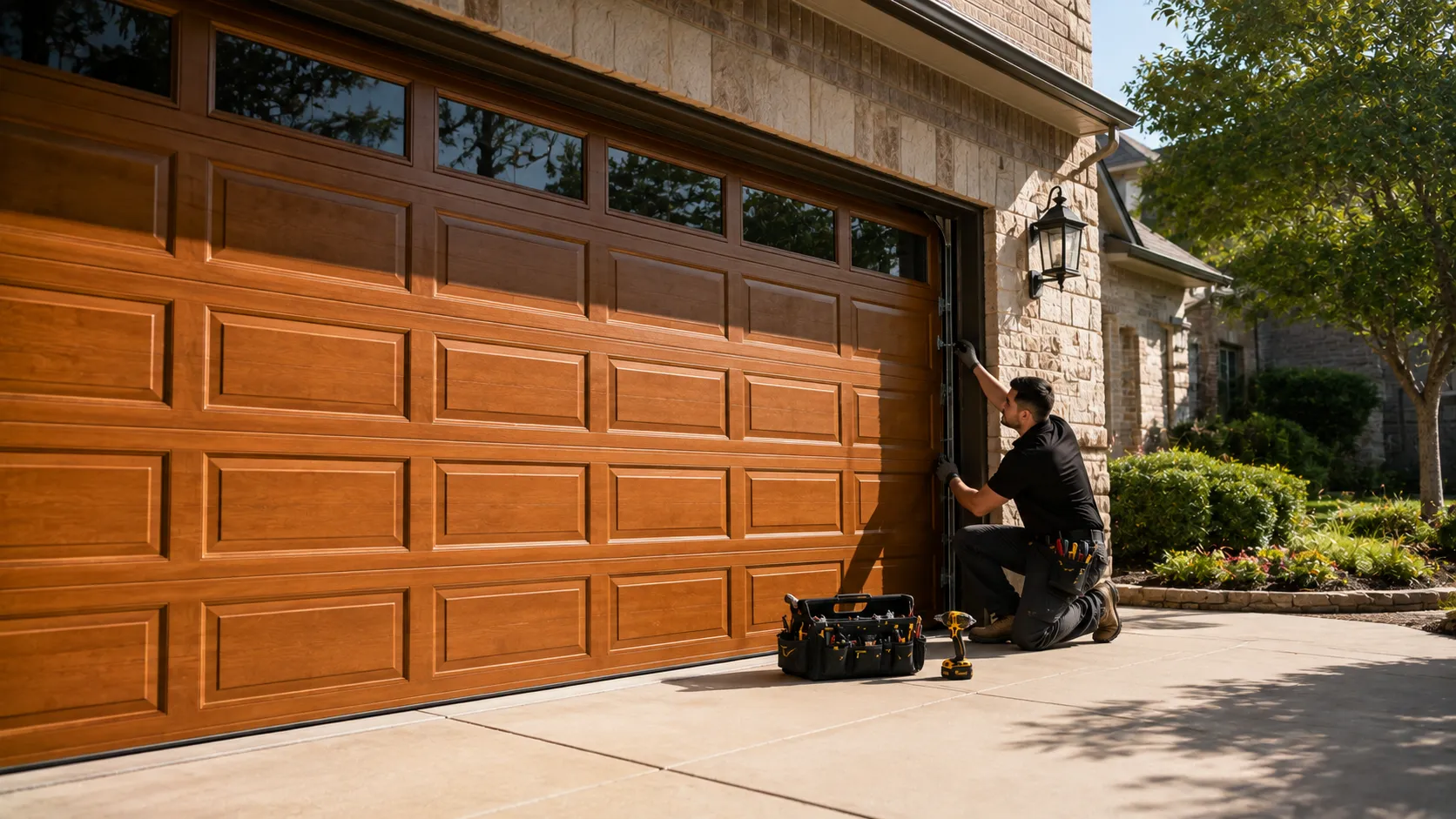
Arlington's housing mostly went up between 1973 and 2007, with the typical build year landing around 1985. That means the garage doors you find here aren't the antique one-piece slabs you'd see closer to downtown in Springfield or Riverside - they're steel sectional doors on extension or torsion spring setups, chain or belt-drive openers from a few different decades depending on when a house last got an upgrade. A lot of these openers are original to a 1980s or 90s build and are on borrowed time even if they still run. Jacksonville's climate band is mild temperate, so we're not dealing with the deep-freeze spring failures you'd get up north, but humidity still eats at unsealed steel tracks and unprotected bottom seals over enough summers. What we see most in this stretch: worn rollers on doors that have never had one replaced, torsion springs original to the house finally giving out, and openers with drive gears that stripped years ago. We don't do wood carriage-house doors as a specialty - if that's what's on your house, we can talk through it, but it's not the bulk of what these garages have.
Houses on These Streets
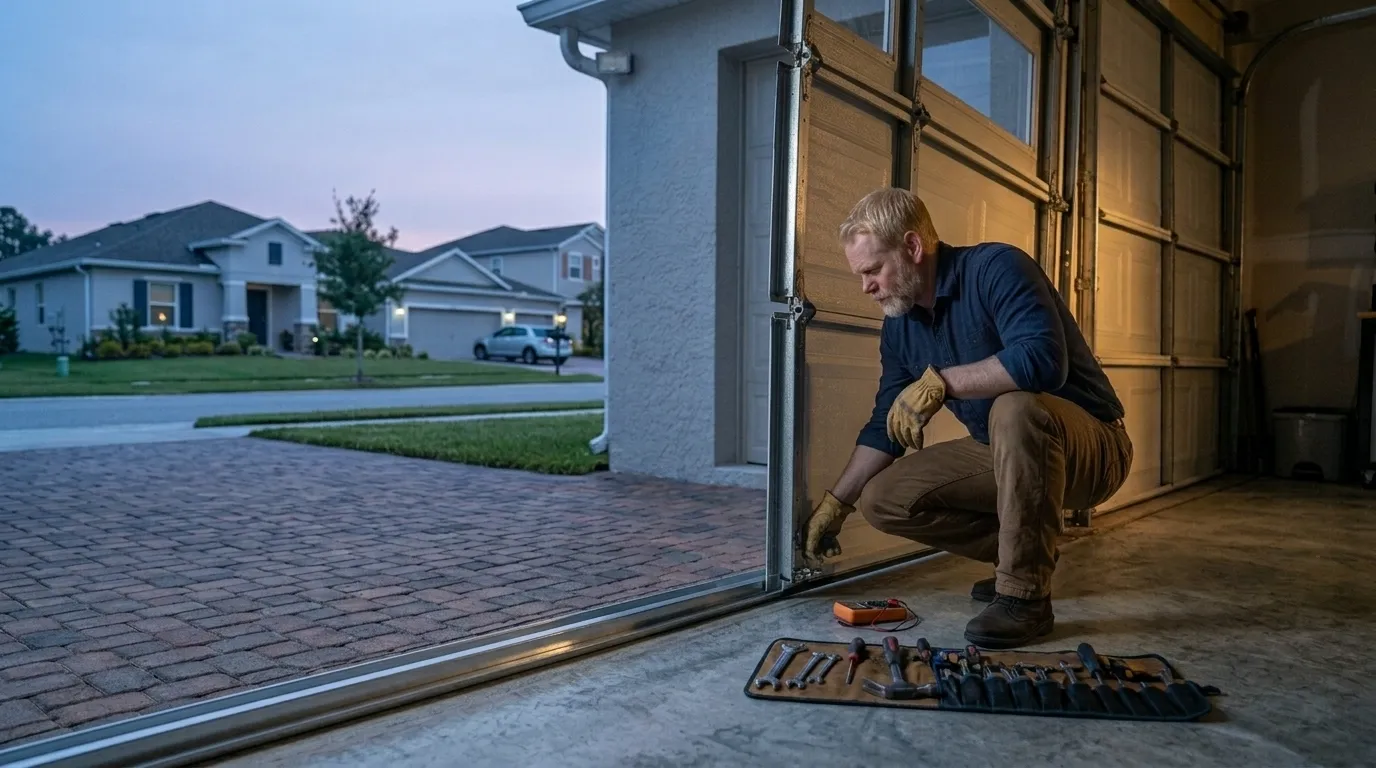
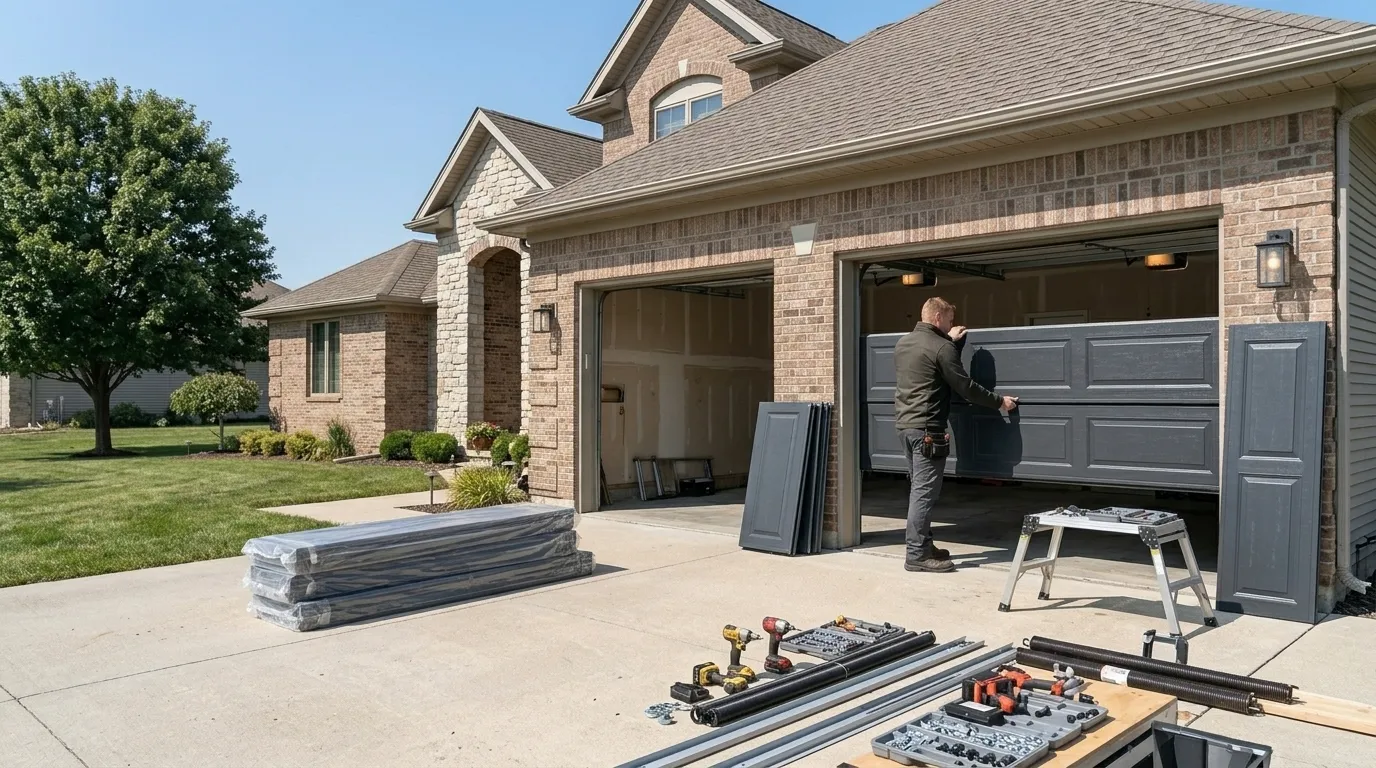
Across this side of Jacksonville, the housing stock skews 1980s and 90s, part of a broader build-out that ran from 1973 to 2007. That matters for garage doors because it puts most houses on a specific hardware generation - steel doors, torsion springs sized for standard 7-foot openings, openers that were state of the trade in their decade but aren't matched to today's parts inventory without some searching. If your door was installed with the house, it's likely 20 to 40 years old at this point, which is past the design life for springs and well past it for the opener's internal gearing. We're not going to tell you every door from that era needs full replacement - plenty of these are still solid steel panels that just need a spring, a set of rollers, or a new opener head mounted on the original track. But if the track itself is bent or the panels are rusted through at the bottom, patching it usually costs more over time than swapping the unit.
Where This Is
Arlington sits about four miles east of downtown Jacksonville. That puts it well inside the distance of outer service areas like Callahan or Baldwin, both around nineteen miles out, and closer in than places like Fleming Island or Oakleaf Plantation, fifteen to seventeen miles from the center. It's also a step further out than the tight cluster of downtown-adjacent neighborhoods - Springfield, Brooklyn, Riverside, San Marco - that sit within a couple miles of the core. Across the wider Jacksonville service area there are roughly 86,151 households and about 48,862 owner-occupied houses, with median household income around $103,288, so this is solidly homeowner territory rather than a rental-heavy pocket. That context matters less for what we fix and more for how routine the work is out here: this is one of the closer-in, well-established neighborhoods rather than a stretch of brand-new construction where warranty work still applies.