What Is Going On
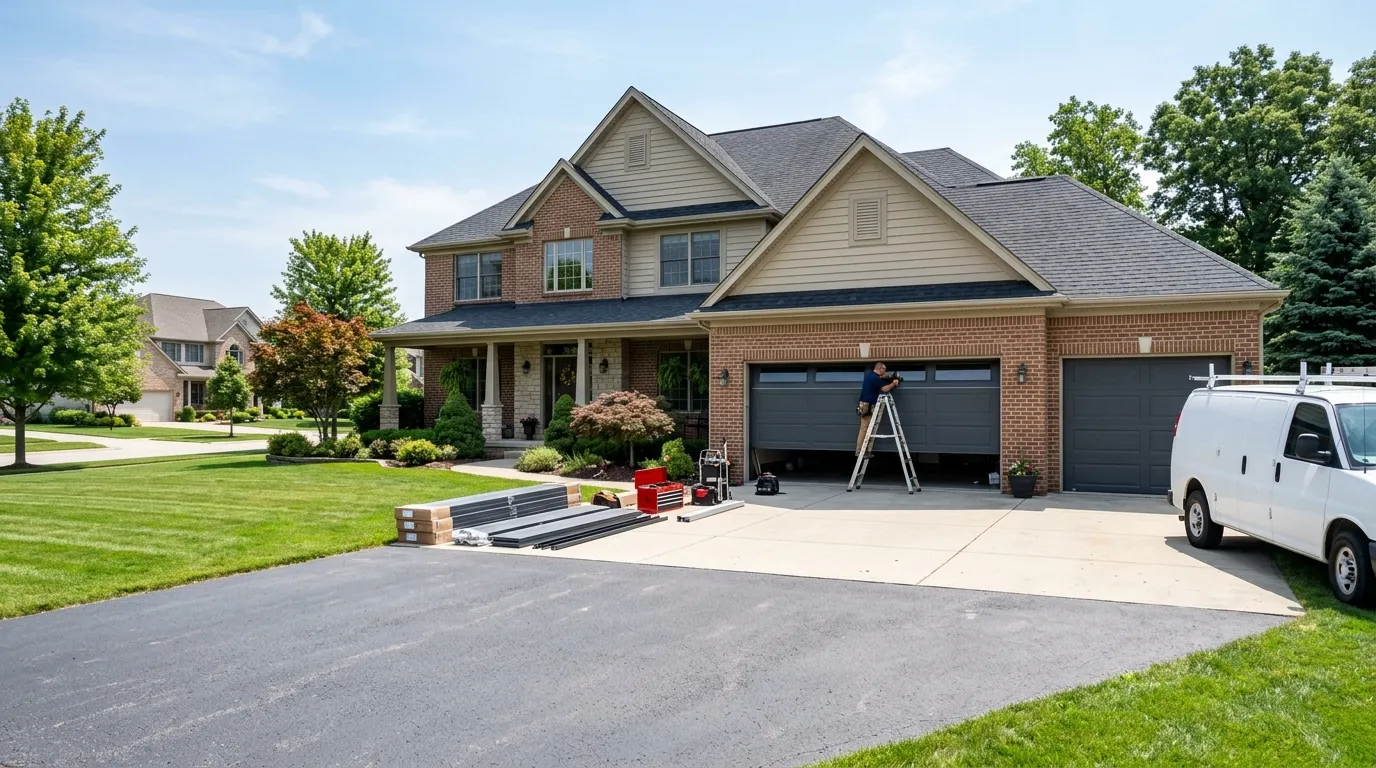
Most houses across our Jacksonville service area went up between 1973 and 2007, with the median build year sitting around 1985. That's true across the thirteen named areas we work in, from Murray Hill and Riverside close to downtown out to Fruit Cove and Oakleaf Plantation further south and west. A door installed when a lot of these houses were built is now 30 to 50 years old, and that's the age bracket where the question stops being "does it still open" and starts being "is it worth putting money into."
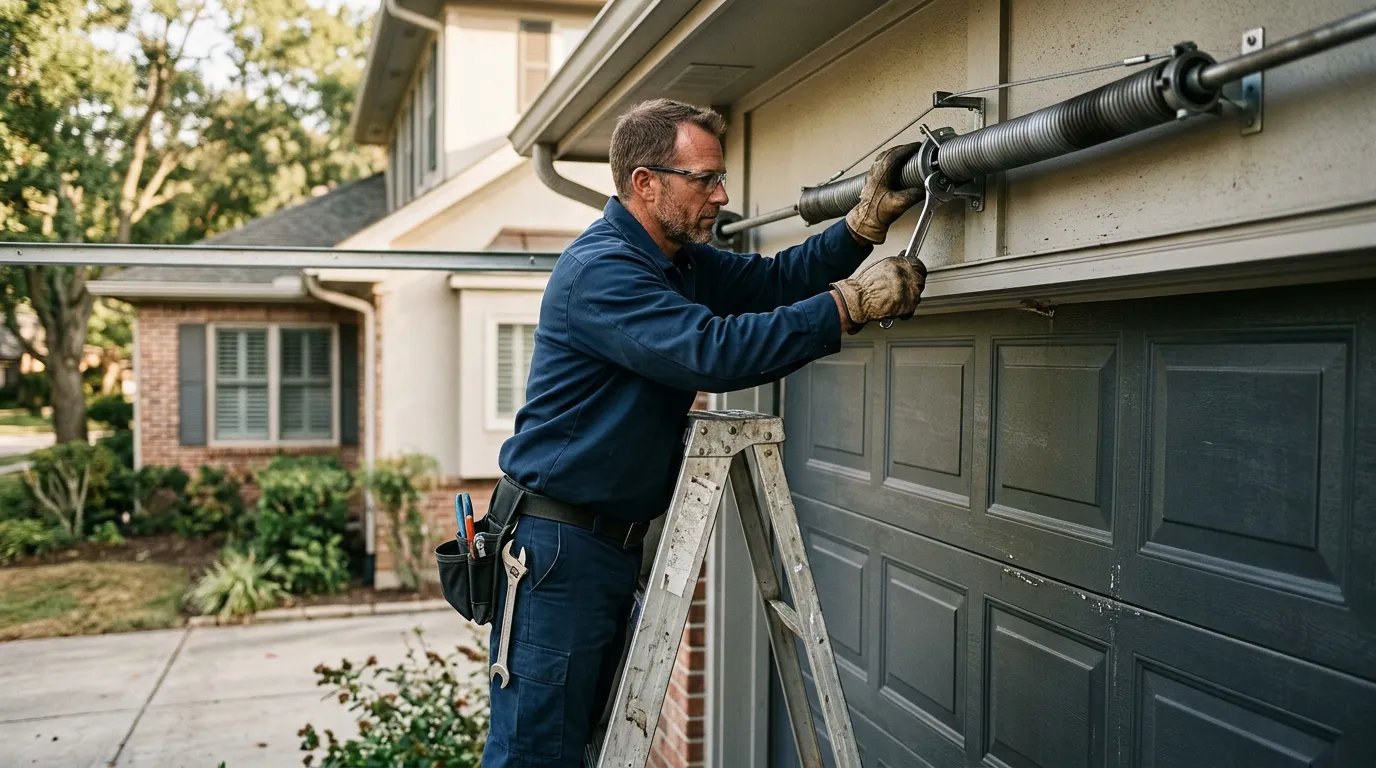
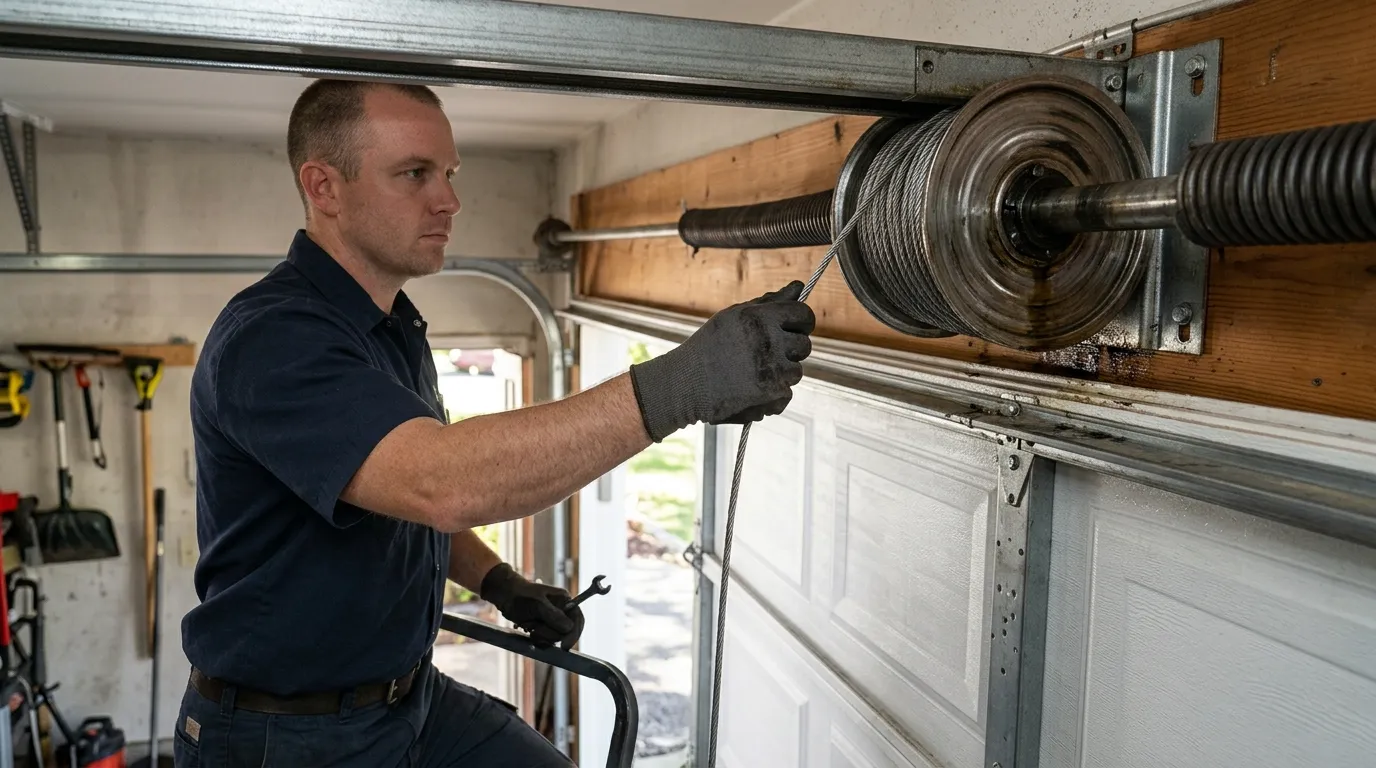
Jacksonville sits in a mild temperate climate band, so we don't get the freeze-thaw cycling that cracks panels and snaps springs up north. That's a real advantage - doors here tend to fail from wear, not weather shock. Springs lose tension gradually, rollers wear down, openers burn out gear sets. None of it happens overnight, which means most of the doors we look at have been quietly getting worse for years before anyone calls.
The Common Mistake
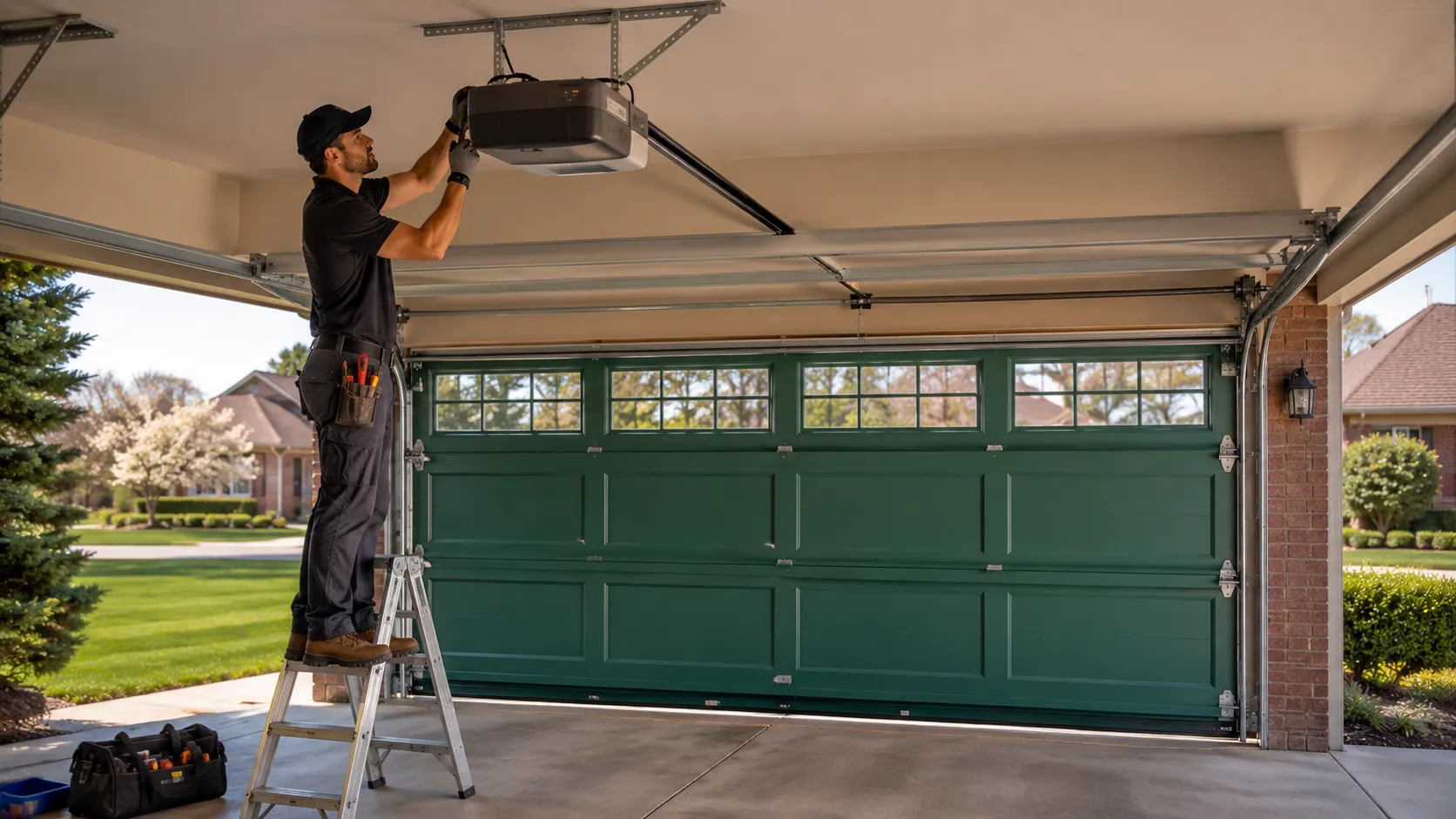
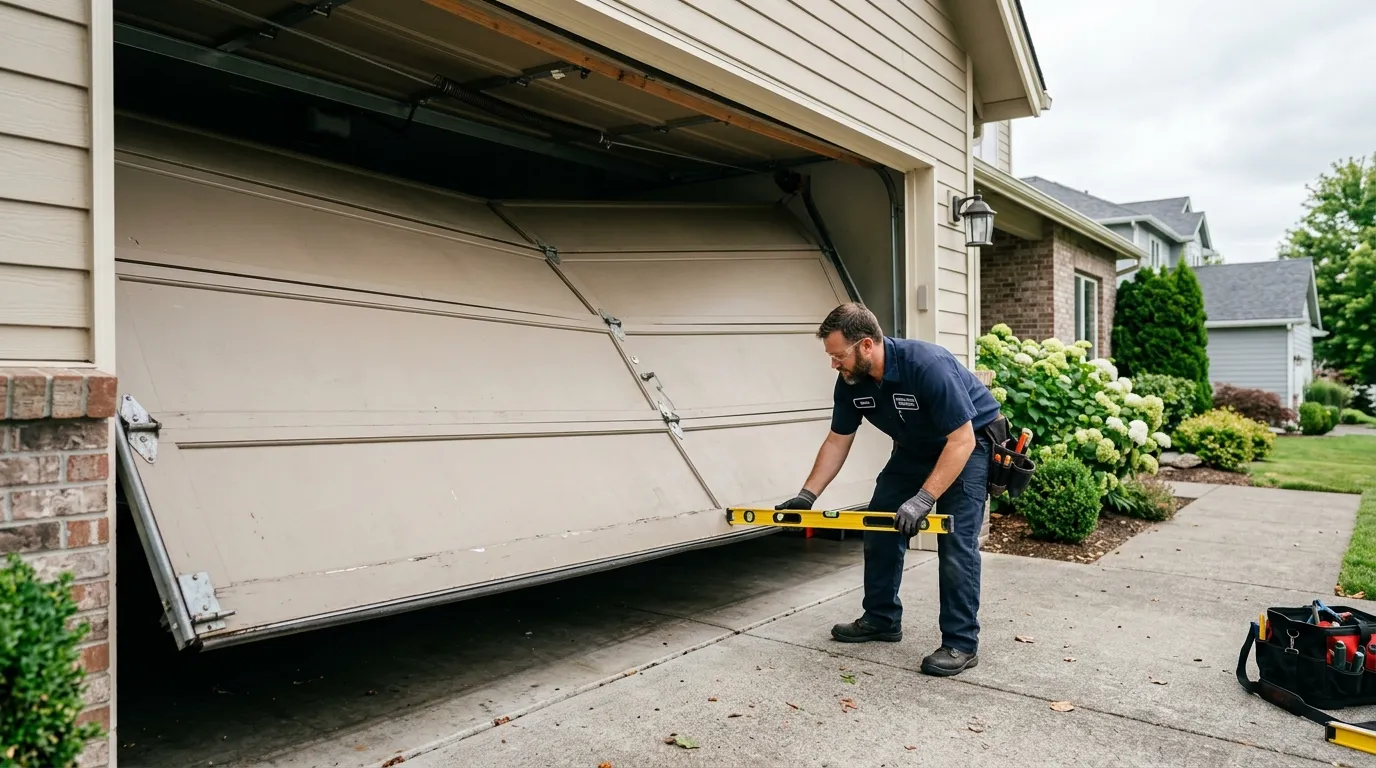
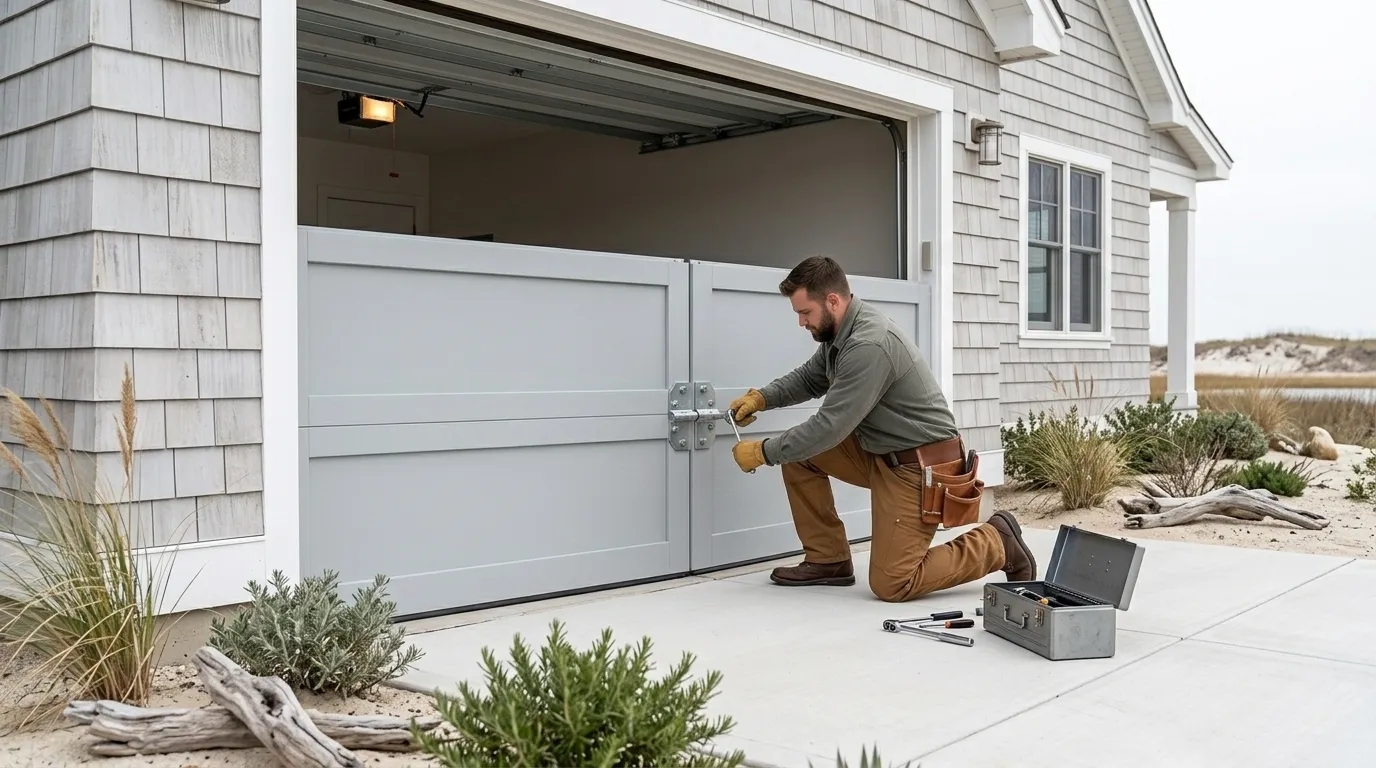
The mistake we see most is homeowners treating a broken spring or a dead opener on an older door as proof the whole unit is done. It isn't necessarily. A steel door from the 1980s or 90s building boom that's been kept dry and out of direct weather can still have a sound panel section and a track that's true - the spring and opener are wear parts, not structural ones, and replacing just those can be the right call.
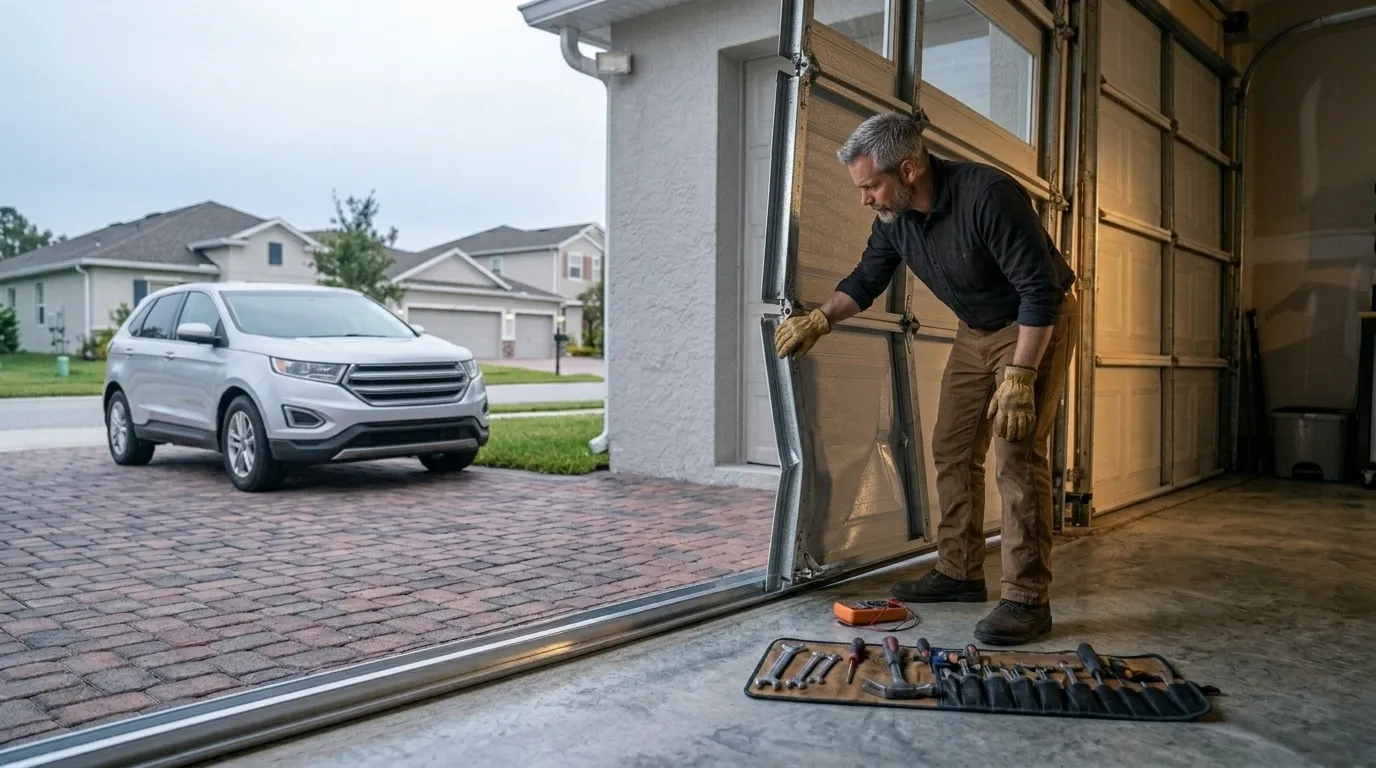
The flip side mistake is the opposite: pouring a new spring, new cables, and a new opener into a door whose panels are rusted through at the bottom or whose track is bent from years of use. At that point you've spent real money keeping an old door alive when a new one would have cost you the same trip and lasted decades longer. The honest answer depends on what's actually failing, and that's not something we can tell you without looking at the door - which is the one limitation worth saying plainly here.
How Local Conditions Play In
Because Jacksonville's climate is mild rather than extreme, the wear on doors here tends to be slow and mechanical rather than sudden. You're less likely to get a spring that snaps in a cold snap and more likely to get one that's simply lost tension over 30-plus years of daily cycles. That changes the diagnosis: a door here that's struggling to lift often just needs new springs, not a full teardown.
Across the service area - from close-in neighborhoods like Springfield, Riverside, and San Marco a couple of miles from downtown, out to Fleming Island, Orange Park, and the beach towns 15 to 19 miles out - the housing stock runs the same general age. That consistency means the same repair-versus-replace math applies pretty broadly here: original hardware from the 70s through the 2000s build wave is aging out at roughly the same rate, regardless of which side of the river you're on.