What Is on These Garages
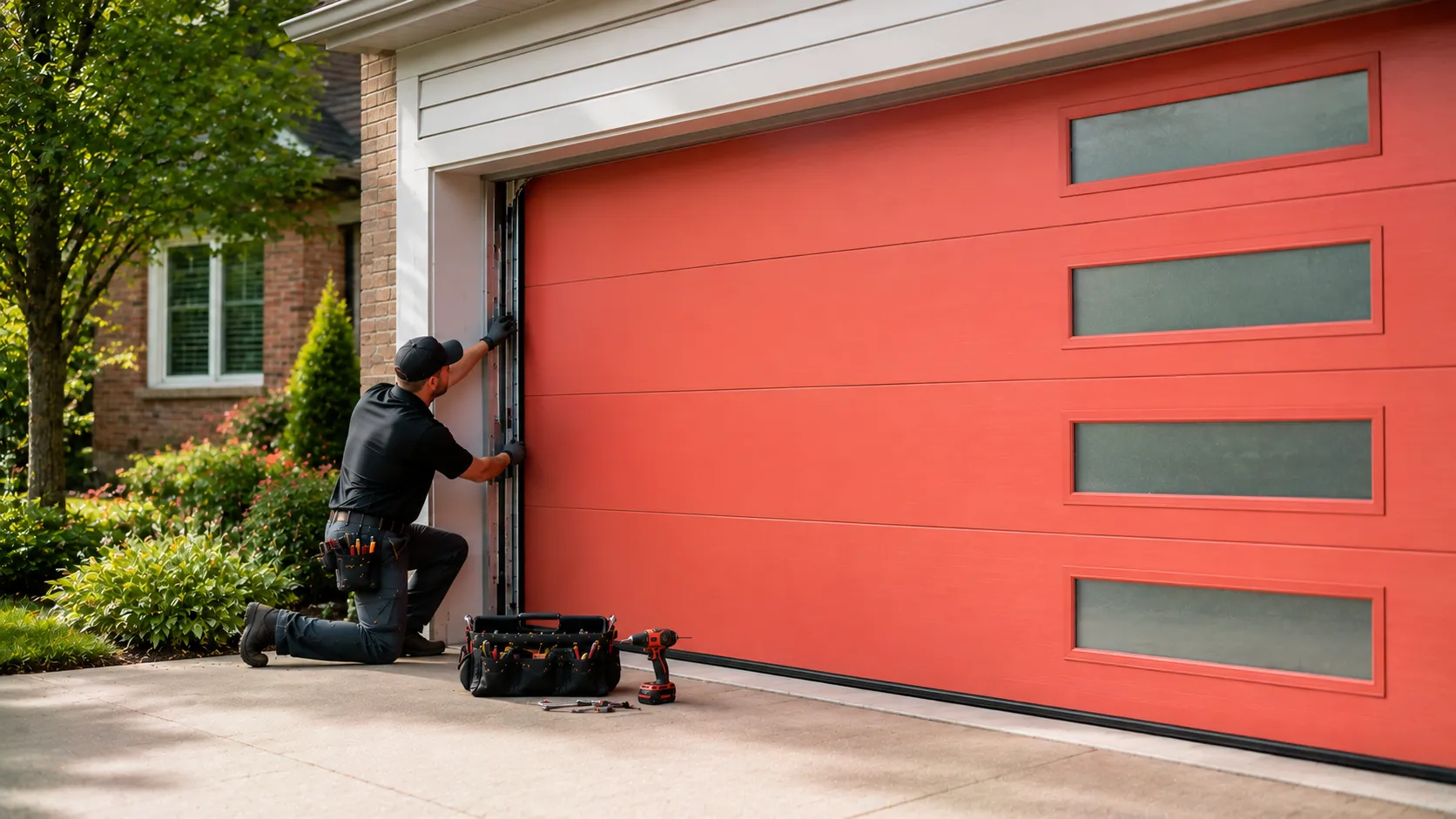
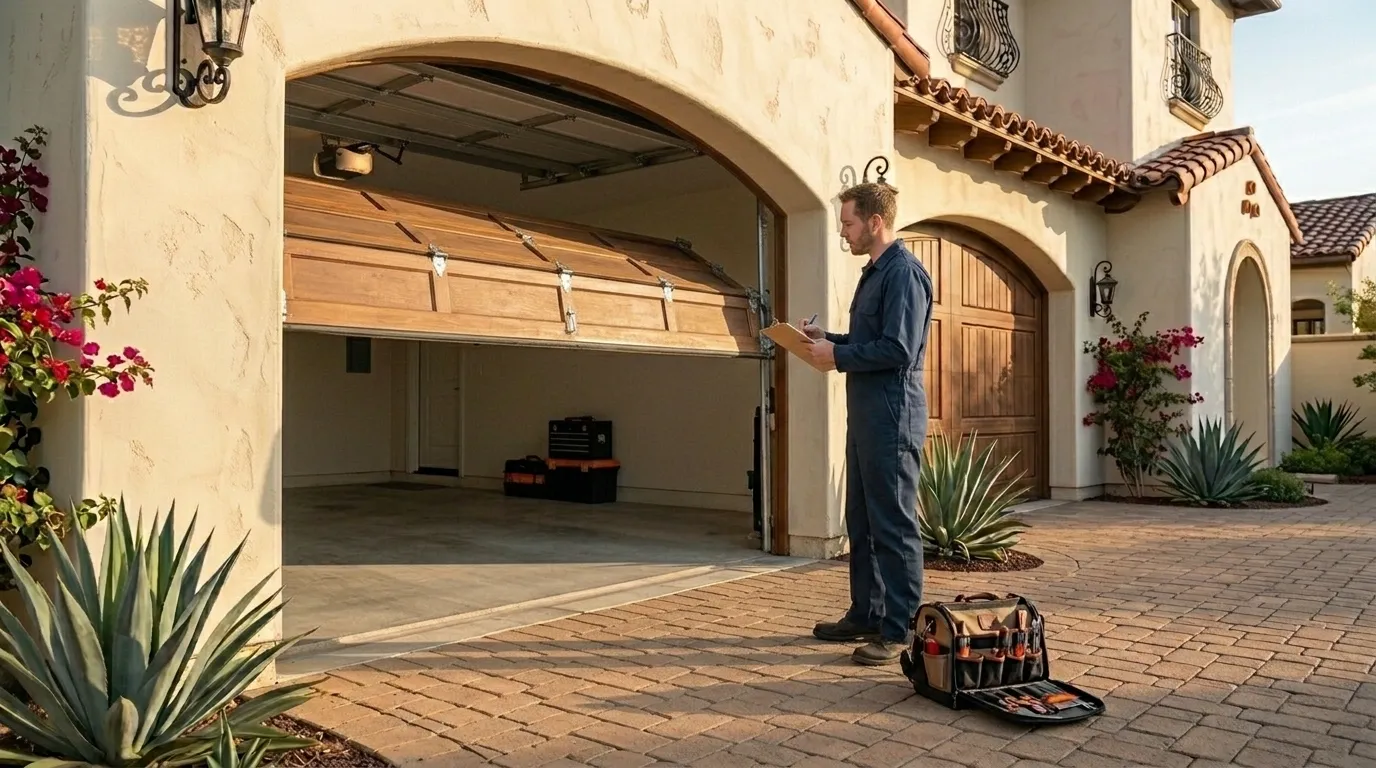
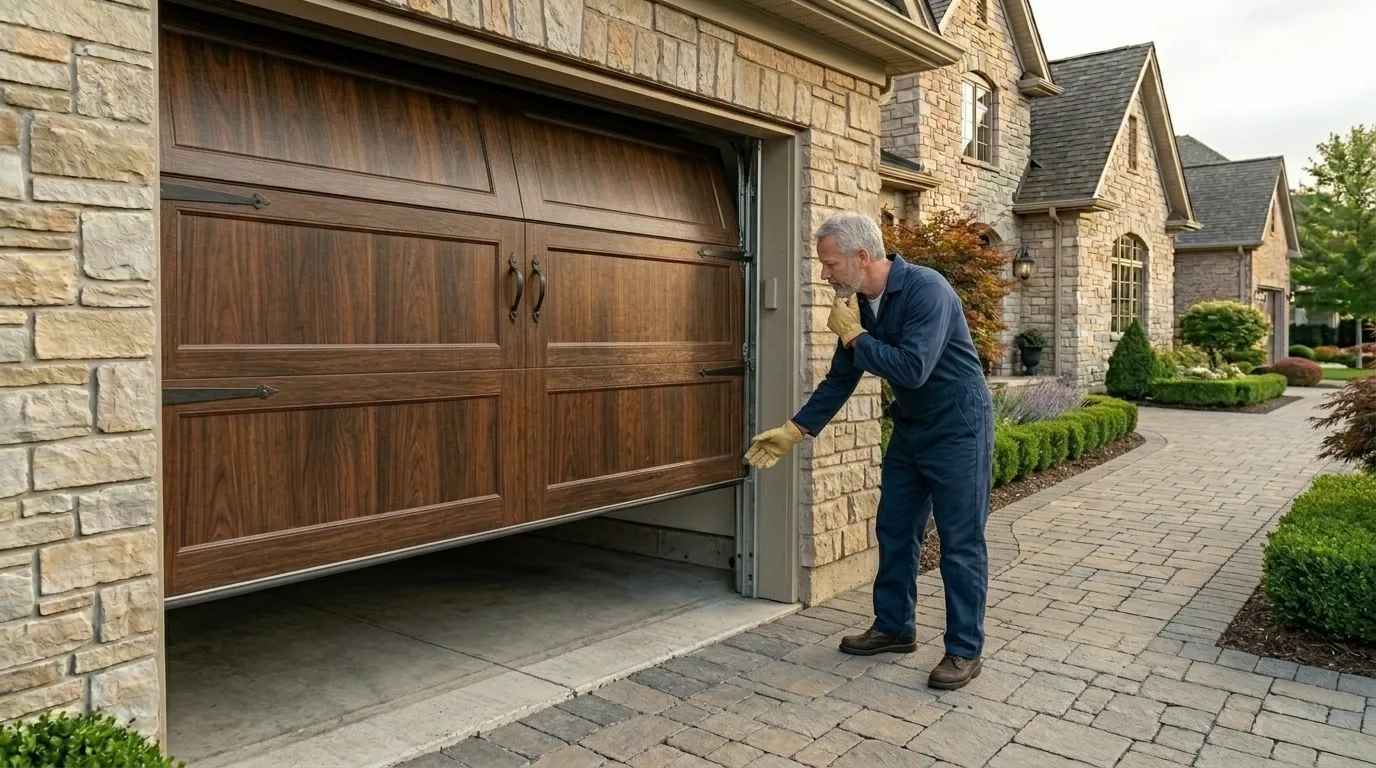
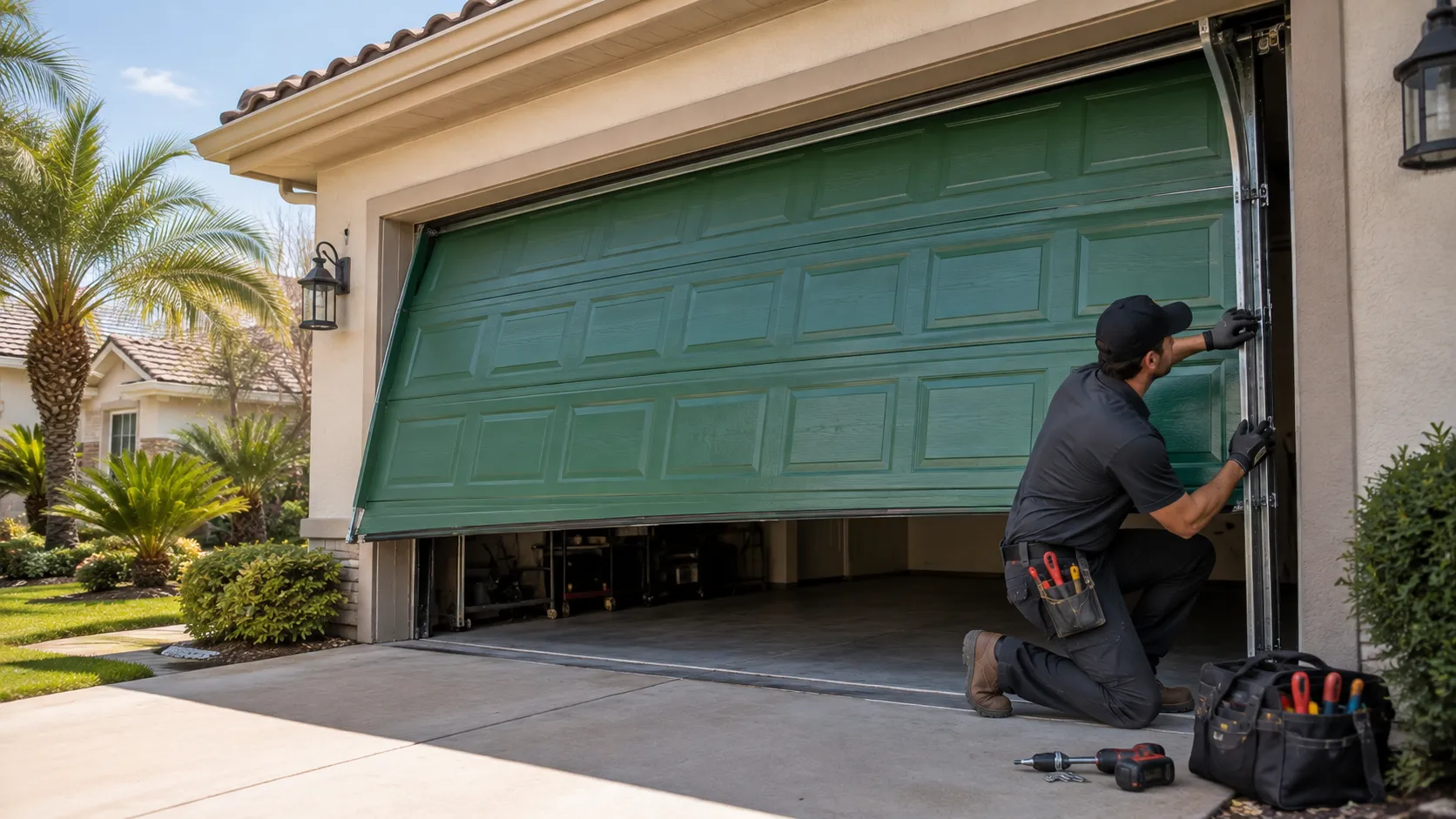
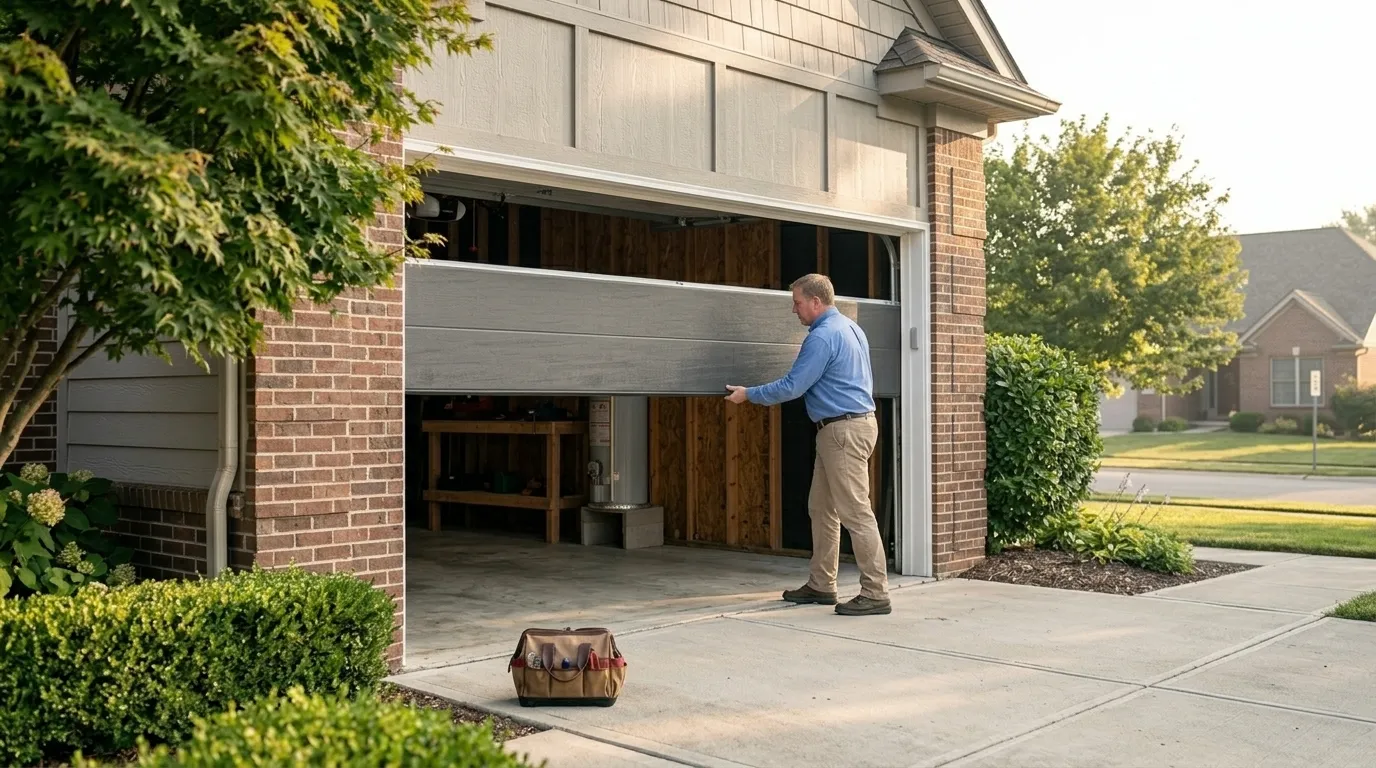
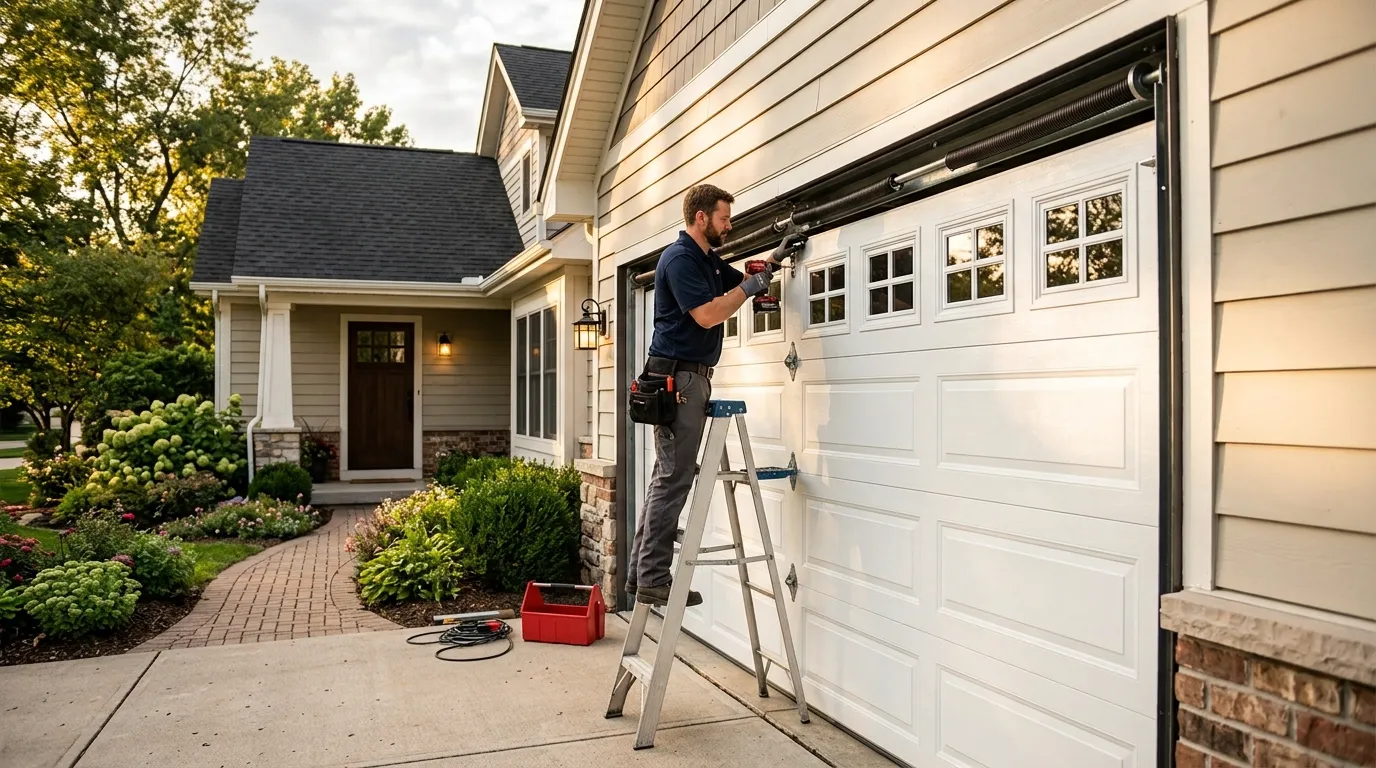
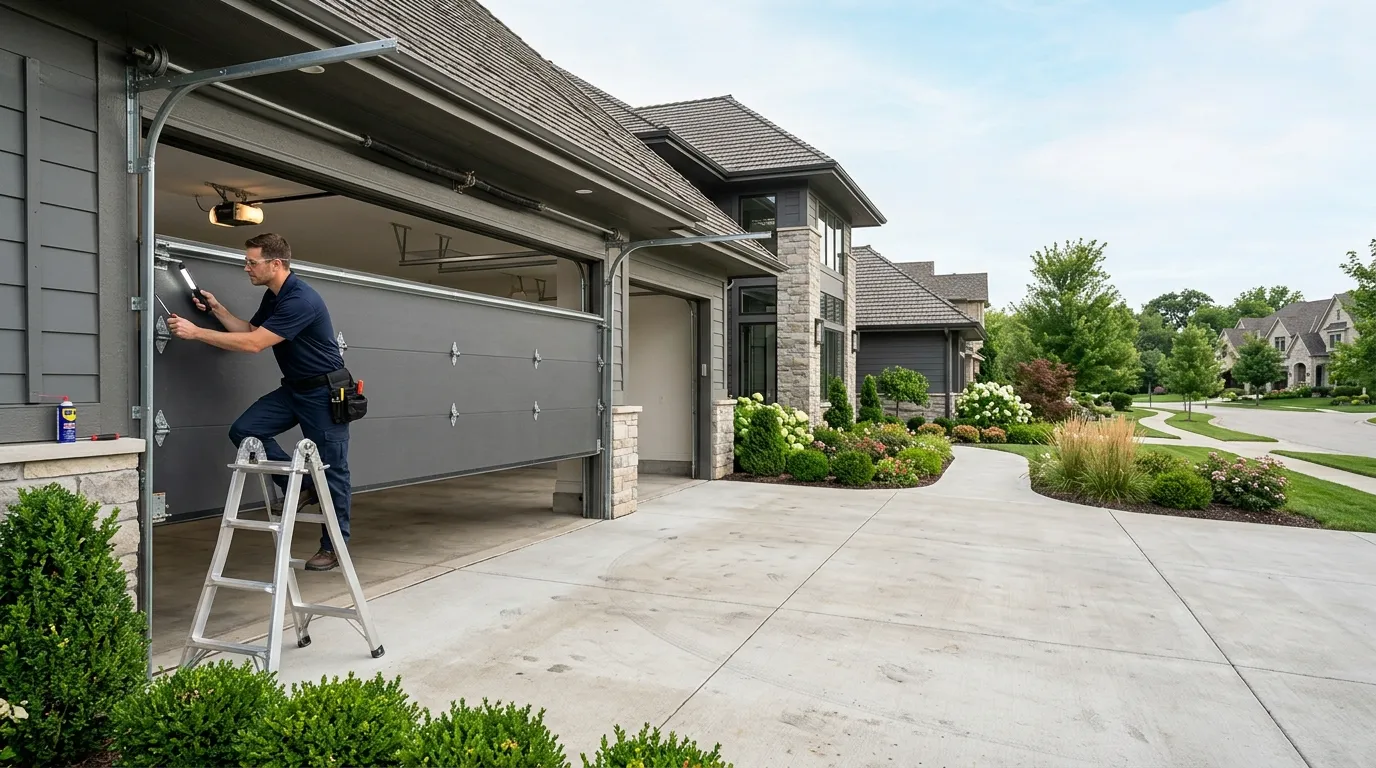
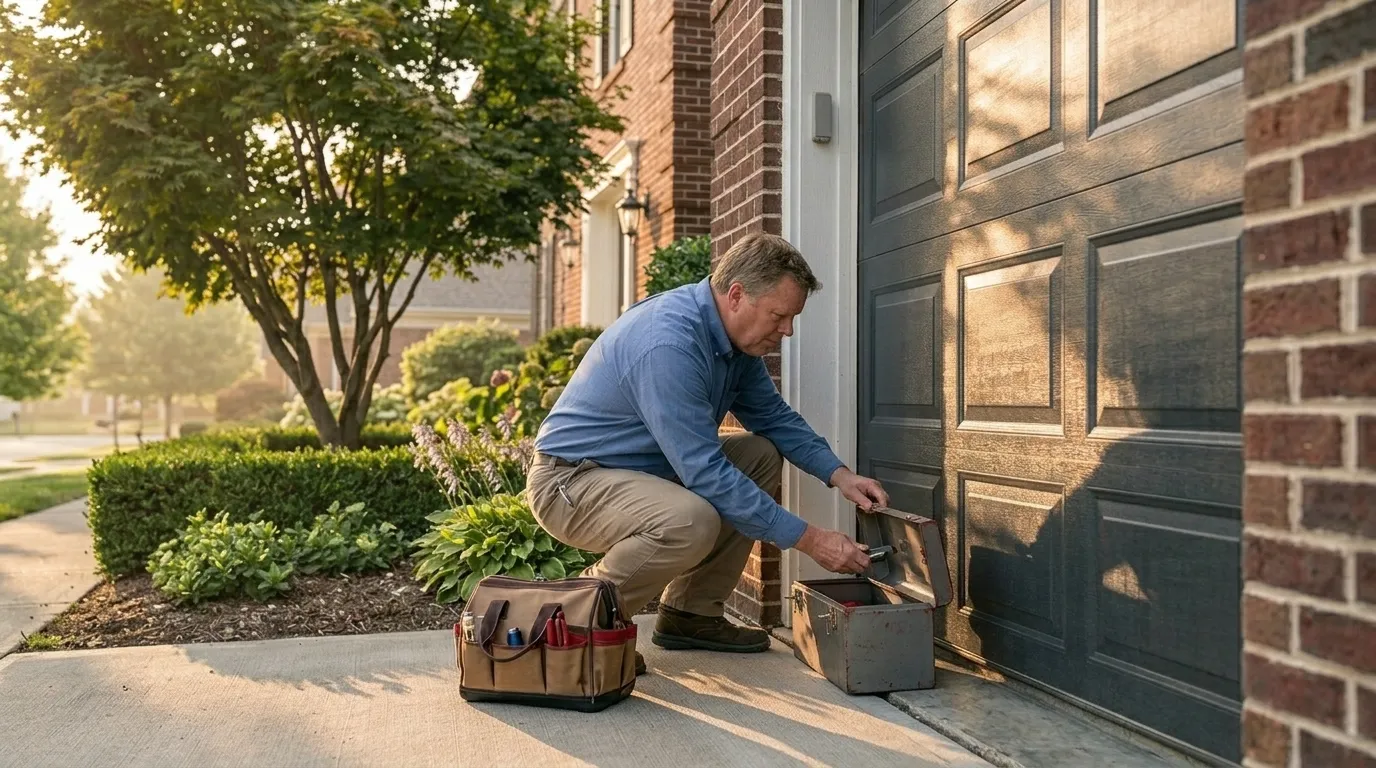
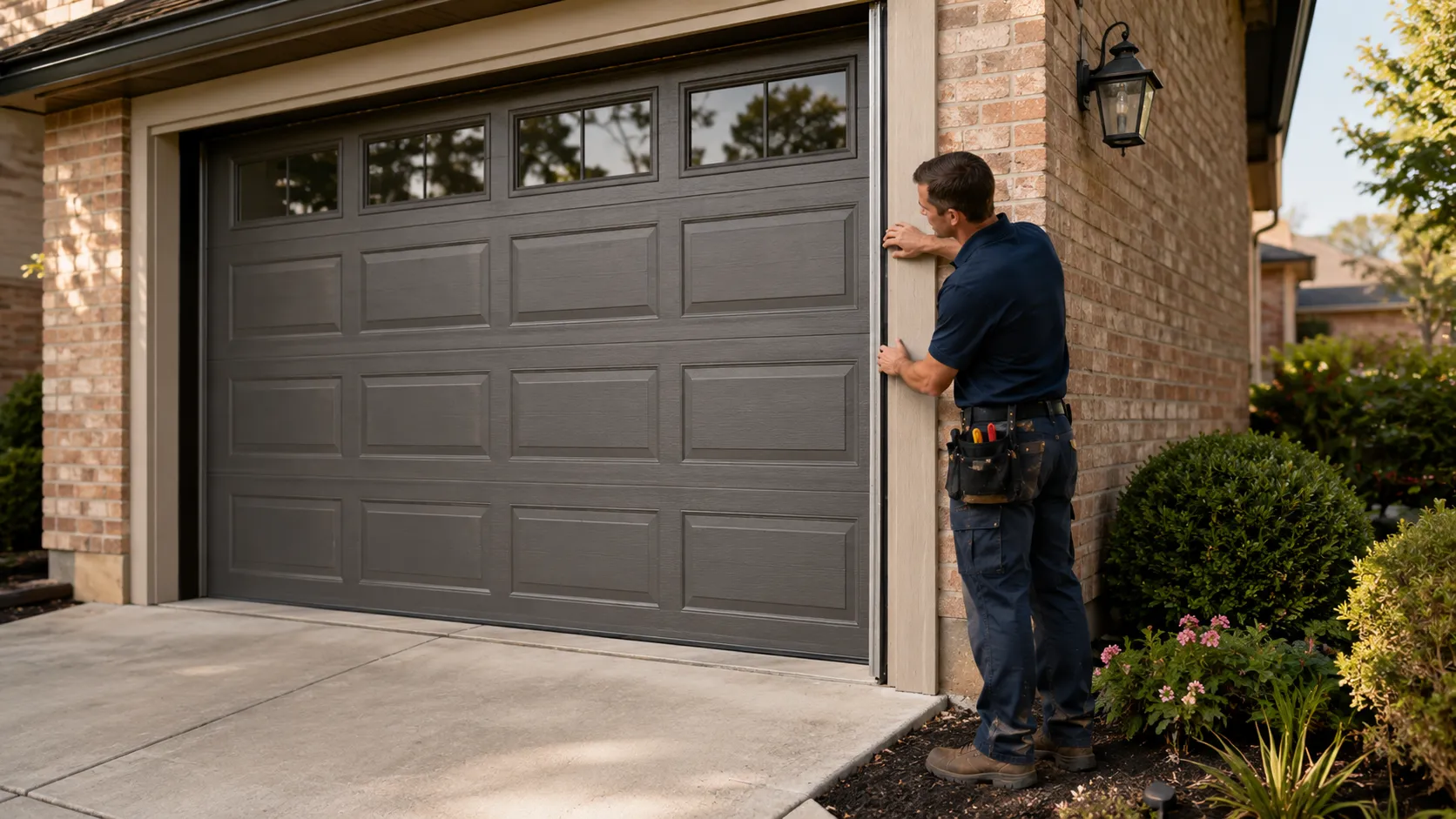
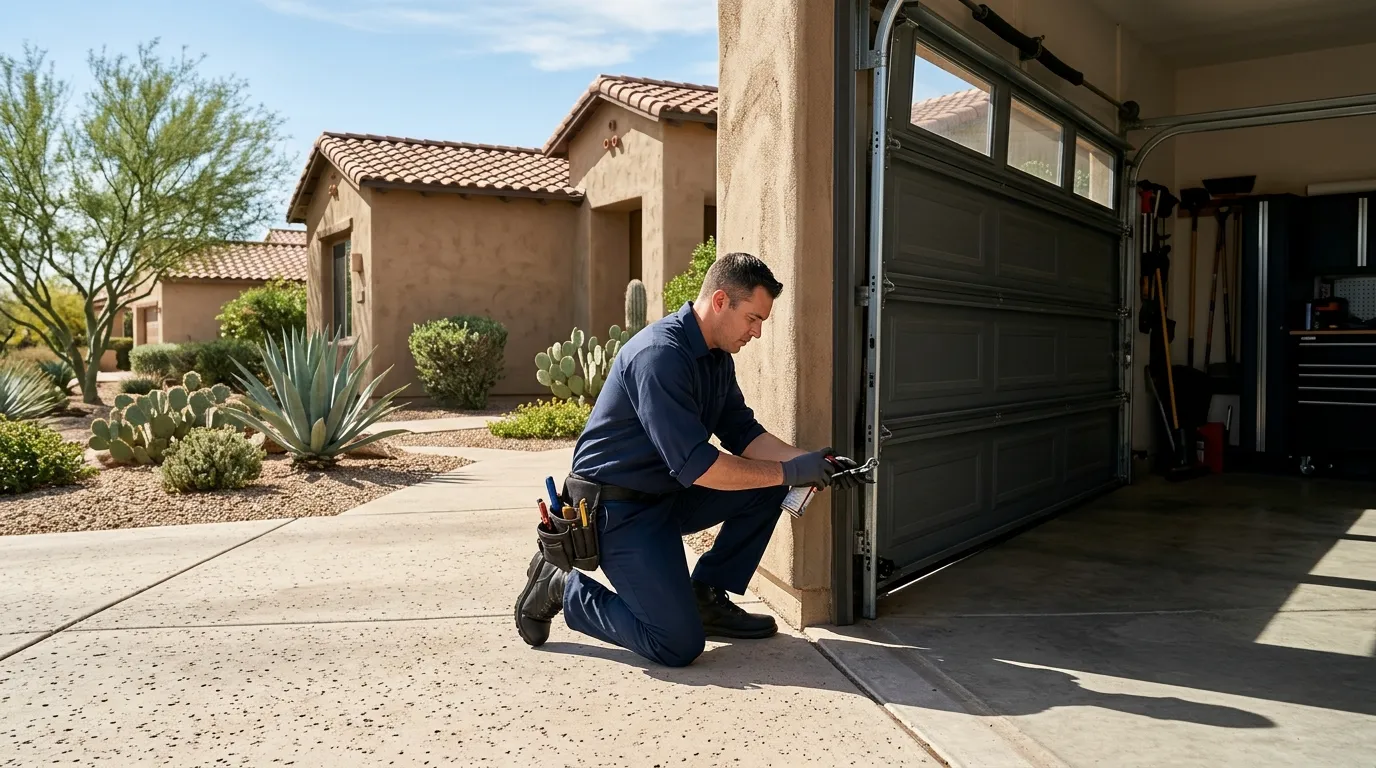
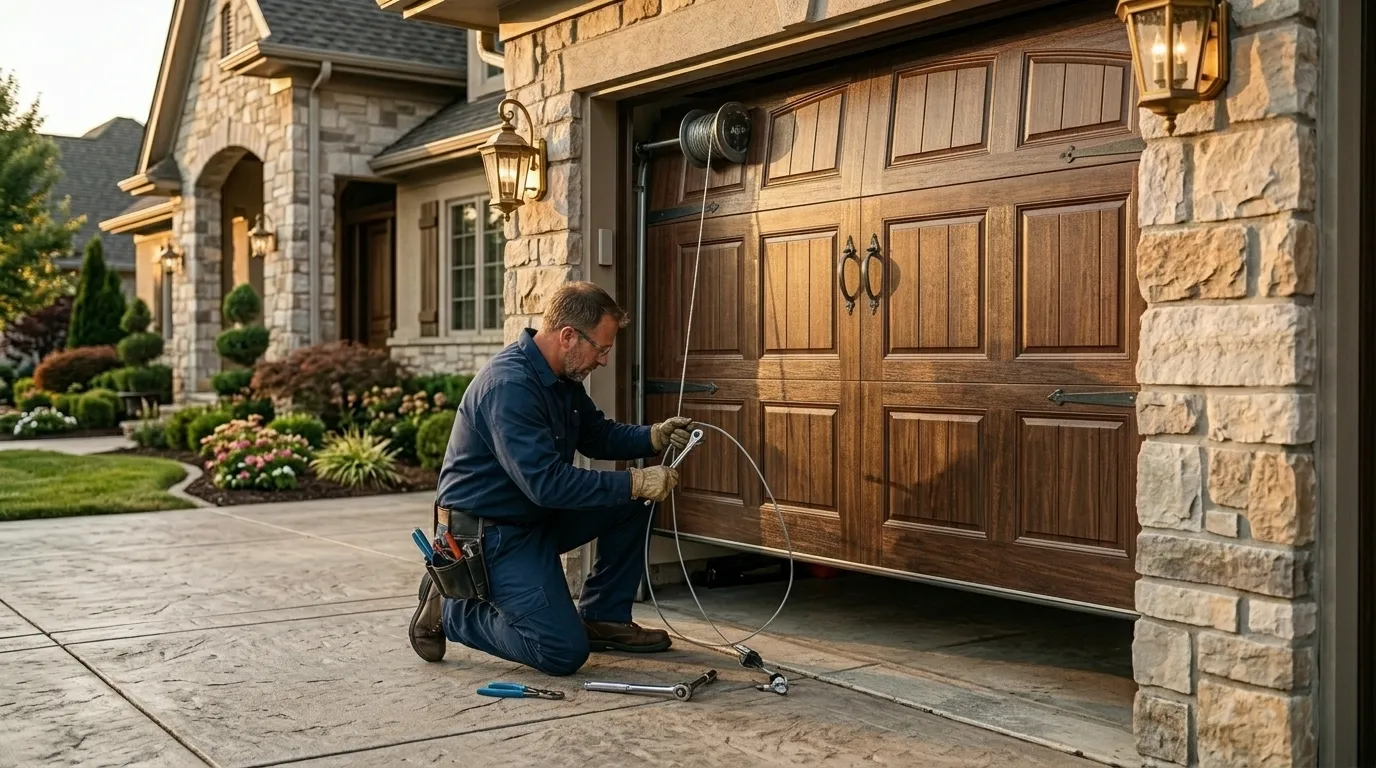
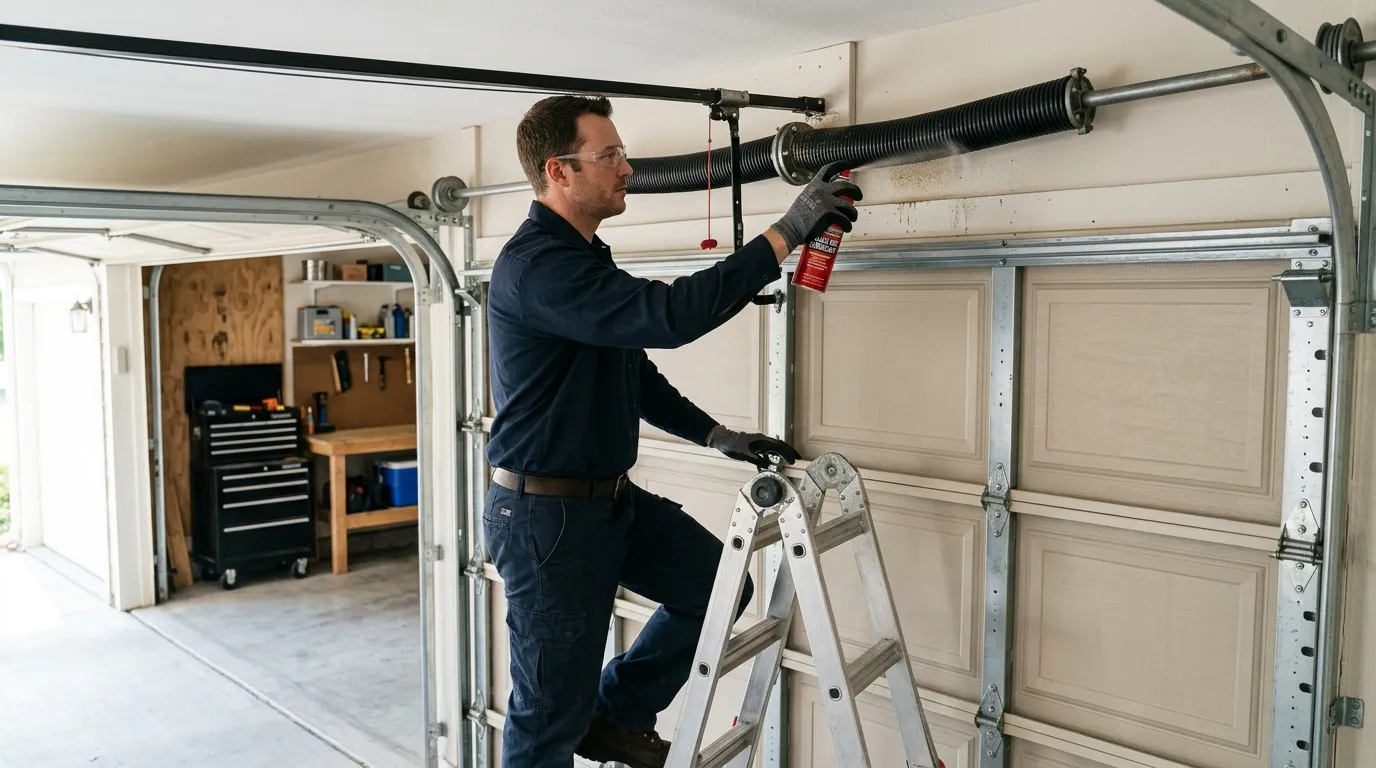
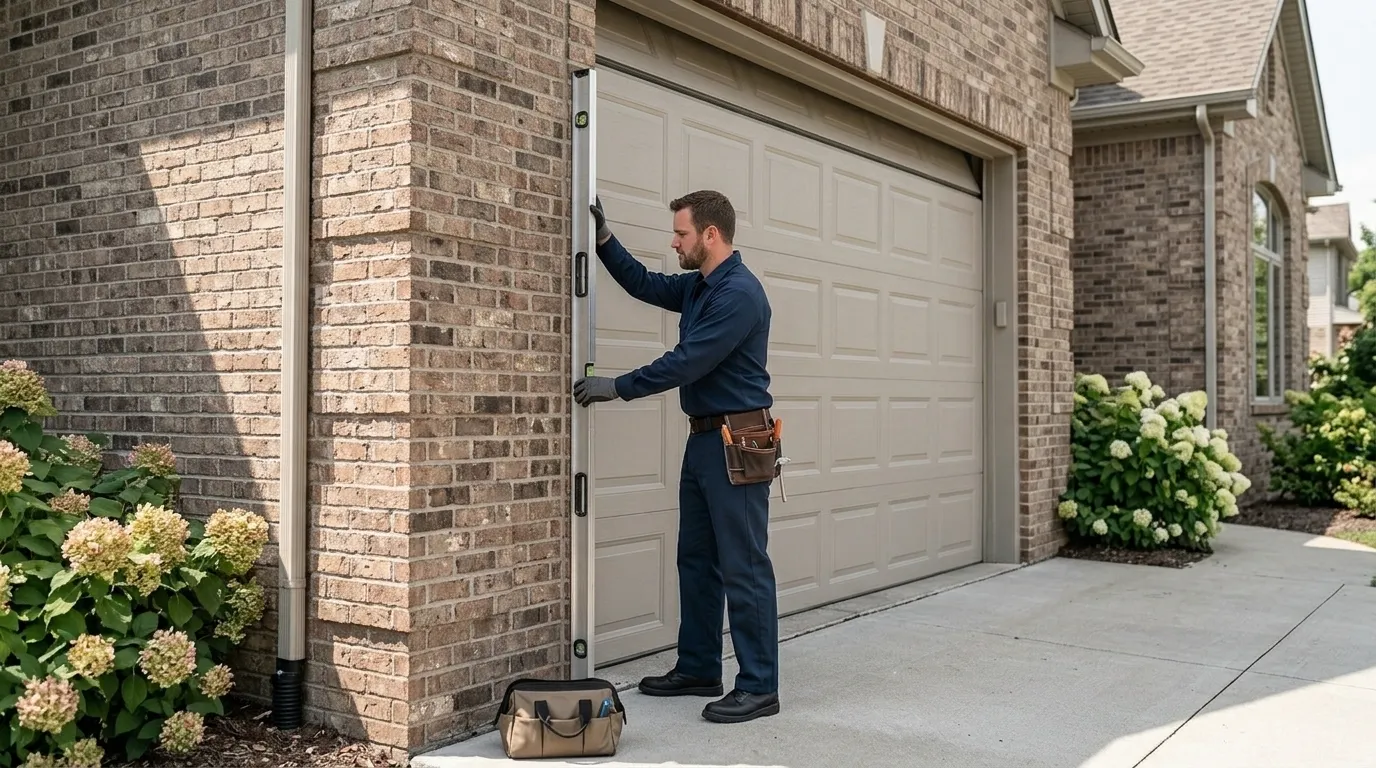
Most of the garage doors in Springfield went up with the houses around them, and that stock runs 1973 to 2007, with the middle of the range sitting around 1985. That puts a lot of these doors past the point where the original torsion spring is still doing its job - springs are rated for cycles, not years, and a door installed in the mid-80s has had three or four decades to wear one out. The openers from that era are usually chain-drive, builder-grade units, and plenty of them are still the original motor, which means the logic board and safety sensors are older than the code requirements written since. Jacksonville sits in a mild temperate band, so these doors haven't taken the freeze-crack damage you'd see on steel panels up north, but humidity still finds its way into wood-composite panels from that period and softens them at the bottom corner first. We don't push a full replacement on every call - a lot of these units just need a spring, a cable, or a sensor realignment. But if the opener predates modern auto-reverse testing, that's worth a straight conversation, not a sales pitch.
Houses on These Streets
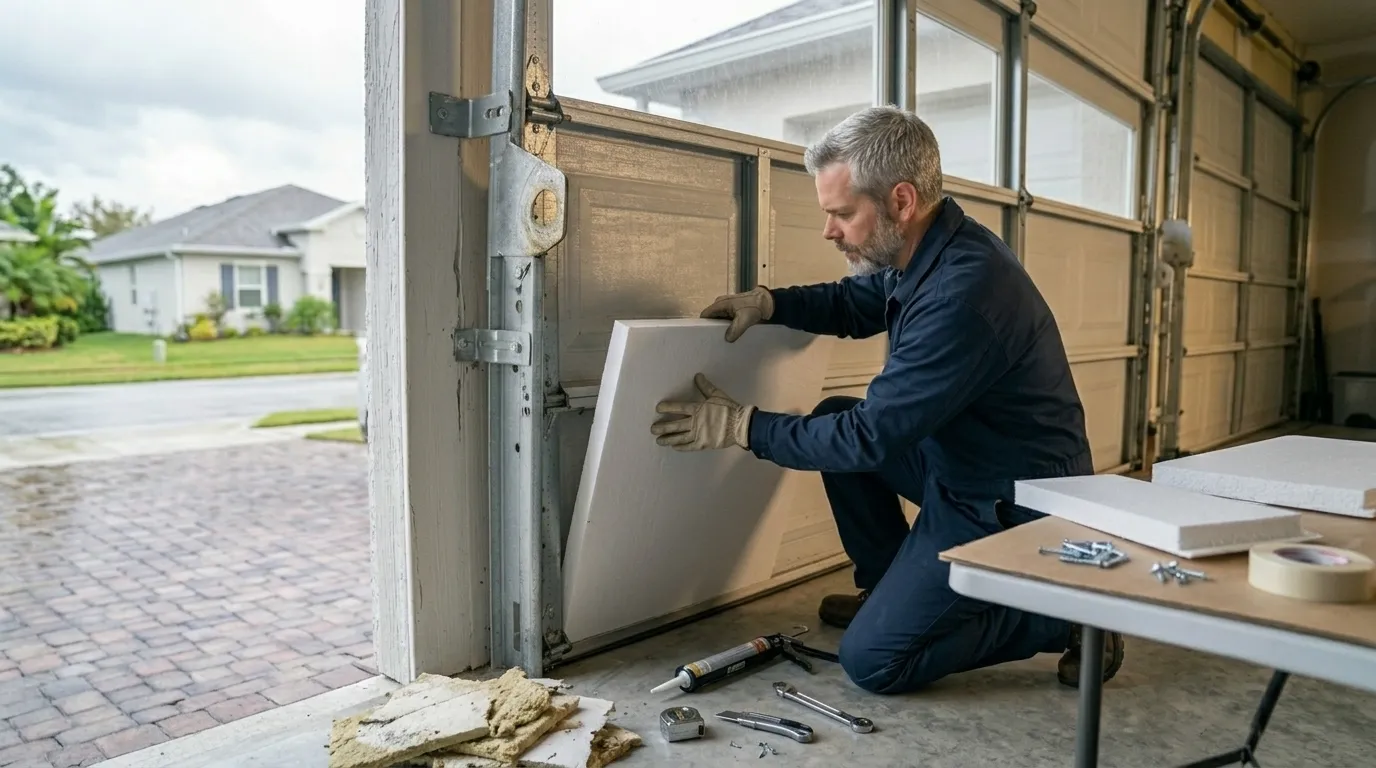
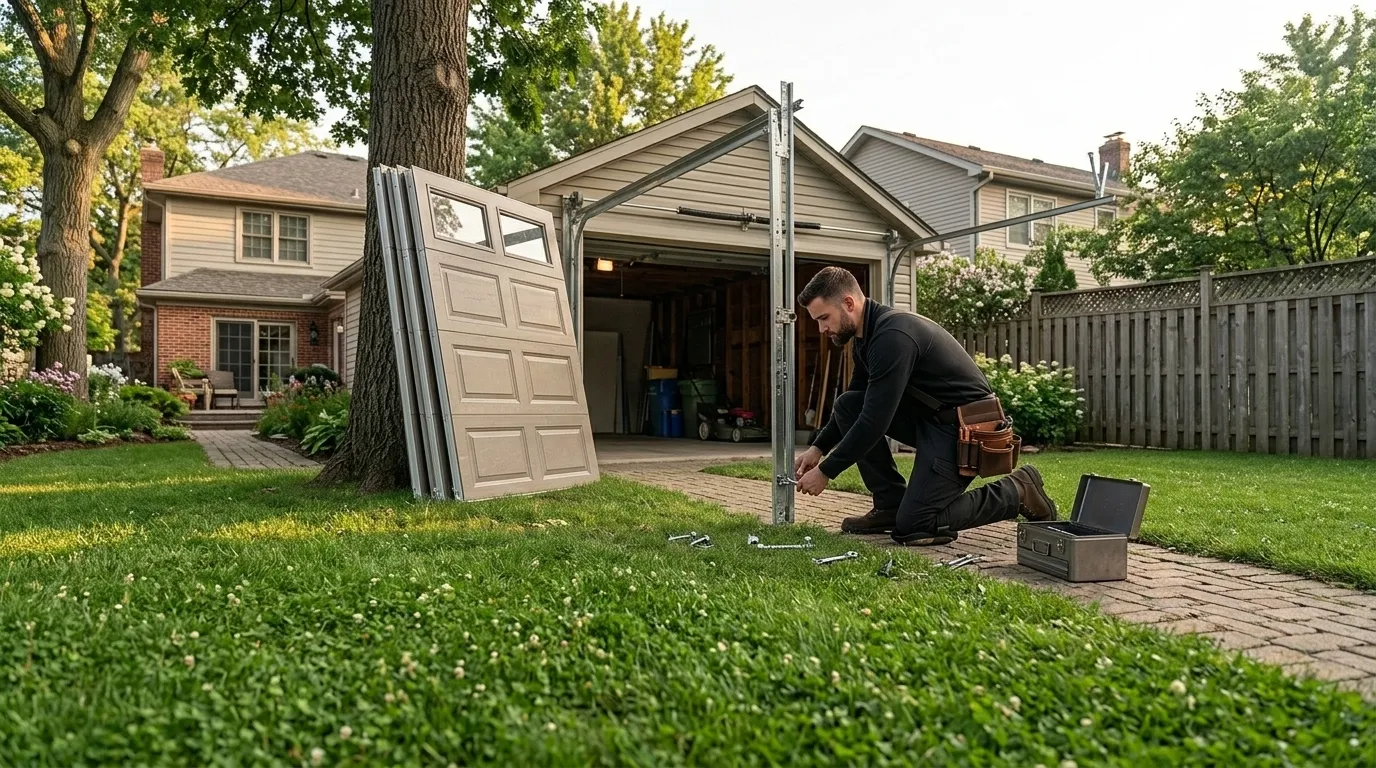
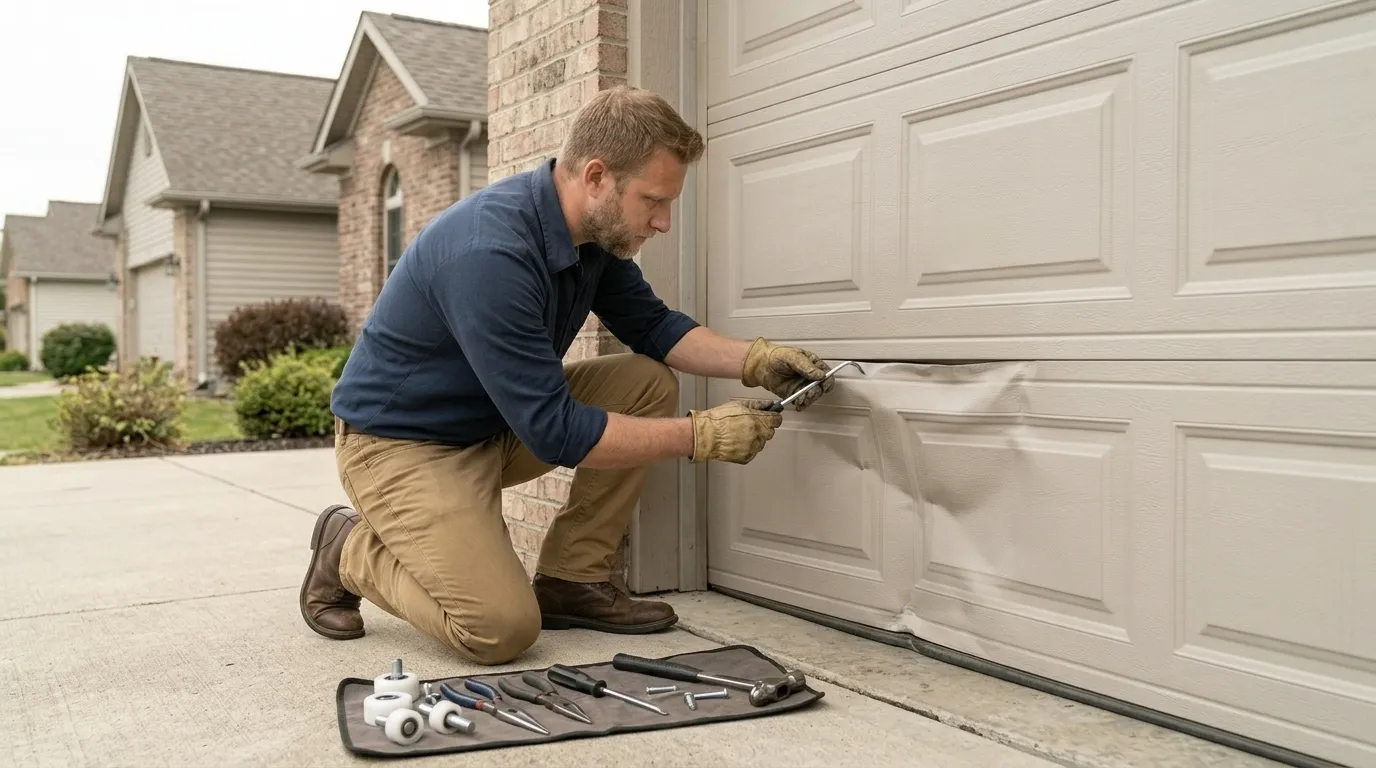
The housing stock through this part of Jacksonville runs 1973 through 2007 with a median around 1985, which tells you more about the garages than any landmark would. Houses built in that stretch mostly came with single attached garages sized for one car, occasionally a two-car bay on the larger lots, and steel doors that were standard for the price point at the time - not the insulated, double-layer doors you'd spec today. Framing and headroom in these openings tend to be tight by current standards, so a straight swap for a newer door sometimes means adjusting the track or header rather than a drop-in replacement. Jacksonville's mild climate means these houses were never built with the kind of weatherproofing you'd see in colder markets - thinner weatherstripping, less insulation in the door itself - because for most of the year it wasn't needed. That's fine until a hard rain sits against the bottom seal for a day, which is where we mostly see rot and rust starting on doors from this vintage. If a door's frame is original to a 1980s build, we check for square before quoting anything, since a lot of these openings have shifted slightly over the years.
Where This Is
Springfield sits about a mile northeast of downtown Jacksonville, on the north side of the urban core. Hogan's Creek runs right along its edge to the northwest, essentially at the neighborhood's border. Downtown itself is a mile to the south-southeast, and Mid-Westside is about a mile to the northwest. Brooklyn sits a mile southwest, with Southbank and San Marco both about two miles southeast across the river, and Riverside two miles southwest. Further out, 45th & Moncrief is roughly three miles north-northwest and Murray Hill about three miles west-southwest. That puts Springfield inside the tight ring of close-in neighborhoods rather than out with the larger named areas - Orange Park, Fleming Island, and the beach towns are all a dozen or more miles off in other directions. For a service call, that close-in position means we're not driving across town to reach a job here; it's one of the nearer stops relative to the rest of the area we cover.