What Is on These Garages
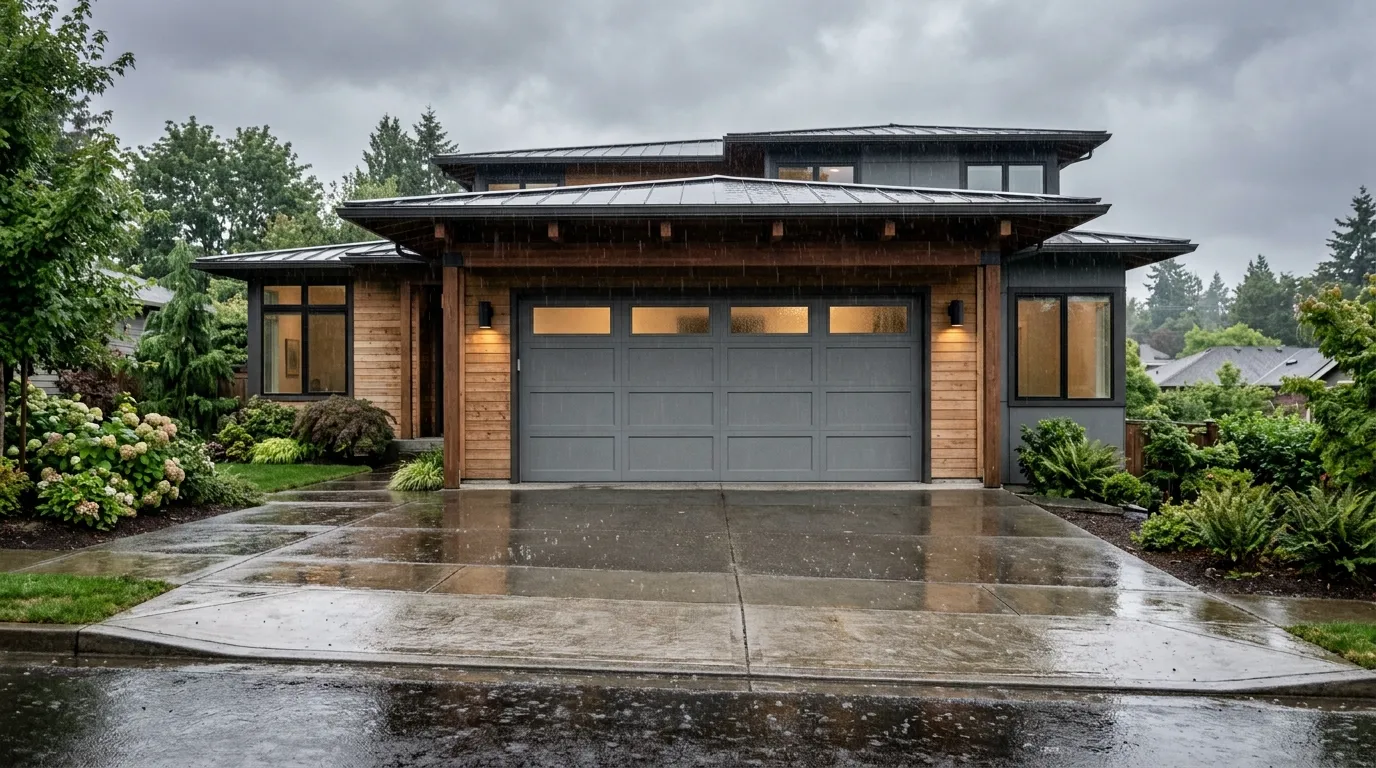
Sandalwood sits nine miles east of downtown Jacksonville, and the housing stock across this side of the service area was built mostly between 1973 and 2007, with the median build year landing around 1985. That puts most garage doors here into a couple of predictable categories: steel sectional doors from the 80s and 90s on standard torsion springs, and a smaller number of later builds with lighter-gauge panels and standard-lift extension setups.
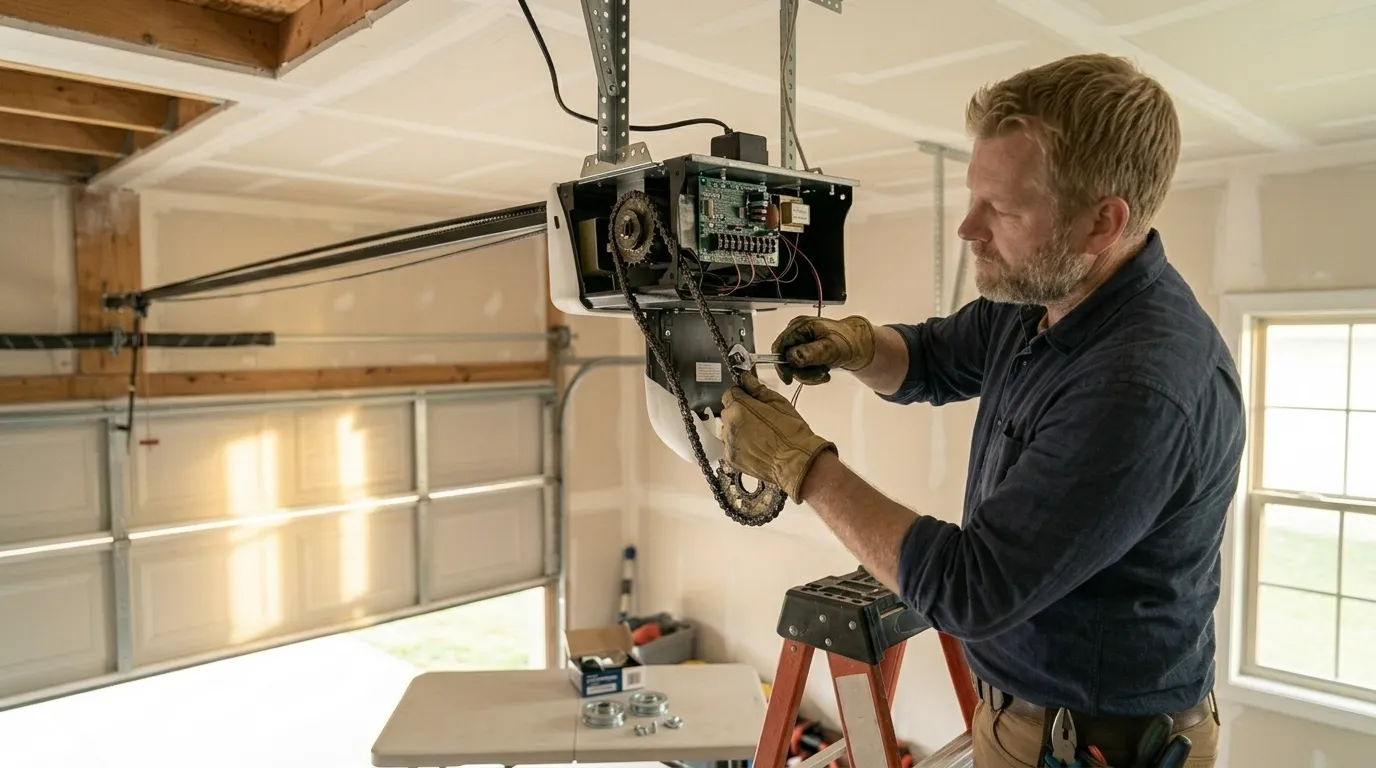
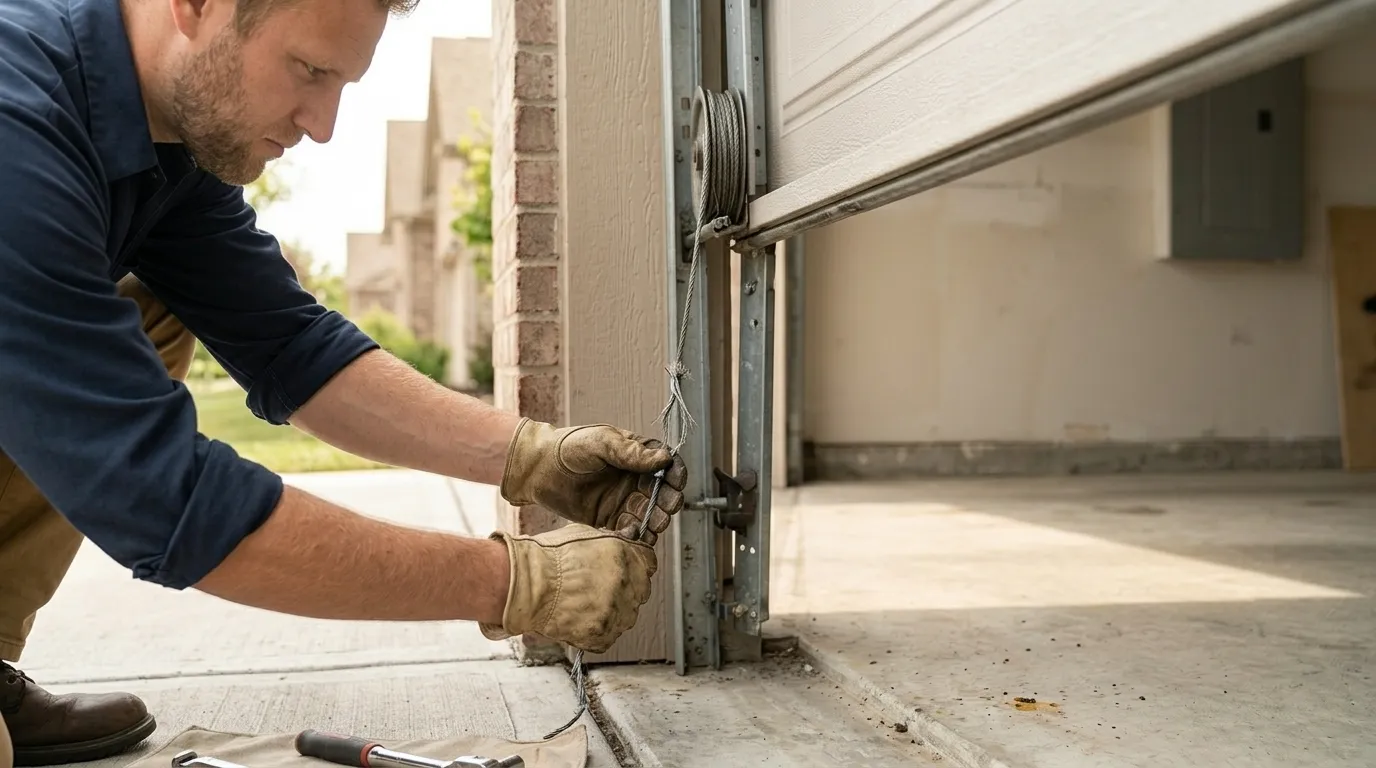
We don't see the older wood one-piece doors you'd find in a neighborhood built before the 60s, and we don't see the newer insulated composite doors that come standard on builds after 2010 either. What we do see is a lot of mid-life torsion springs that are past the point where a homeowner should keep waiting, and openers from the chain-drive era that are either still running fine or need a logic board.
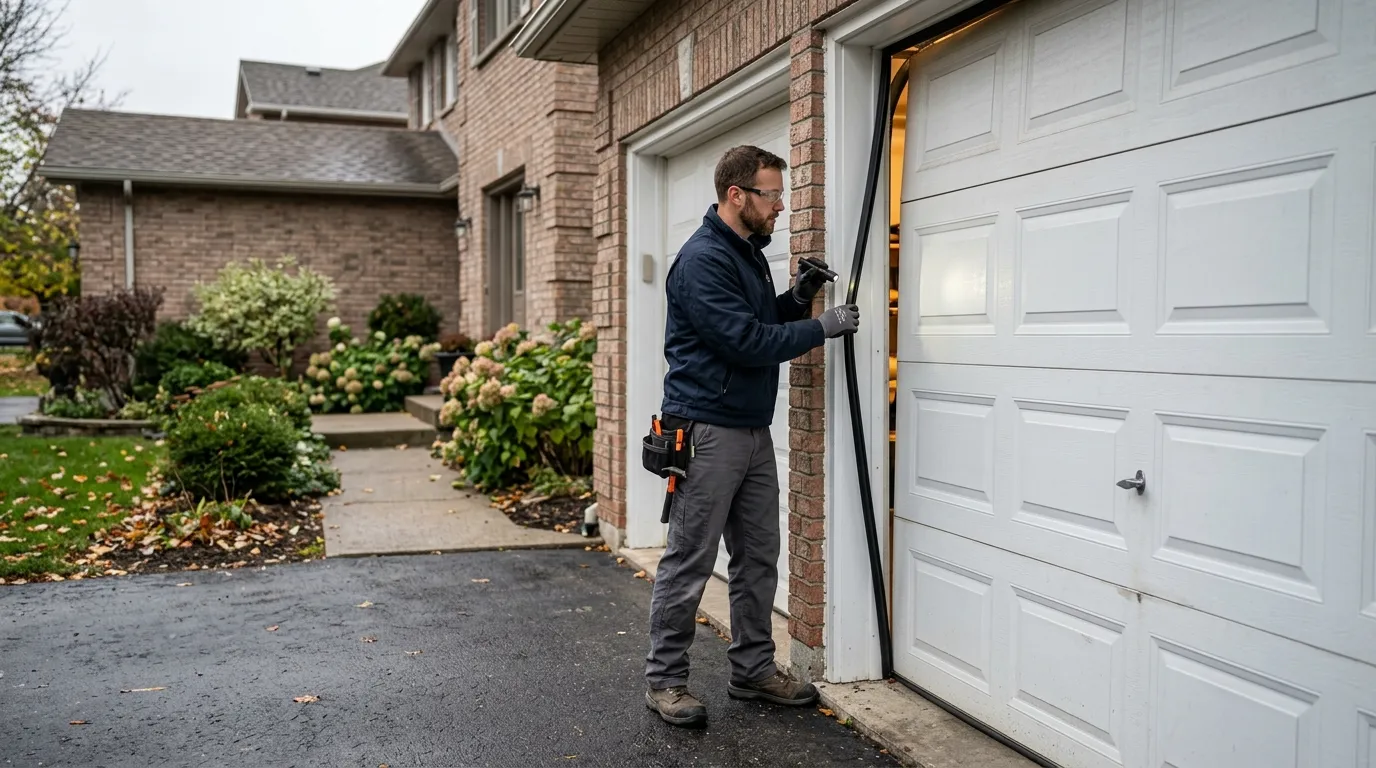
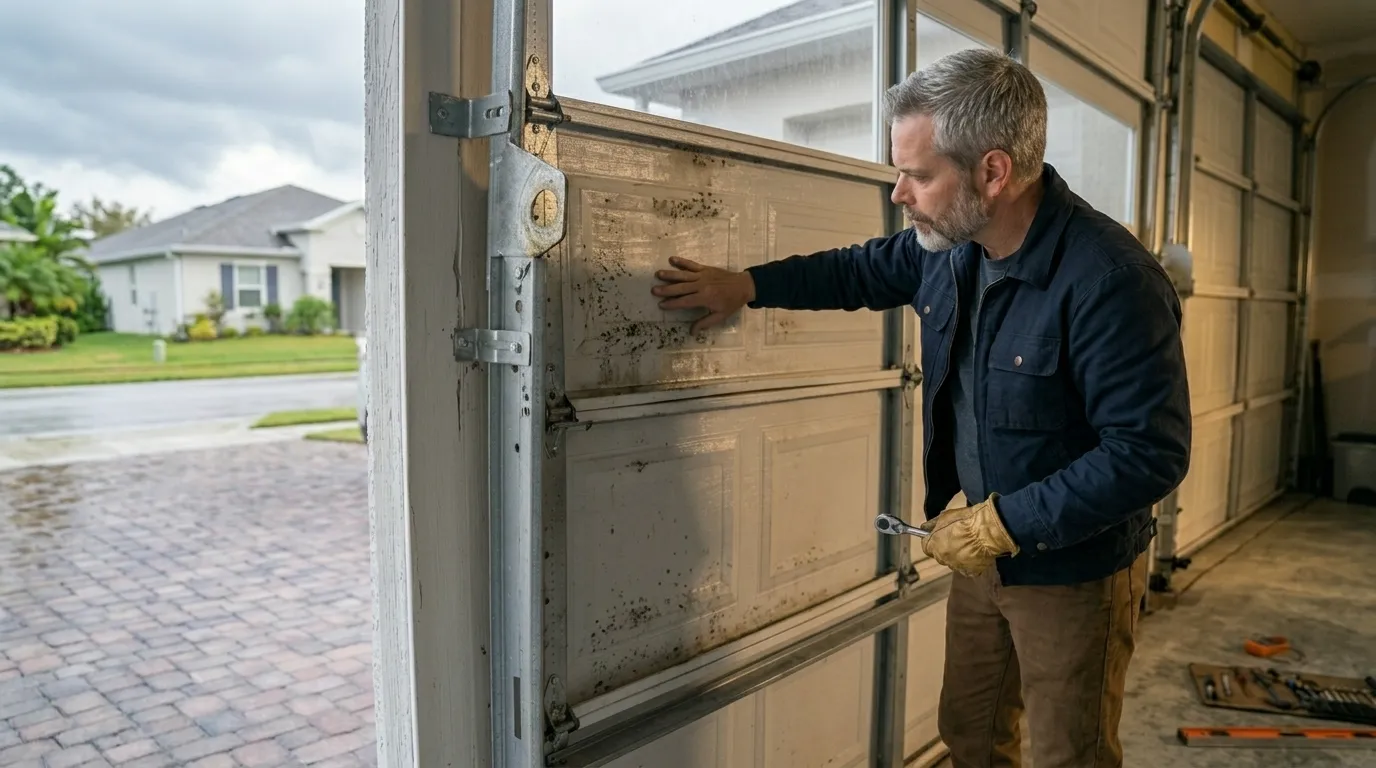
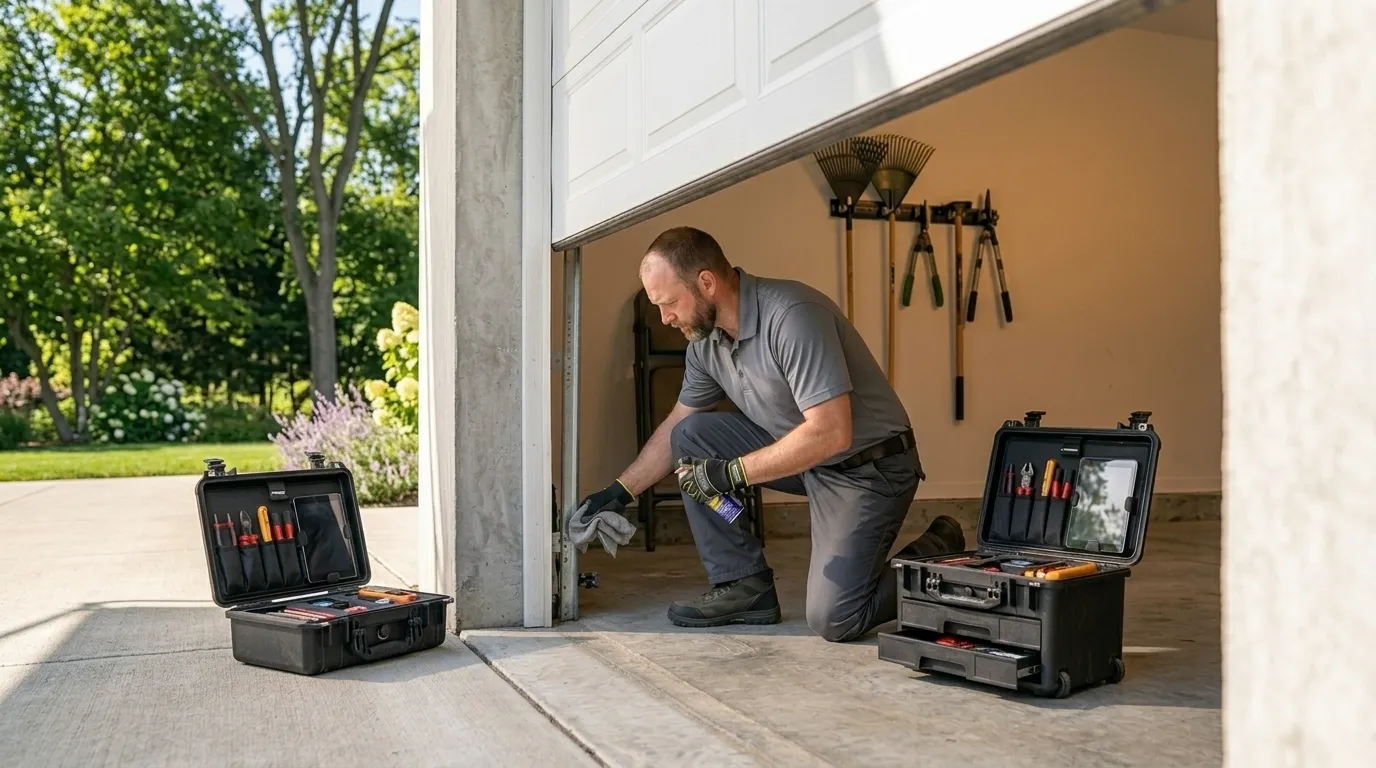
The mild temperate climate here means we're not fighting the freeze-thaw cycle that cracks panels and seizes springs up north. Rust on hardware and UV wear on weatherstripping are the bigger issues after three or four decades of Florida sun and humidity. That's a slower failure mode, and it's one reason doors from this era are often still on their original springs when they finally break.
Houses on These Streets
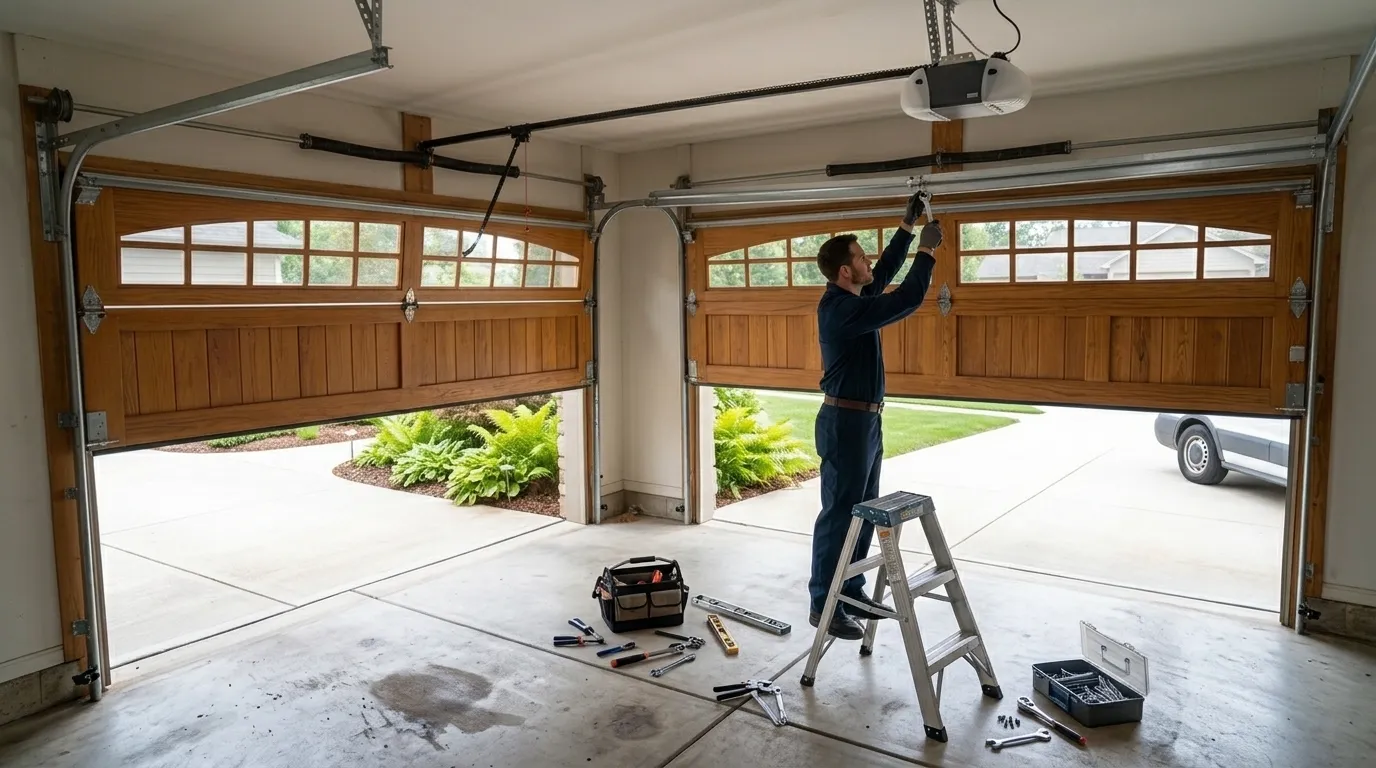
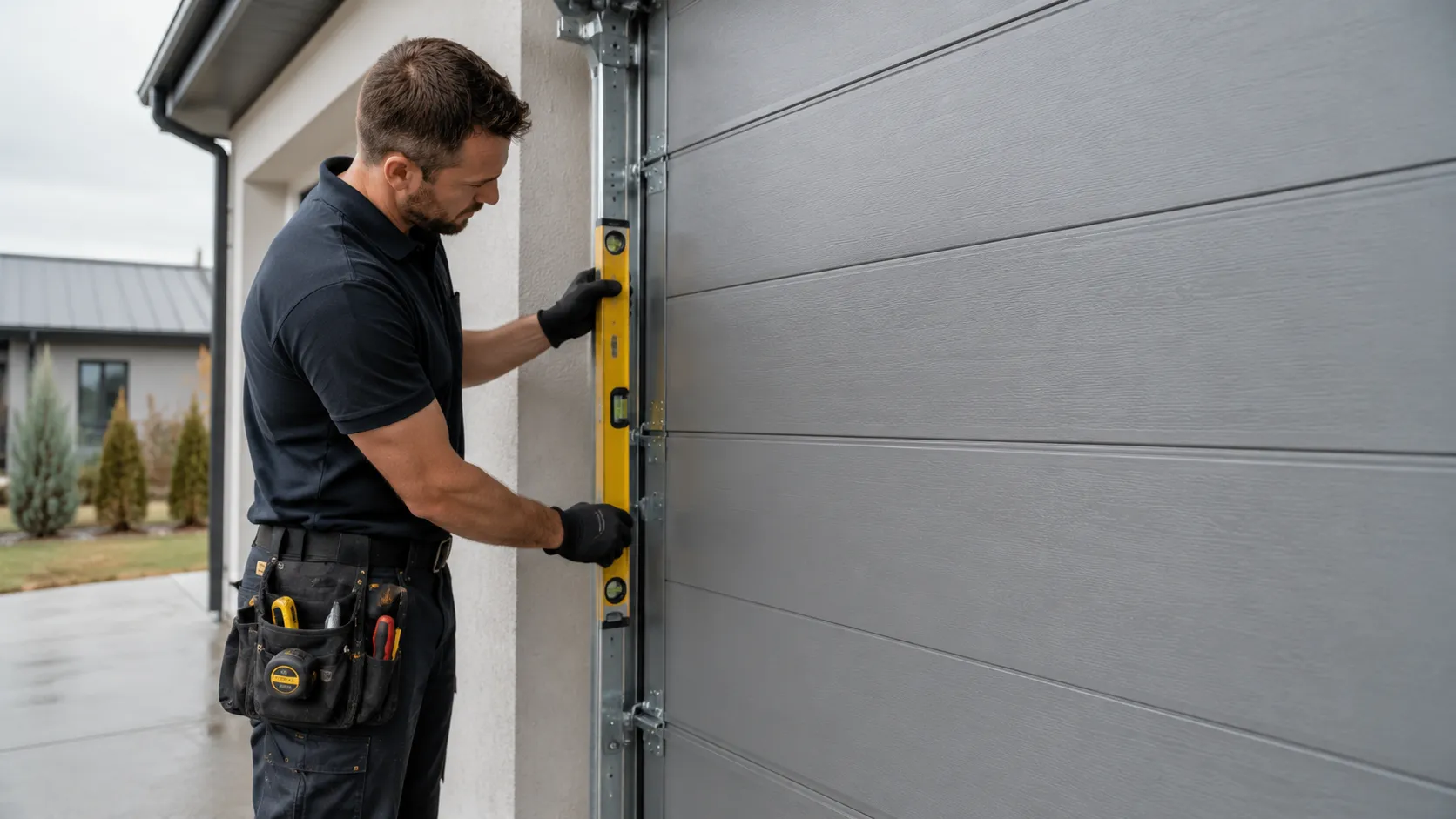
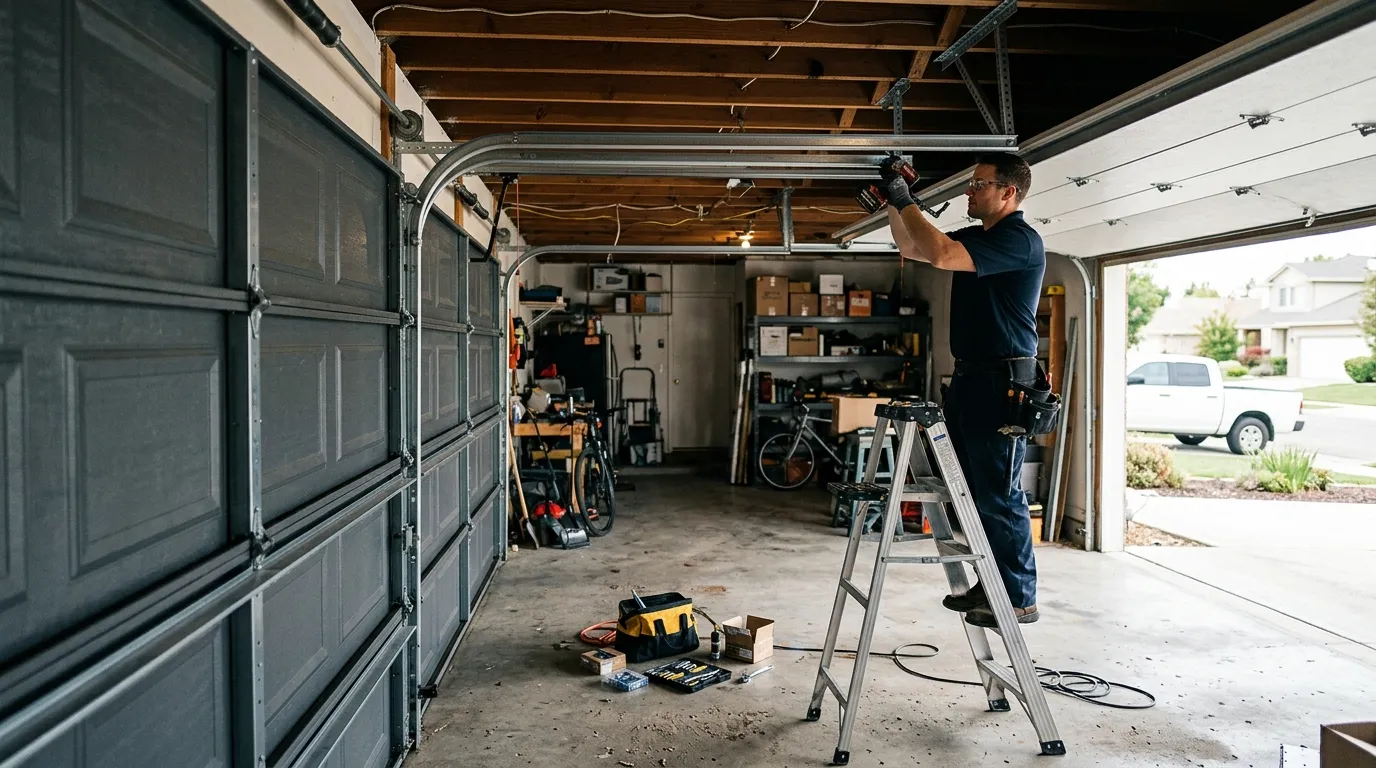
A house built in the mid-1980s in this part of Jacksonville almost always has a steel sectional door on torsion hardware mounted above the opening, not the side-mount setups you'd find on an older build. The springs on these doors were sized for the original door weight, and if a homeowner has swapped in a heavier insulated replacement panel without upsizing the spring, that's a mismatch we check for.
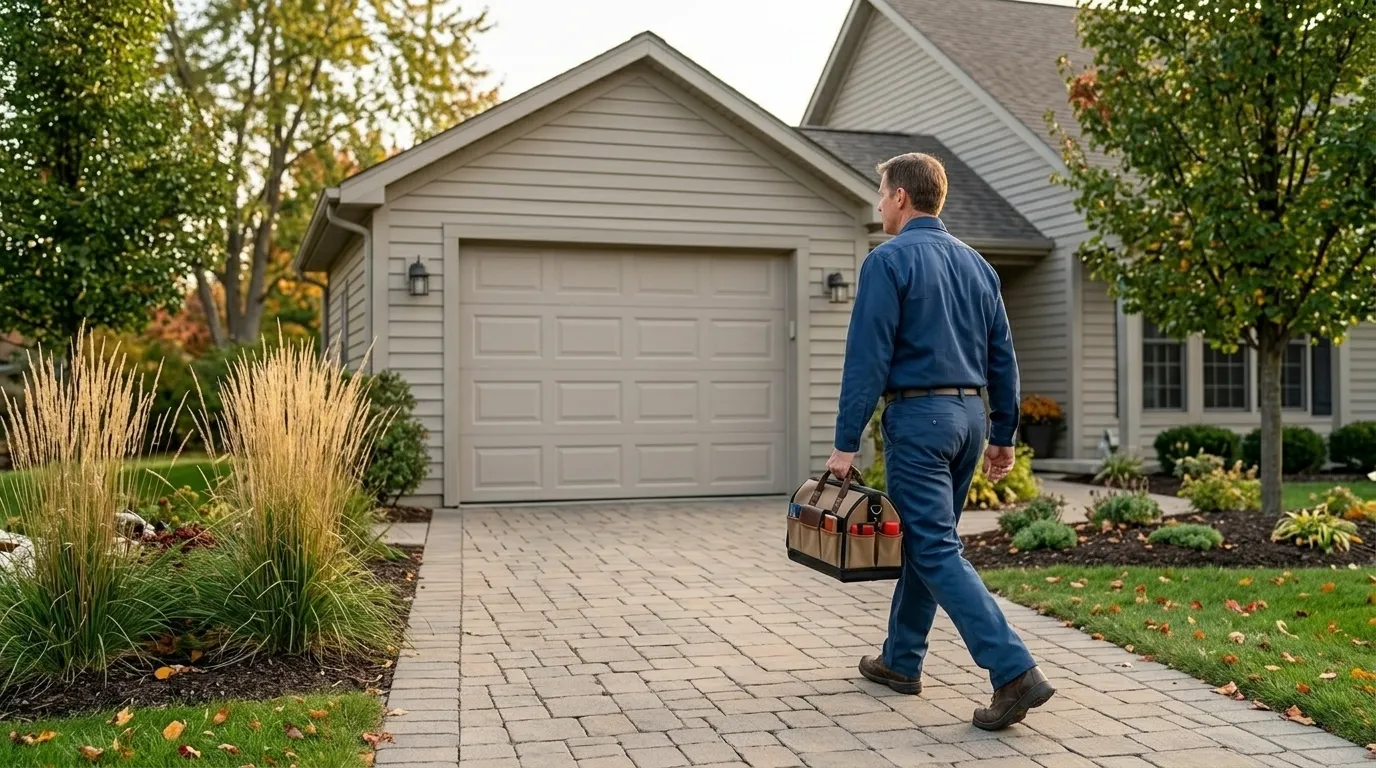
We don't have a specific inventory of streets or subdivisions to point to here, and we're not going to guess at names we can't confirm. What we can say is that the build-era pattern holds across this stretch of the service area, and it tells us what to expect before we even open the truck.
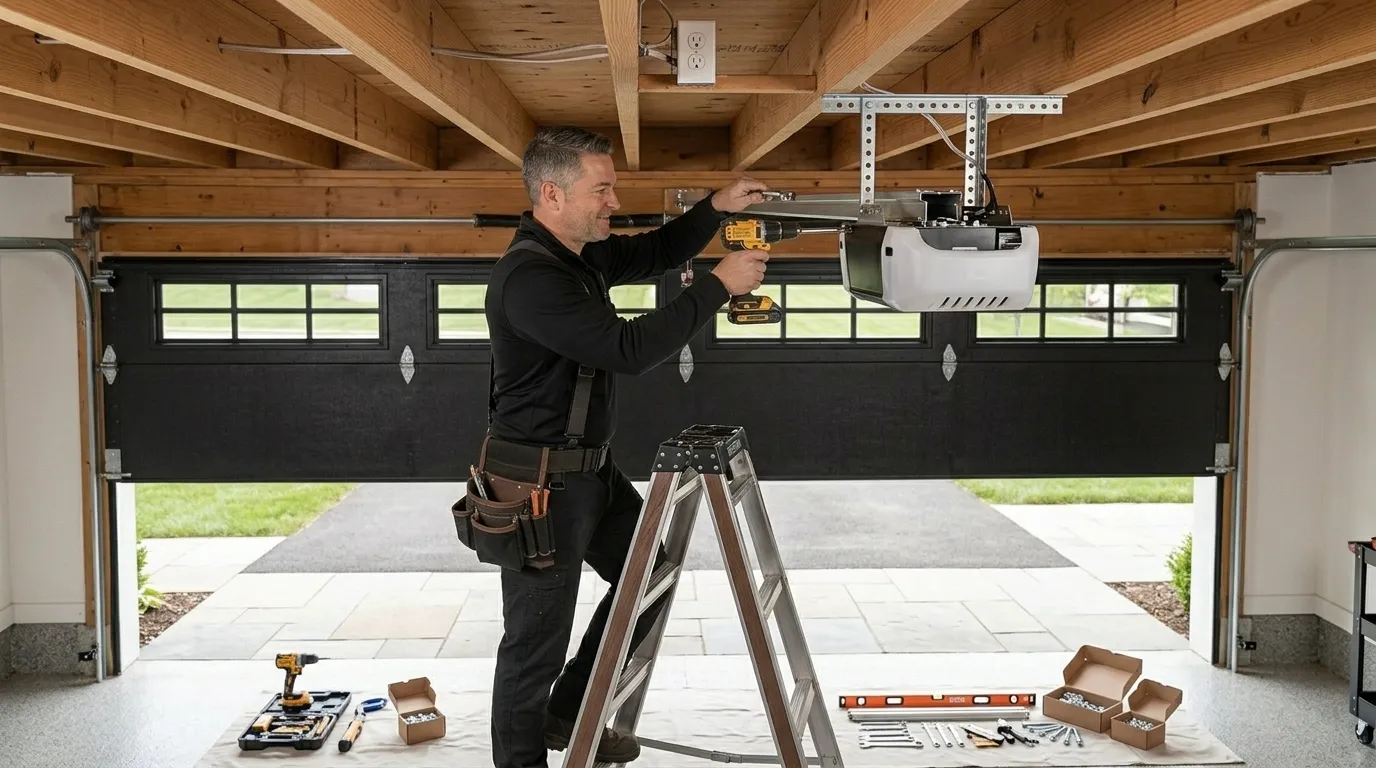
One honest note: if a door in this age range has an opener that predates rolling-code security and a homeowner wants both replaced, we'll often recommend doing the opener and spring service in the same visit rather than two separate calls, since the labor to access the header is largely shared.
Where This Is
Sandalwood is nine miles east of the center of Jacksonville. From a distance standpoint, that puts it well inside the ring of named areas that sit 15 miles or farther out, like Oakleaf Plantation, Fruit Cove, and Jacksonville Beach - Sandalwood is closer in than any of those. The closer-in neighborhoods, the ones inside two or three miles of downtown like Springfield, Riverside, and San Marco, sit on the other side of the city relative to Sandalwood's eastward position.
We cover this stretch of the service area as part of the same coverage that includes those closer-in and farther-out points, and the housing-era pattern described above holds fairly consistently across it.