What Is on These Garages
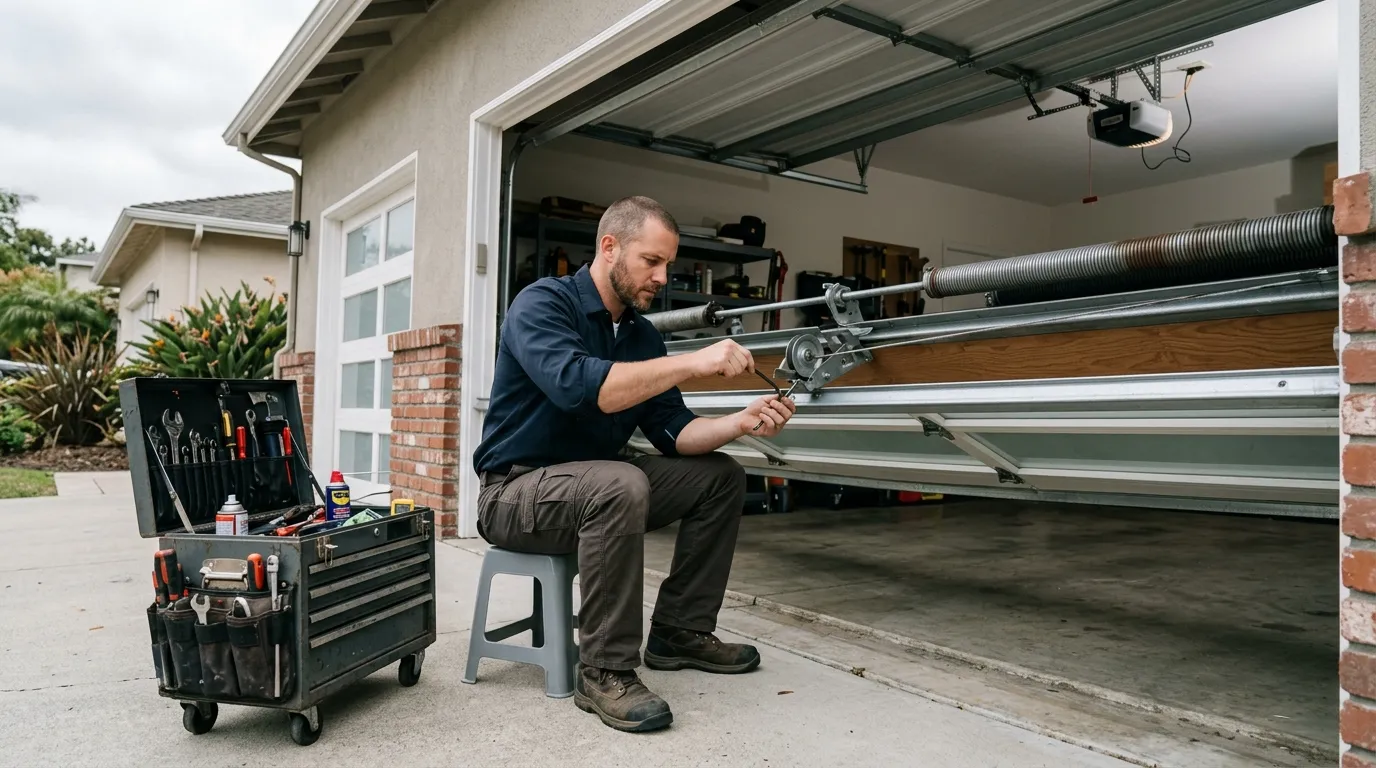
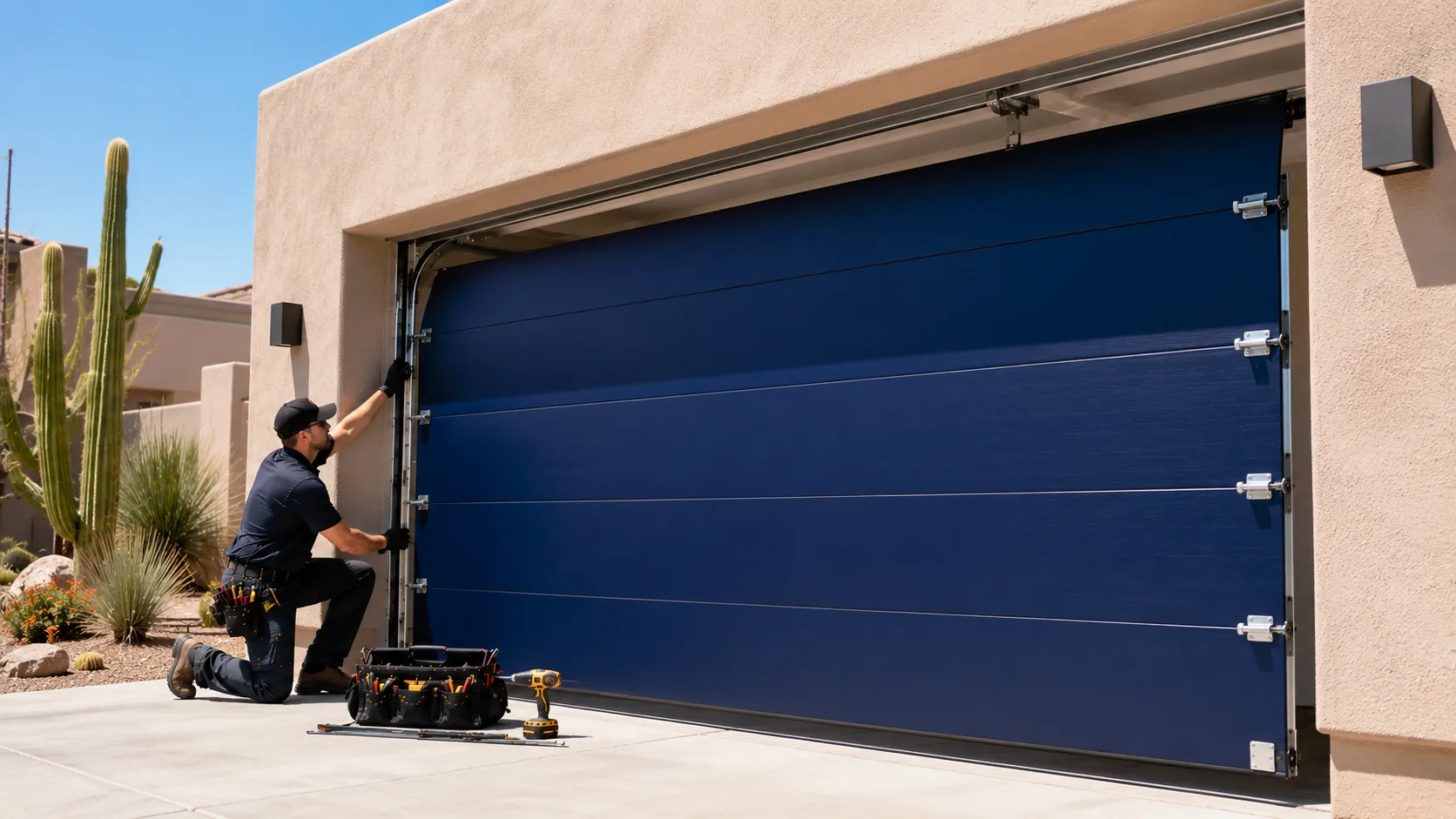
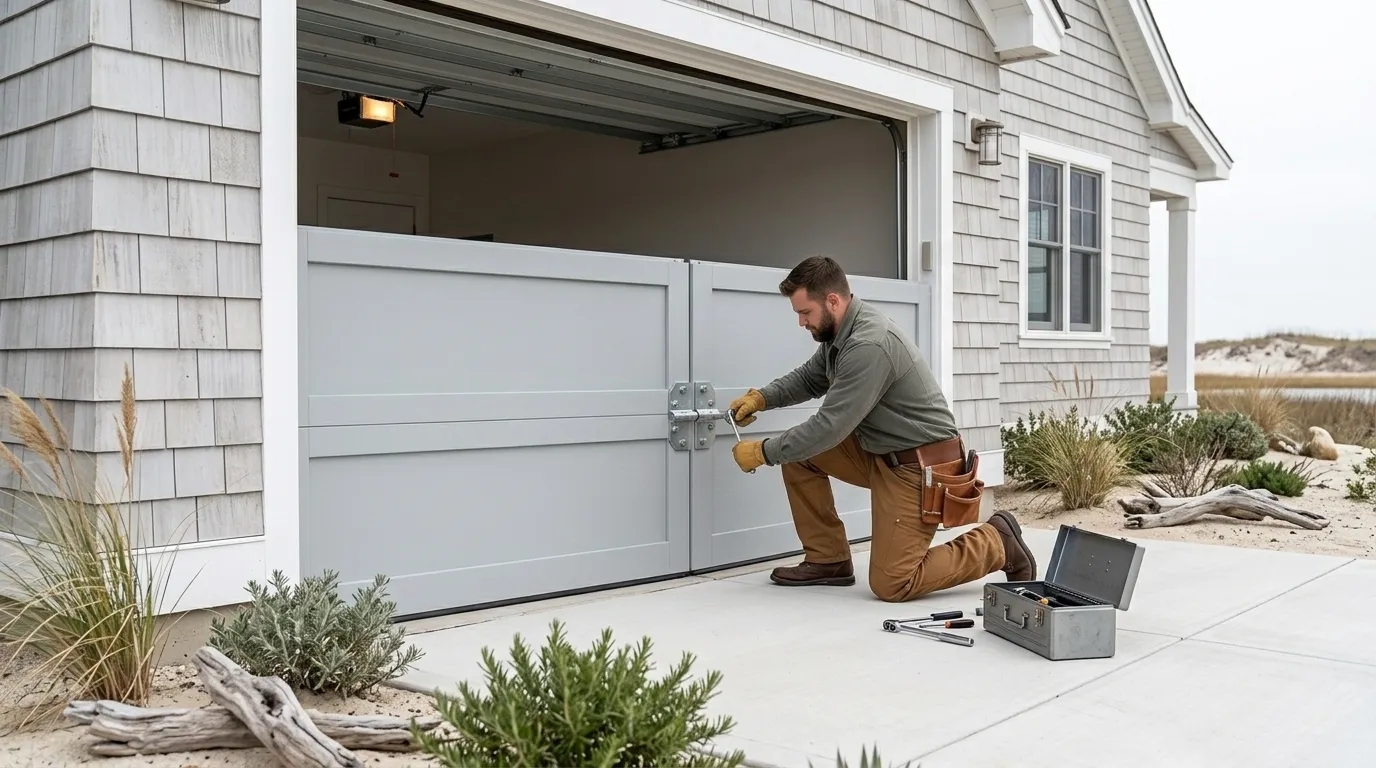
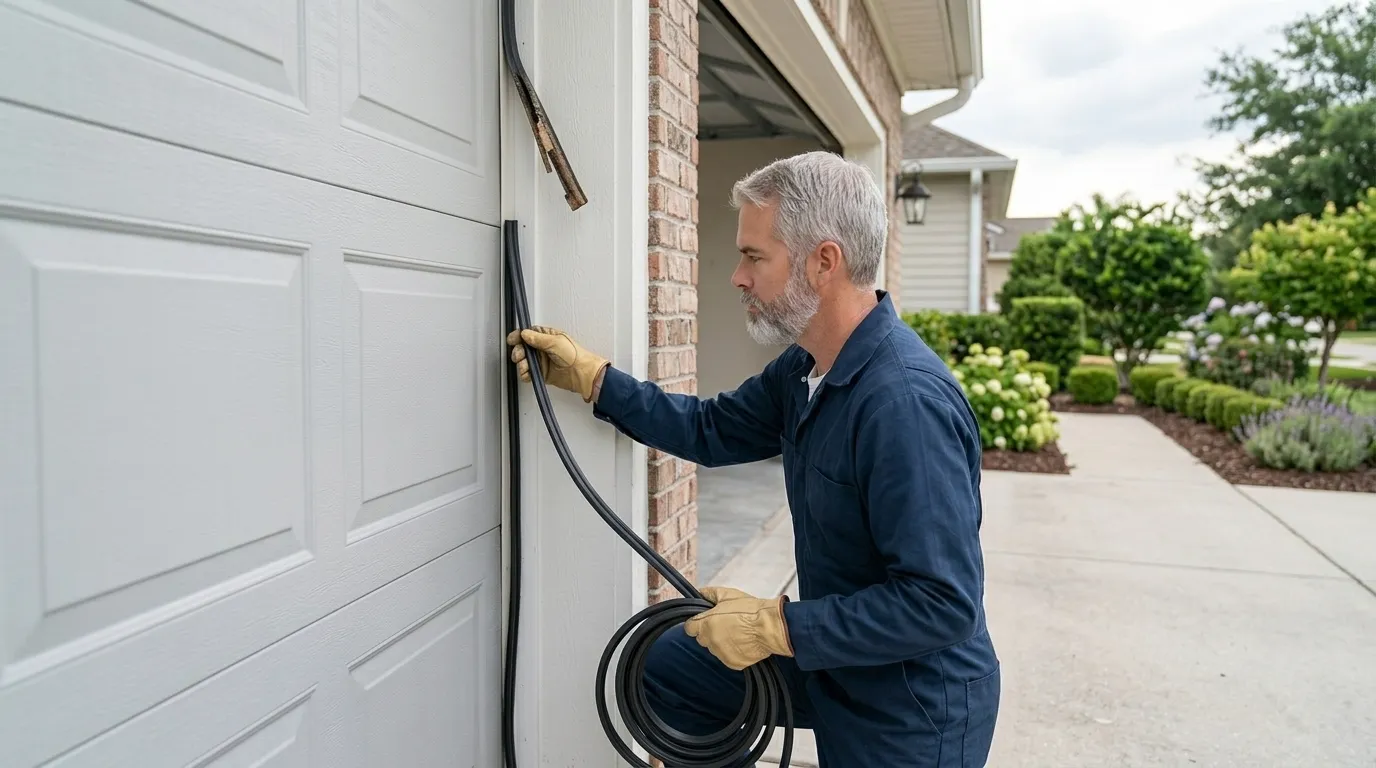
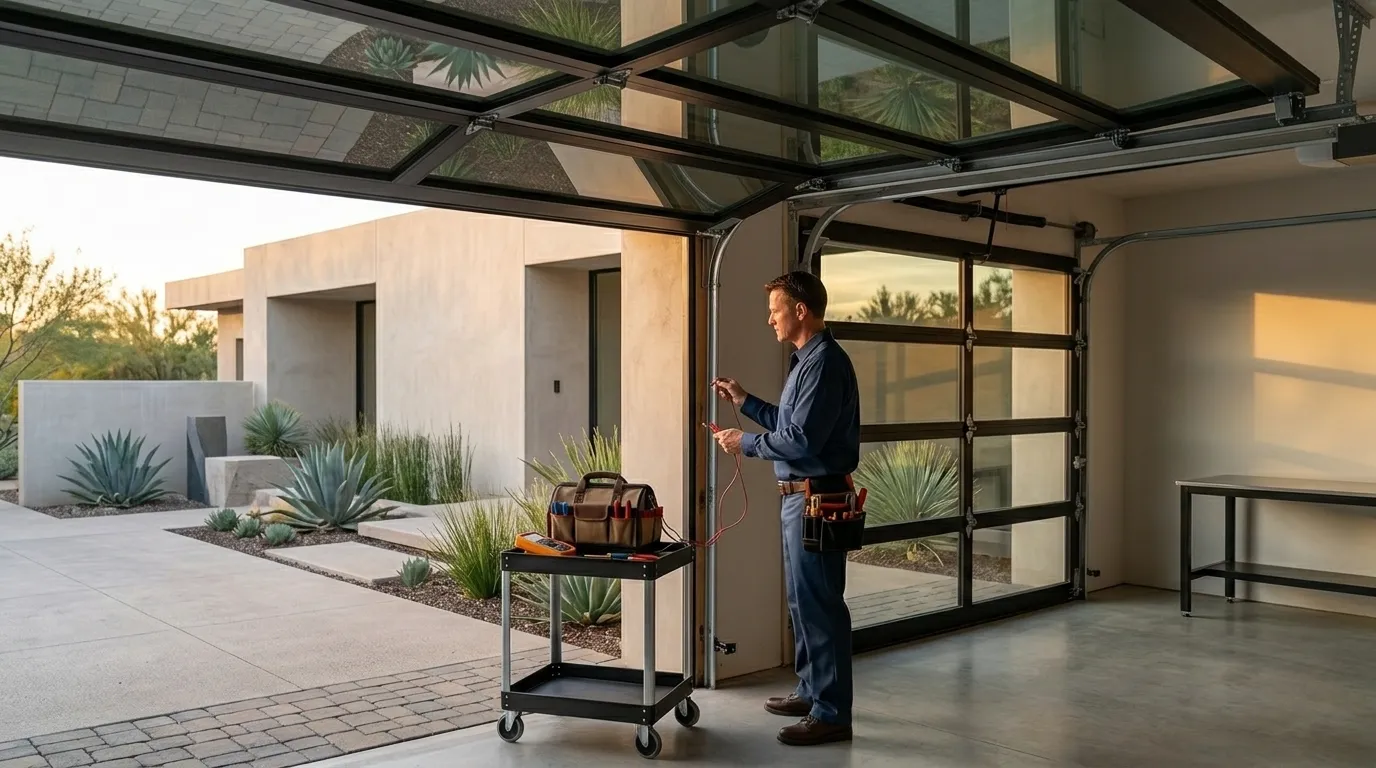
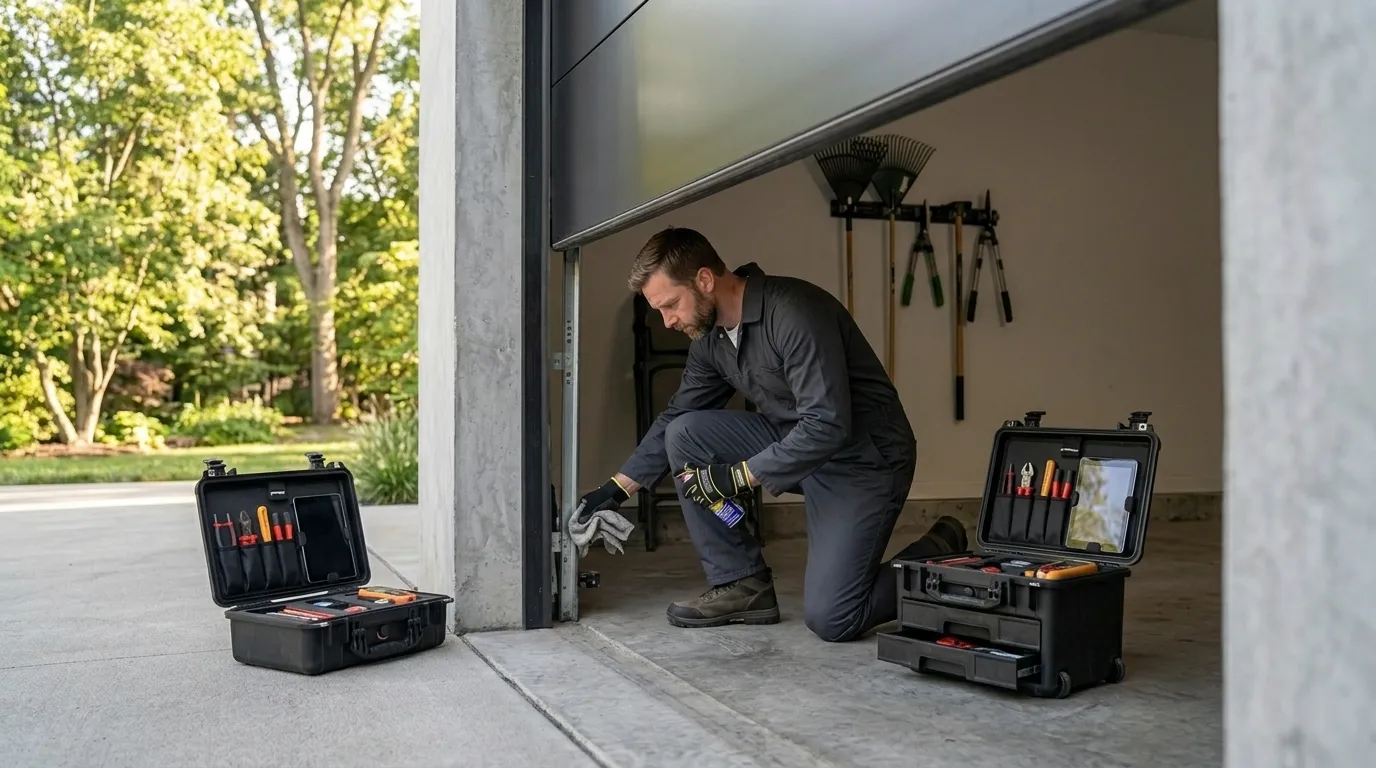
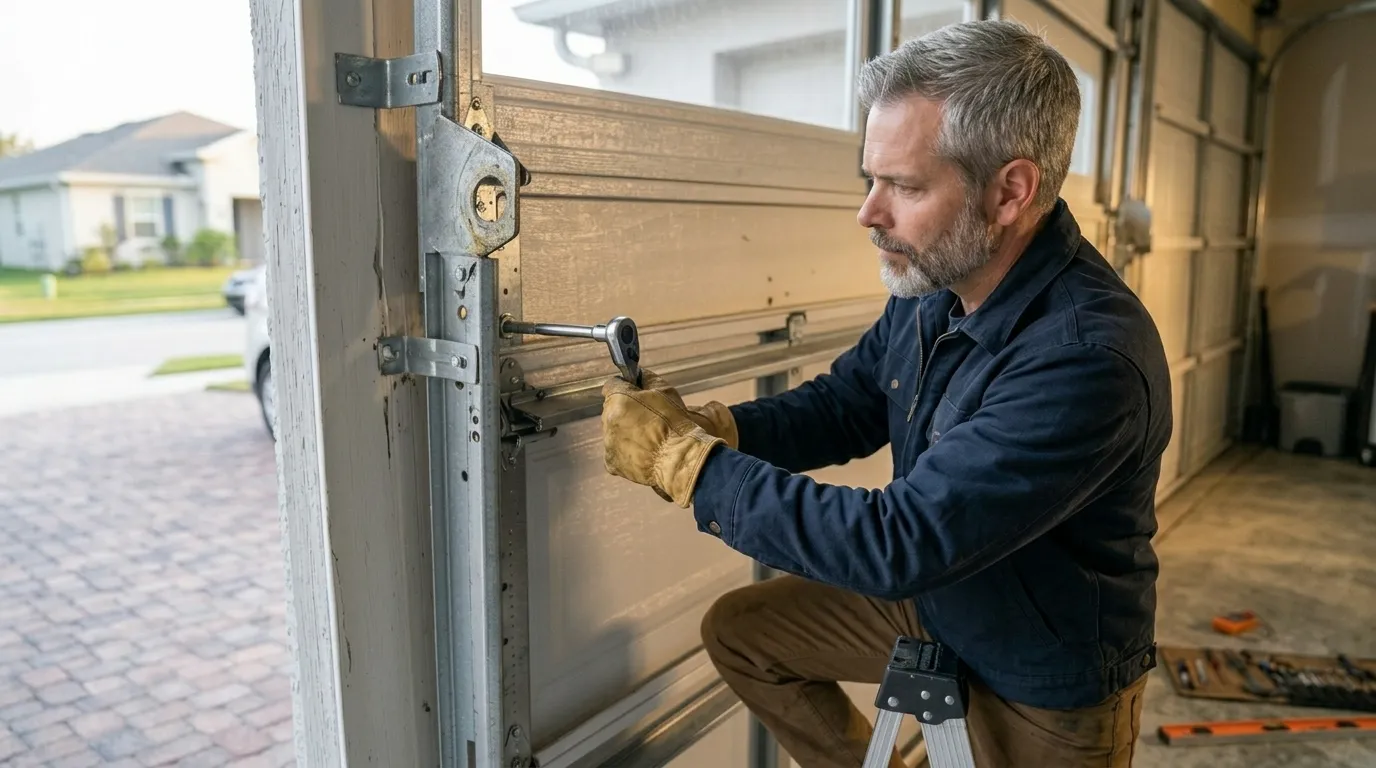
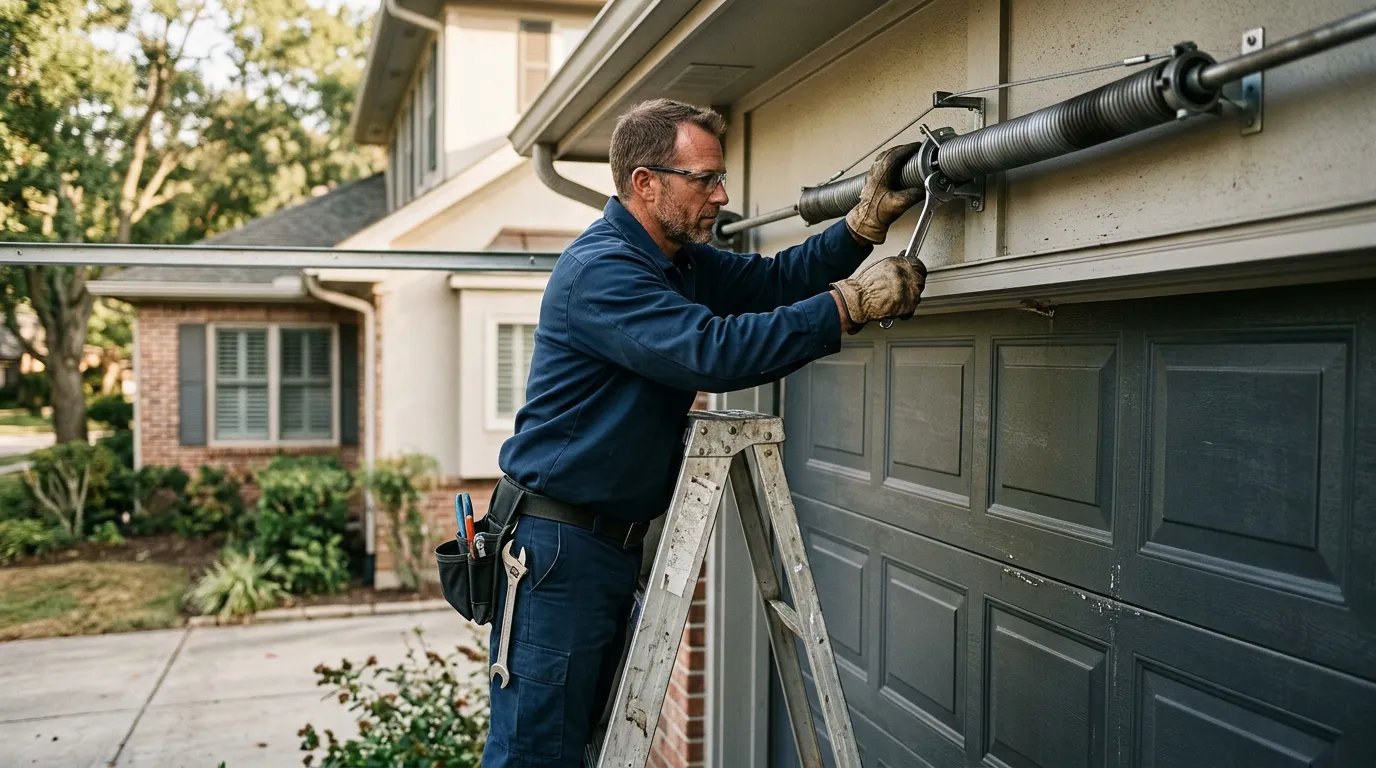
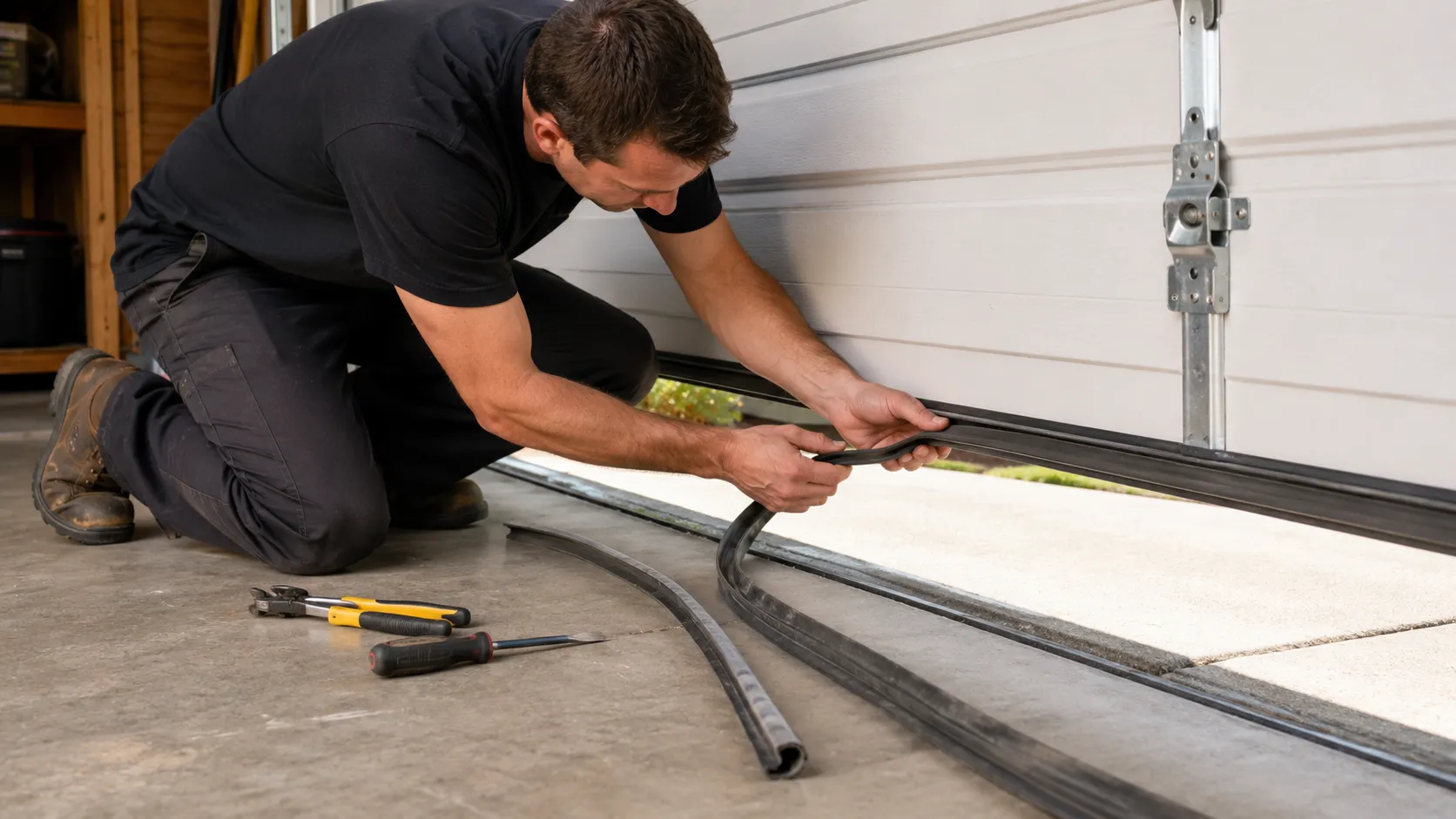
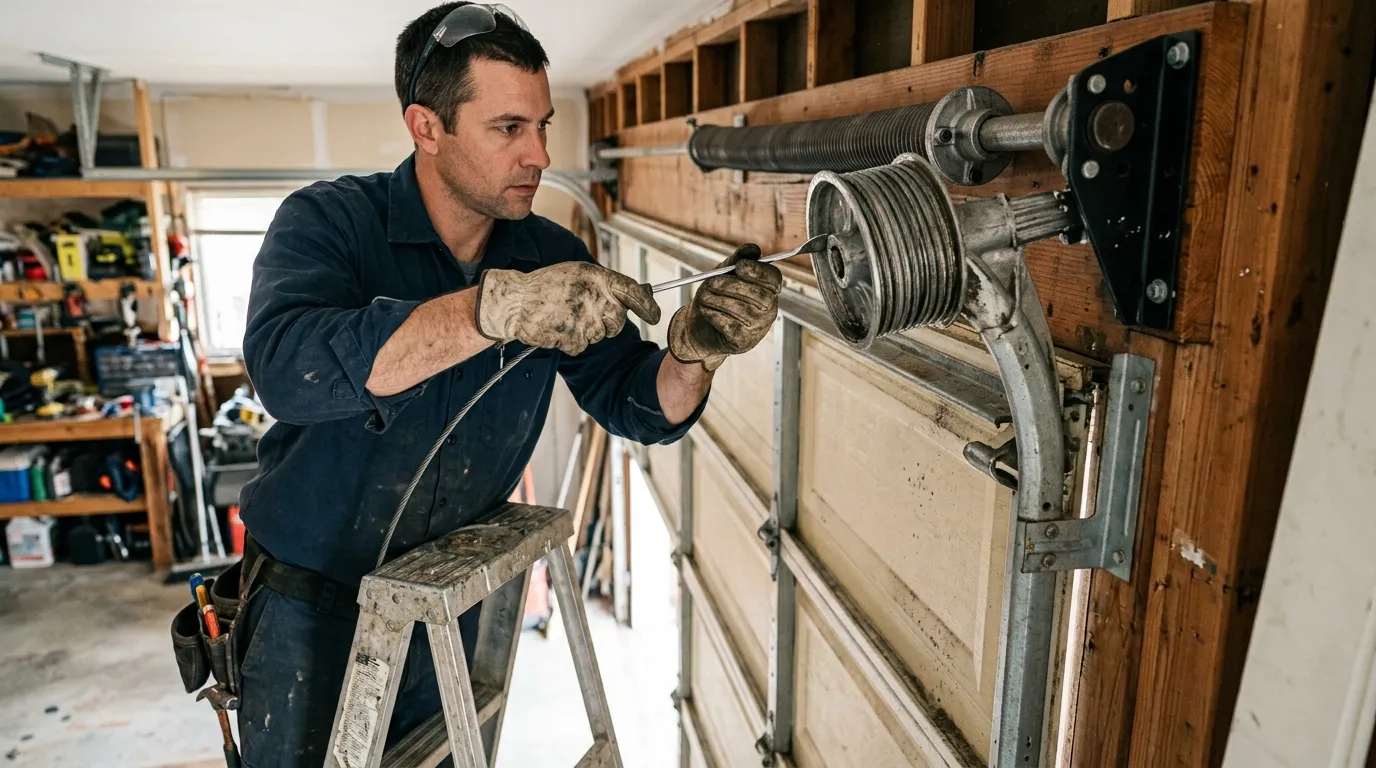
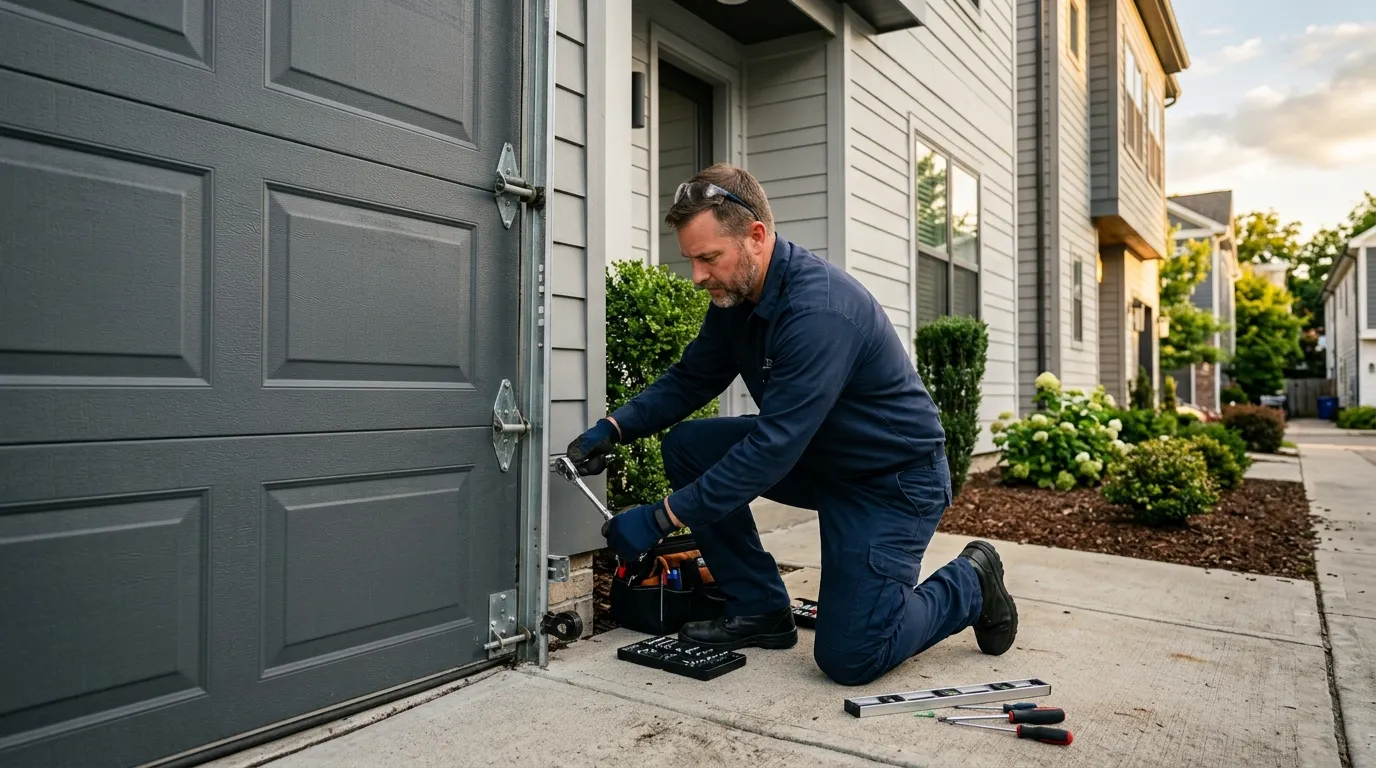
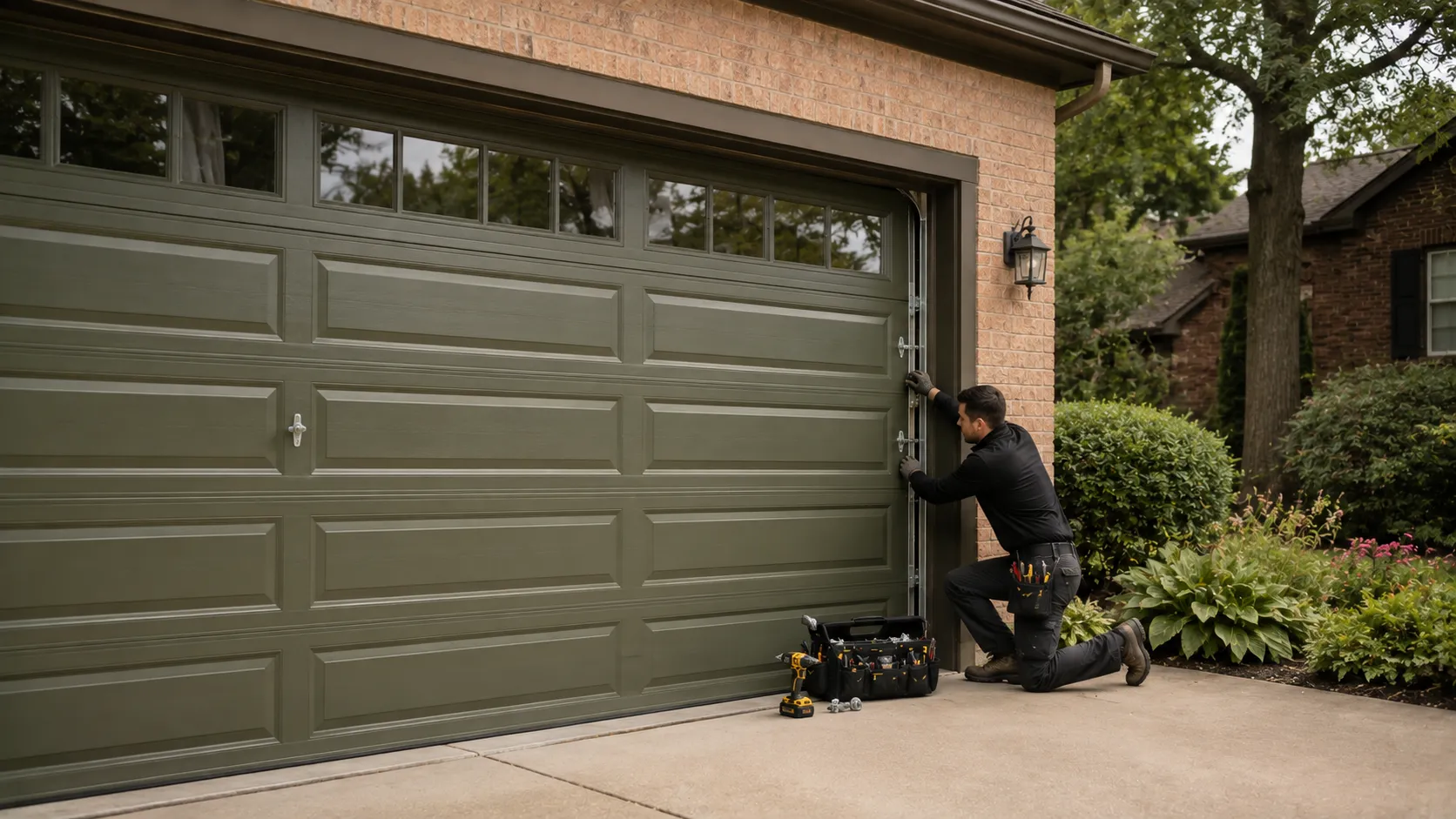
We don't have a street-by-street list for San Marco, so we won't pretend to know which block has which door. What we can tell you is what shows up on service calls across this part of Jacksonville: torsion springs that have cycled past their rated life, steel rollers pitted from years of humidity, and openers with logic boards that finally give out. The service area's climate sits in the mild temperate band, which is good news in one way - we're not dealing with frozen tracks or ice-locked bottom seals in January - but the same humidity that keeps winters easy also works on bare metal year-round. Unsealed track hardware and unpainted spring coils corrode faster here than they would in a dry climate, even without any dramatic weather event to point to. If your door is sticking, binding, or making a grinding noise on the way up, it's usually one of those three things: spring, roller, or opener gearing. We'll tell you straight which one it is before we quote anything, and if the fix is a $40 part instead of a full replacement, that's what we'll recommend.
Houses on These Streets
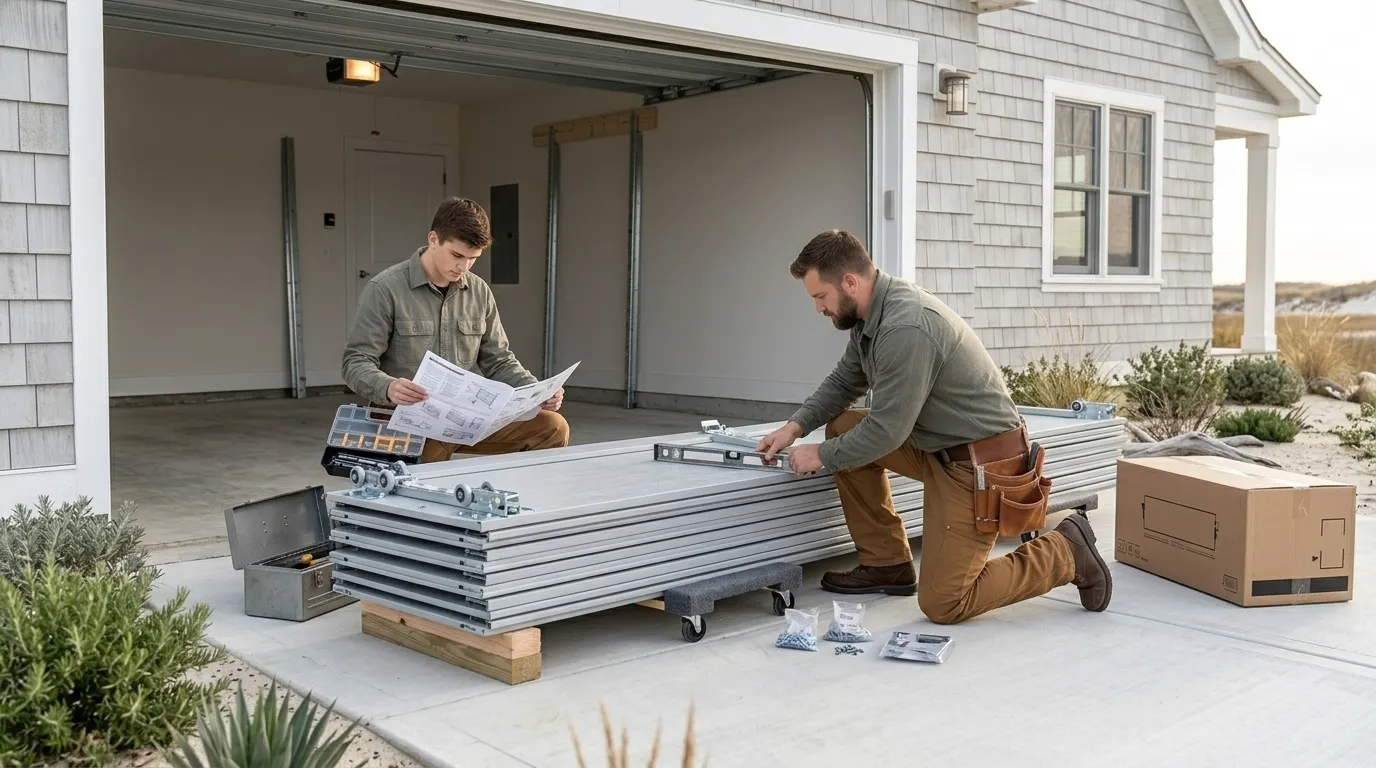
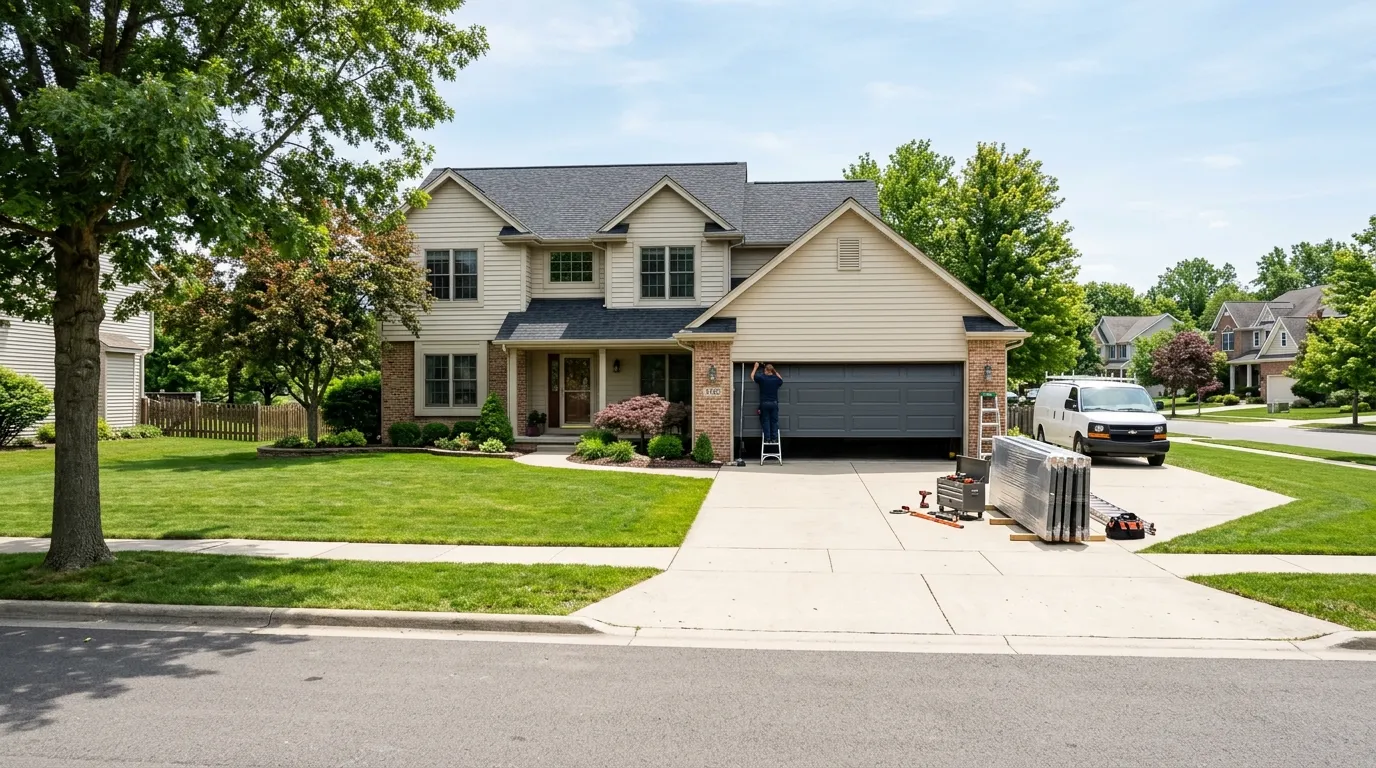
We don't have specific build-year records for San Marco itself, so we're not going to guess at a decade for your particular block. What we can say is that across the wider Jacksonville service area, most homes were built between 1973 and 2007, with 1985 as the median build year. That's a long stretch, and it means garage doors and openers on a given street can be anywhere from due-for-replacement to already-replaced-once. A door installed in the mid-1980s is well past the design life of its springs, and if it's still on the original opener, the drive gear is probably worn plastic rather than the steel gearing used in newer units. Median household income across the service area runs $103,288, and at that income level we more often see owners choose a clean opener swap over patching a failing board with parts that are getting hard to source. If your door is from that era and the springs, rollers, and opener are all original, replacing the set together usually costs less in the long run than fixing each piece as it fails.
Where This Is
San Marco sits about two miles south-southeast of downtown Jacksonville. From there, Southbank is roughly two miles south-southeast as well, Springfield is about a mile northeast, and Downtown itself is around a mile south-southeast - all inside our normal run for the day. Farther out, places like San Marco's neighbors Riverside (2 mi SW) and Spring Park (3 mi SE) fall in the same general loop, so a job in San Marco rarely means a special trip. We're not going to name a street we don't have on file, but geographically this is close-in territory for us, not the edge of a service map.