What Is on These Garages
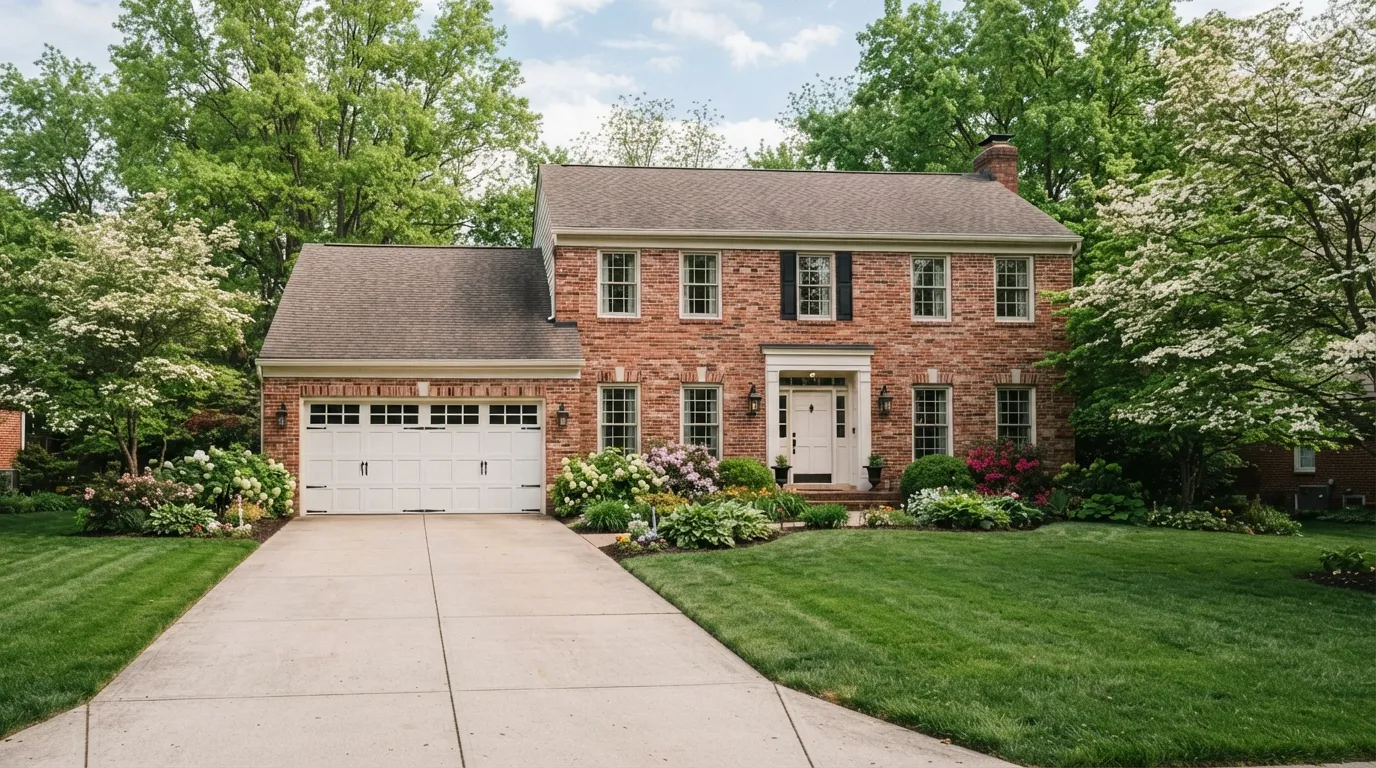
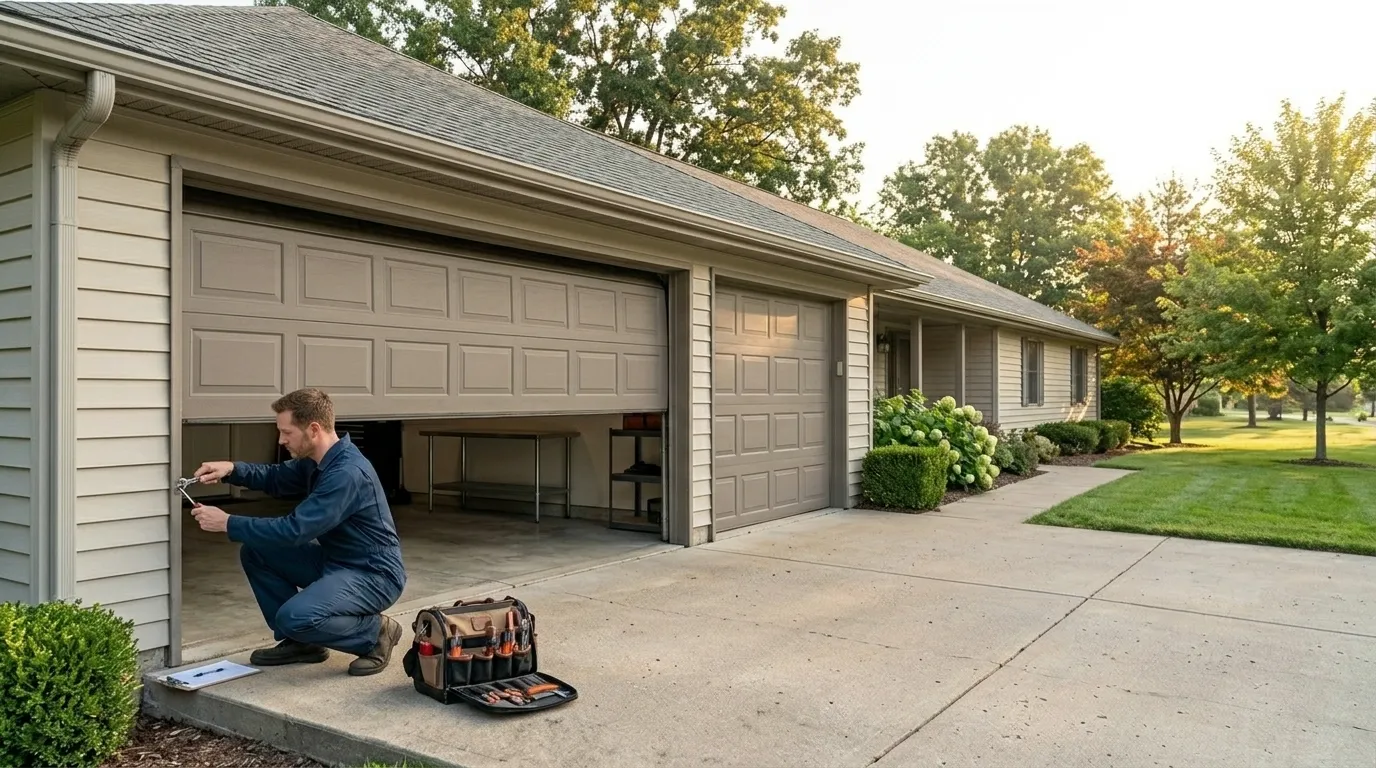
Picketville's houses mostly went up between 1973 and 2007, with the typical build year landing around 1985. That window matters more than most homeowners realize. A door hung in 1985 came standard with a raised-panel steel skin, a single torsion spring on most single-car openings, and an opener that's probably been swapped once or twice since. Doors from the later end of that range, closer to 2000, are more likely to carry a second spring on double-wide openings and a keypad instead of a wall button.
Jacksonville sits in a mild temperate climate band, which is good news and bad news for a garage door. Good news: no frozen tracks, no ice building up on the bottom seal in January. Bad news: heat and humidity don't take a day off, and steel hardware left outside its lubrication schedule corrodes faster here than it does somewhere with a real winter to slow the process down. Galvanized rollers and torsion springs from the 80s and 90s are usually the first thing to show it - a spring that's lost its coating rusts from the inside of the coil out, and it fails without much warning.
We don't have a landmark or a street list for this neighborhood, so we're speaking to the housing era in general terms. If your door doesn't match that profile, the specifics below may not apply.
Houses on These Streets
Builder-grade steel doors from the 1973-2007 window are the norm here, not the exception. Most are single-layer or thin double-layer steel, not the insulated three-layer doors that came standard later. That matters for two things: noise, since a hollow steel door booms when it closes, and heat transfer, since an attached garage under a bedroom can run ten or fifteen degrees hotter than the rest of the house in summer.
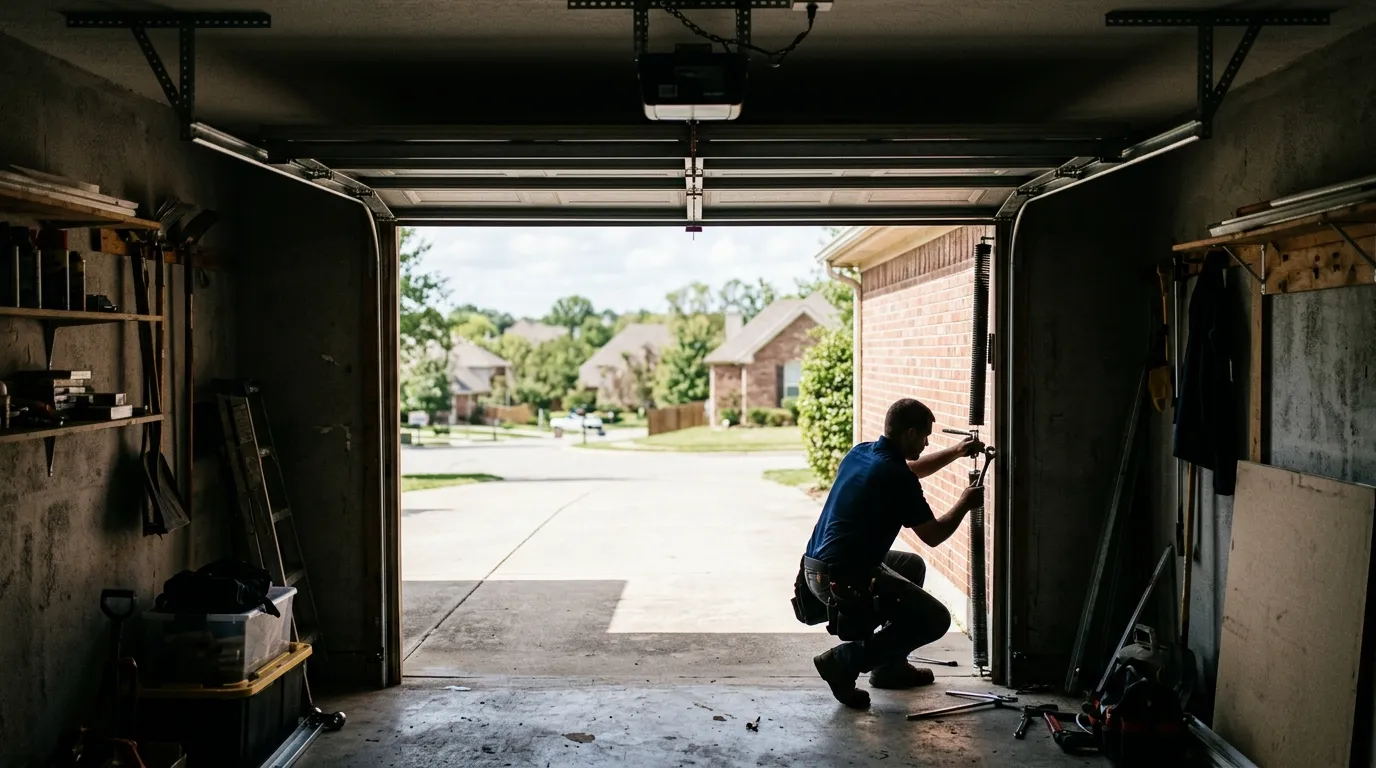
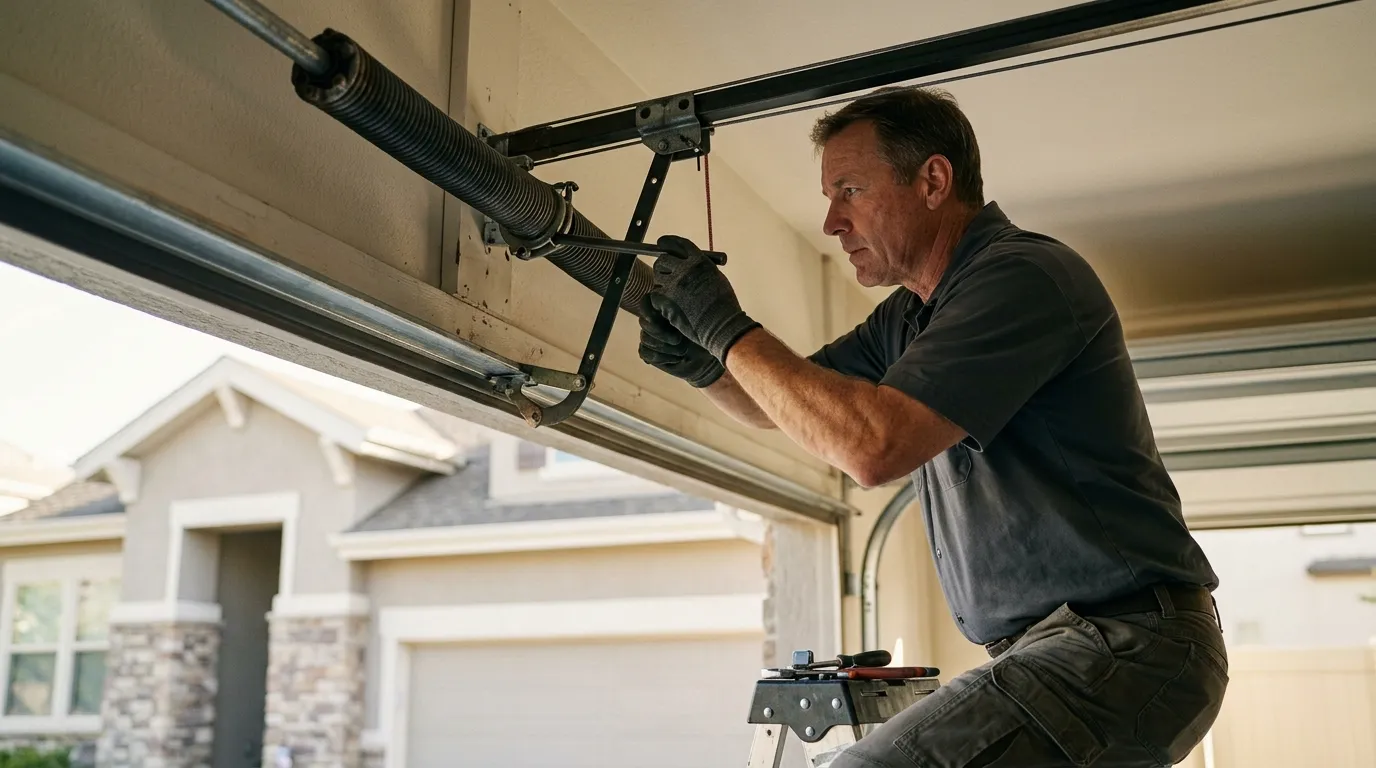
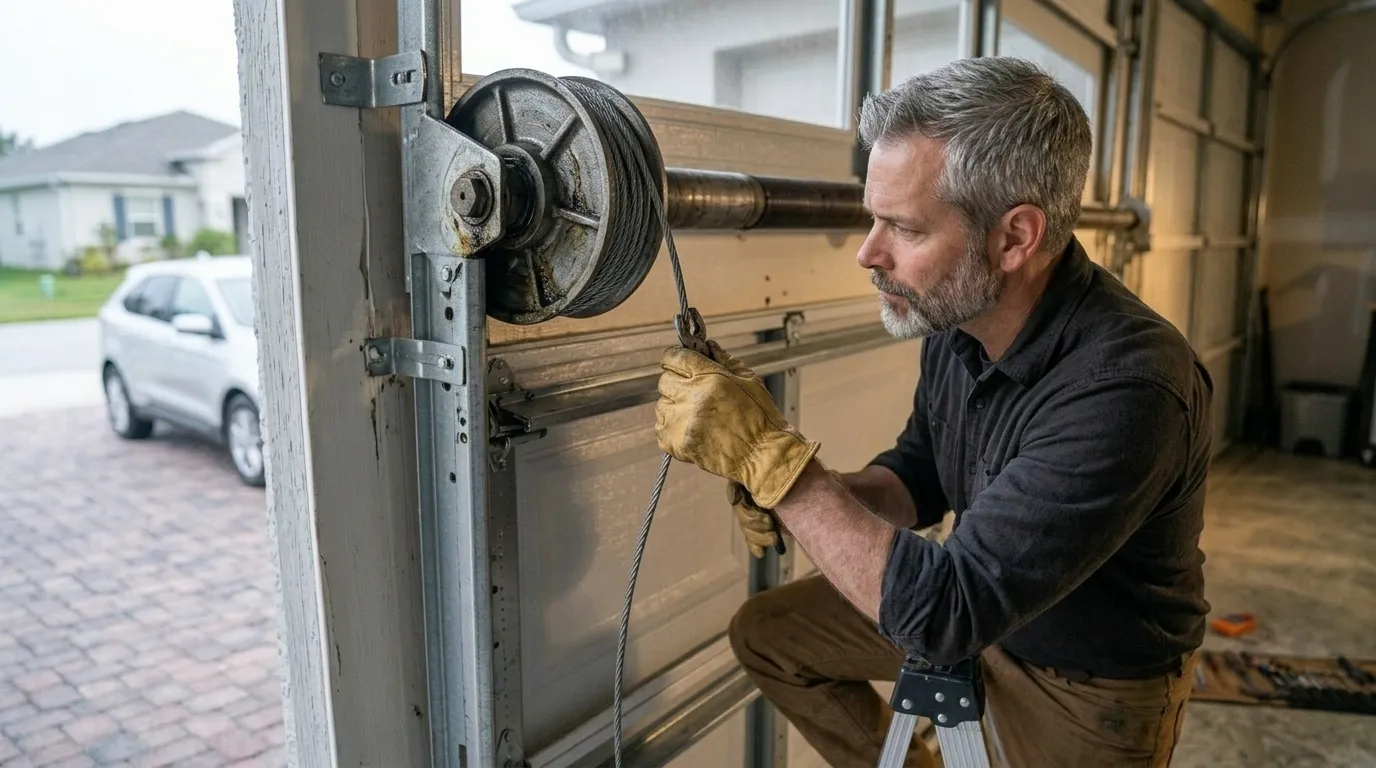
Spring setup depends on when the house went up. Earlier builds in this range often ran side-mounted extension springs with the exposed cable and pulley system - the kind that's been outlawed in a lot of new construction because a broken cable can snap and whip. Homes closer to the 2000 end of the range are more likely to already have torsion springs on a shaft above the door, which is safer and generally cheaper to service.
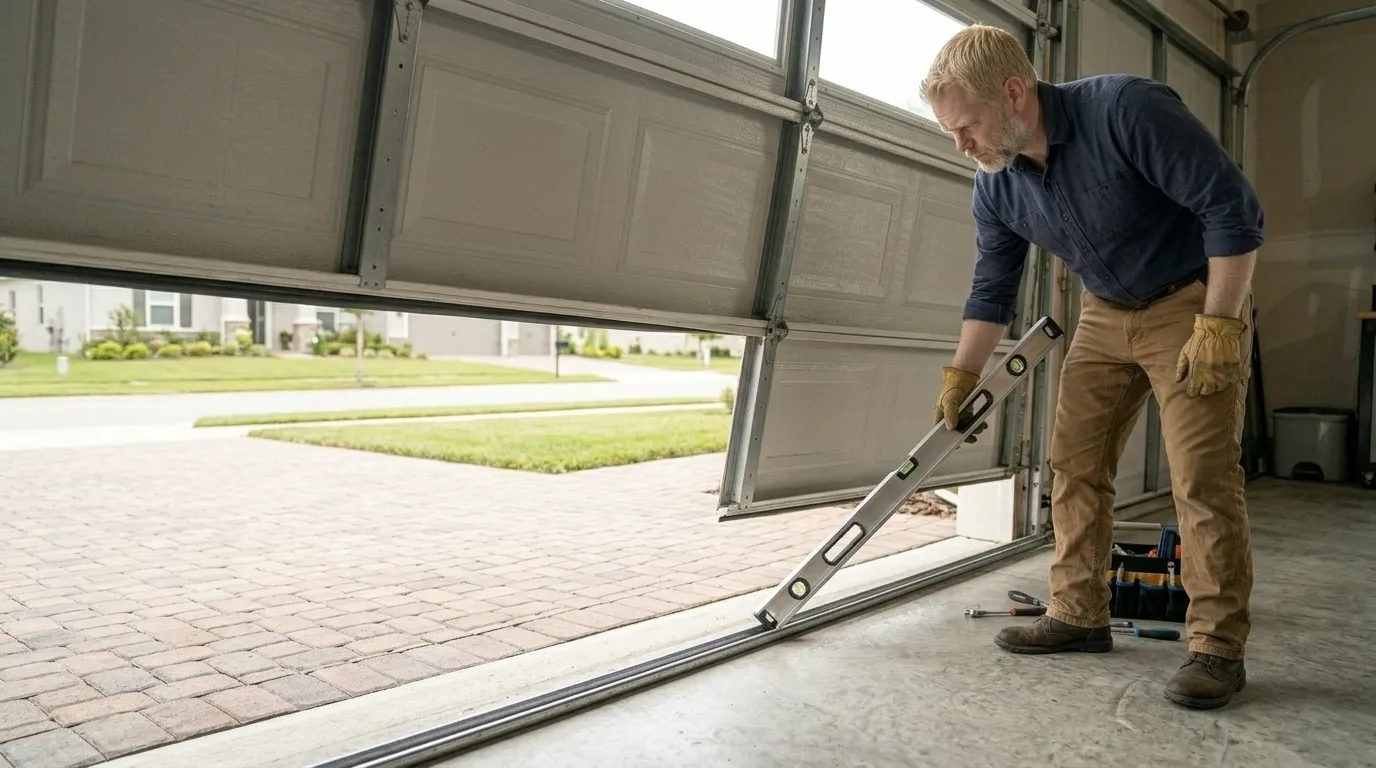
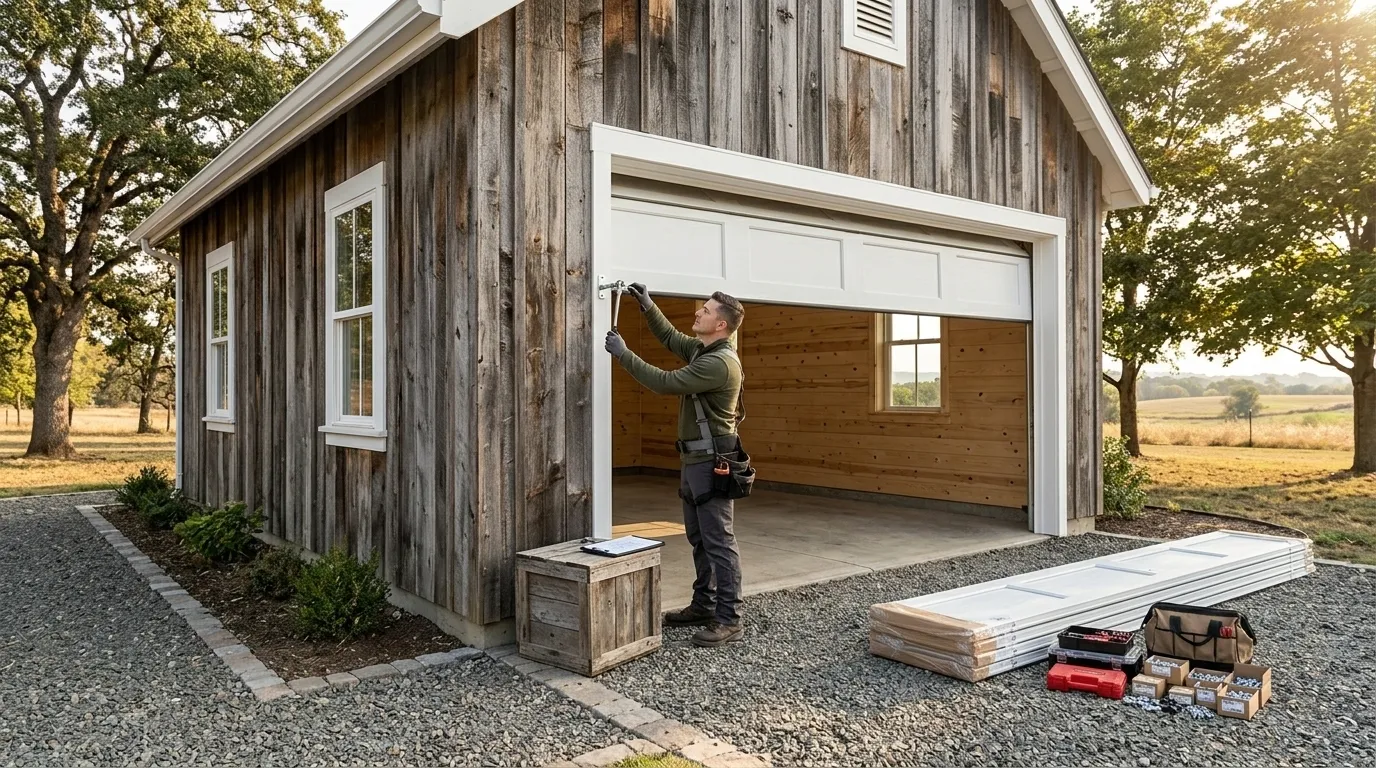
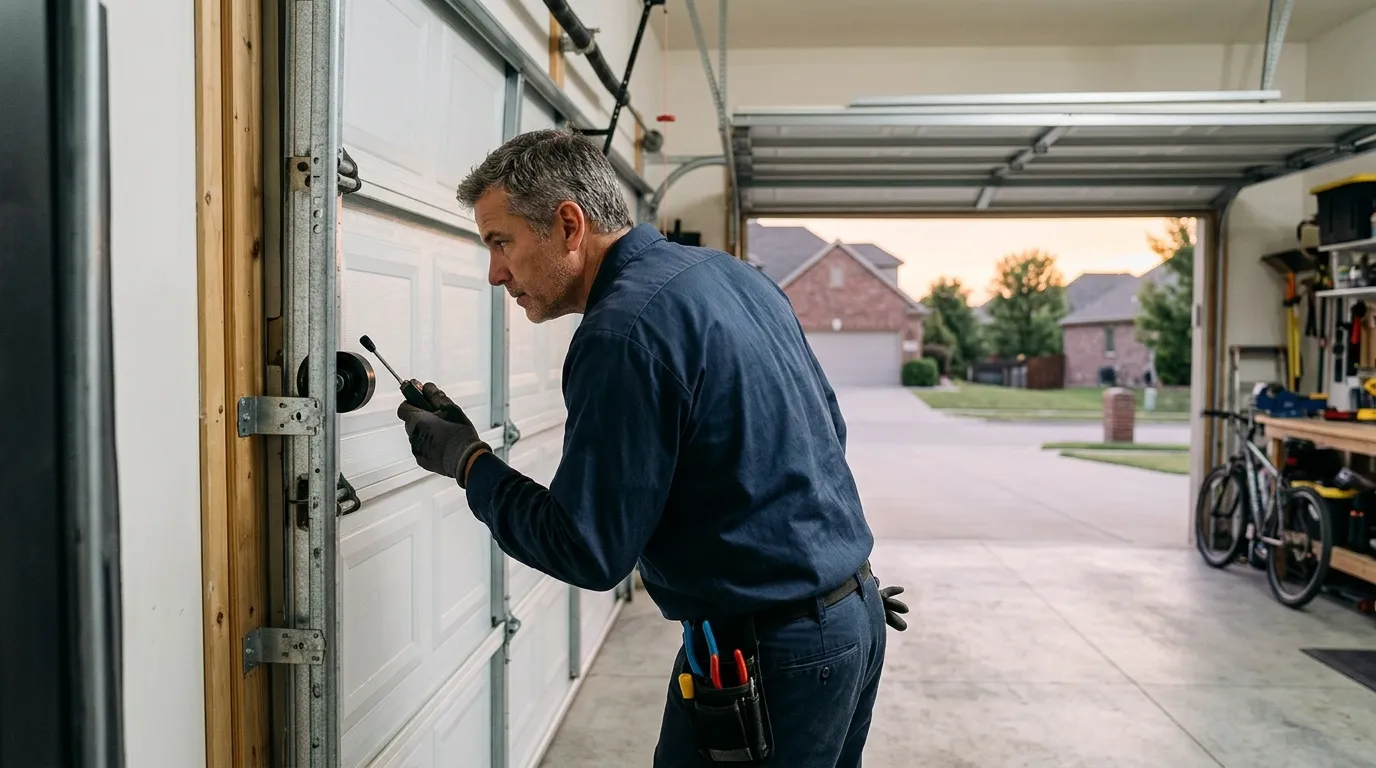
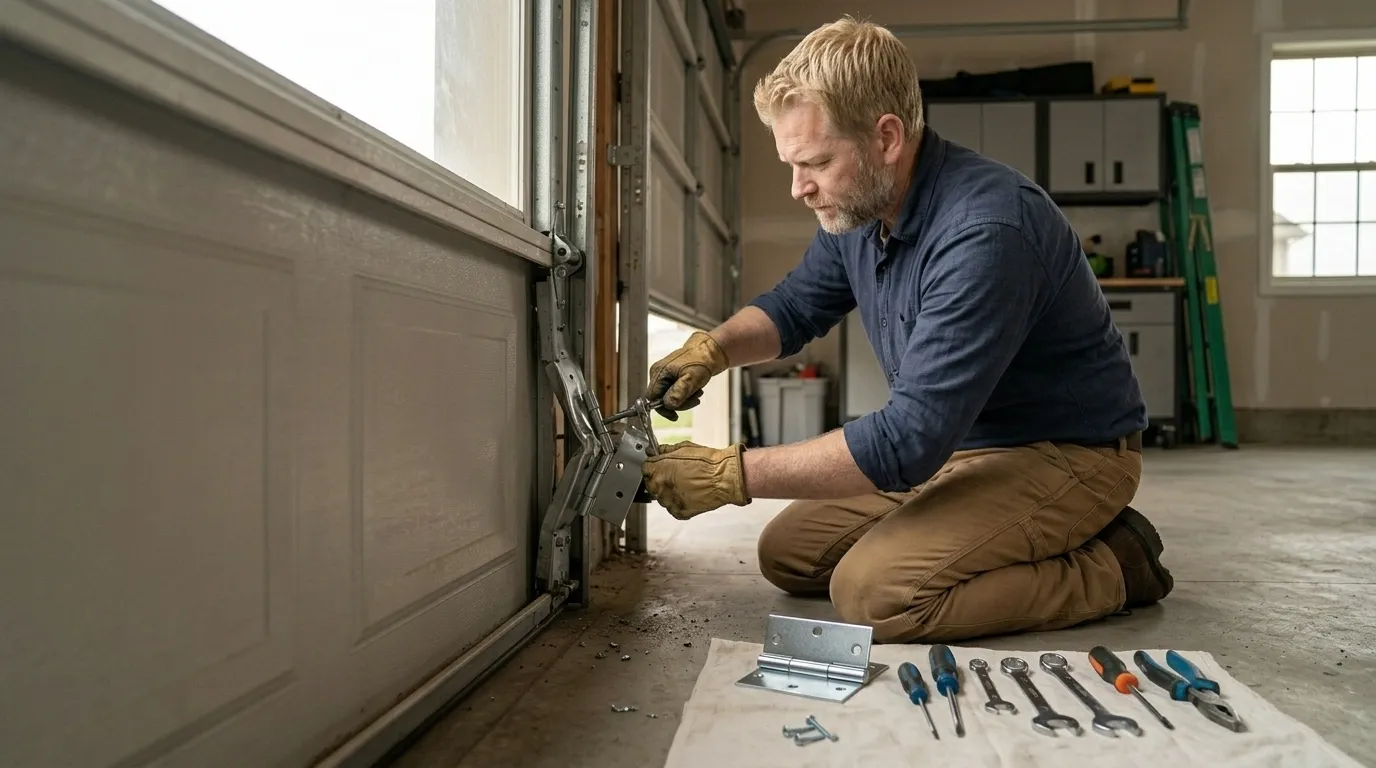
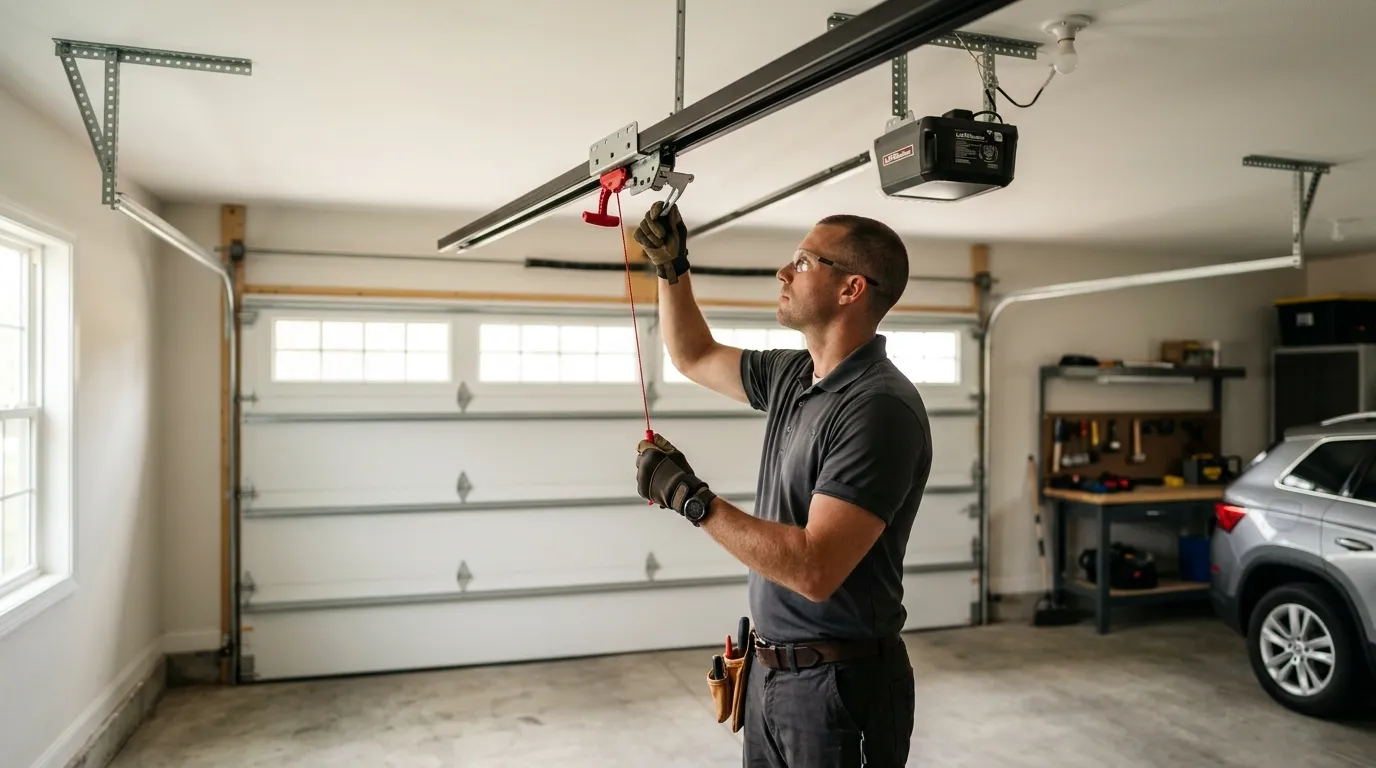
Tracks and rollers on original hardware from this era are usually galvanized steel rollers on steel track, no nylon, no ball bearings. They work fine for years and then they don't - a bent track from a bumped car, or rollers worn oval from three decades of cycles, are the two most common calls we'd expect from stock this age. If a door here has never been replaced, the opener is probably not original; most chain and belt drives from the 80s didn't last 40 years even with maintenance.
Where This Is
Picketville sits about six miles west-northwest of downtown Jacksonville. It's inland from the closer-in neighborhoods that ring the urban core - Hogan's Creek sits right at the center, Springfield and Mid-Westside are about a mile out to the northeast and northwest, and 45th & Moncrief is roughly three miles out to the north-northwest. Moving further out in the same general direction, Magnolia Gardens sits about four miles northwest and Woodstock about four miles west, which gives a rough sense of how this side of the city is laid out relative to Picketville's spot at six miles.
Across the wider Jacksonville service area there are 86,151 households, with 48,862 of those in owner-occupied houses - the kind of stock that tends to match Picketville's own mid-70s-through-2000s build profile rather than the newer subdivisions further out toward Oakleaf or Fleming Island. We don't have a landmark to point to inside Picketville itself, so this section is built on direction and distance rather than a street-by-street map.