What Is on These Garages
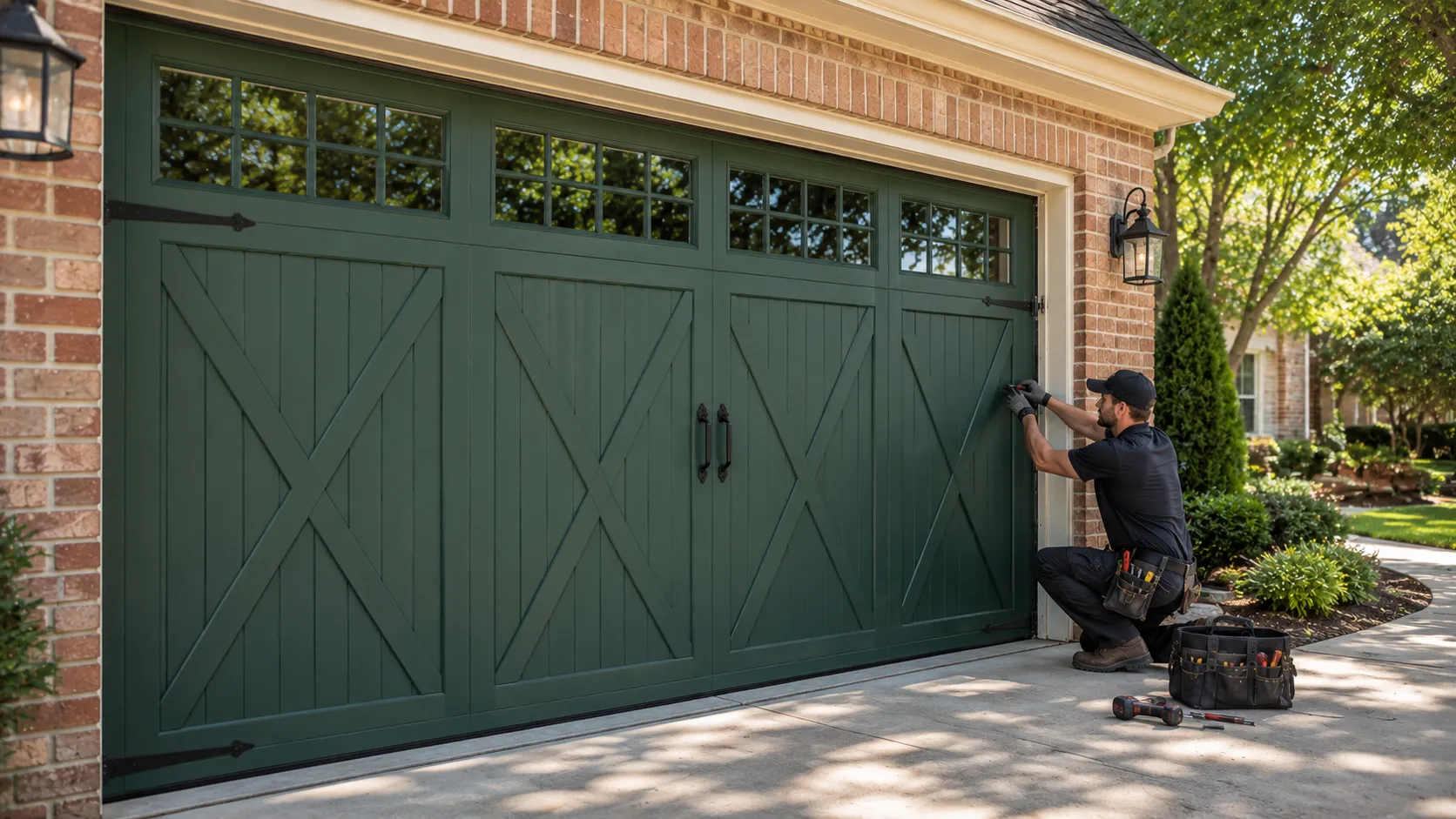
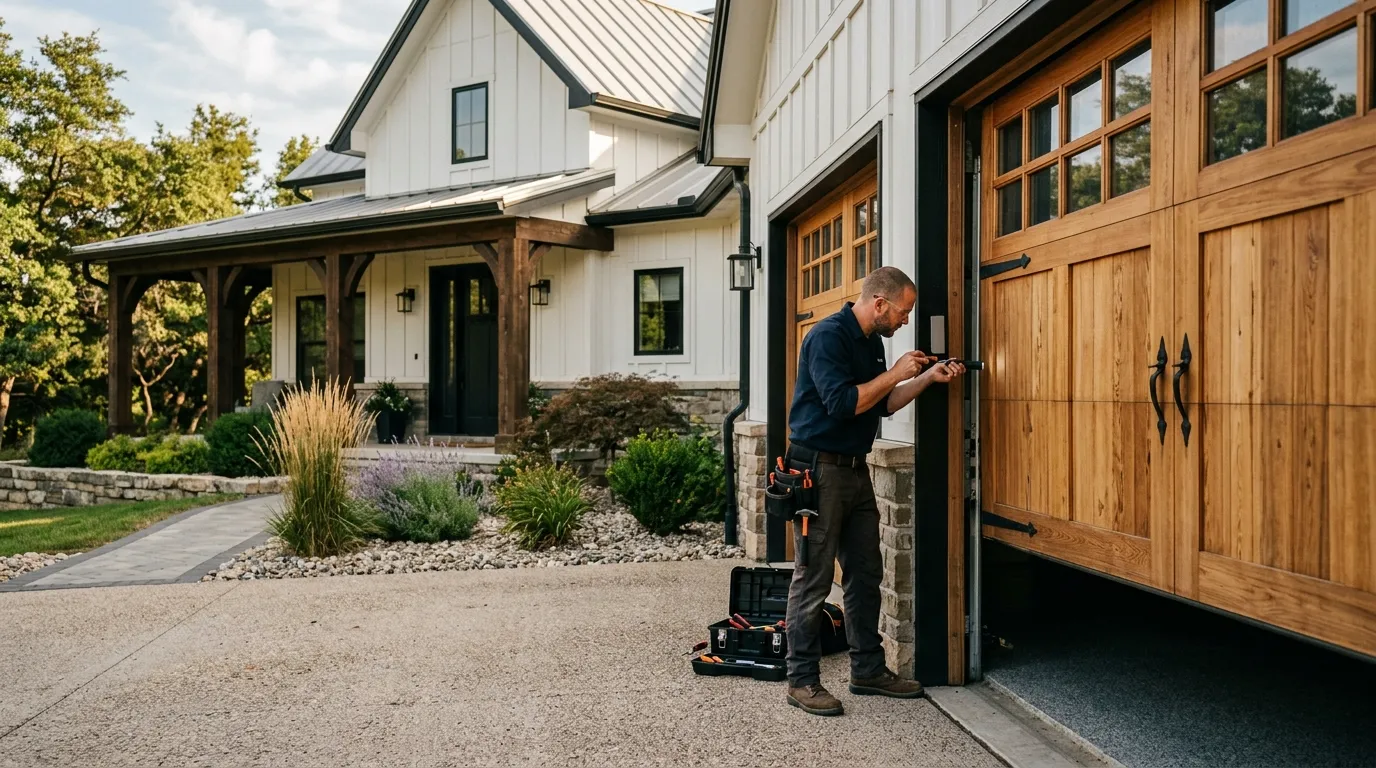
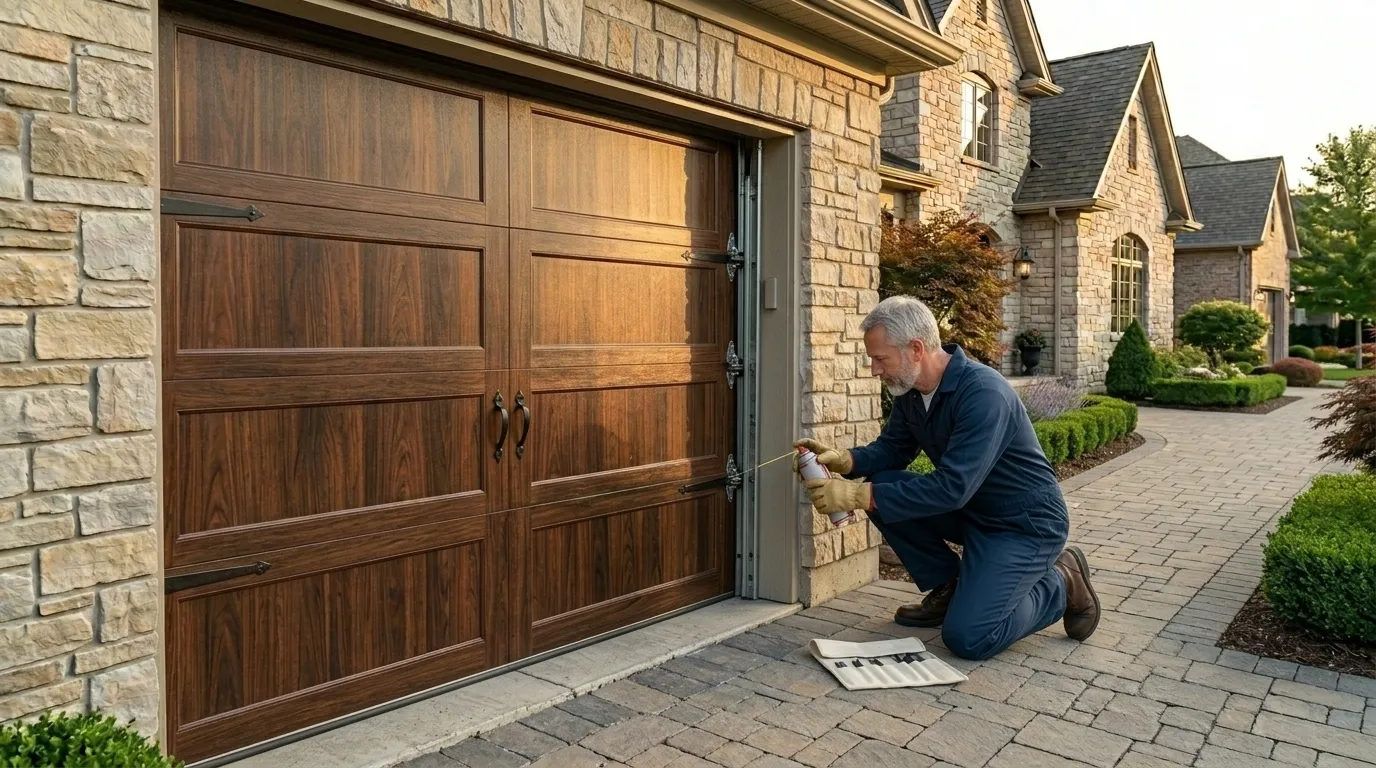
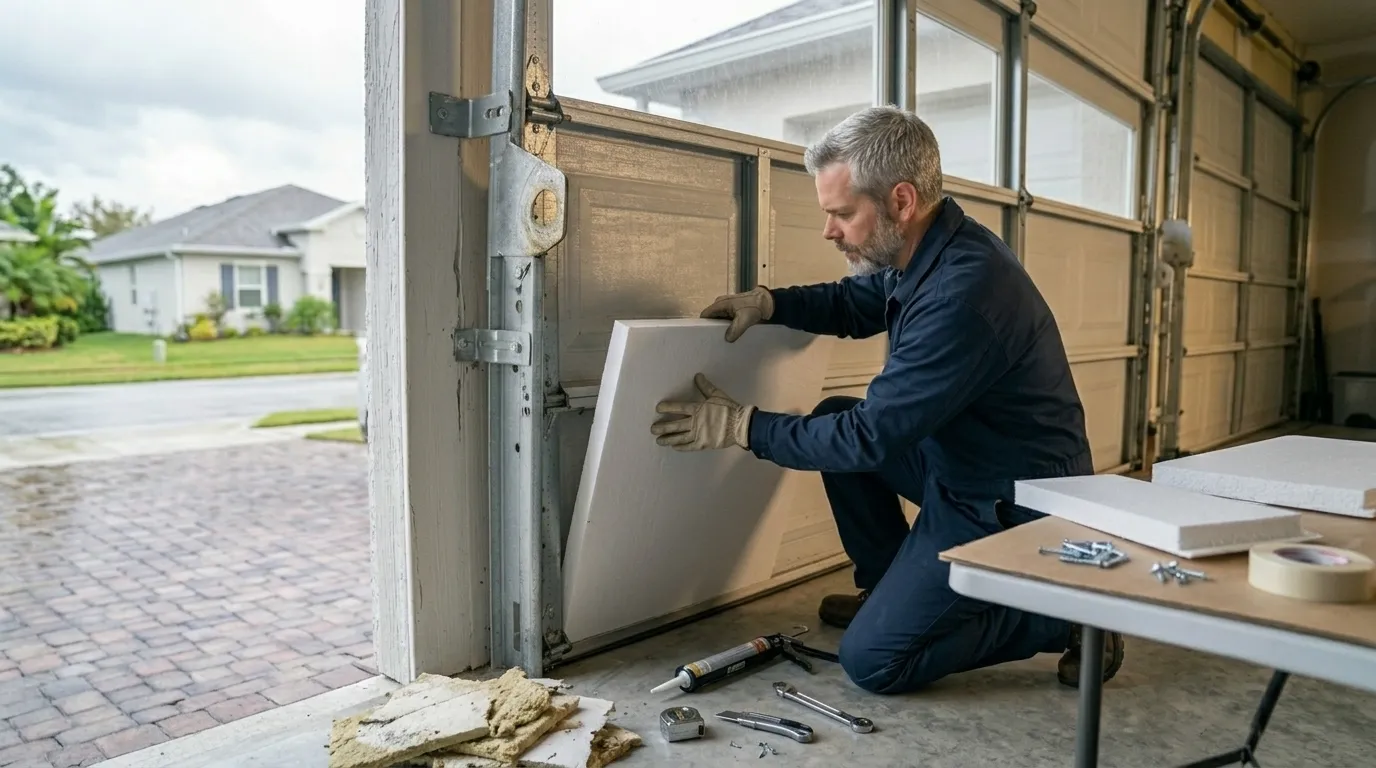
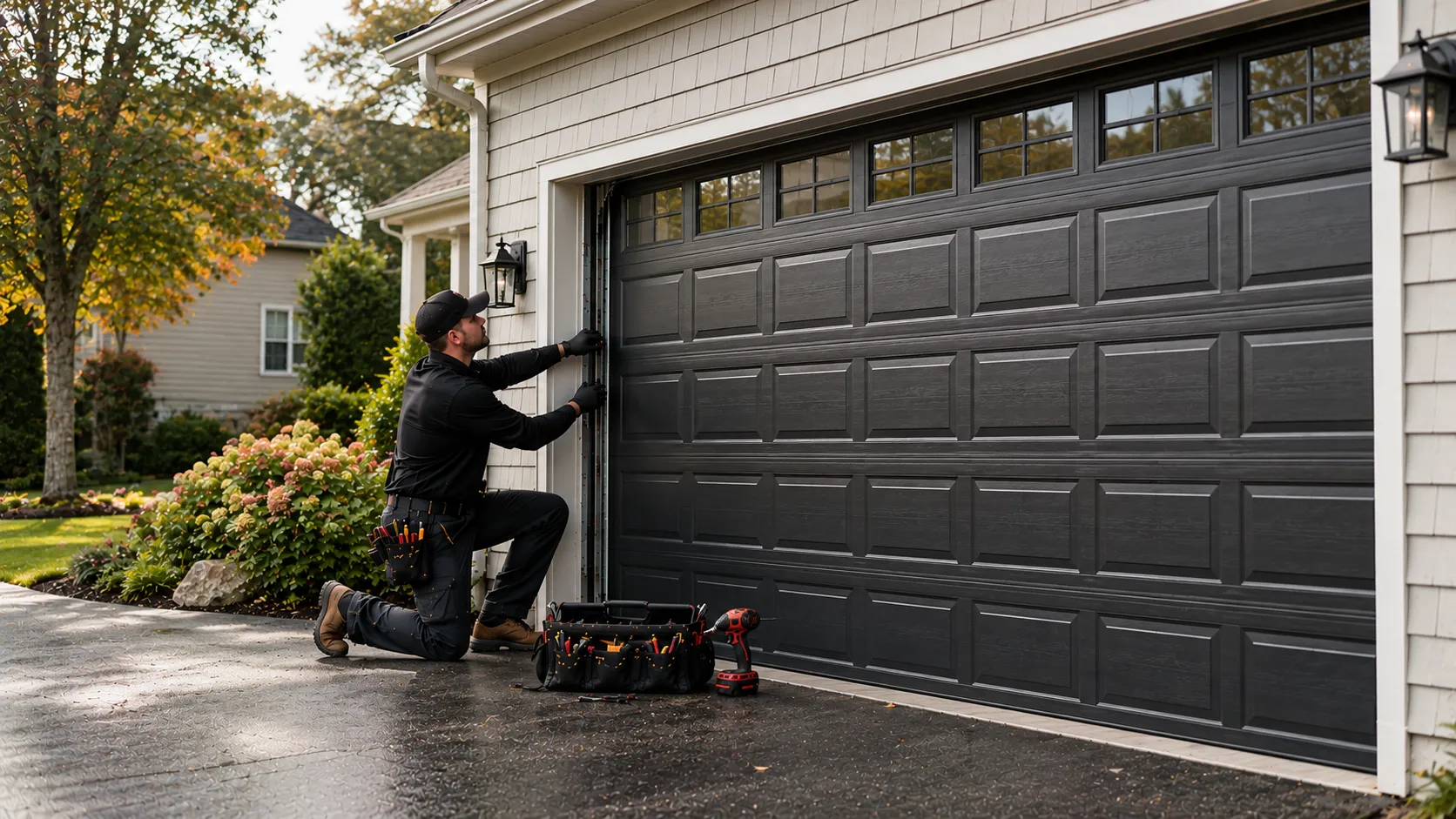
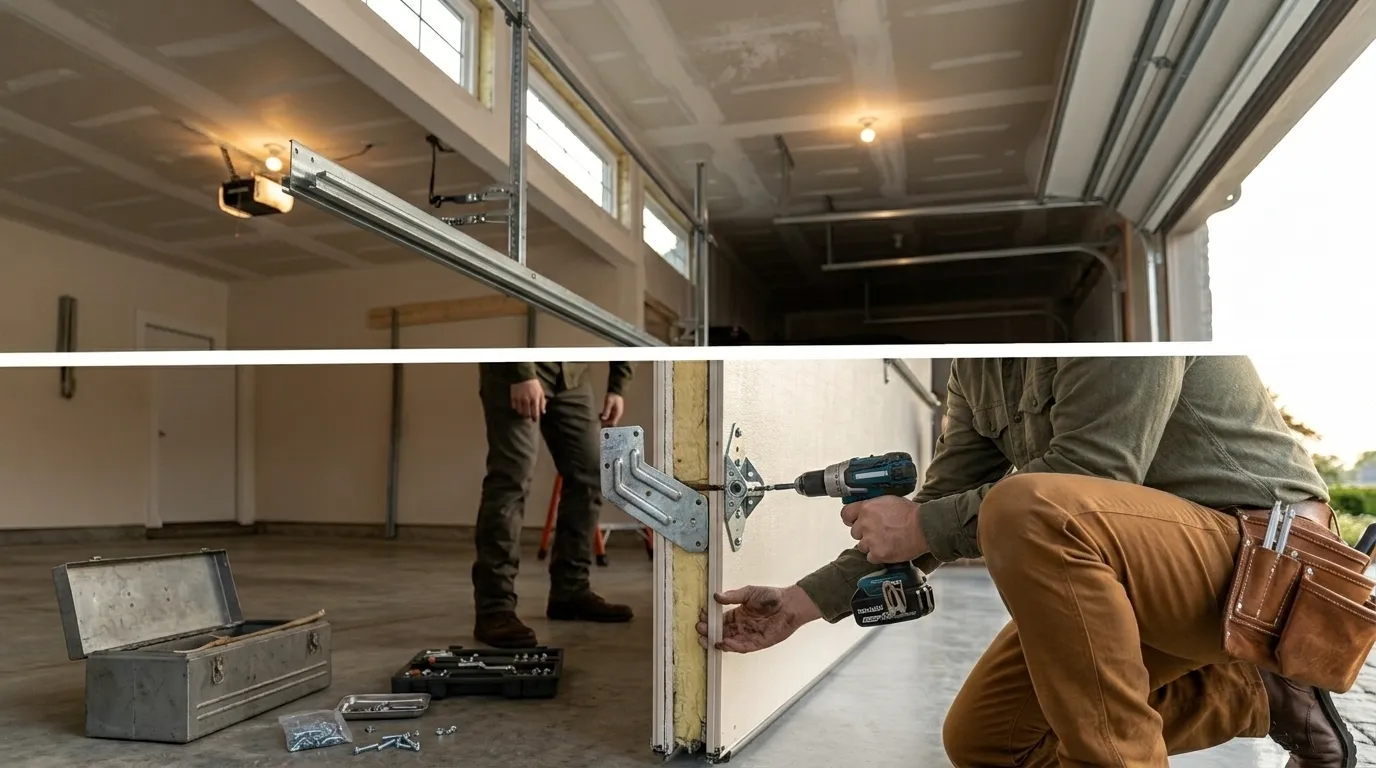
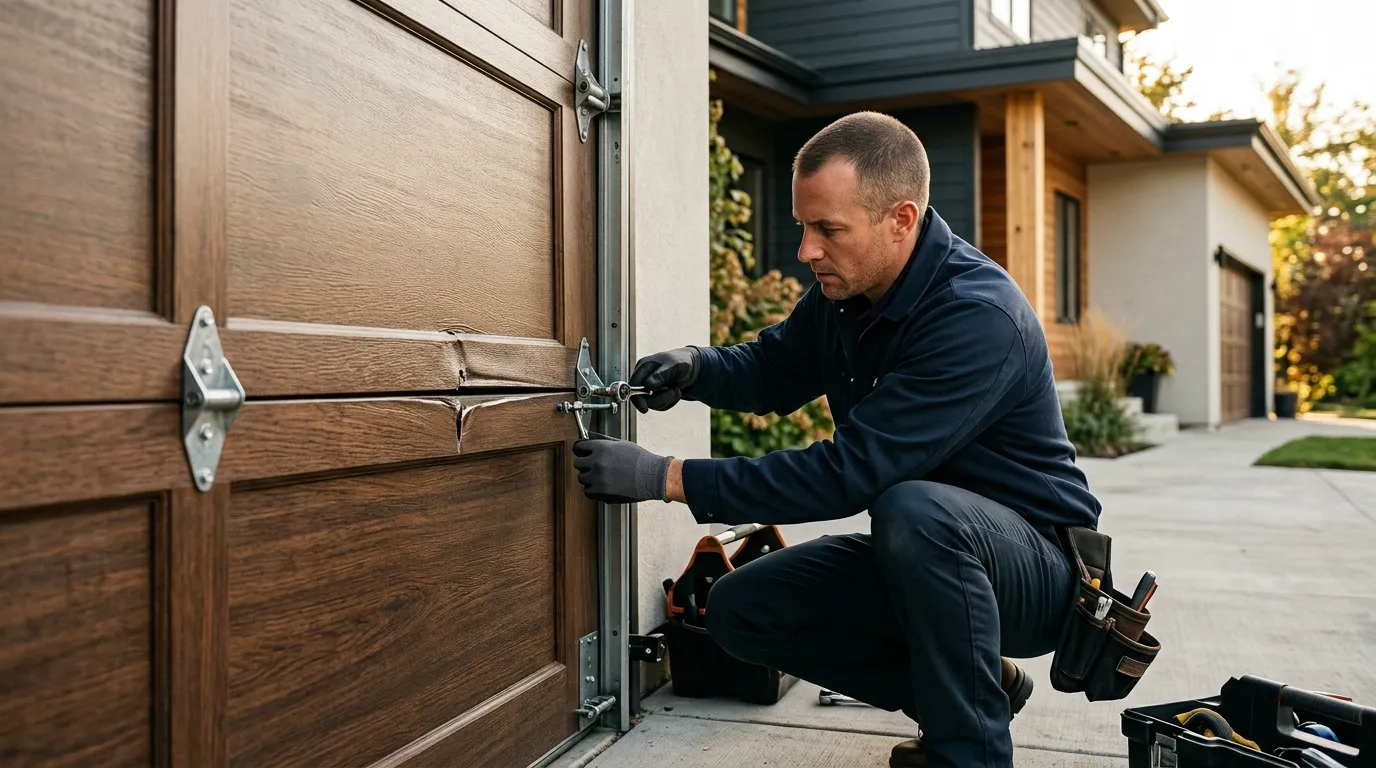
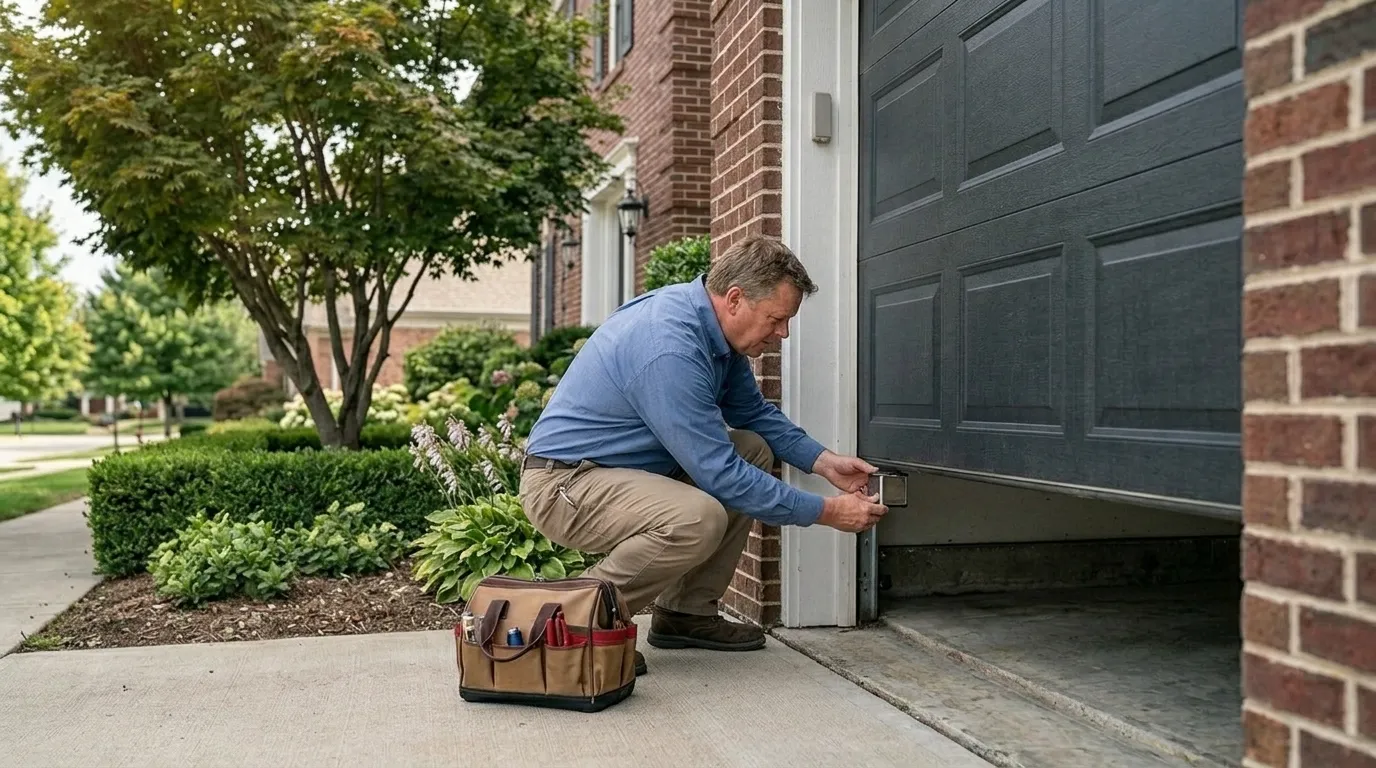
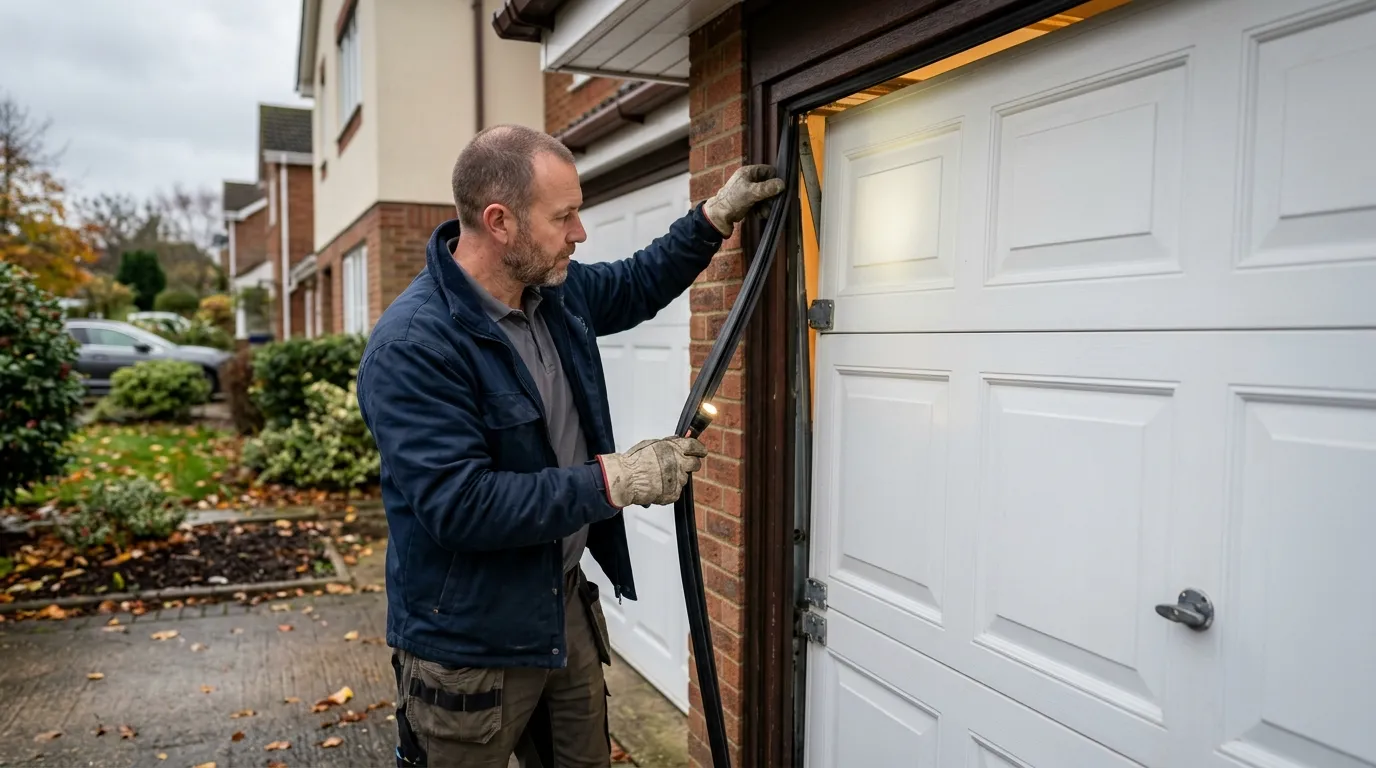
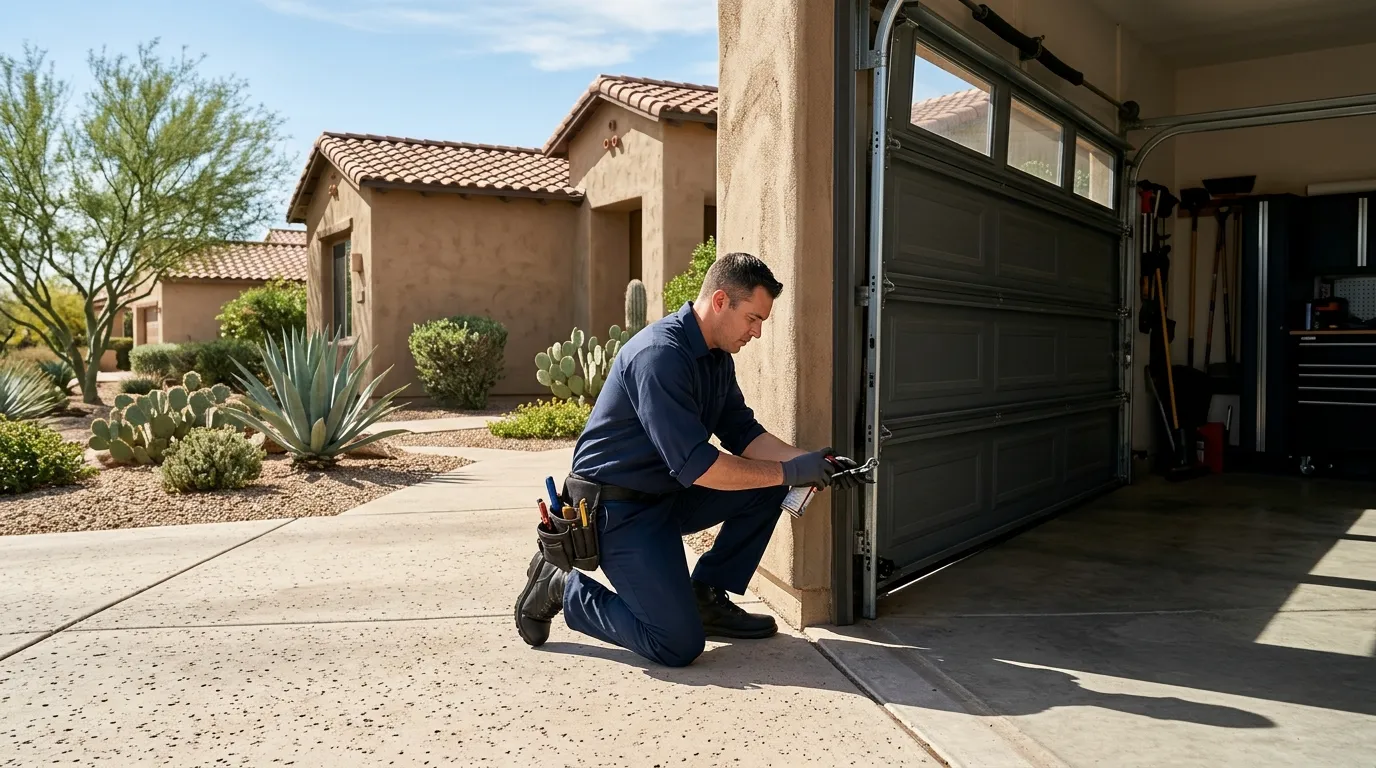
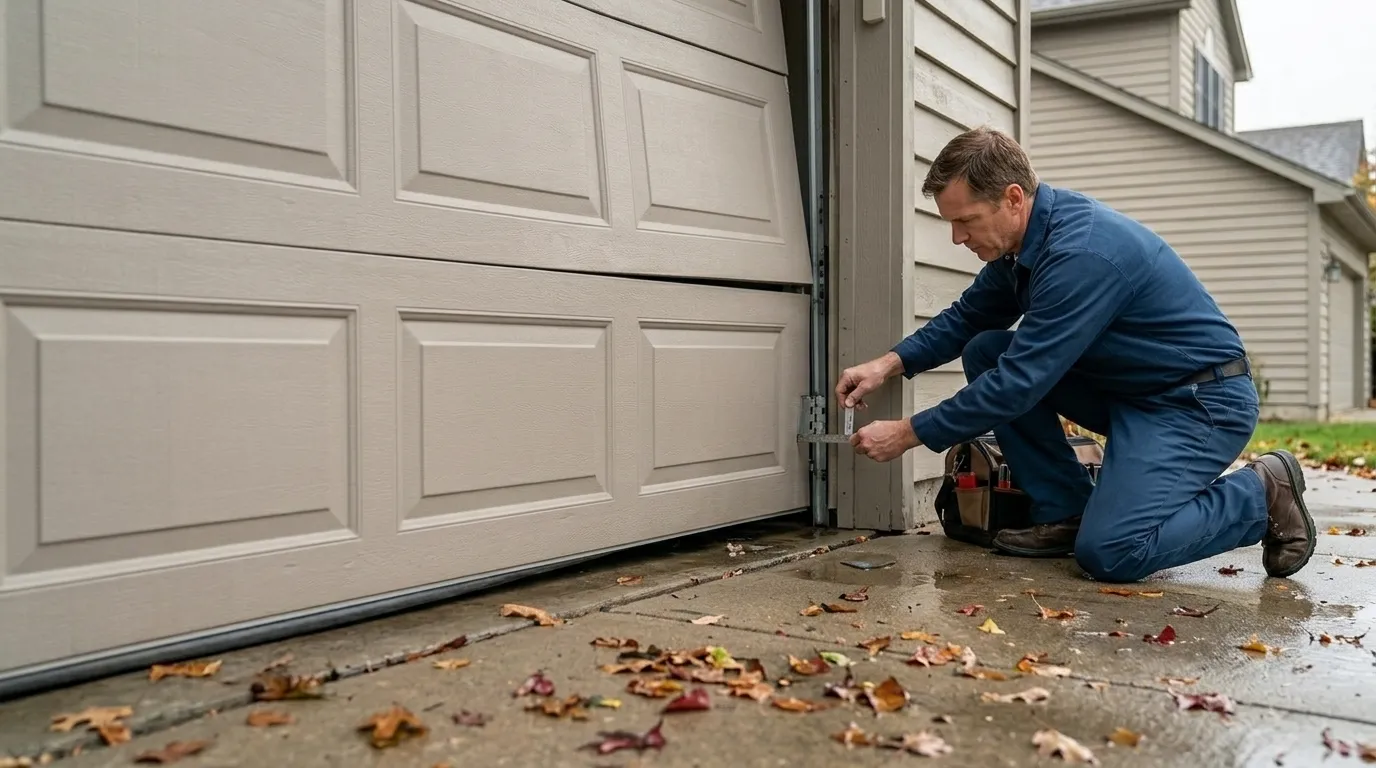
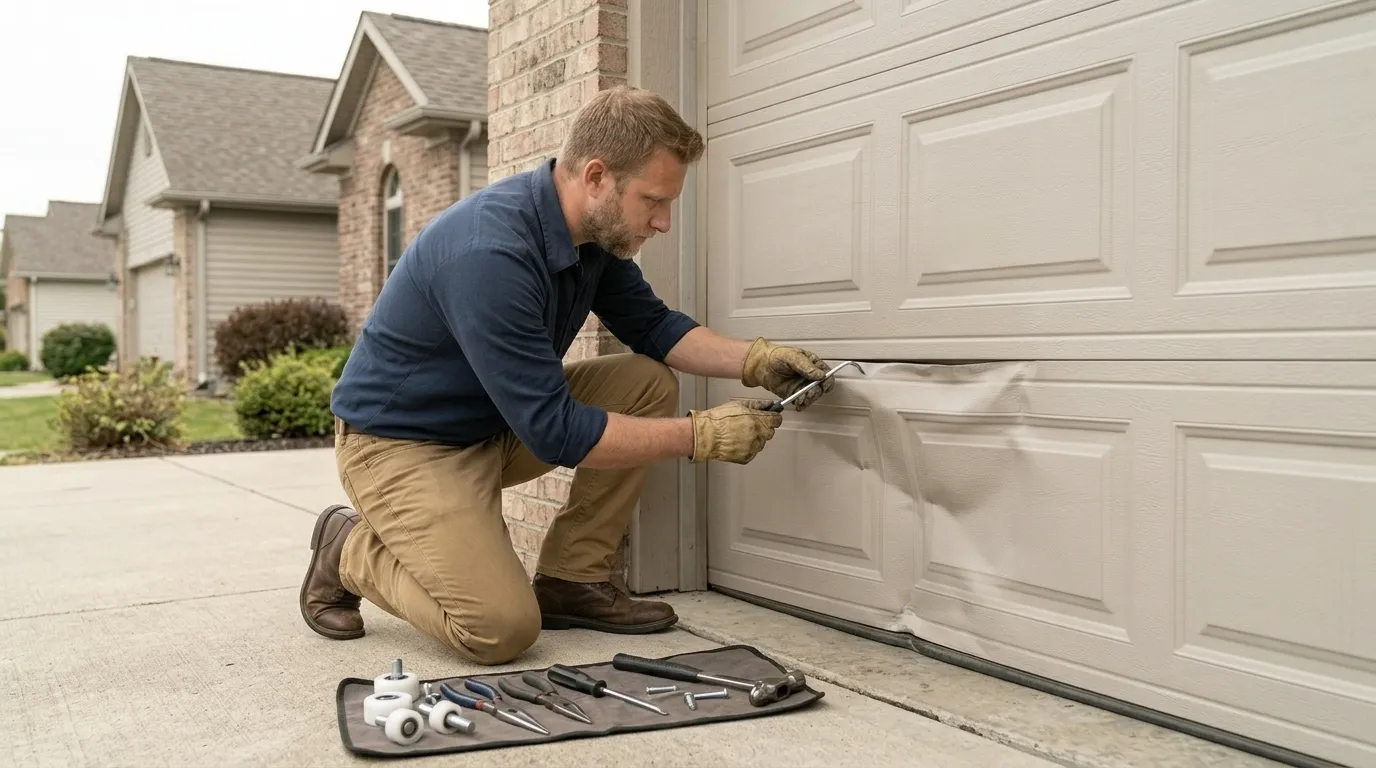
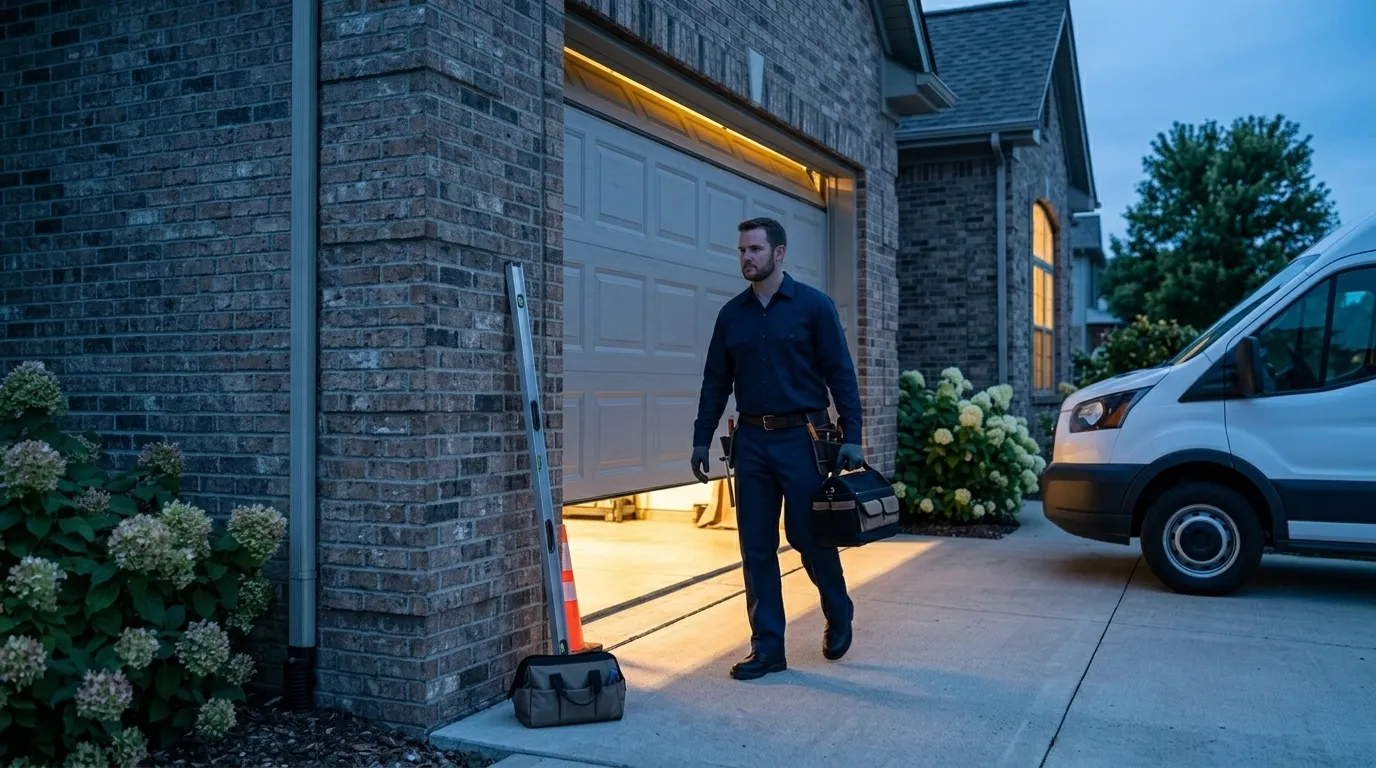
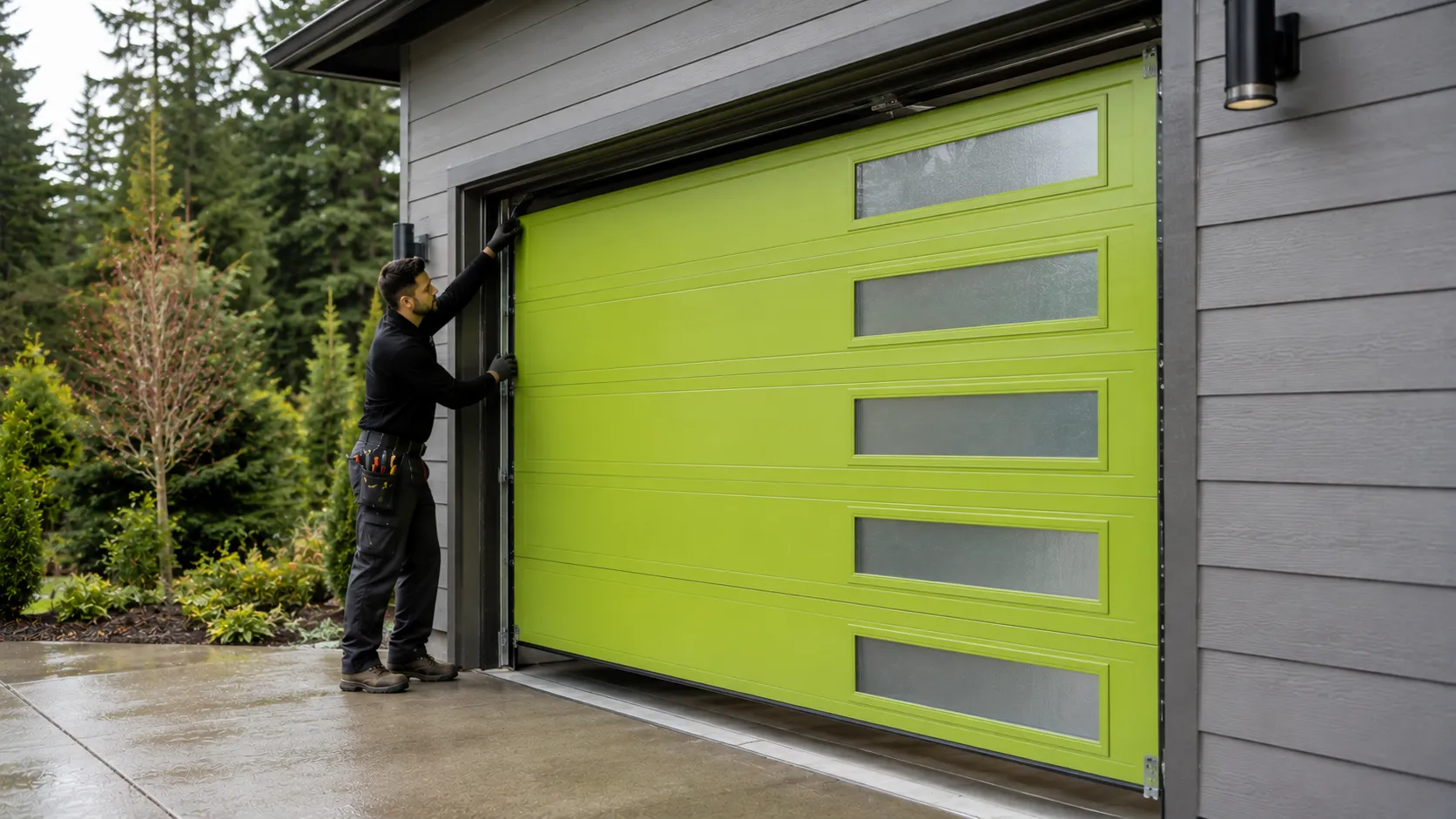
Homes in this part of Jacksonville were mostly built between 1973 and 2007, with the bulk going up in the 1980s and 90s. That means steel single-layer doors on torsion springs mounted over the header, not the older extension-spring setups you'd find on a pre-1970s garage. Openers from that build era are usually chain-drive units bolted to a ceiling rail, and a lot of them are still the original unit or a like-for-like replacement from years back. The mild climate band this stretch of Jacksonville sits in doesn't force insulated doors the way a hard-freeze market would, but summer heat still argues for it if the garage gets used as more than storage. What we see most on service calls out here: worn rollers, torsion springs that have finally given out after years of cycling, and chain-drive openers with stripped gears. None of that is unusual for a door this age - it's wear, not a defect, and most of it is a straightforward fix.
Houses on These Streets
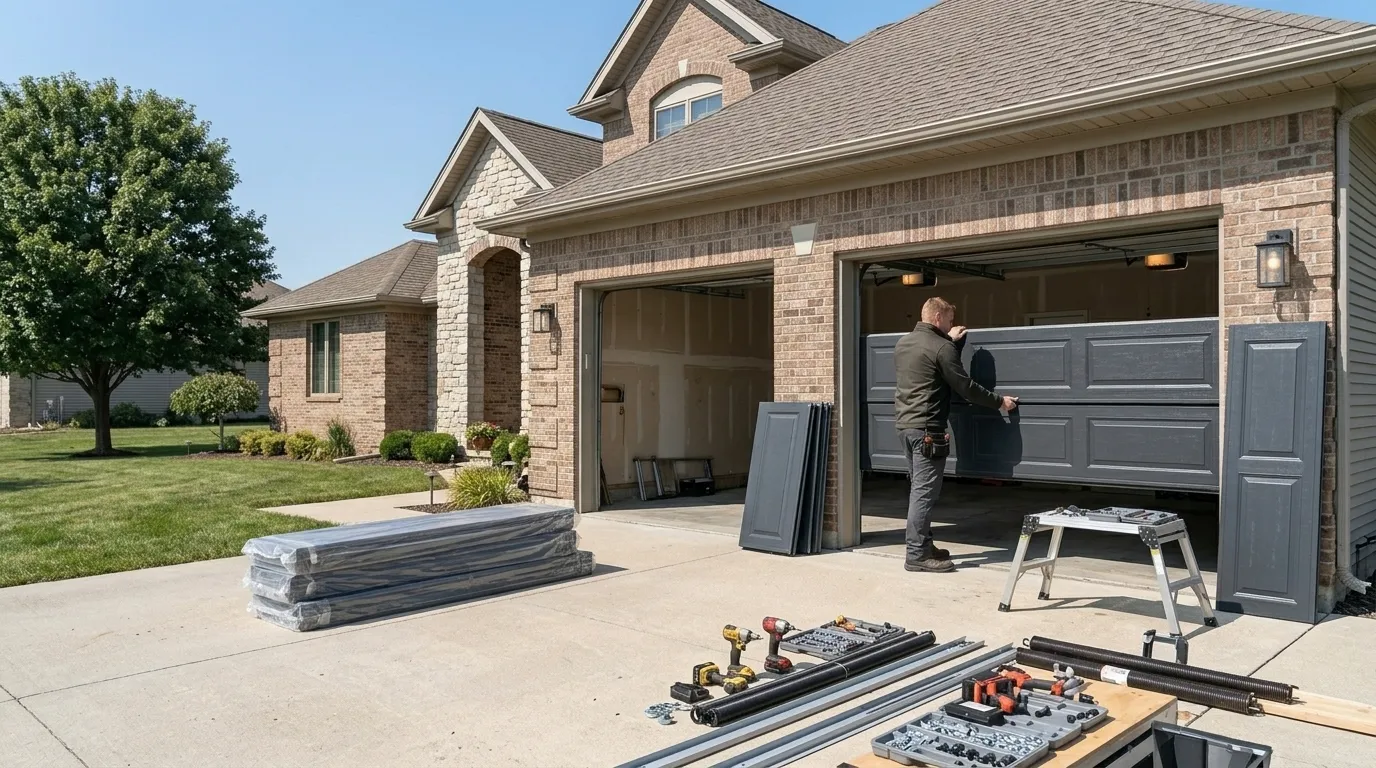
Across the wider service area there are close to 86,000 households and just under 49,000 owner-occupied houses, spread over more than a dozen named parts of the city with housing stock leaning the same direction - built mostly through the 1980s and 90s. Median household income across that area runs a bit over $103,000, which tracks with what we see in the field: owners who fix a door instead of leaving it broken, and who ask about doing the job right instead of the cheapest patch. Garages from this era are mostly single or double bays, steel panel, torsion spring over the opening. We don't run into much custom or oversized work on houses built to this spec - the openings are standard, which makes parts easier to source than on an older or architect-built house. That's one real advantage of a neighborhood this age: the bay size is never a surprise once we're on site, and we can usually price the job before we even open the truck.
Where This Is
Pecan Park sits about fourteen miles north of downtown Jacksonville. That puts it roughly as far out as Bellair-Meadowbrook Terrace and Orange Park, both about twelve miles from the center, rather than close-in neighborhoods like Springfield or Riverside, a mile or two from downtown. A broken-spring call out here means a longer drive than one in Hogan's Creek, which sits right at the edge of downtown itself. Being fourteen miles north also puts this neighborhood on the opposite side of the city from Miramar, four miles south, or Duval, four miles east-northeast. This far out, you're closer in distance to Nassau Village-Ratliff and Lakeside, both fifteen miles from the center, than to any of the areas that ring downtown proper. We work this side of Jacksonville along with the closer-in neighborhoods, and the drive time is factored into how we schedule the day rather than treated as an afterthought when we quote a visit.