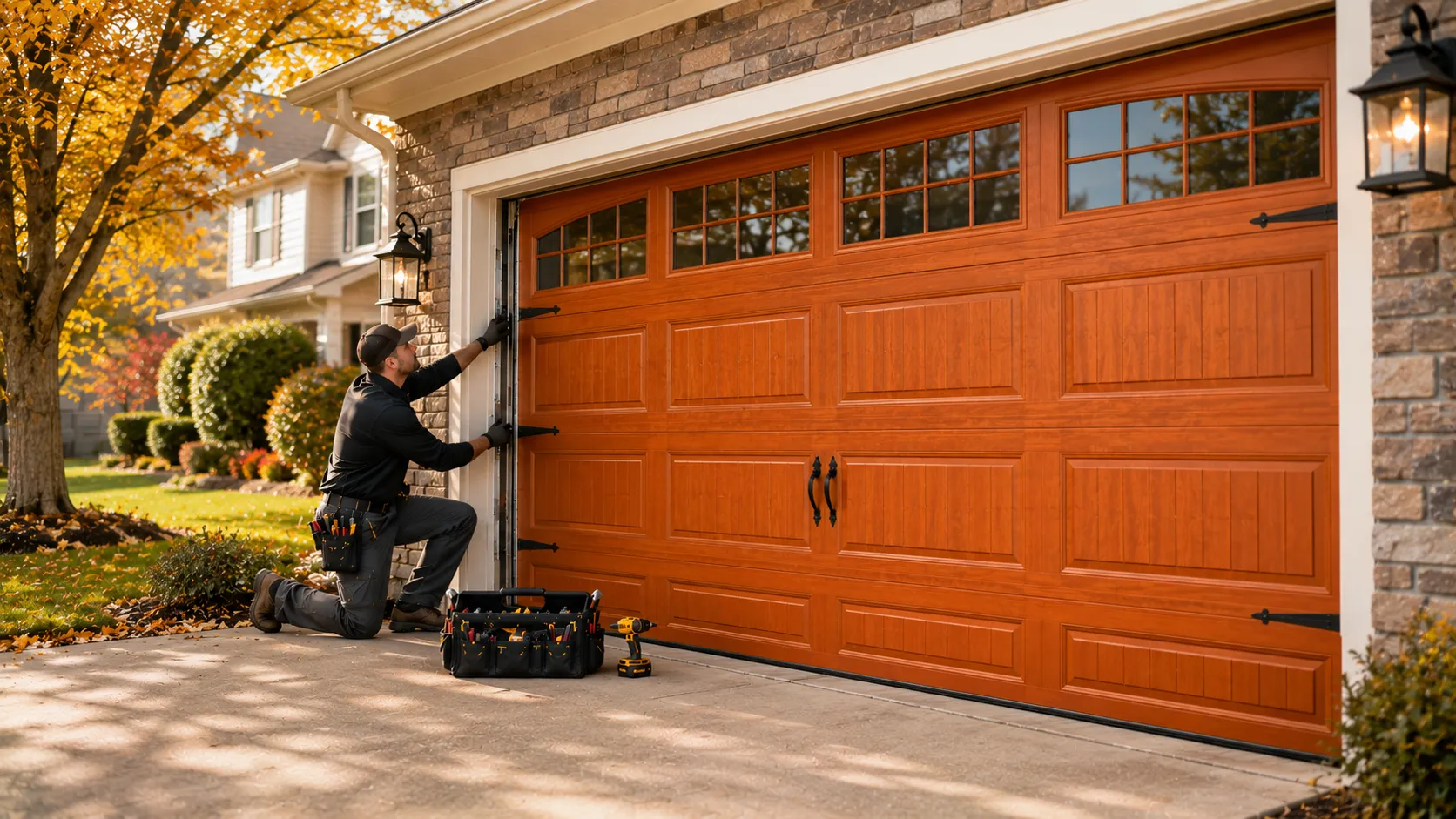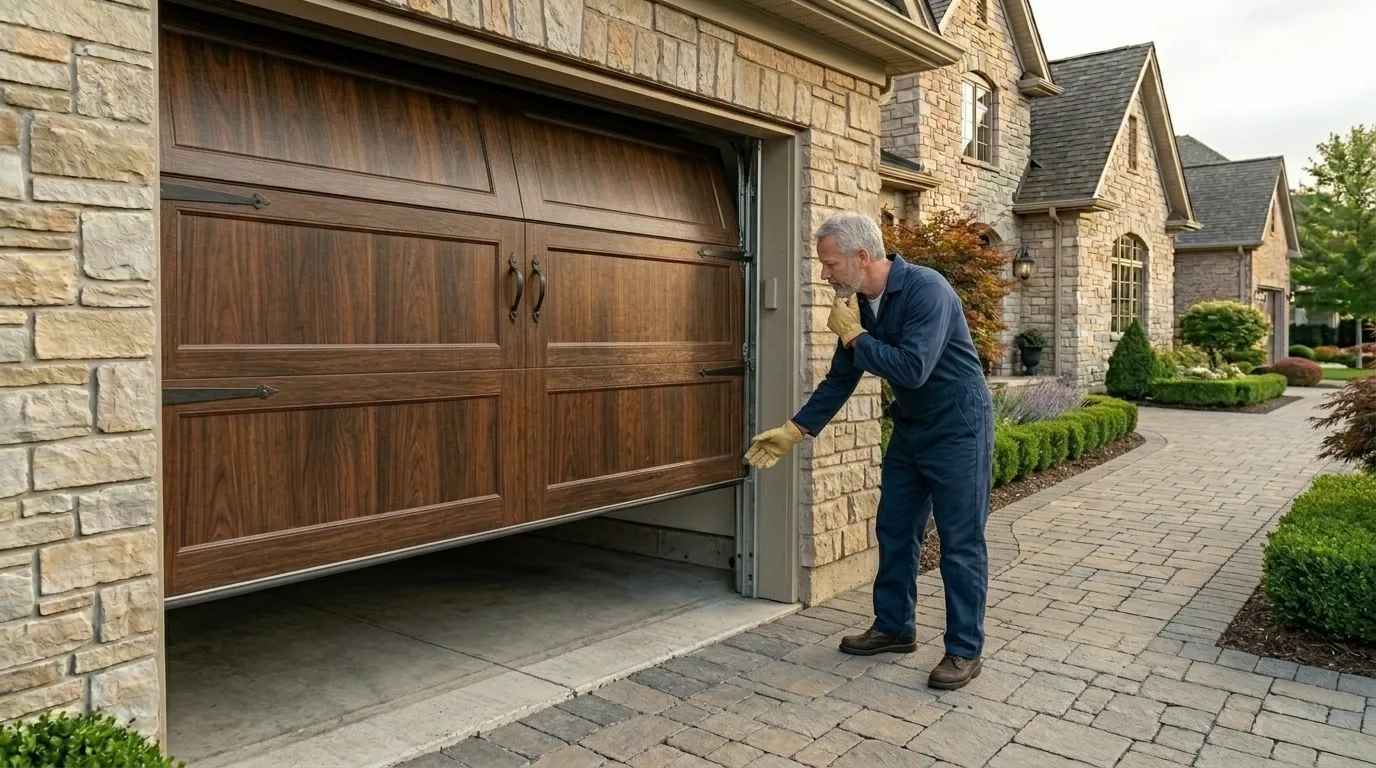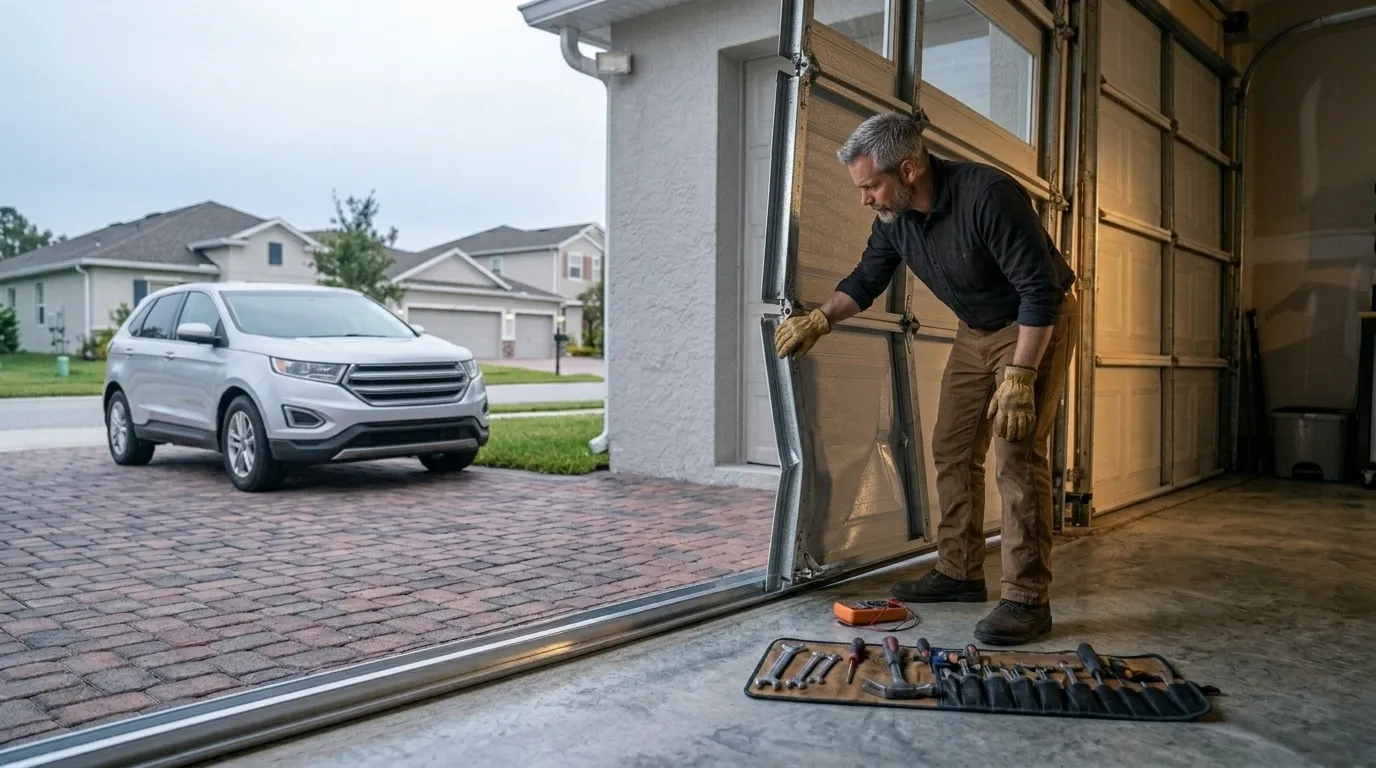
What Is on These Garages
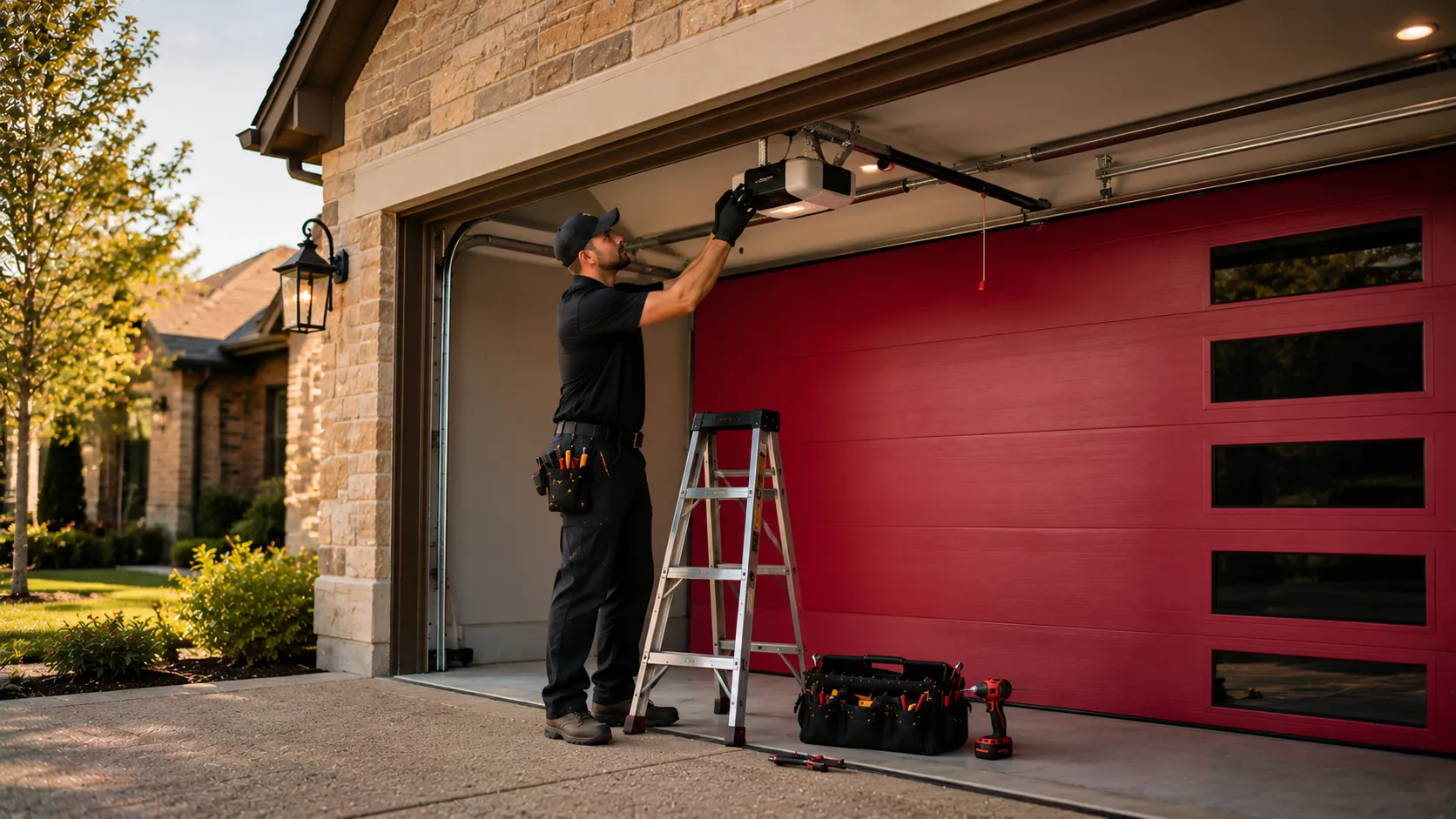
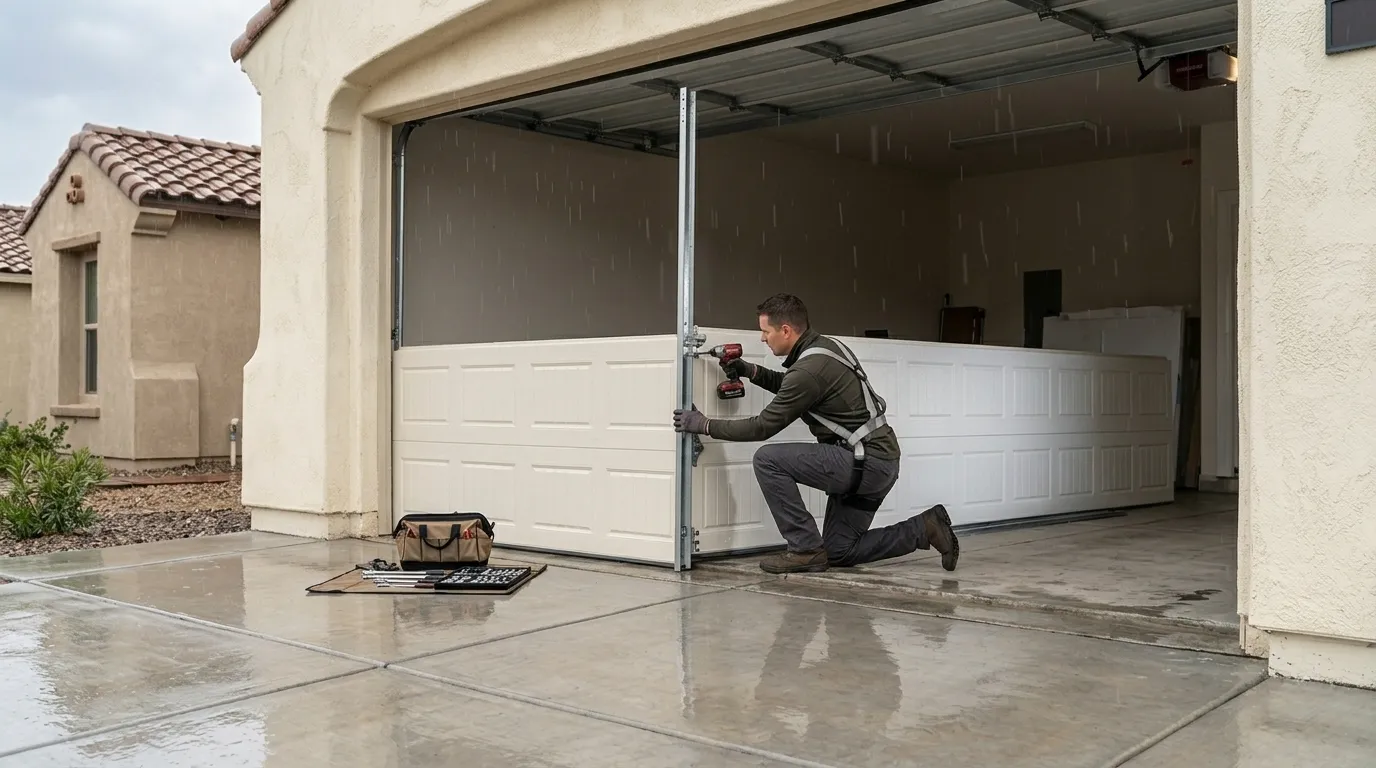
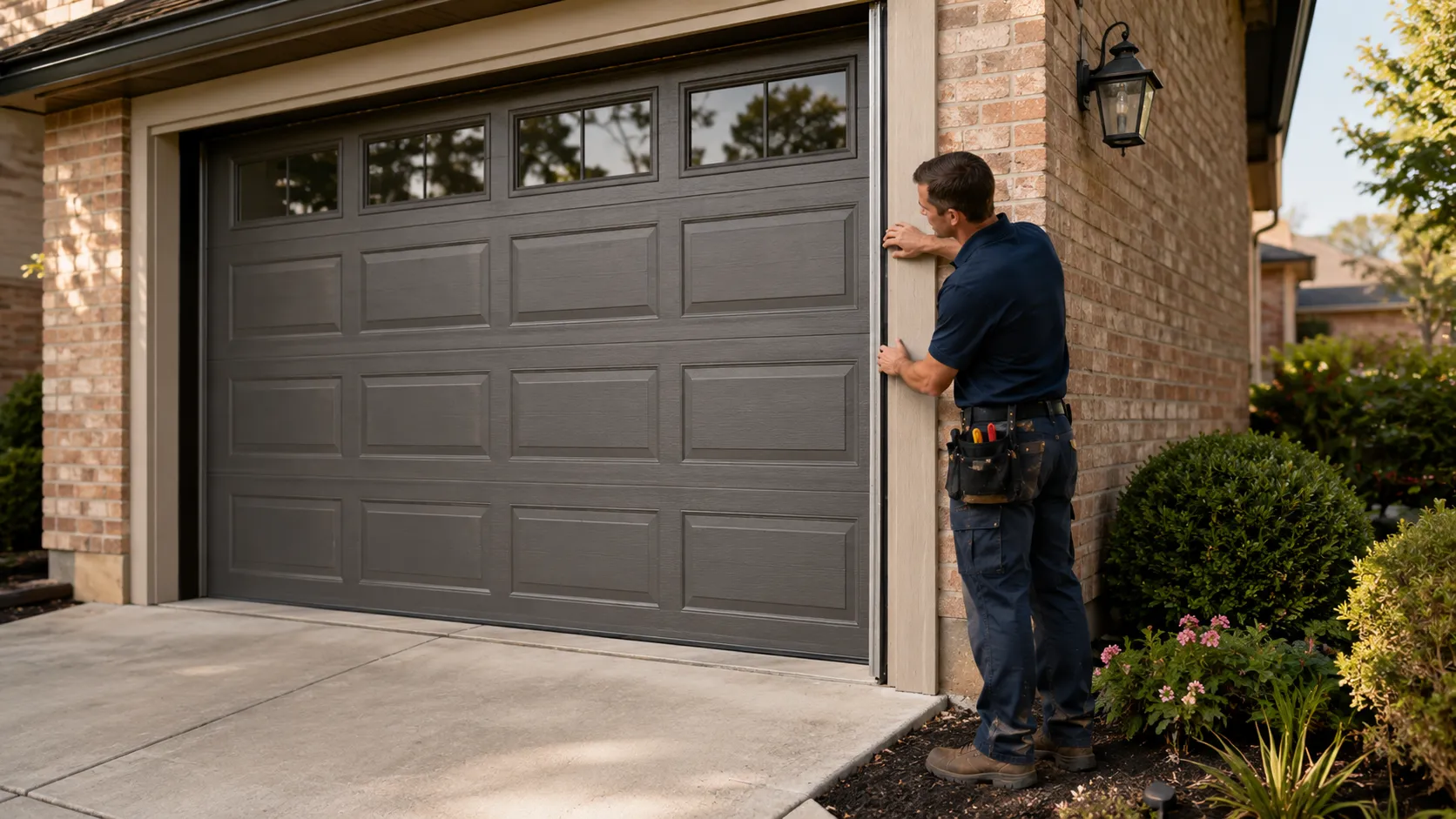
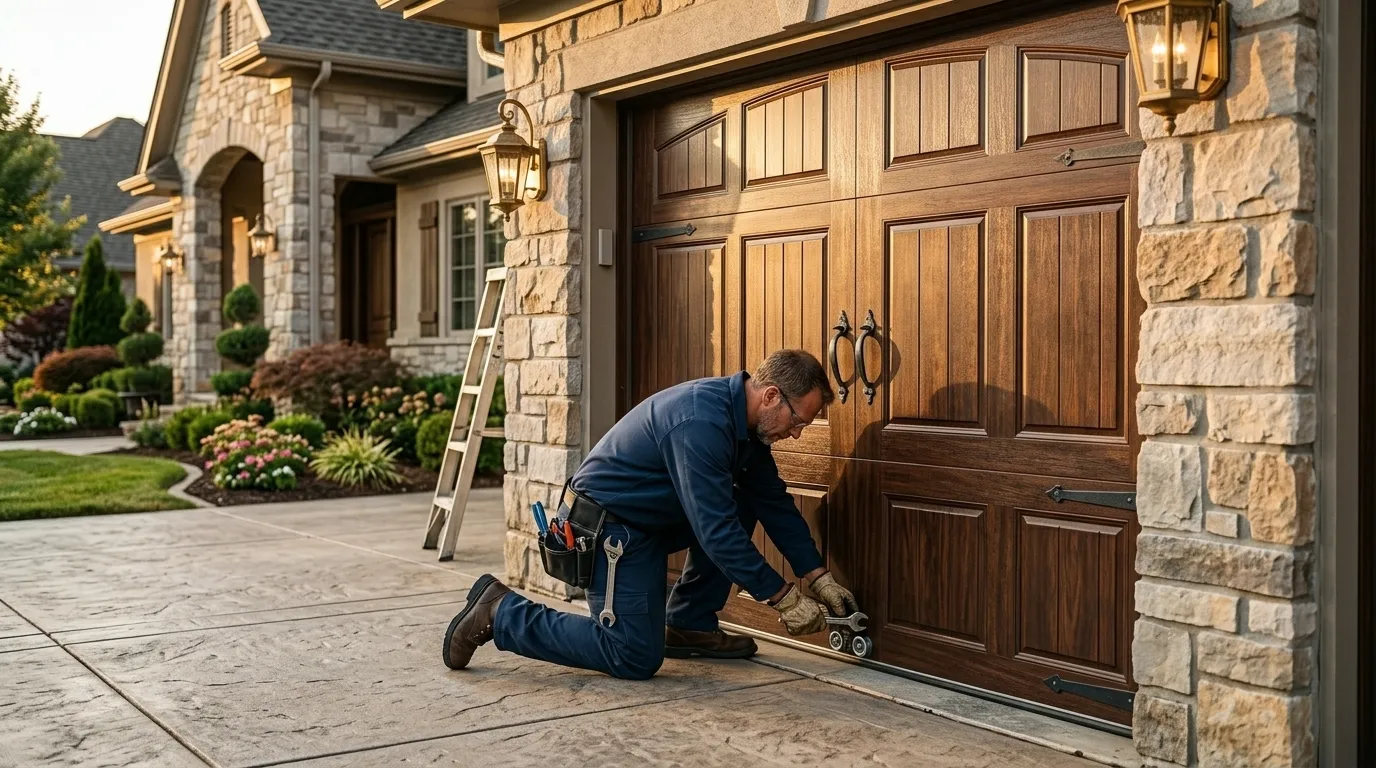
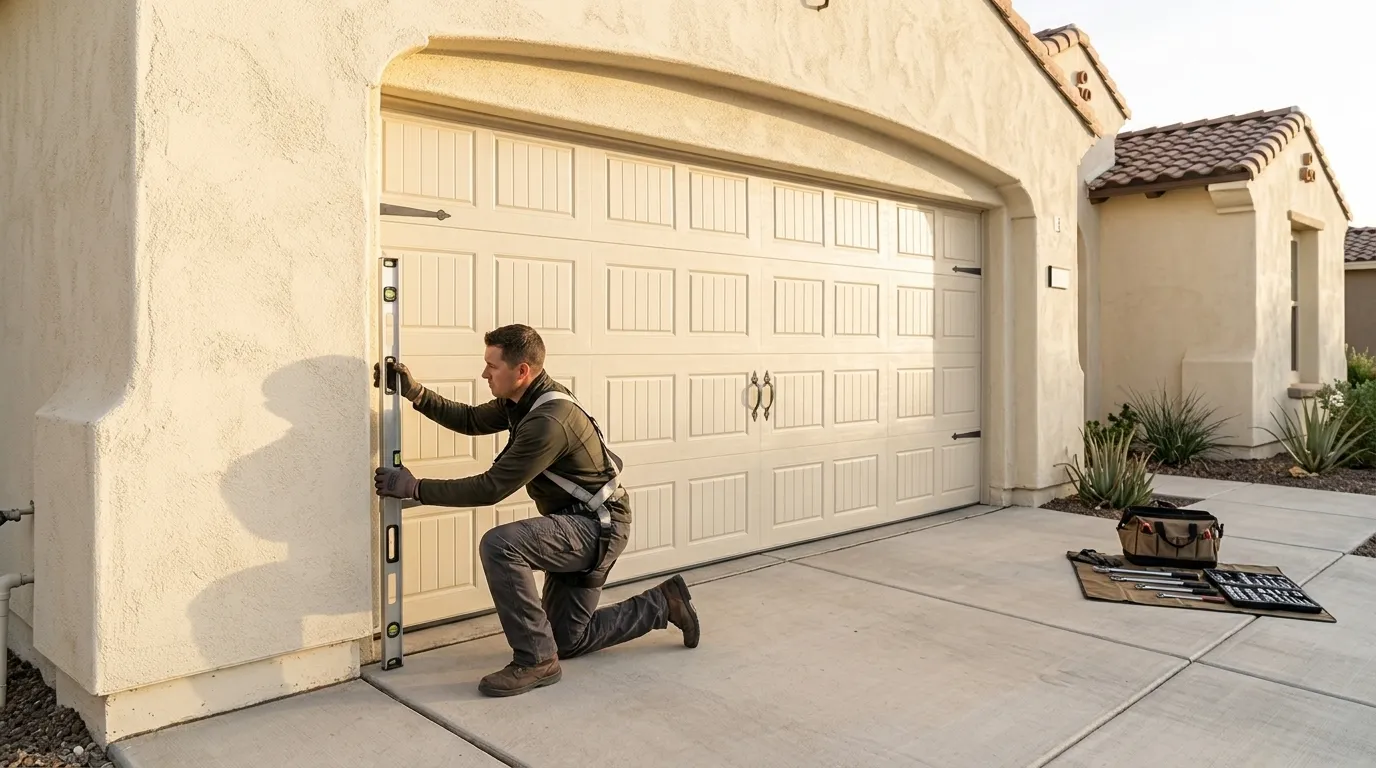
We don't have street-level data for Otis, so we won't pretend to know which block has which door. What we do know is the era. Most homes in this part of Jacksonville were built between 1973 and 2007, with the typical build year landing around 1985. That puts a lot of these garages on original or first-replacement hardware from the 1980s and 90s stock common across the wider area - steel sectional doors, extension springs on the cheaper builds, torsion springs on the better ones, and chain-drive openers that were standard for that period.
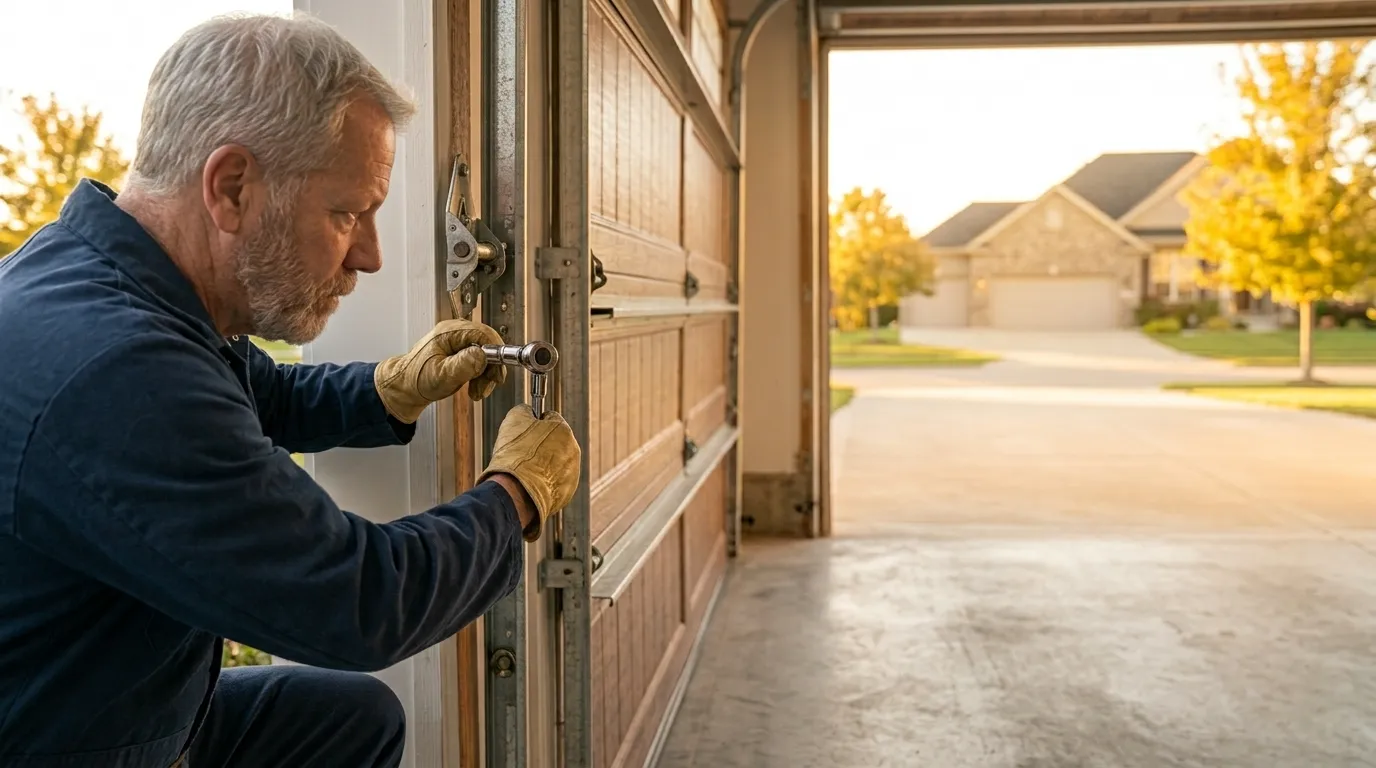
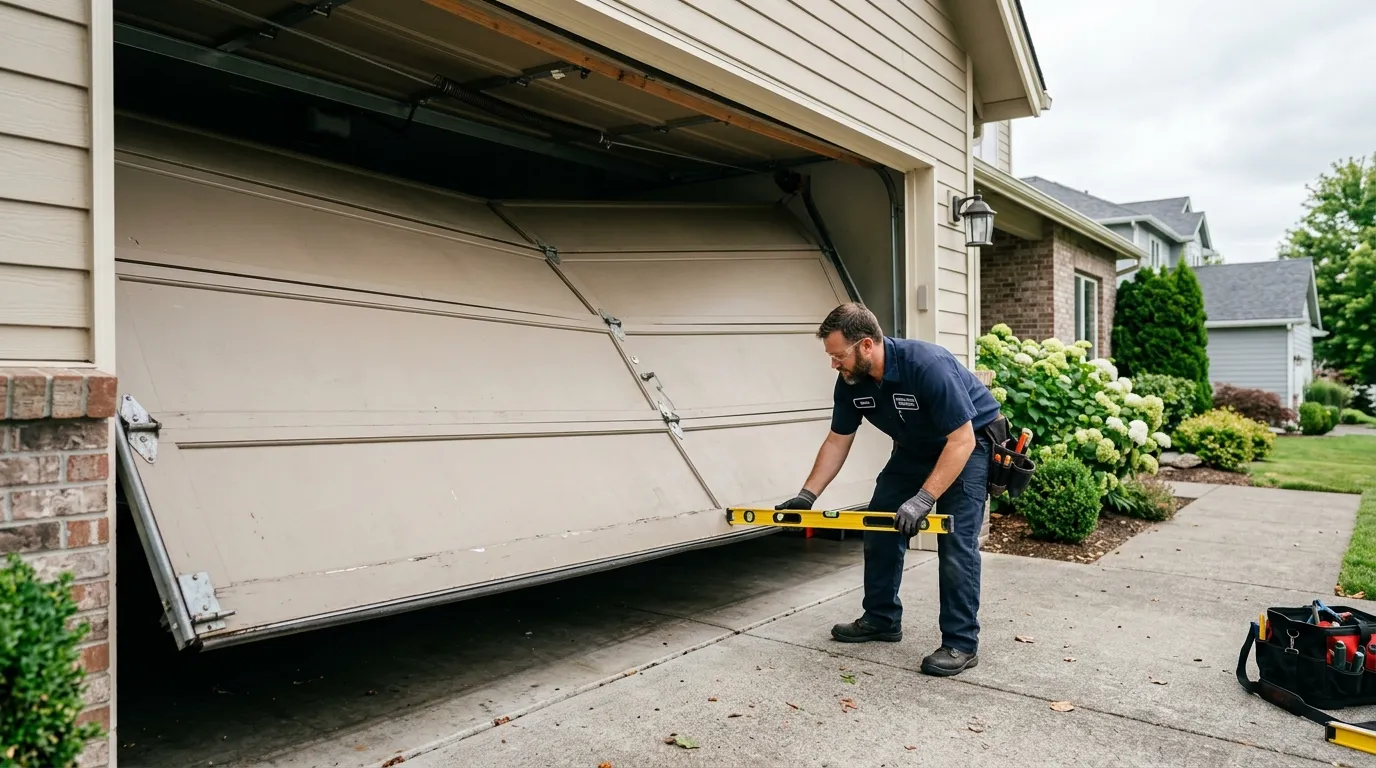
A door from that window is now 30 to 50 years past its install date if nobody's touched it. Springs rated for a few thousand cycles have usually blown well before now, which means what's on the wall today is often a replacement spring on original track - a mismatch that shows up as noise, drift, or a door that won't sit level. Jacksonville's mild temperate climate keeps rust and freeze cracking off the table compared to northern builds, so when a door in Otis fails, it's almost always wear and cycle count, not weather damage.
Houses on These Streets
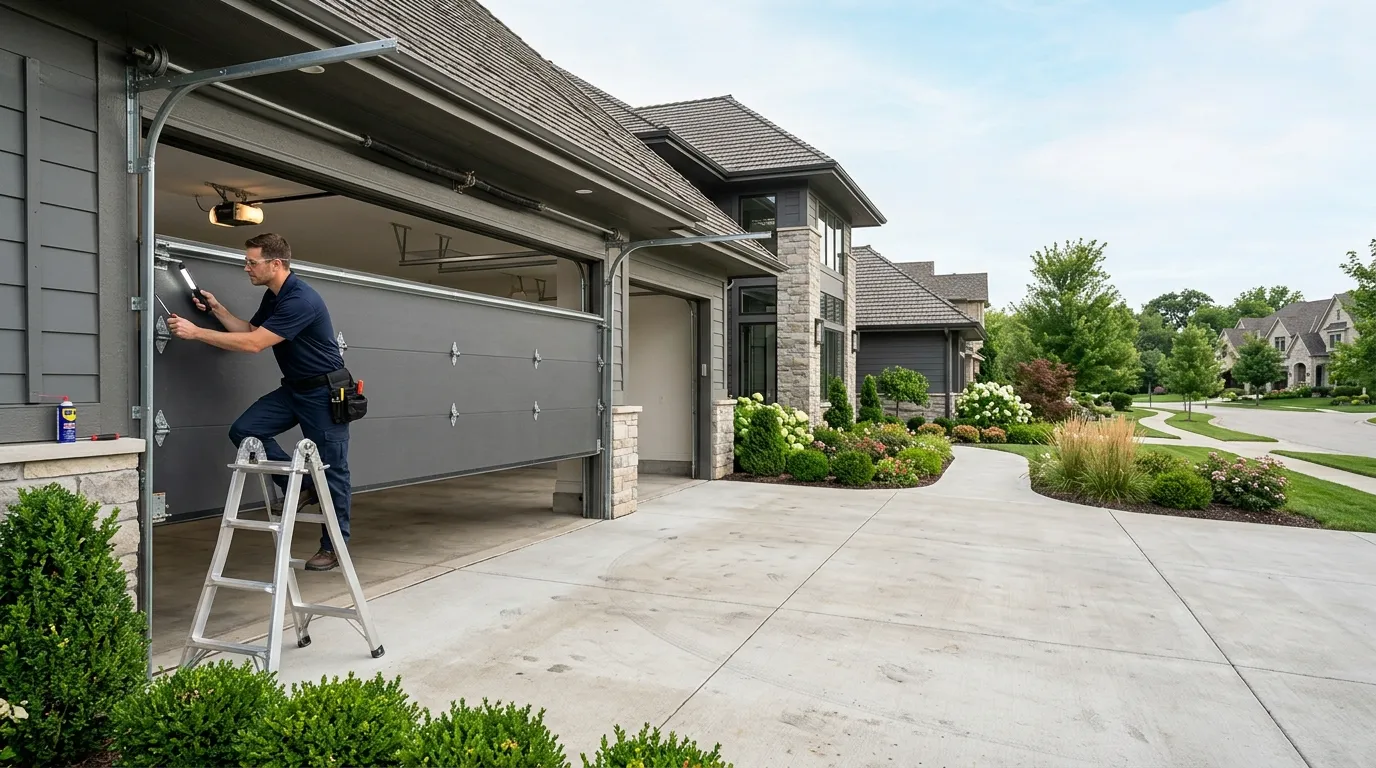
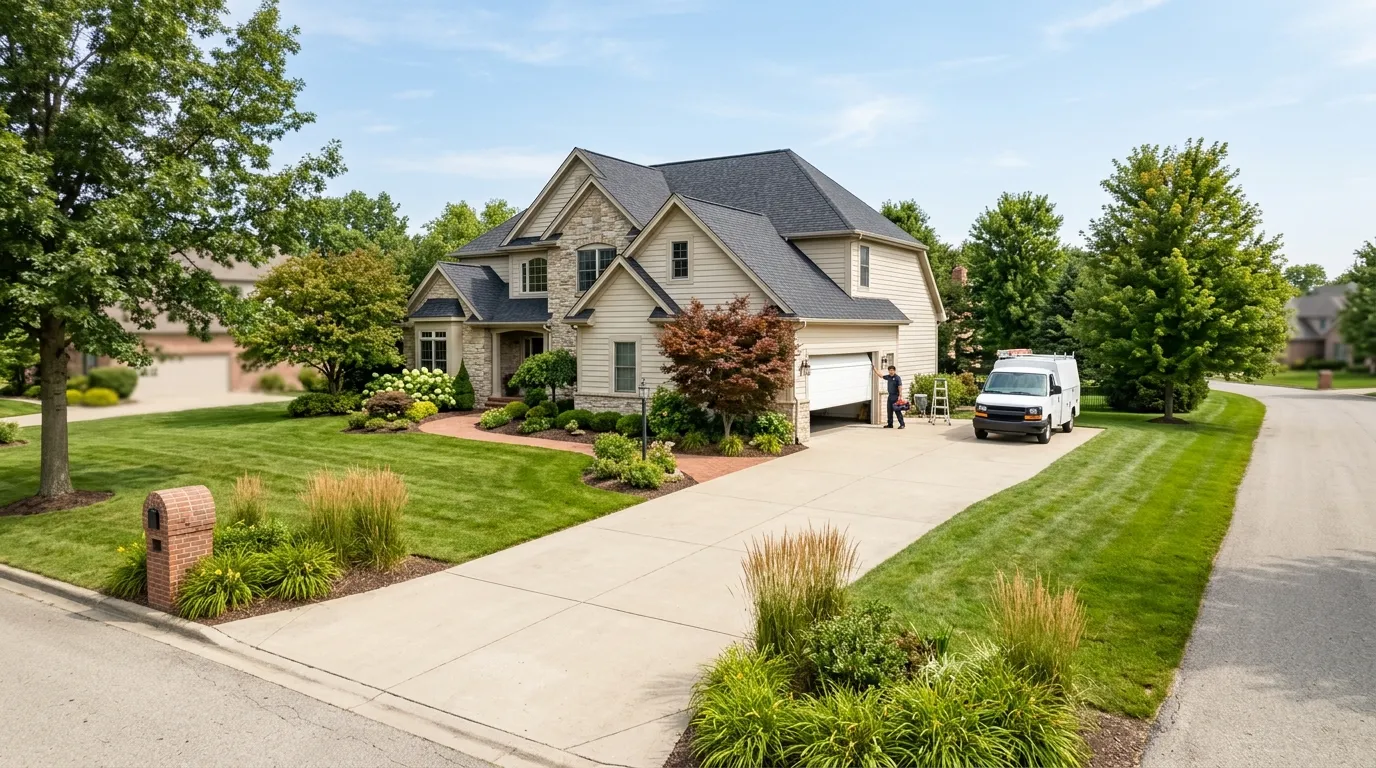
Without named streets to point to, we'll speak to the housing pattern instead. A build era centered on 1985 usually means single garage or two-car attached garages sized for the standard 16x7 or 9x7 openings of that period, not the wider three-car bays you see in newer subdivisions. Openers from that stretch were mostly 1/3 horsepower chain drives - reliable, loud, and long past the point where parts are easy to source.
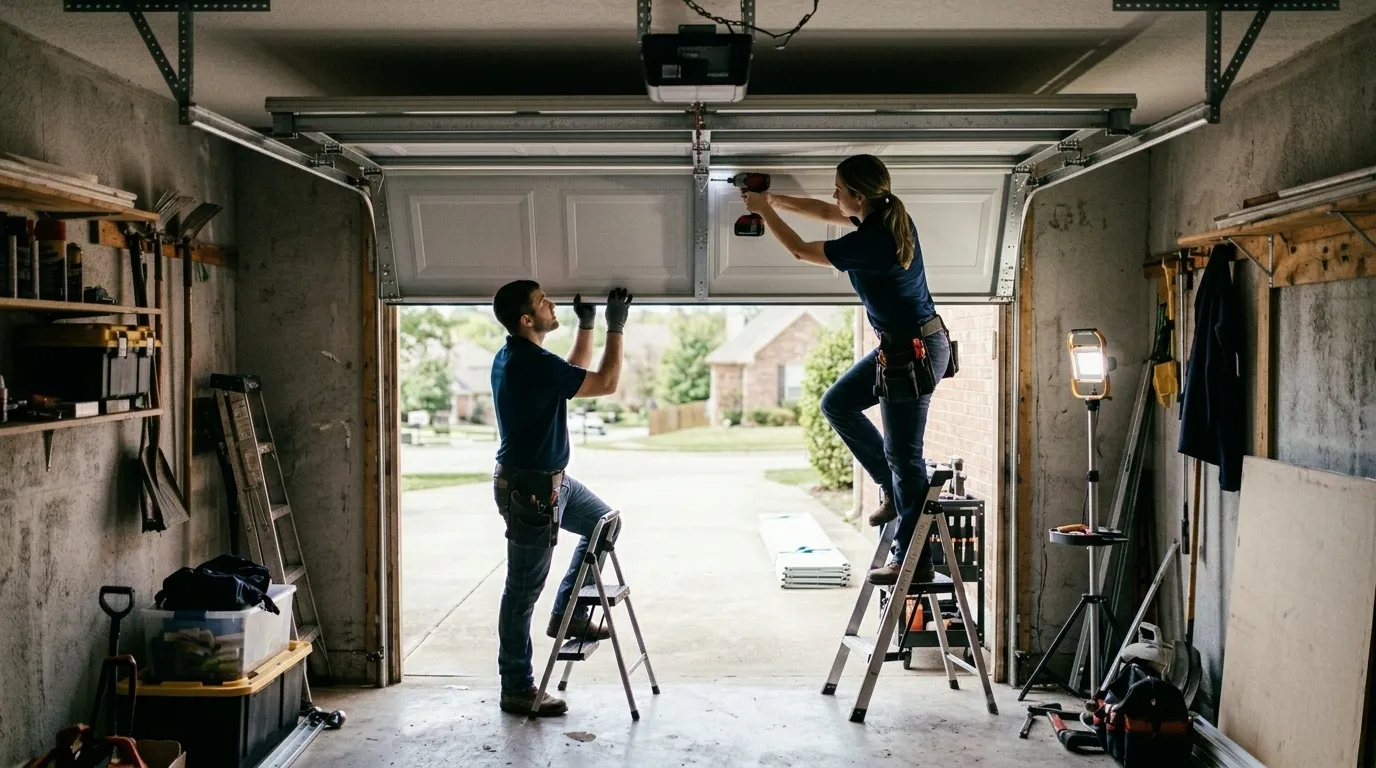
The honest limitation here: we can tell you what's typical for a house built in this window, but we can't tell you what's actually on your garage without looking at it. A door that's been replaced once already might have newer guts on old track, or vice versa. That's common enough in a neighborhood this age that we don't assume anything before a truck is on site.
Where This Is
Otis sits about 14 miles west of downtown Jacksonville. The nearest named point of reference we have is Woodstock, roughly 4 miles west of the city center - Otis is further out along that same westward line, past the closer-in neighborhoods and into the lower-density stretch of the county. We don't have a landmark or cross street to give you for Otis itself, so we're describing it by direction and distance rather than guessing at a name we can't verify.