What Is on These Garages
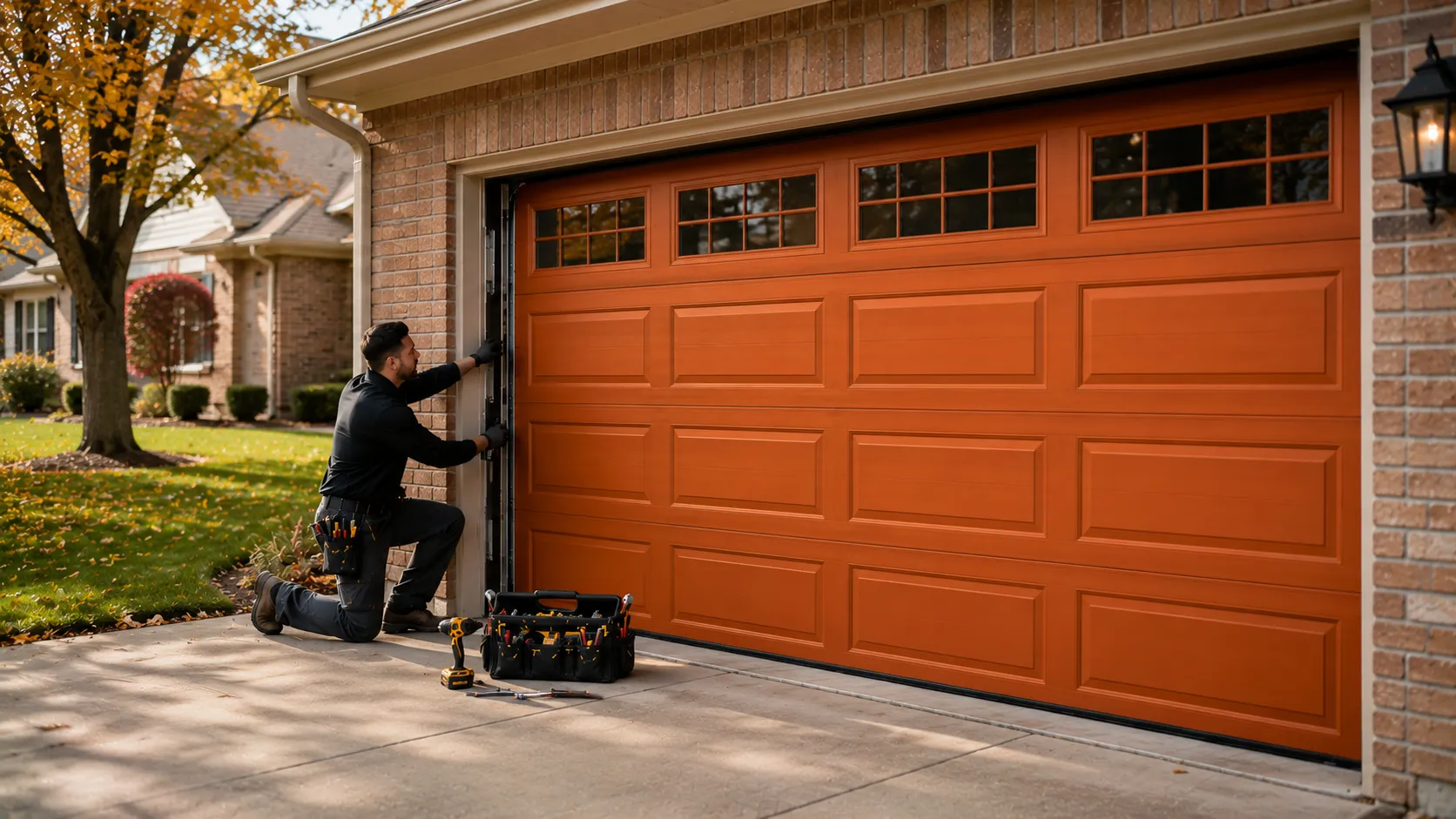
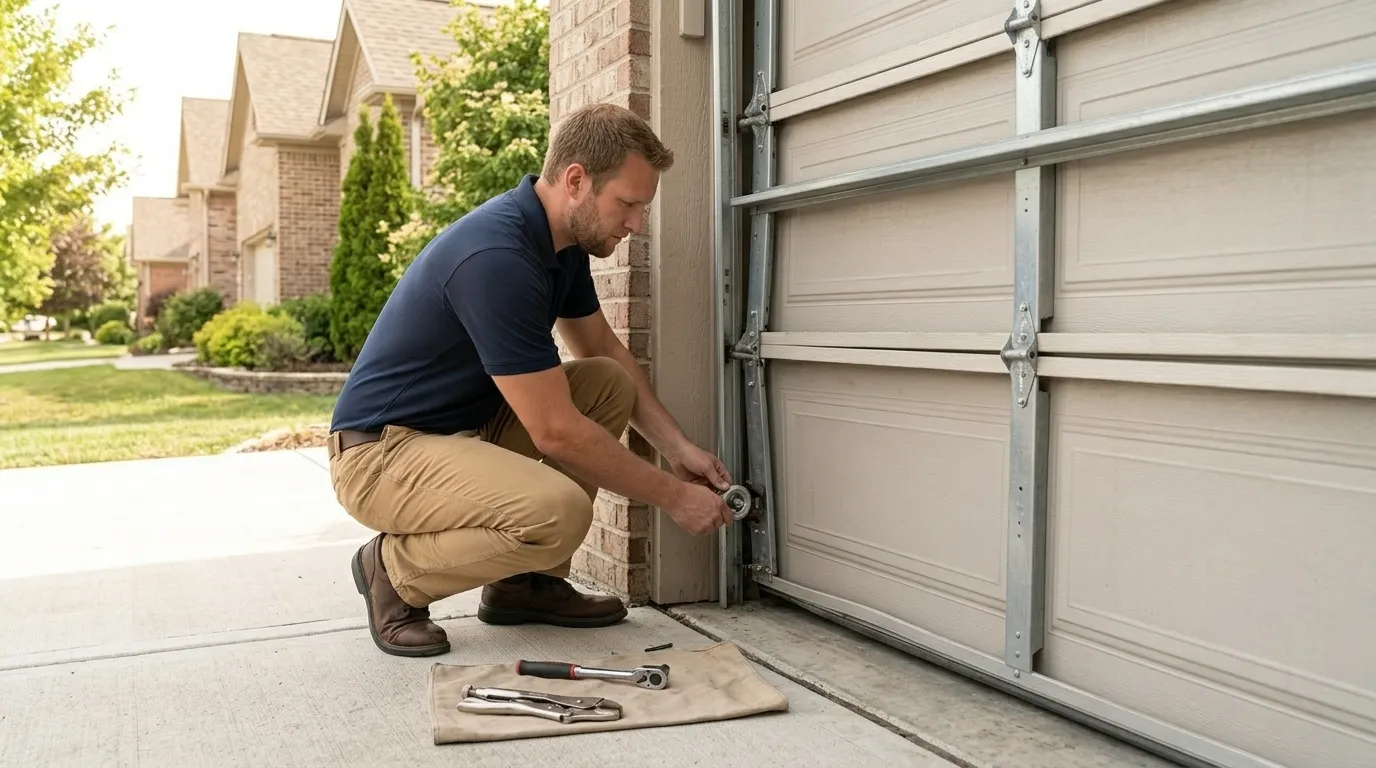
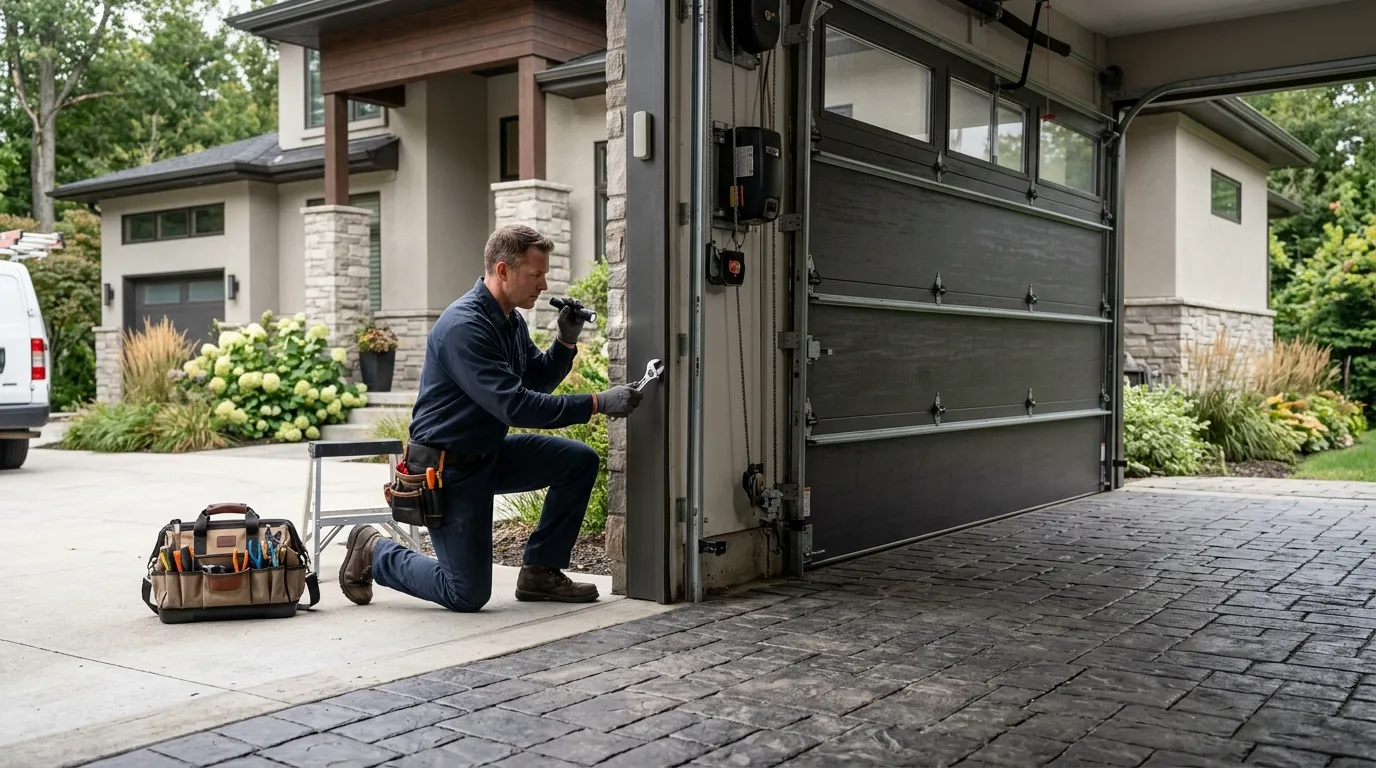
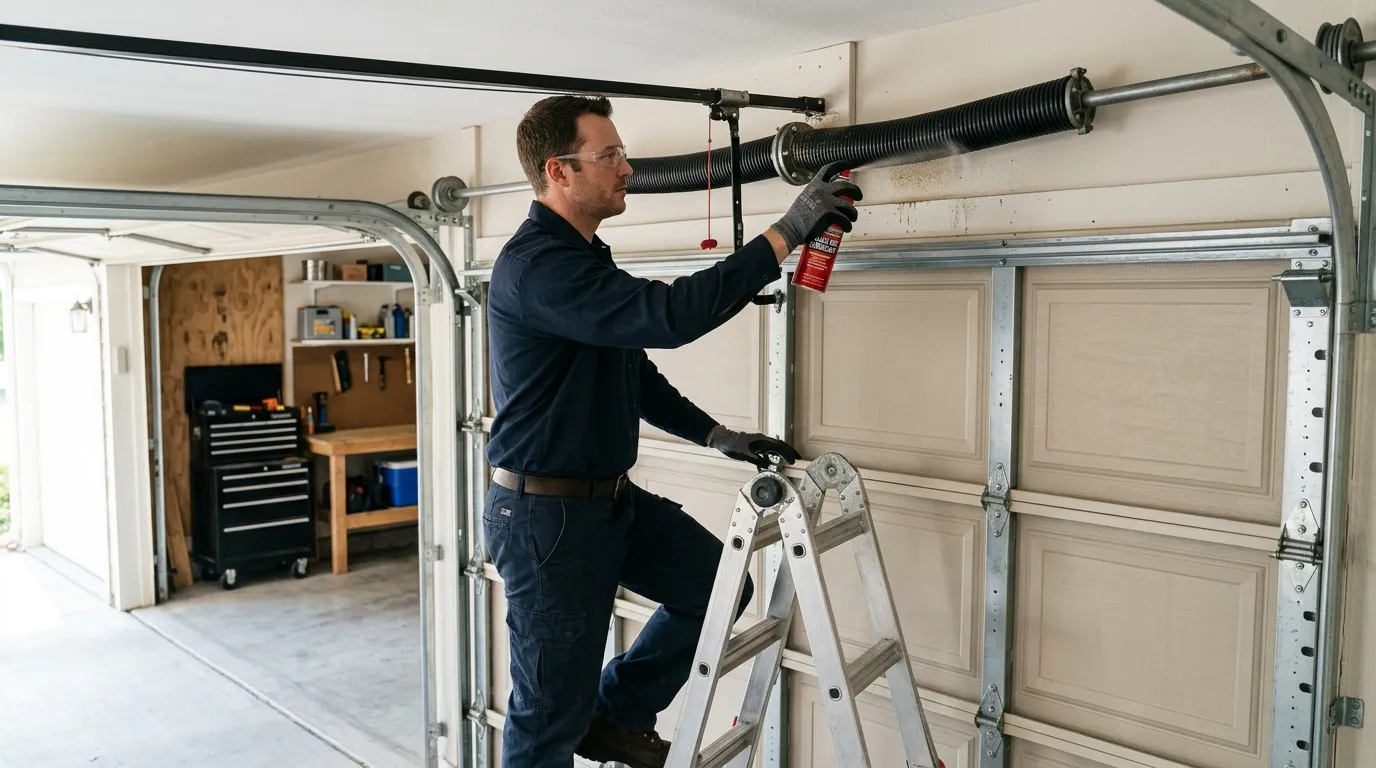
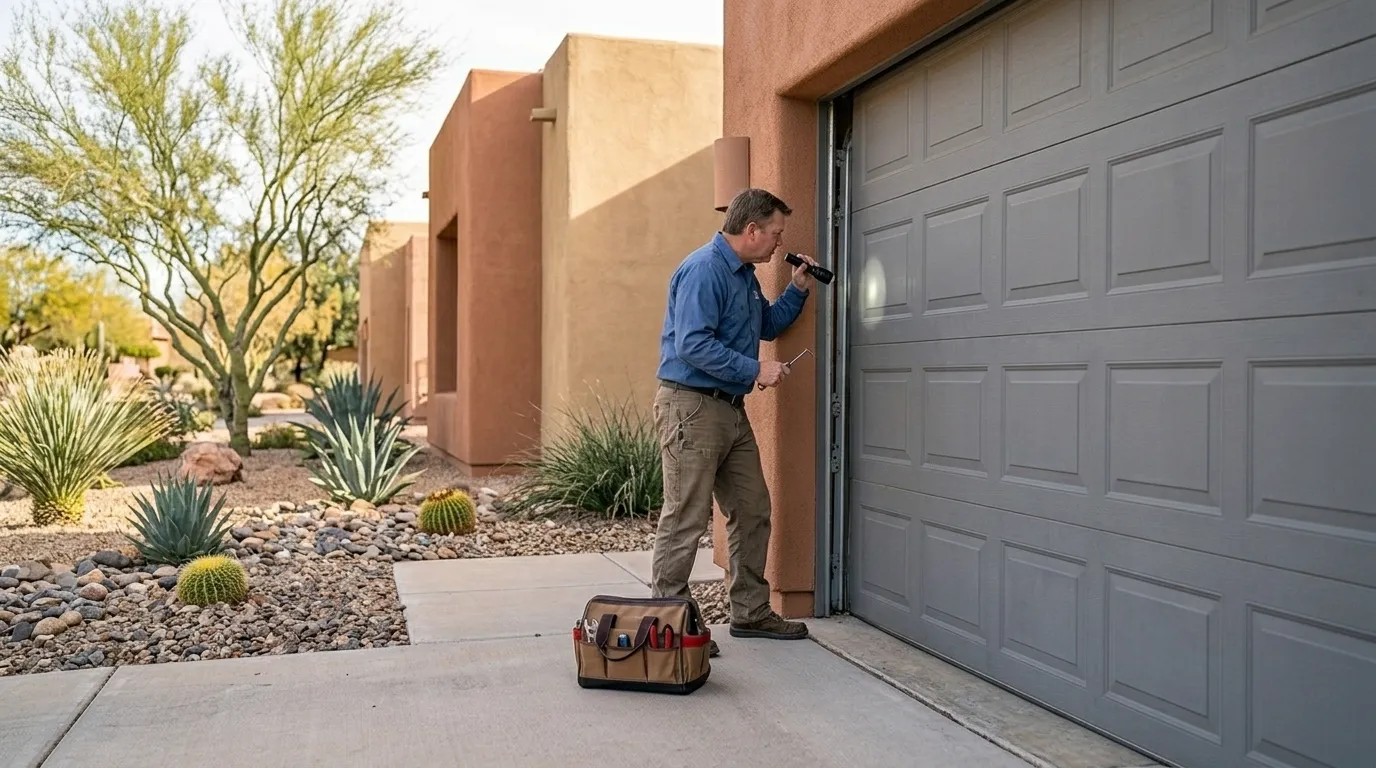
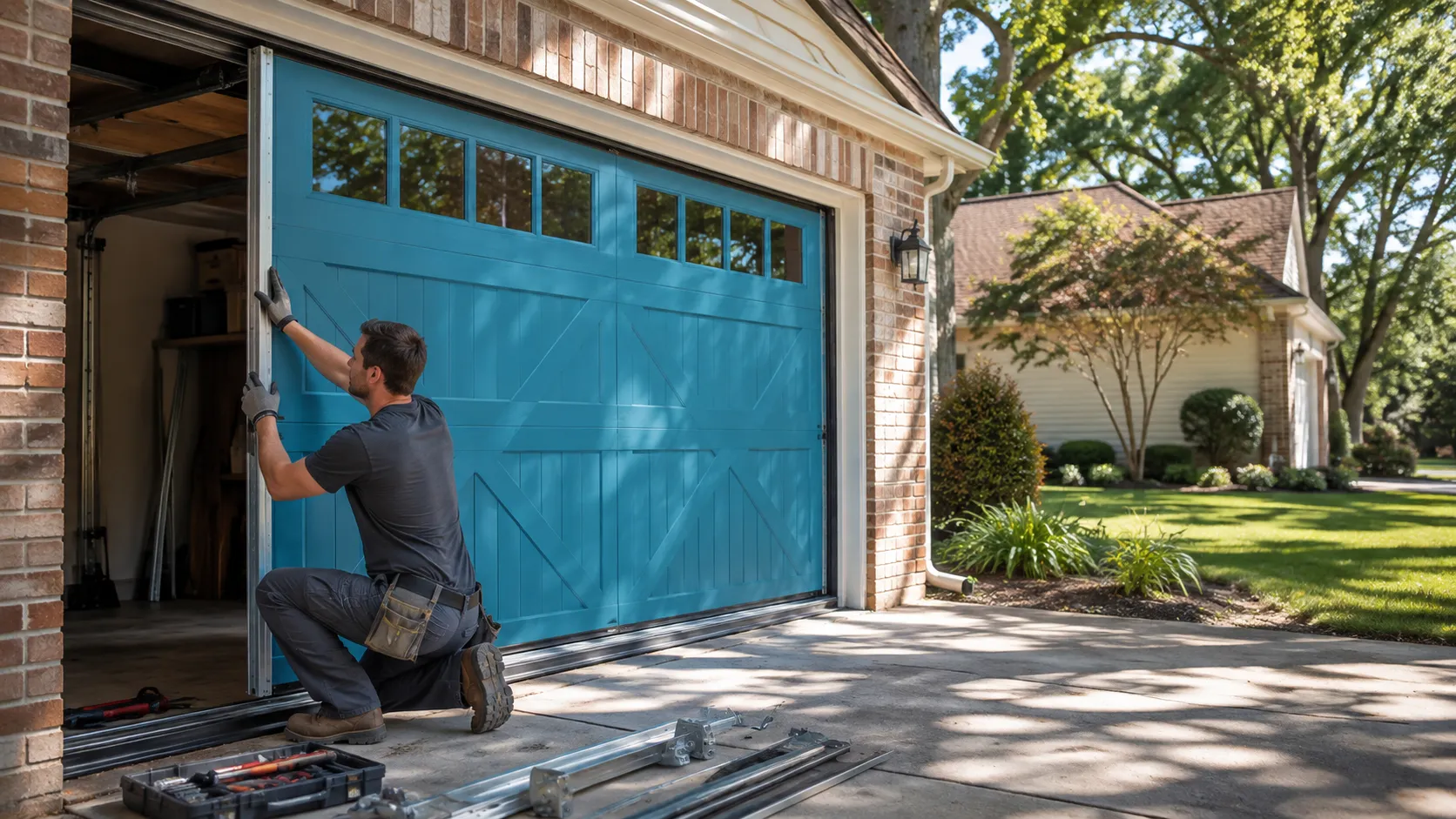
Ortega sits about six miles south-southwest of downtown Jacksonville, on the same side of the city where most of the housing stock went up between 1973 and 2007, with a lot of it clustering around the mid-1980s. That's a specific window for garage doors: it's when double-car garages became the standard layout, steel sectional doors replaced the old wood swing-outs, and torsion spring setups with a single chain-drive opener became the default install. If your garage hasn't been touched since the house was built, that's the hardware you're working with - springs rated for a certain cycle count that's long since used up, and an opener motor that's older than a lot of the cars parked under it.
The mild temperate climate on this side of Jacksonville is easier on doors than what you'd see somewhere with hard freezes or heavy salt air. That doesn't mean nothing wears out. Steady humidity still eats at unlubricated hinges and rollers, and a steel door left unpainted long enough will start showing surface rust at the seams. We don't guess at what's behind a specific garage door here without seeing it - we don't know your street or your model - but the era of the build tells us most of what we need to expect before we open the panel.
Houses on These Streets
Across this part of Jacksonville, median household income runs $103,288, and homeownership is the norm rather than the exception - roughly 48,862 owner-occupied houses sit among 86,151 households in the wider service area. That income level tends to show up in the upgrade calls we get: homeowners replacing a working-but-loud chain-drive opener with a belt-drive, or swapping a single-layer steel door for an insulated one before a spring finally lets go rather than after.
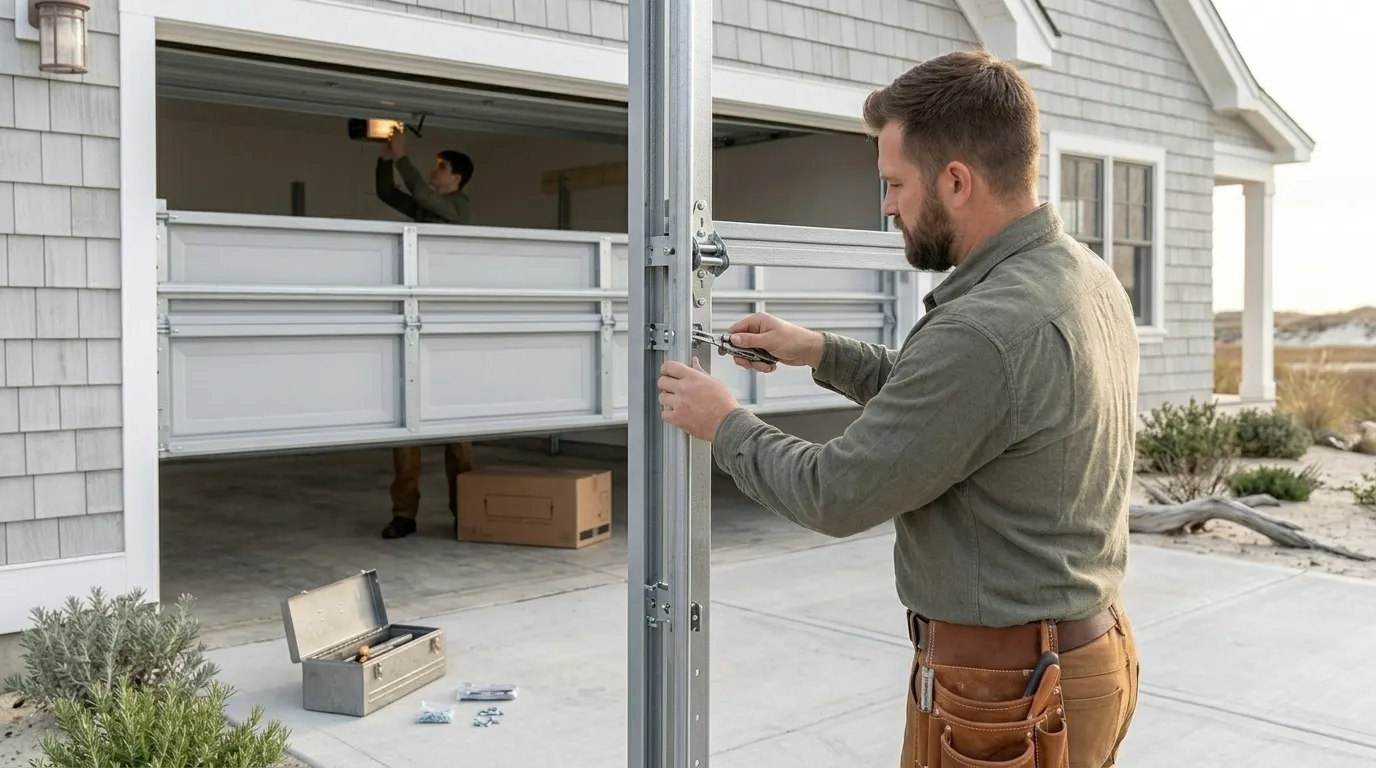
We don't have a list of streets or subdivision names for Ortega specifically, so we're not going to pretend we do. What we can say is that a house built in the 1973-2007 window, which describes most of the stock on this side of town, was very likely built with a two-car attached garage and a torsion spring system mounted on a header board above the door - not the older side-mounted extension springs you'd find on pre-1970s construction. If your garage door still has the original opener, it's a safe bet it's original torsion hardware too, and parts for that generation aren't always sitting on a shelf. Sometimes a replacement panel is a special order, not a same-day fix, and we'd rather tell you that up front than promise a timeline we can't back up.
Where This Is
Ortega sits roughly six miles south-southwest of downtown Jacksonville, farther out than the close-in blocks of Riverside and Brooklyn, both under two miles from the center, and past Murray Hill at about three miles. It's a shorter drive in from Ortega than from the coastal side of the county - Jacksonville Beach and Neptune Beach sit sixteen to seventeen miles out, and Atlantic Beach is about the same. Going the other direction, the newer subdivisions past Oakleaf Plantation and Fruit Cove run fifteen to seventeen miles further still, well beyond Ortega's position on this side of town.
That six-mile pull from downtown, rather than sitting right in it or out past the fifteen-mile mark with the newer builds, puts Ortega squarely in the older wave of construction from the 1973-2007 window and inside the mild temperate band that covers this whole side of Jacksonville - not the extra coastal humidity you get closer to the beaches.