What Is on These Garages
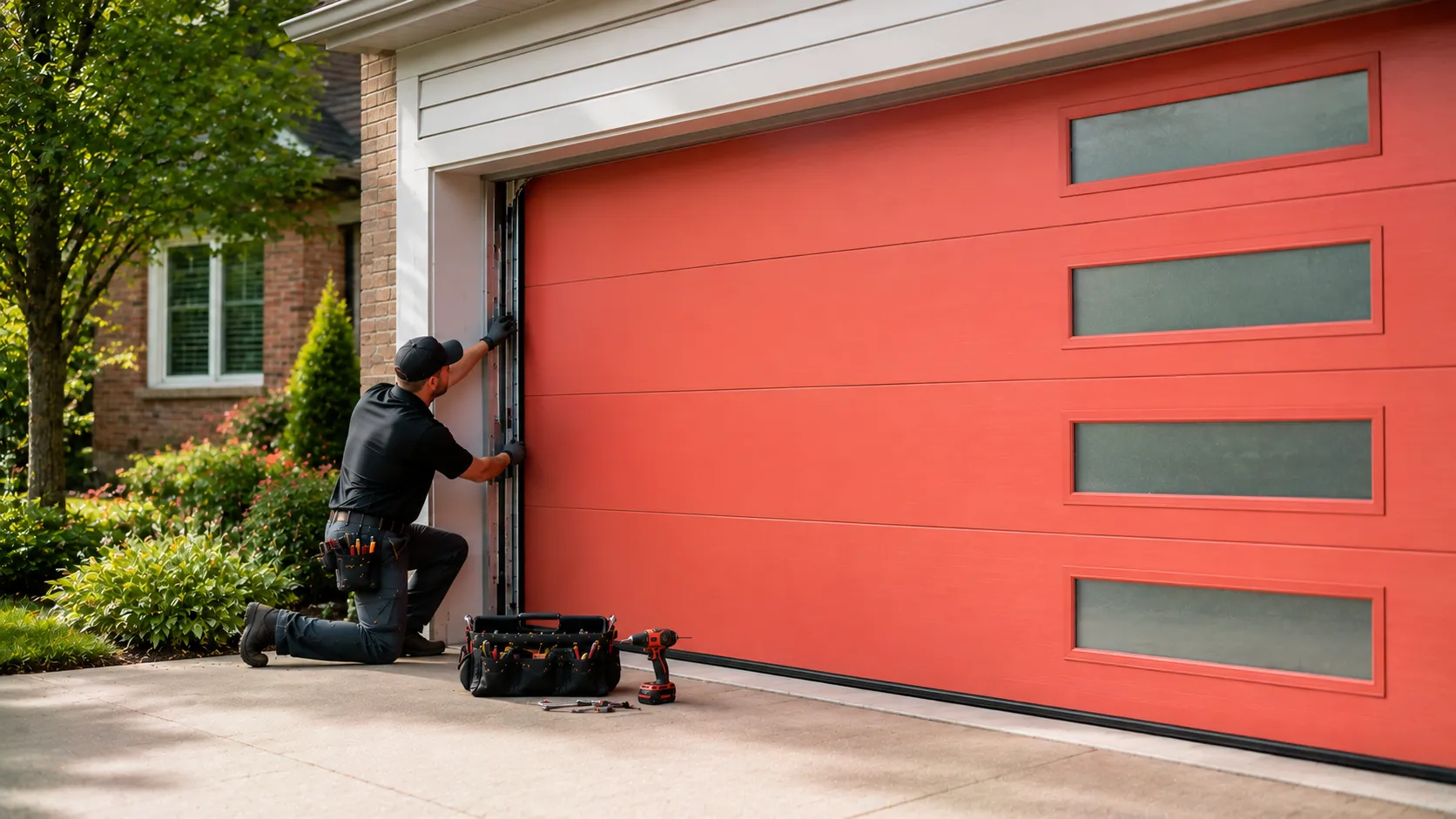
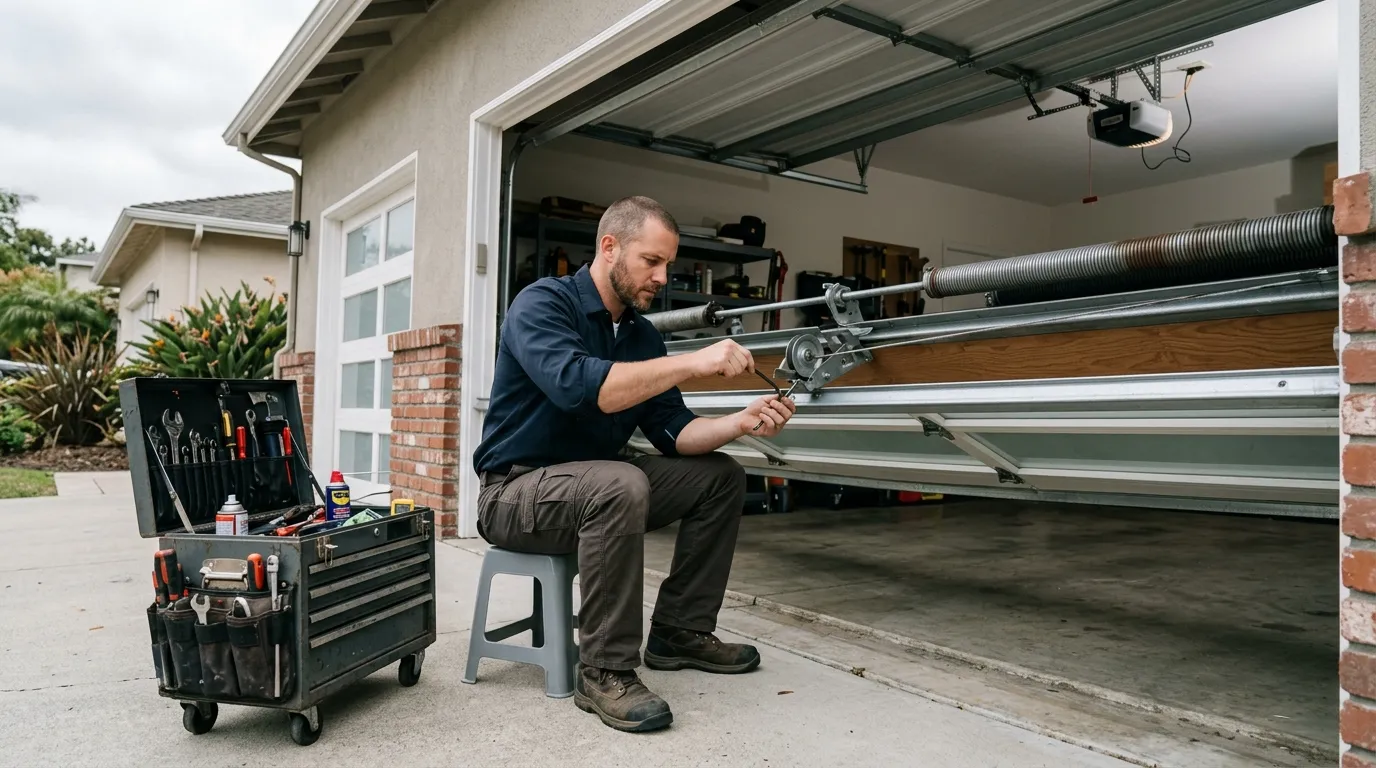
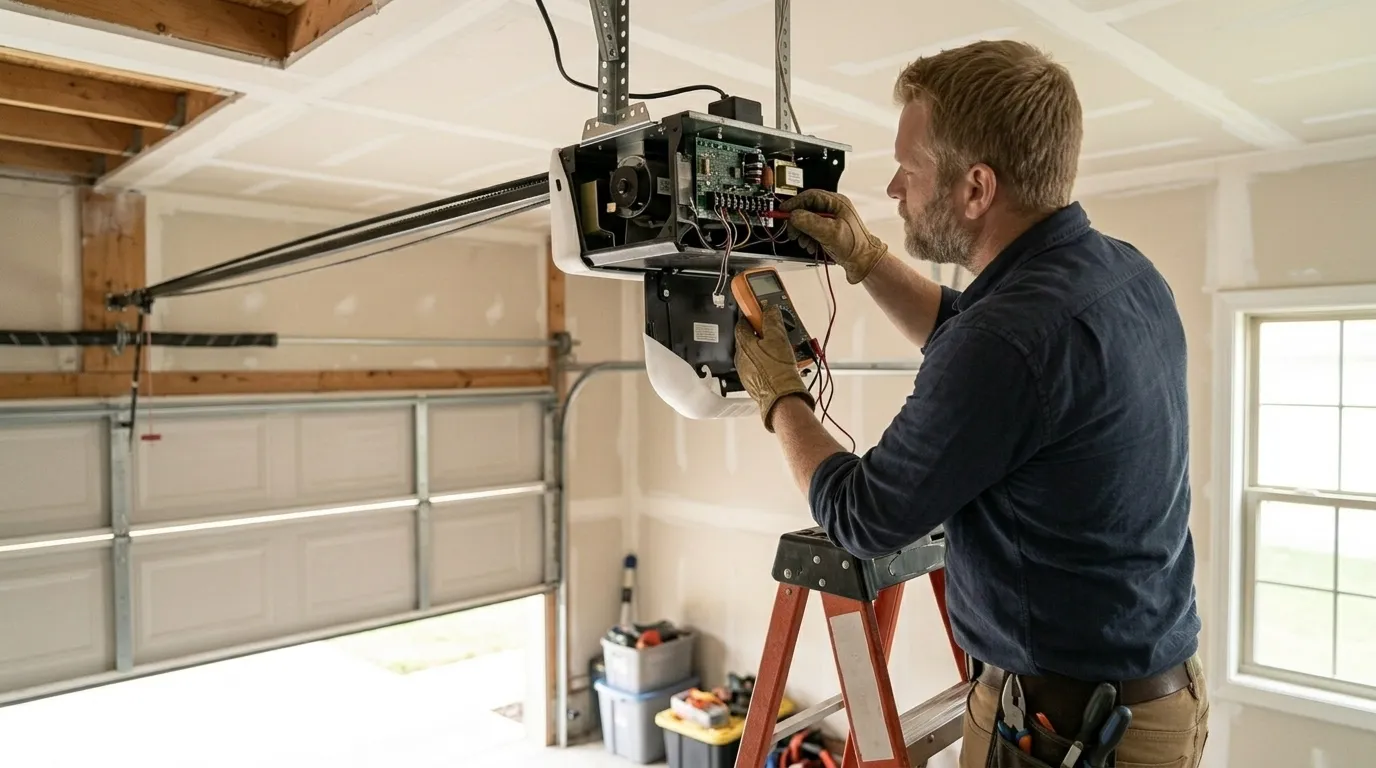
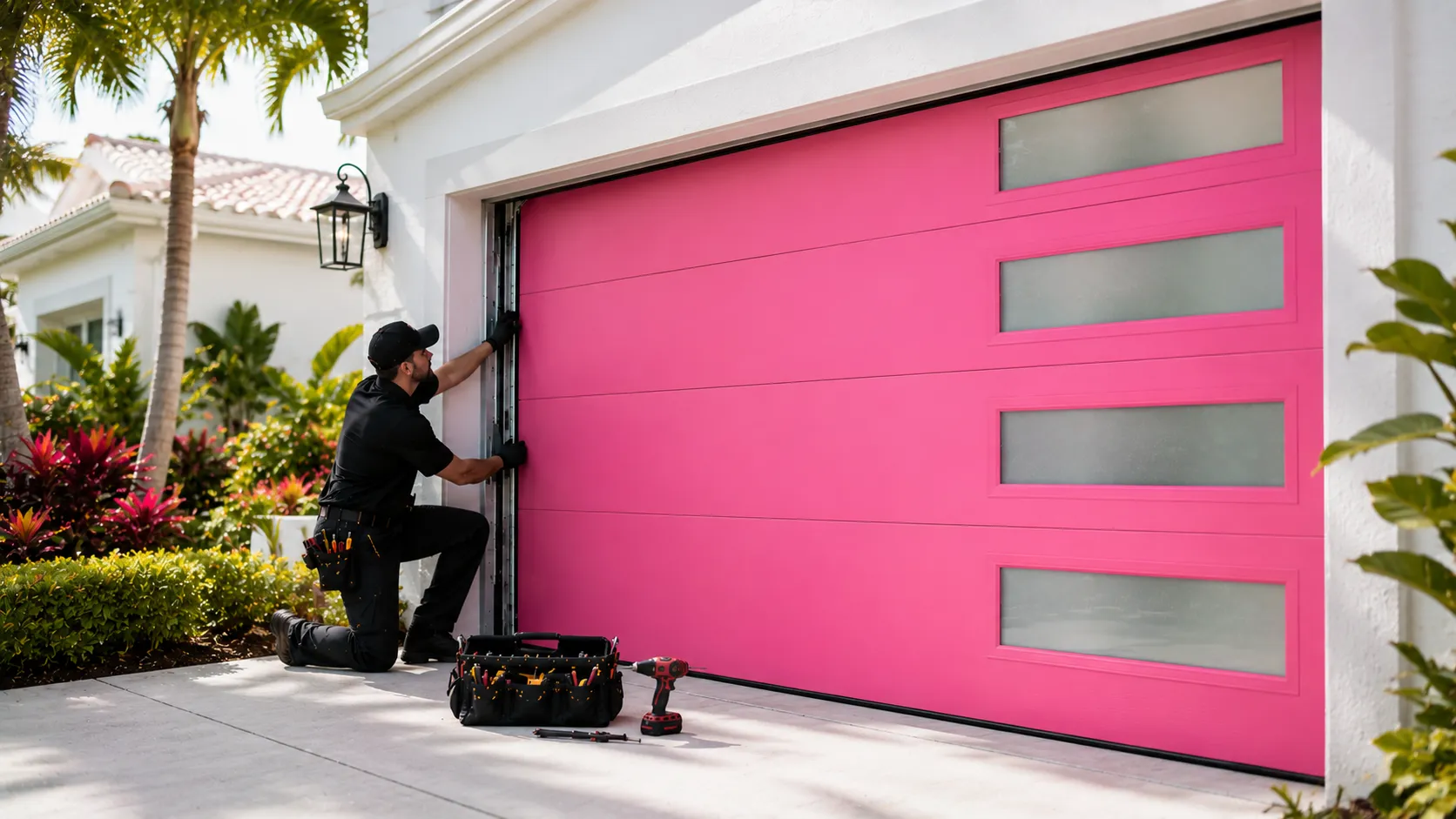
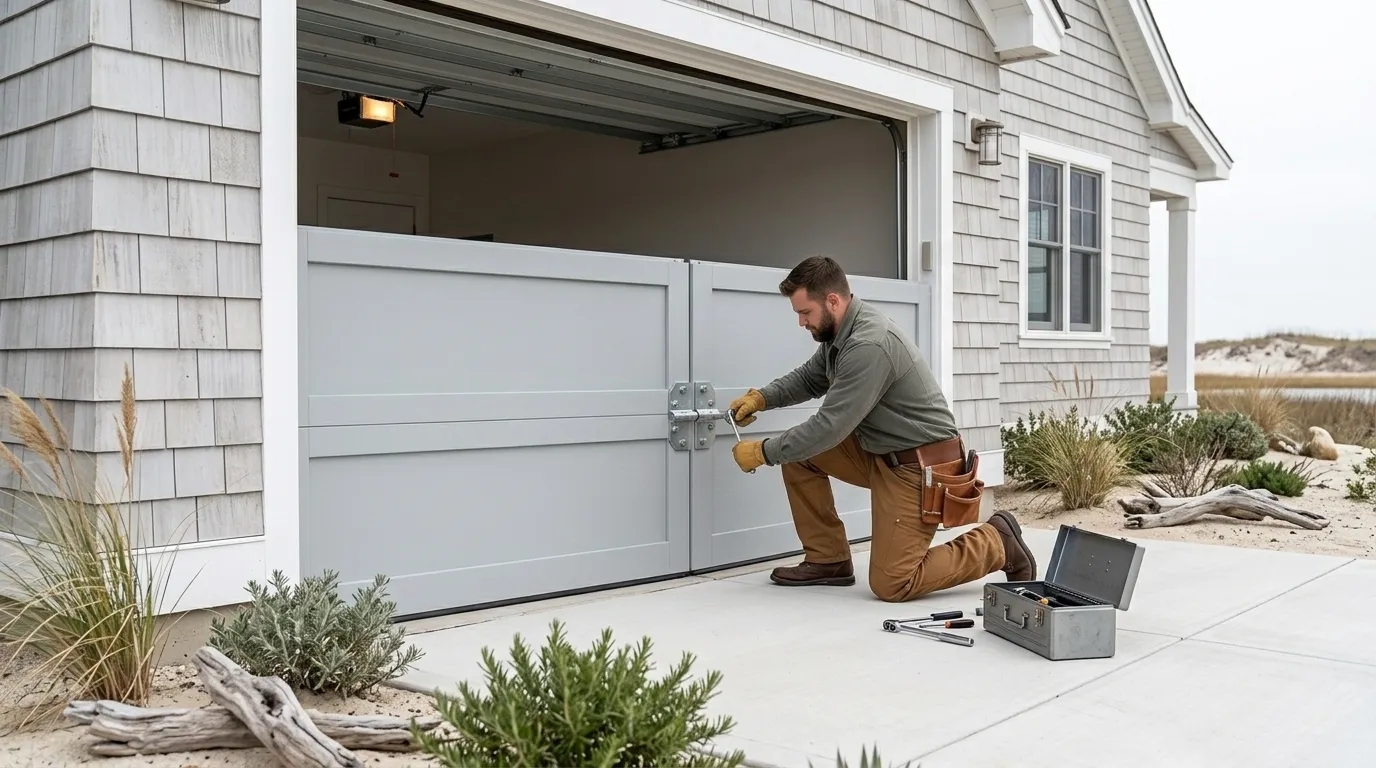
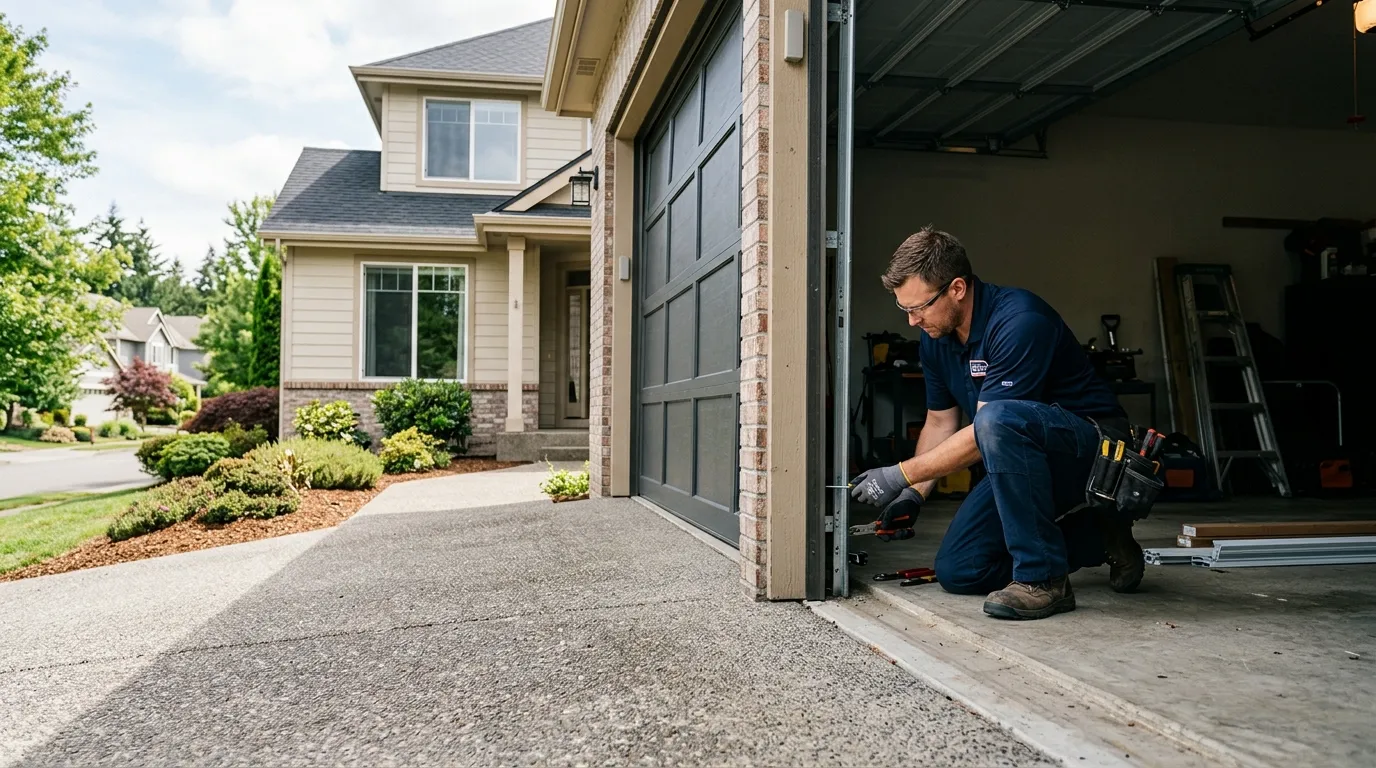
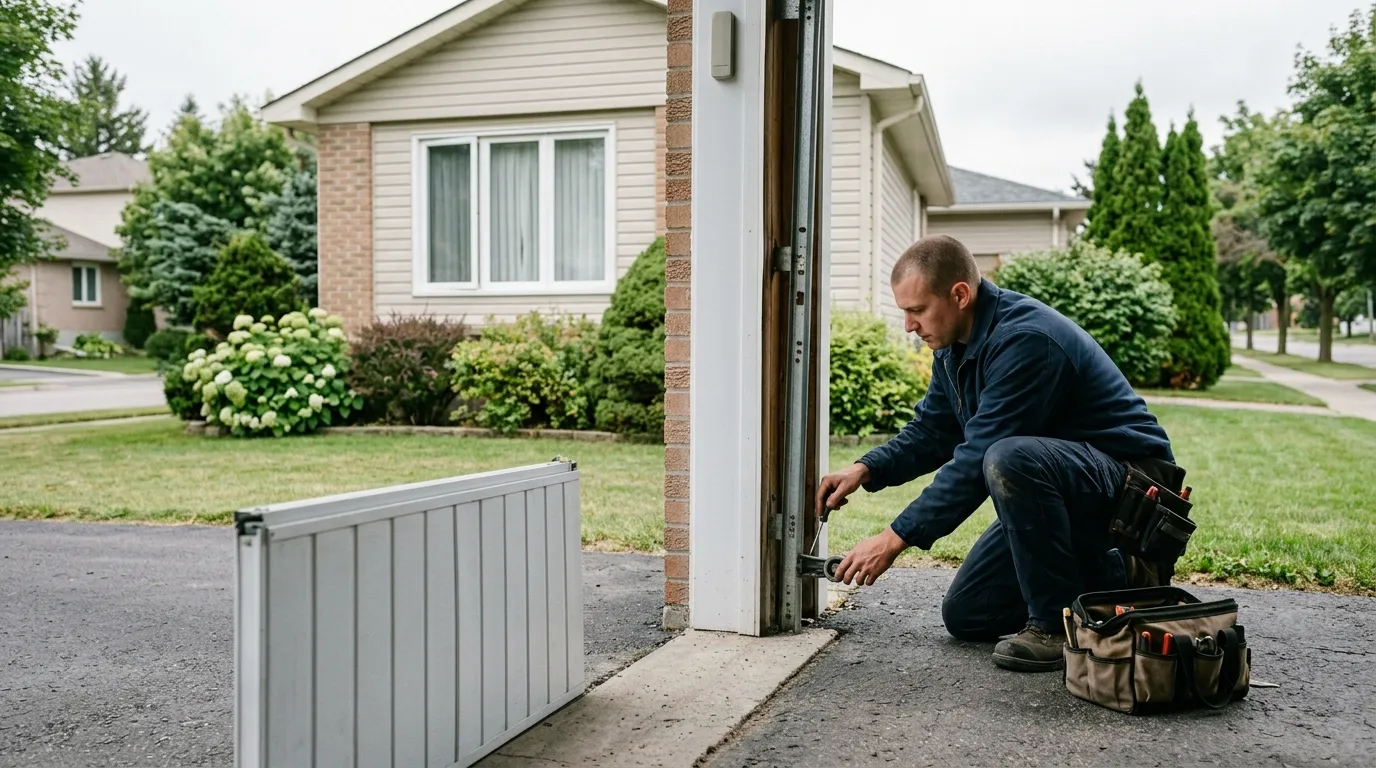
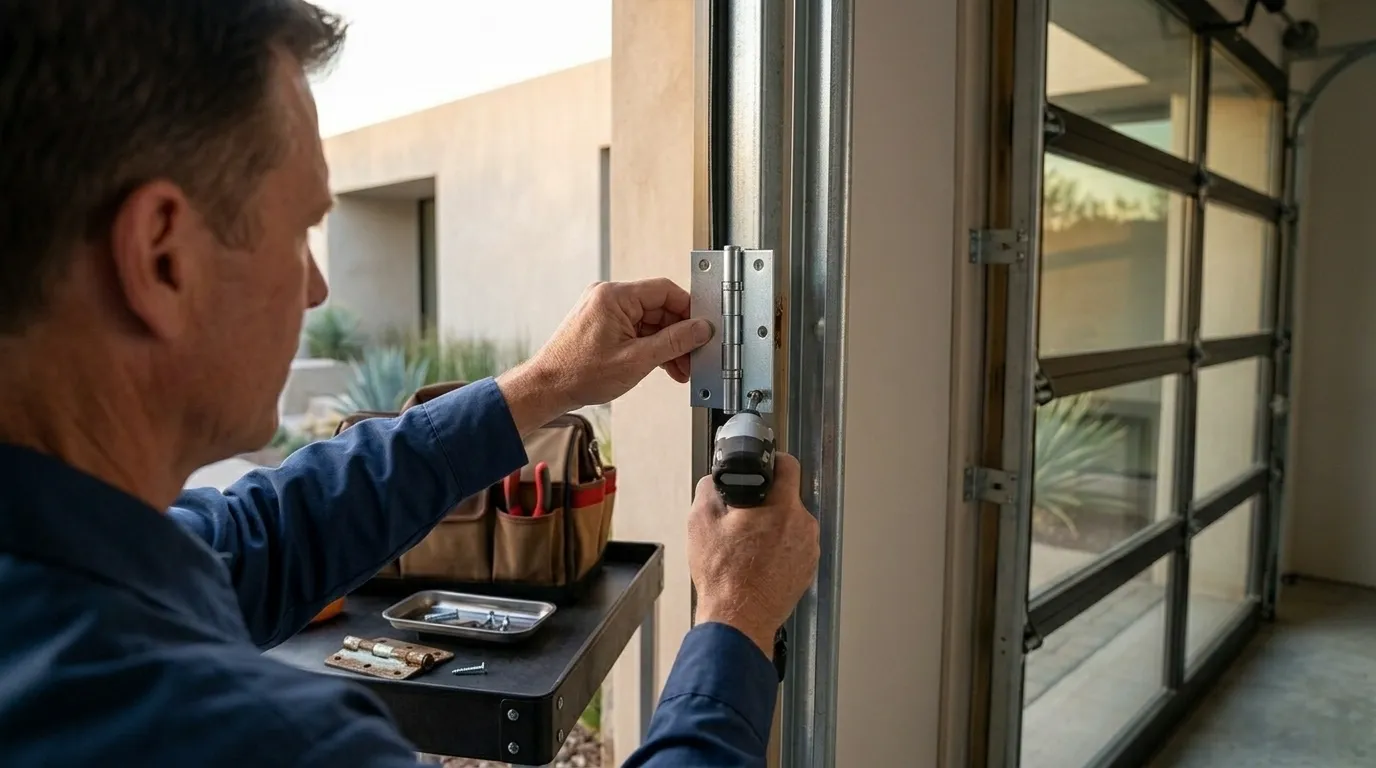
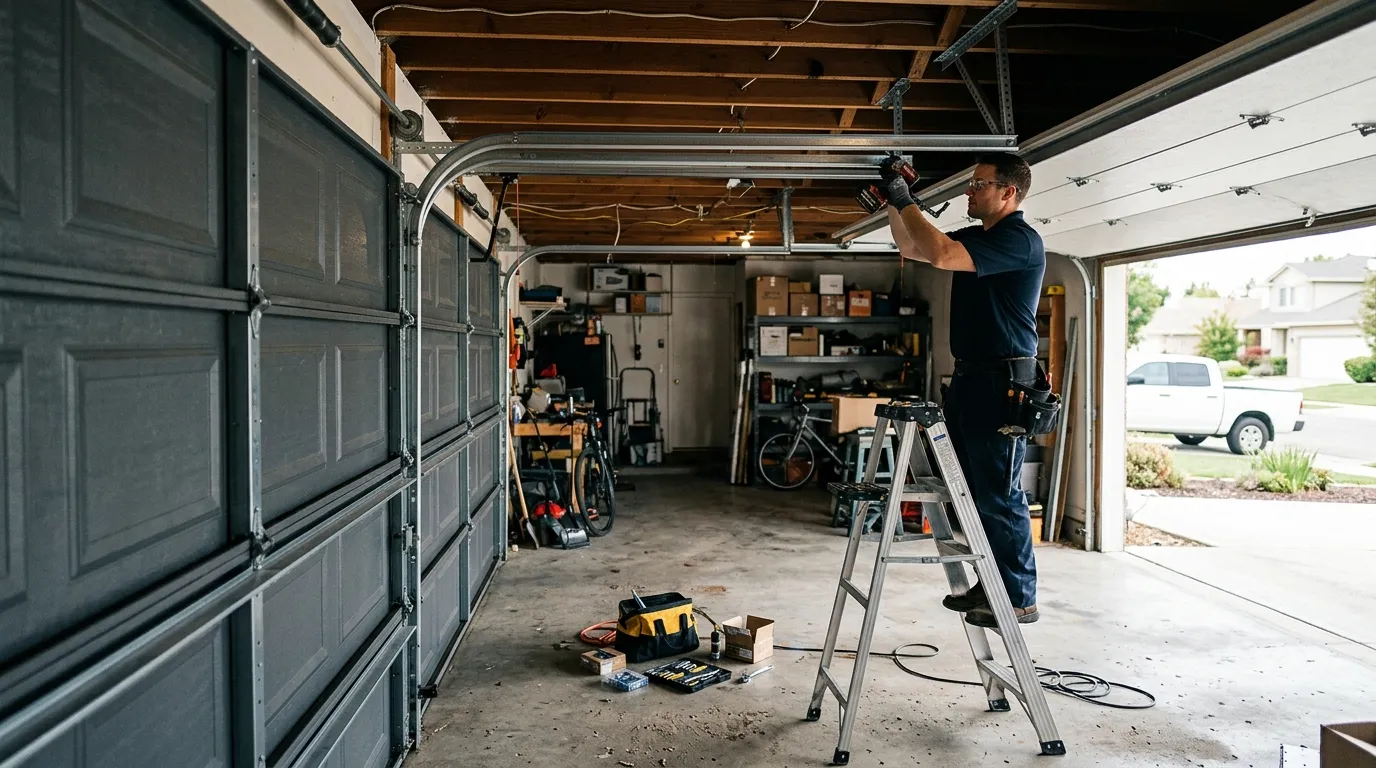
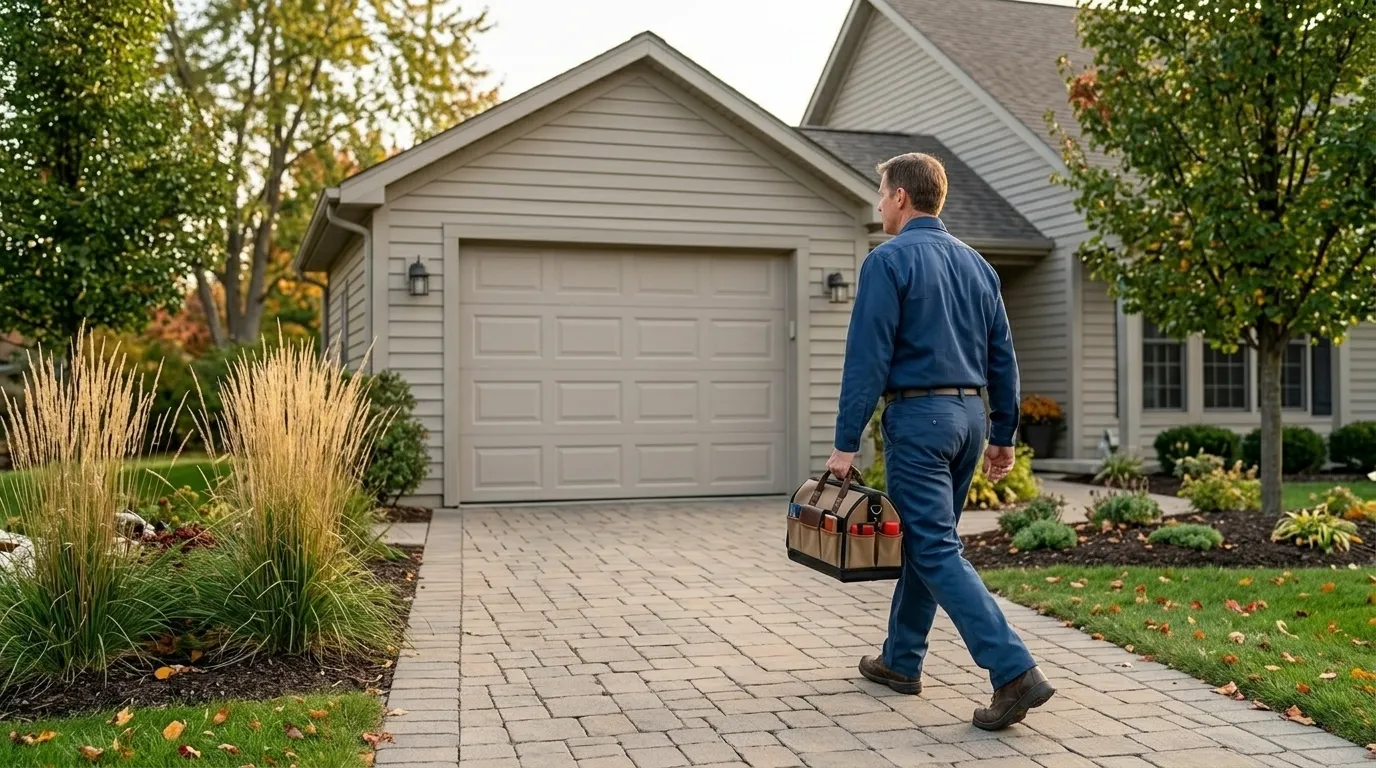
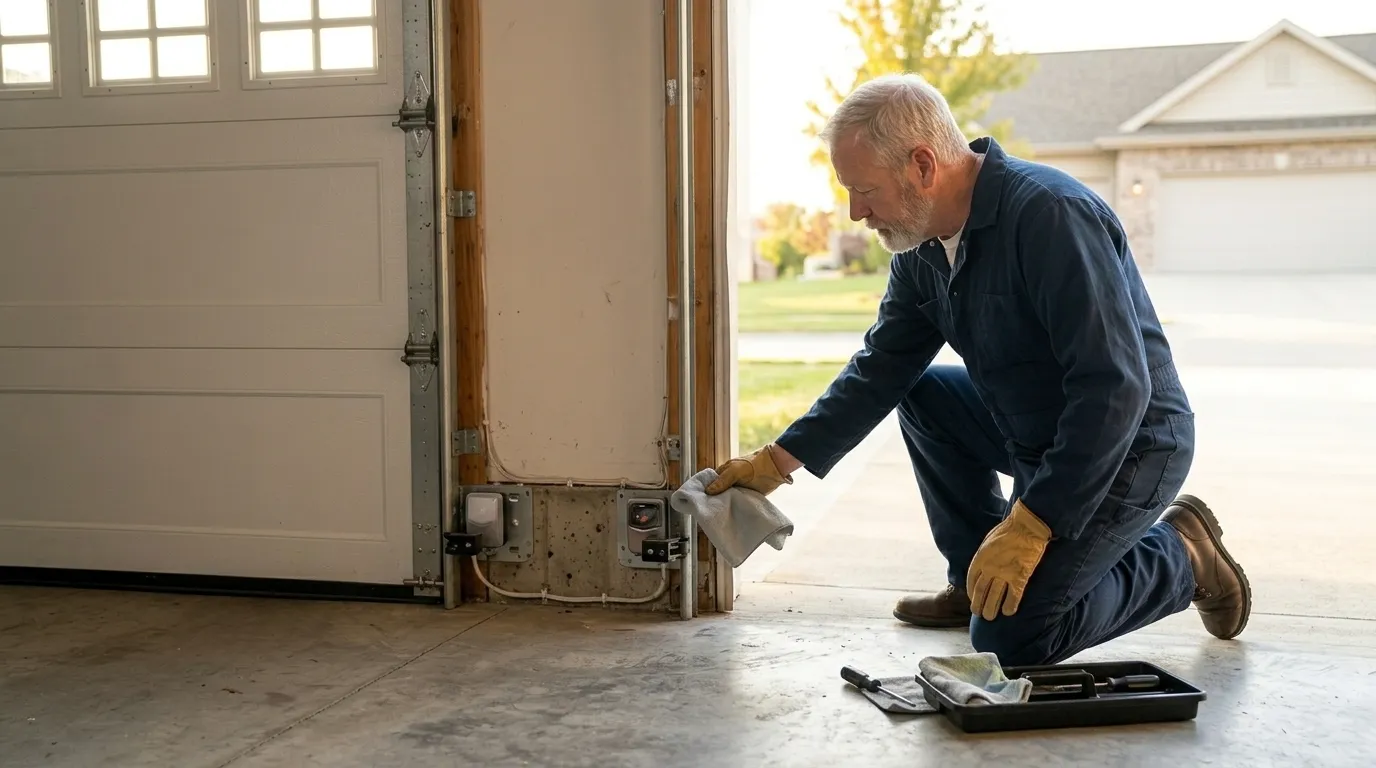
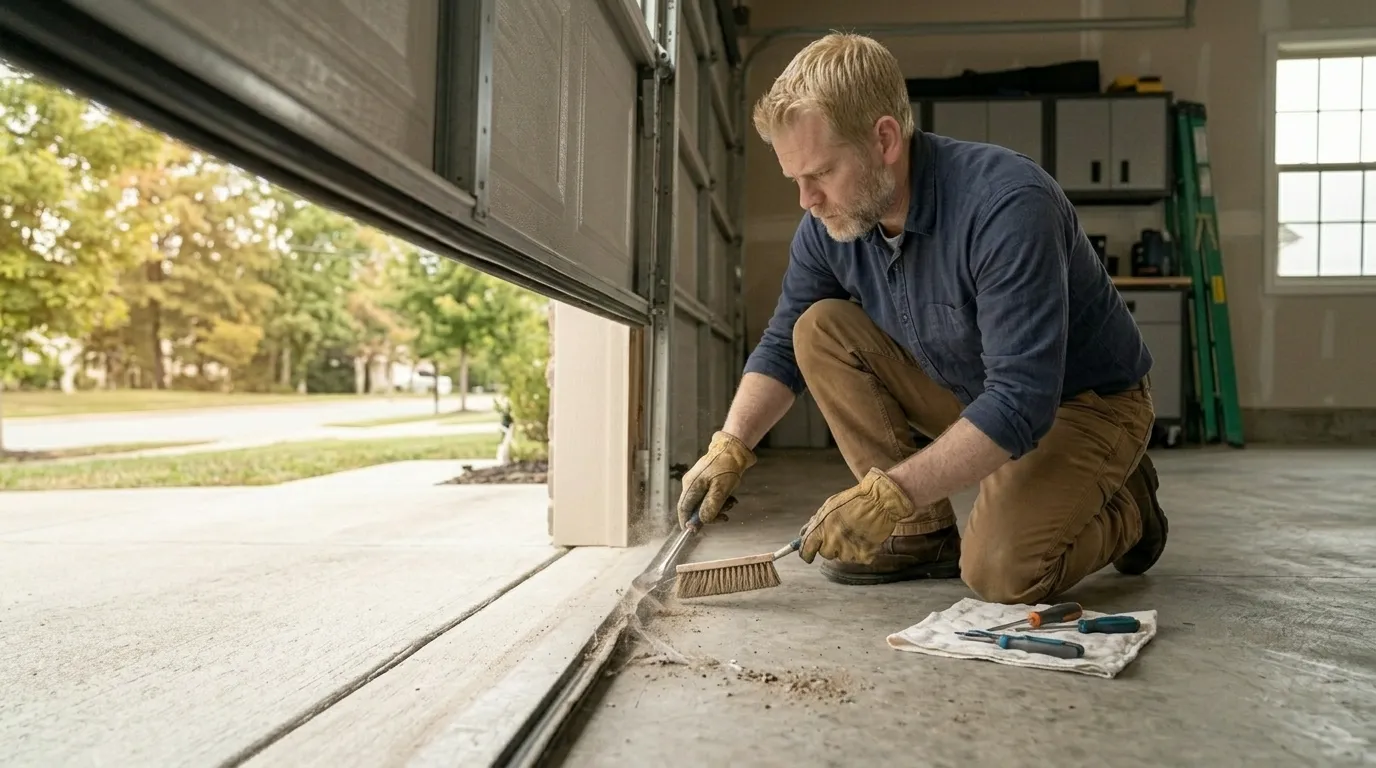
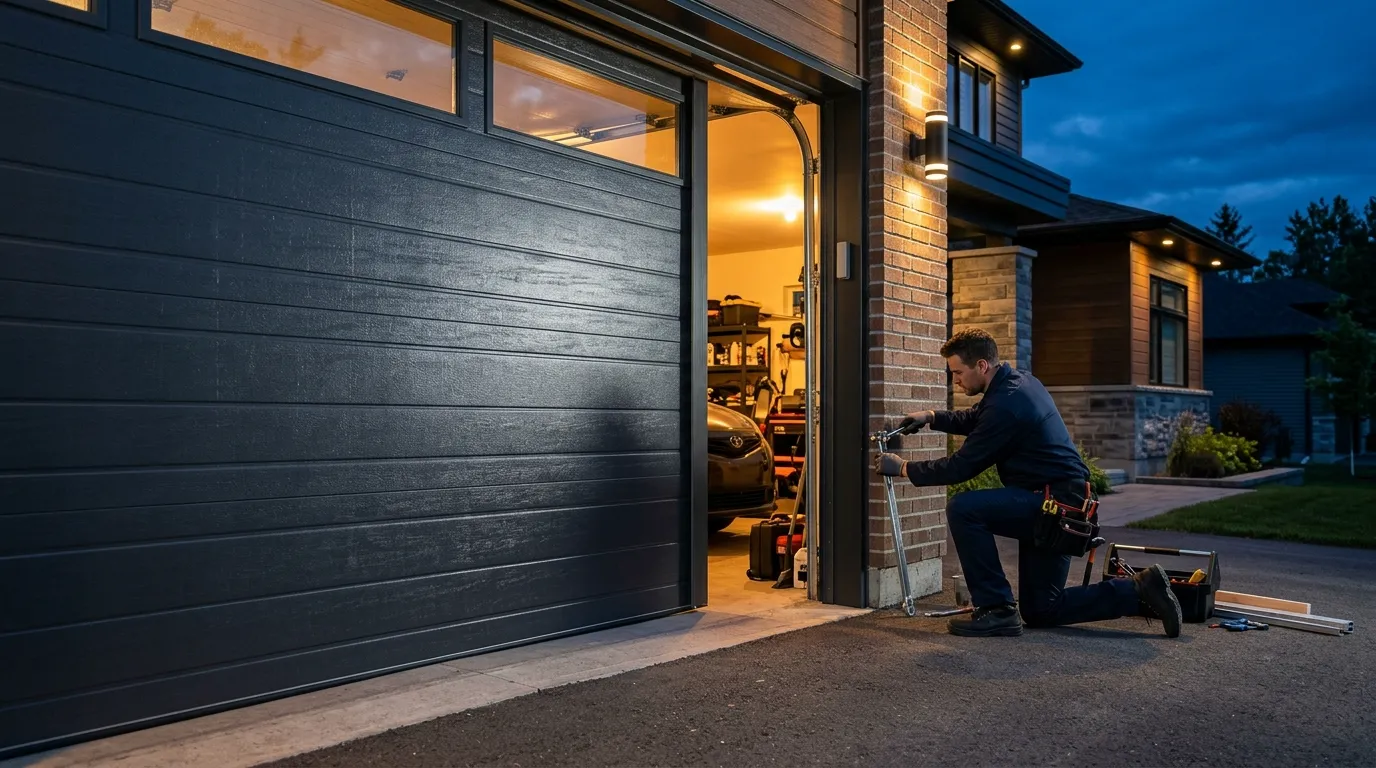
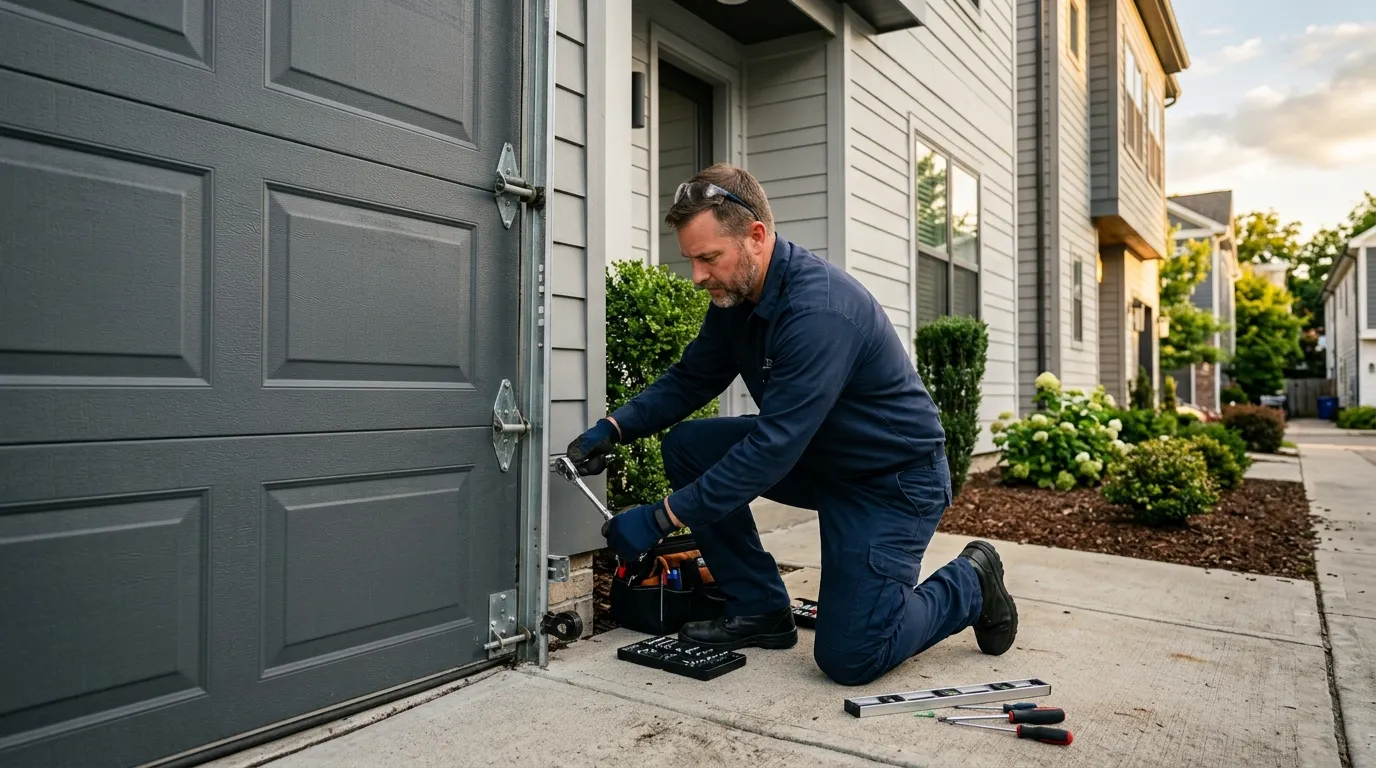
Oak Hill's houses mostly went up during the wider building boom that ran from 1973 through 2007, with the median build year across the area landing around 1985. That puts a lot of garages here on original or first-replacement steel doors, paired with torsion springs sized for the lighter, single-layer panels that were standard through the 80s and 90s. Chain-drive openers from that same window are common too - noisier than what's sold now, but often still running, which means the calls we get are usually about a stripped gear, a dead capacitor, or a spring that's finally given out after three decades of cycles rather than a full system failure. Jacksonville's mild temperate climate is easy on this hardware compared to places with hard freeze-thaw cycles, so a lot of these original setups have outlasted what you'd expect elsewhere. That said, a 35-year-old torsion spring is still a 35-year-old torsion spring - it doesn't owe you anything, and if it lets go on a double door, it lets go all at once.
Houses on These Streets
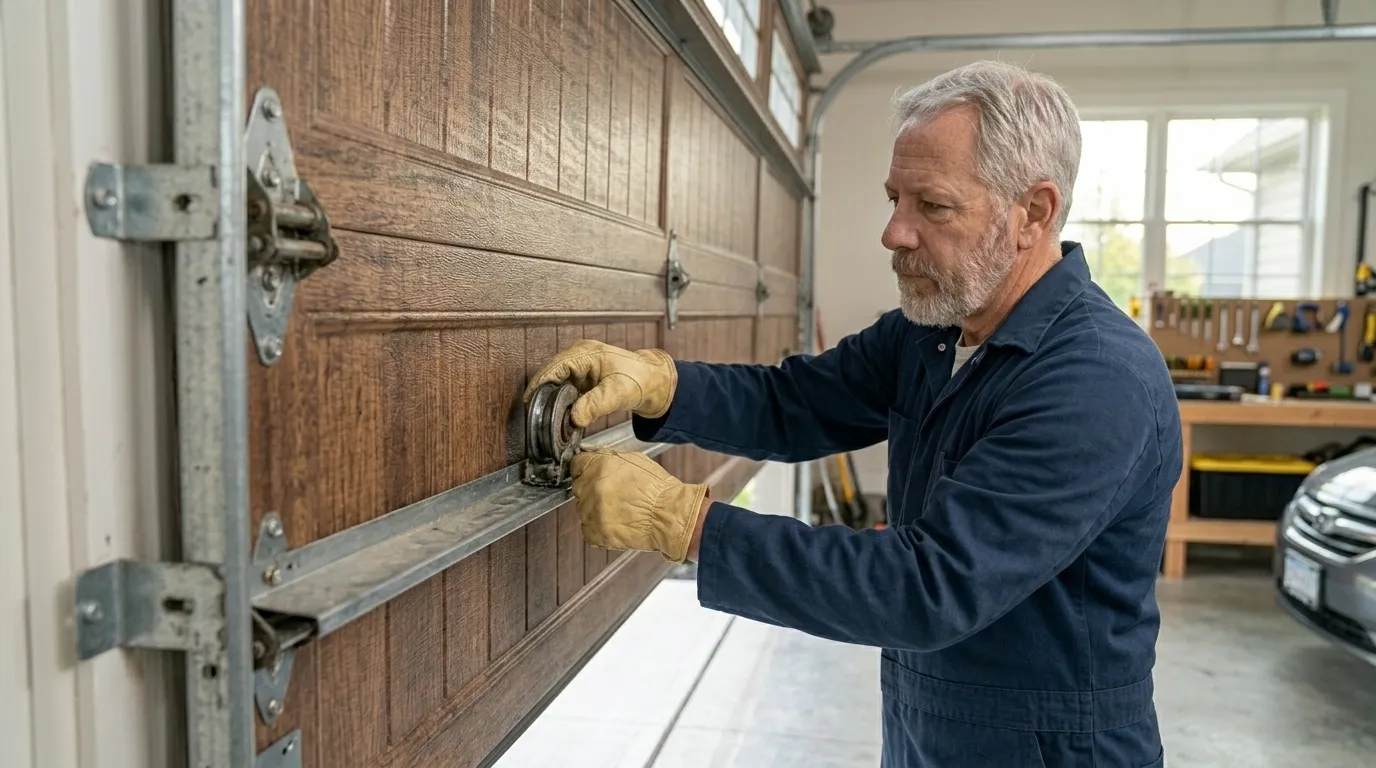
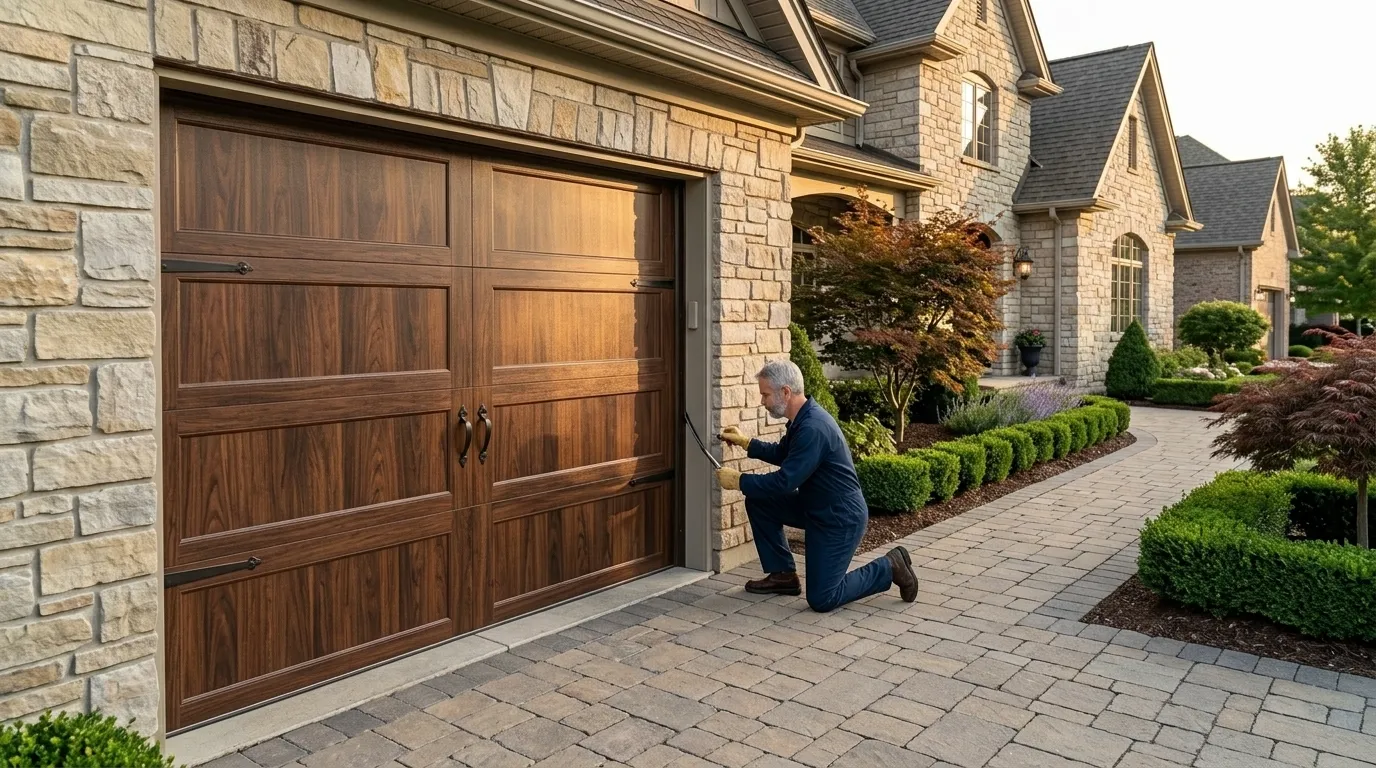
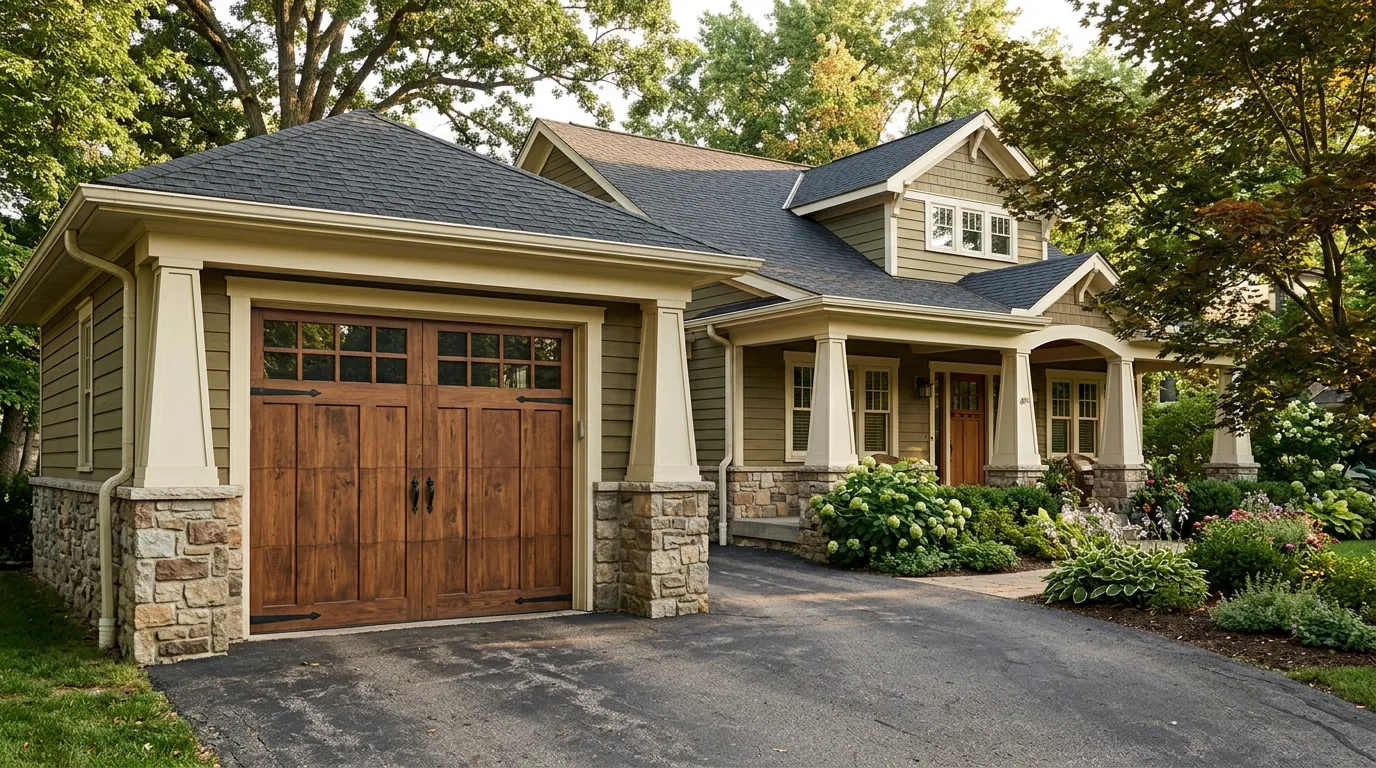
We don't have street-level detail for Oak Hill specifically, so we'll speak to what the housing era tells us. Homes from the 1973-2007 build window in this part of Jacksonville tend to be single-family houses with attached two-car garages, standard 16-foot double doors or matched single bays, and hardware that was installed once and rarely touched since. Across the broader service area, median household income runs $103,288, and that shows in the calls: more owners here choose to replace a tired opener outright once it starts acting up, rather than patch it a third time and hope. With 48,862 owner-occupied houses in the service area, this is a market of people calling about their own garage - not a property manager working down a list of rental units. If your door is original to the house, the panels themselves are usually fine; it's the moving parts - springs, rollers, the opener's drive gear - that have done thirty years of daily work and are due.
Where This Is
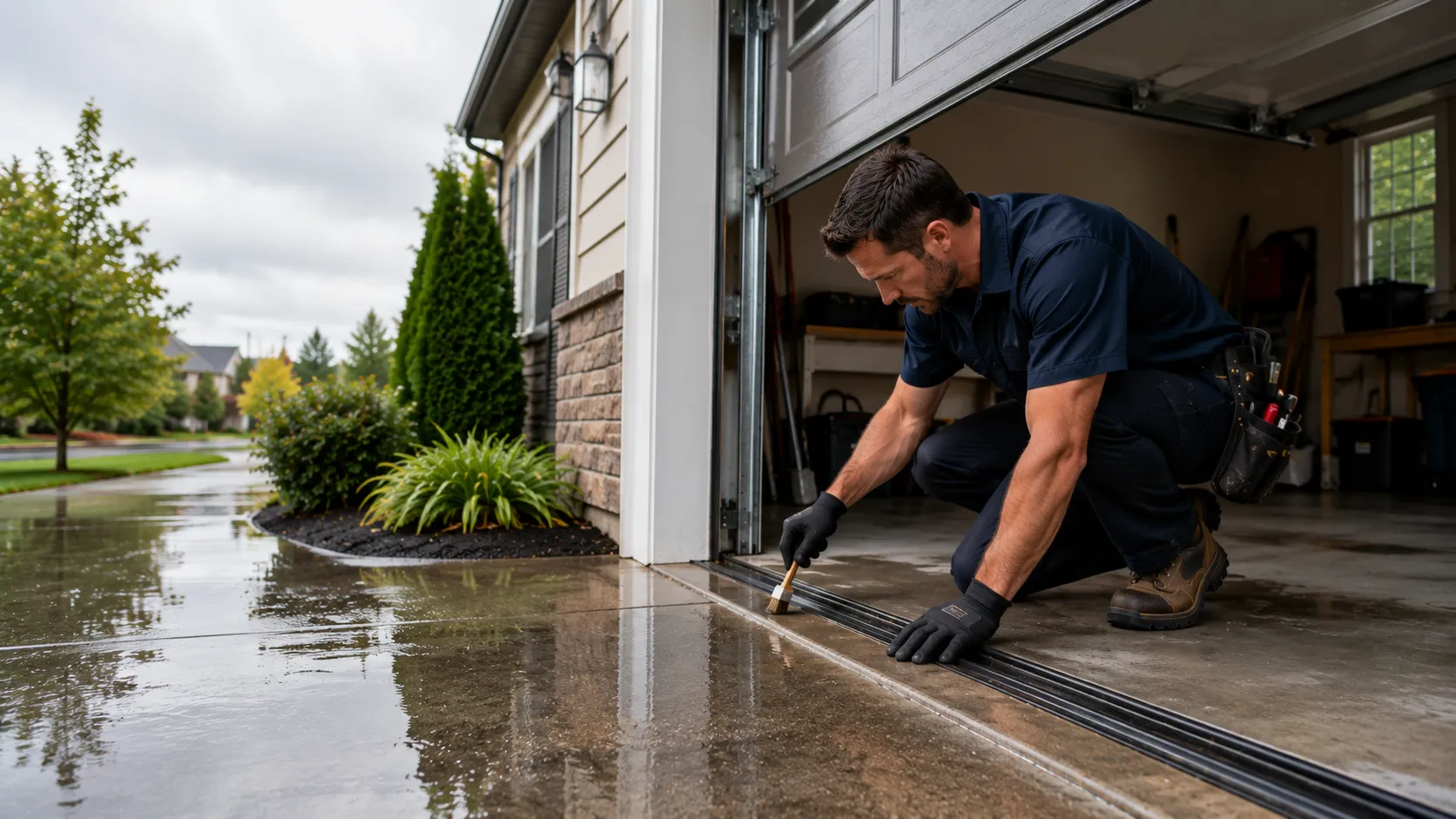
Oak Hill sits about 8 miles southwest of downtown Jacksonville, out past the closer-in neighborhoods like Murray Hill (3 miles WSW) and Woodstock (4 miles W) that mark the edge of the older urban core. Miramar, 4 miles south of center, gives you a sense of the same general arc of the city before it opens up into Oak Hill's stretch. Being inland at that distance also means this area doesn't deal with the salt air that works on track hardware and hinges out near Atlantic Beach or Jacksonville Beach, both 16 to 17 miles east on the coast - corrosion just isn't the same problem here that it is closer to the water. We work this side of the city regularly and know the general housing stock even without a landmark list to point to.