What Is on These Garages
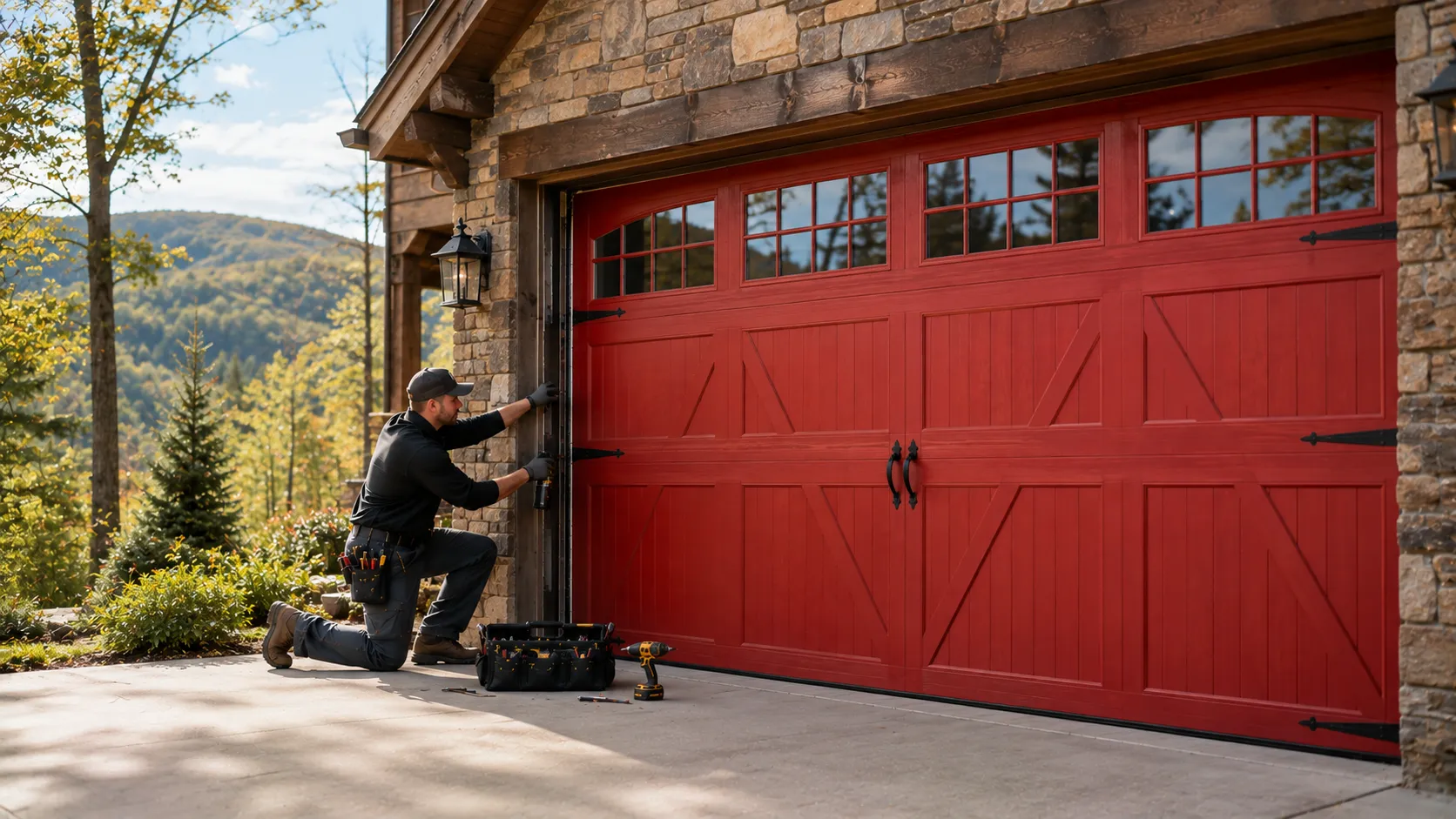
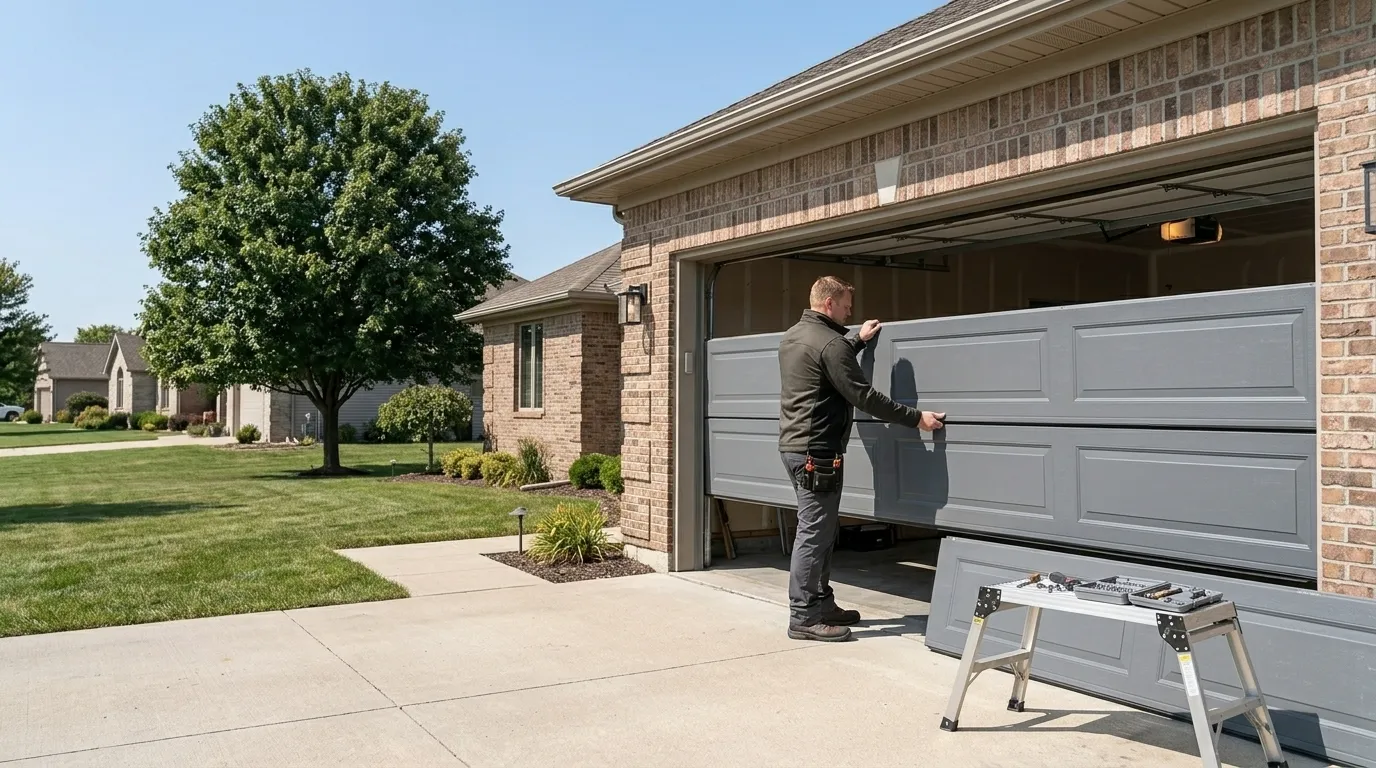
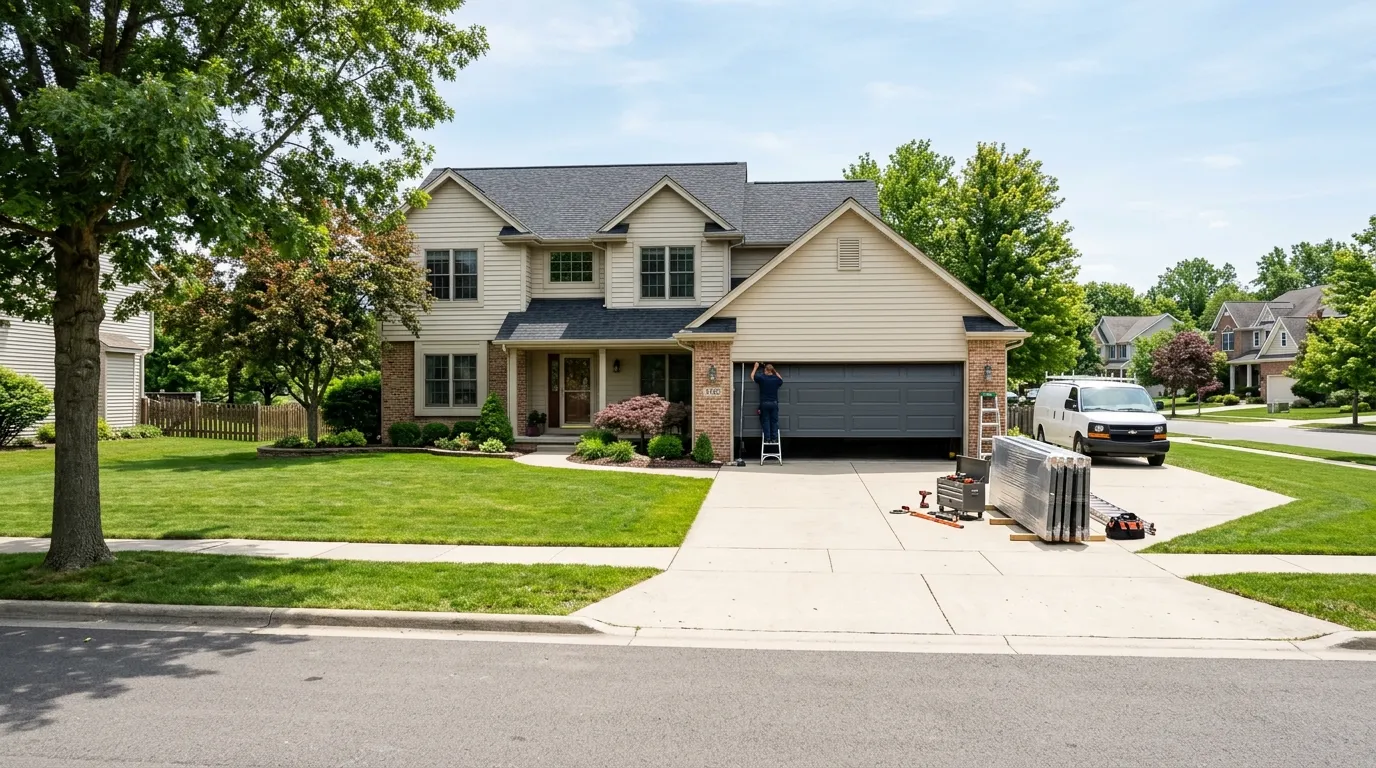
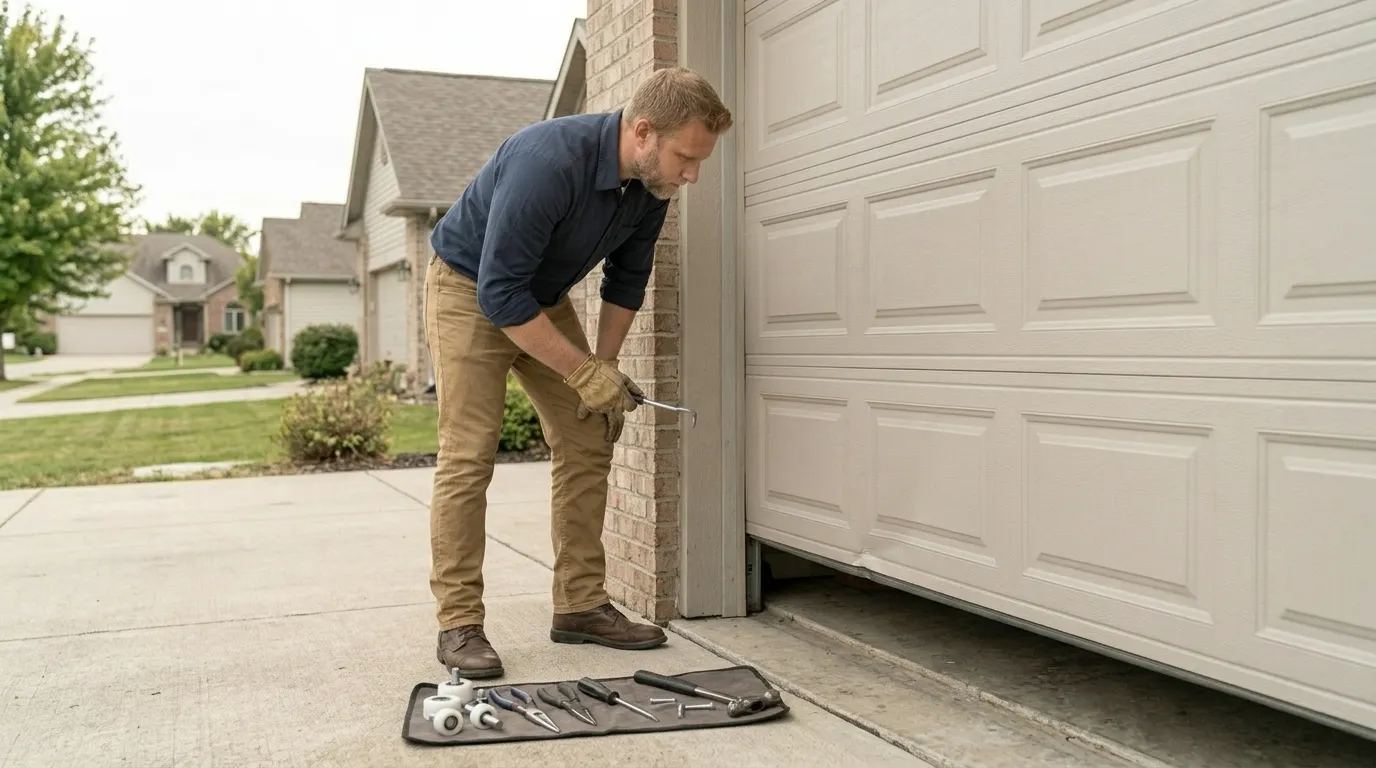
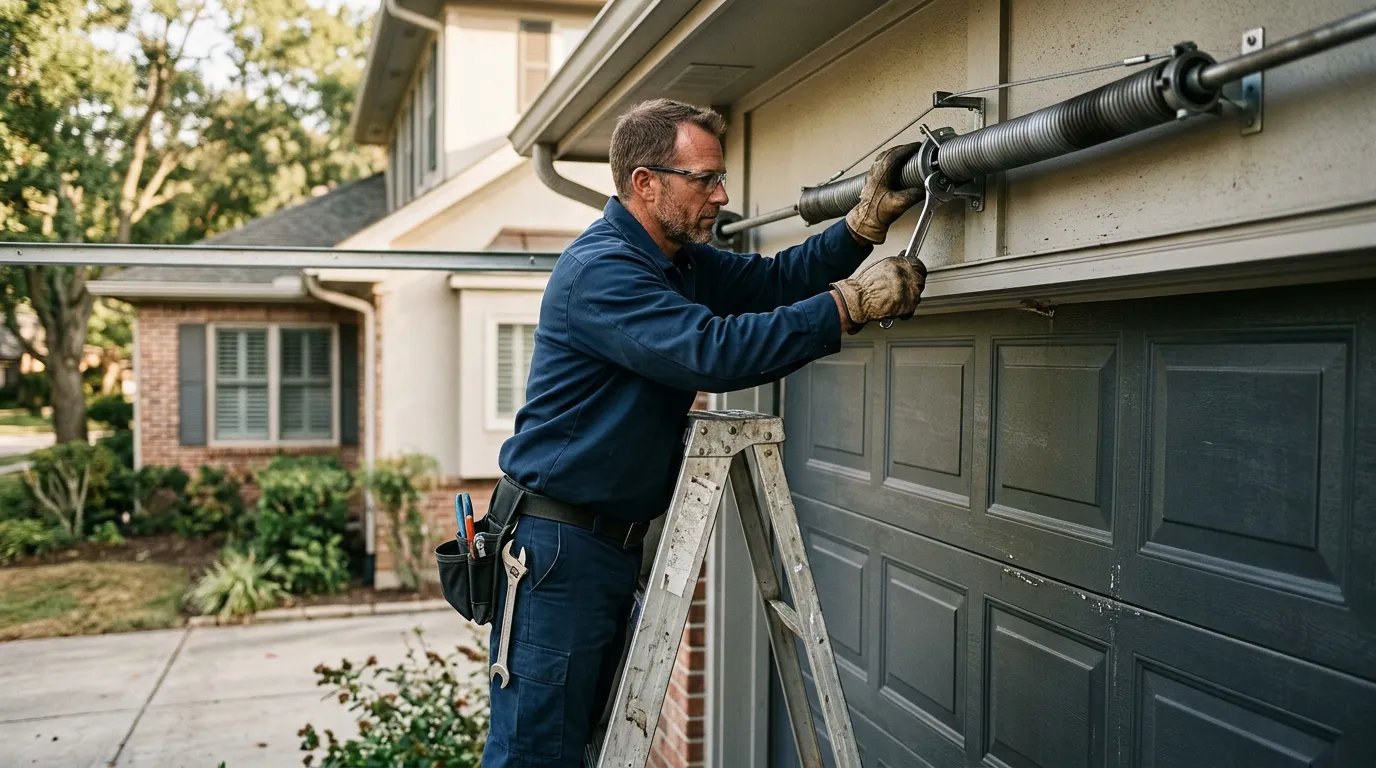
Most of the housing across this part of Jacksonville went up between 1973 and 2007, with the bulk of it dating to the 1980s and 90s. That build window matters more than people think. Doors from that era are almost always steel sectional units on torsion springs, and the openers that came with them were chain-drive, the kind that grind and shake a bit even when they're working right. Thirty-plus years on, a lot of that original hardware is still in the garage, just tired.
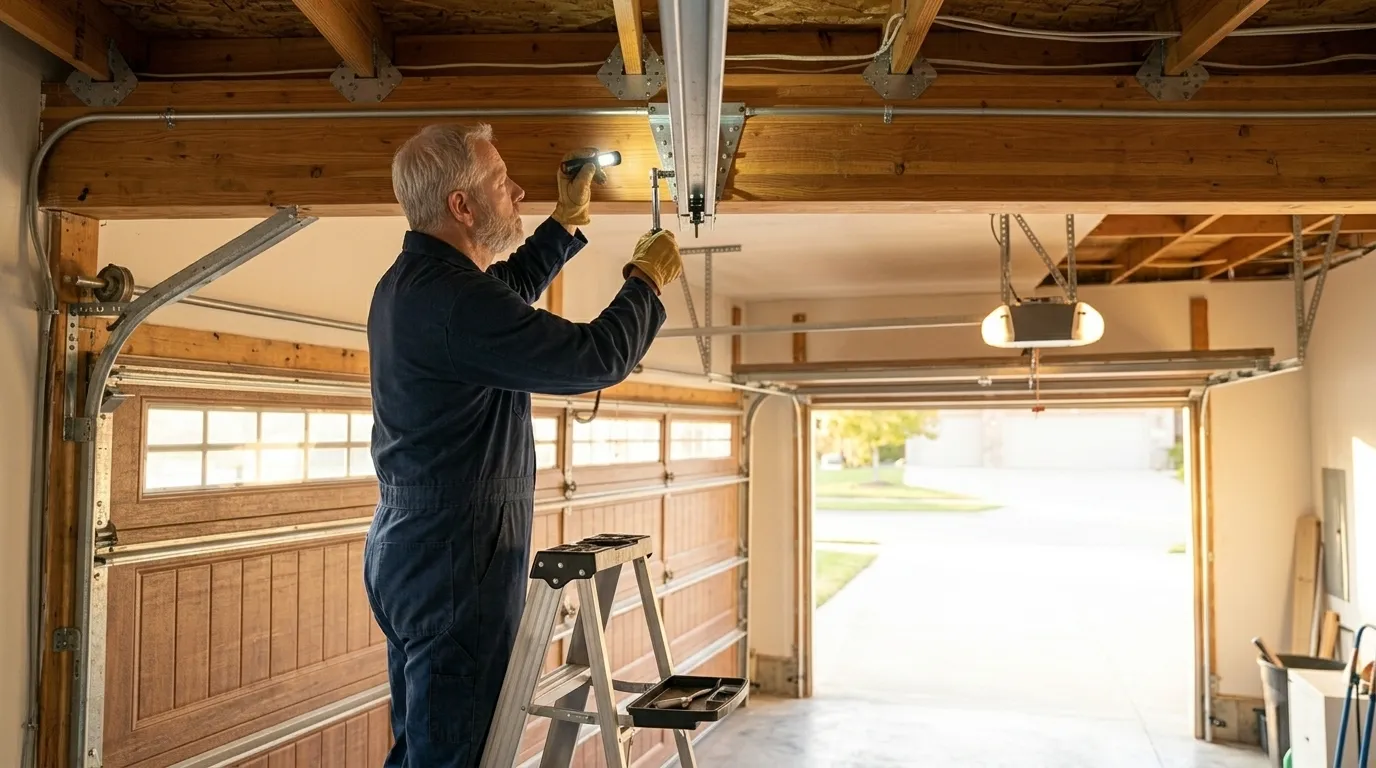
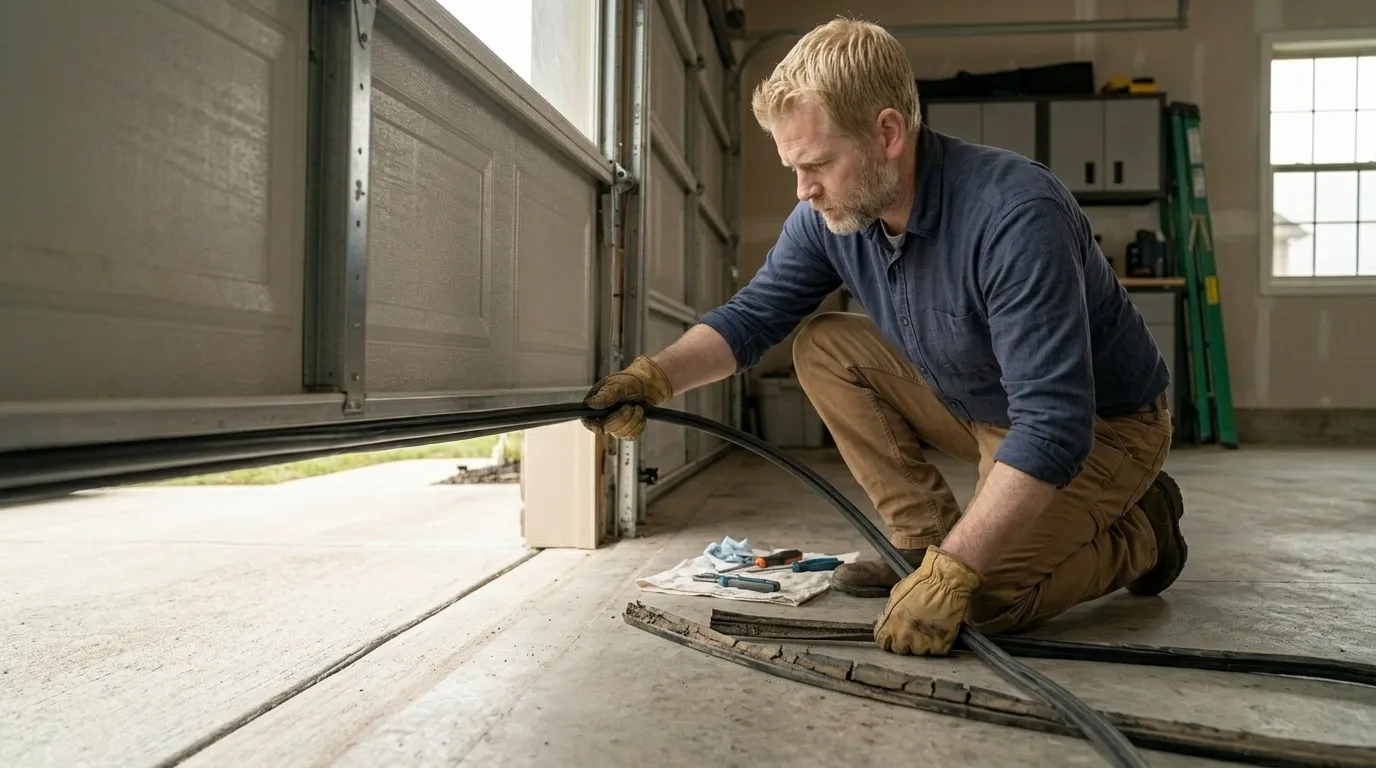
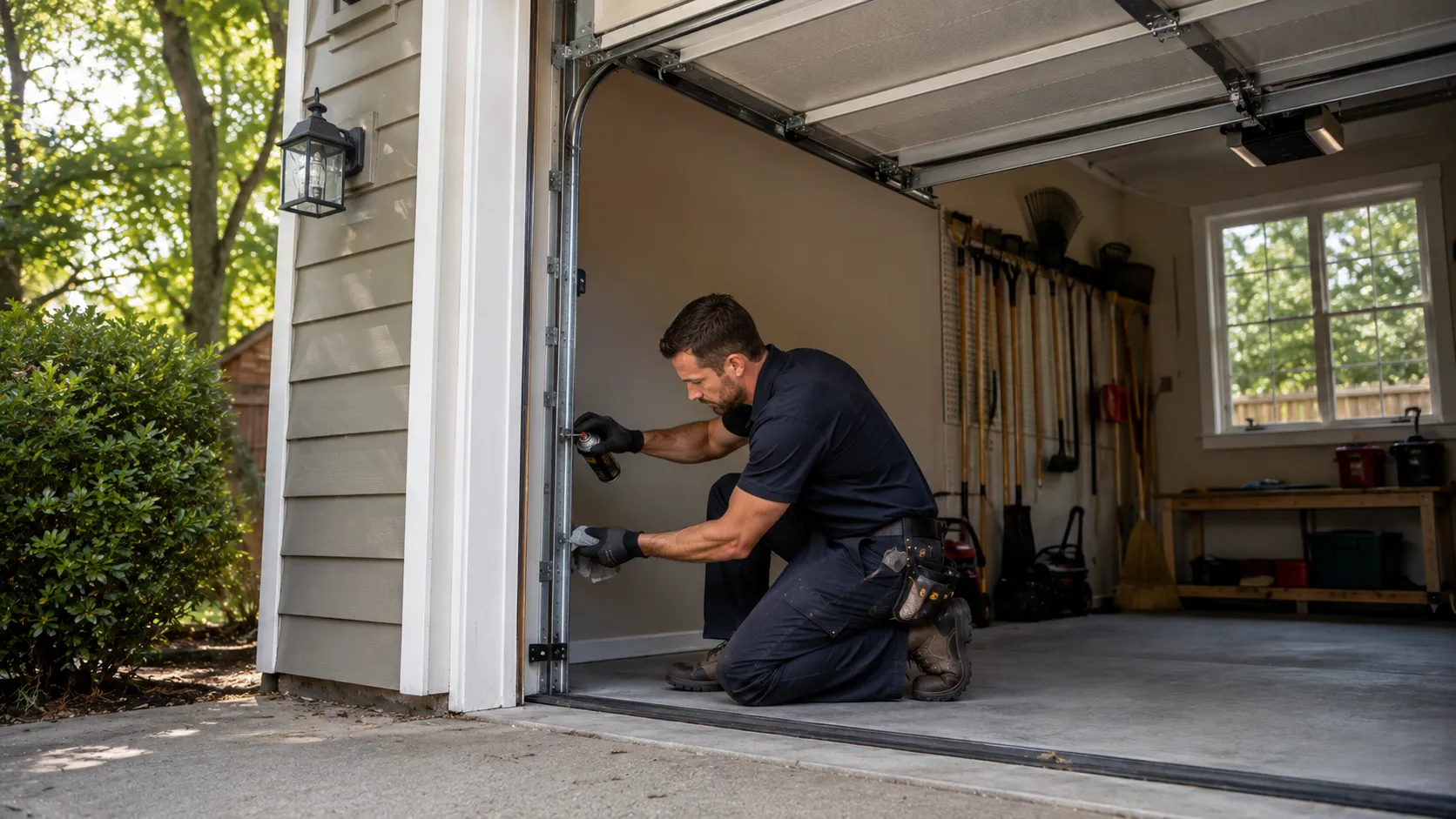
The climate here is mild temperate, so you're not dealing with freeze-thaw cracking or ice-jammed tracks the way colder regions do. What you do get is humidity working on bare steel year after year: rust creeping into hinge pins, springs losing tension slower but steadier, roller bearings drying out and squealing before they fail outright. It's wear, not shock damage, and that changes what a repair call usually looks like out here - less about storm damage, more about parts that have simply run their course.
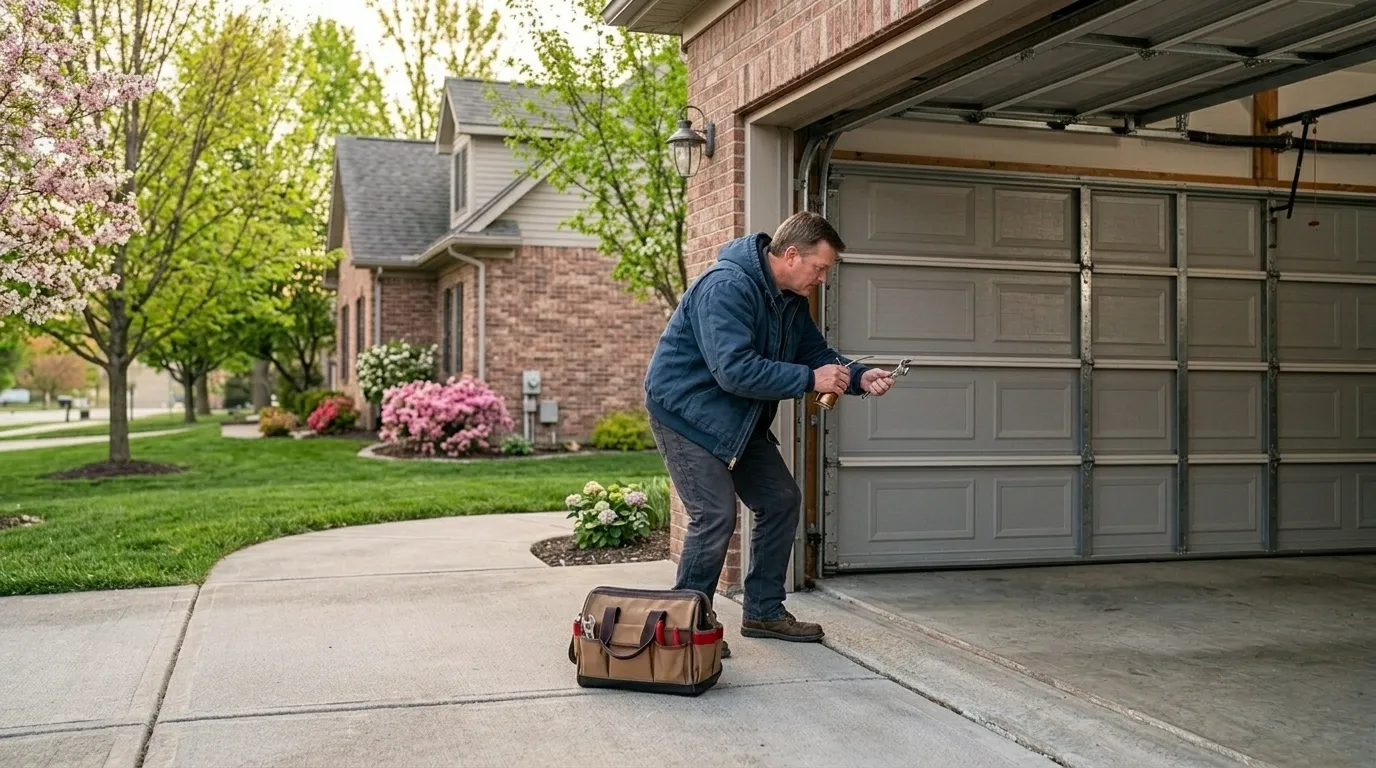
Houses on These Streets
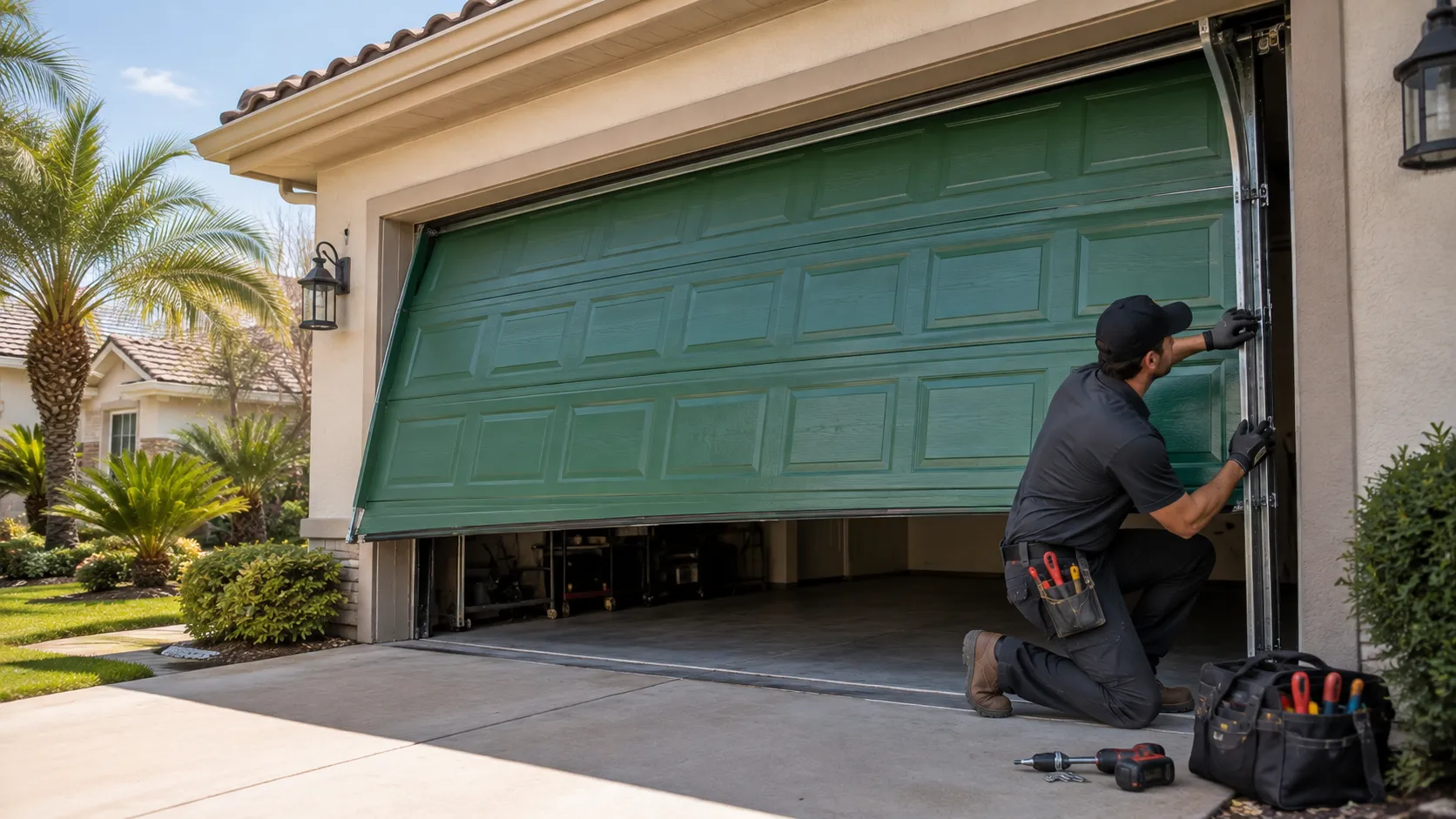
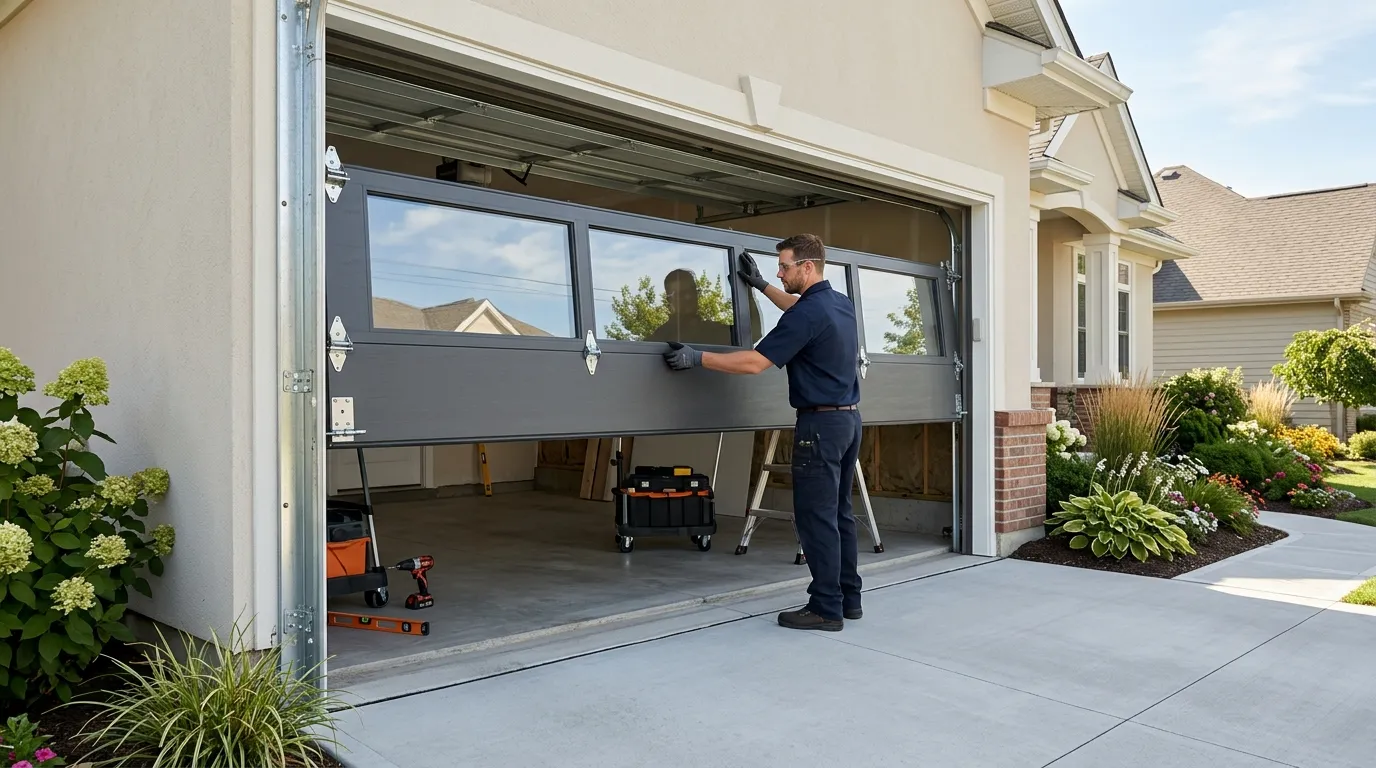
With most of this stock built in the 1980s and 90s, the doors on these blocks tend to be single-layer steel panels, sometimes with a thin foam backer added later, hung on torsion springs sized for a door that's now three decades old. Original springs from that period were wound for the door's original weight; if a panel's been swapped or insulation added since, the spring is often working harder than it was built for, which shows up as an opener that strains or a door that won't stay put halfway up.
Across the service area, 48,862 of 86,151 households own the home they live in, and ownership like that tends to mean a door gets patched and re-patched rather than replaced at the first sign of trouble - a new roller here, a cable there. That's not a bad approach, but it does mean a lot of hardware out here is older than the average repair call suggests, and a spring that looks fine can be closer to the end than it looks.
Where This Is
This section sits about six miles west of downtown Jacksonville, tucked in among a cluster of named areas rather than defined by any one landmark of its own. Mid-Westside is a mile to the northwest, Murray Hill is three miles southwest, Woodstock is four miles due west, and Magnolia Gardens sits four miles to the northwest as well. 45th & Moncrief is three miles north-northwest, giving you a rough triangle of reference points if you're trying to place it on a map.
Downtown itself, along with Springfield and Brooklyn, sits closer in - a mile or two to the east and southeast - which puts this stretch on the outer edge of the older core but still well inside the main run of the city rather than out toward the fringe towns like Baldwin or Callahan, both closer to twenty miles out.