What Is on These Garages
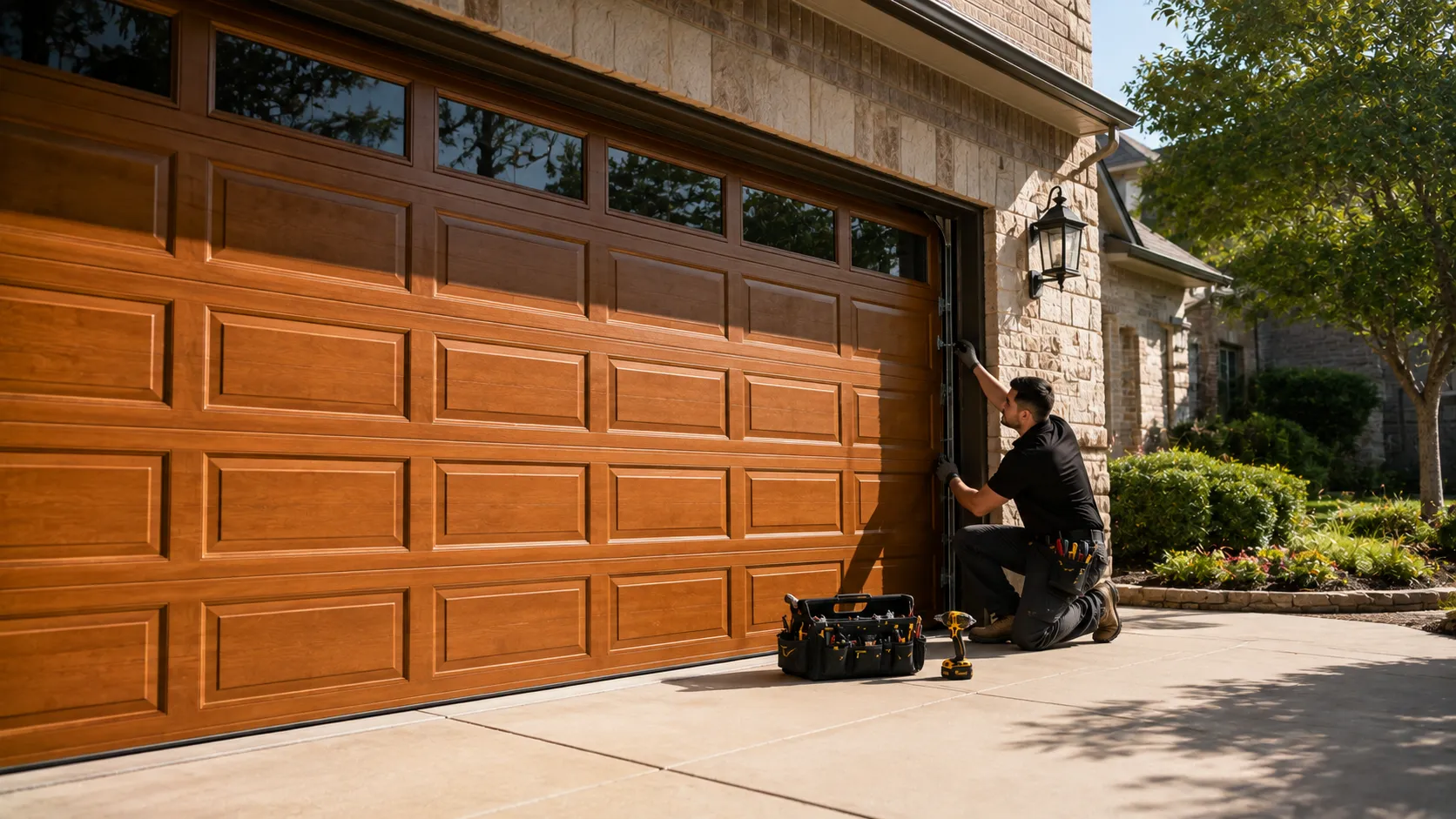
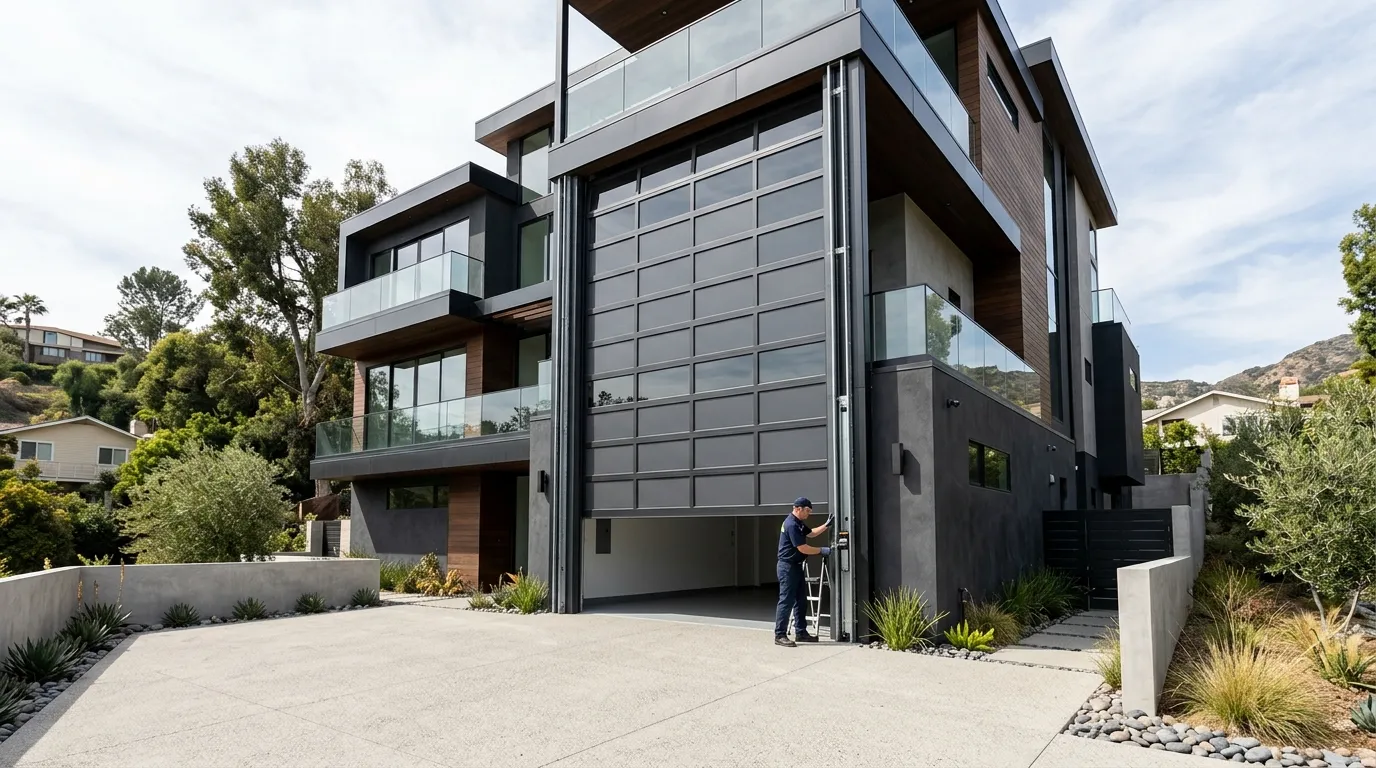
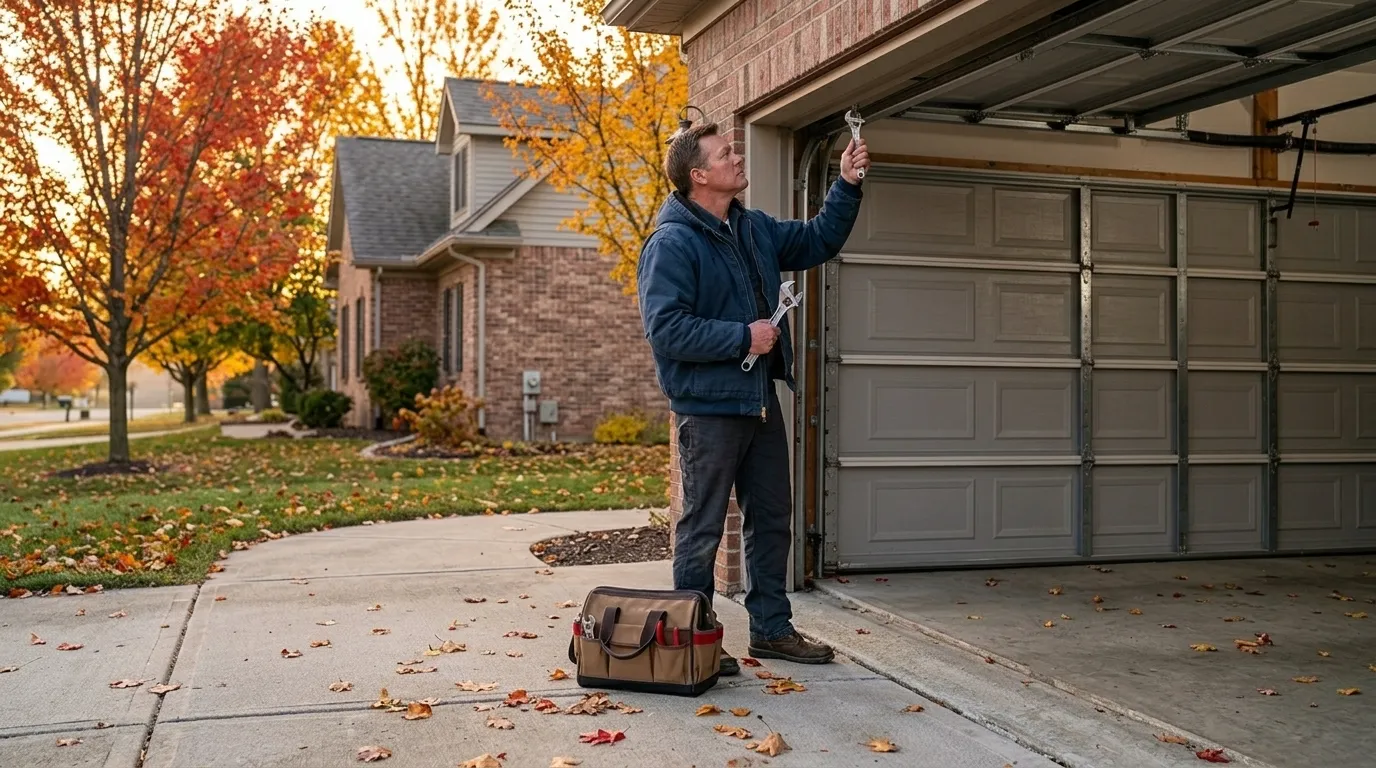
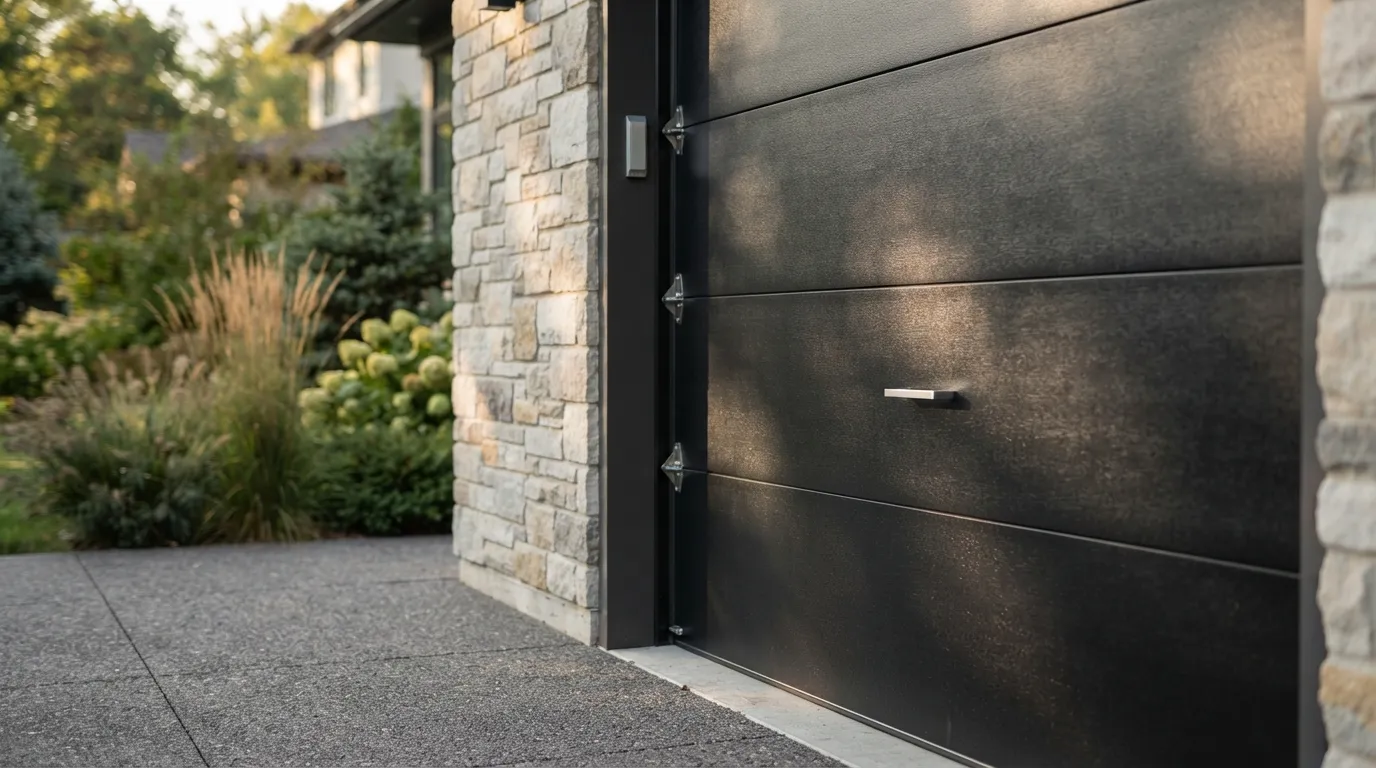
Jacksonville's housing stock overall runs from 1973 to 2007, with a median build year around 1985, and that range is what shows up on the doors we get called out for in this part of town. A door built in the 80s or 90s is usually a steel sectional on a standard torsion or extension spring setup, not the older one-piece slab doors you find in some of the pre-1970s pockets closer to downtown. That's good news for parts availability - most springs, rollers, and cables for this era are still stocked, not special-order.
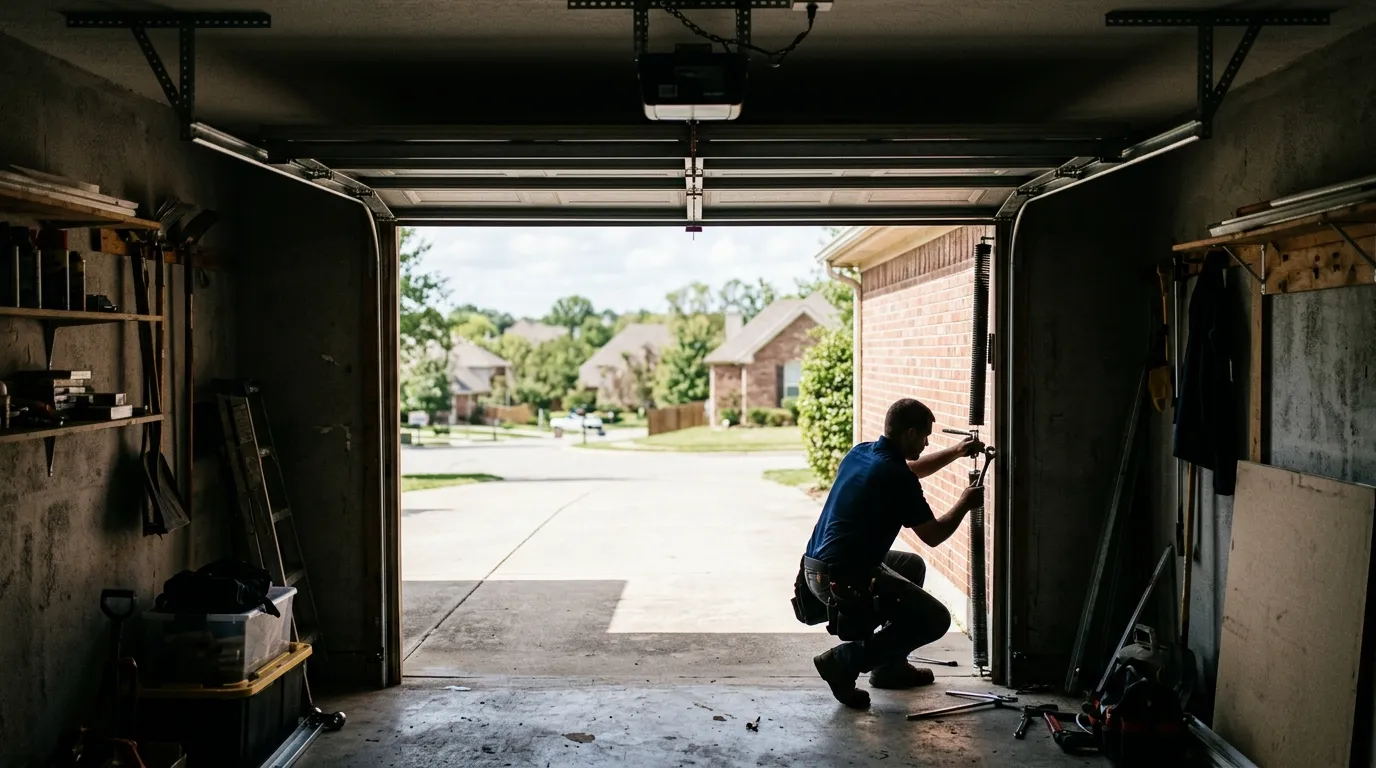
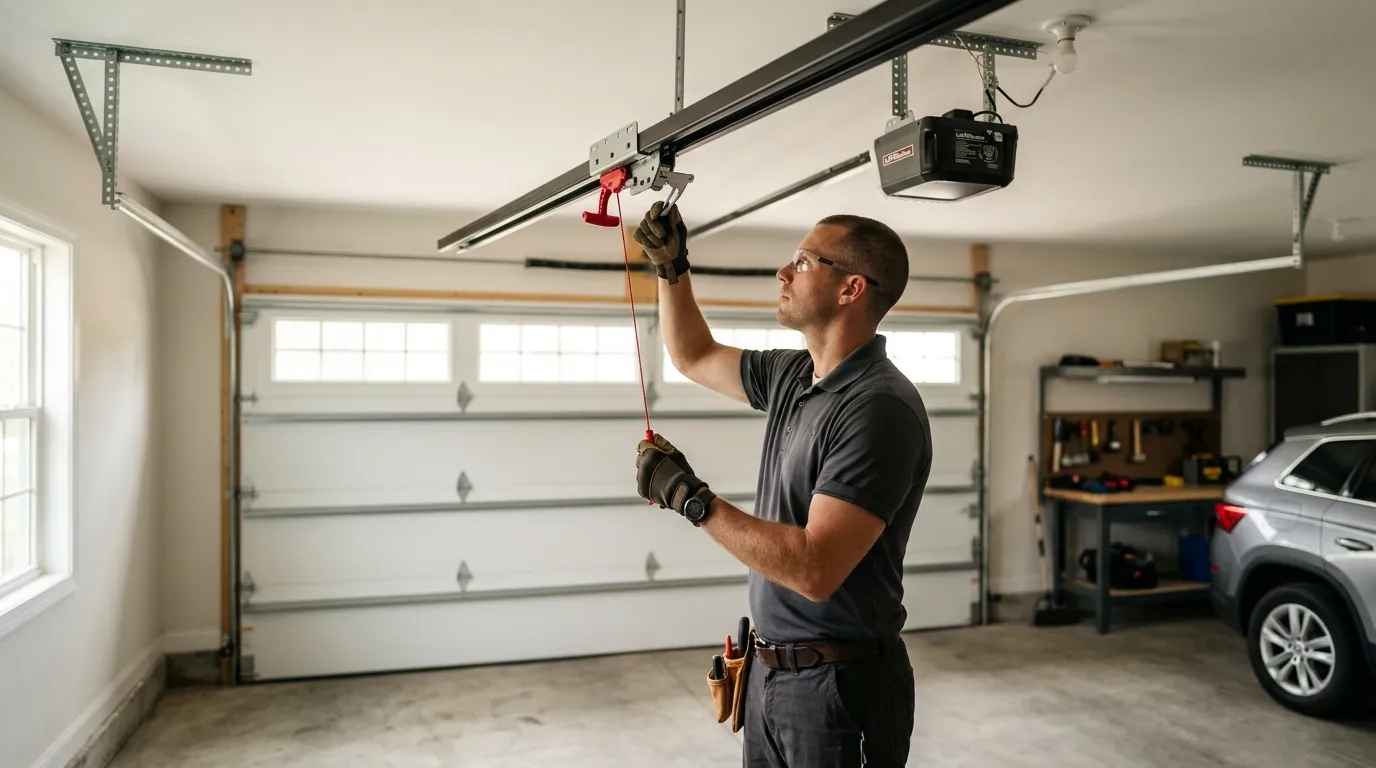
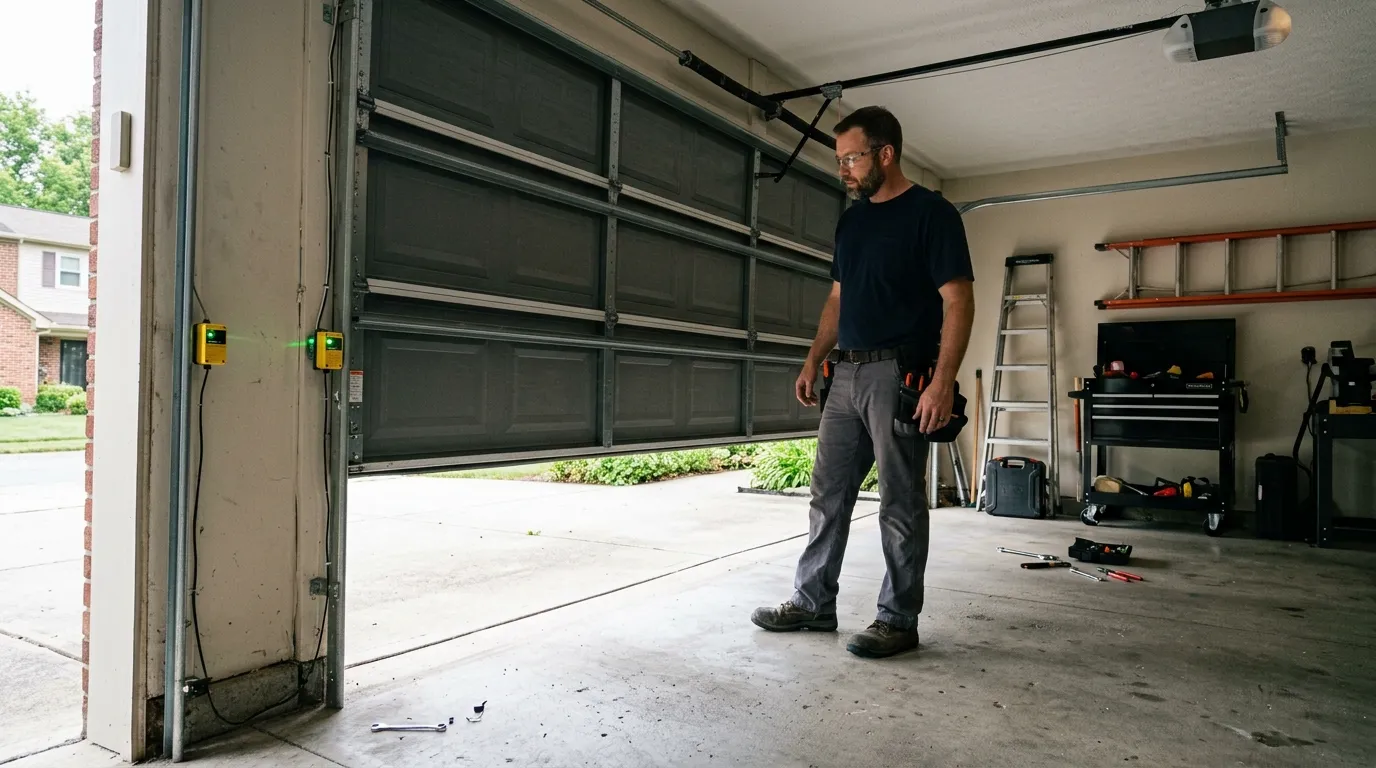
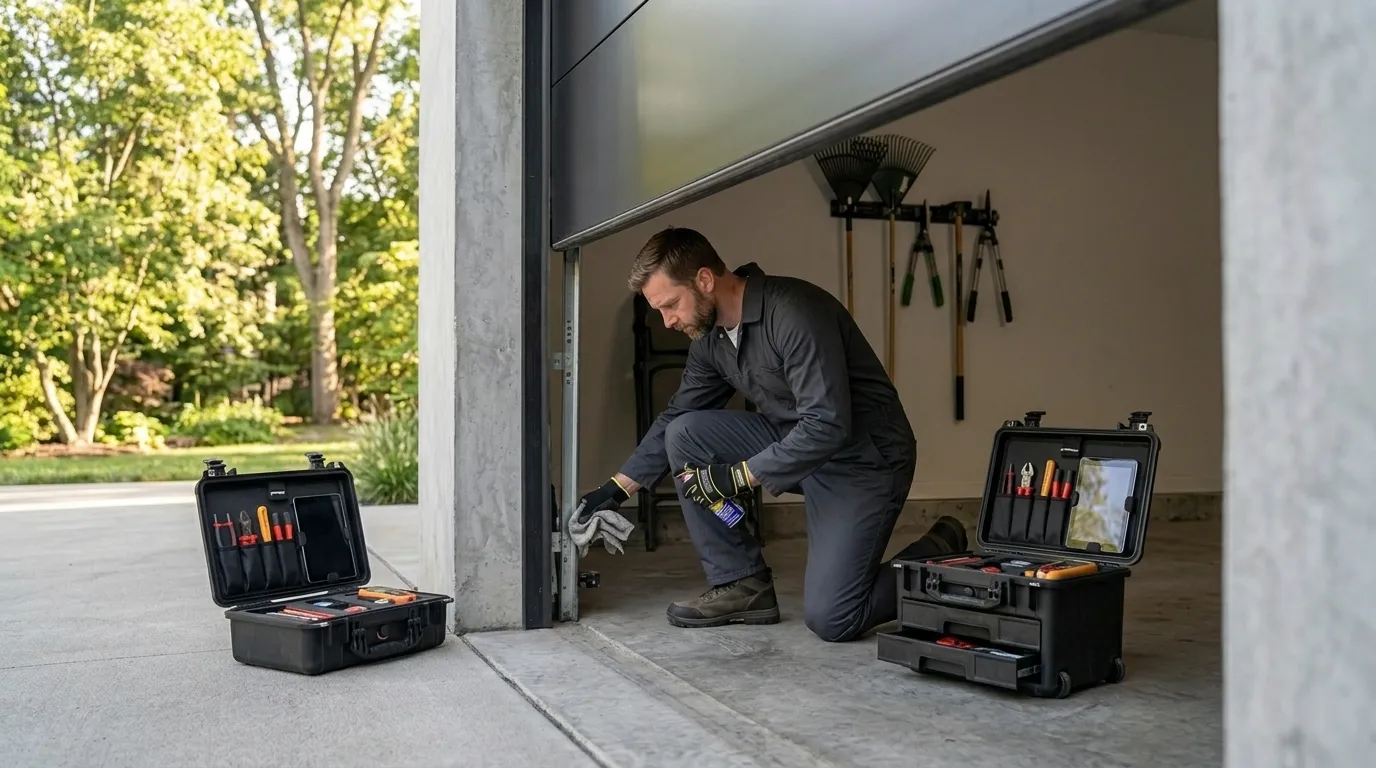
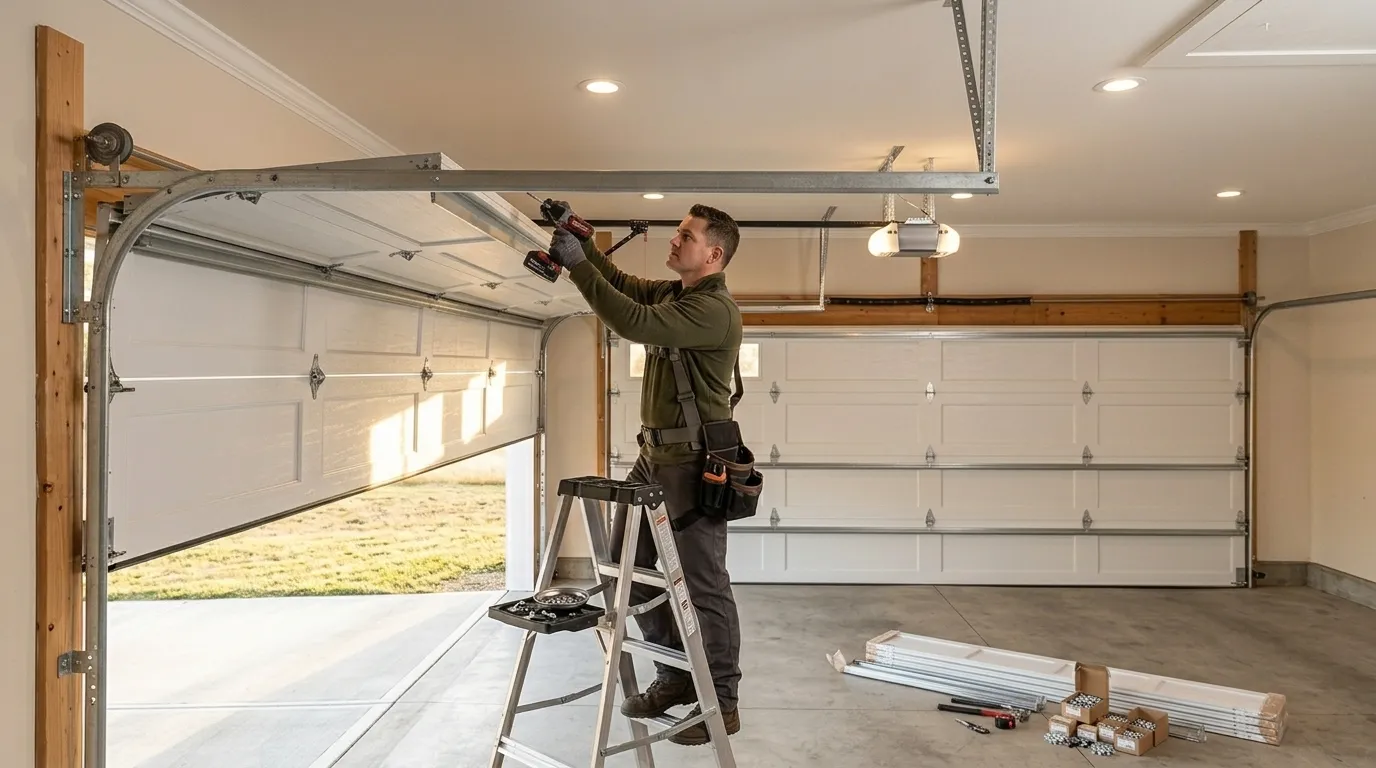
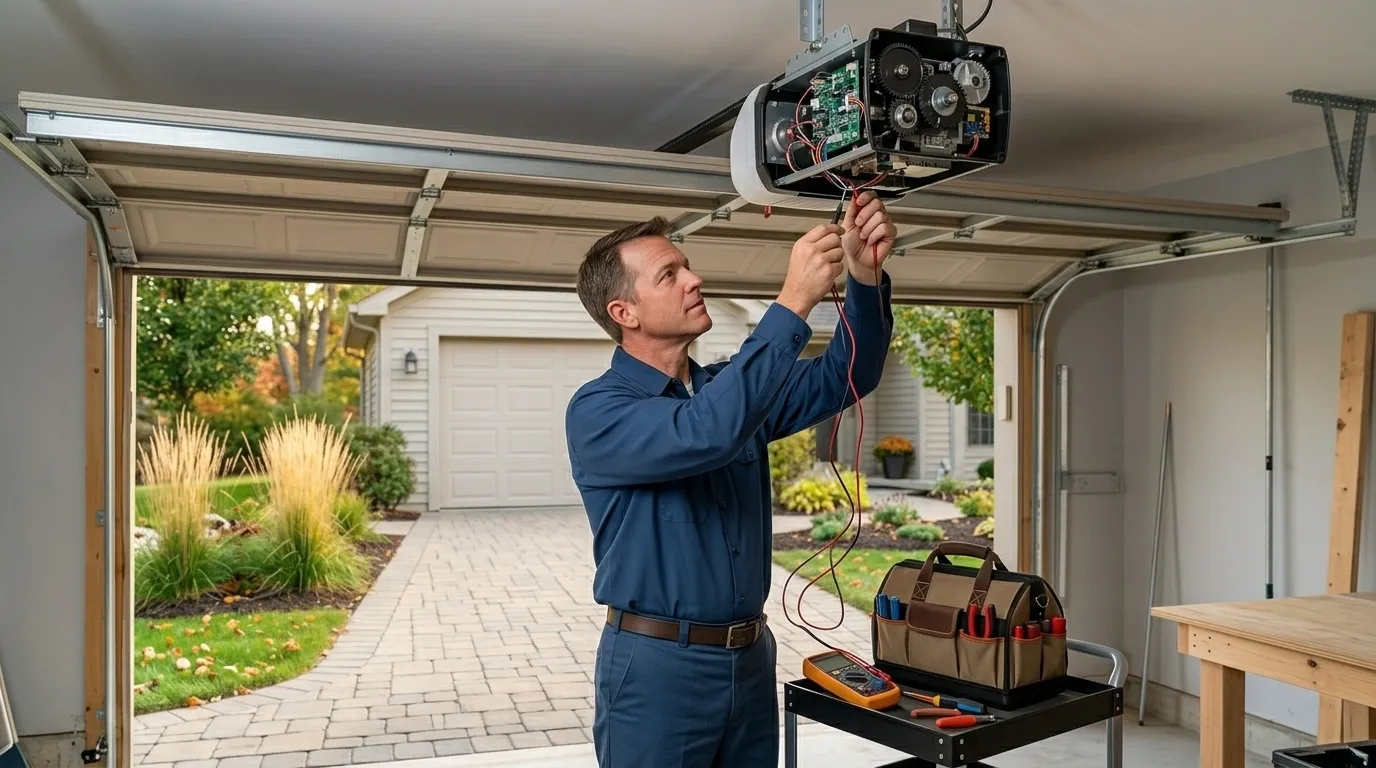
What does wear out on a house this age is the opener. If the house went up in the mid-80s, the original opener has likely already been replaced once, sometimes with a unit that doesn't match the door's weight or spring tension. We see openers straining against springs that were never adjusted after a swap. The climate here is mild temperate, so we're not fighting the freeze-thaw cycles that crack panels or seize hardware in colder states - humidity and daily heat cycling are the bigger factors, and they show up as rust on unpainted spring coils and dried-out weatherstripping before they show up as structural failure.
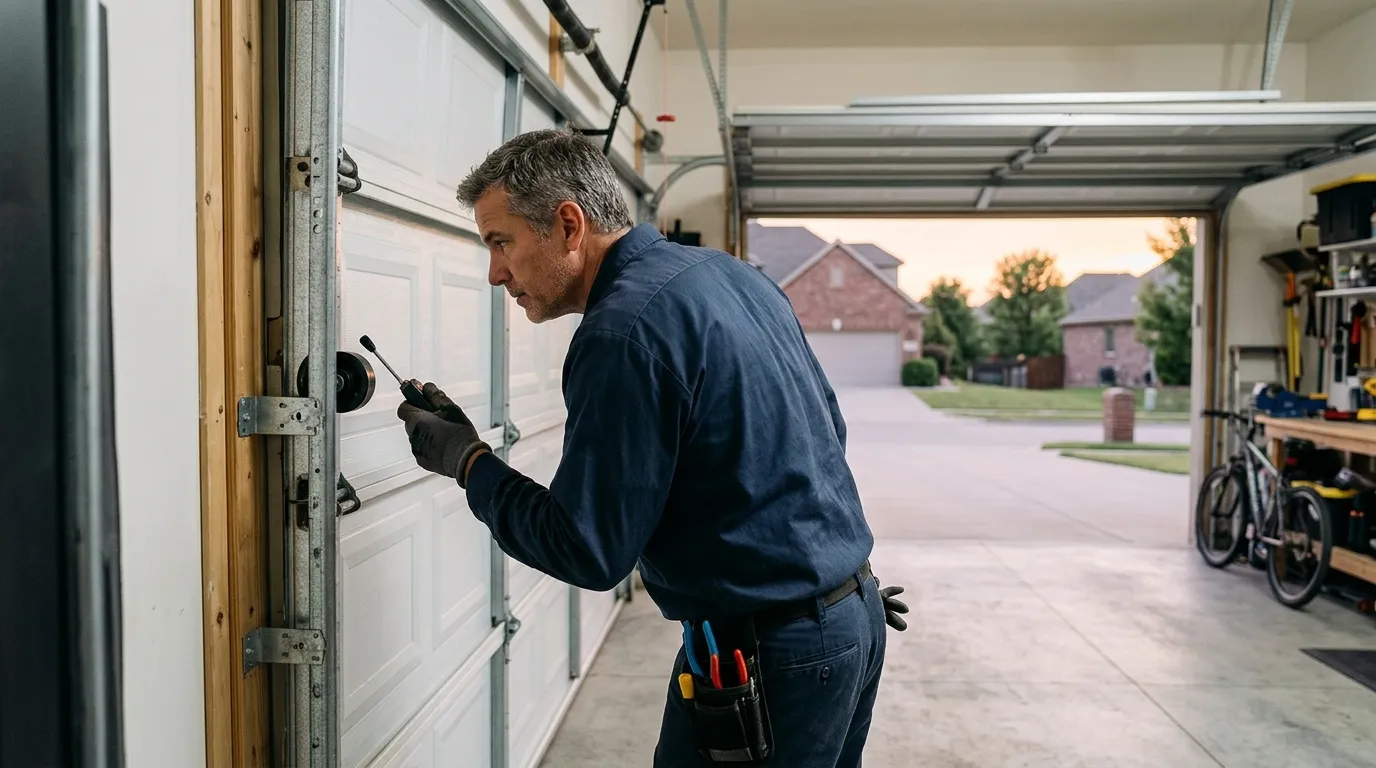
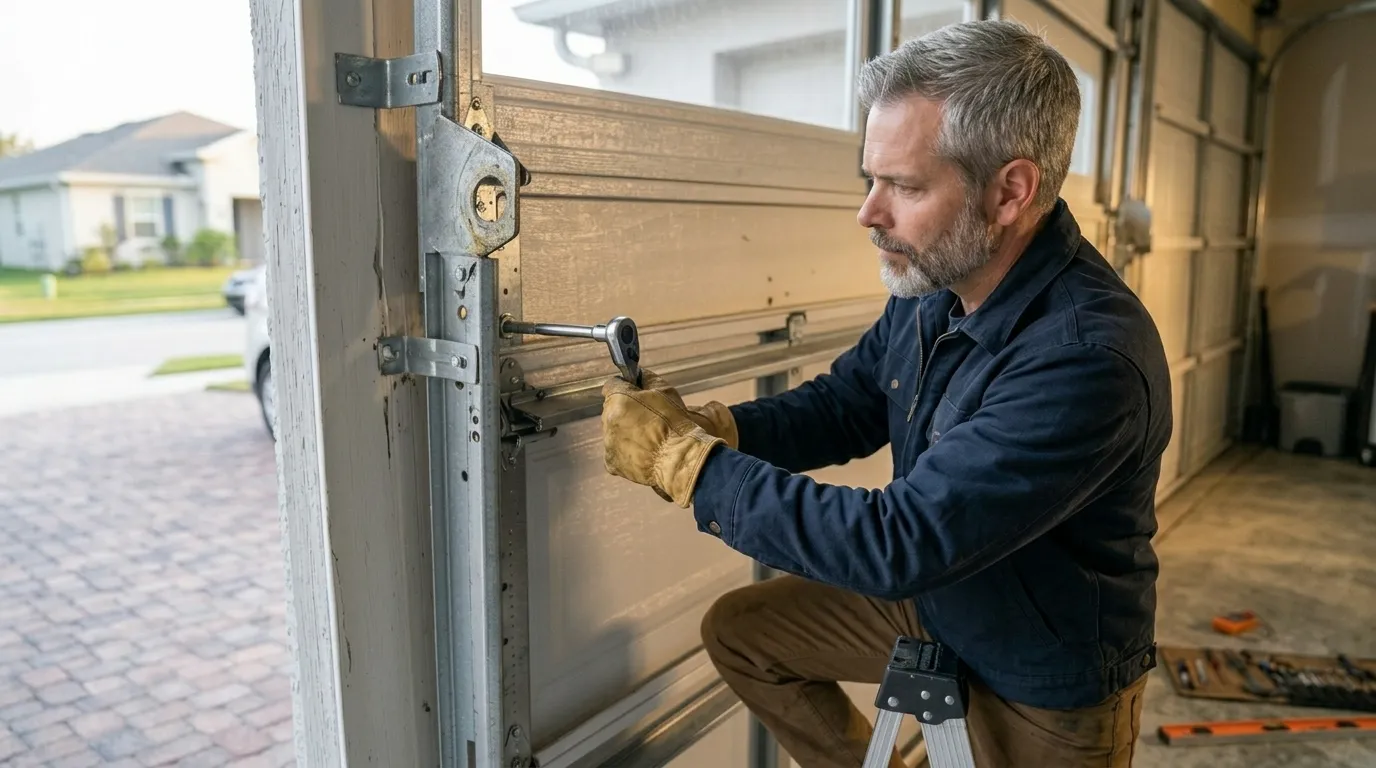
One honest limit: if a track is bent badly enough that the door binds on both sides, we're not going to hammer it straight and call it fixed. That's a track replacement, not a repair, and we'll tell you which one you're looking at before we start.
Houses on These Streets
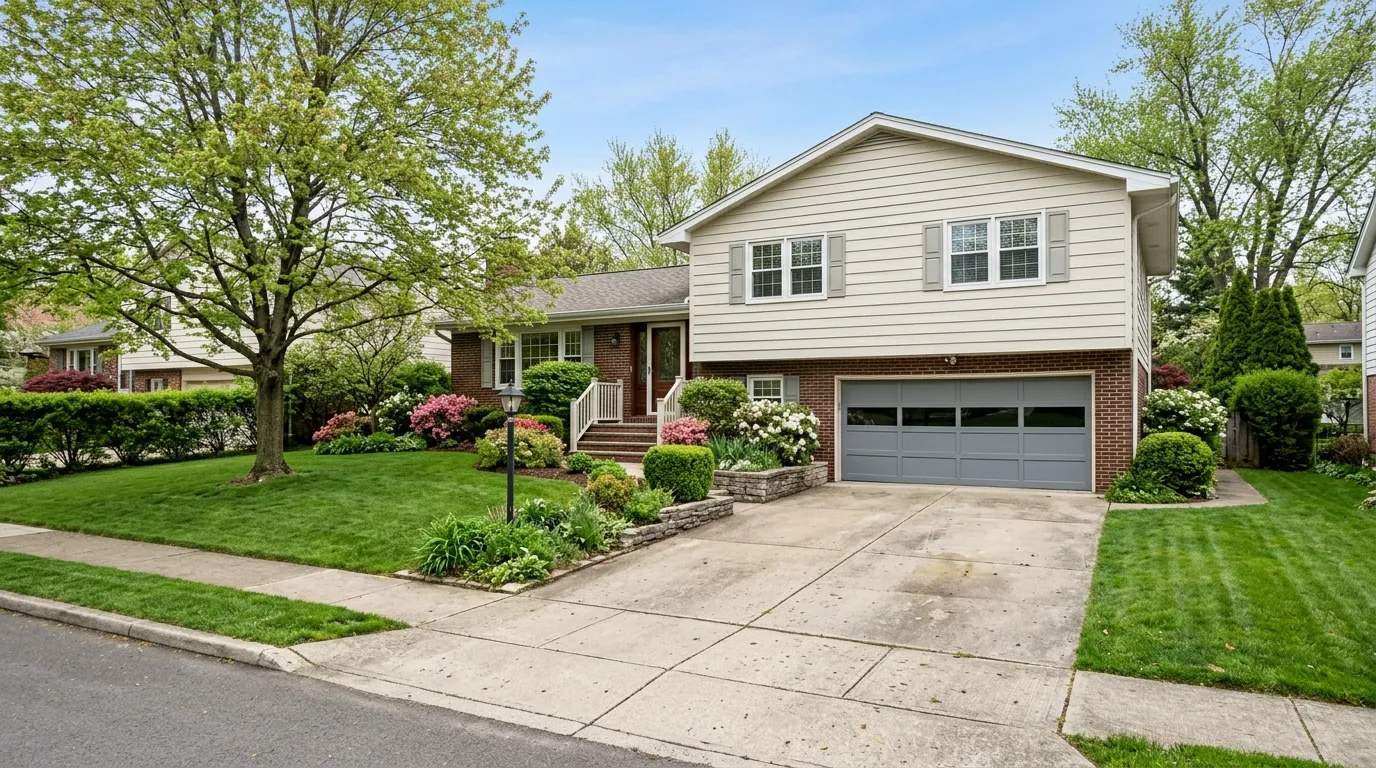
With the broader area's housing mostly dating to the 1980s and 90s across the named neighborhoods here, garages built to that era's code typically have a single-car or two-car layout with the door centered on the front-facing gable, torsion springs mounted on a center bracket above the opening. That layout is straightforward to service - the harder jobs are houses where a prior owner added an opener or converted a spring system without matching it to the door's actual weight.
Across the wider Jacksonville area, 48,862 of the 86,151 households are owner-occupied houses, and the median household income is $103,288. That combination tends to mean owners fix the door instead of just living with a stuck one, and they're often willing to spend on a full spring or opener replacement rather than a patch job when the numbers make sense. We size springs and openers to the actual door, not to whatever was on the truck.
We don't do custom carriage-house conversions or anything requiring structural framing changes to the opening. If a job needs a header rebuilt or the opening widened, that's a carpentry job first, and we'll say so rather than take it on as a garage door repair.
Where This Is
New Berlin sits about 8 miles east-northeast of downtown Jacksonville. We work this stretch as part of the wider Jacksonville service area, which stretches out to places like Fleming Island and Oakleaf Plantation to the south and west, and in to Springfield and the Downtown core a mile or so from the St. Johns riverfront. New Berlin itself is far enough out that it isn't squeezed against the older, pre-1970s housing you find right around Hogan's Creek and Downtown - it falls into the broader mid-century-to-1980s build pattern that defines most of the area.
We don't have named landmarks or specific streets to point to here, so we're not going to invent them. What we can tell you is the housing era and what that means for the parts and hardware on your door, and that the drive out from our base puts New Berlin solidly within normal service range, not an edge-of-territory add-on.