The Calls We Get From Here
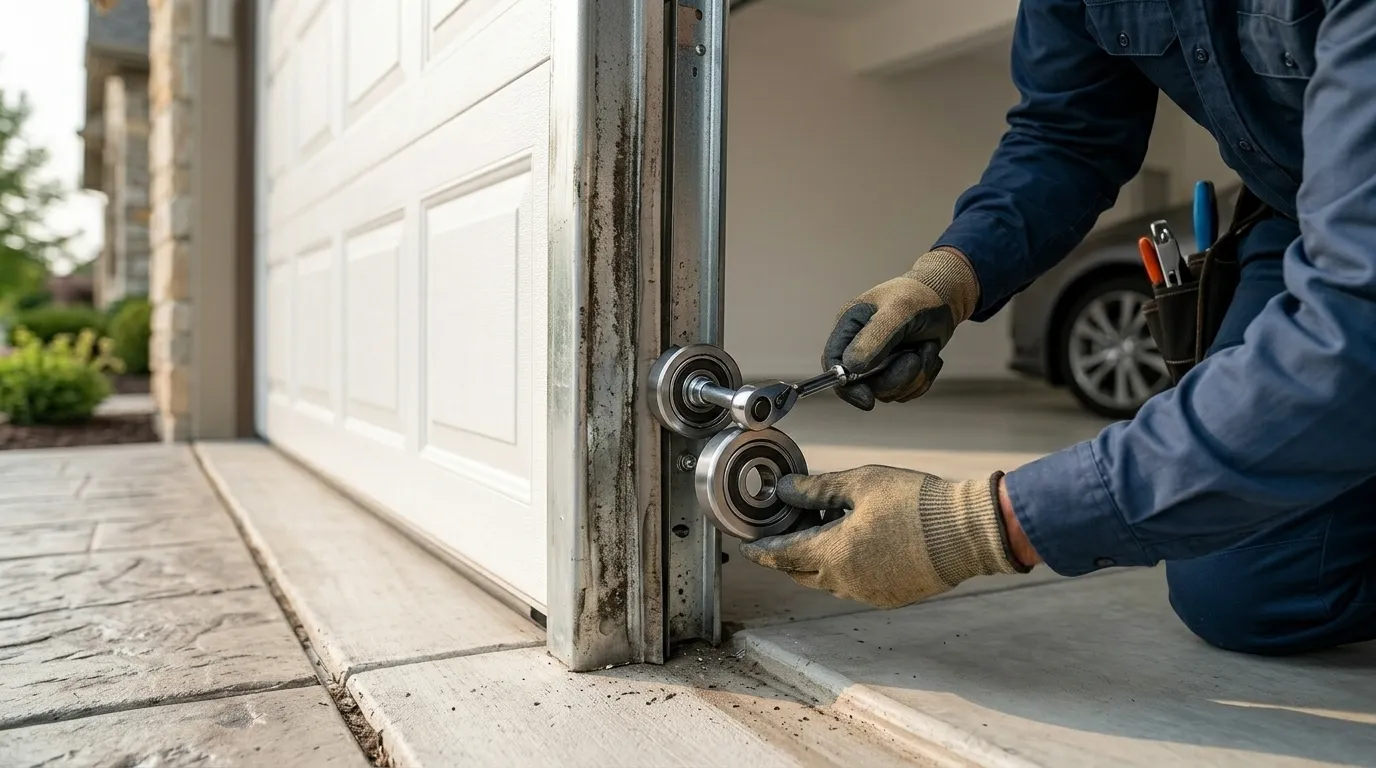
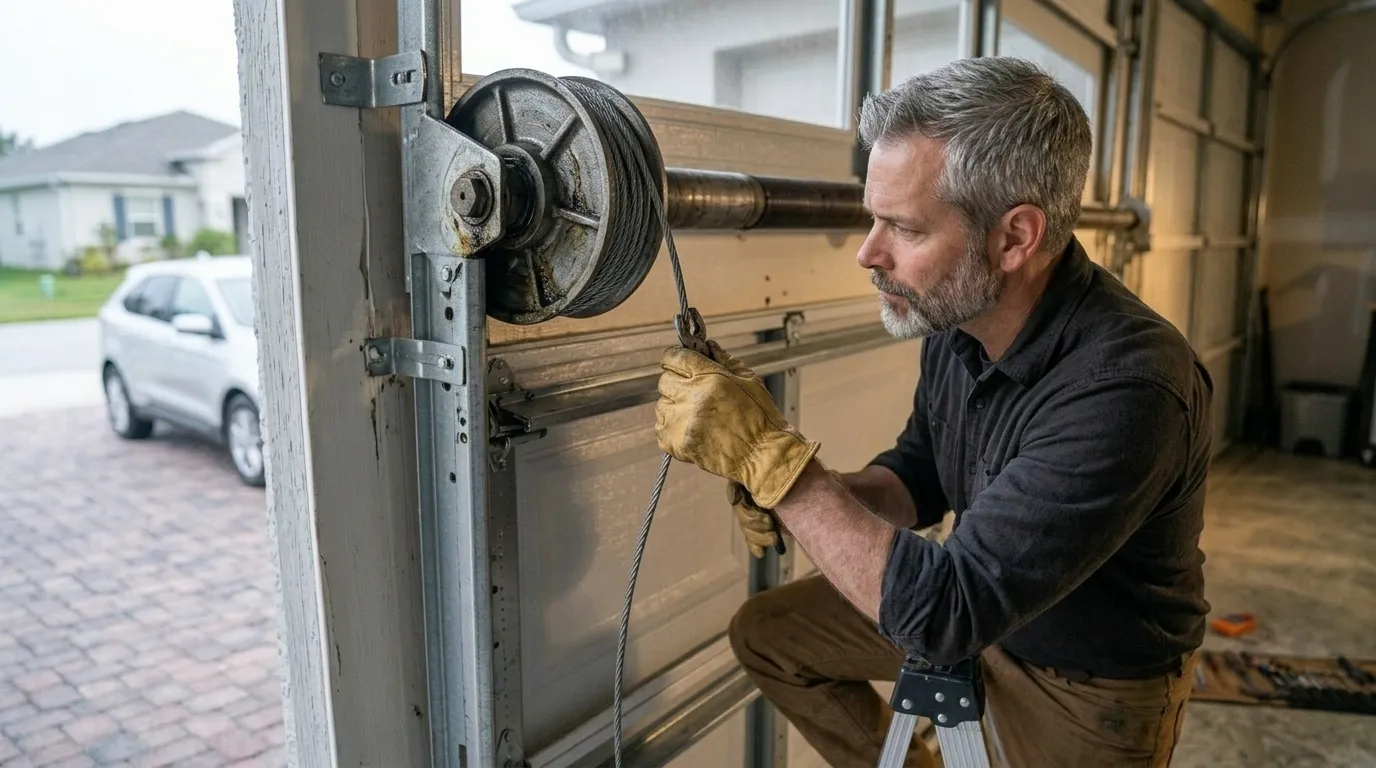
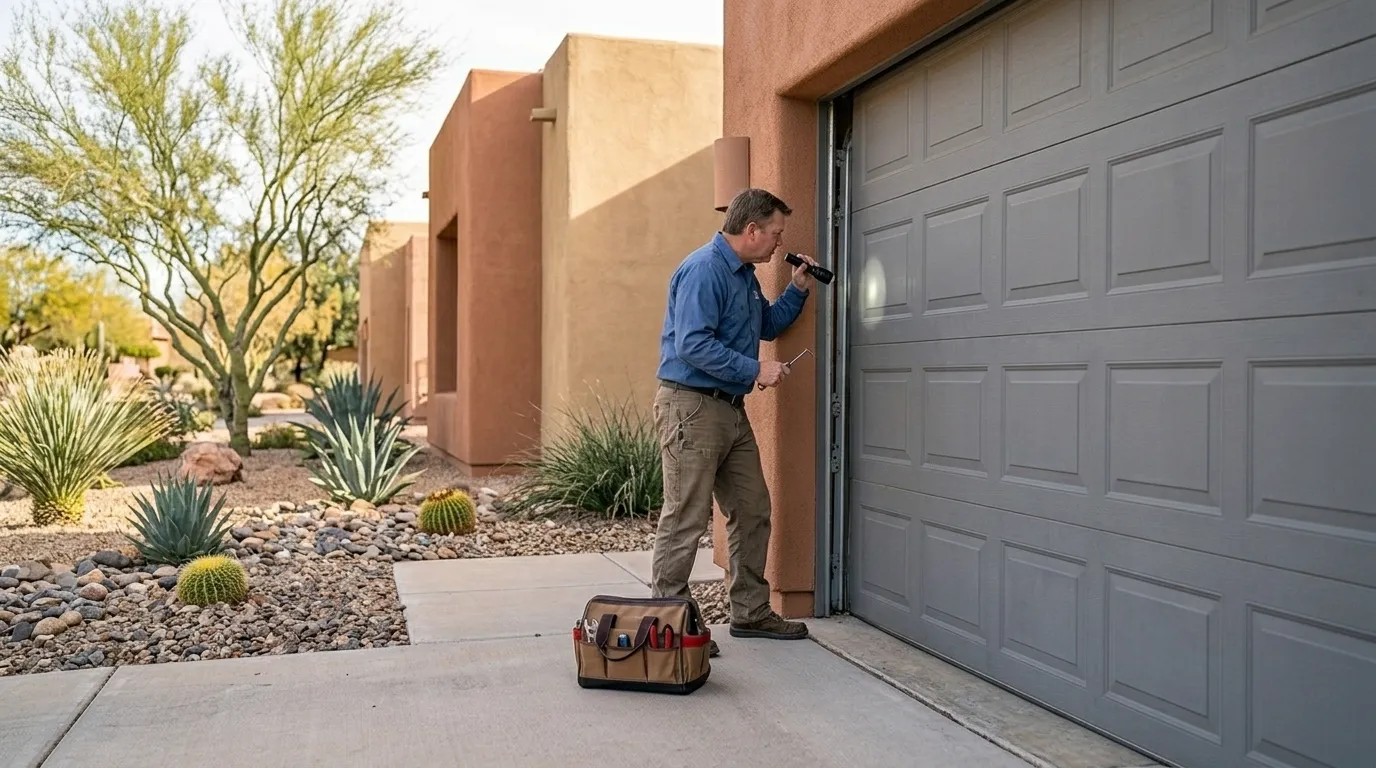
Nassau Village-Ratliff sits about 15 miles from our shop in Jacksonville, and most of the calls we get from out this way trace back to one thing: the neighborhood was built out around 1991, a few years past the median build year for the areas we cover as a whole. That means fewer of the older extension-spring setups we still see closer to the center of the service area, and more early-90s torsion systems with the galvanized coating starting to give out. We also get openers from that same window failing outright - chain-drive units from the early 90s are well past any reasonable service life, and when the logic board goes, replacement is usually the honest answer, not a repair. A smaller share of calls are simple: a roller that's worn oval, a bottom panel dented from a mower or a trailer hitch. Nothing exotic. The pattern here is age-of-house driven, not damage driven, which is different from what we see in the newer subdivisions further out.
Timing on This Area
With roughly 2,115 households in Nassau Village-Ratliff, the volume of service calls from here is modest compared to the denser inner areas, but it's steady - houses built in the early 1990s are now entering the age where torsion springs rated for a certain cycle count start failing in clusters, not one at a time. We don't keep a truck stationed here; every job means a drive out from Jacksonville, so we schedule by route rather than by promising a same-day window we can't back up. The mild temperate climate across the service area means we're not dealing with hard freeze-thaw cycles that crack door bottoms or seize hardware overnight, so failures tend to be gradual wear rather than sudden weather damage. That's useful to know if a spring is making noise but hasn't broken yet - you usually have some time to get it looked at rather than waiting for it to snap on a Saturday.
This Area's Housing
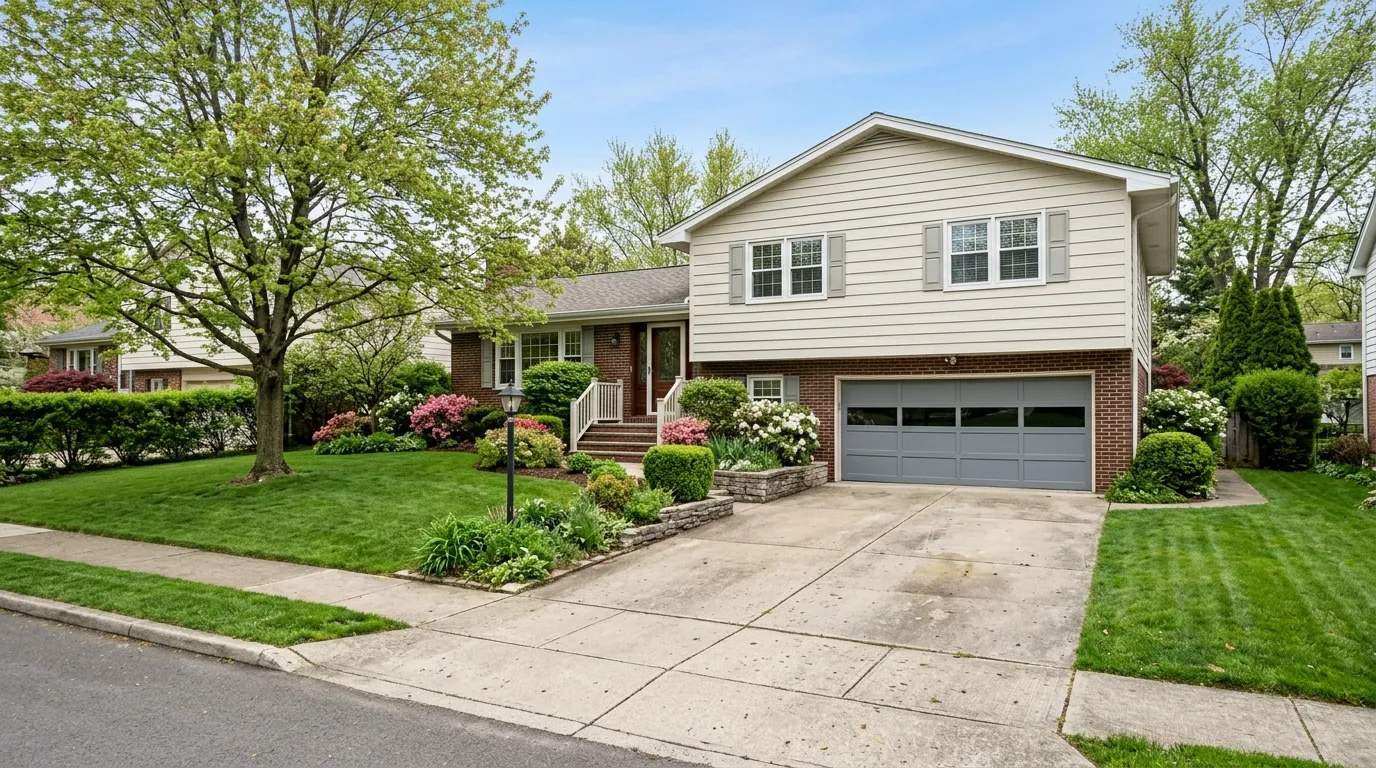
Nassau Village-Ratliff's homes went up mostly around 1991, which lines up with the broader pattern across our service area's 13 named housing pockets, most built through the 1980s and 90s. Median household income here runs about $55,613, noticeably below the $103,288 median across the full service area - a gap worth mentioning because it shapes the repair-versus-replace conversation differently than it does in some of the areas we cover closer to the water. We don't push full door replacement when a repair will hold; a new torsion spring and a serviced opener can carry an early-90s door another decade if the panels and track are still square. Out of roughly 48,862 owner-occupied houses across the service area, a good number are in this same 1985-to-1991 build window, so the hardware problems here aren't unique to this one neighborhood - just concentrated a bit more tightly by age.