What Is on These Garages
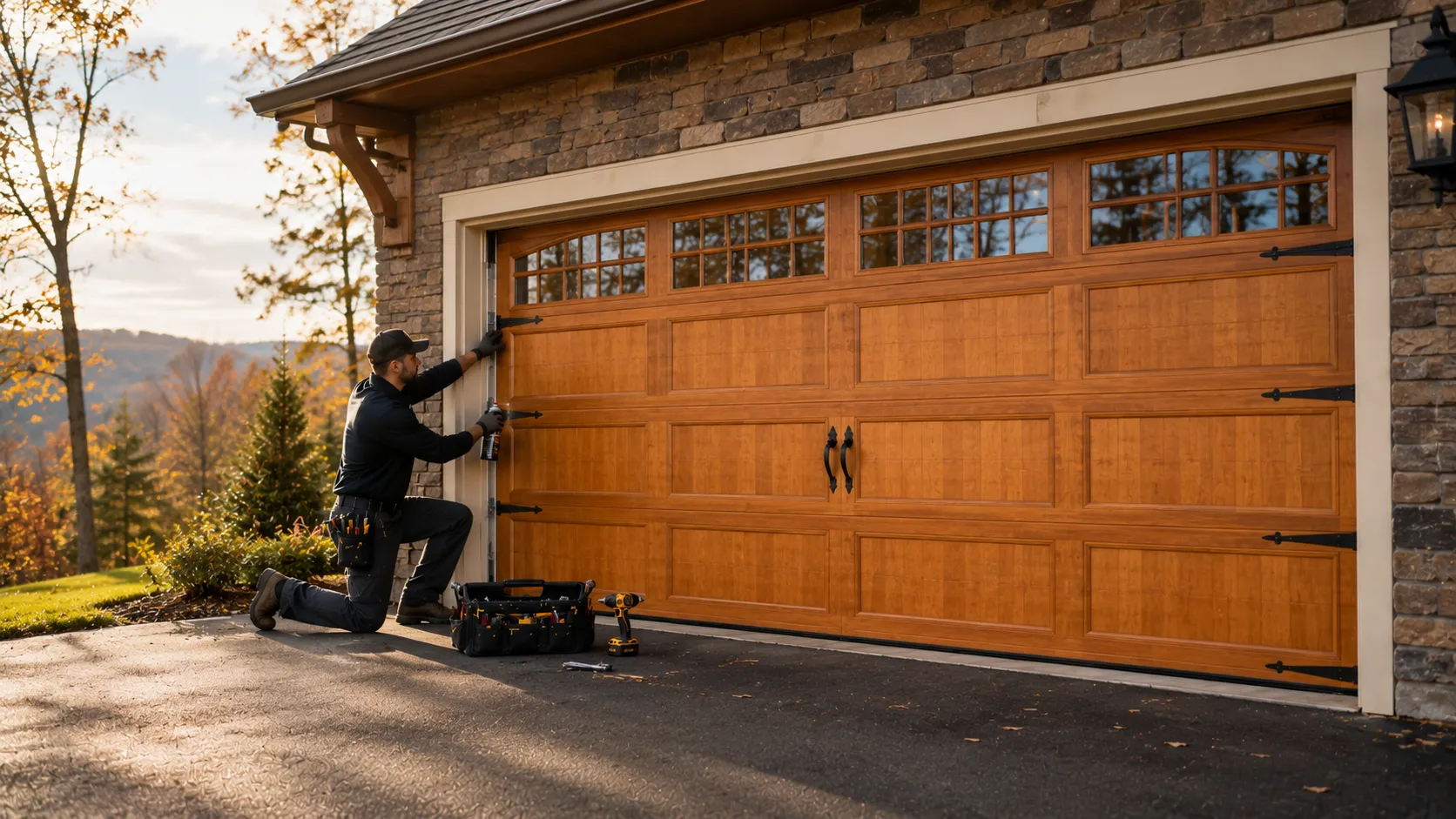
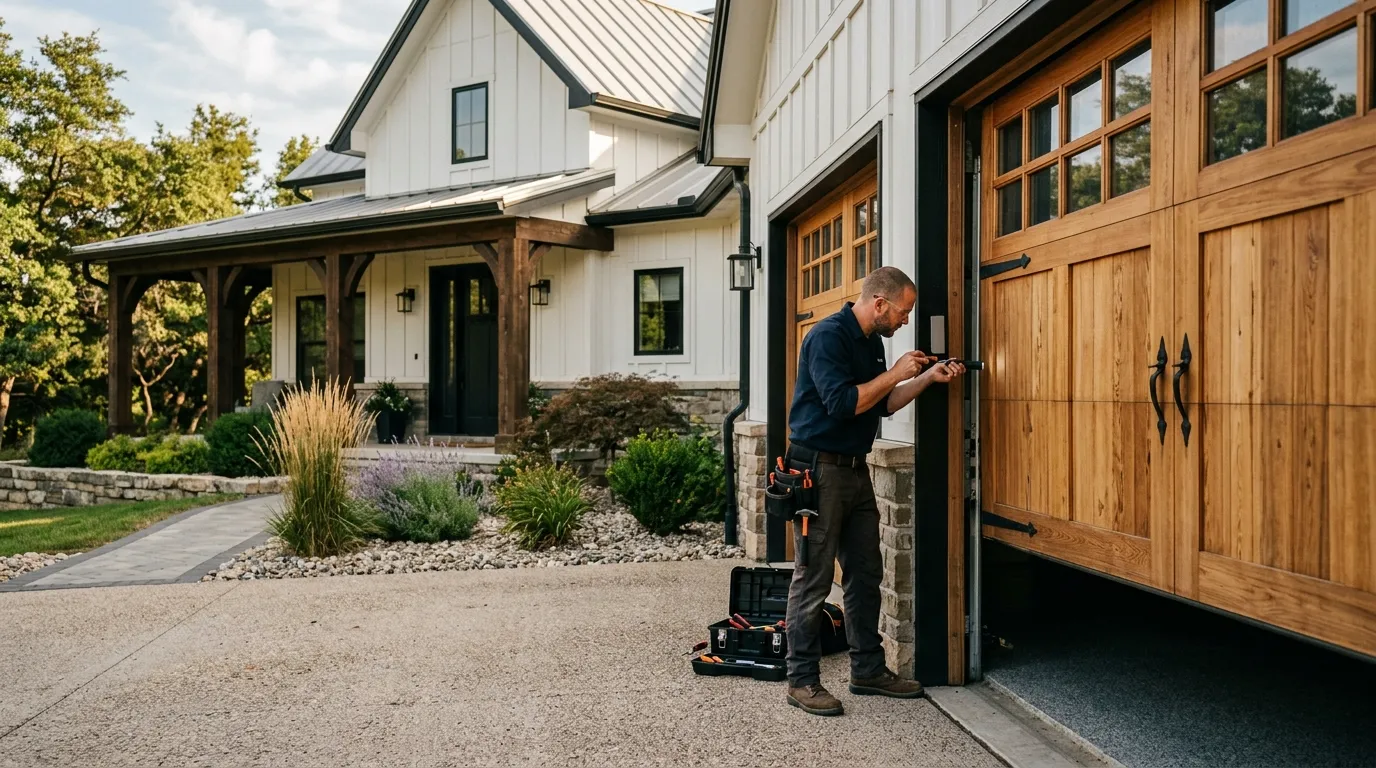
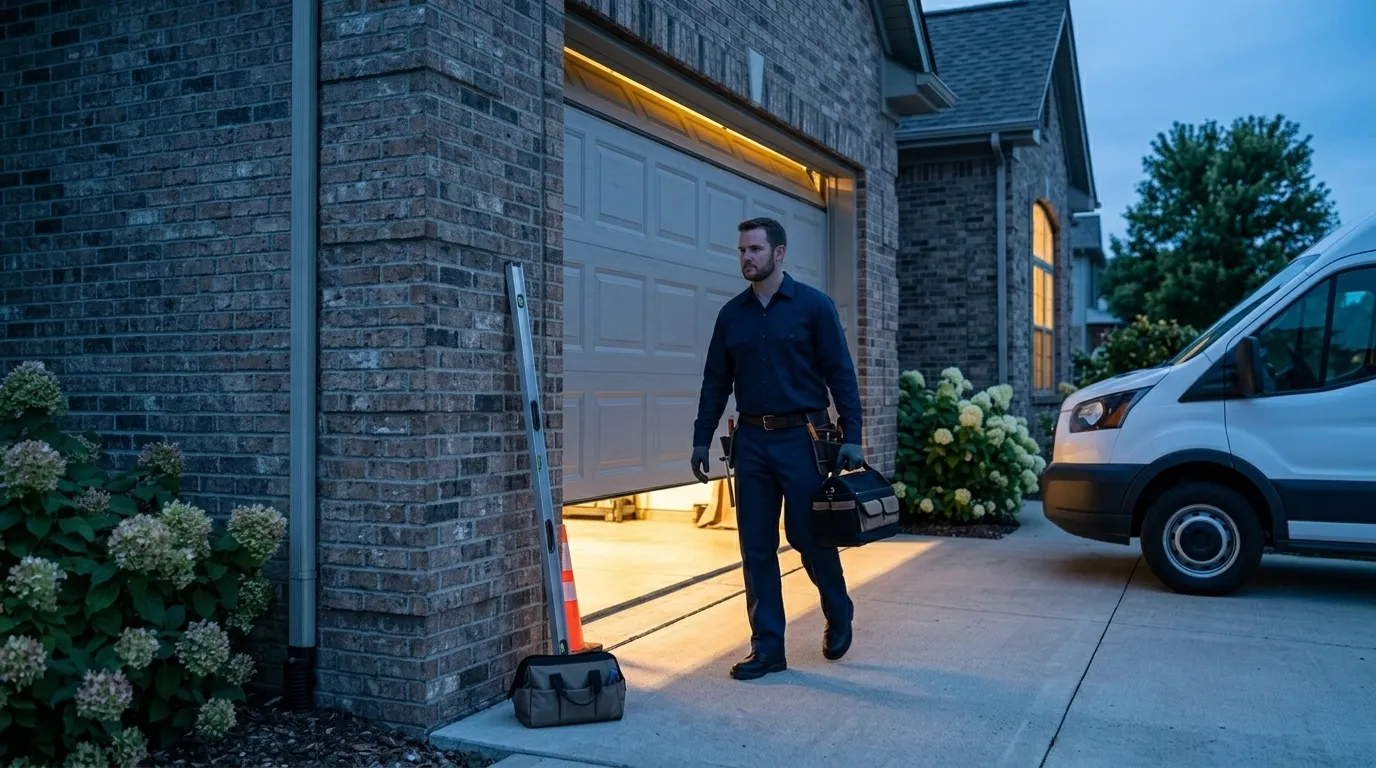
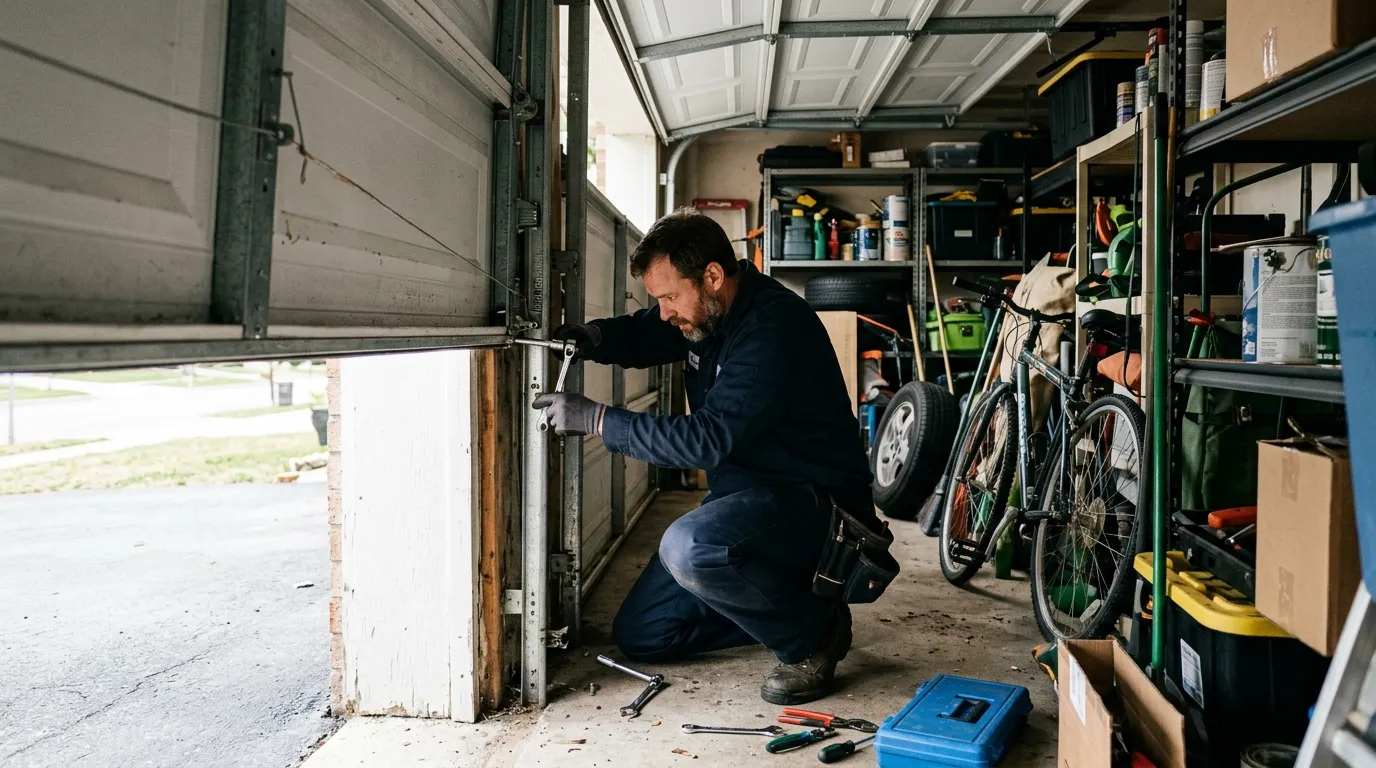
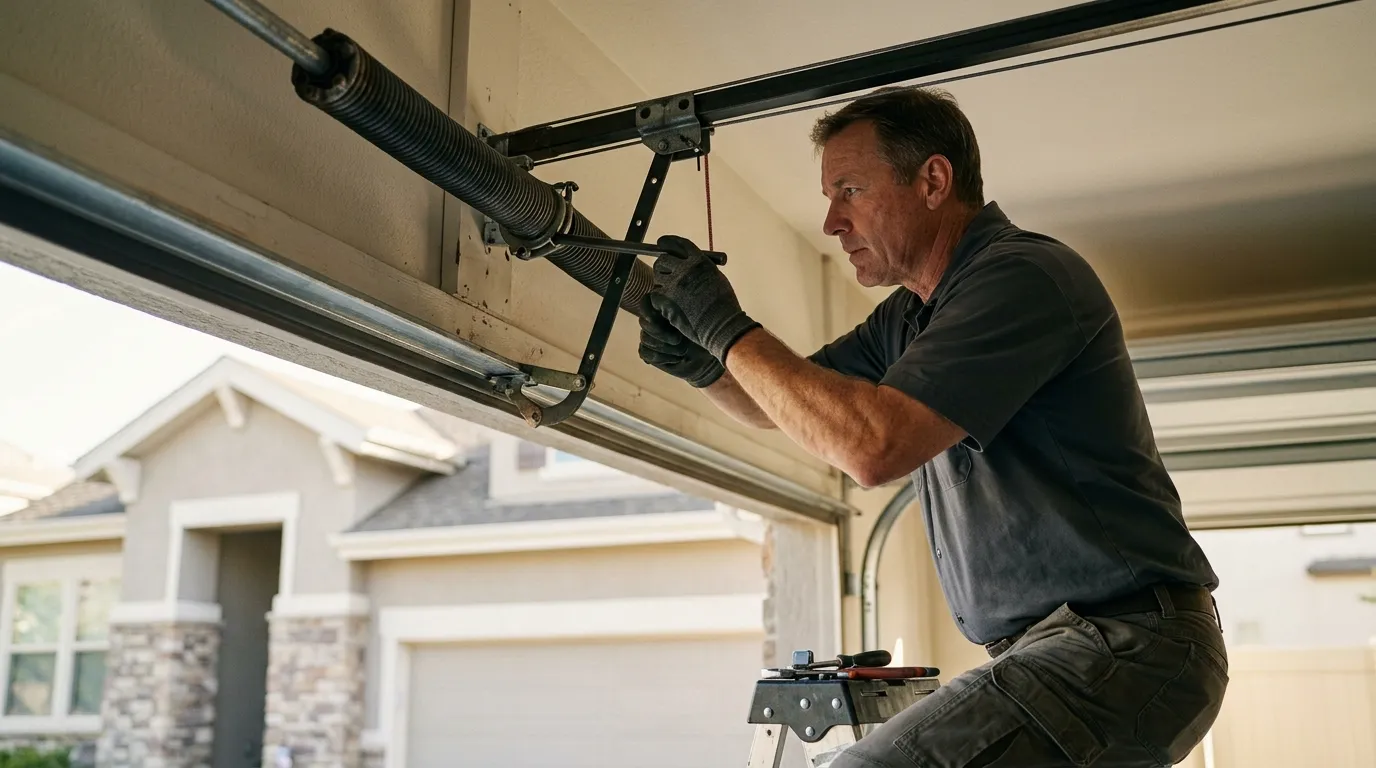
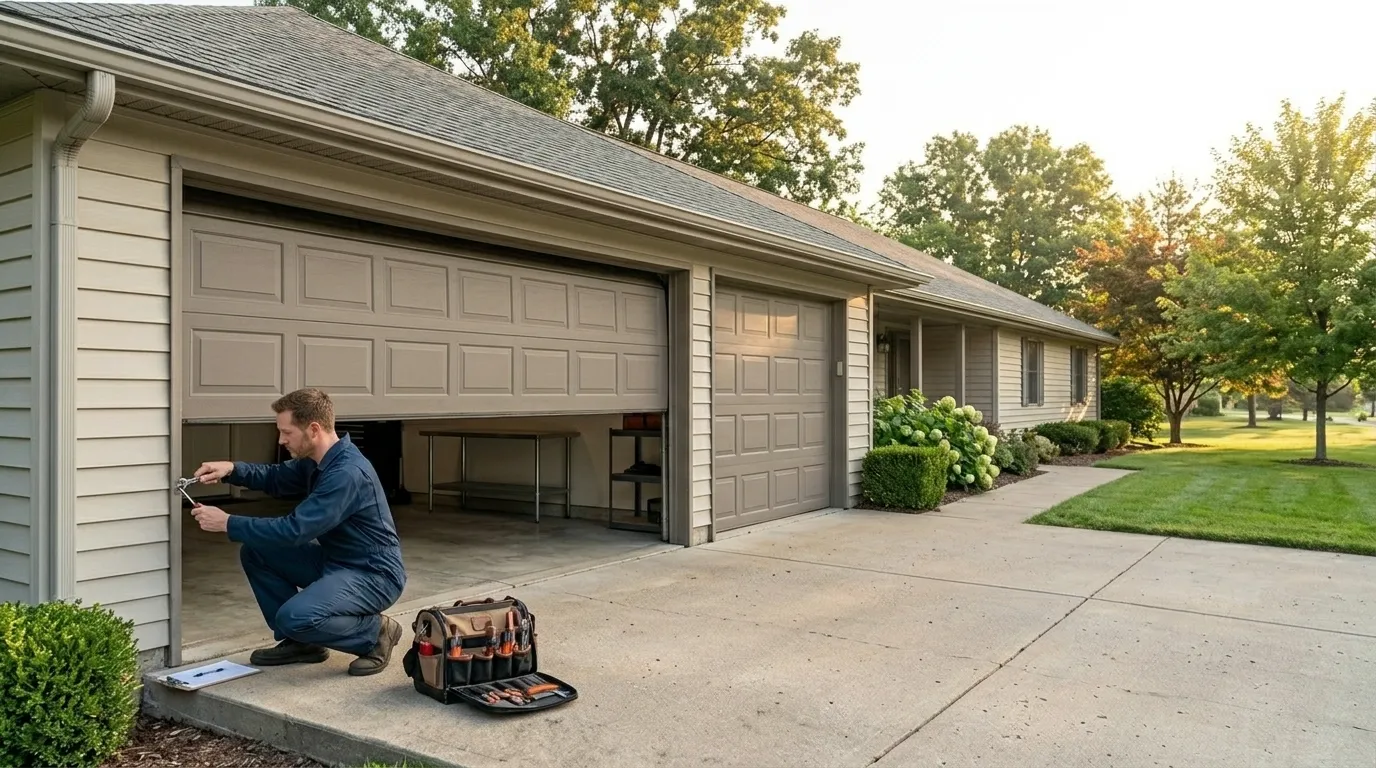
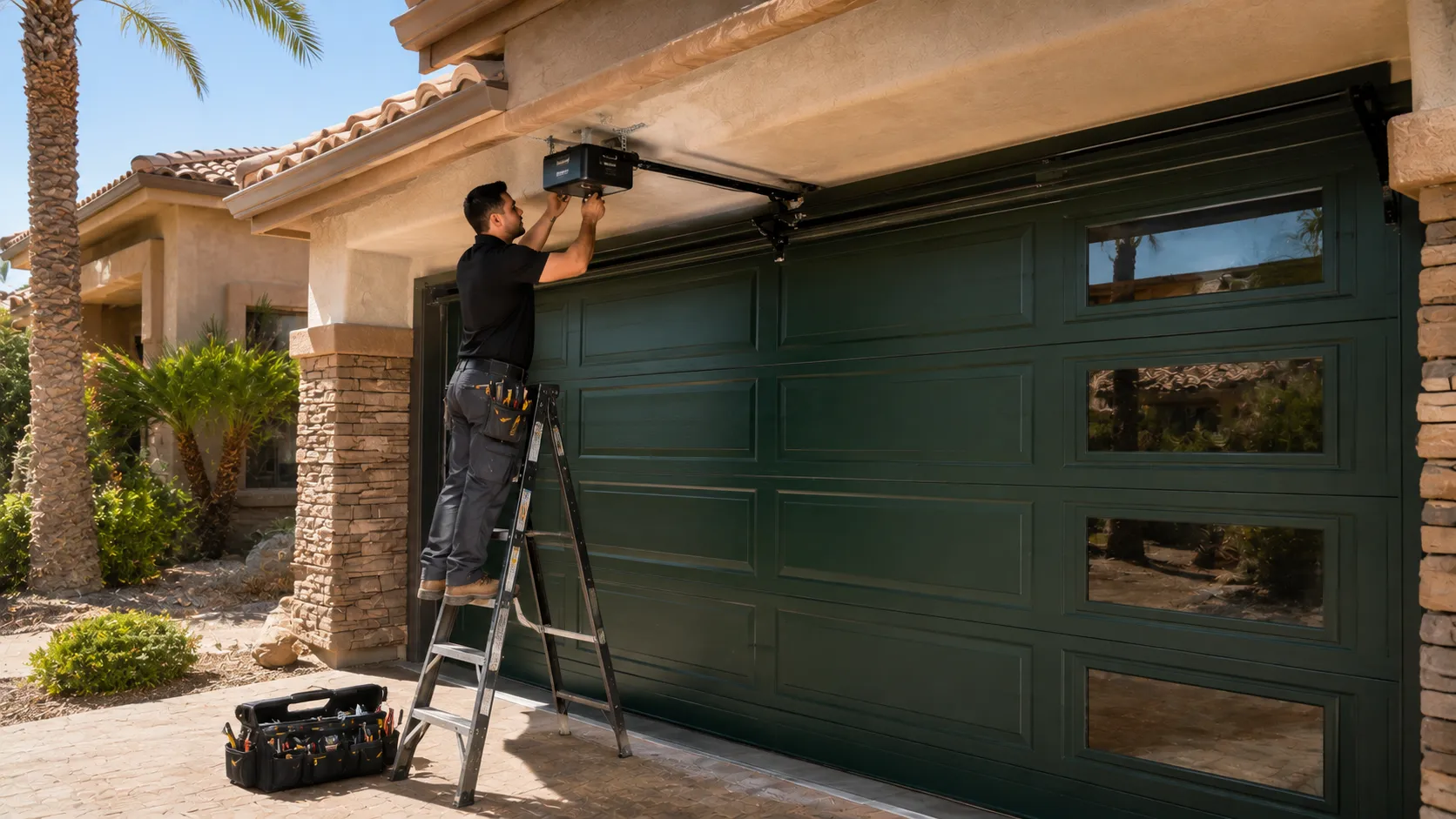
Across the wider service area, most houses went up between 1973 and 2007, with the median build year sitting around 1985, and the stock leans heavily 1980s and 90s. That era matters more than people think. Doors from that window were built for extension springs or early torsion setups, often on steel tracks that have since been redesigned twice over by the manufacturers who made them. If your opener is original to the house, it's likely a chain-drive unit with a logic board that doesn't talk to a phone app, and the travel limits are set by mechanical screws, not sensors.
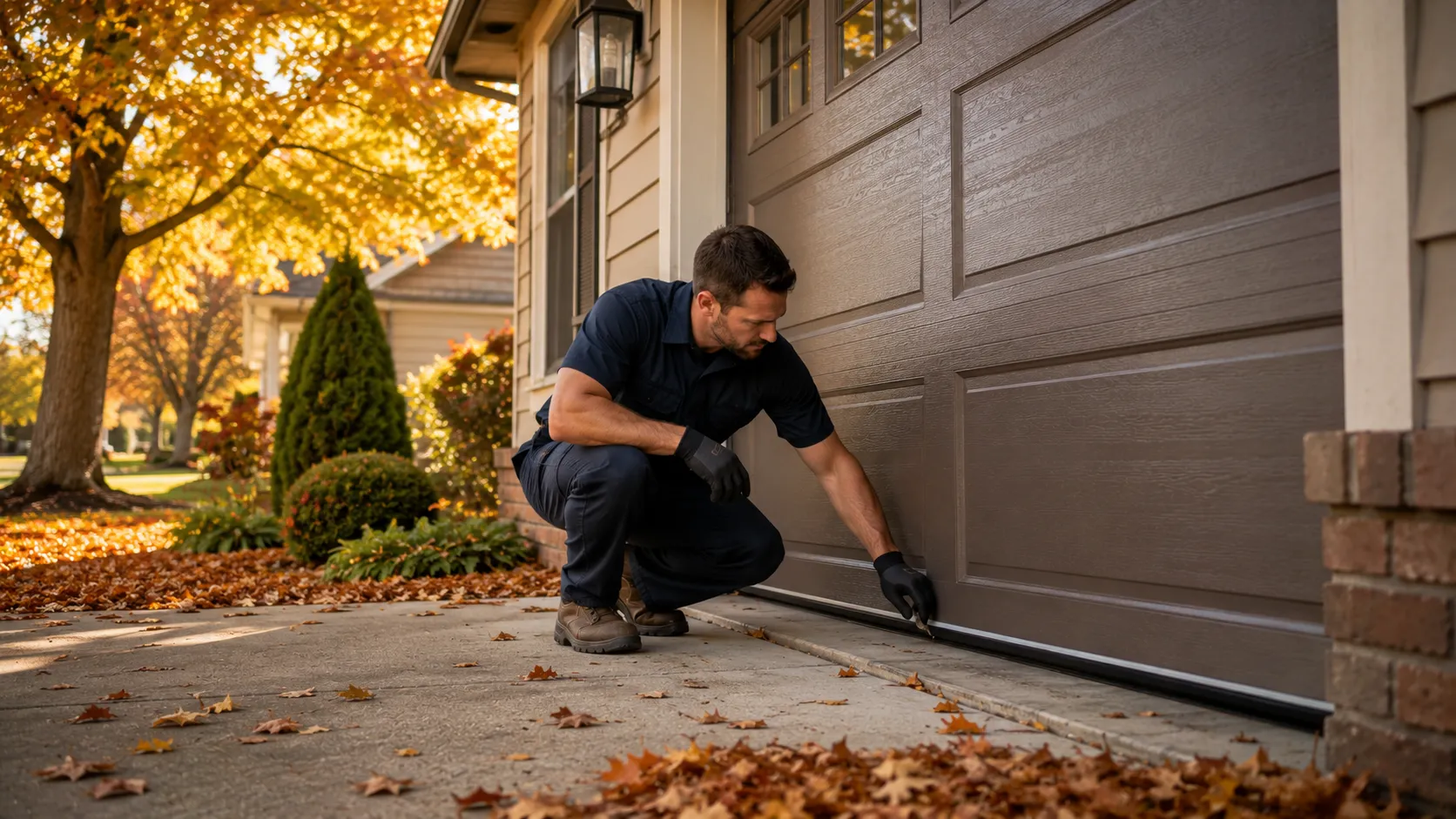
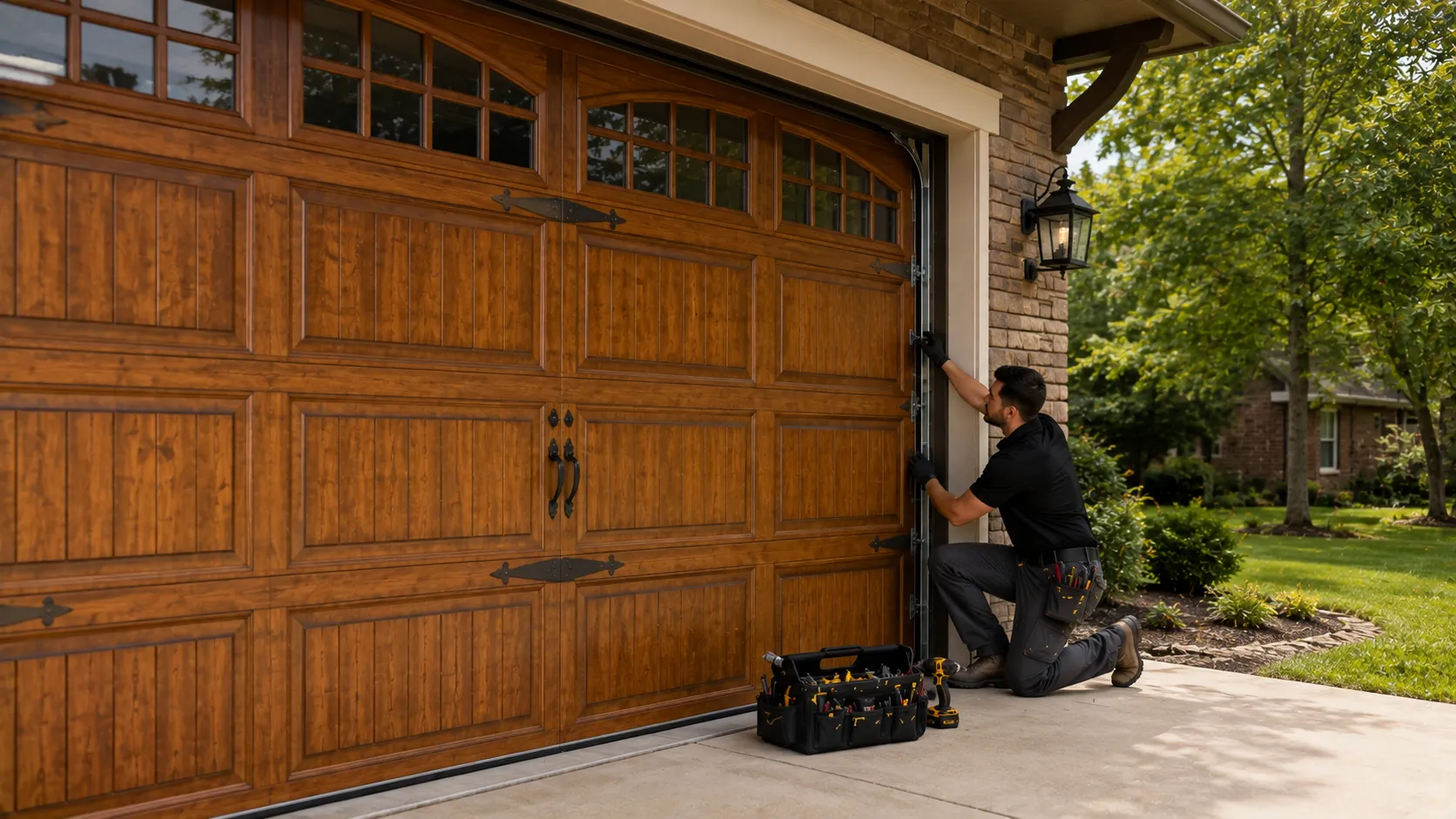
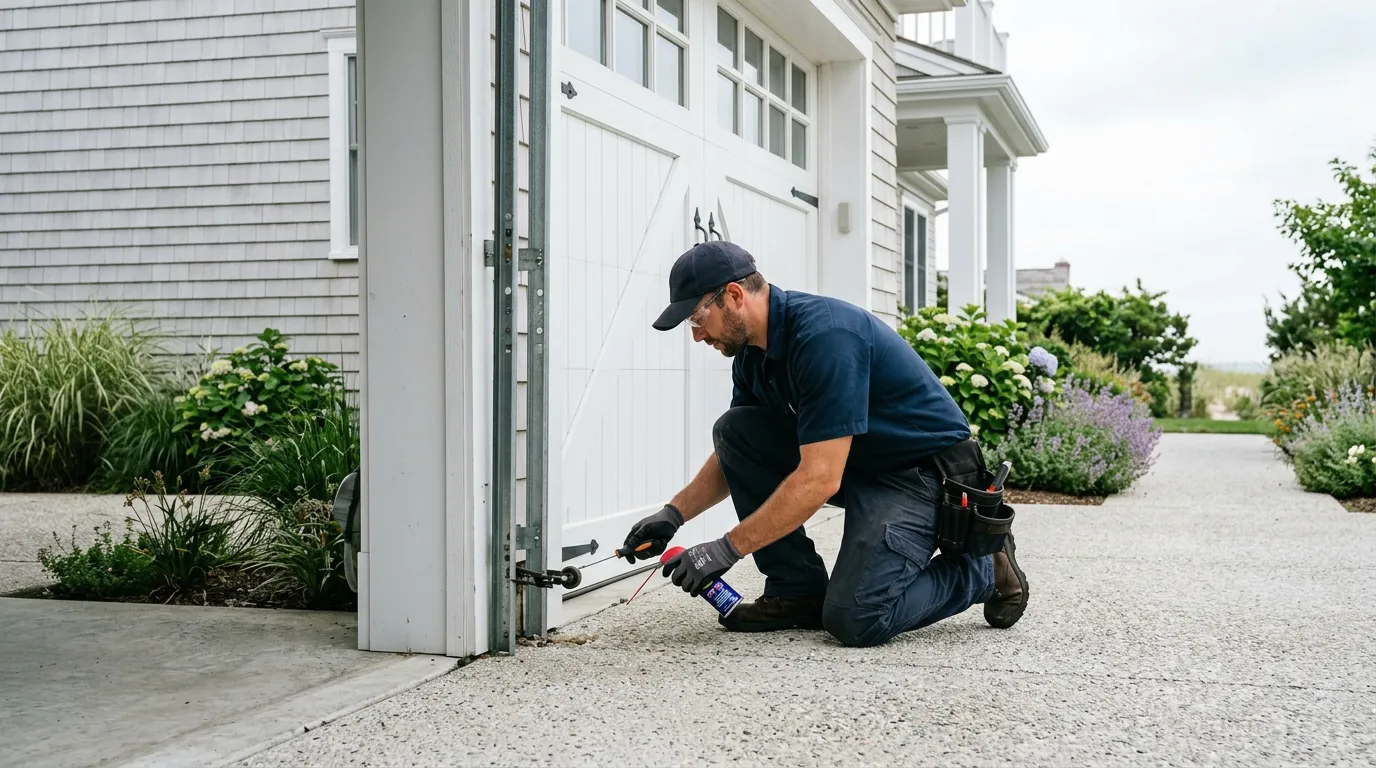
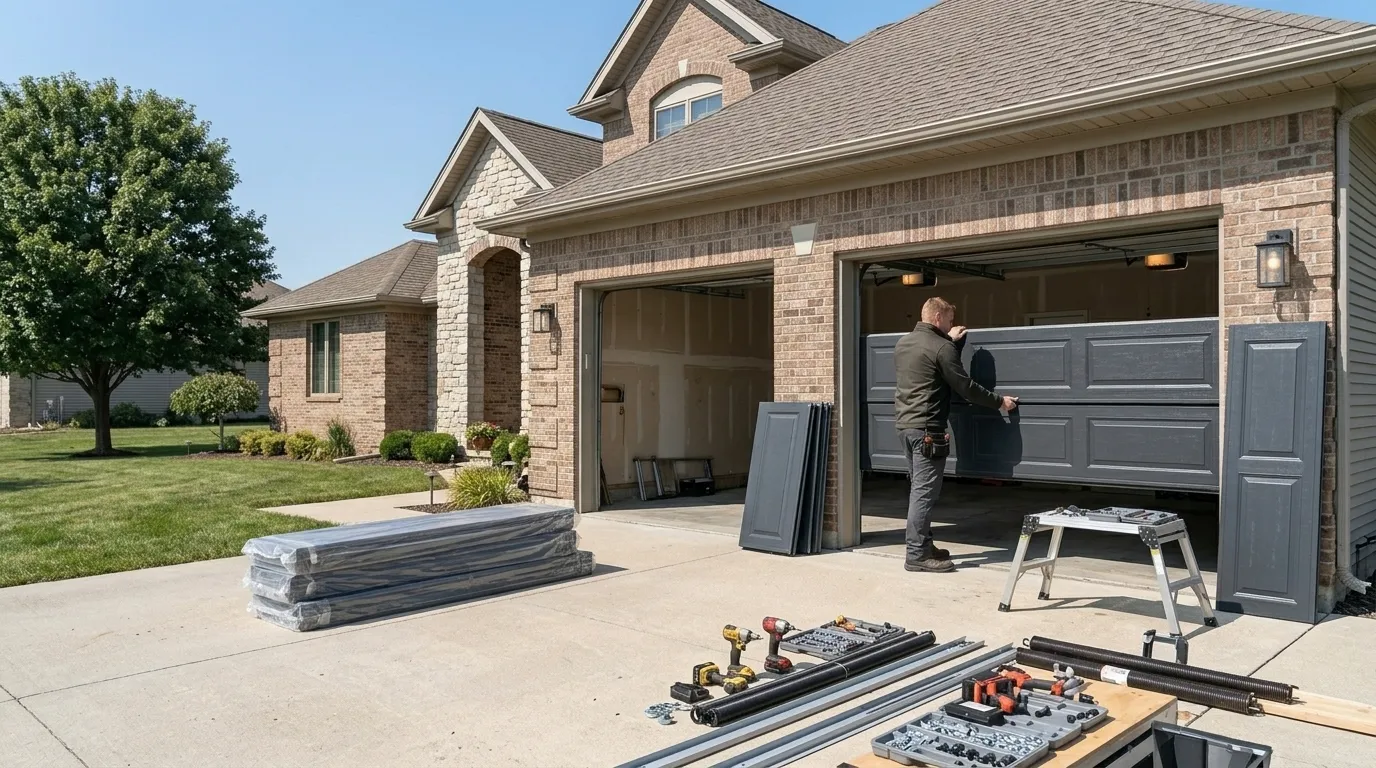
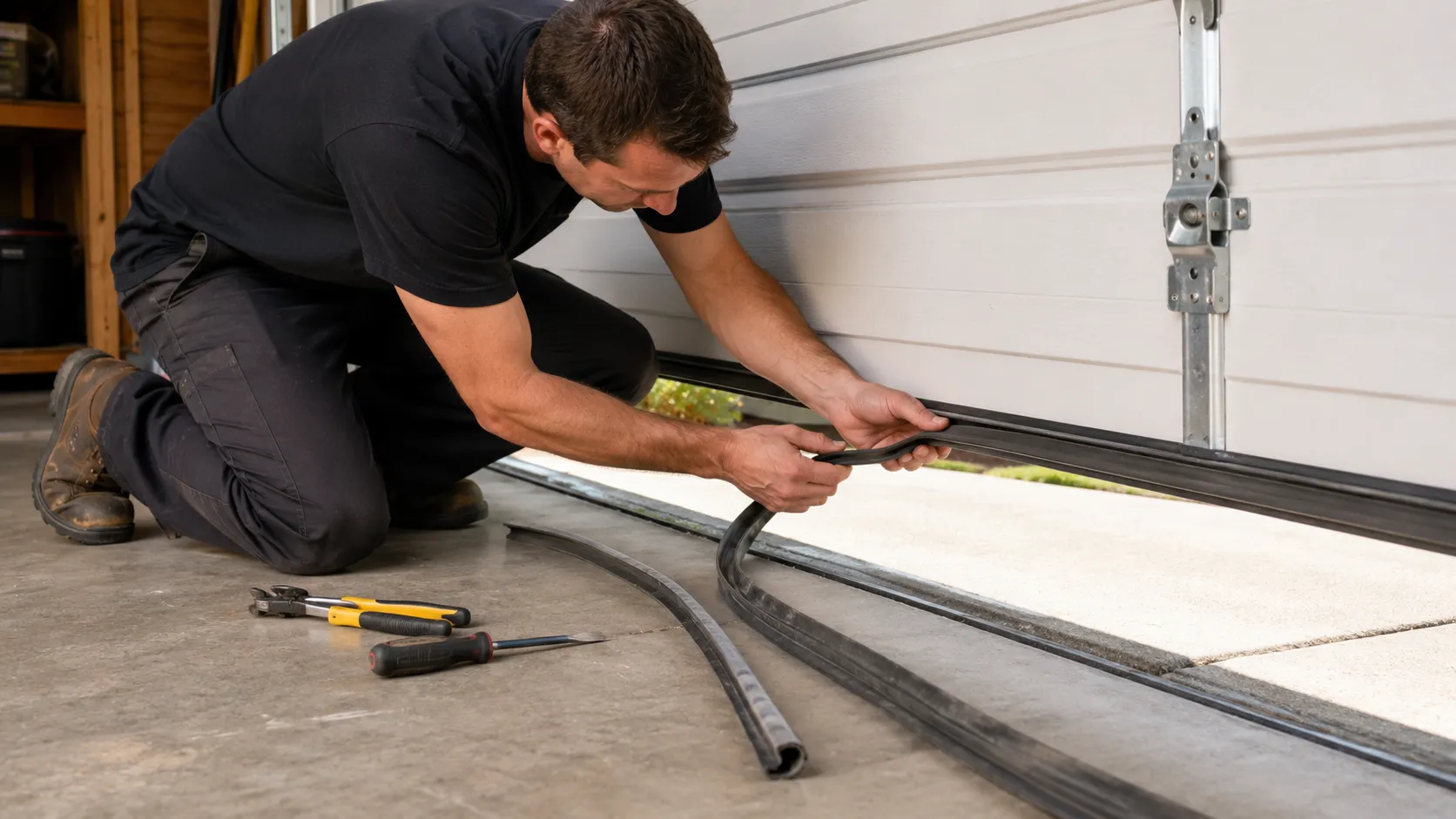
We work on what's actually out there rather than assuming everyone has a 2022 door. That means carrying parts for older extension-spring setups, not just current torsion hardware, and knowing which panel profiles from that period are still made versus which ones need a full door swap instead of a patch. The mild temperate climate here means we're not fighting frozen tracks or wood that's swollen shut from ice, which is a small mercy - most of what fails on doors this age is wear and fatigue, not weather damage.
Houses on These Streets
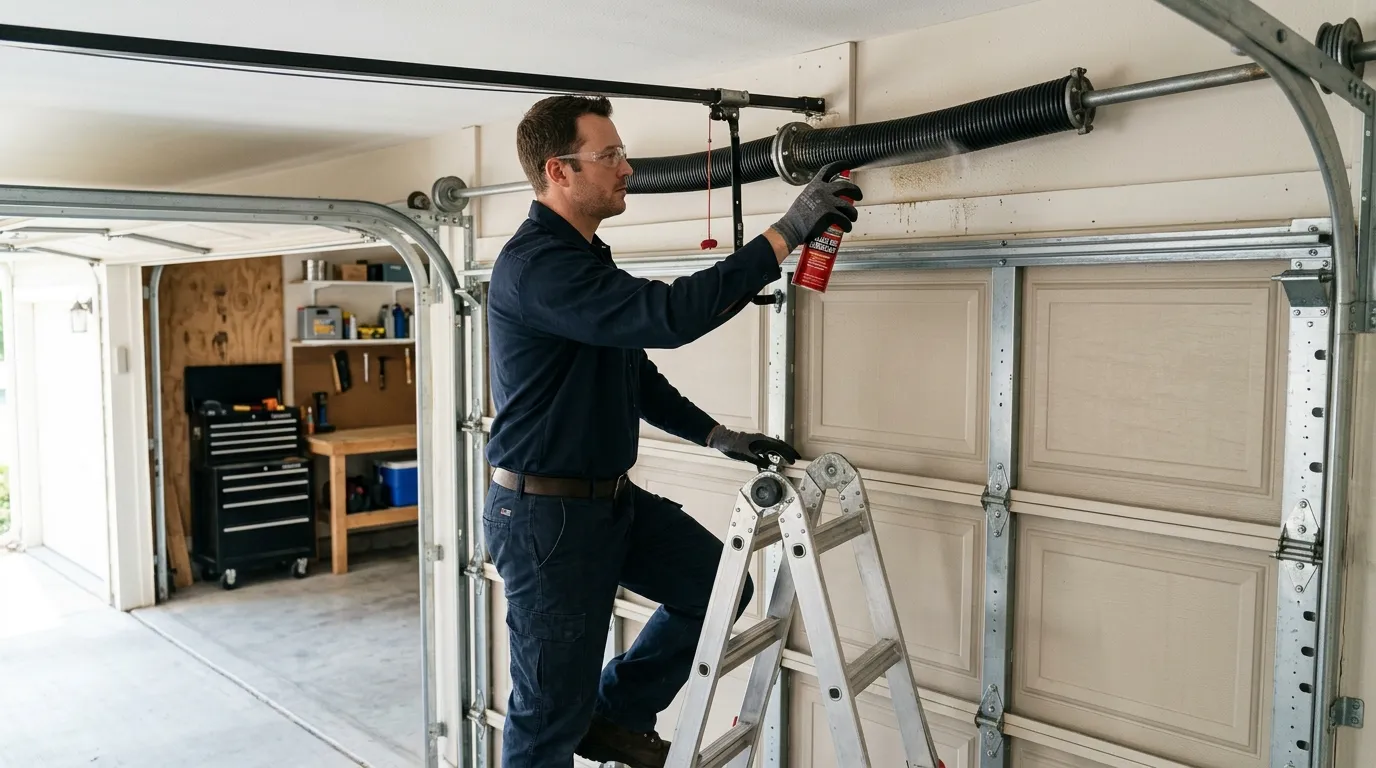
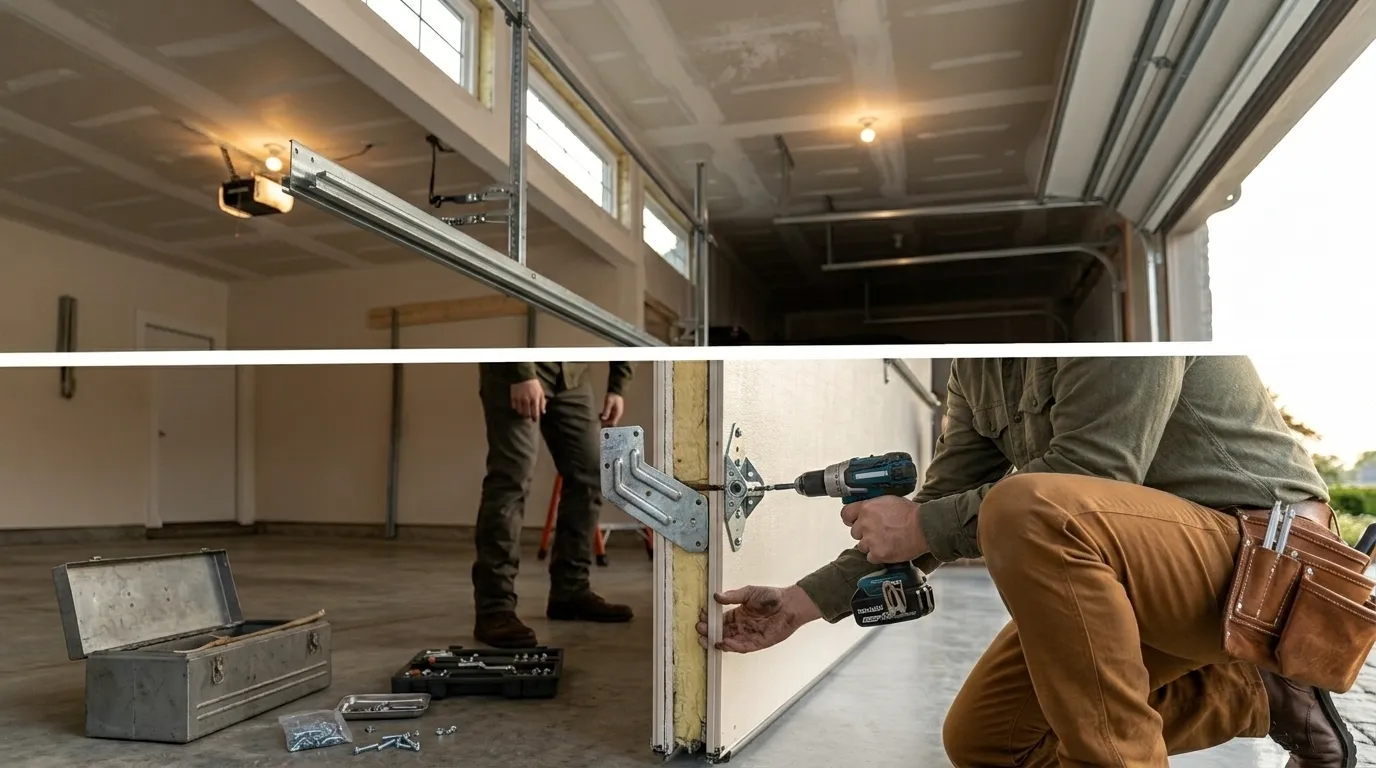
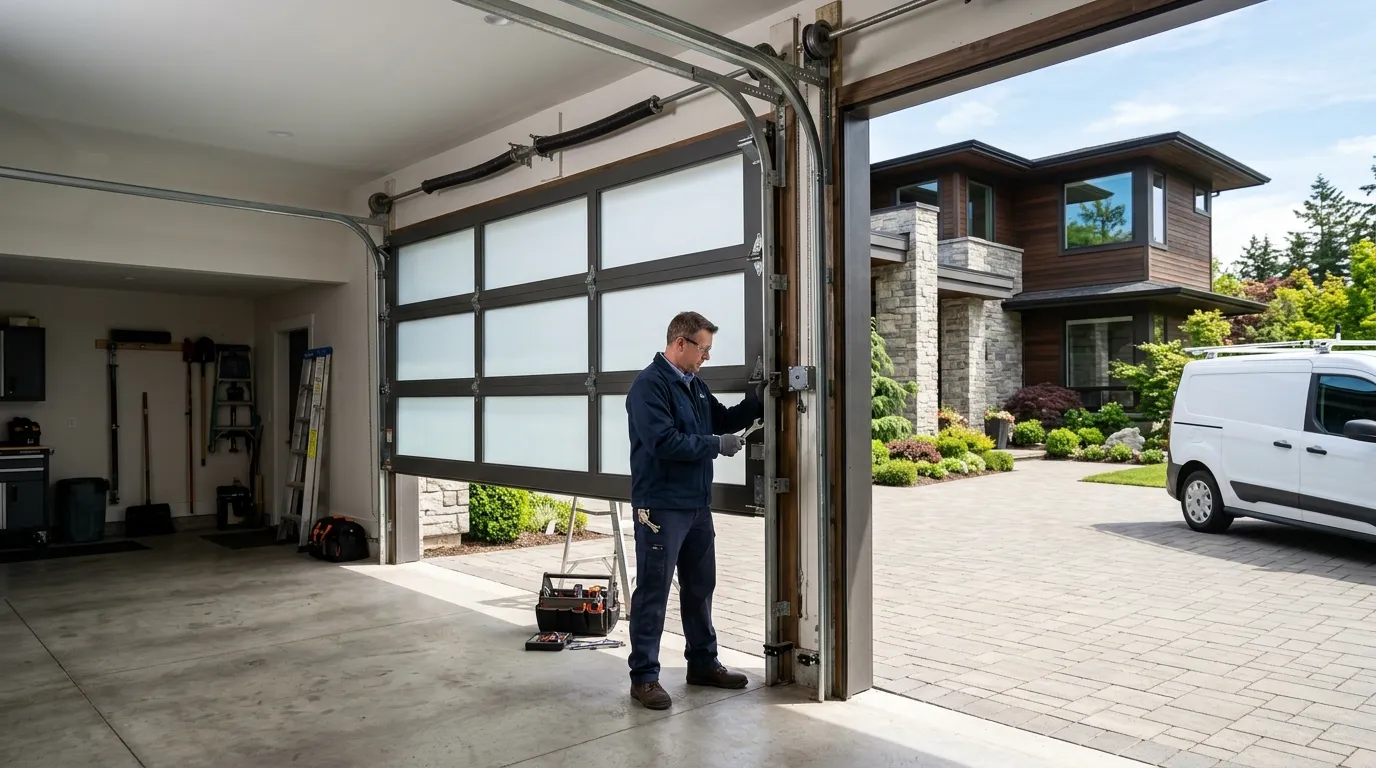
A house built in the 1980s or 90s typically has a single-car or two-car garage sized for the cars of that decade, which means openings that run narrower than what a lot of newer doors ship at by default. Spring counts on doubles from this stretch of the build era are often set for the original door's weight, so if a heavier insulated replacement went in later without a spring adjustment, the opener strains on every cycle and the cables wear faster than they should.
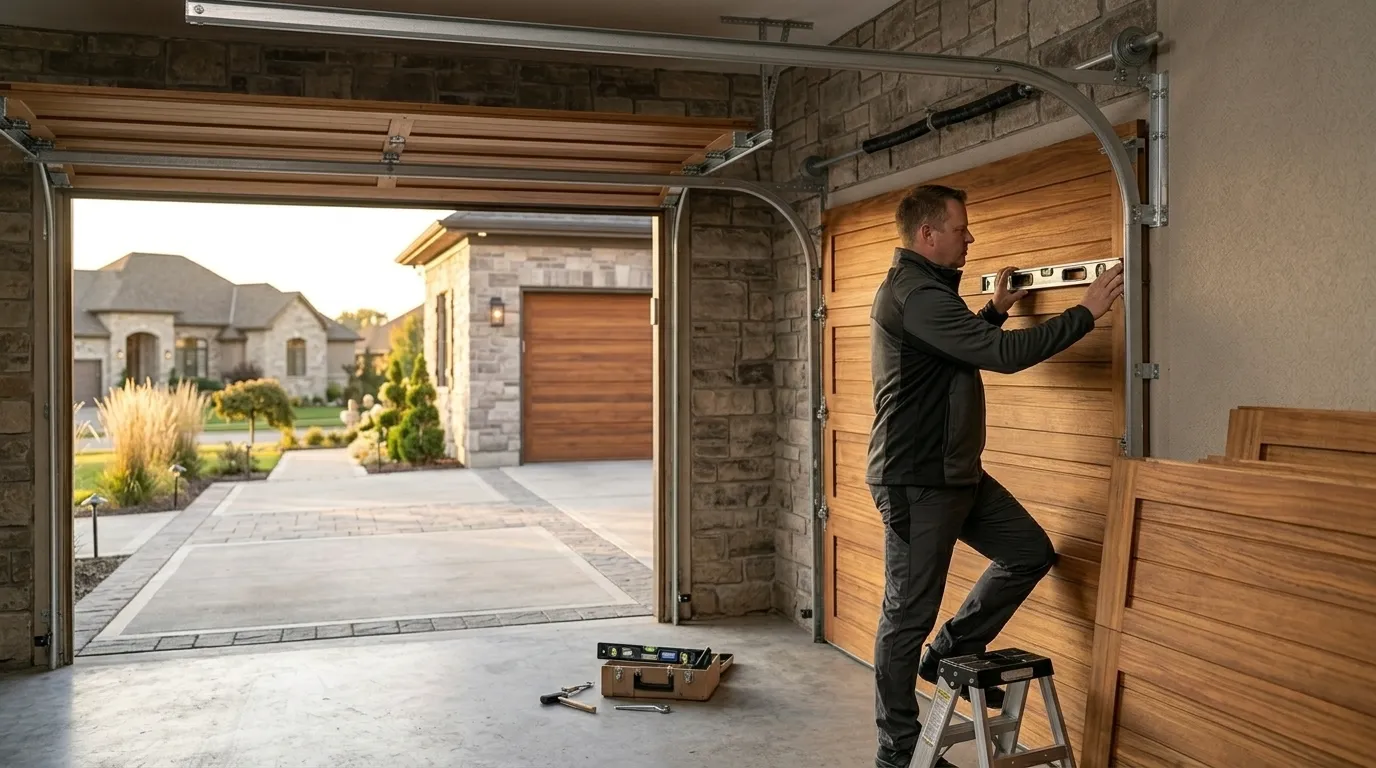
We also see a fair number of these garages converted at some point into partial living space or storage, with the door itself left in place but rarely opened - which lets rollers and hinges seize up quietly for years until a homeowner needs the space back. None of this is unique to any one street, but it's the pattern of the era, and it's what we plan for before we ever quote a repair versus a full replacement.
Where This Is
Murray Hill sits about 3 miles west-southwest of downtown Jacksonville. It's close in to a cluster of older-core neighborhoods - Riverside is roughly 2 miles to the southwest of downtown, Brooklyn about 1 mile southwest, and Springfield about 1 mile northeast - which puts Murray Hill among the inner ring of areas we cover rather than out at the edge with places like Fleming Island or Oakleaf Plantation, both around 15 to 17 miles out. That inner-ring position means shorter drive times for us and, generally, older housing stock than the newer subdivisions further out toward Nassau Village-Ratliff or Callahan.