What Is on These Garages
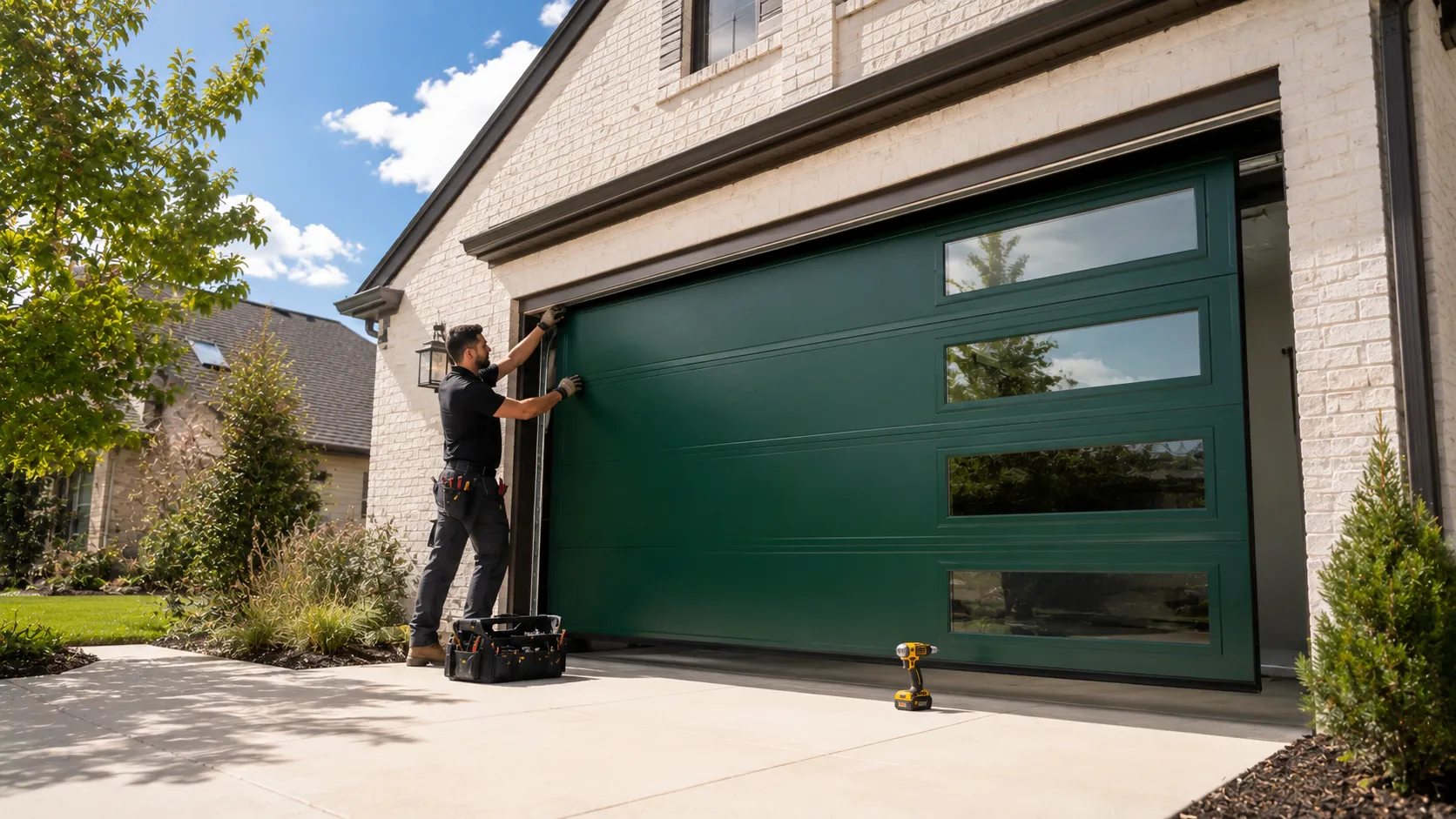
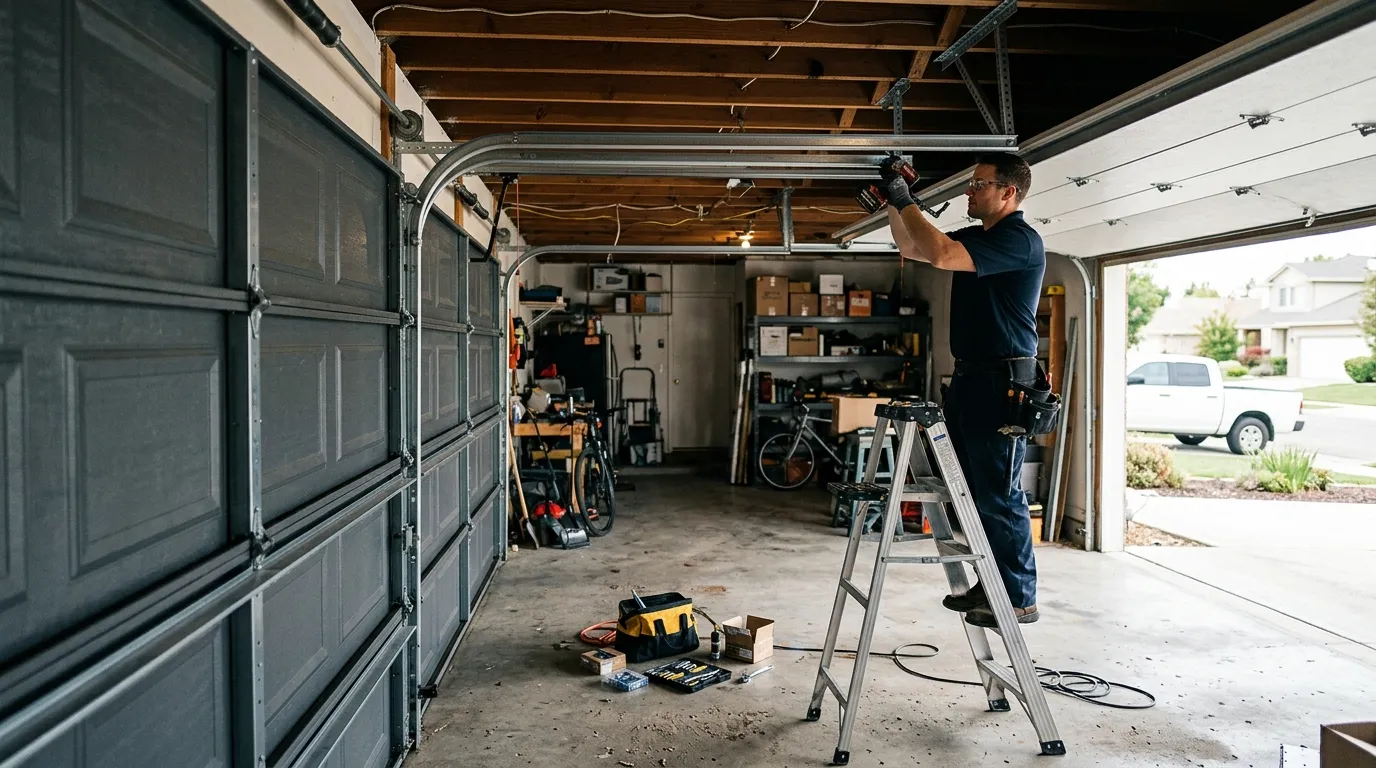
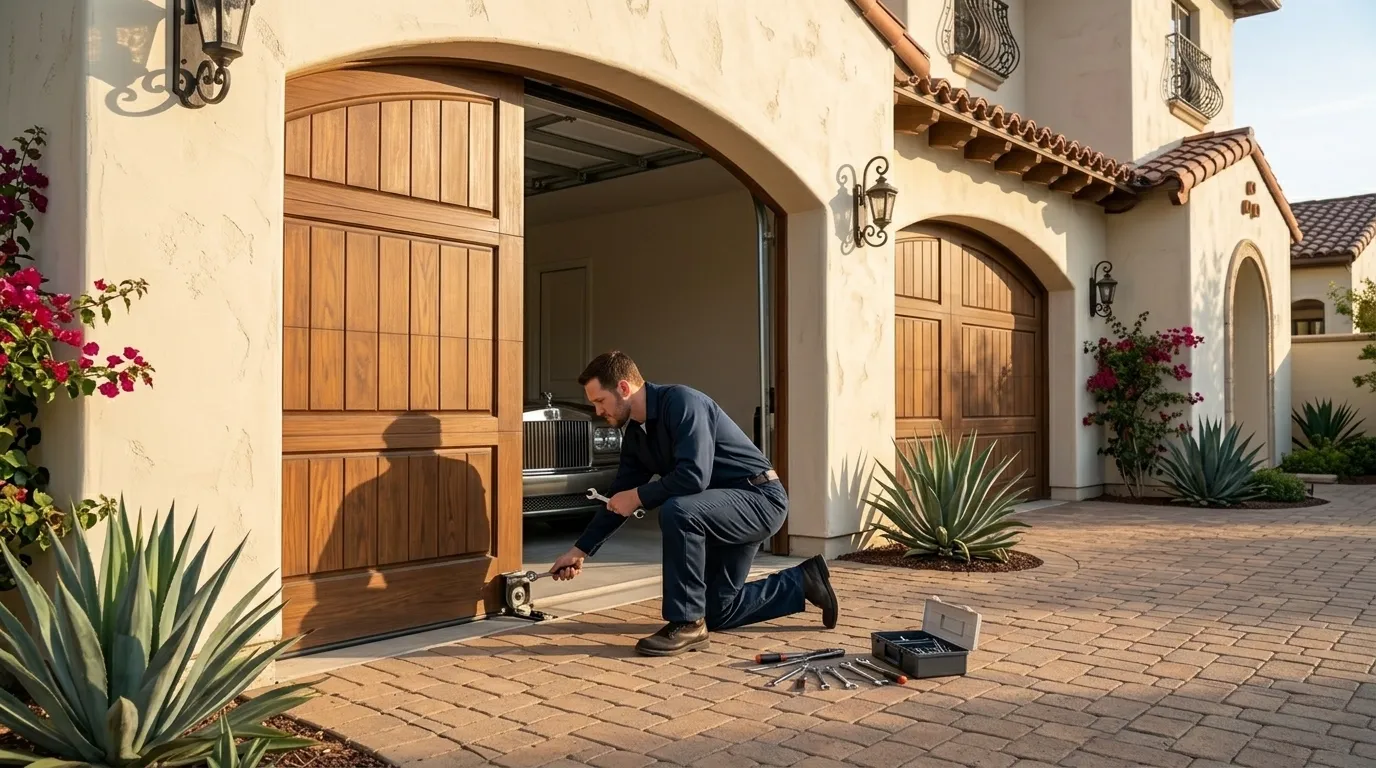
Most houses in Mandarin went up between 1973 and 2007, with the middle of that stretch landing around 1985. That spread matters more than it sounds. A garage built in the mid-70s likely started with an extension-spring setup and a chain-drive opener bolted on later, maybe more than once. A garage from the late 90s or early 2000s is more likely to have come with torsion hardware over the door and a lighter steel section from the factory.
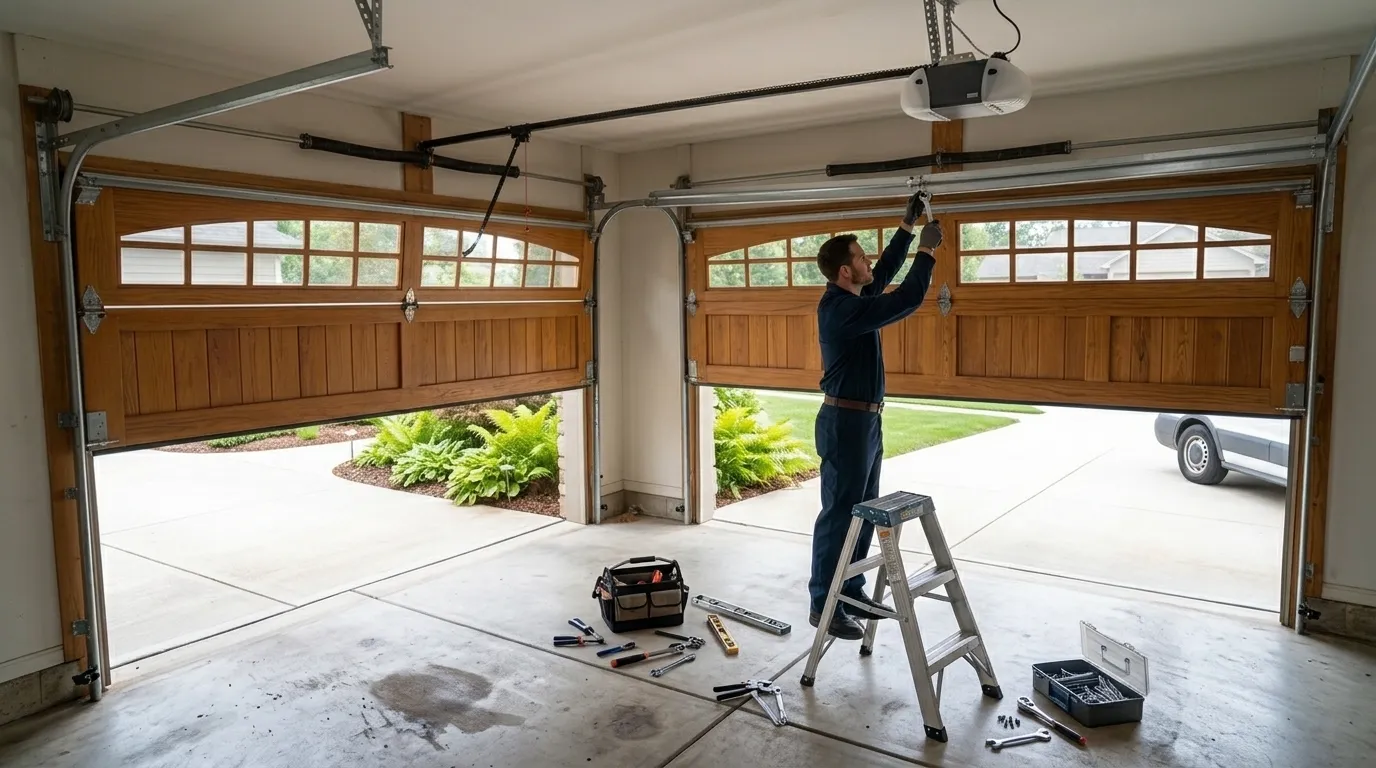
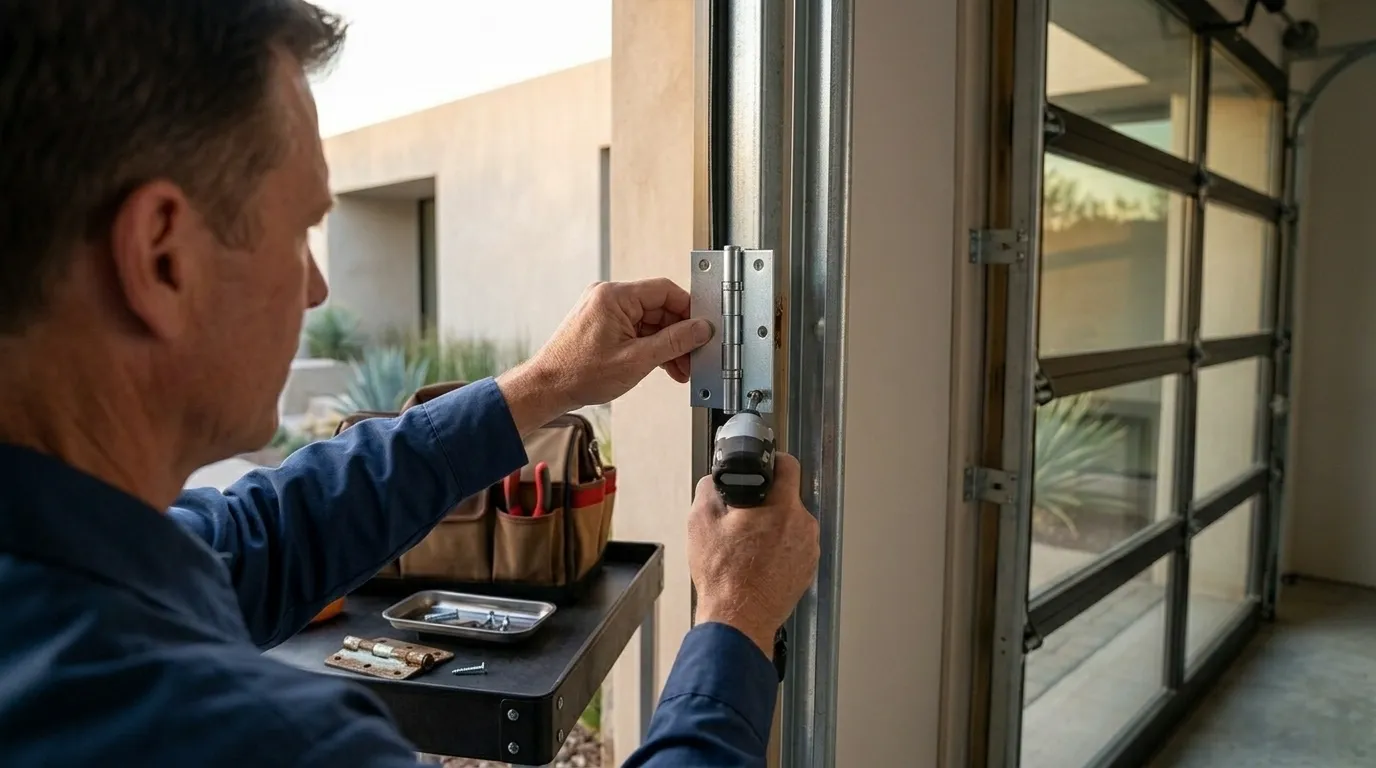
What that means on a service call: we're not walking up expecting one door. We're checking the build year range in our head before we even look at the spring type, because a 1978 door and a 2004 door in the same subdivision can need completely different parts. Rollers wear differently depending on the track gauge used at the time, and a lot of the openers from the earlier end of that window have outlived their circuit boards twice over.
One limit worth saying plainly: we can't tell you which setup is behind your door from a neighborhood page. The housing era tells us what's likely, not what's certain, and a panel replaced ten years ago on an otherwise original door throws that guess off fast.
Houses on These Streets
Jacksonville sits in a mild temperate climate band, which keeps garage work here different from what you'd deal with in a place that freezes hard every winter. We're not fighting ice-locked tracks or cracked seals from a hard freeze. The wear pattern instead is slower and steadier: humidity working into unsealed steel, torsion springs cycling through decades of heat and moisture instead of a few brutal cold snaps.
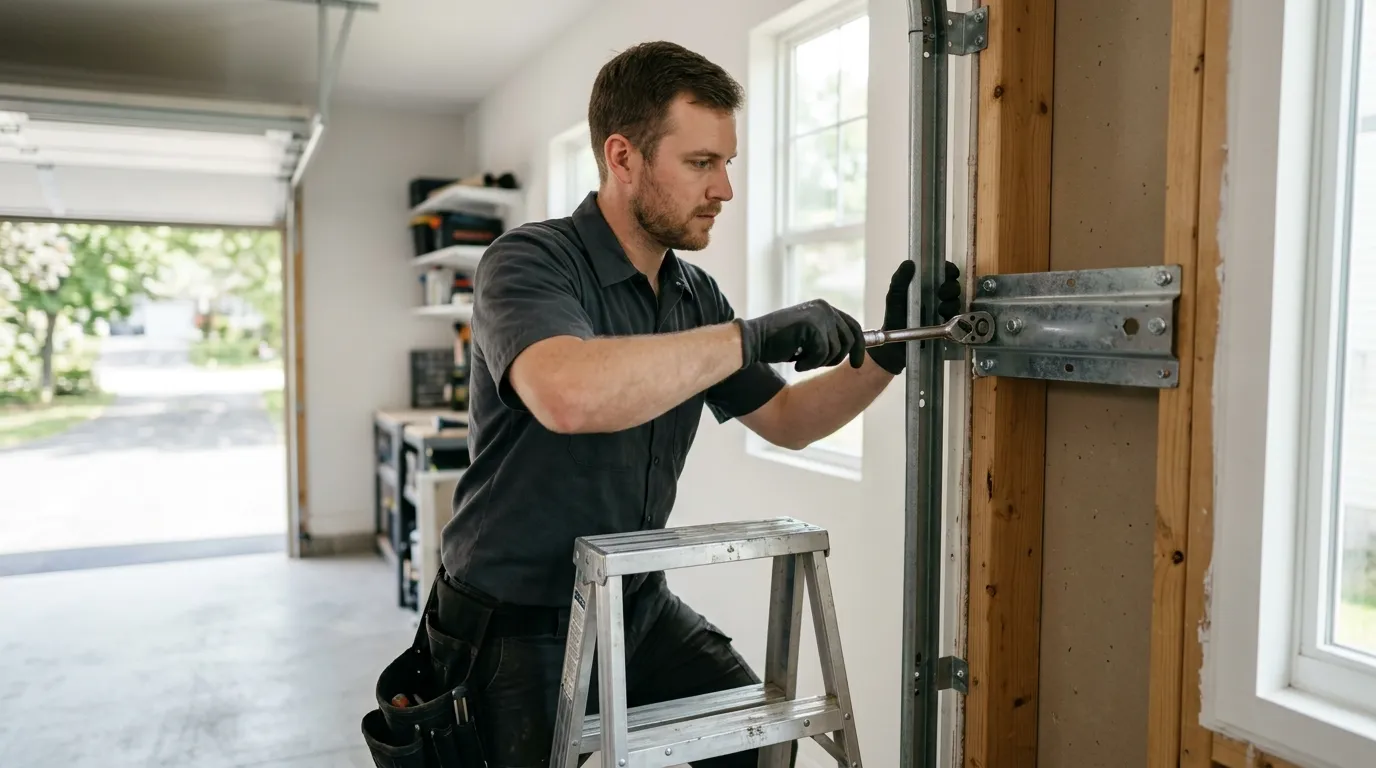
For a garage built in the 1980s stretch that describes most of this area, that means thirty-plus years of cycling on hardware that was never rated to last that long in the first place. A torsion spring is generally good for a set number of open-close cycles regardless of climate, and houses from that median 1985 build year are well past the point where the factory spring is still doing the job.
We don't have street-level data for Mandarin specifically, so we're not going to pretend we know which block has which problem. What we can say is that the housing era across this stretch points toward original or first-replacement hardware on a lot of these doors, and that's usually where the noise, the sag, or the sudden refusal to open comes from.
Where This Is
Mandarin sits about 13 miles south of downtown Jacksonville. It's part of a service area that covers 86,151 households and 48,862 owner-occupied houses, with a median household income of $103,288 across that broader footprint. That income level tends to track with owners who replace an opener before it fully dies rather than run it into the ground, and with houses that get a new steel door instead of a patched-up panel when the old one's had enough.
We don't have named landmarks or cross streets for this particular pocket of the south side, and we're not going to invent any to make the page read more local than it is. What we do know is the build era for houses this far south of downtown, and that's the detail that actually predicts what kind of door and opener you're likely dealing with. Distance and direction tell us where the truck is headed. Build year tells us what's probably wrong when it gets there.