What Is on These Garages
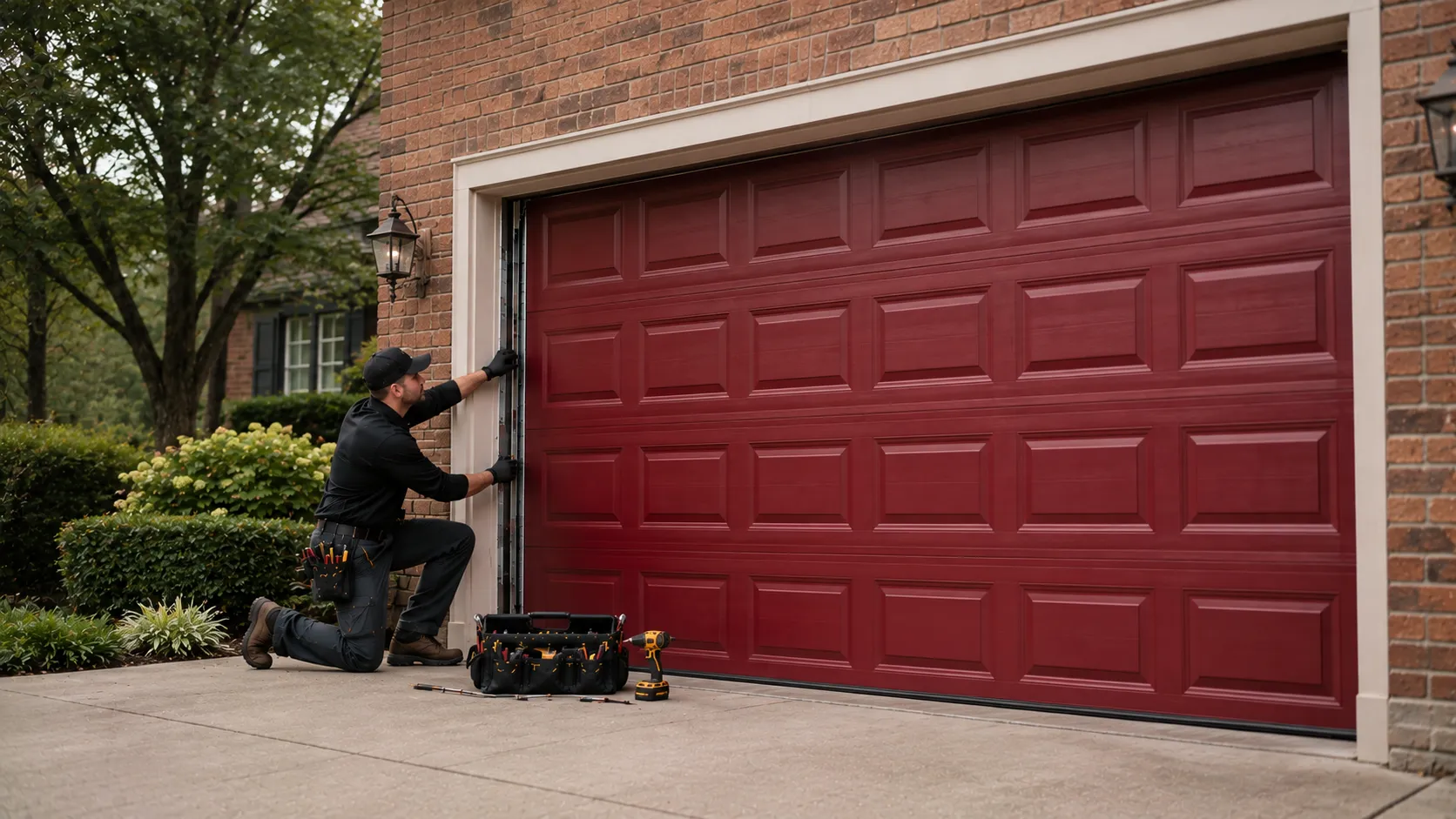
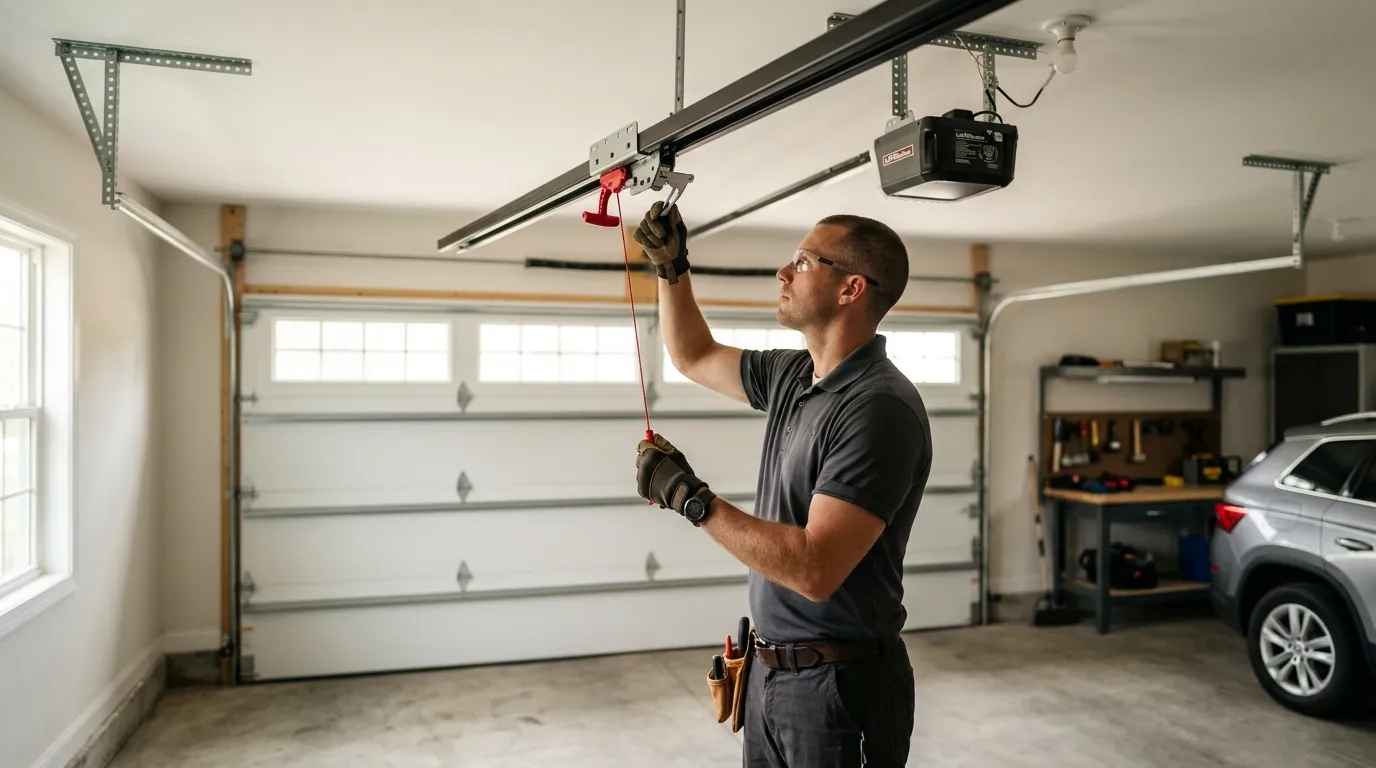
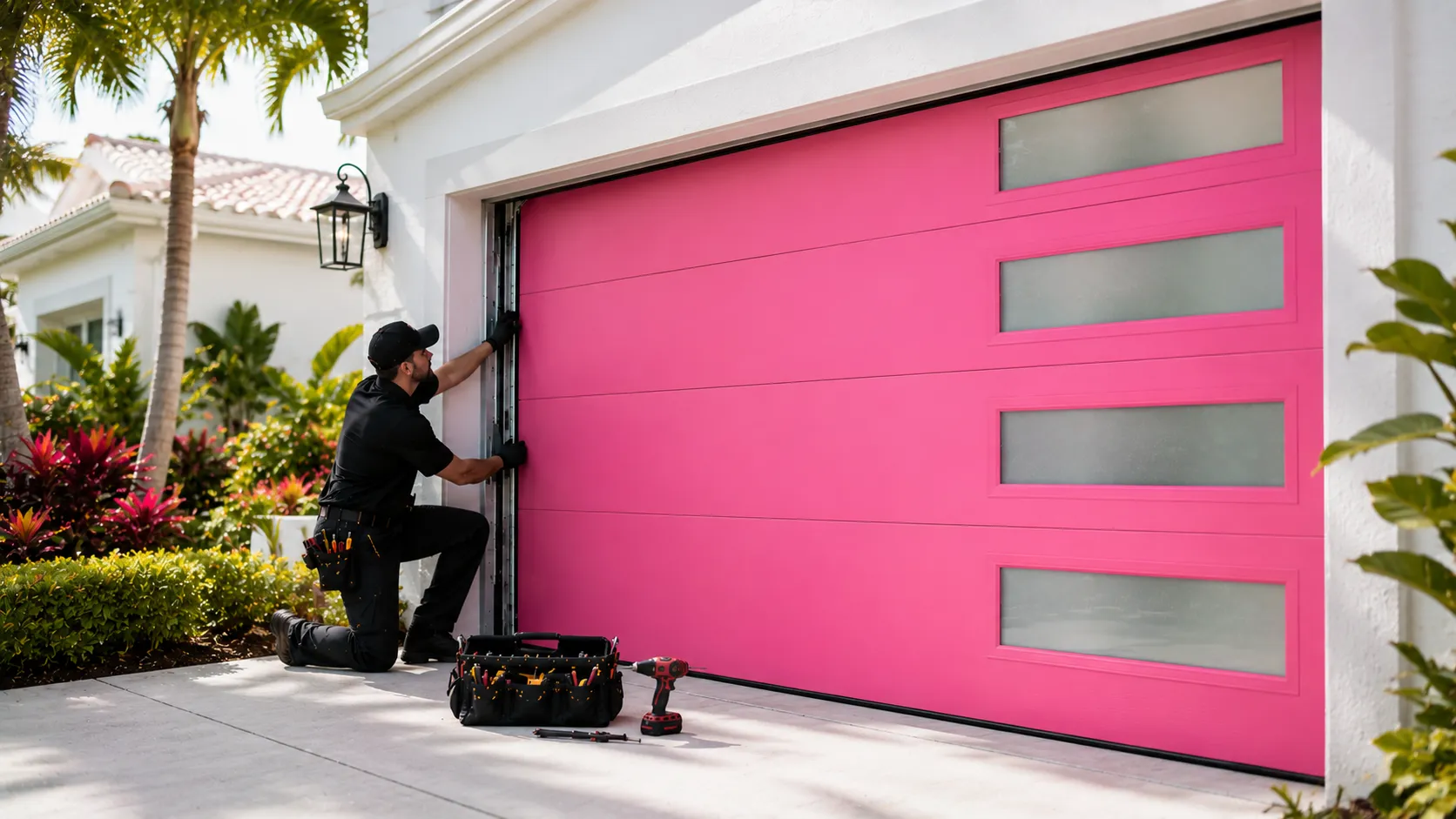
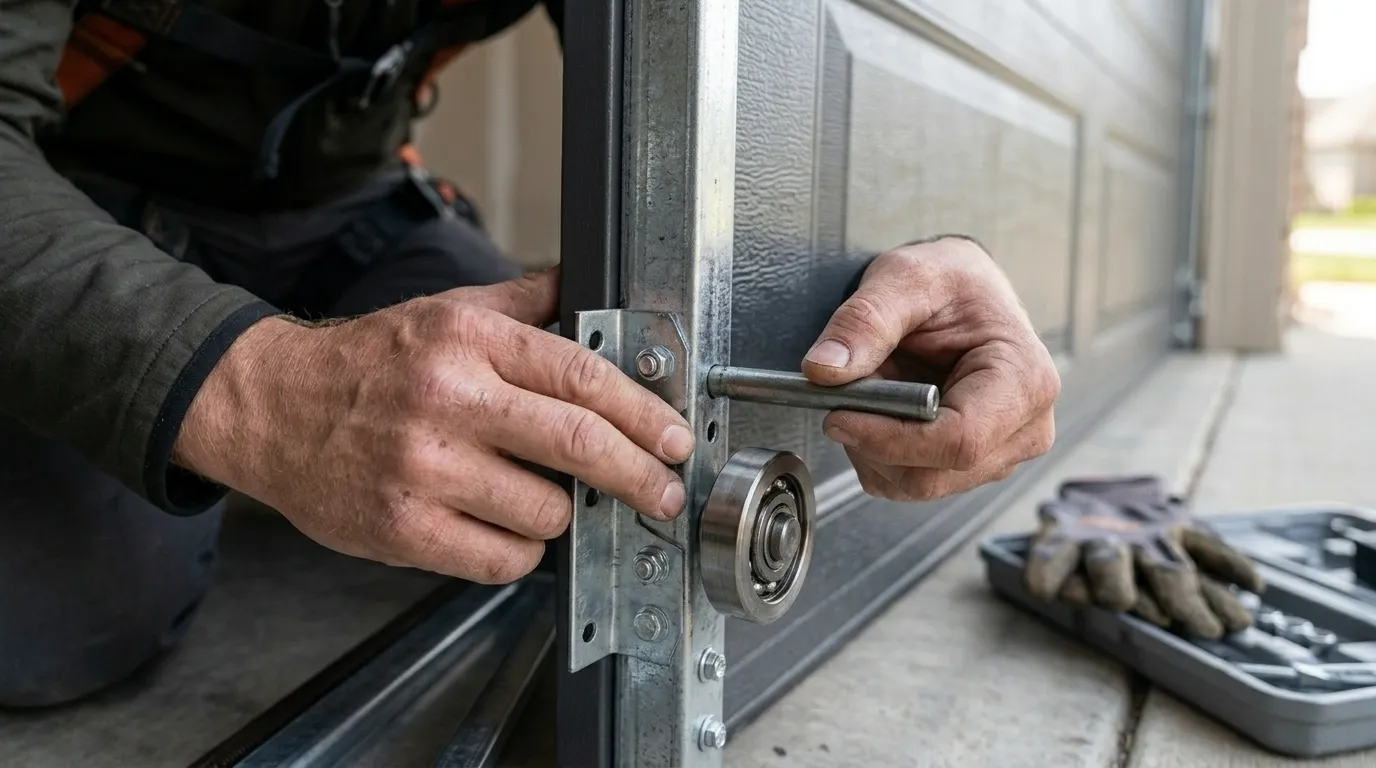
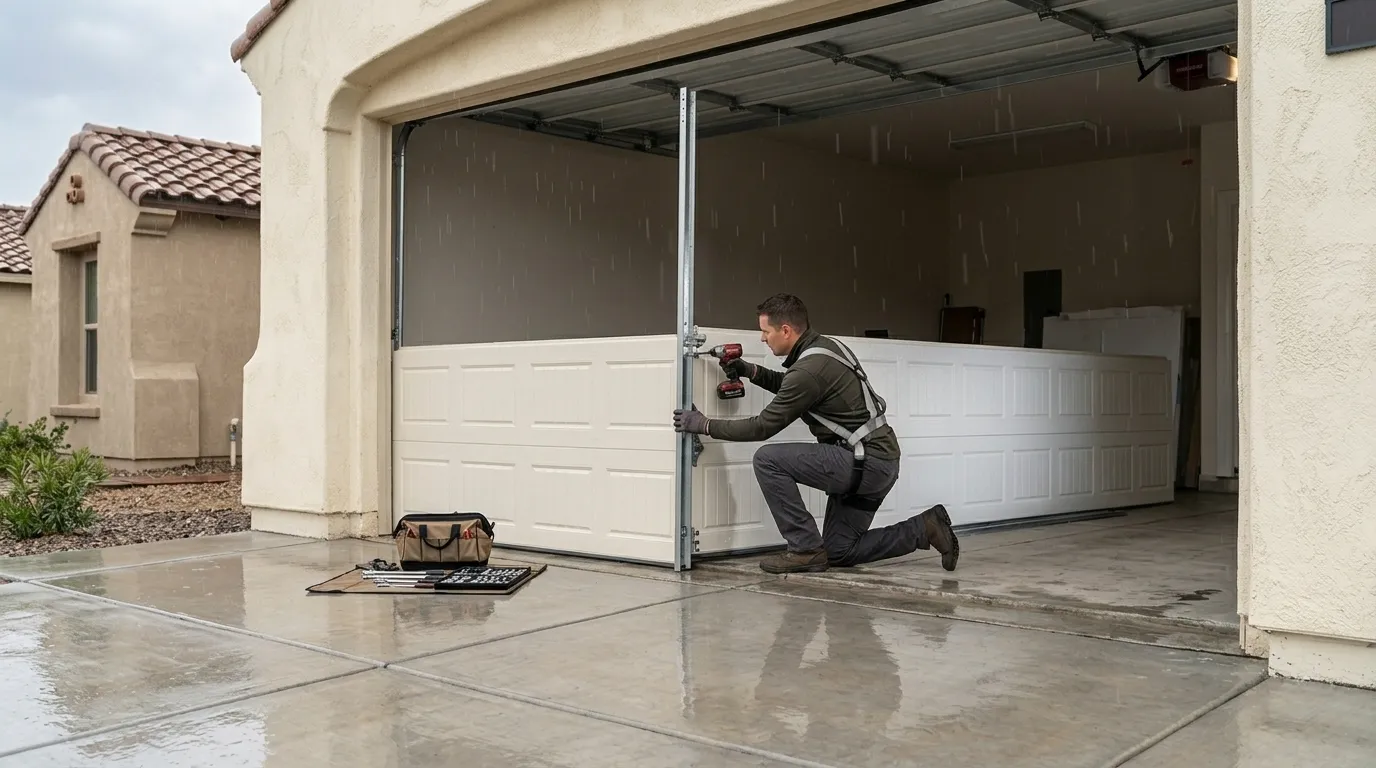
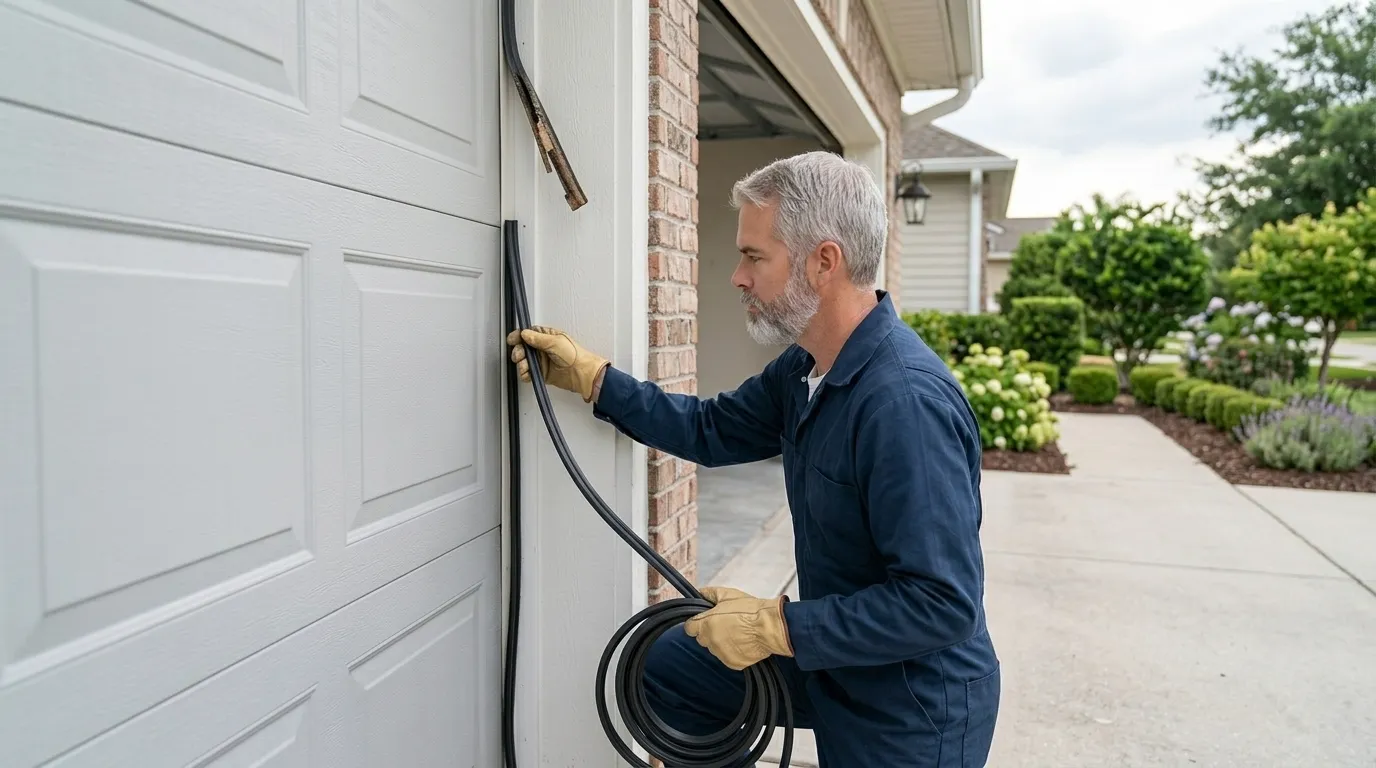
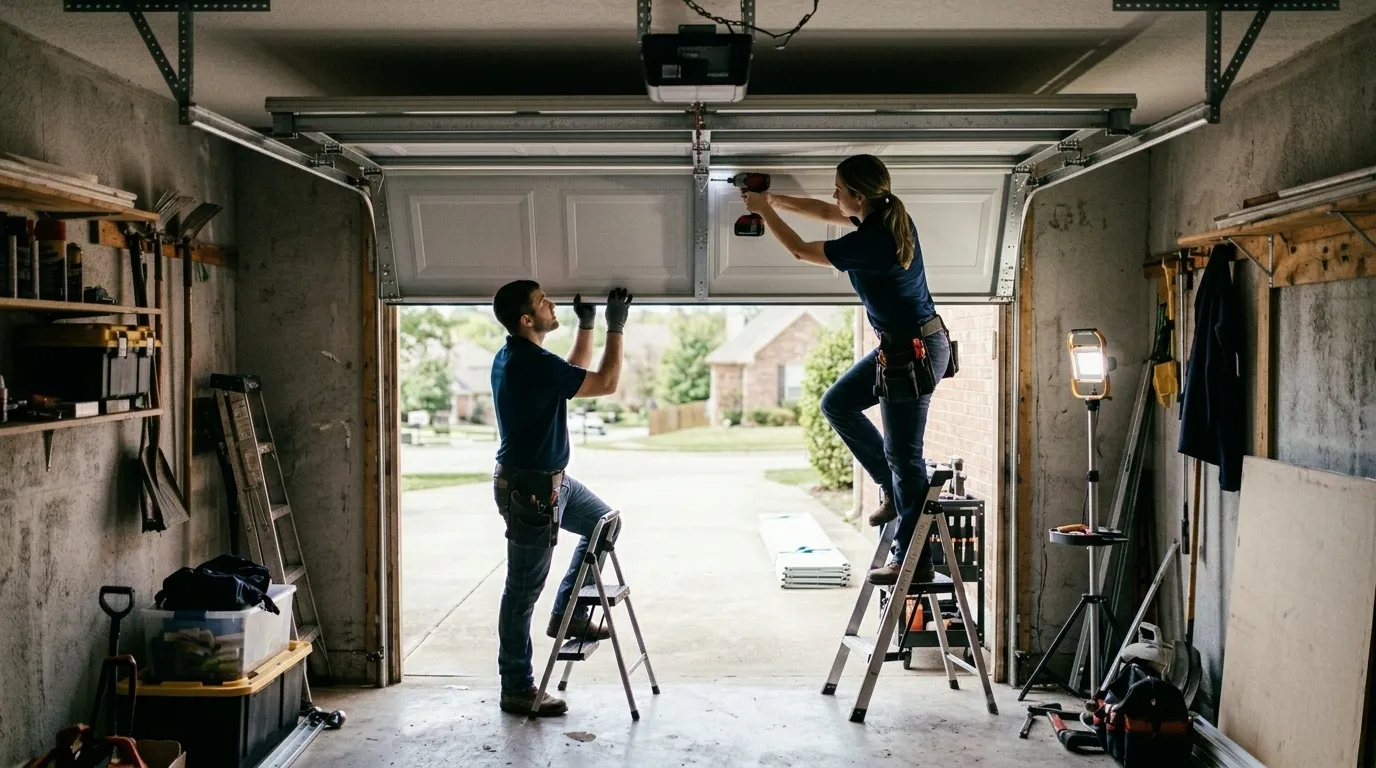
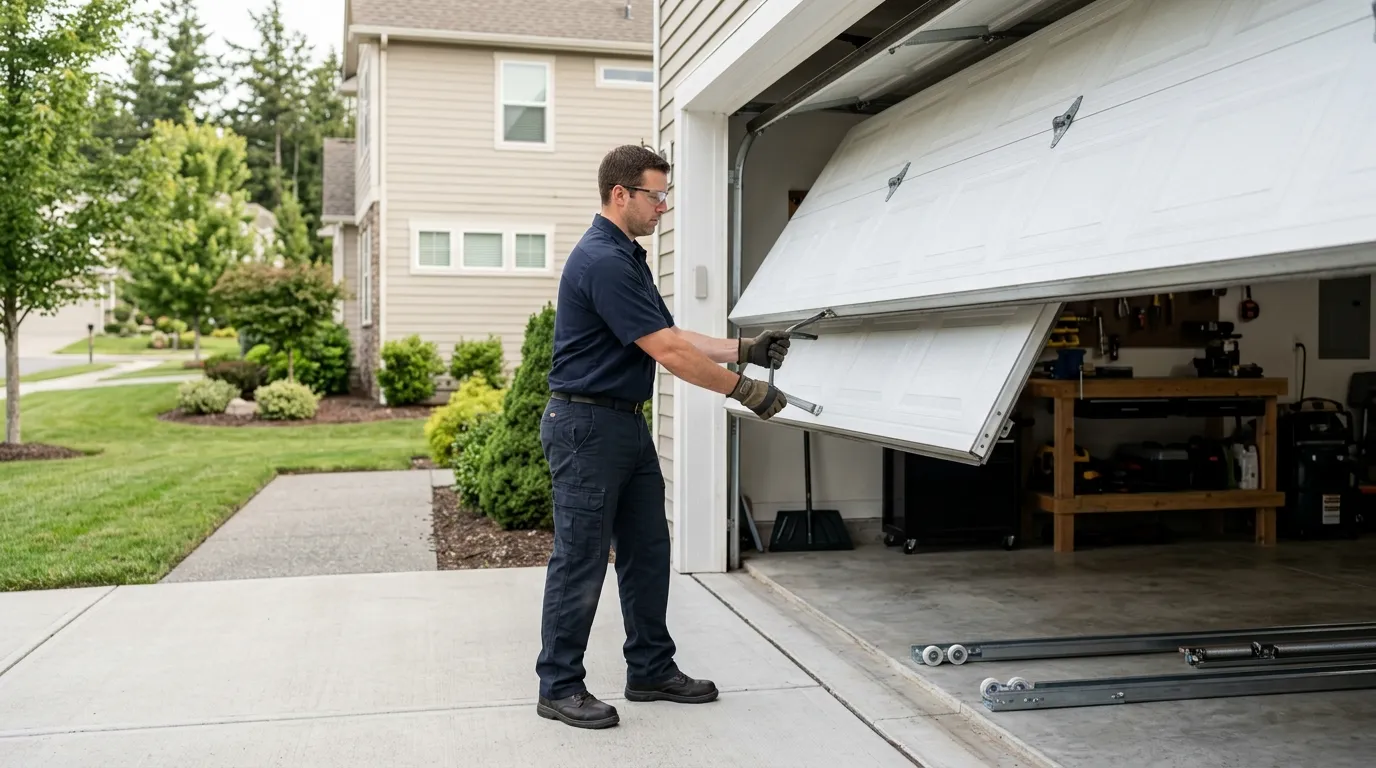
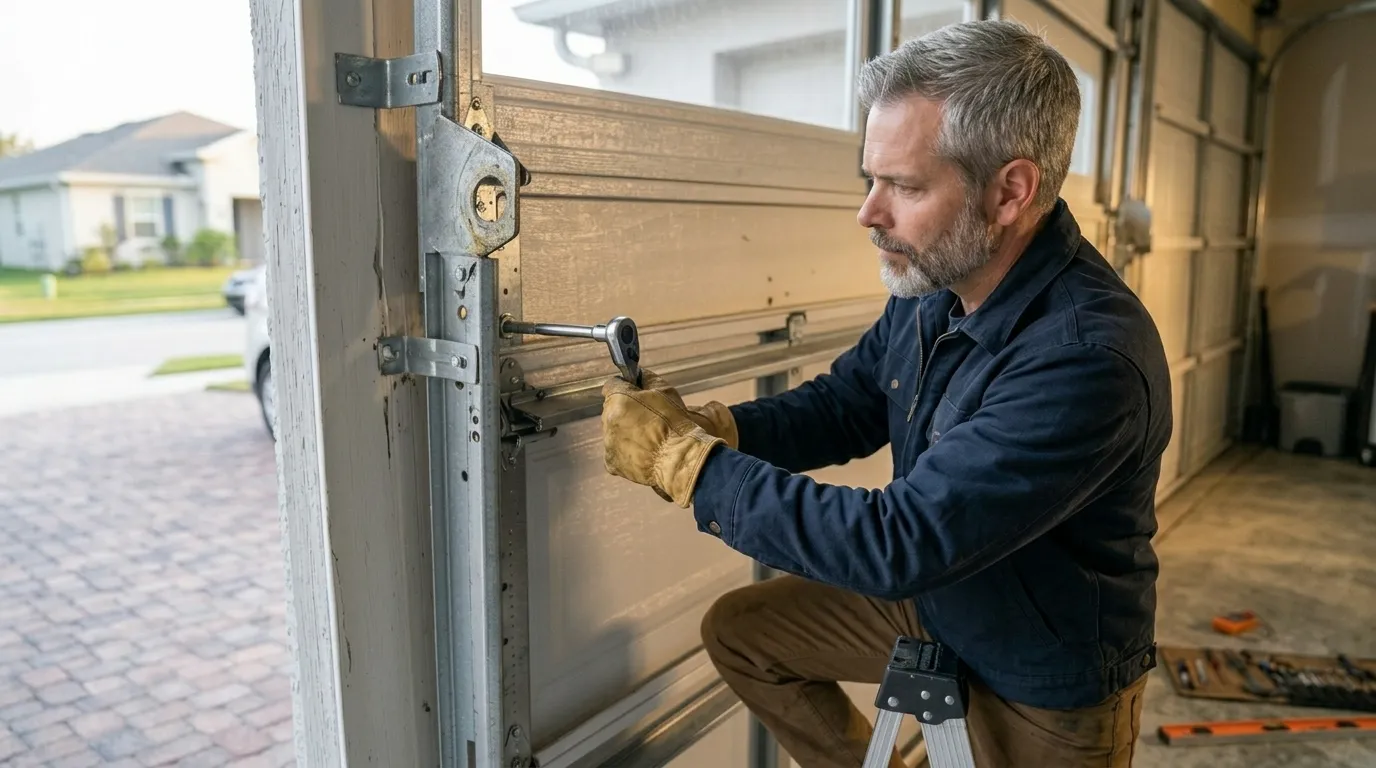
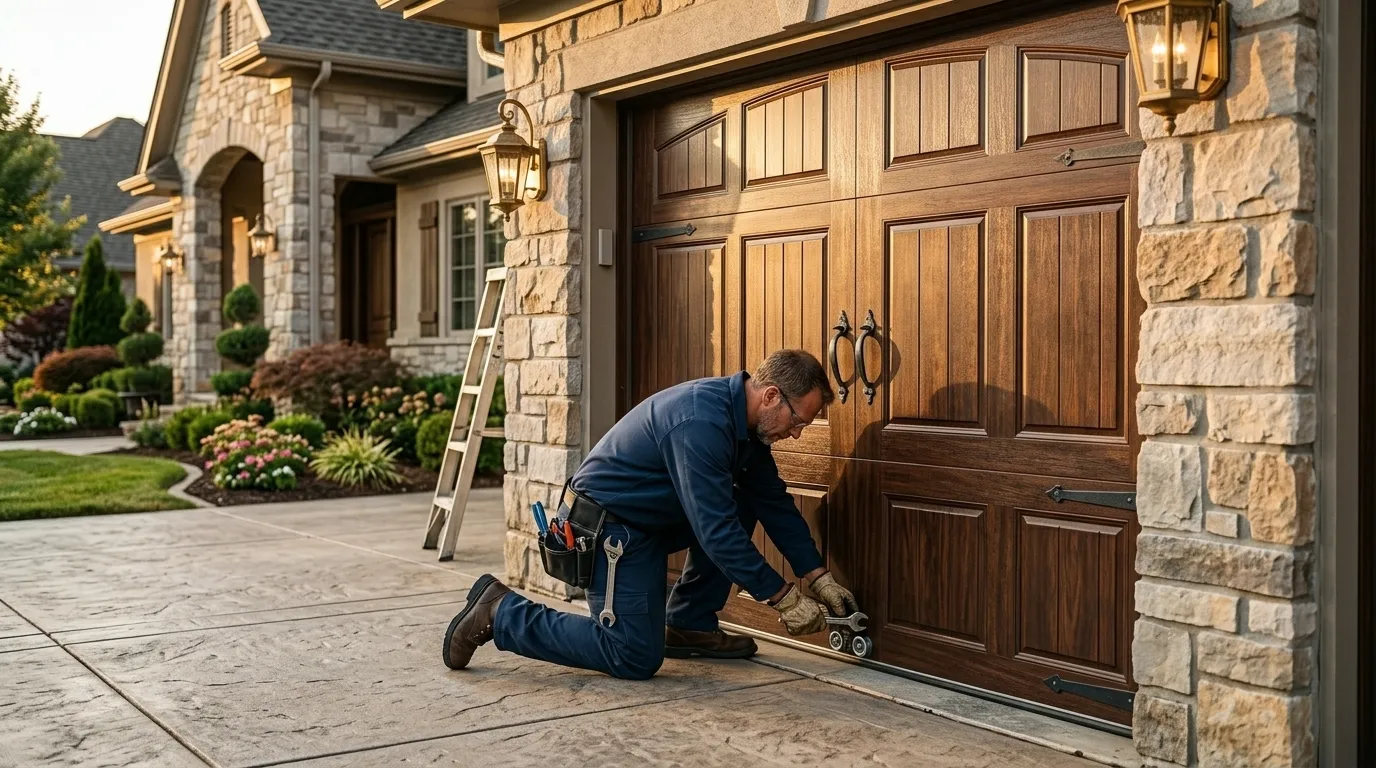
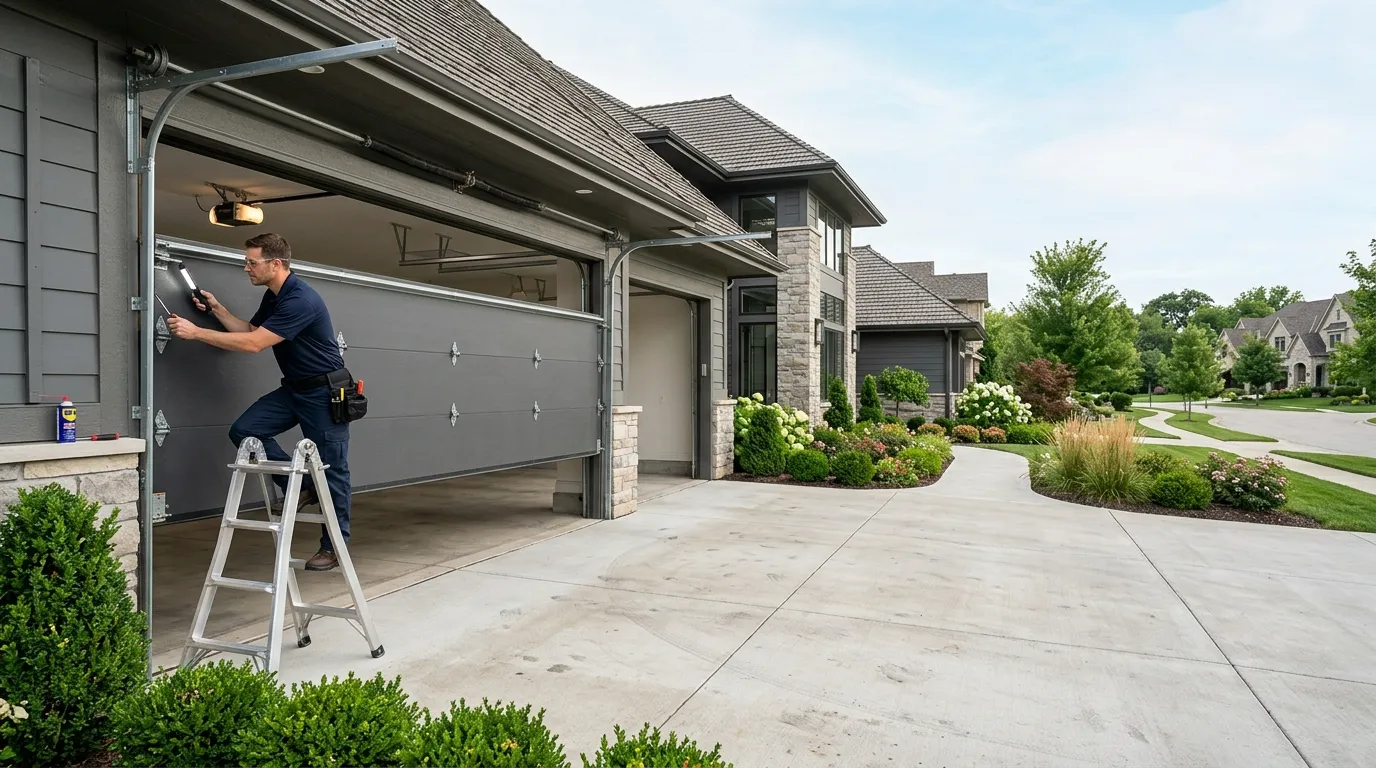
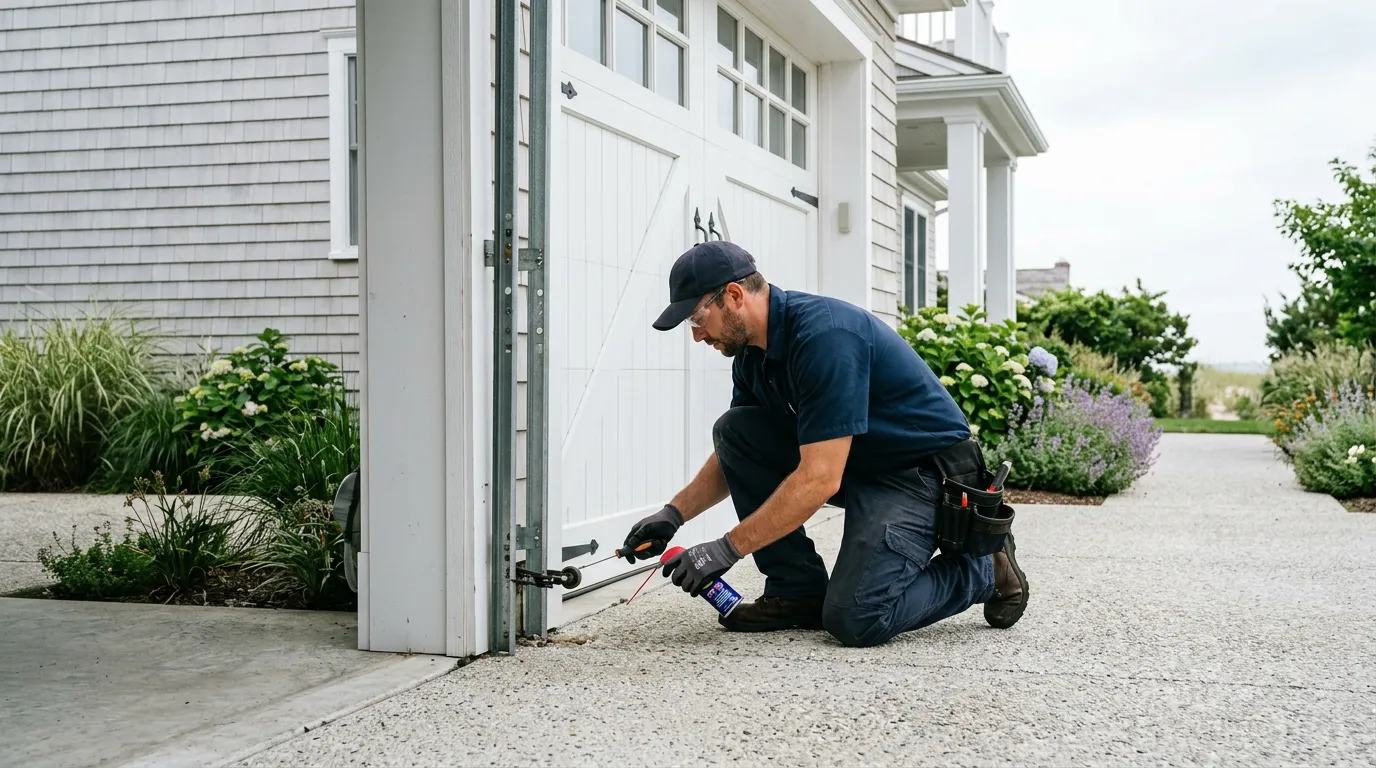
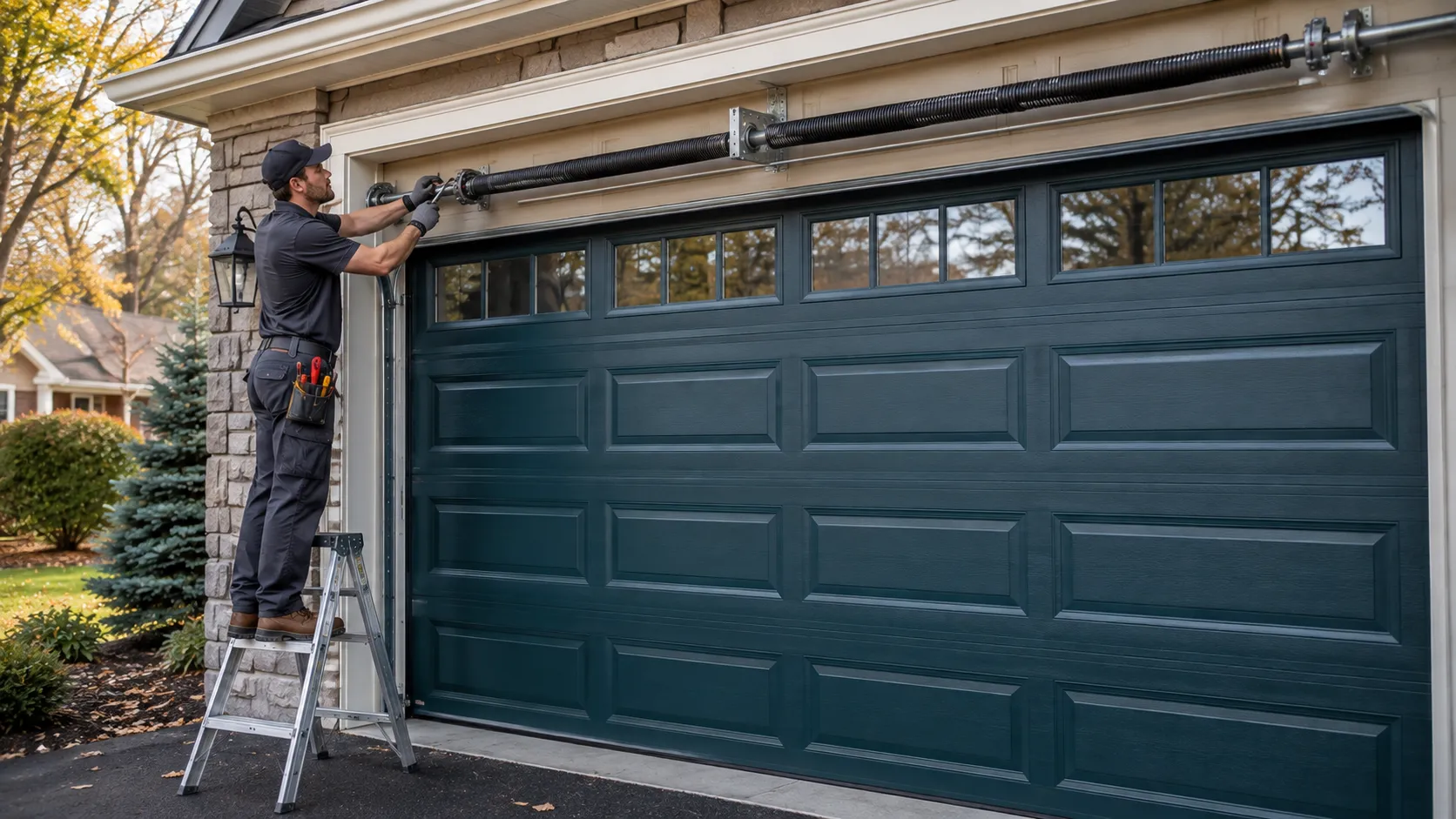
Most of the garage doors we see out this way were installed or replaced during the same building push that shaped the rest of this part of Jacksonville - homes going up steadily from the early 1970s through the mid-2000s. That means a mix of steel sectional doors on torsion springs, a good number of them original to the house if nobody's touched them since, and openers that have been swapped out once or twice as chain-drive units wore down. We don't see the older side-mounted extension spring setups you'd find in a much older neighborhood - the housing stock here is newer than that, so the failures are more predictable: torsion springs reaching the end of a wear cycle, nylon rollers going brittle, and openers from the 1990s and early 2000s finally giving out on the circuit board rather than the motor. The mild coastal-adjacent climate here doesn't put the kind of stress on hardware you'd get with hard freezes or big humidity swings, so when something fails it's almost always wear and cycle count, not weather damage. One honest limitation: if a spring or opener is original to a house built in the 1970s or early 80s, we may not be able to match the exact hardware - replacement is usually the straighter path than trying to source parts for a 40-plus-year-old system.
Houses on These Streets
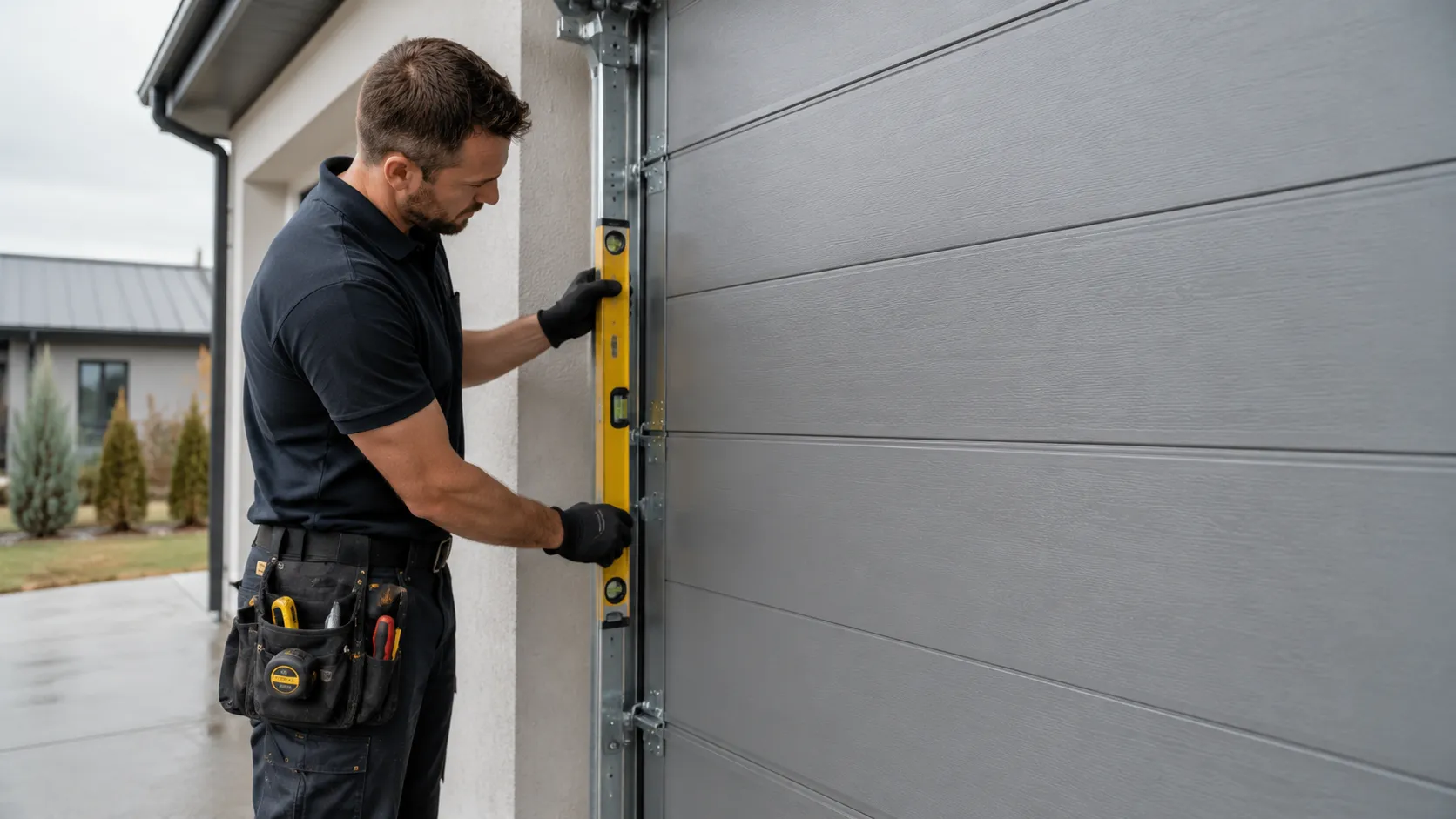
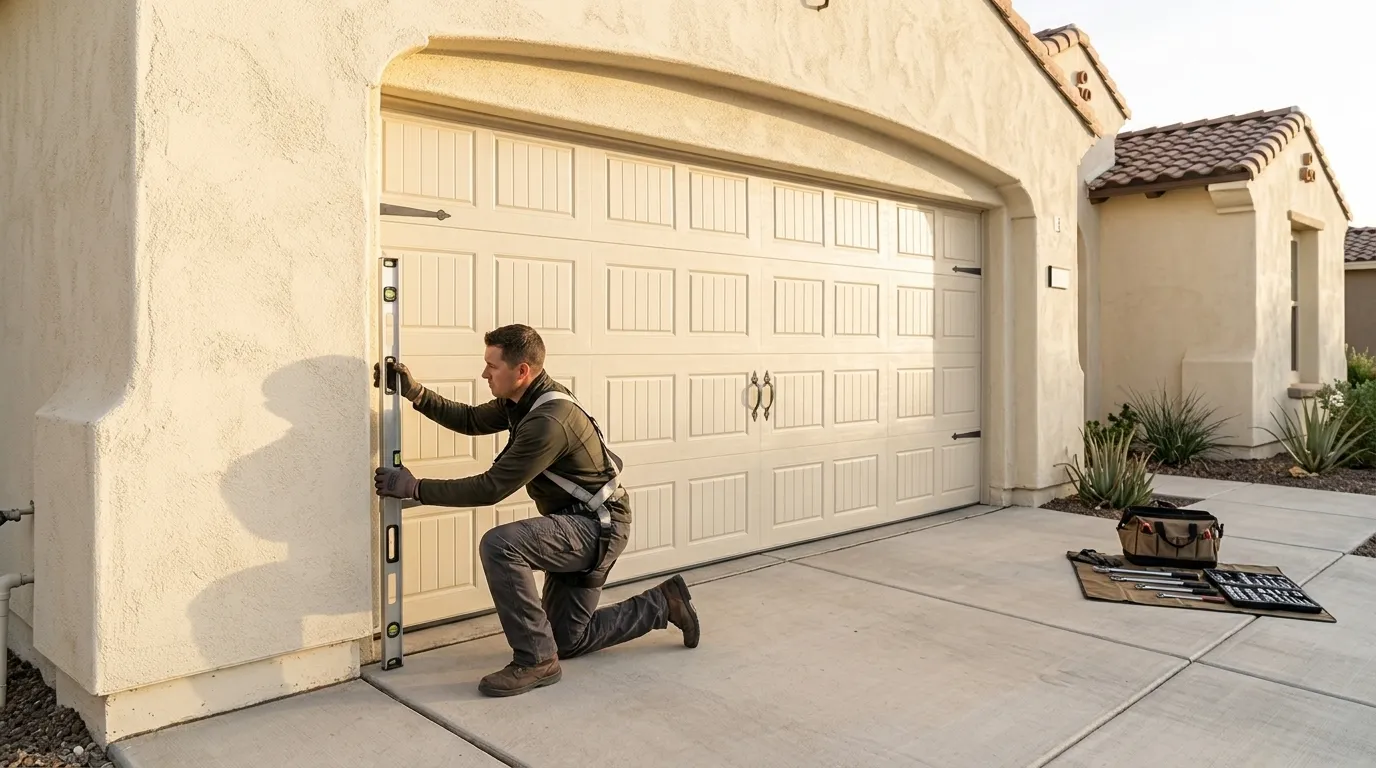
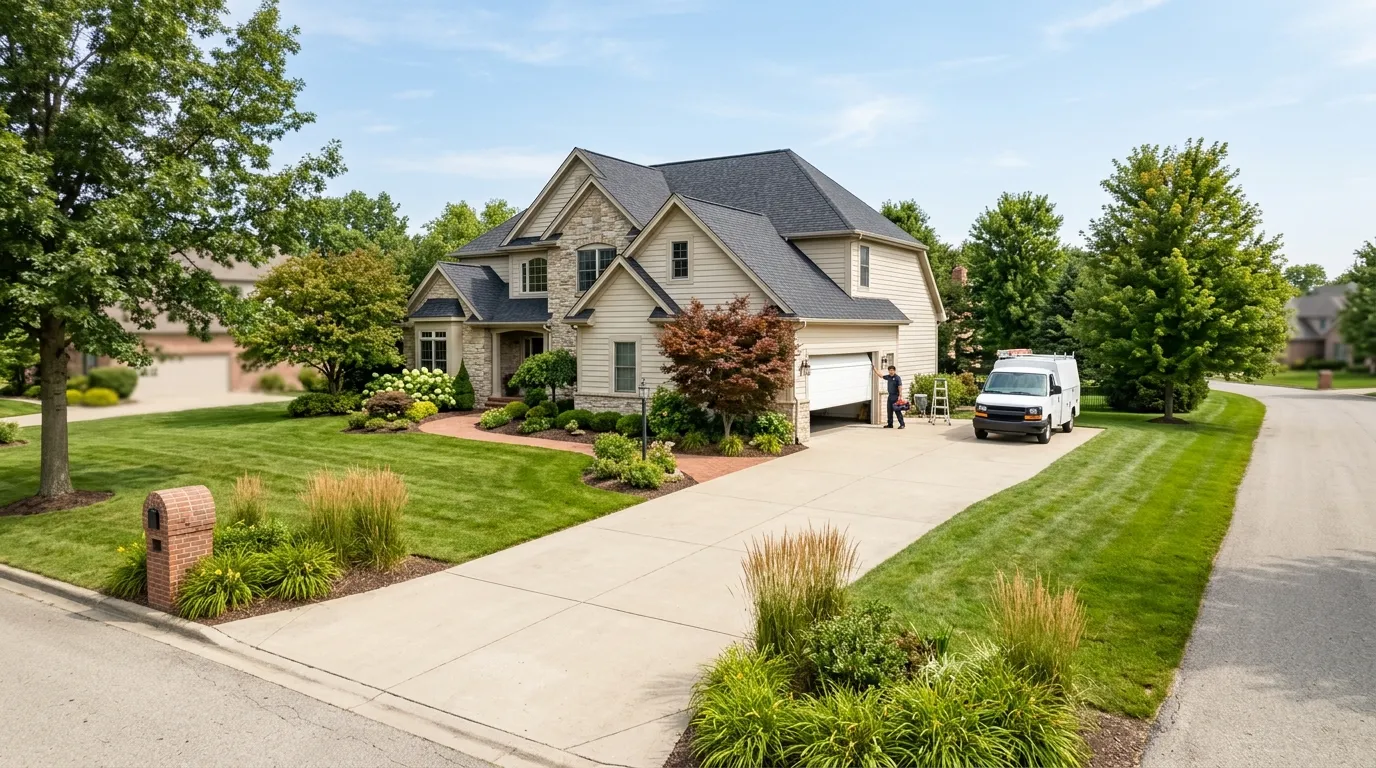
Houses through here follow the same build pattern common across this side of Jacksonville - single-family homes from a long construction run that started in the early 1970s and kept going into the 2000s, with a concentration of houses dating to the 1980s and 90s. That build era usually means a two-car attached garage, a single torsion spring or a pair depending on door width, and a slab foundation with the opener mounted straight to ceiling joists rather than a truss system. Garage widths tend to run standard for the era - nothing oversized, nothing custom. If your house falls on the older end of that range, closer to the early 1970s, you may still be running the original track and rollers, which is worth a look even if the door itself still opens fine, since worn rollers put uneven load on the spring long before the spring itself shows a problem.
Where This Is
Isle of Palms sits about 14 miles ESE of the centre of Jacksonville, out toward the coast rather than in the older urban core. That distance matters for scheduling - it's a longer run than the close-in neighborhoods near downtown, so we plan routes rather than treat it as a drop-in stop between closer jobs. The area sits within the same broad service territory as the rest of this side of the city, one of 86,151 households and 48,862 owner-occupied houses spread across the wider area, which is part of why the housing stock and garage hardware we run into out here tracks so closely with what we see elsewhere in that same footprint.