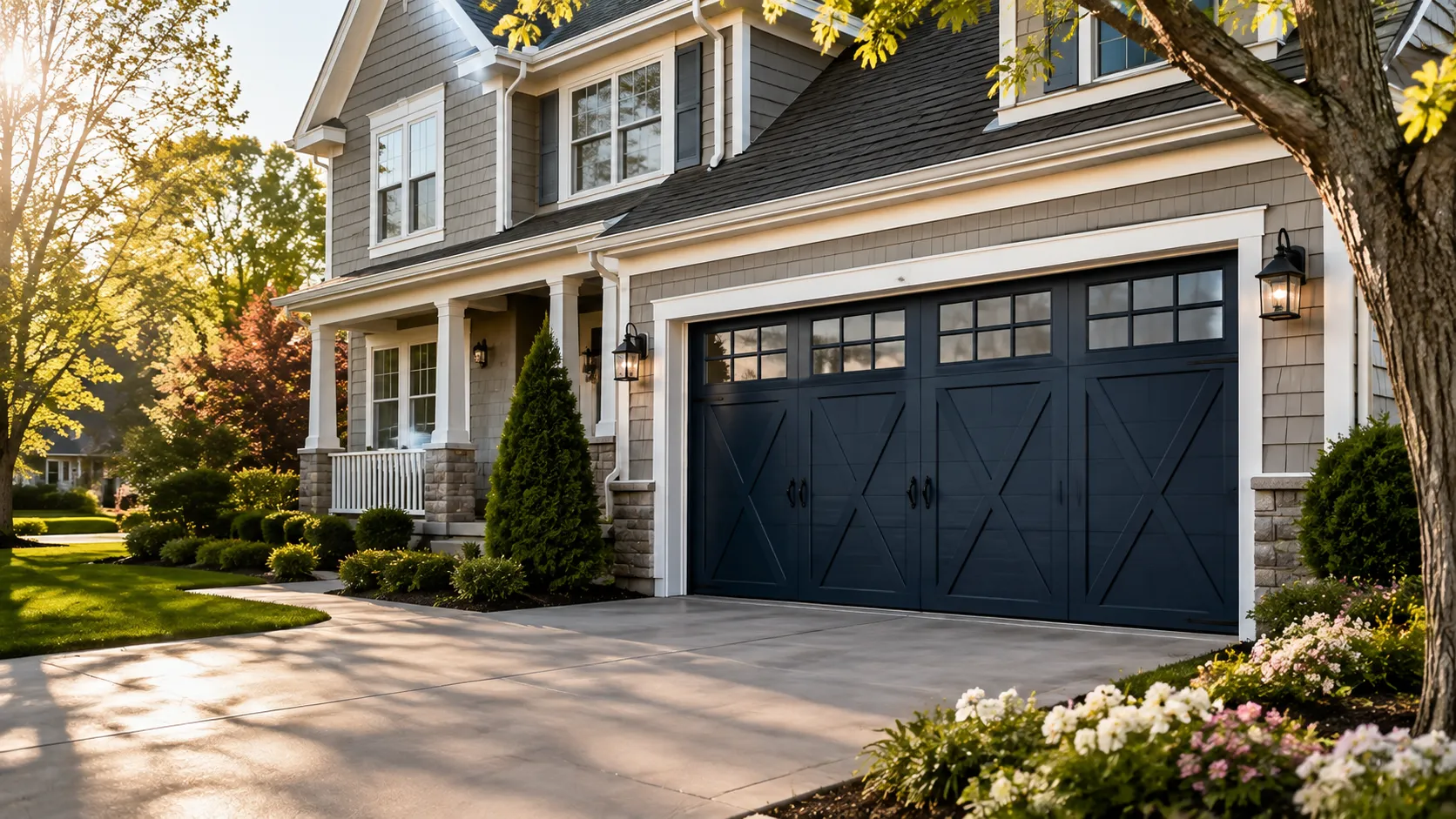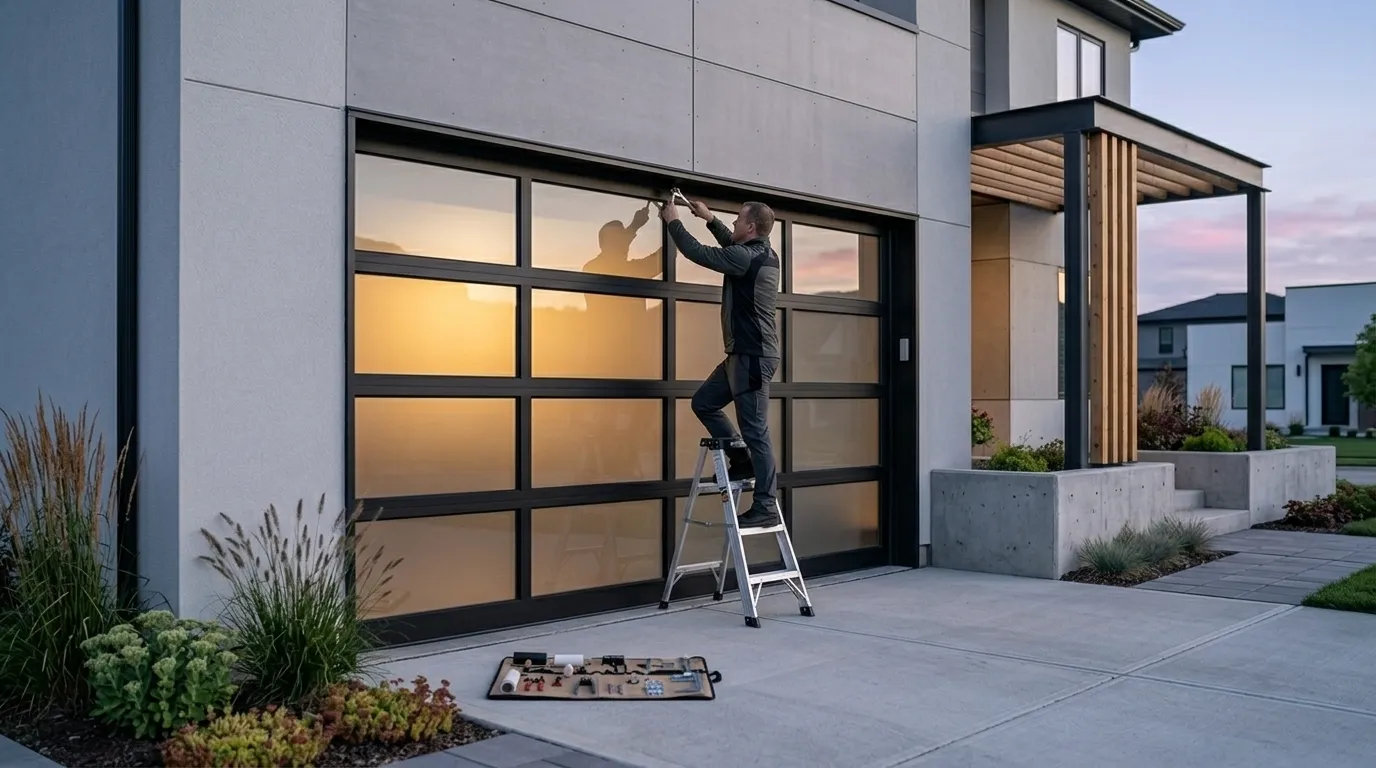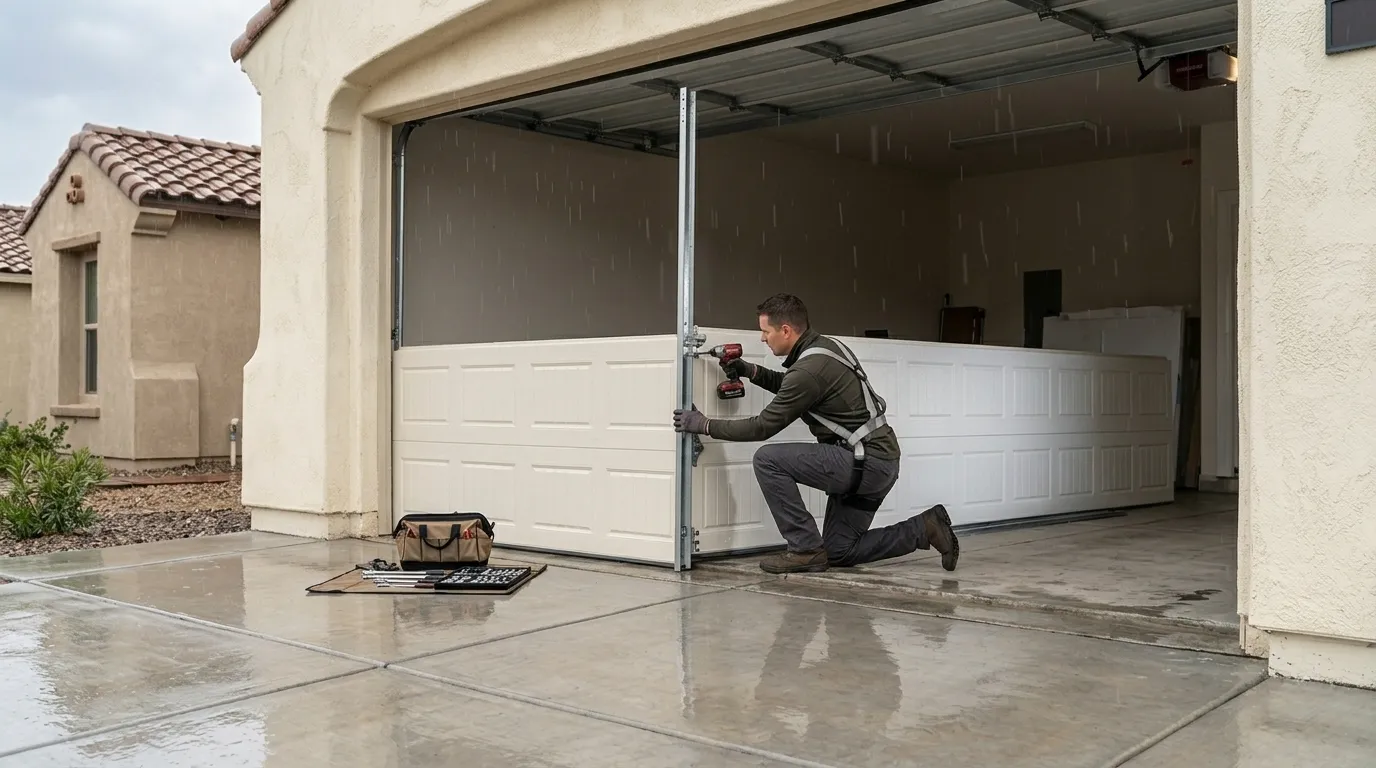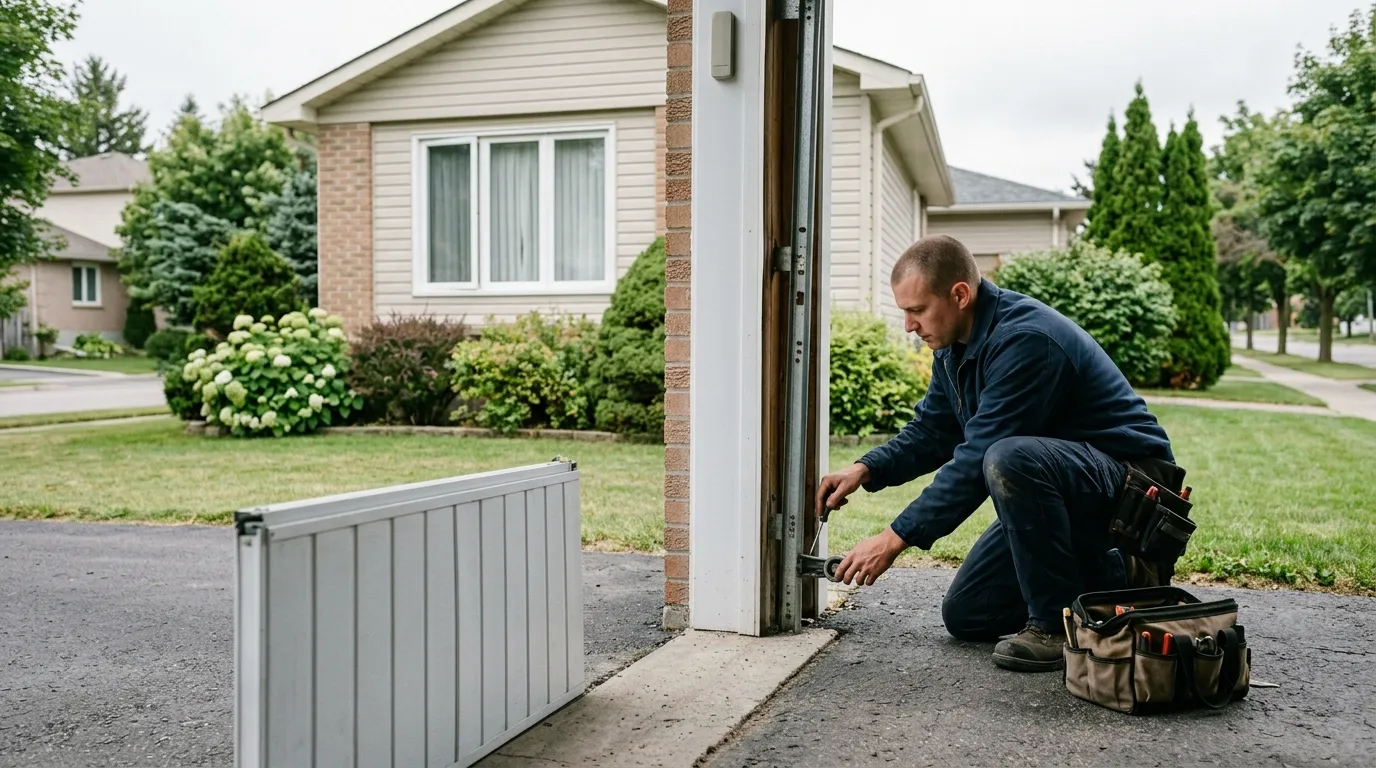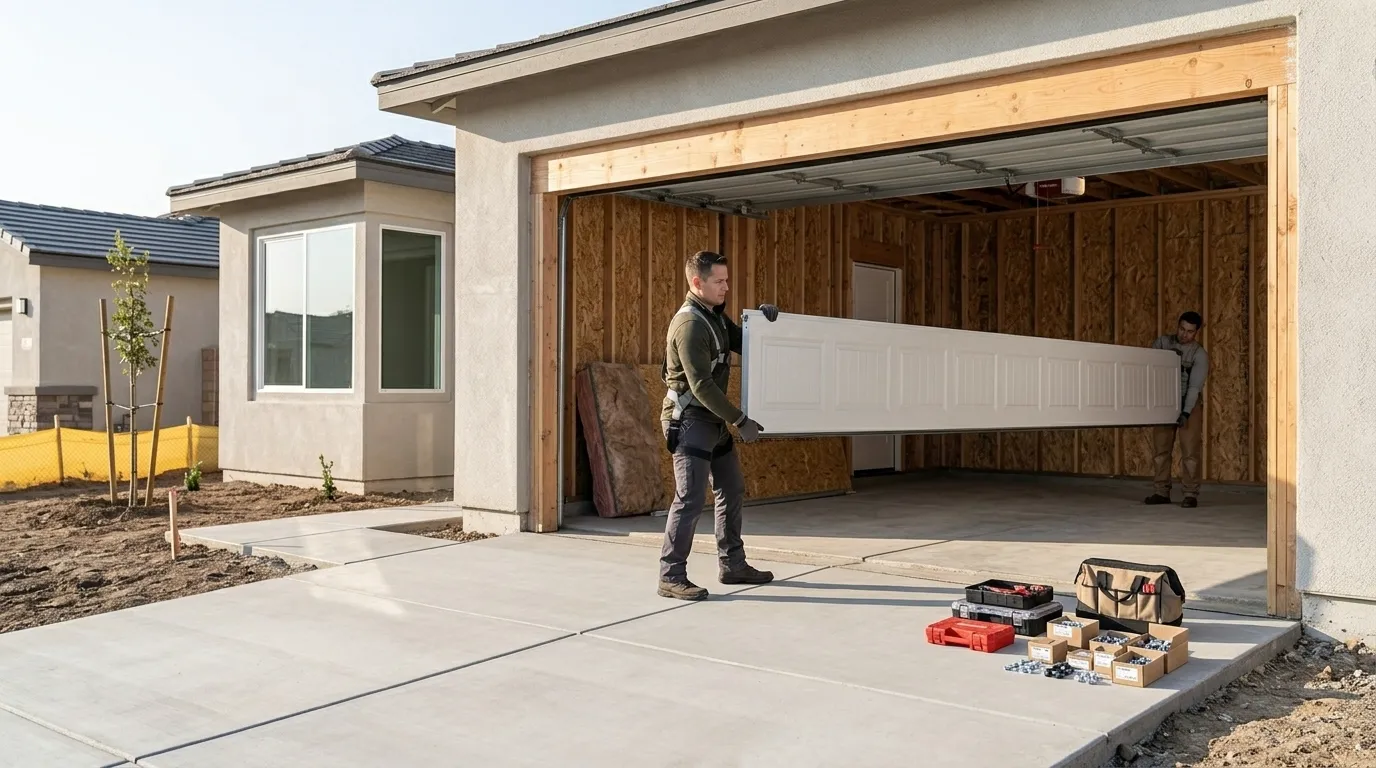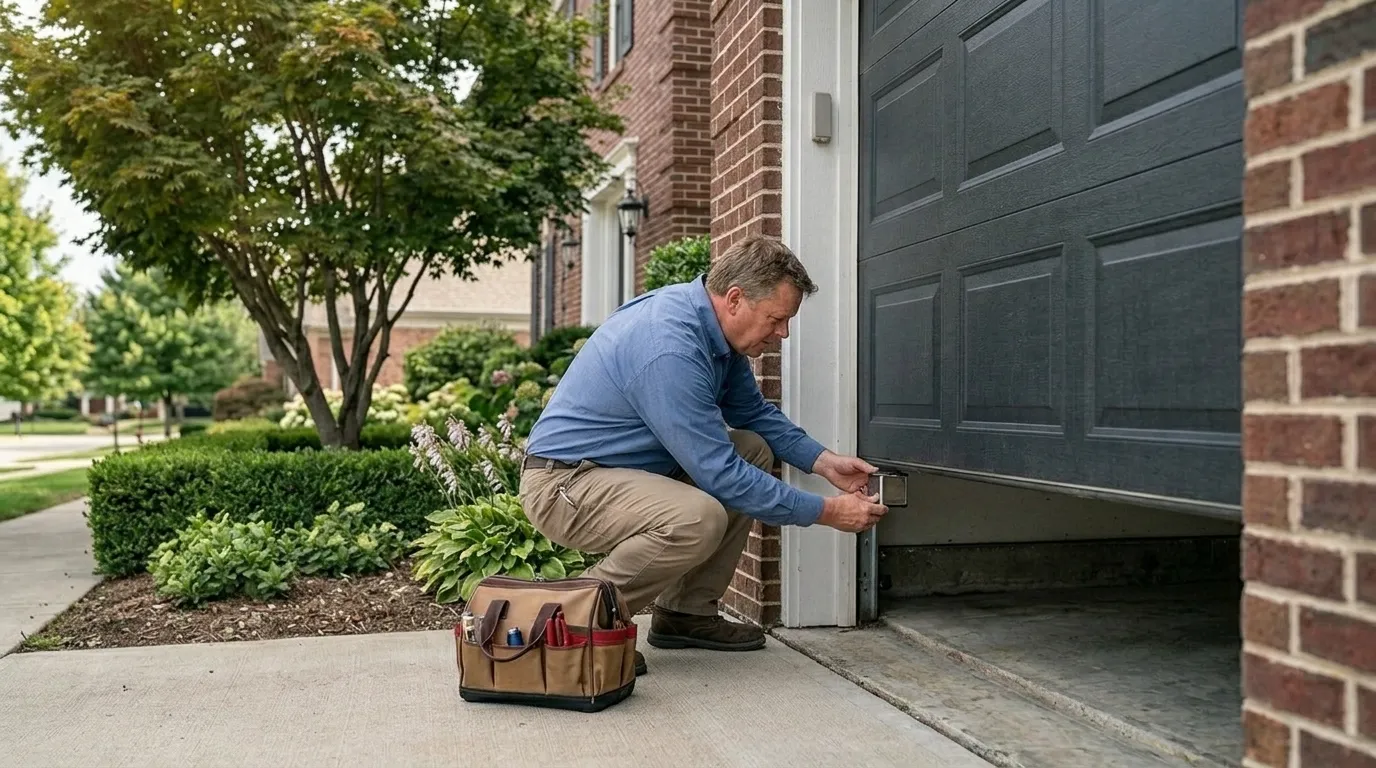
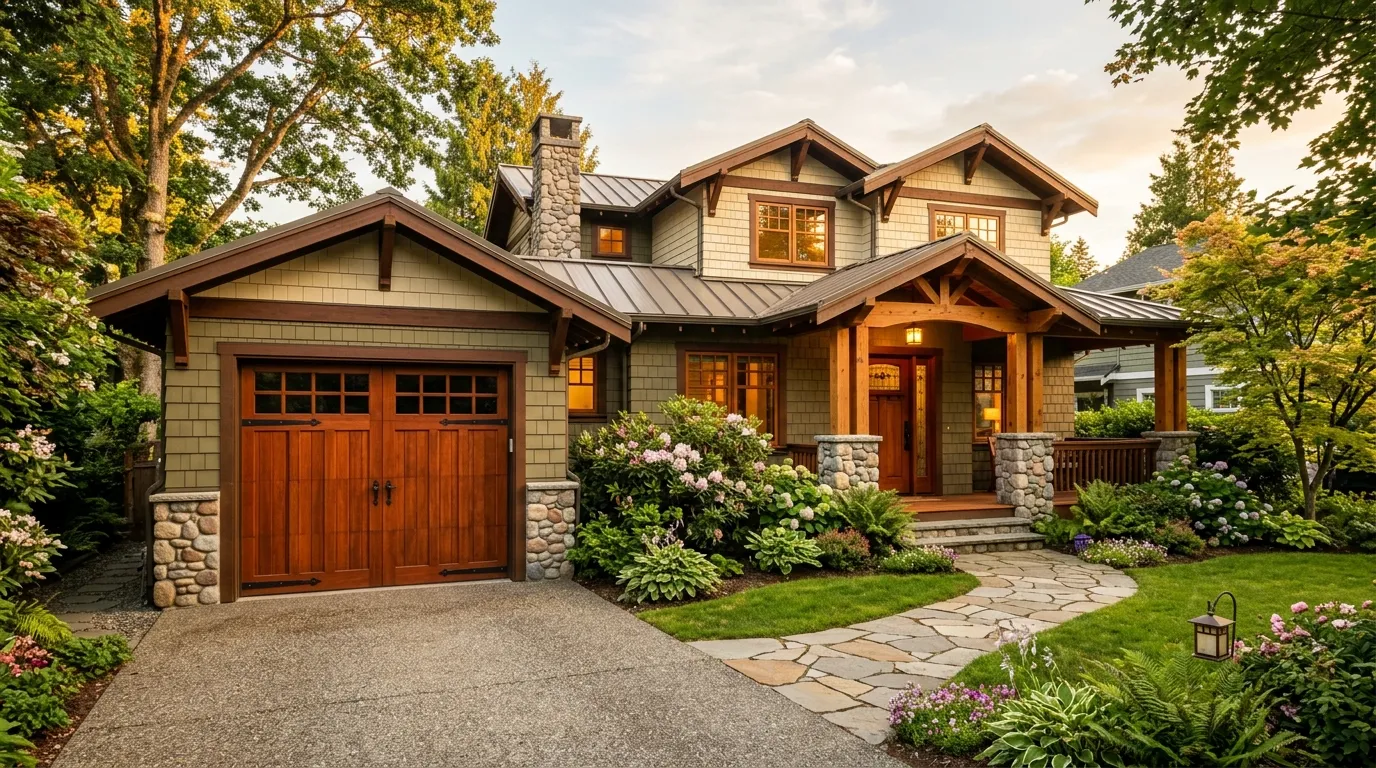
What Is on These Garages
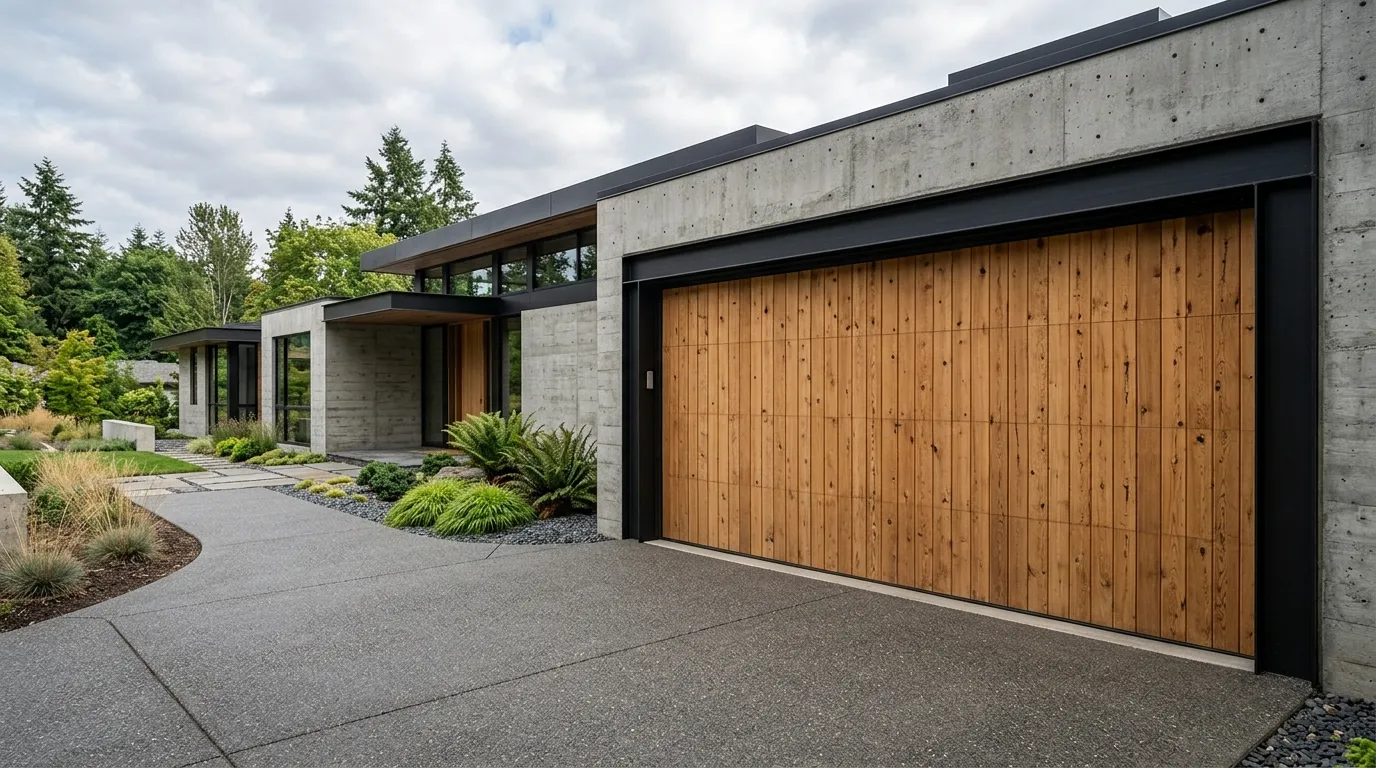
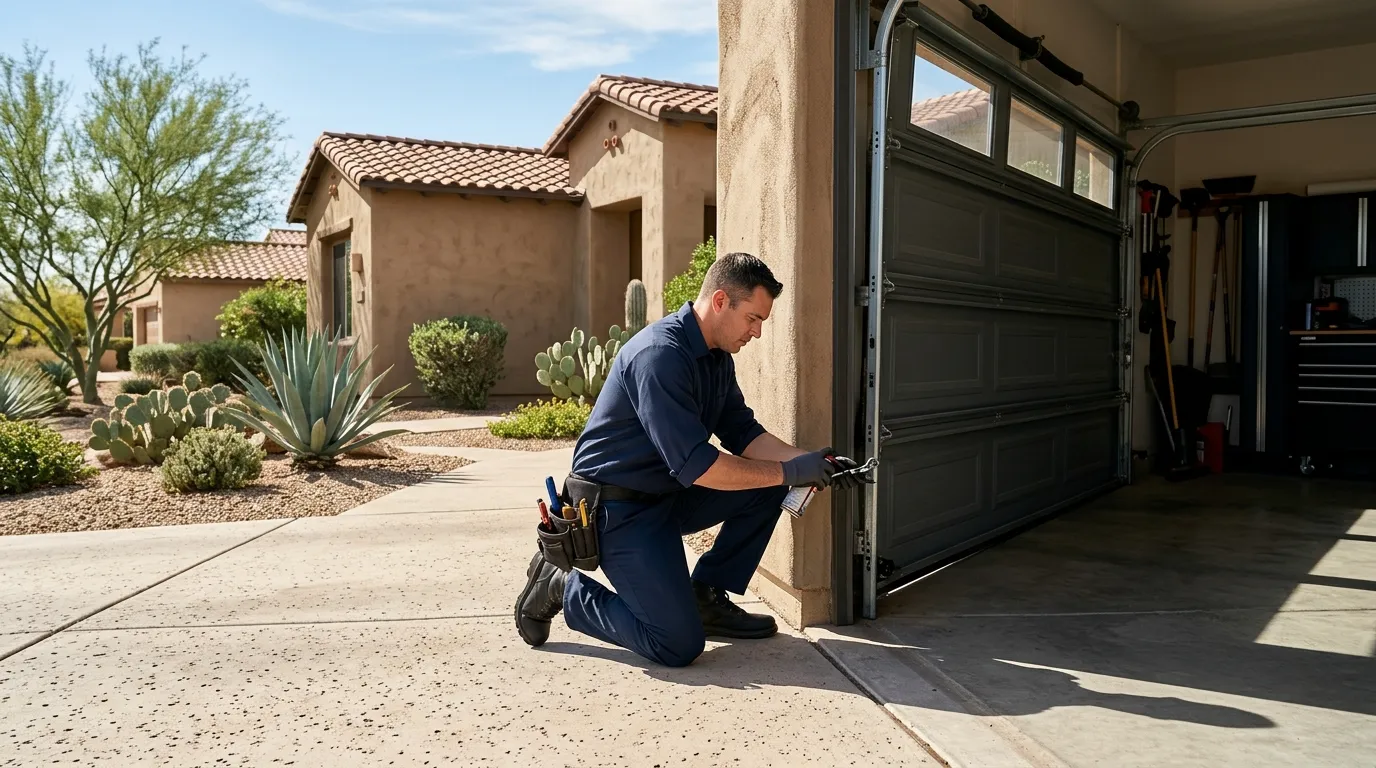
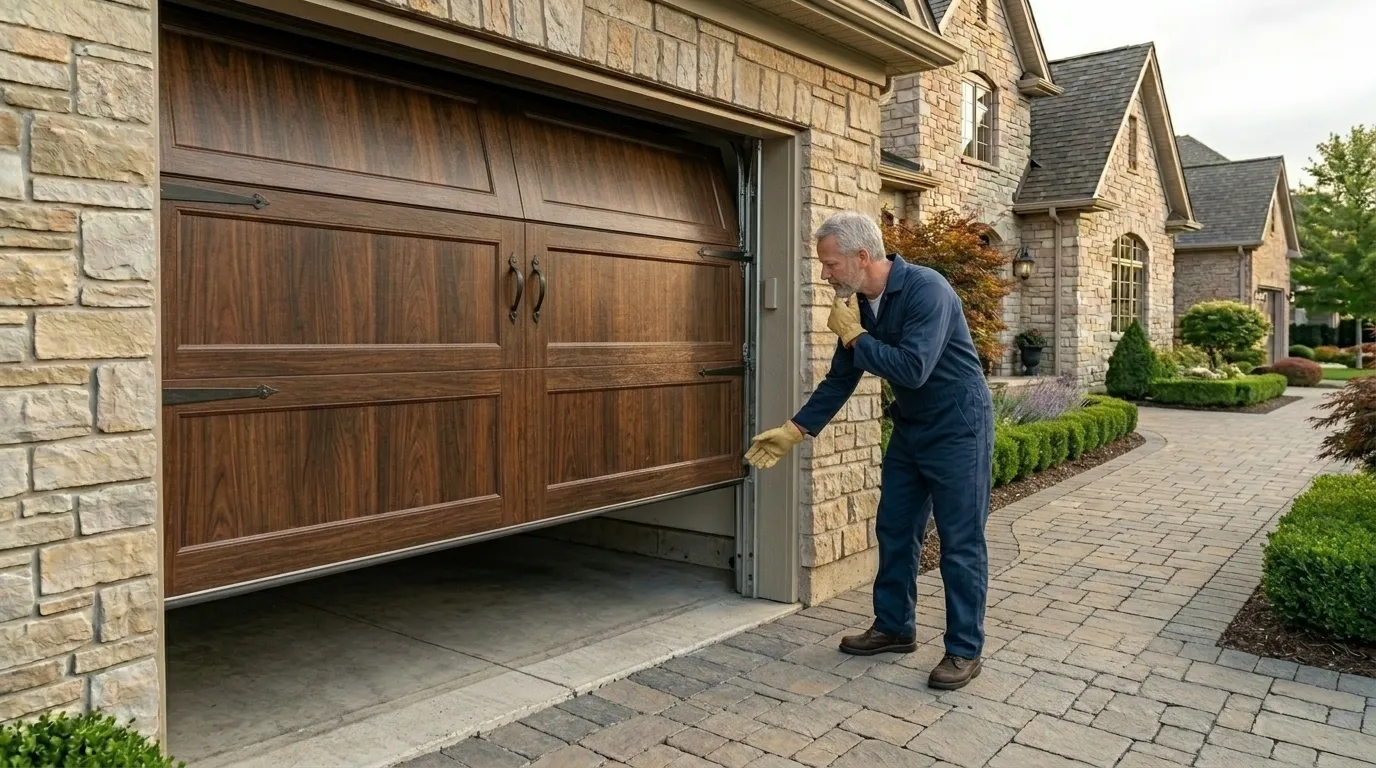
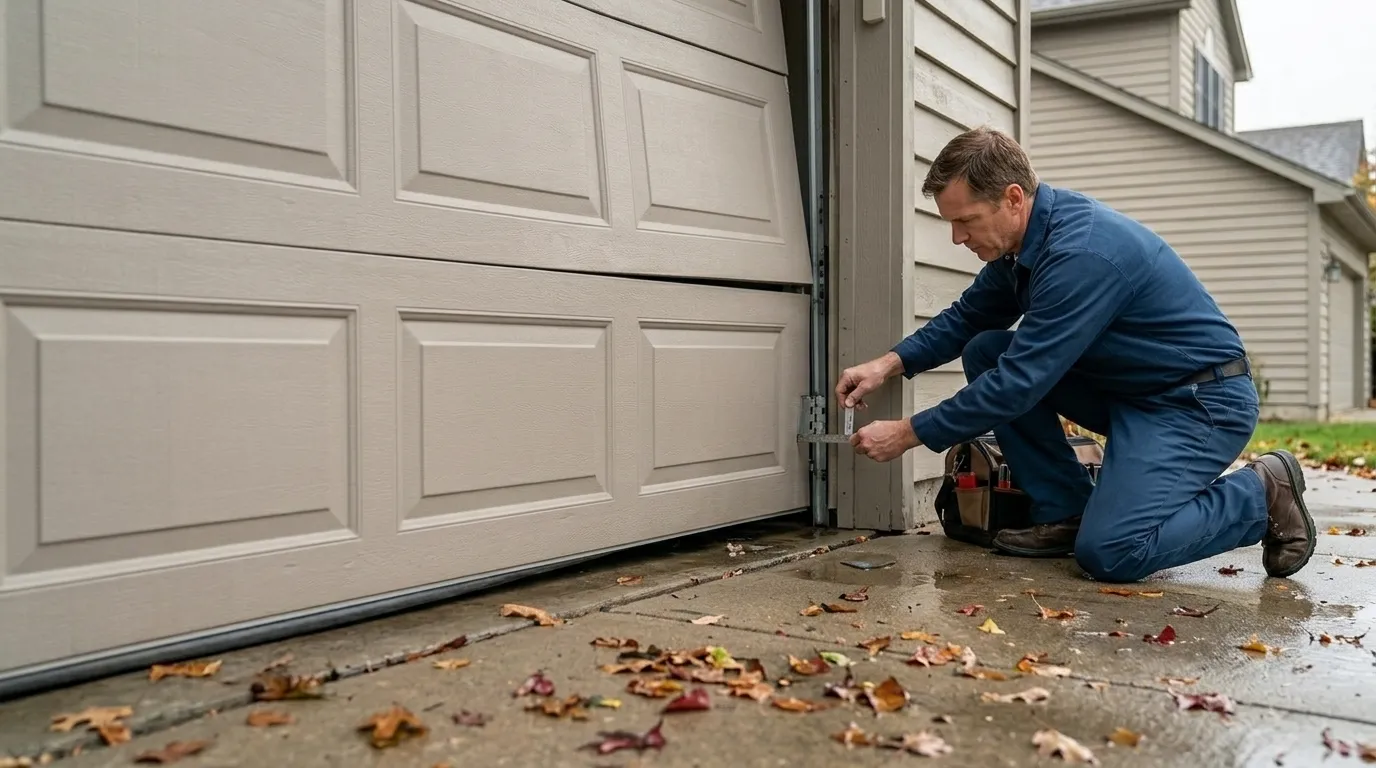
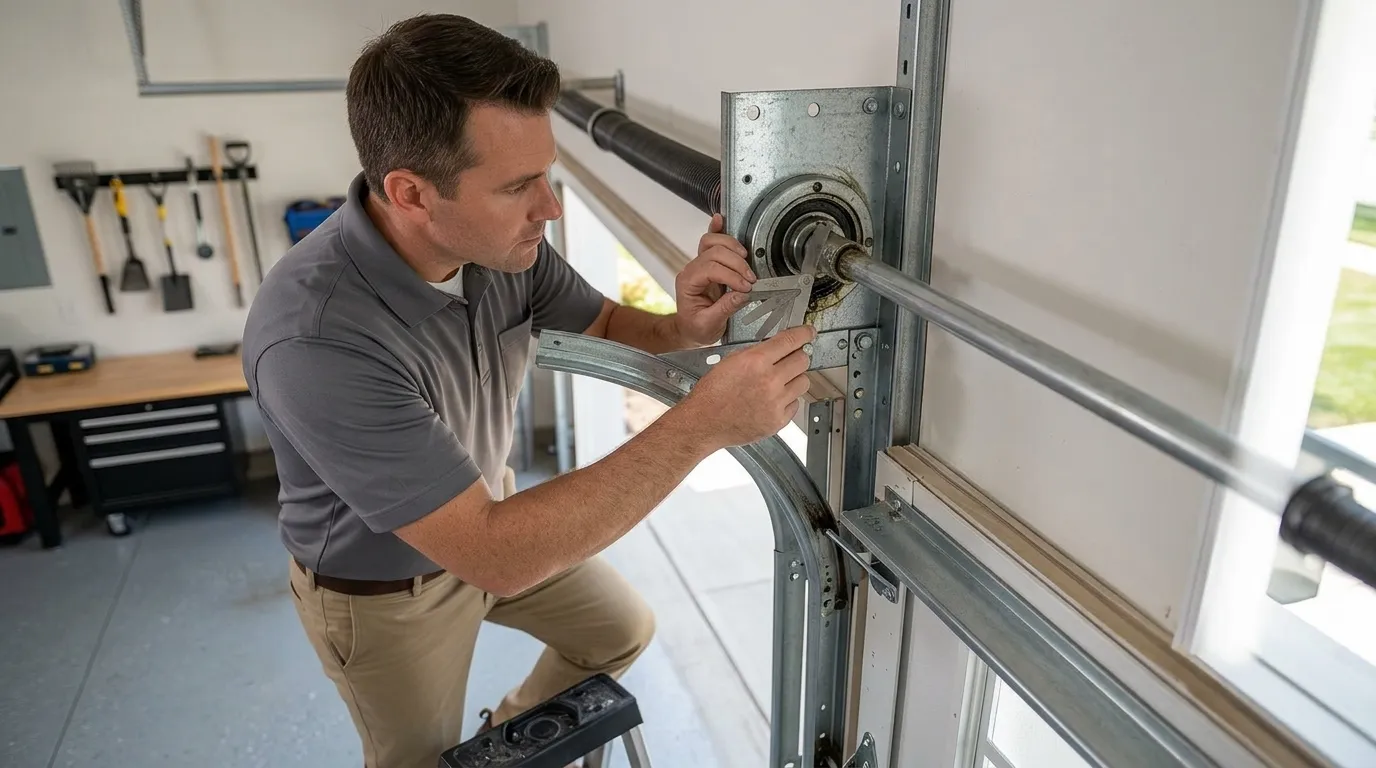
We don't have street-level records for Fort George Island specifically, so we're going to be straight about that rather than guess at a landmark. What we can tell you is what the housing stock across this service area looks like, and Fort George Island sits inside it: most of the homes here were built somewhere between 1973 and 2007, with a lot of that stock clustering around the mid-1980s. That range covers a shift in garage door hardware - homes from the 1970s and early 80s often still run extension springs mounted along the horizontal track, while anything from the late 80s onward is more likely to have torsion springs on a shaft above the door. If your opener or spring setup looks older than the rest of the house, it's not unusual out this way; it just means the door hasn't been touched since the original build. The area sits in a mild temperate climate band, which is easier on doors than a lot of the country - you're not fighting hard freeze-thaw cycles that crack panels or seize springs, but salt air near the coast can still work on unprotected hardware over the years.
Houses on These Streets
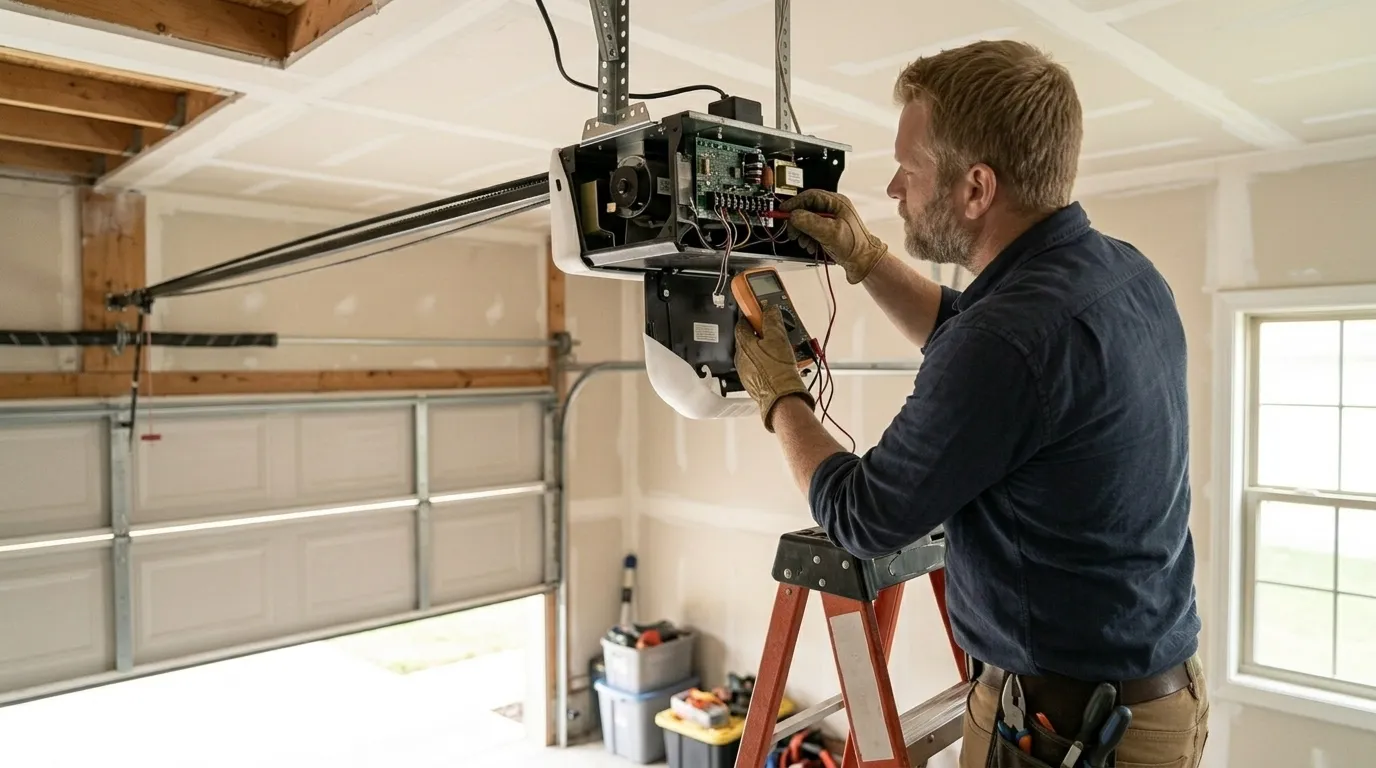
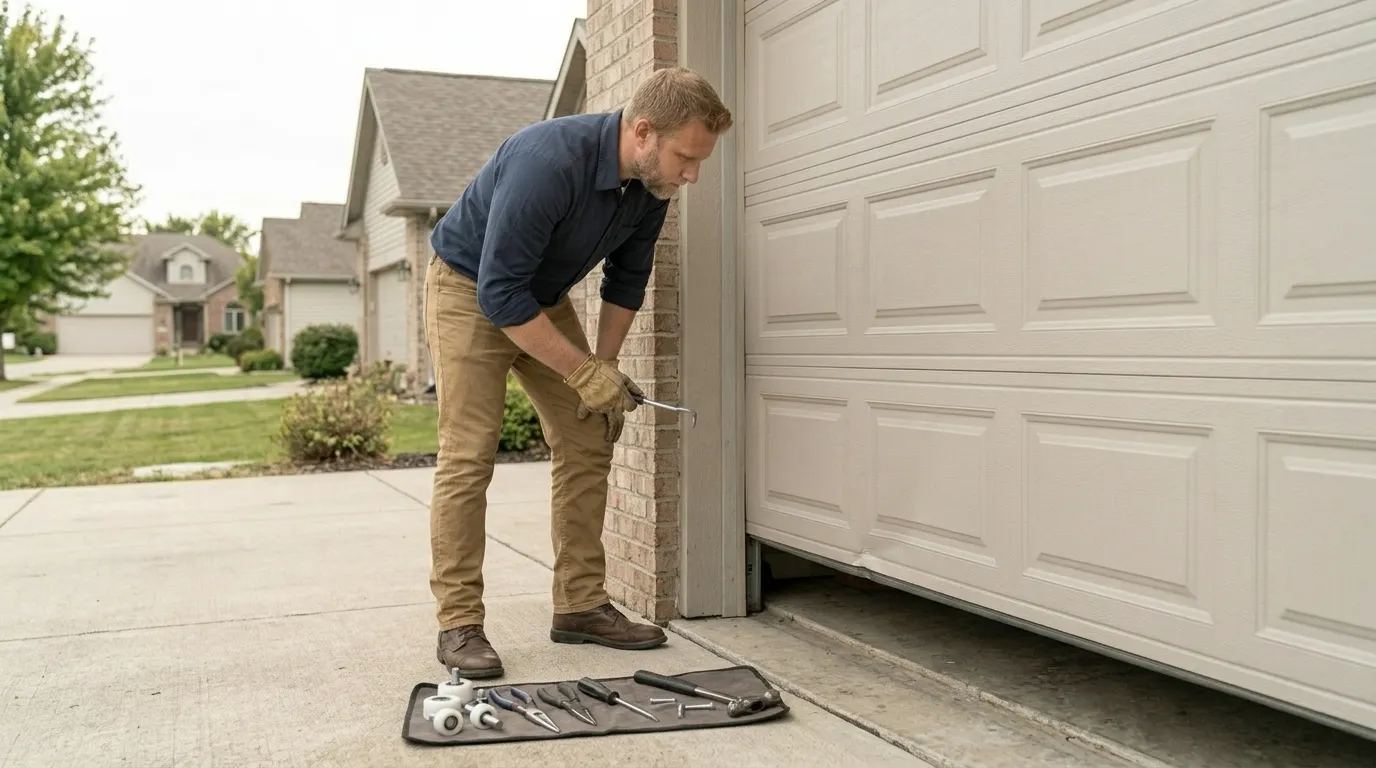
We won't invent a street name or a subdivision for Fort George Island because we don't have that data, and a wrong guess is worse than no answer. What we can say with confidence is tied to the housing numbers for the wider service area: 86,151 households total, with 48,862 of those owner-occupied. A home built in that 1973-2007 window typically has a single-car or two-car steel sectional door, hollow-core panels, and a garage that was framed to code for its decade rather than retrofitted later. If you own on Fort George Island and your door still has the original opener, parts for units that old aren't always sitting on a shelf - sometimes replacing the opener is faster and cheaper than sourcing a board for a fifteen-year-old model. That's the honest tradeoff, and it's worth knowing before you call anyone out.
Where This Is
Fort George Island sits about 14 miles east-northeast of the center of Jacksonville. It's out past the closer-in neighborhoods we also cover - Atlantic Beach and Neptune Beach sit around 16 miles out, Jacksonville Beach about 17, and Fleming Island and Fruit Cove also around 17 miles, in a different direction. Closer to downtown you've got areas like Springfield, Mid-Westside, and Brooklyn, all within about a mile of the center, which gives you a sense of how spread out this service area really is. Fort George Island's distance from downtown is part of why we ask homeowners here to describe the problem clearly before we head out - it's not a five-minute drive if we show up without the right spring or opener board.