The Calls We Get From Here
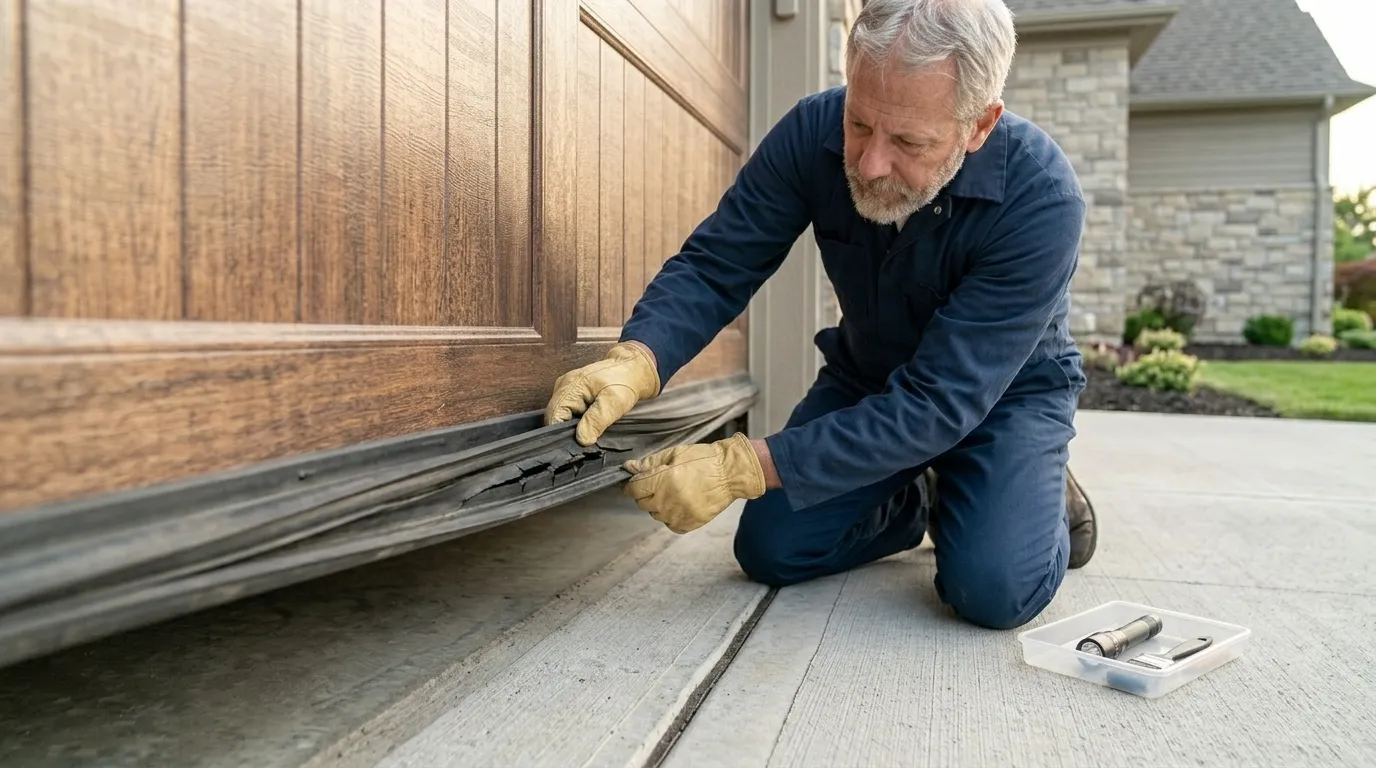
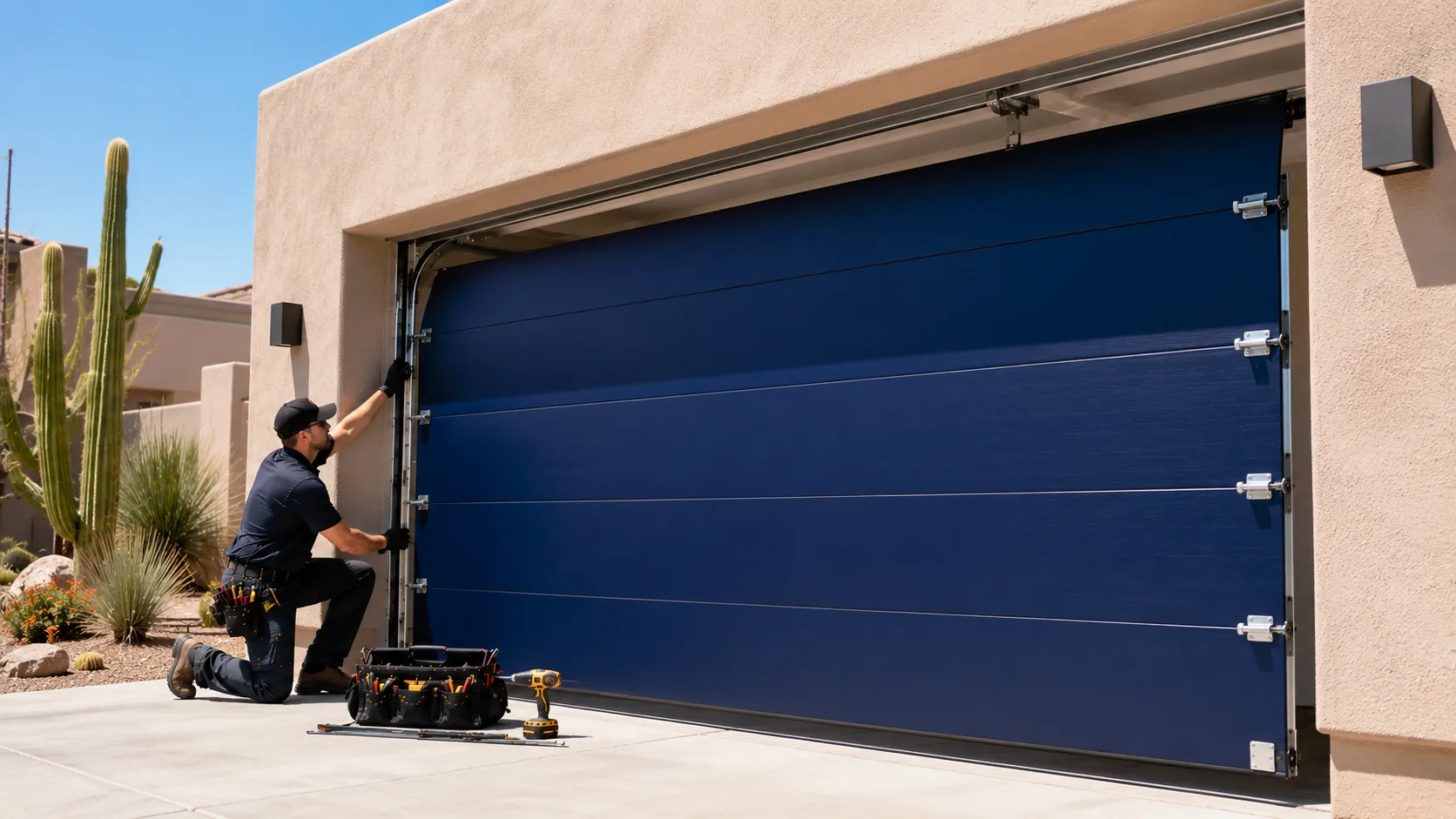
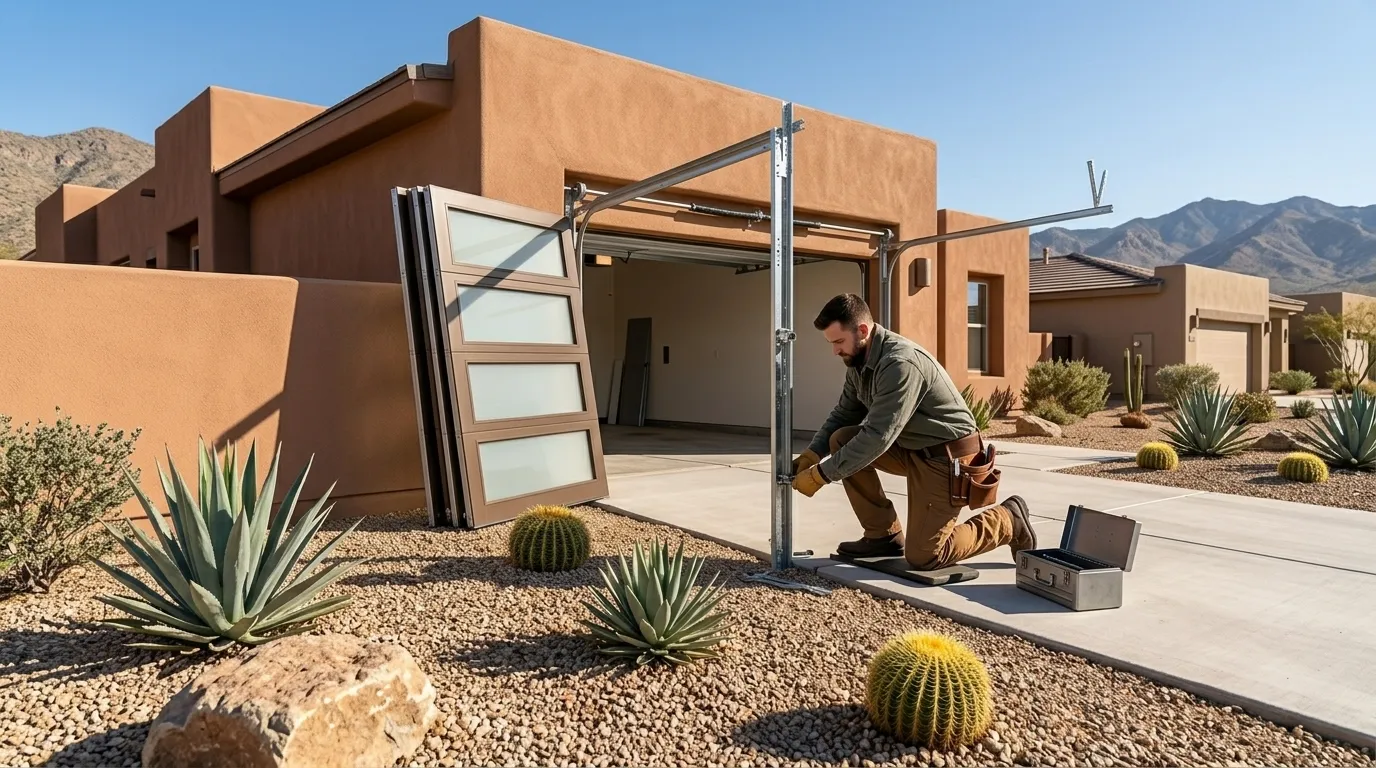
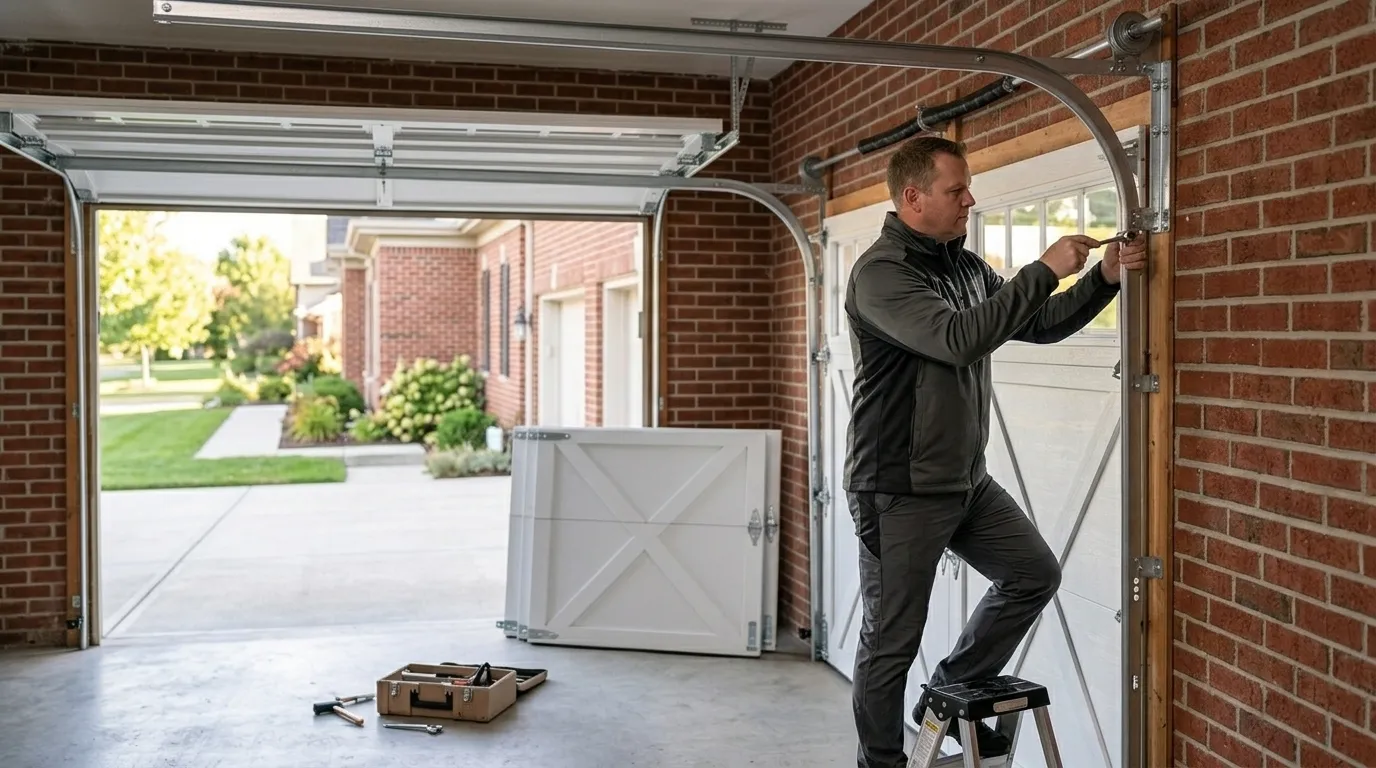
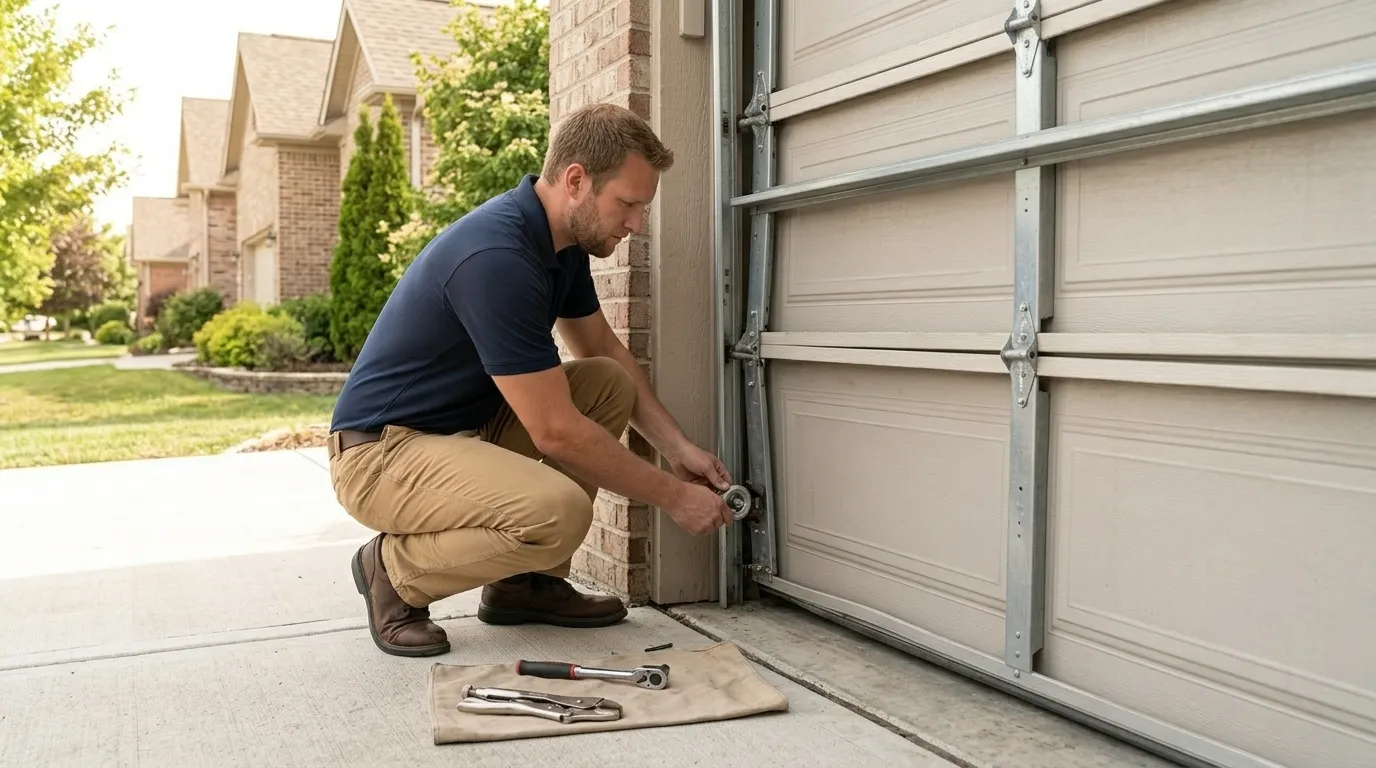
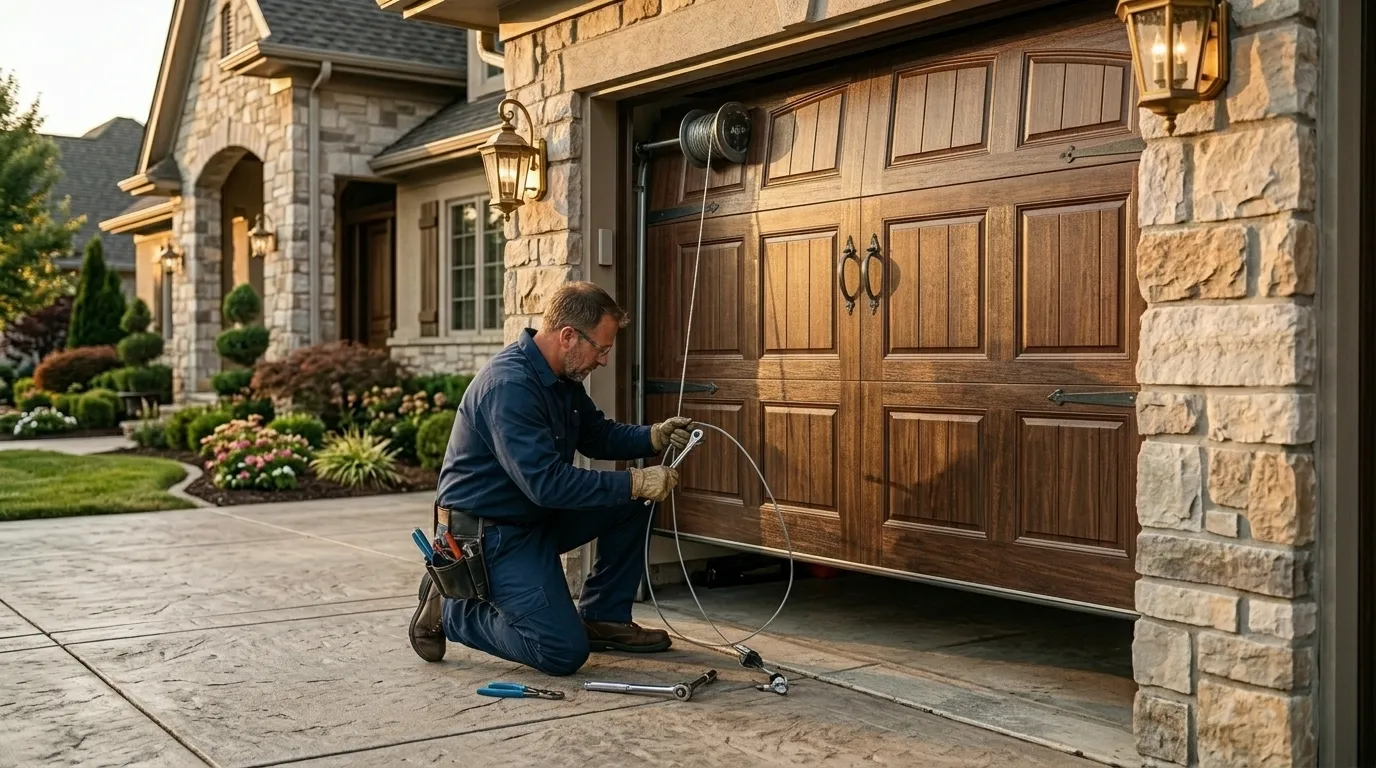
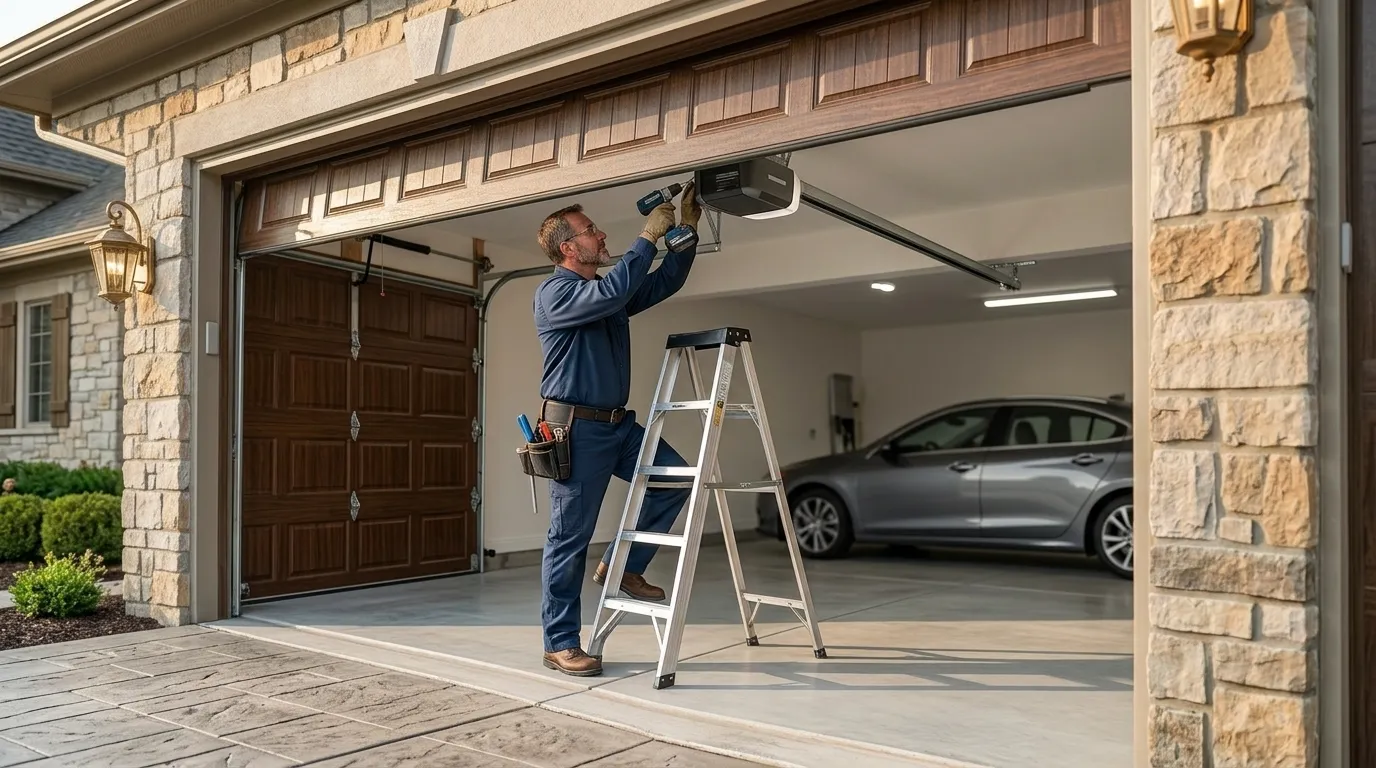
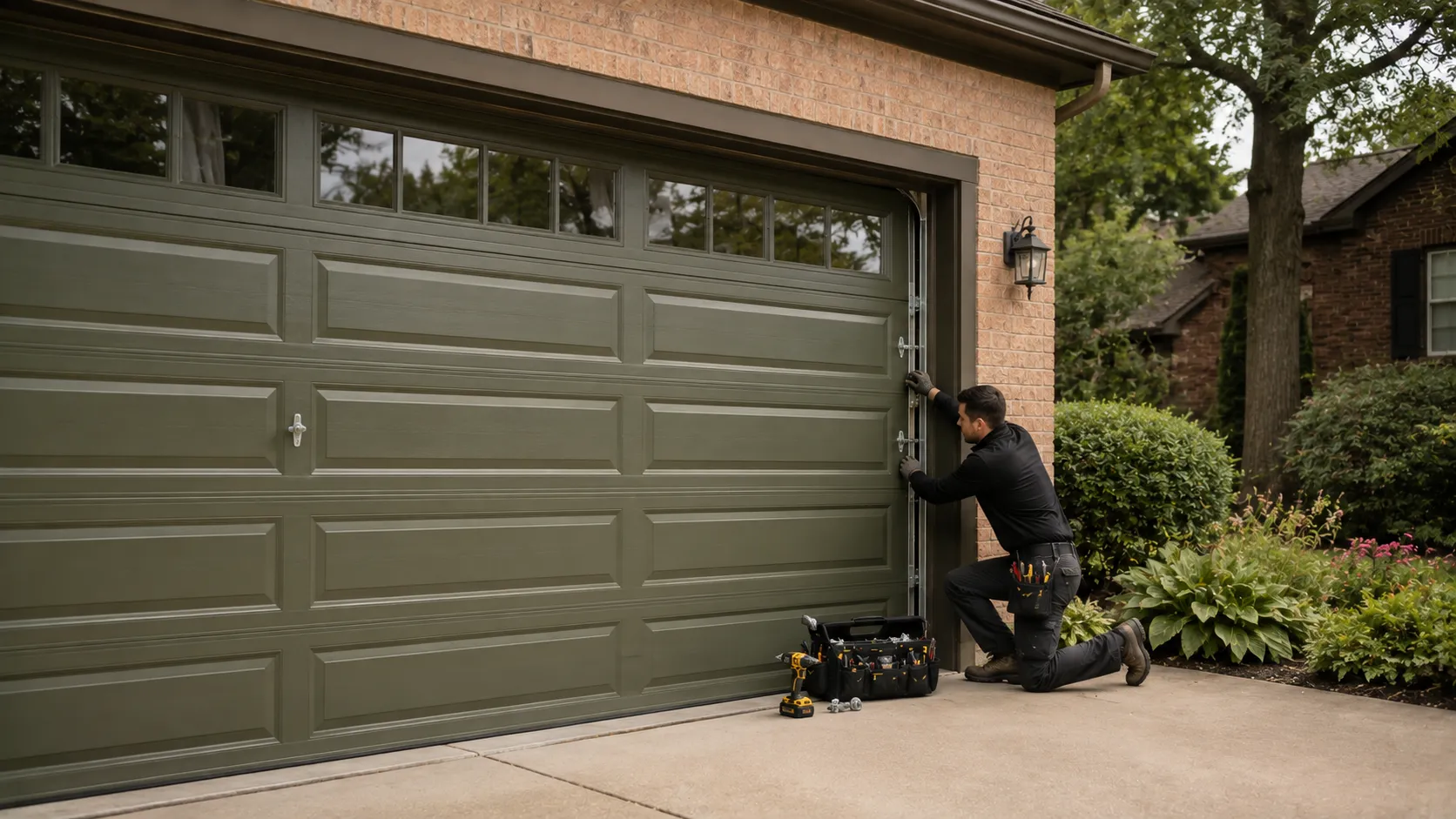
Fleming Island sits about 17 miles from our Jacksonville base, and the calls we get from out here read differently than the calls from the older parts of the metro. Across the wider service area the median house was built back in 1985, but the typical Fleming Island home went up closer to 2000. That fifteen-year gap changes what breaks first. We're not pulling original 1980s torsion springs off side-mounted drums here nearly as often. Instead we're seeing openers from the early 2000s reaching the end of their gear-and-sprocket life, and steel doors with the polyurethane-backed panels that were standard by then starting to show rust at the bottom seal or delamination at the corners. Extension spring setups still show up on some builds, but they're less common than on the older streets closer to downtown. Household income here runs about $119,046, well above the roughly $103,288 median across the broader area we cover, and it shows in the calls - more requests for a full opener swap with a battery backup or a quieter belt-drive unit, fewer requests to just keep an old chain-drive limping along another winter.
Timing on This Area
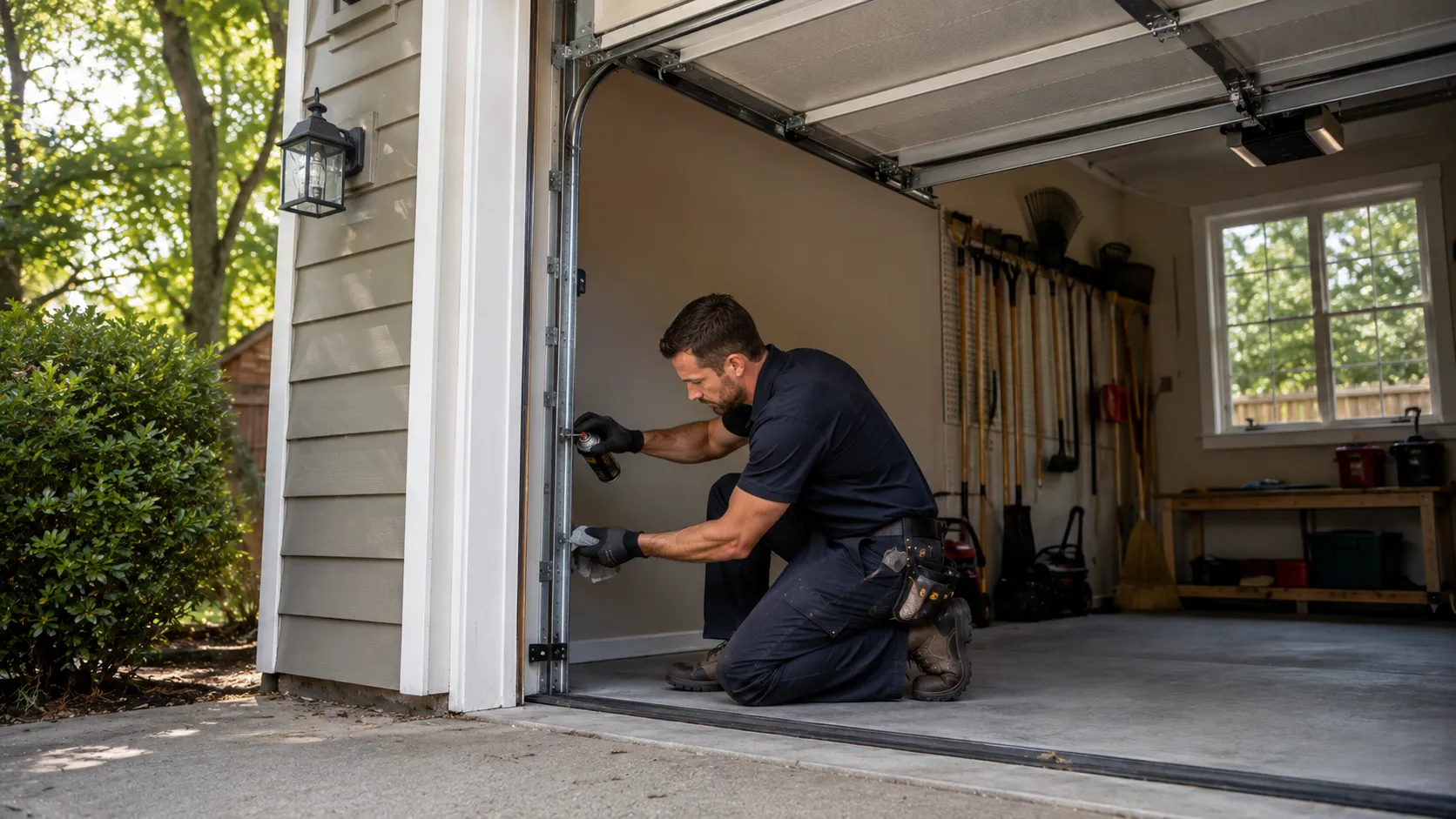
Because Fleming Island's housing stock centers on 2000 rather than the mid-1980s median for the wider area, the failure curve here is shifted later. A garage door system - springs, cables, rollers, the opener itself - has a service life measured in cycles, and a door installed around 2000 is only now, in the past several years, hitting the point where springs fatigue and openers start needing more than one call to keep going. That means fewer true emergencies out here and more of what we'd call predictable wear: a spring that's done 8,000-10,000 cycles and is just tired, not one that's failed catastrophically on a decades-old door. We factor the 17-mile drive from Jacksonville into scheduling rather than promising a same-hour arrival, so plan on booking ahead rather than expecting a truck to already be in the area.
This Area's Housing
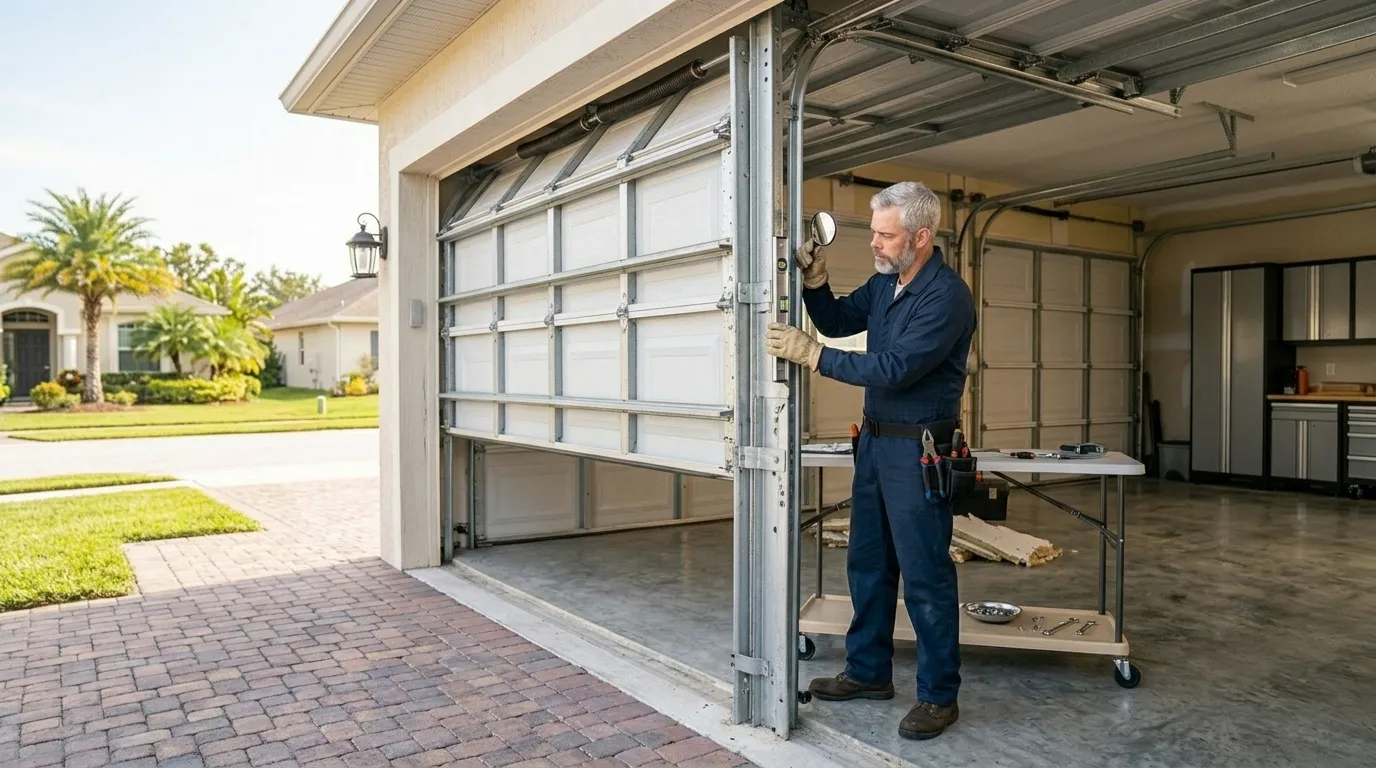
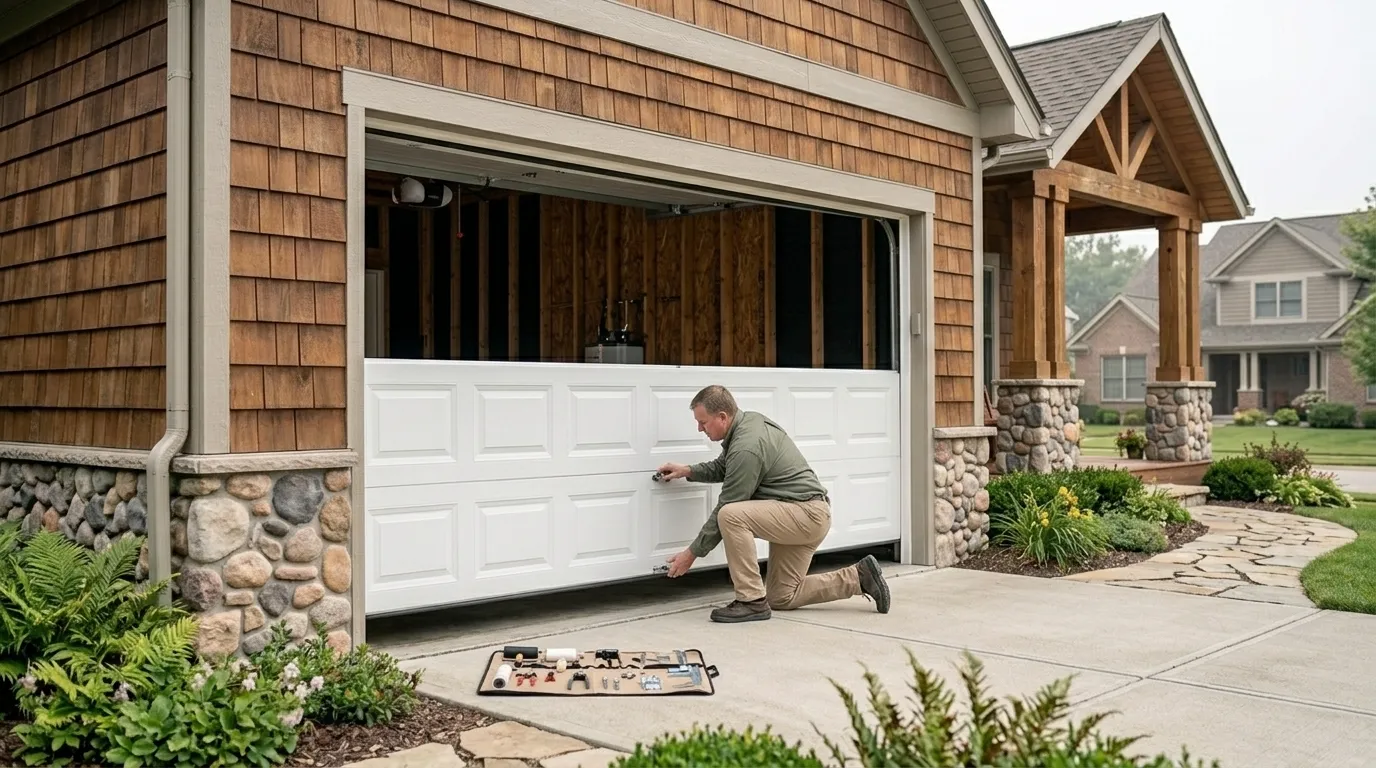
Fleming Island counts roughly 11,297 households, a smaller and newer pocket compared to the 86,151 households and 48,862 owner-occupied houses across the full area we serve out of Jacksonville. That newer build-out means more two-car garages with double doors on a single wide opener, more homes built with an attached garage as standard rather than added later, and less of the retrofit hardware we see on older single-door conversions elsewhere. It also means the housing here is more uniform in age, so when we diagnose one 2000-era opener failing on a torque-and-force sensor issue, that same fault is likely showing up on several neighboring homes within the next couple of years. We keep that pattern in mind when a homeowner calls about one symptom - a door that reverses before closing, for instance - since it's often not an isolated problem on this side of the area.