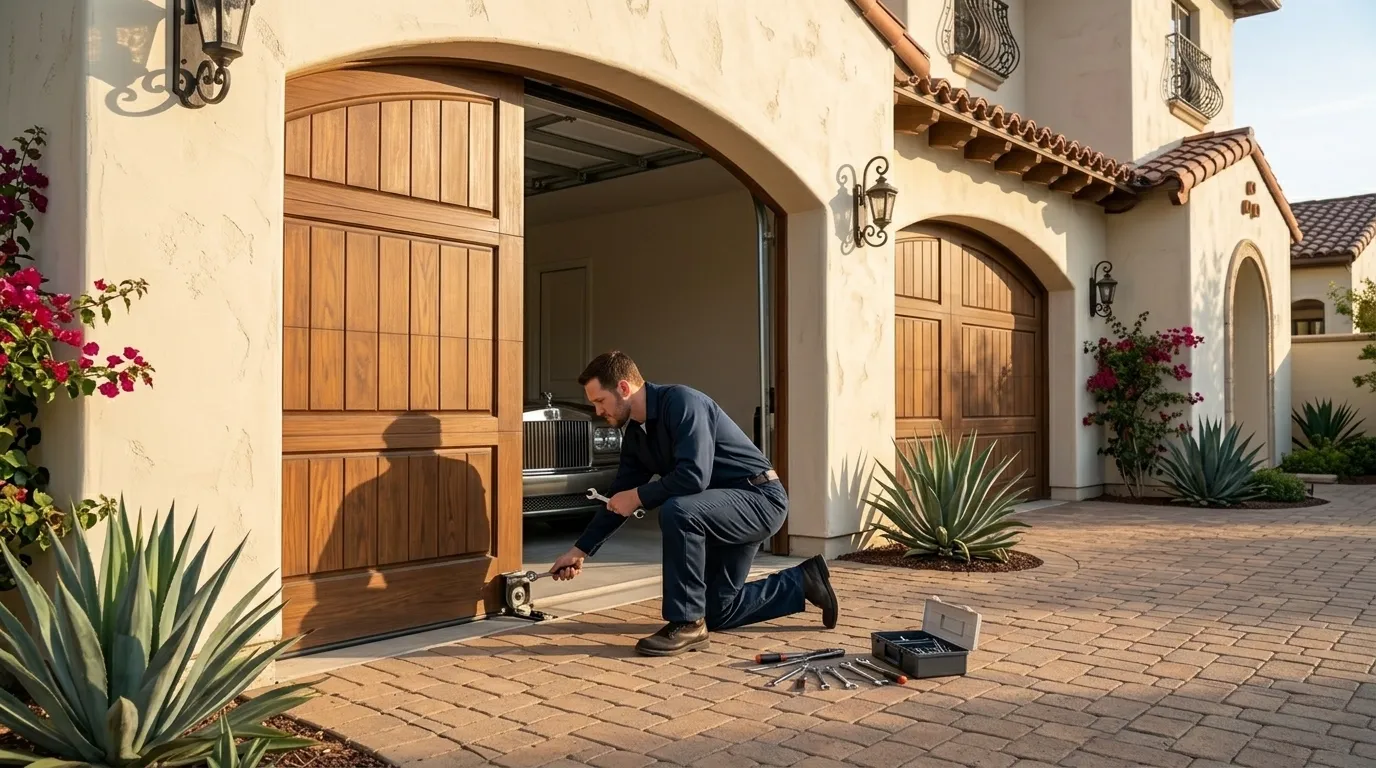
What Is on These Garages
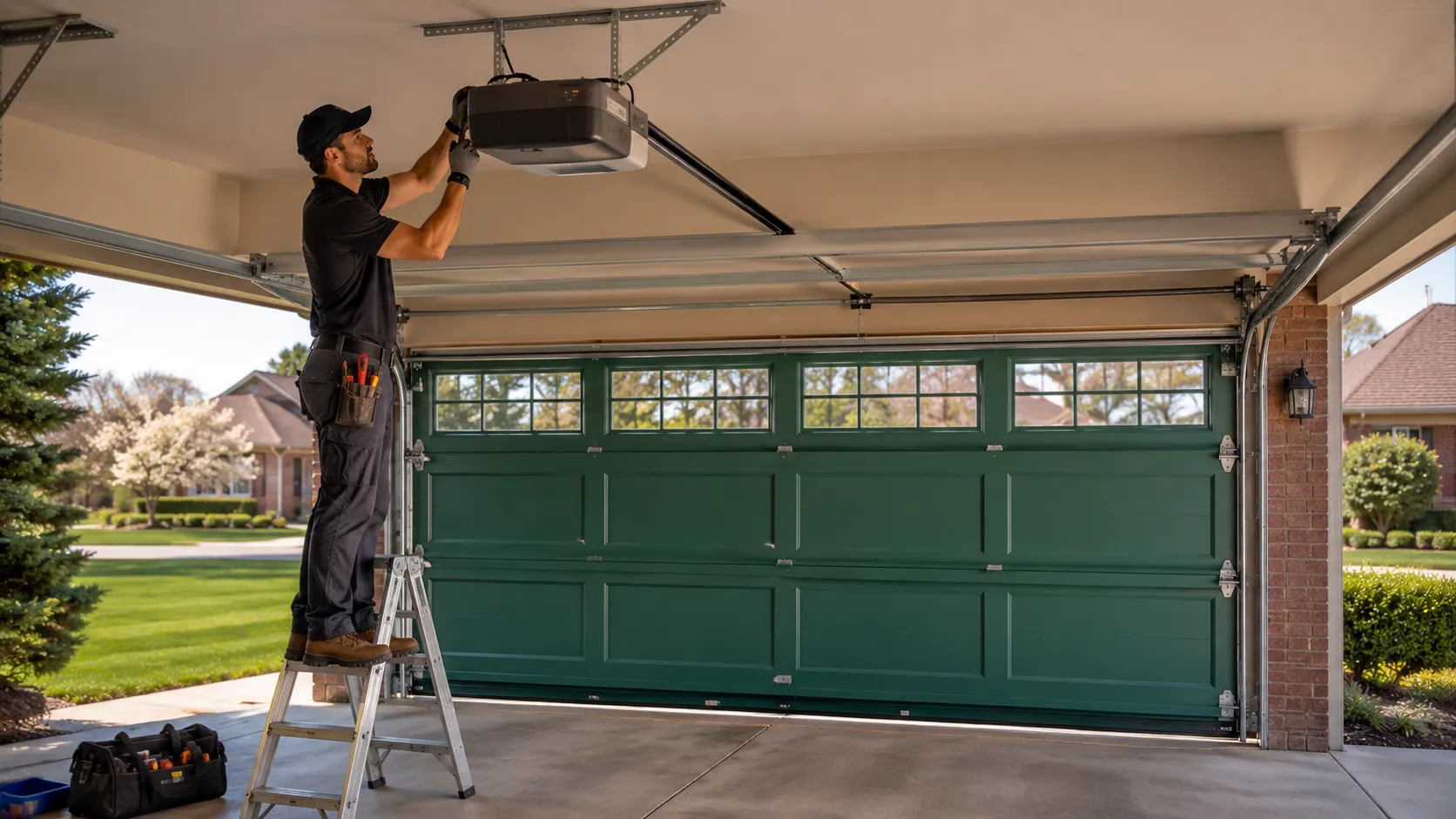
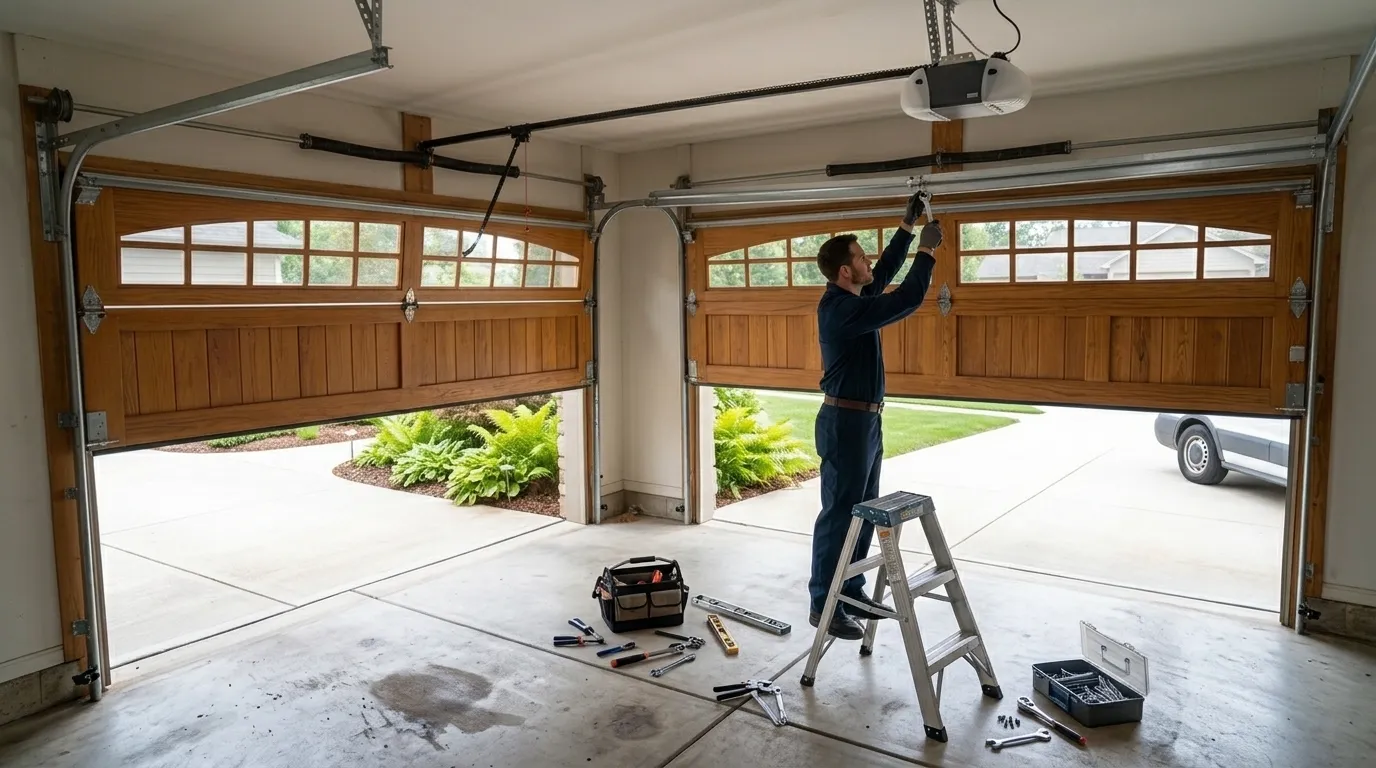
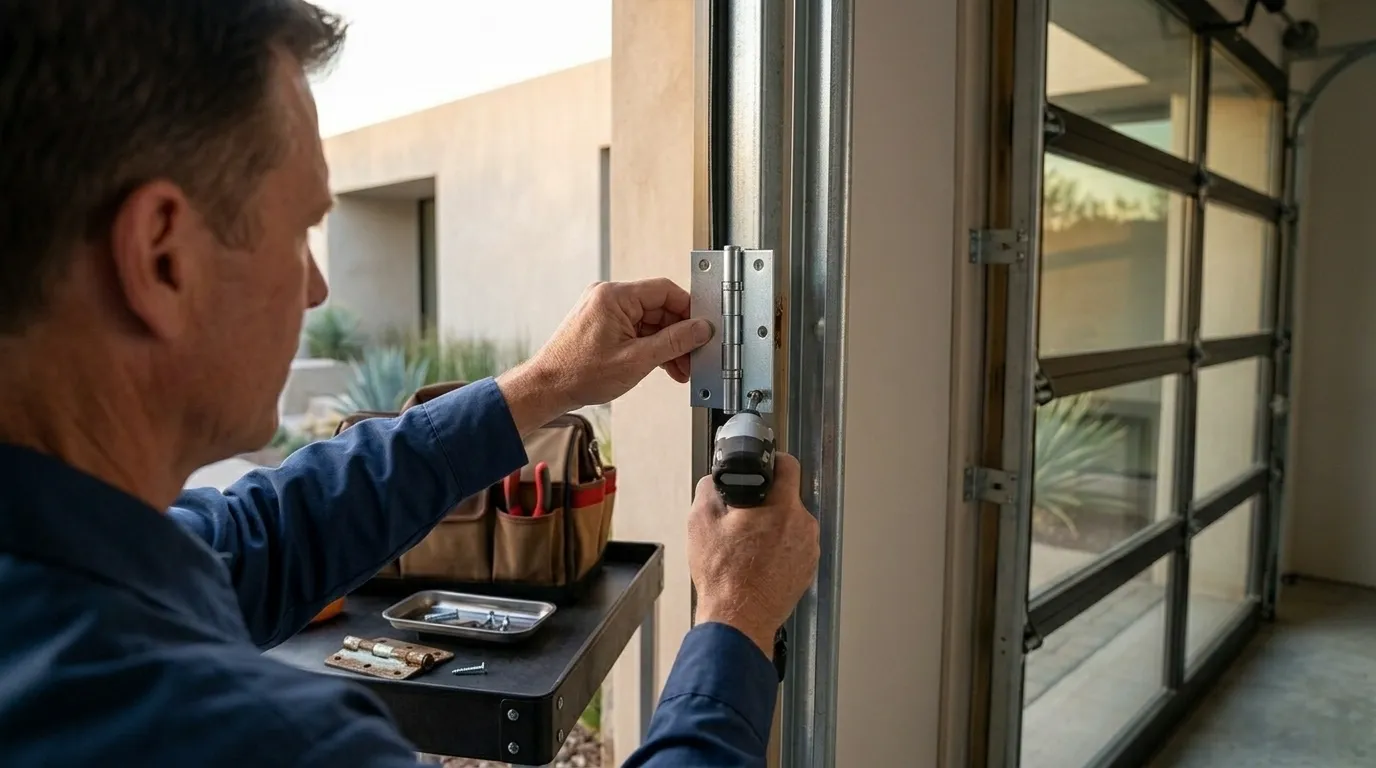
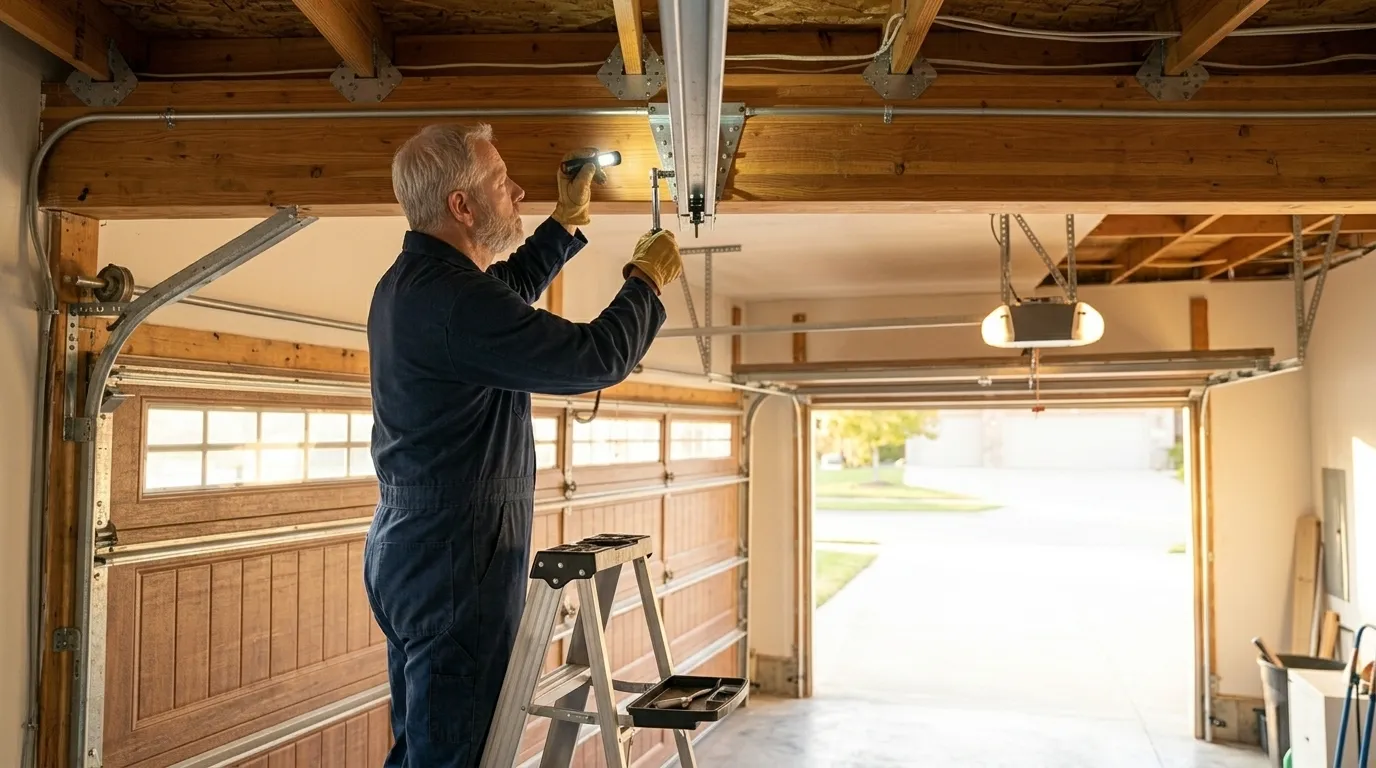
Across the wider service area, houses were built between 1973 and 2007, with the median landing around 1985. That puts East Arlington squarely in the era of steel sectional doors on torsion springs, and the first wave of chain-drive openers with the plastic gear sets that wear out long before the motor does. If your house dates from that stretch, the original hardware is old enough that springs have cycled through their rated life more than once, and rollers have gone from nylon to metal-on-metal loud.
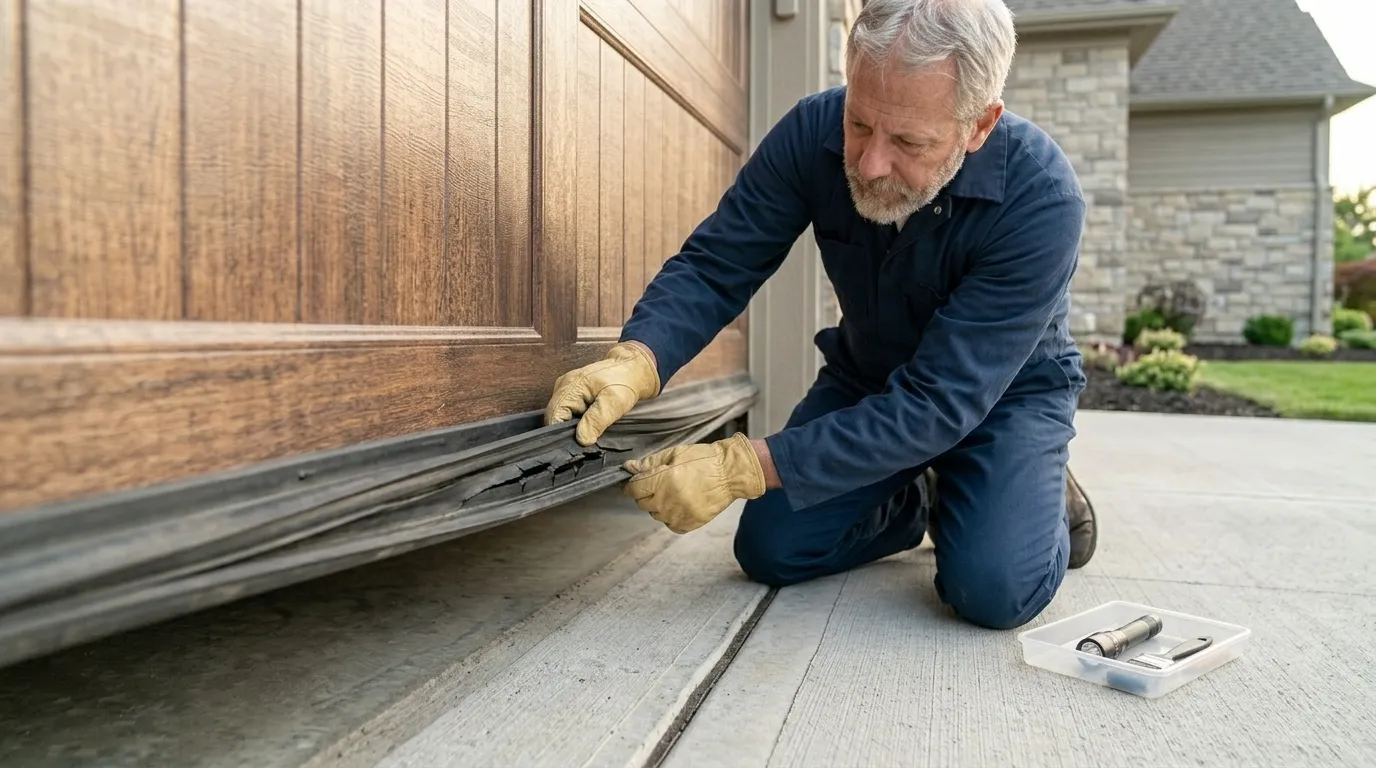
The area sits in a mild temperate climate band, so you're not dealing with the freeze-thaw damage that cracks panels up north. What you get instead is UV and humidity working steadily on weatherstripping, bottom seals, and any wood trim around the opening. Doors here fail more from age and cycle count than from weather extremes, which is a different repair conversation than a lot of homeowners expect.
One honest limit: if a panel is dented or the door itself has warped, we're not going to hunt down a matching panel for a 20-plus-year-old model. Past a certain age, replacement is the better use of your money than chasing discontinued parts.
Houses on These Streets
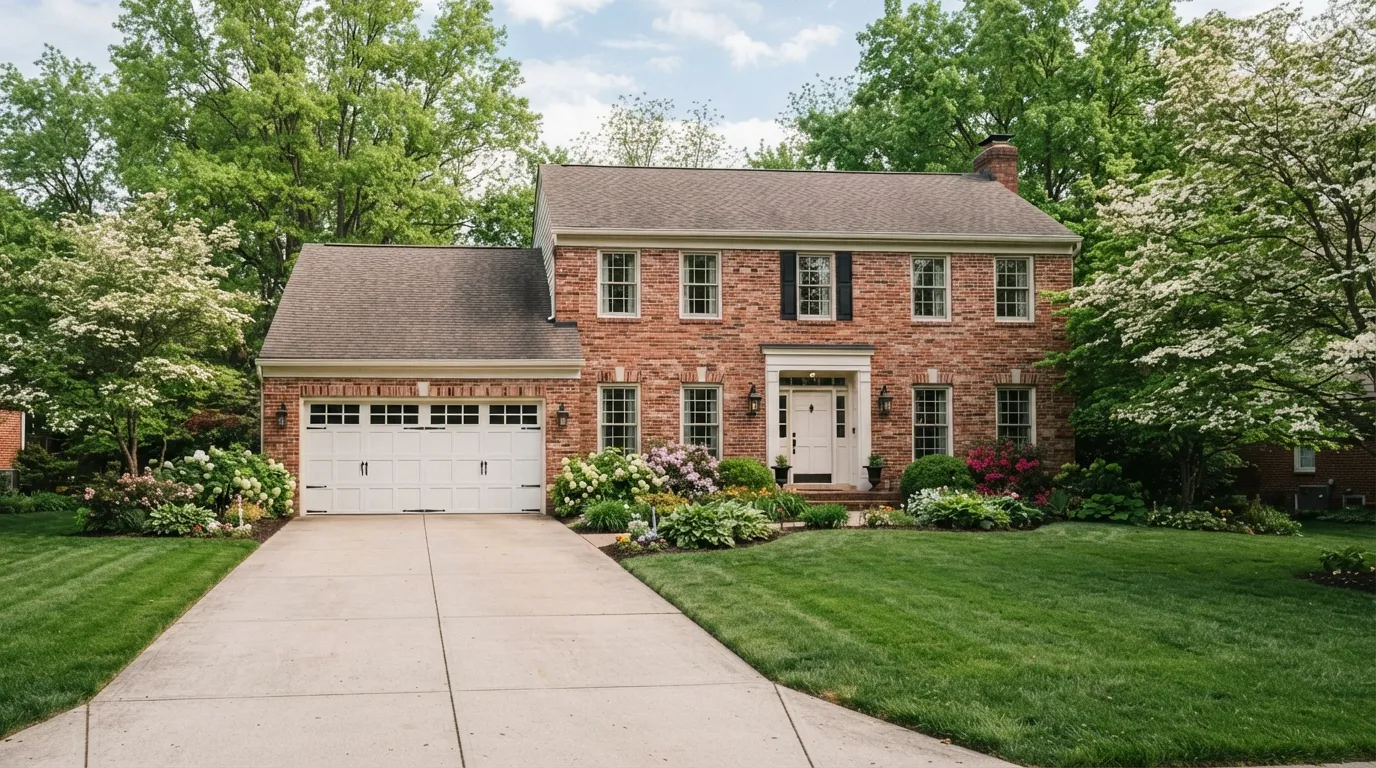
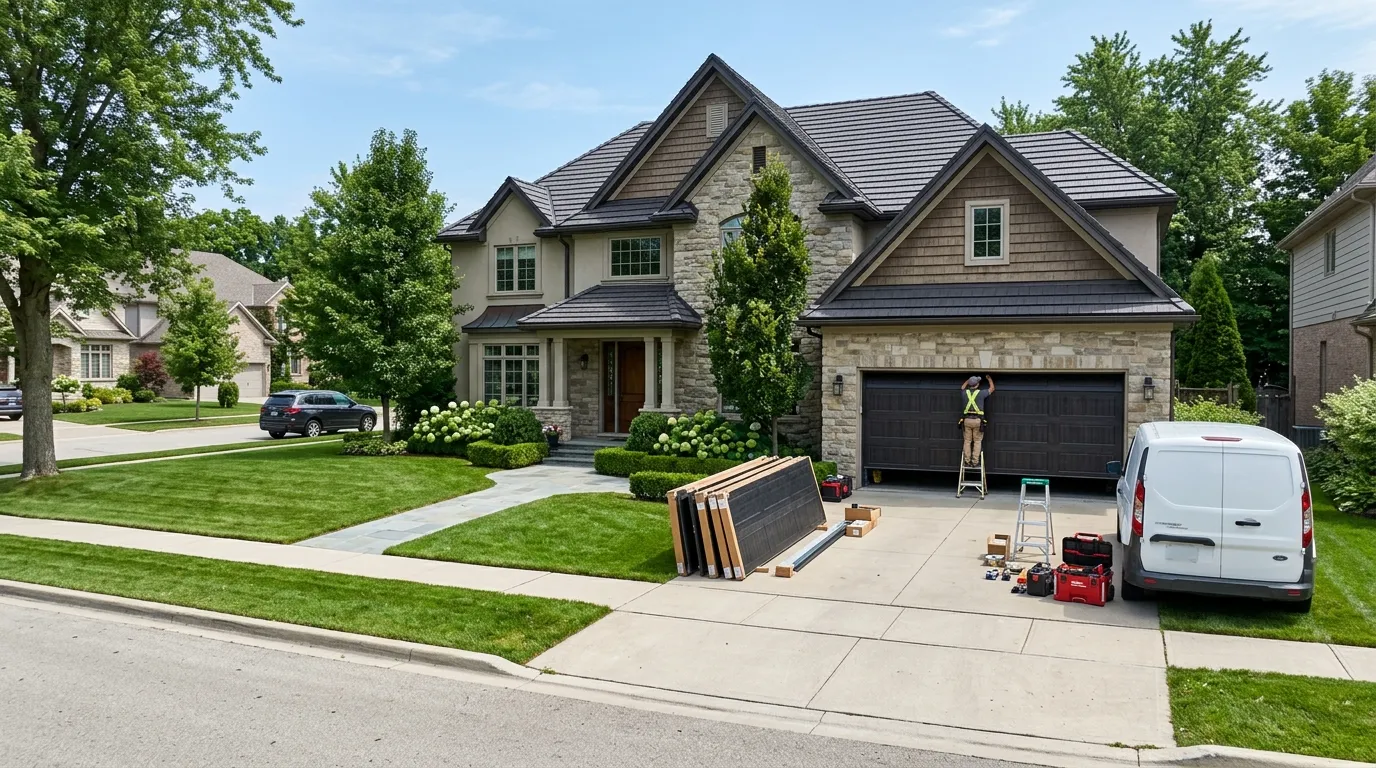
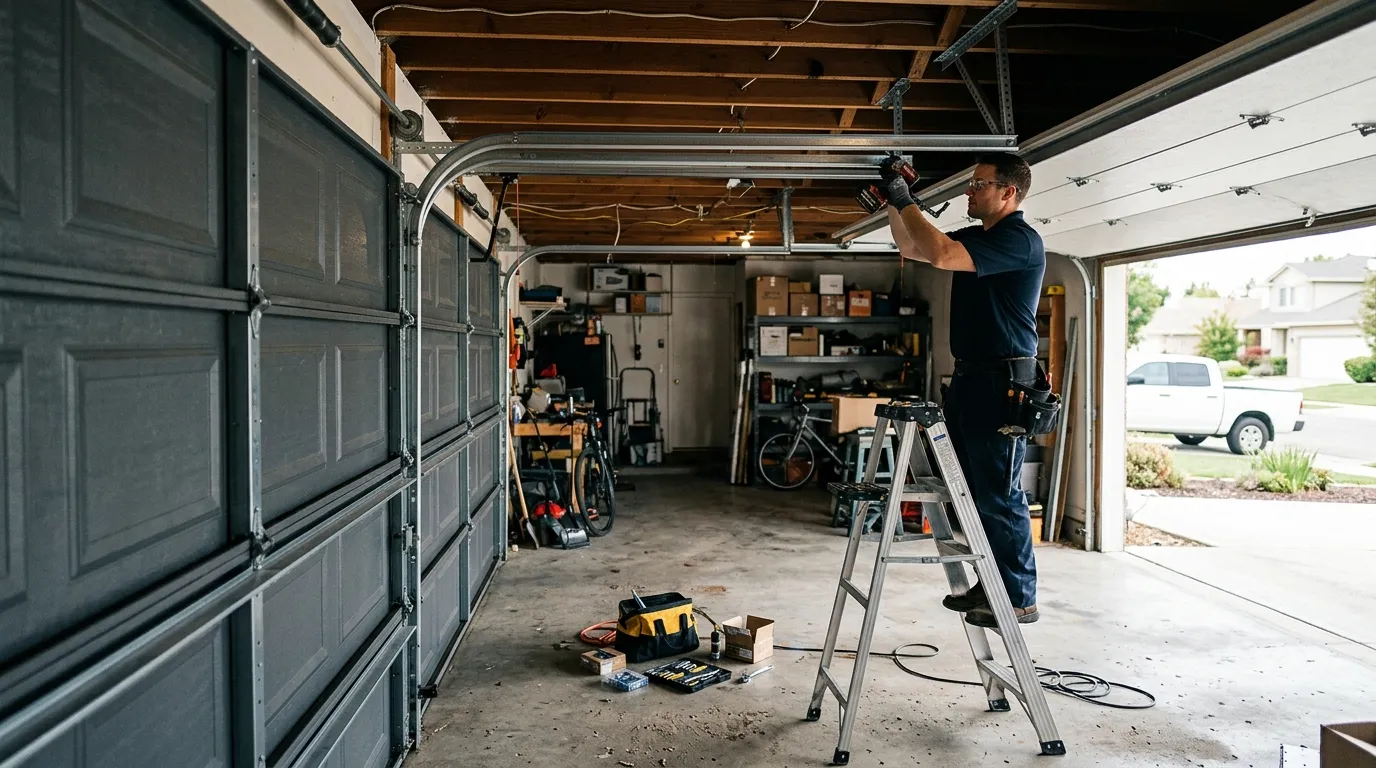
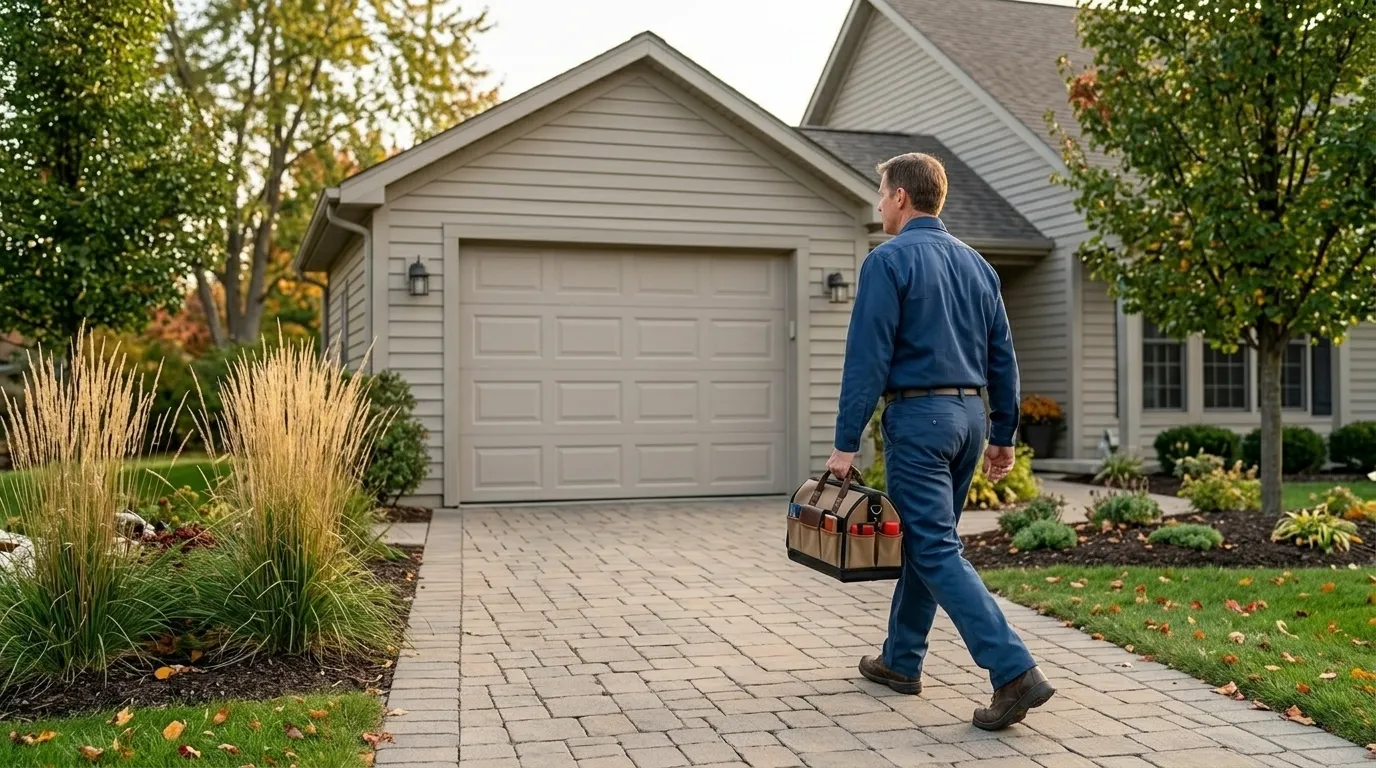
Homes in this stretch of Jacksonville tend to be single-family houses from the 1970s through the 2000s build wave, and the garage is usually original to the house unless a prior owner already swapped it. That means single-car and two-car steel doors, standard 7-foot openings, and openers that are often the first or second one the house has had.
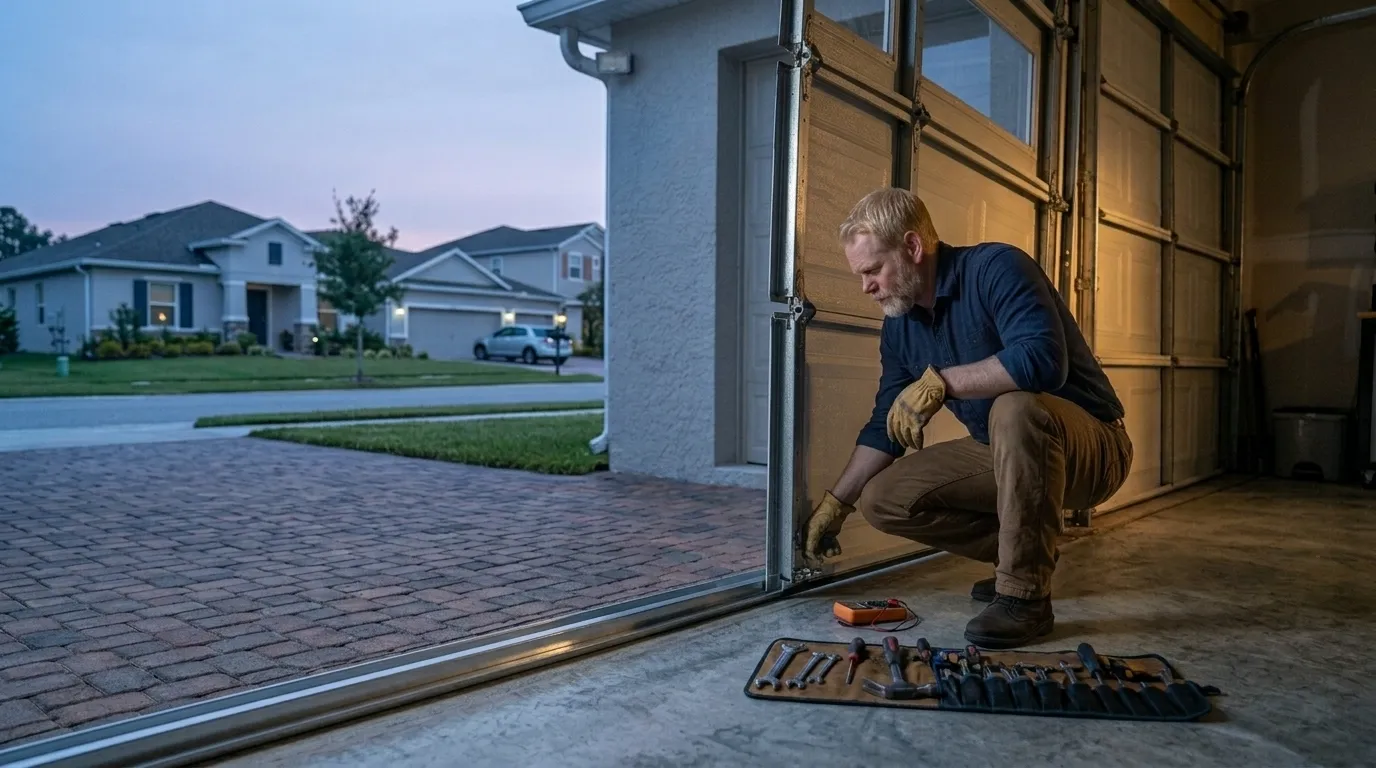
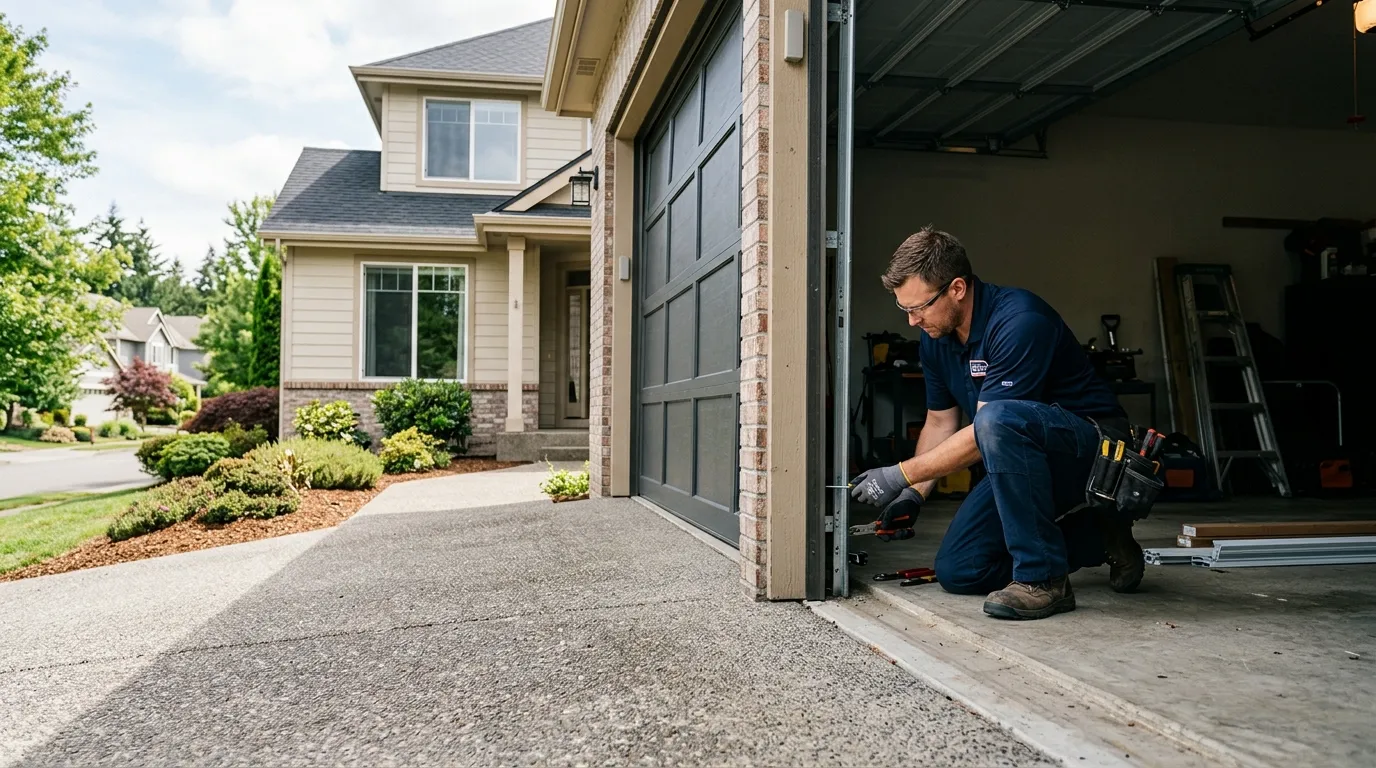
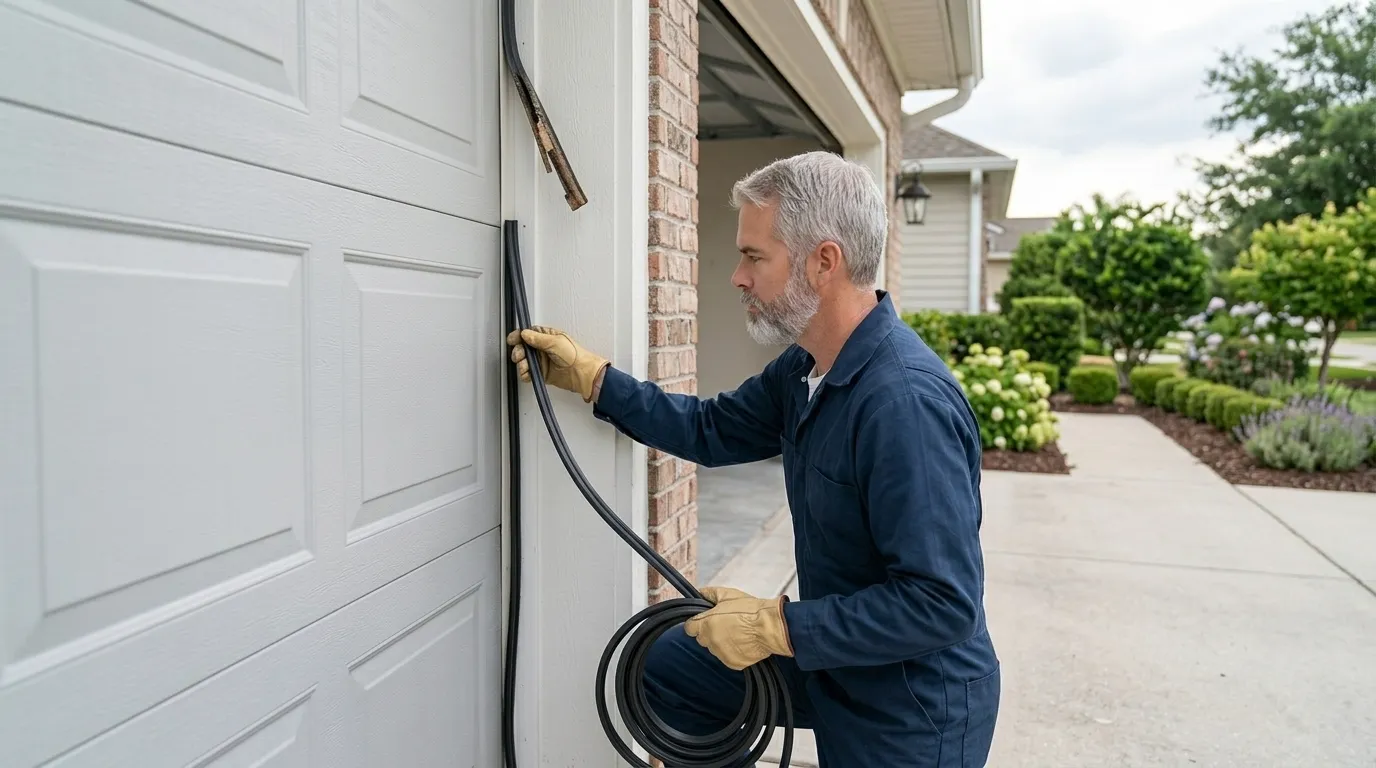
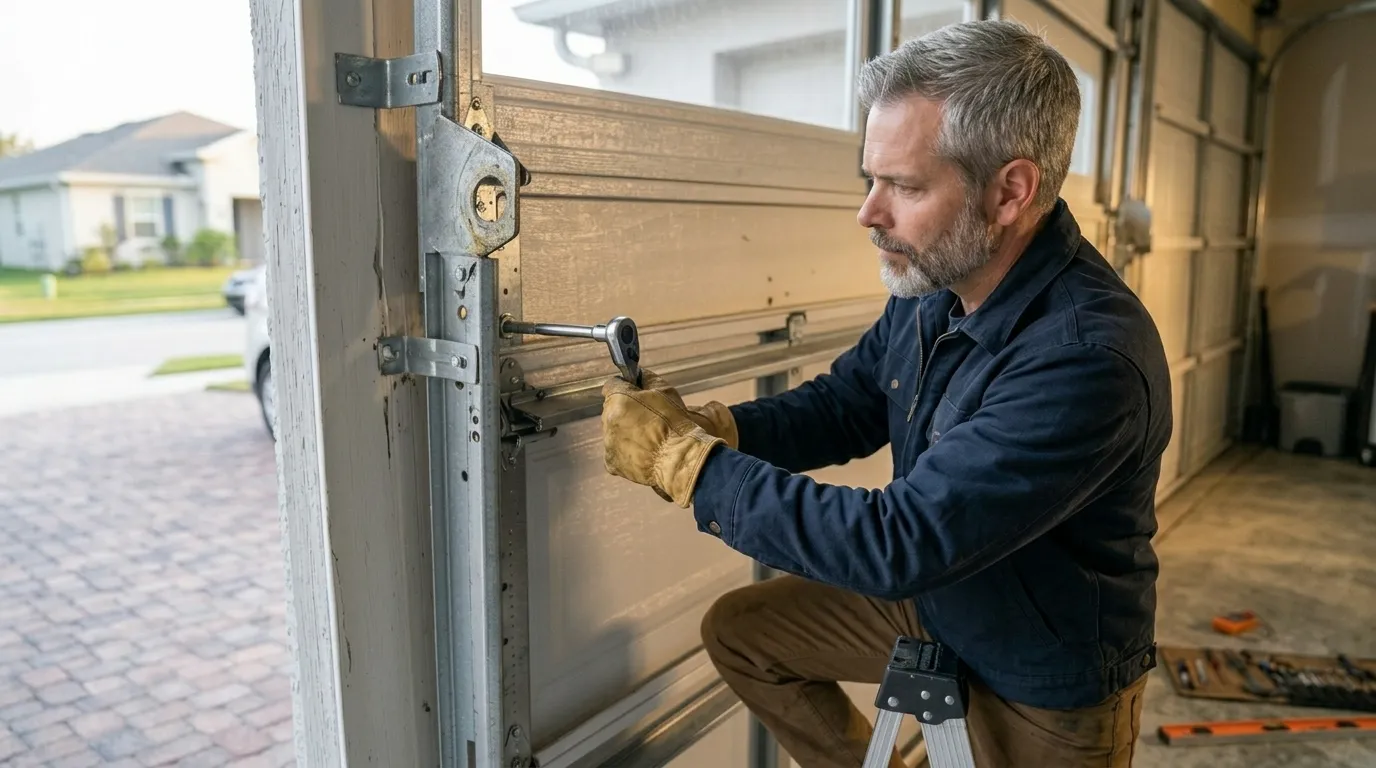
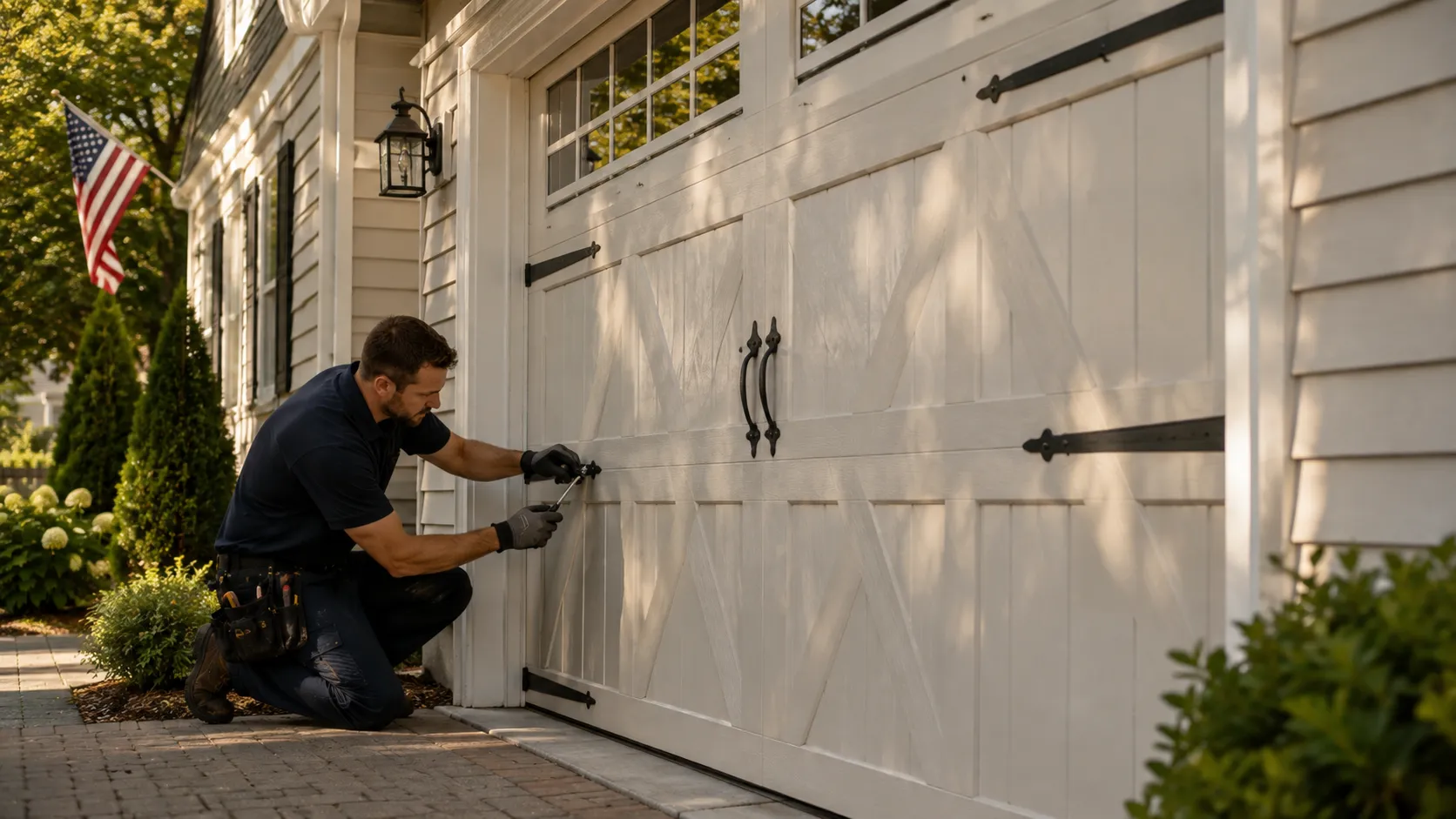
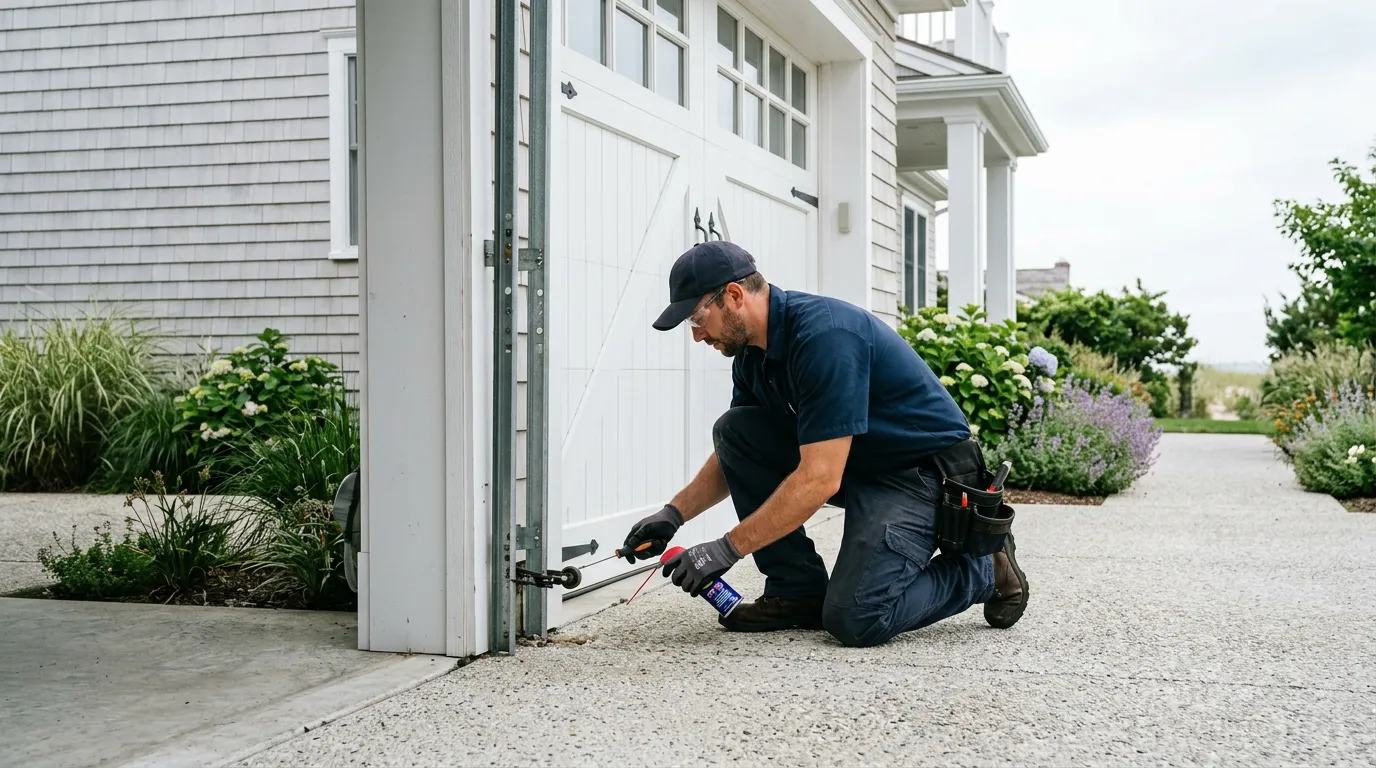
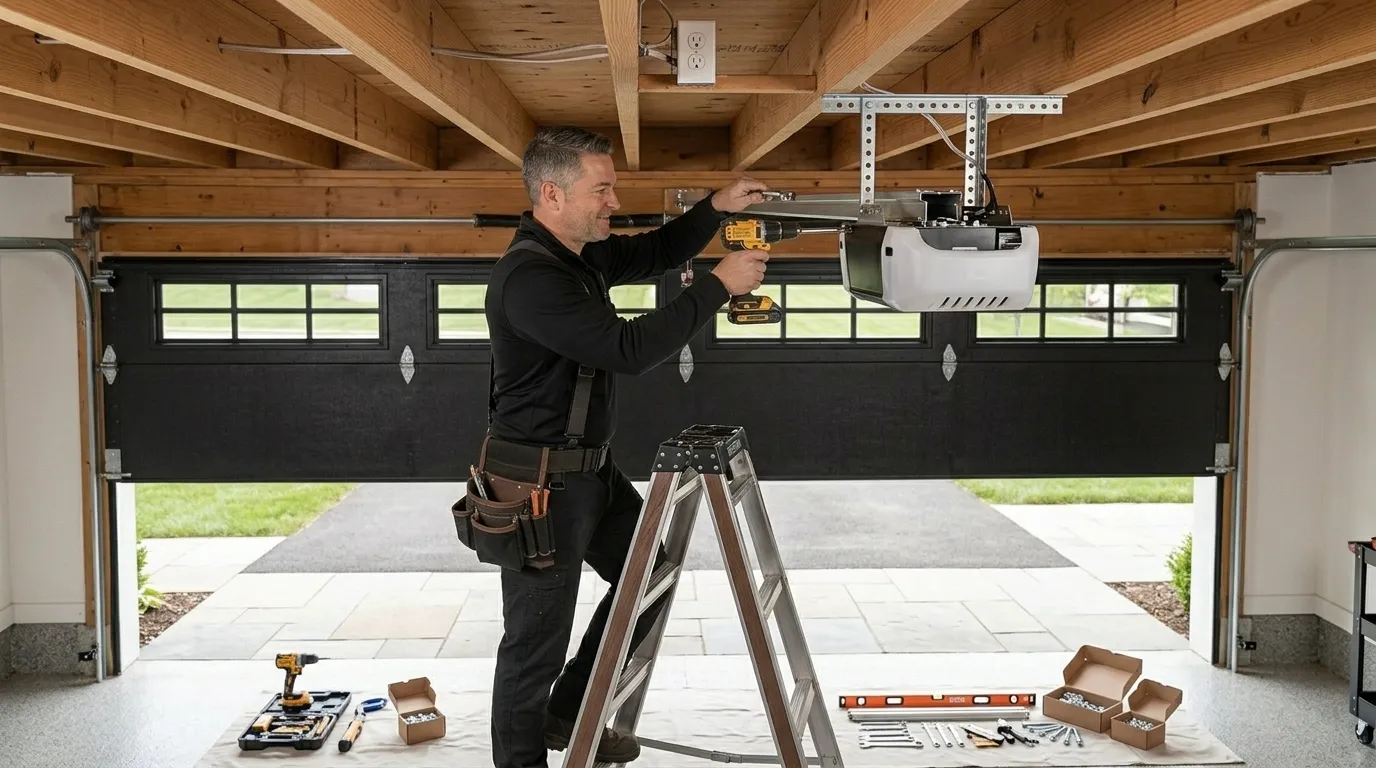
With 48,862 owner-occupied houses across the service area and a median household income of $103,288, this isn't a market where people are replacing doors on a whim - most calls are a spring that let go, an opener that stopped responding, or a track that's bent from a bumped door. We see the same handful of issues repeat because the housing stock repeats: torsion springs original to a 1980s build, openers from the early 2000s reaching the end of their circuit board's life, and bottom seals that have hardened after enough Florida seasons.
We don't have a street-by-street list for East Arlington specifically, so we're not going to pretend we know your exact block. What we do know is the build era, and that tells us more about what's likely broken than a landmark would.
Where This Is
East Arlington sits about 10 miles east of downtown Jacksonville. It's part of a service area that spans a wide mix of neighborhoods, from the older urban core around Downtown, Springfield, and Riverside just a mile or two out, to farther suburban stretches like Fleming Island and Oakleaf Plantation 15 to 17 miles out.
We don't have named landmarks or cross streets for East Arlington to point to, and we're not going to invent any. What locates the work here is the build era and the distance from center, not a strip mall or a park name we'd be guessing at.