What Is on These Garages
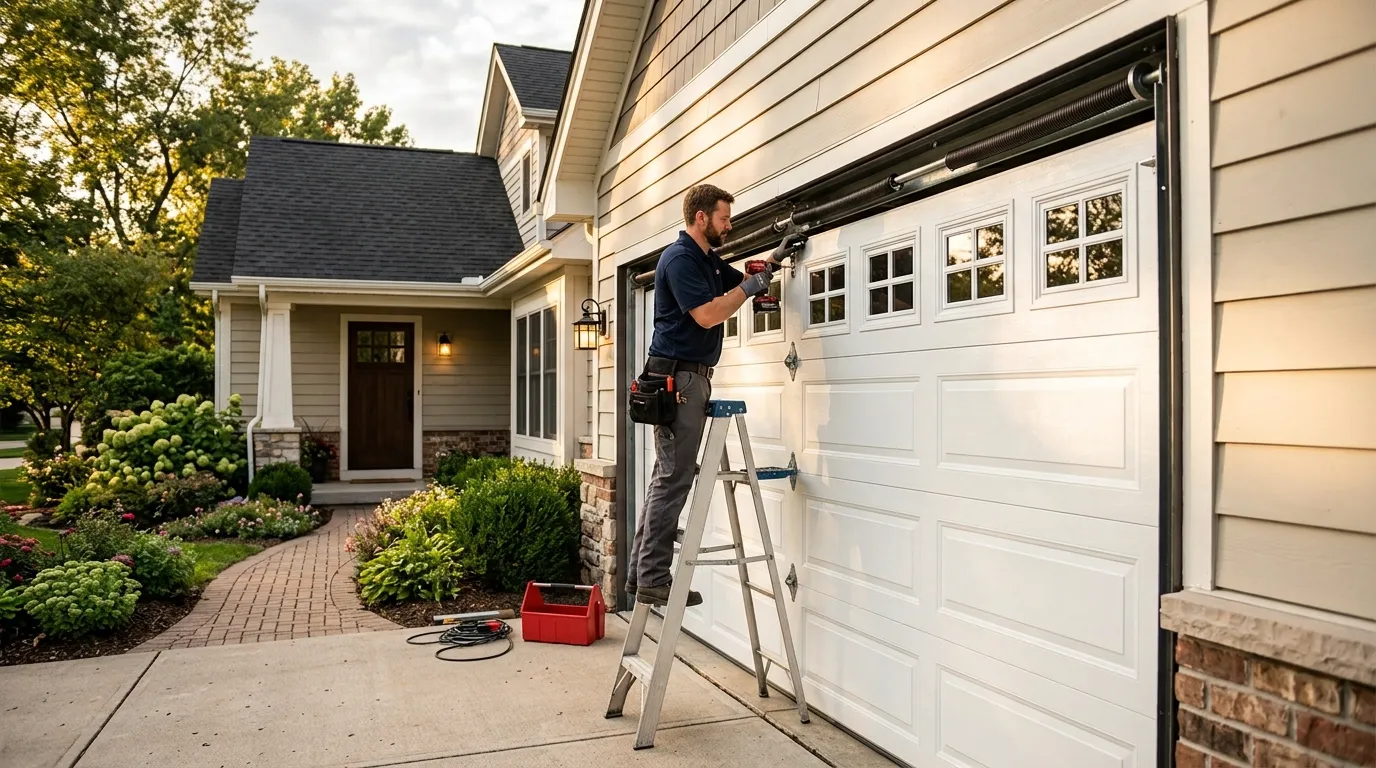
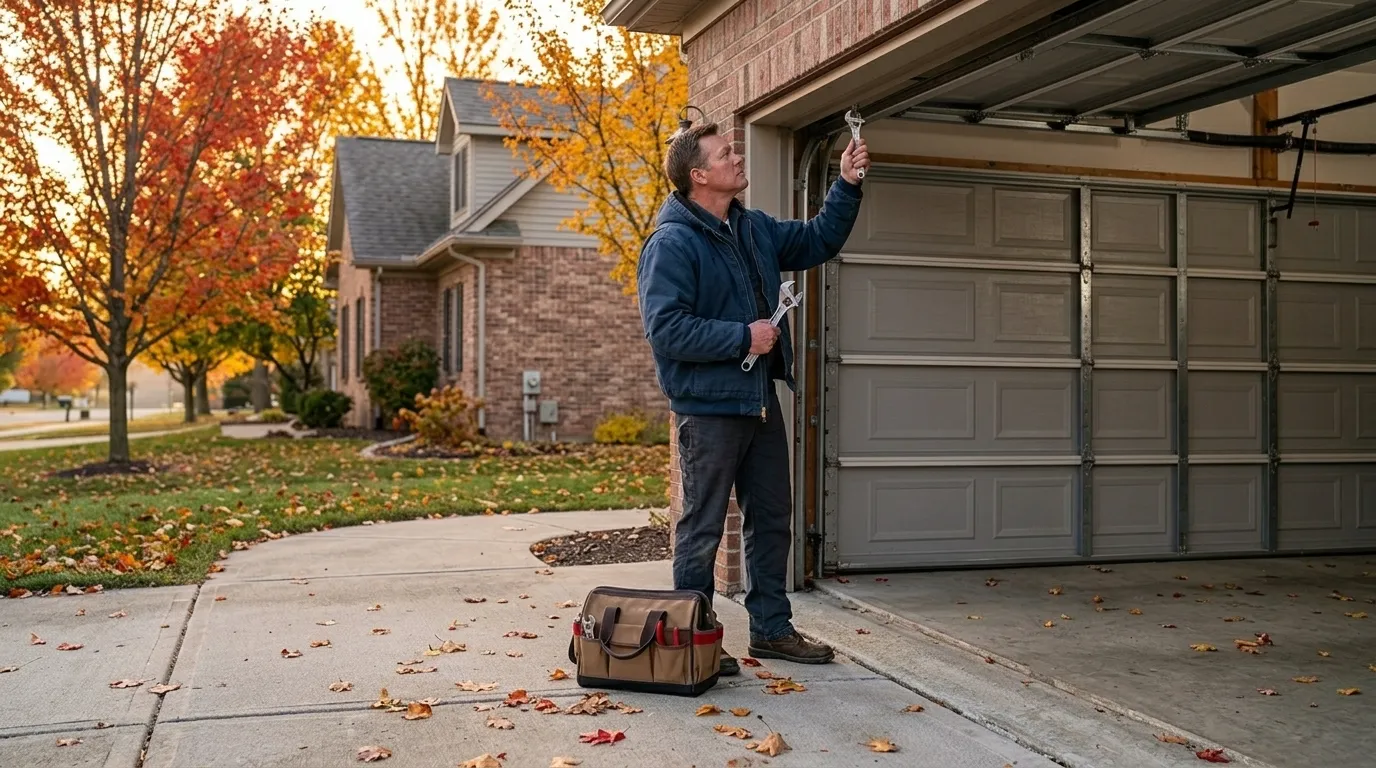
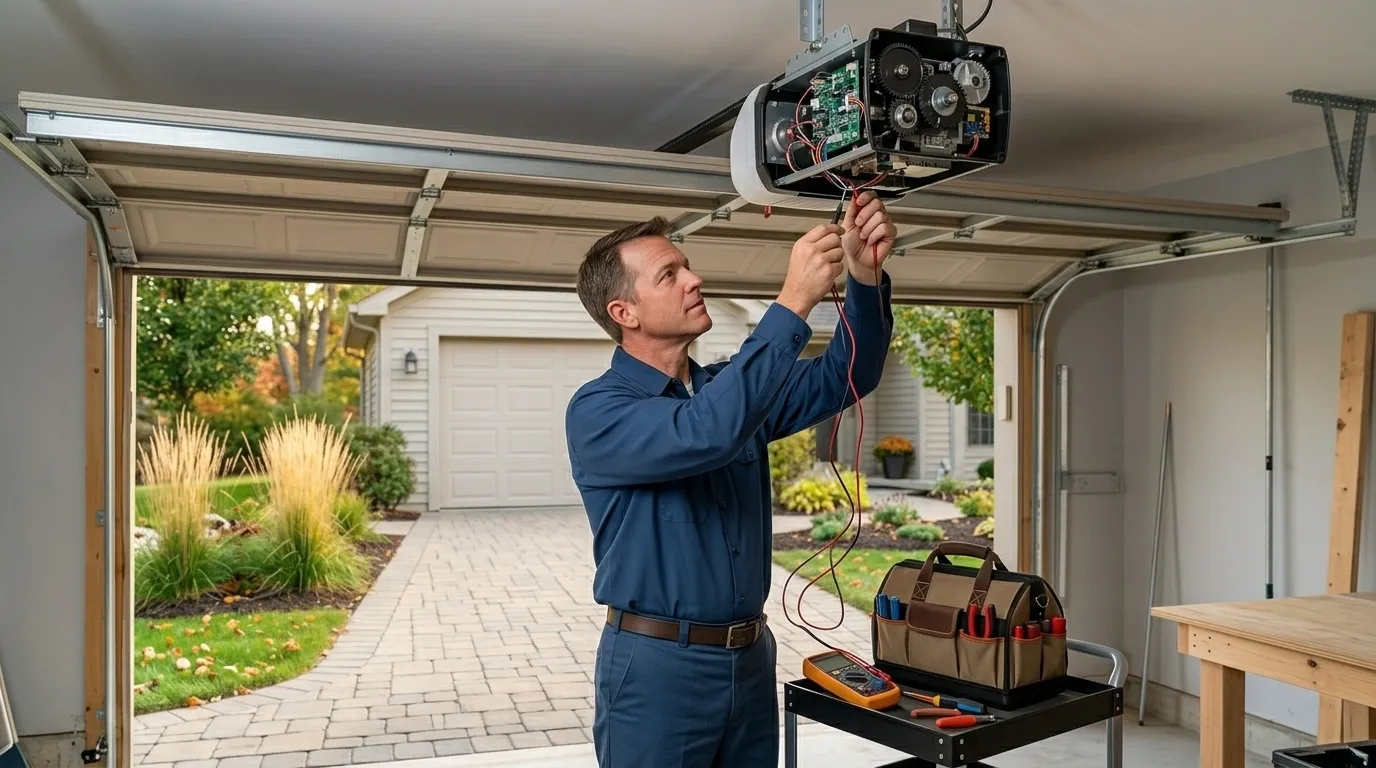
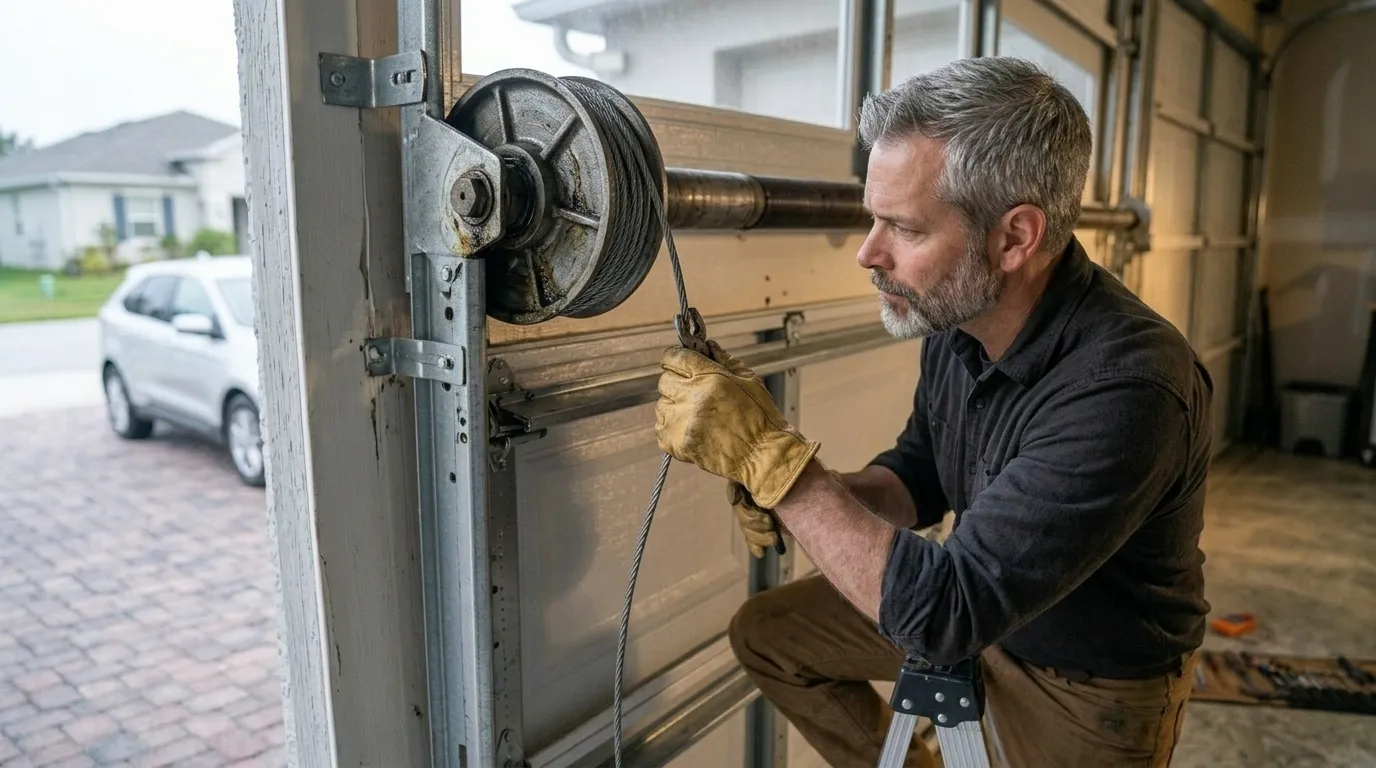
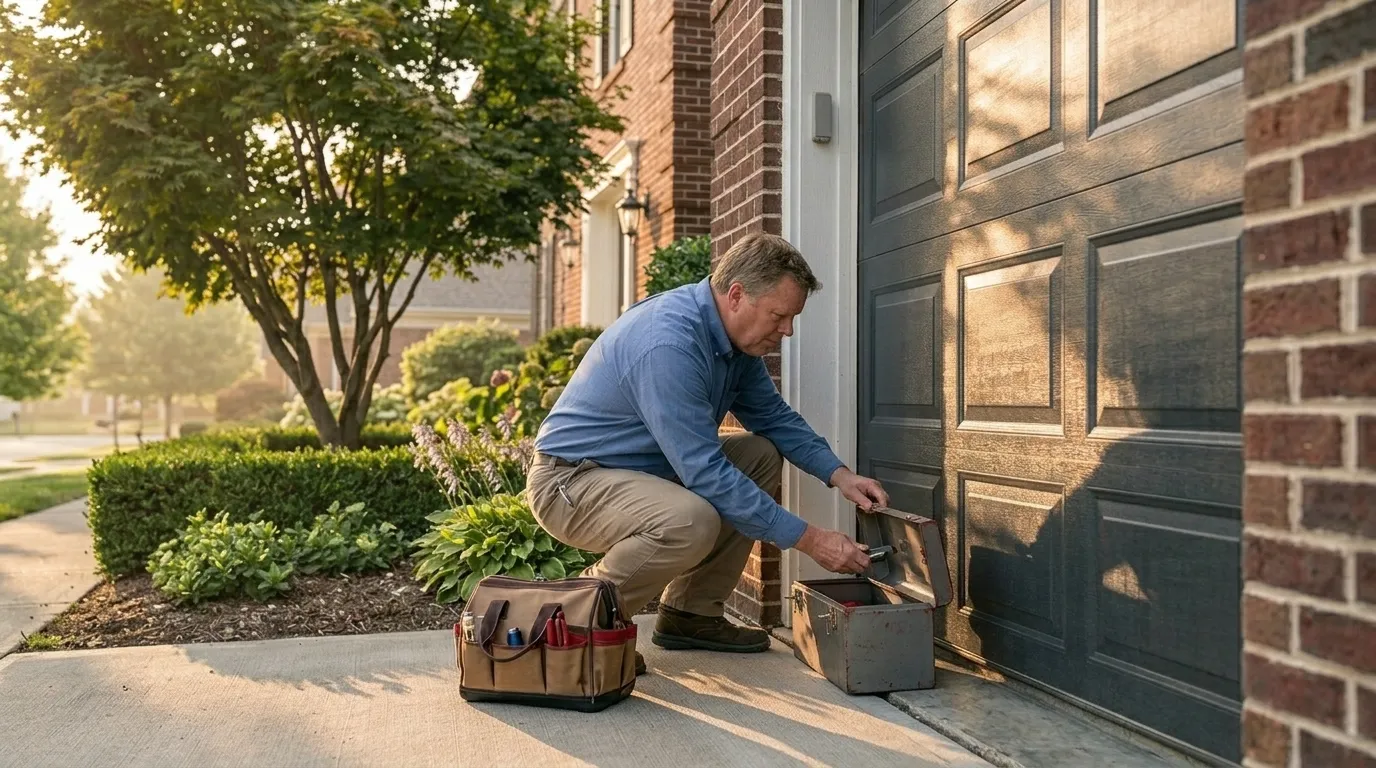
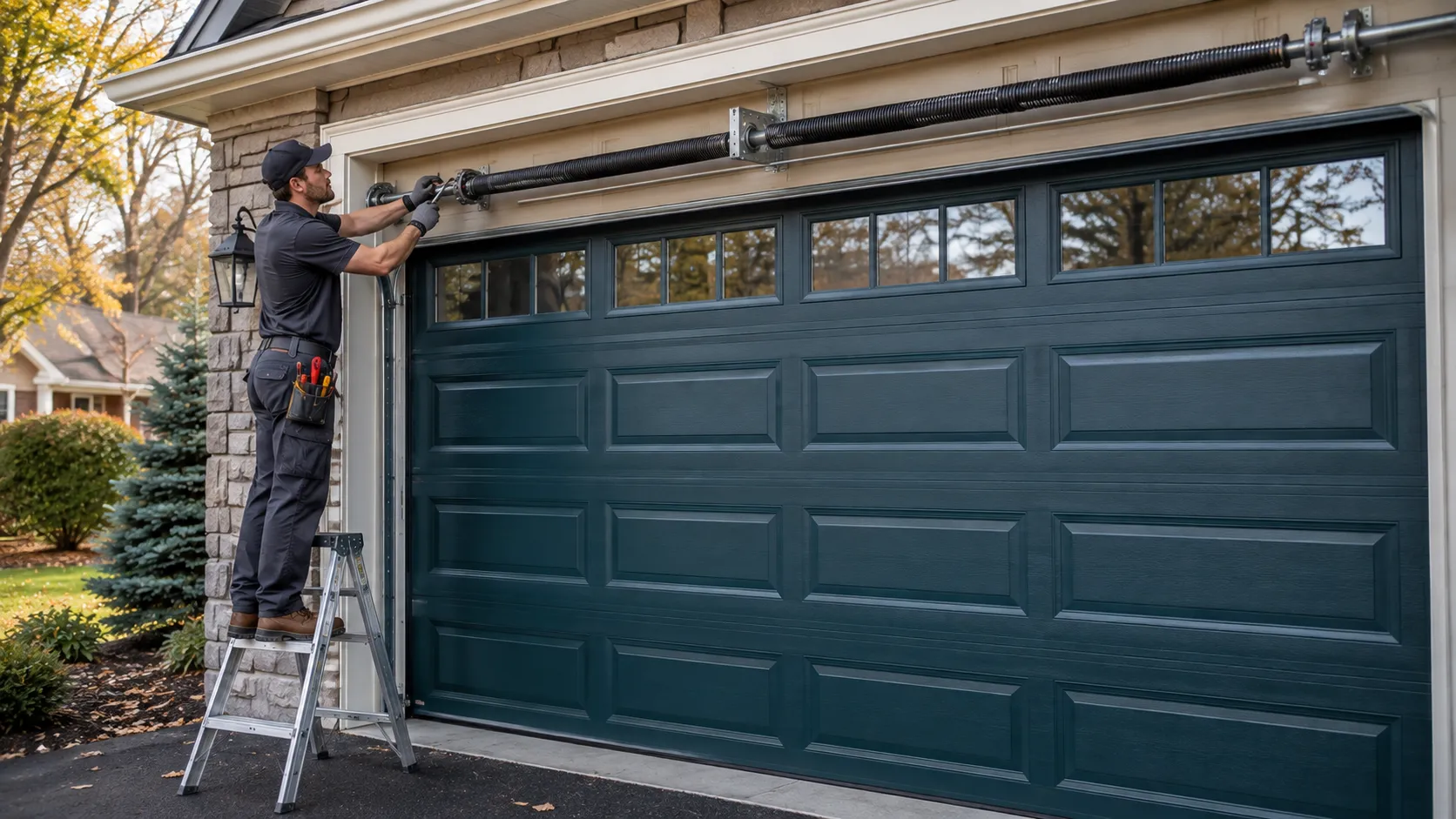
Duclay Forest sits inside the broader wave of Jacksonville construction that ran from 1973 to 2007, with the median build year landing around 1985. That puts most garages here on steel sectional doors from the 80s and 90s boom - the era before insulated doors were standard and before openers came with rolling-code security built in. A lot of these are original doors on original torsion or extension spring setups, now pushing thirty-five to forty years old, which is well past the fatigue life of the springs even if the door itself still looks fine.
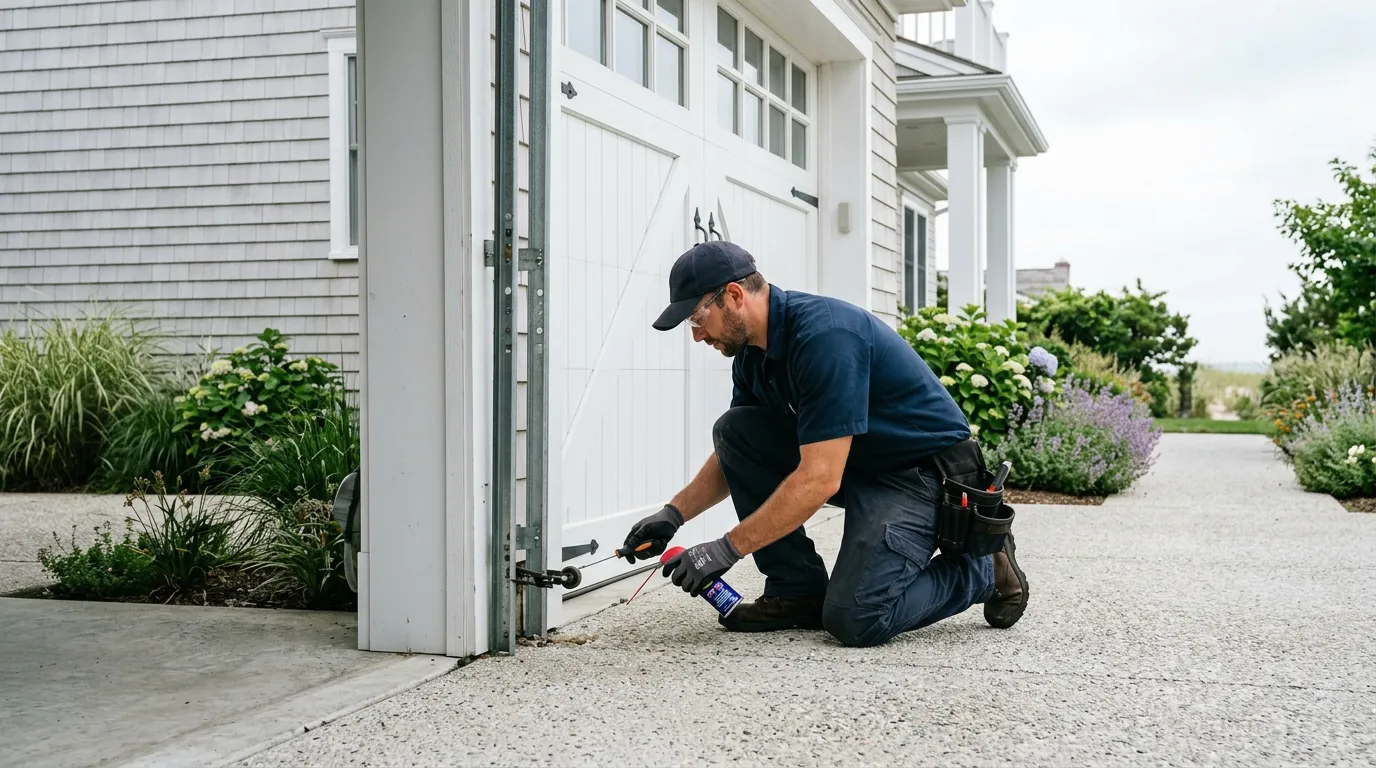
The climate band here is mild temperate, so you're not fighting the freeze-thaw cycles that crack panels up north, but Florida humidity and UV do their own slow damage - dried-out weatherstripping, brittle plastic idler pulleys, rollers that have gone from nylon-smooth to grinding. On a house from this build window, a service call is more often a spring or roller job than a full structural repair, though openers from the original construction era are also reaching the point where parts aren't stocked anymore.
We don't have street-level permit records for Duclay Forest specifically, so we're not going to tell you exactly which model door is on which block. What we can tell you is the era, and the era tells you most of what you need to know before a truck ever shows up.
Houses on These Streets
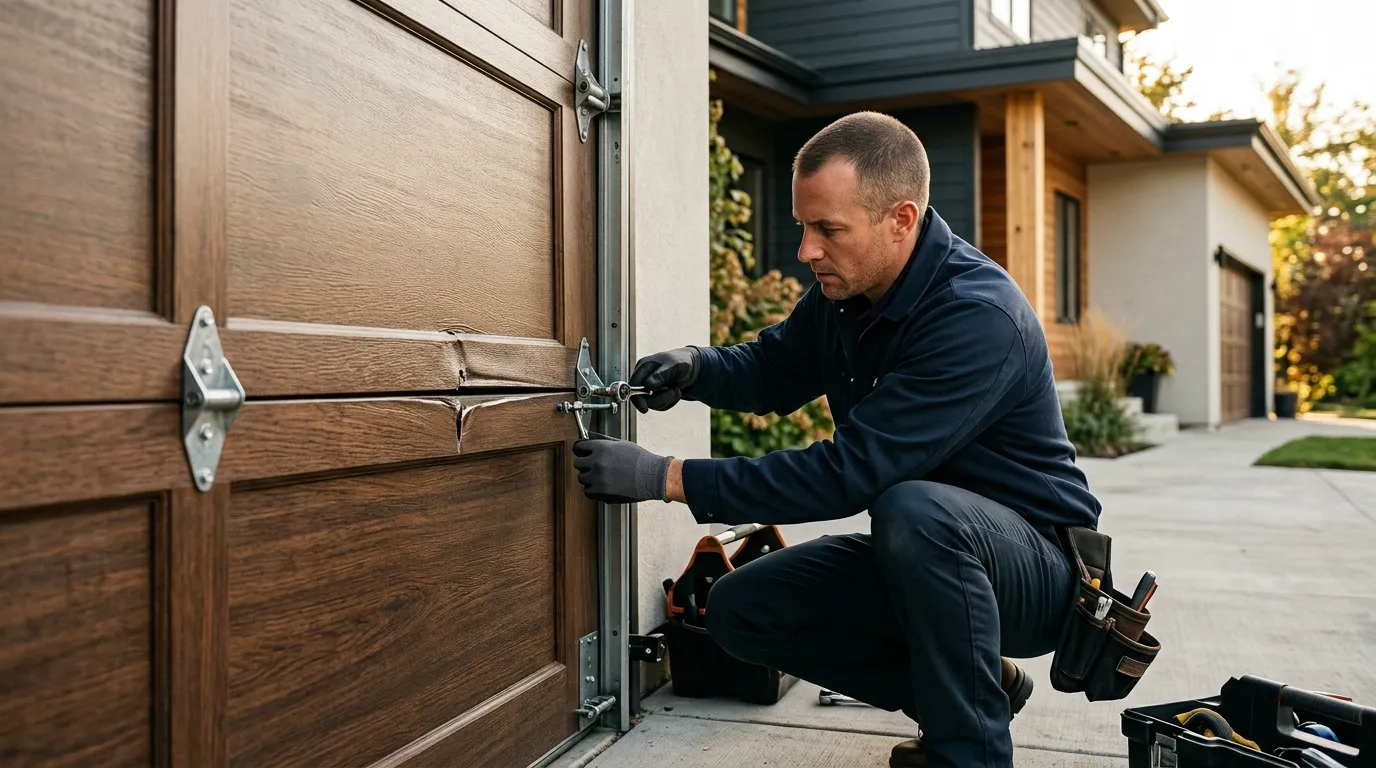
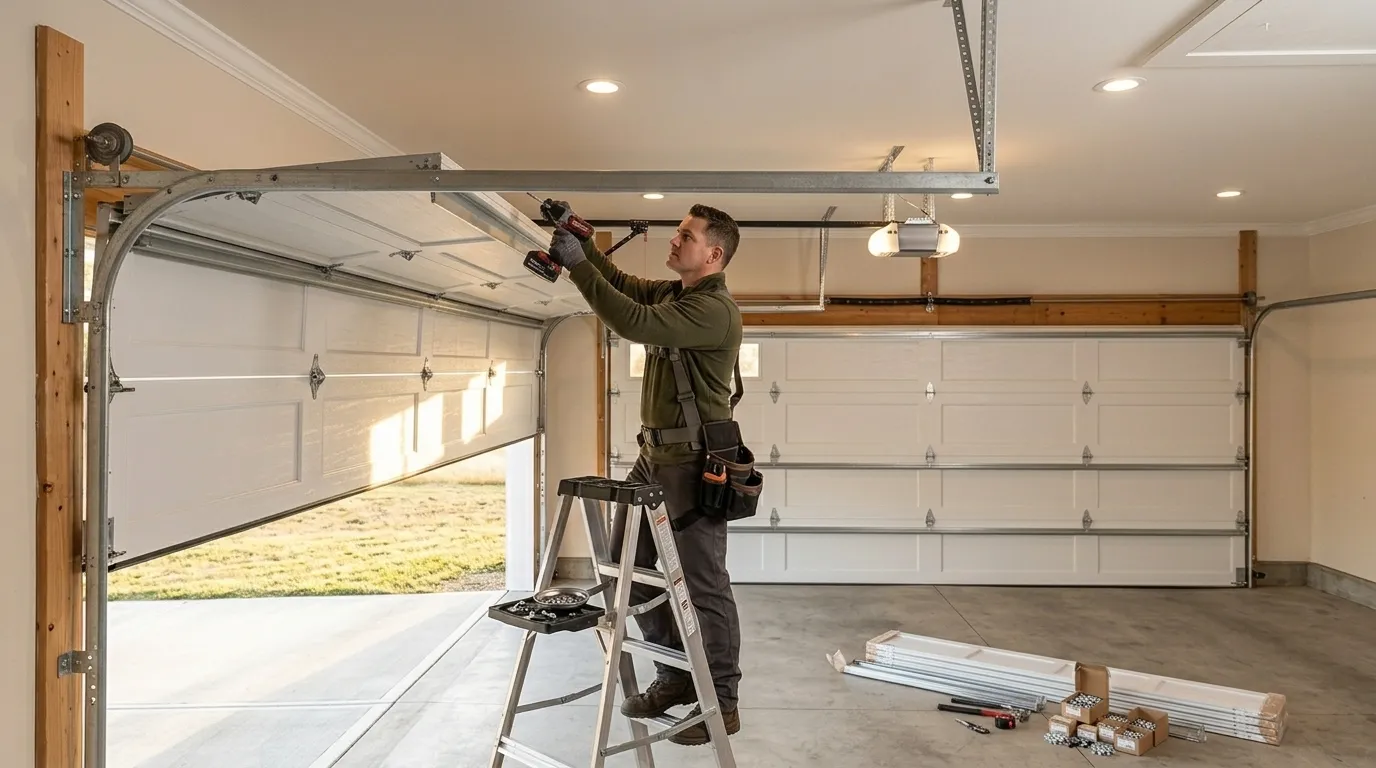
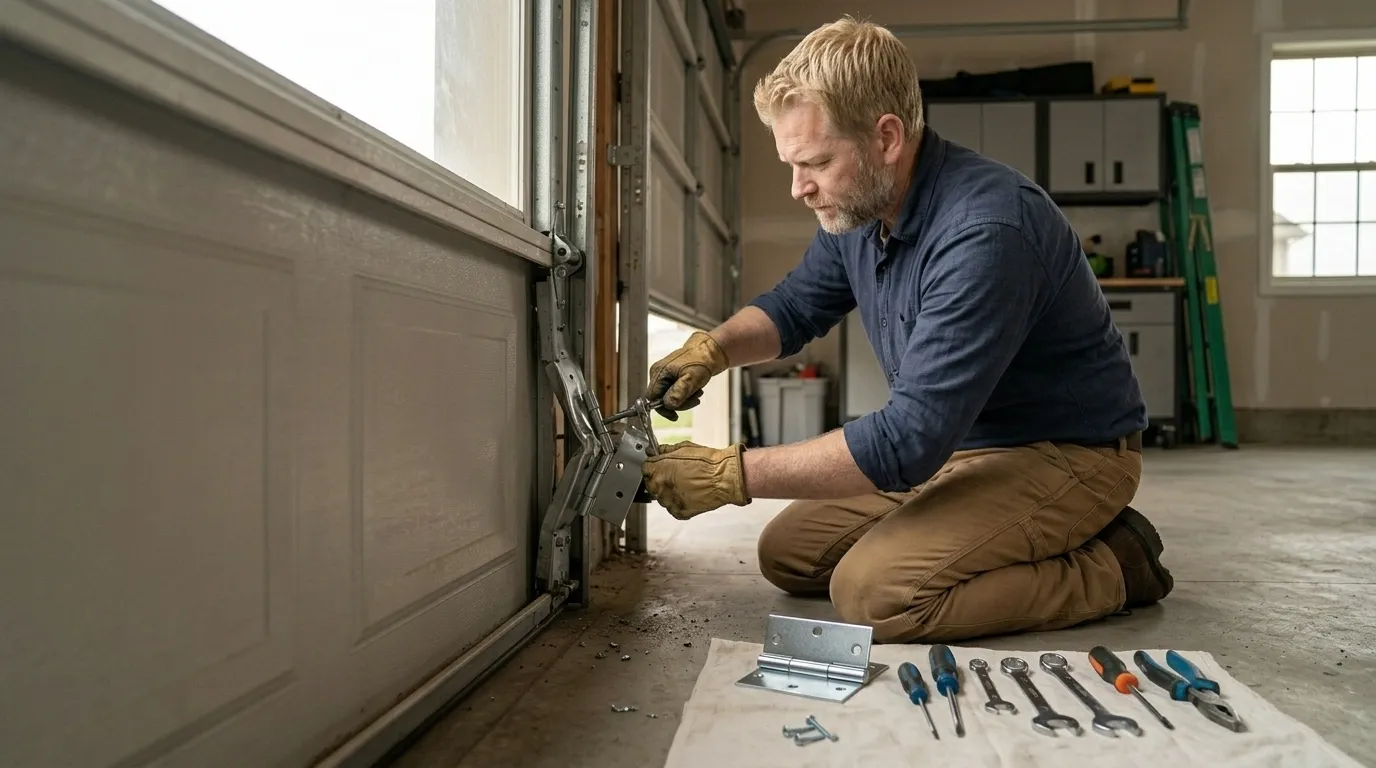
Subdivisions built in this 1973-2007 window tend to follow a pattern: attached single or double garages set forward of the house, concrete driveways with a modest pitch, and openers mounted to a single center rail rather than the newer jackshaft or wall-mount setups you'd see in a house built in the last few years. If your house falls in that median-1985 range, there's a decent chance the garage door track is the older style with a wider bend radius, which matters if a panel gets bent and needs replacing - 40-year-old track doesn't always accept a modern panel without adjustment.
We don't have the specific street names or plat data for Duclay Forest, so we're not going to pretend we know your lot layout before we've seen it. What we do know is the build era across this part of Jacksonville, and that's usually enough to guess, before we arrive, whether we're dealing with a torsion spring on a two-car door, an extension spring pair on a single, or an opener that's simply outlived its logic board.
One honest limitation: if your door was replaced more recently by a previous owner, none of this era-based guessing applies, and we'll just diagnose it fresh on site like any other job.
Where This Is
Duclay Forest sits about nine miles southwest of downtown Jacksonville. That puts it well beyond the close-in core - Riverside and San Marco are both about two miles from the center, Murray Hill is three - but still noticeably closer in than the outer ring of communities like Oakleaf Plantation and Bellair-Meadowbrook Terrace, both about twelve to fifteen miles out, or Fleming Island and Palm Valley further still at seventeen and nineteen miles.
On the same southwest bearing, it sits roughly parallel to Miramar, about four miles south of downtown, just farther along that line. Compared to the beach communities - Jacksonville Beach and Neptune Beach, both around sixteen to seventeen miles out to the east - Duclay Forest is on the opposite side of the metro entirely, inland and southwest rather than coastal.
We work this part of the service area regularly, and the nine-mile distance from the center is close enough that getting a truck to you isn't a special trip - it's a normal part of the route.