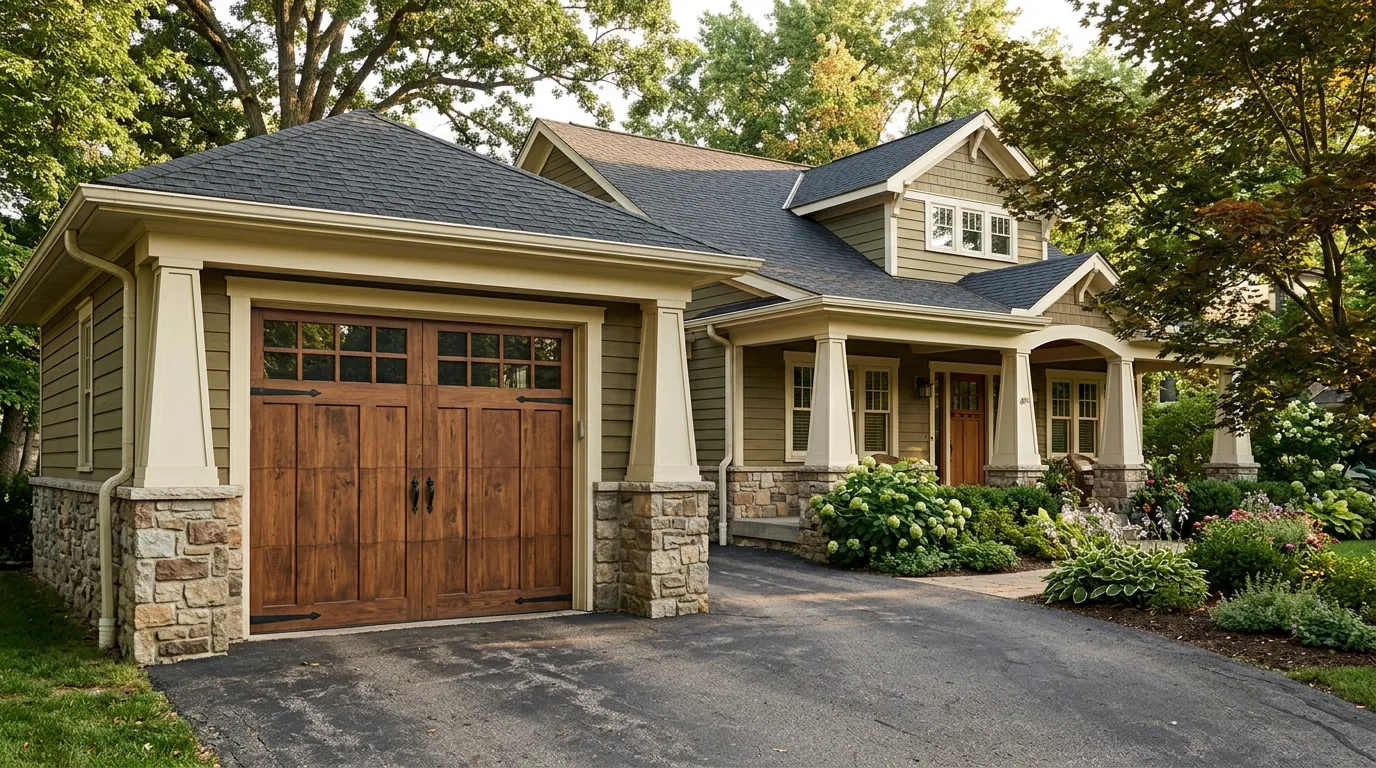
What Is on These Garages
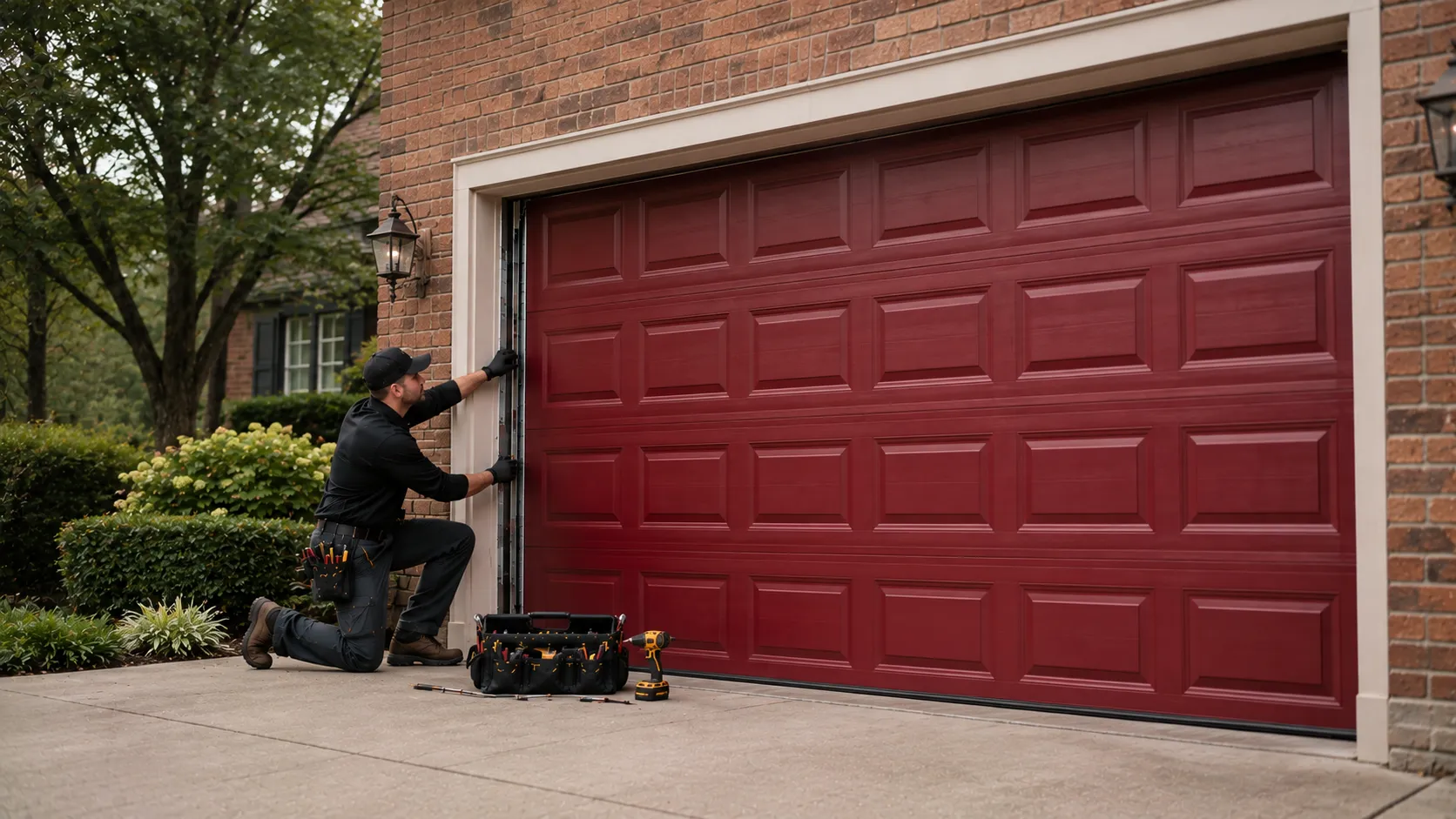
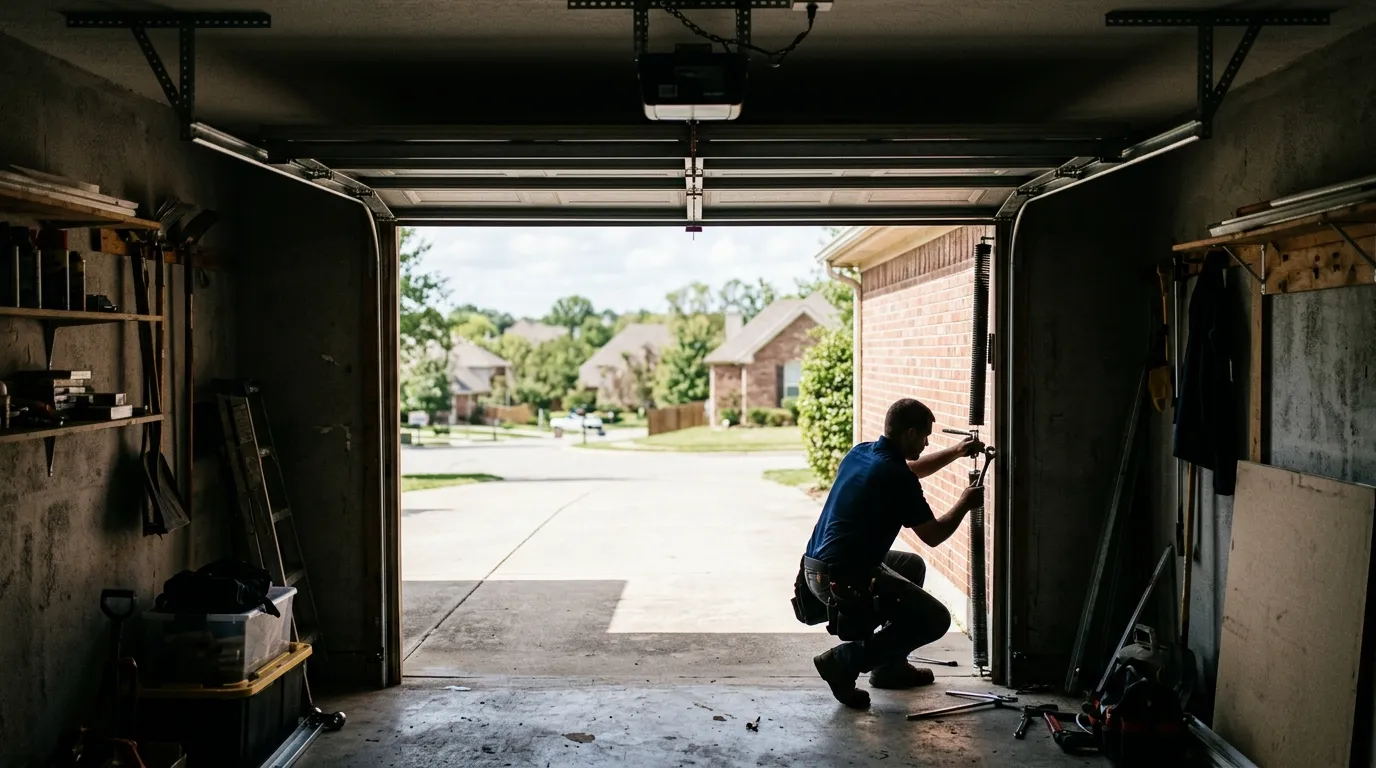
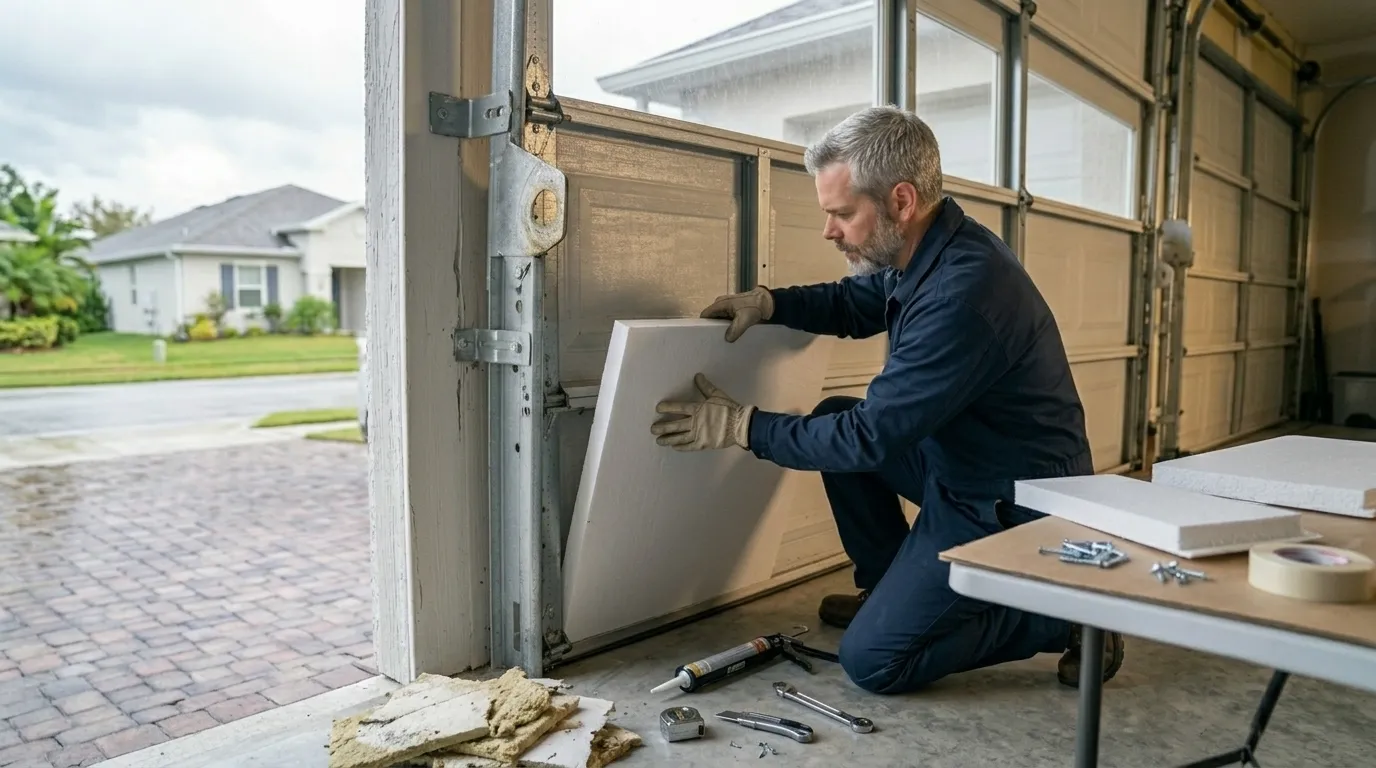
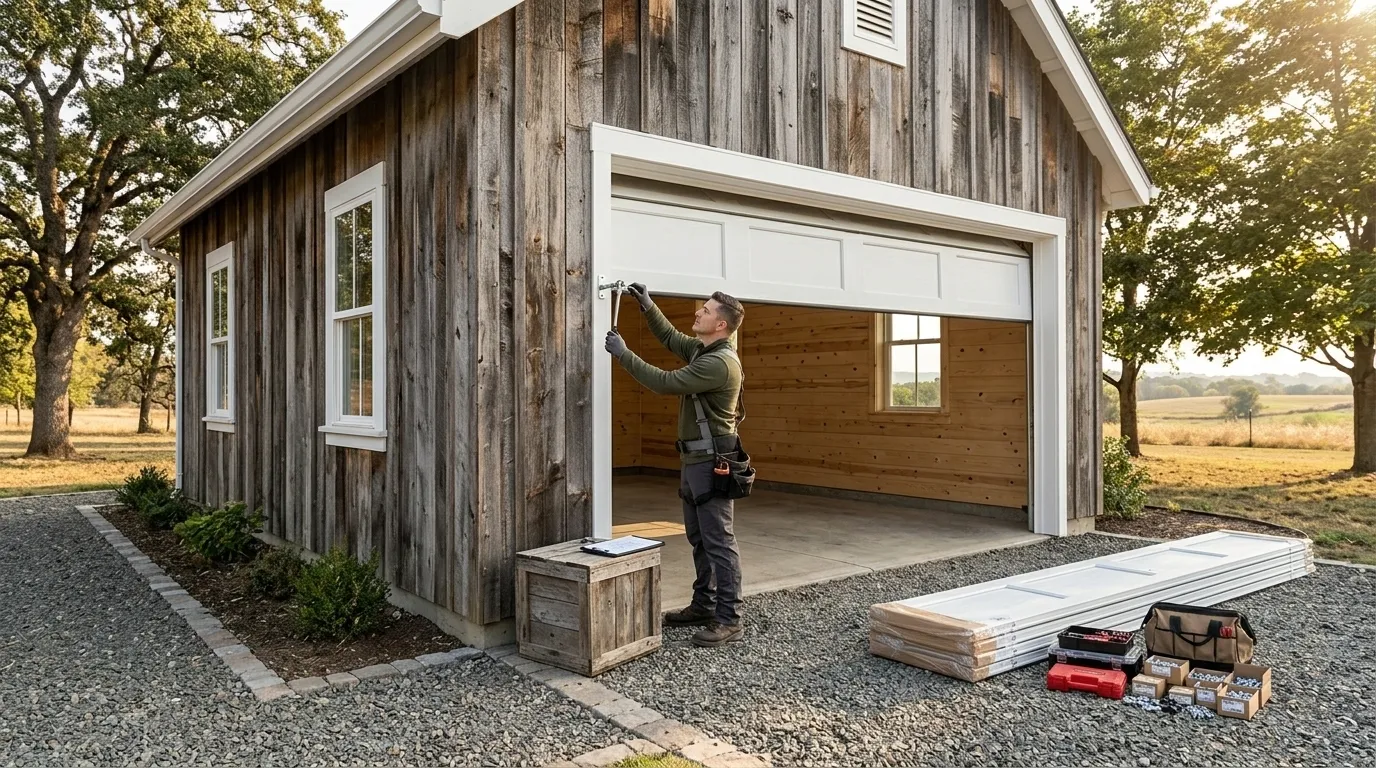
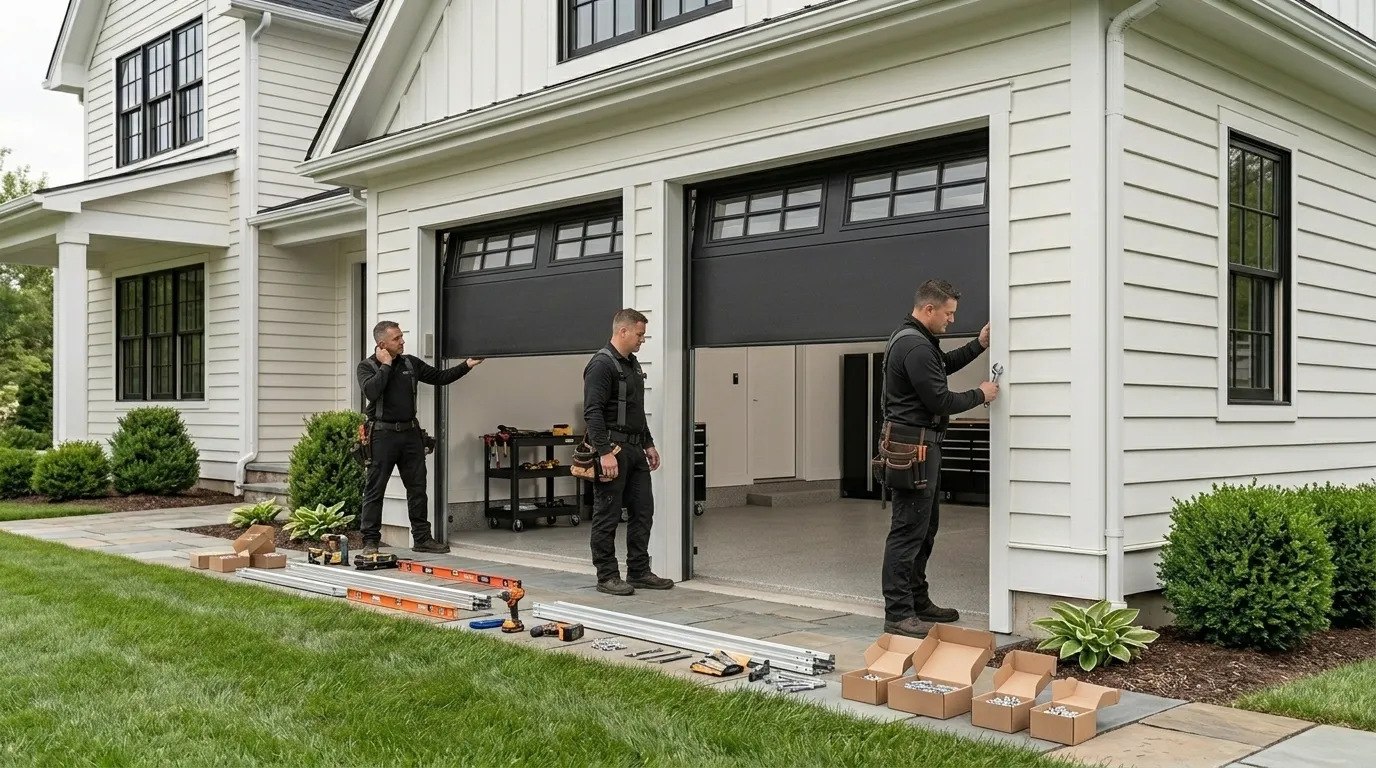
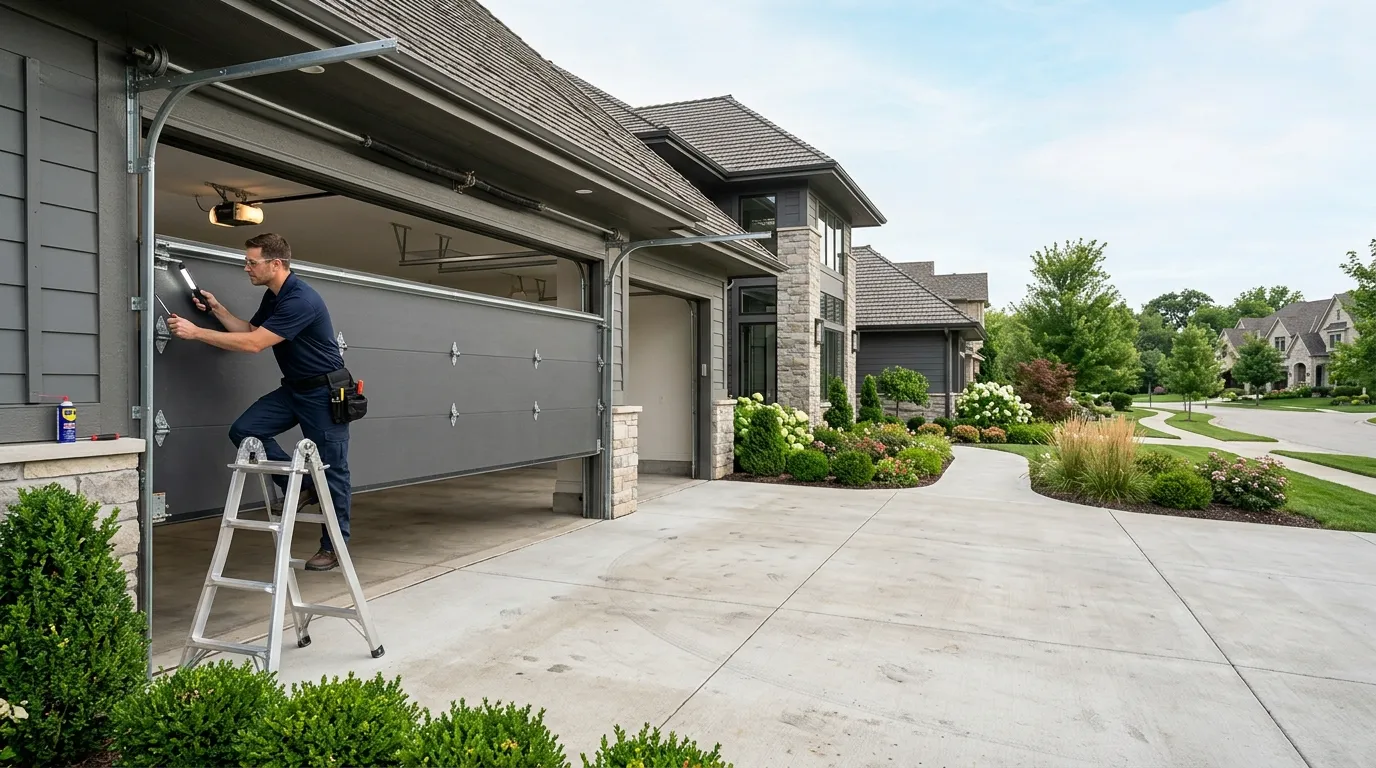
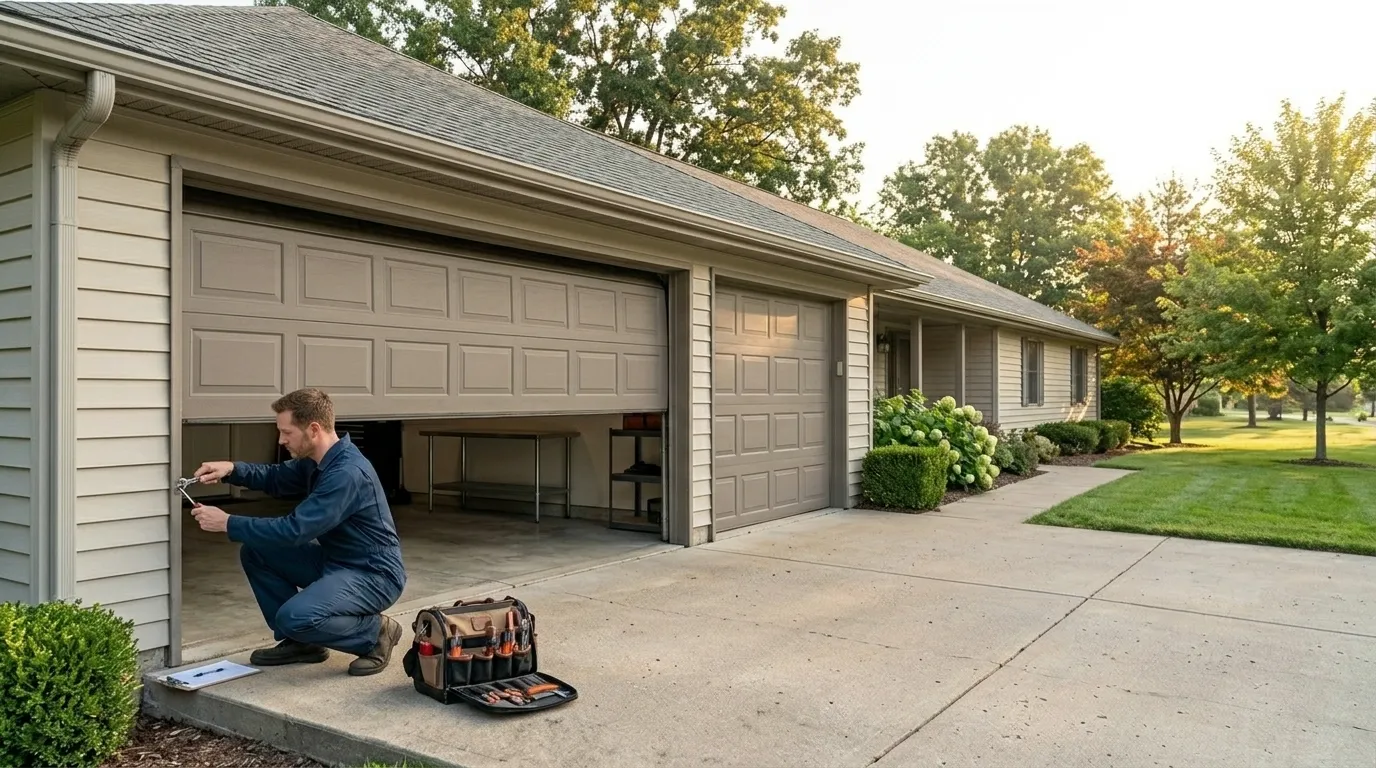
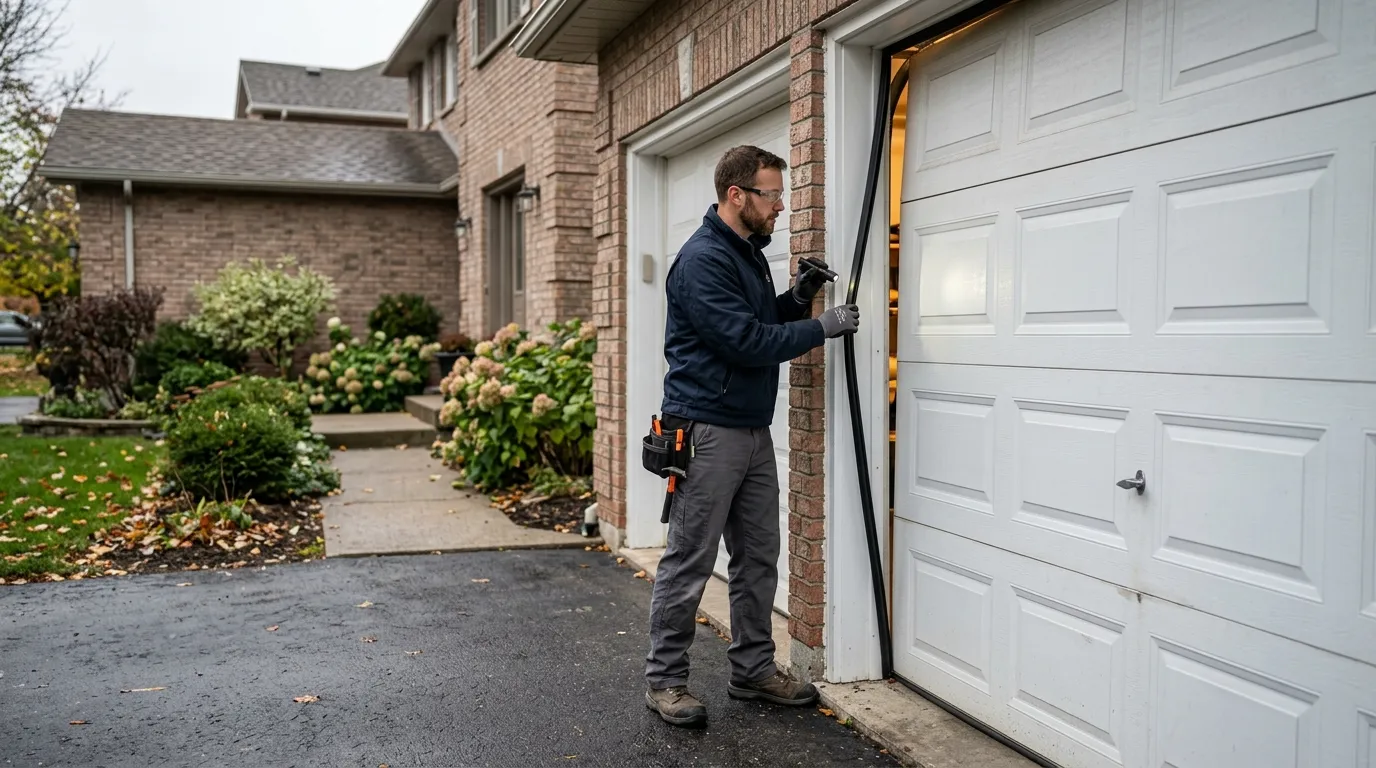
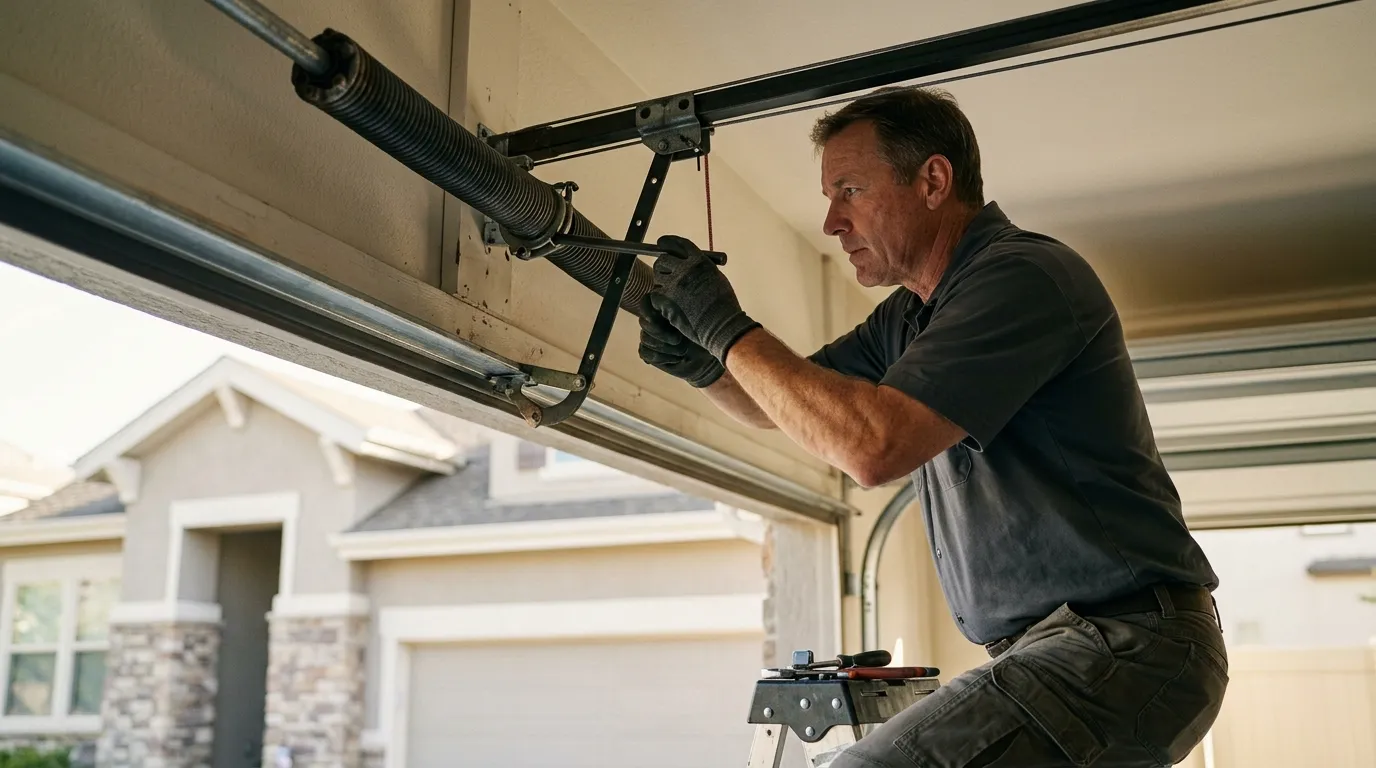
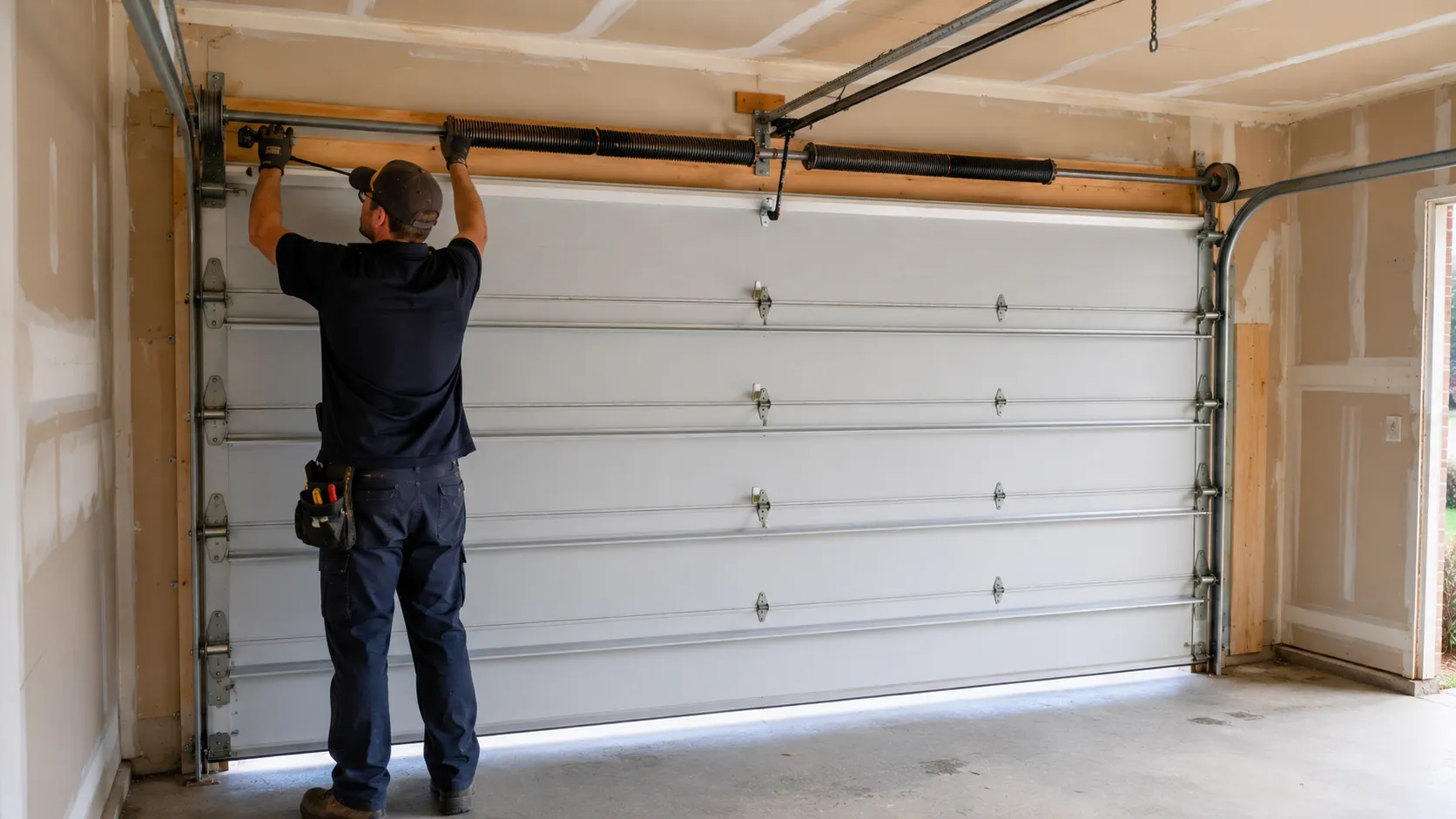
We don't have a landmark list for Dinsmore, so we won't pretend to one. What we do know is the housing stock across this part of Jacksonville went up mostly between 1973 and 2007, with the typical build year landing around 1985. That tells us plenty about what's actually hanging in these garages. Most of these are steel sectional doors on torsion spring setups sized for a single door, not the newer dual-spring rigs you see on wider modern openings. Openers from the early end of that build window are chain-drive units that have likely already been swapped once, and a fair number of the doors themselves are non-insulated panels, since insulation wasn't standard on builder-grade doors until later in that stretch.
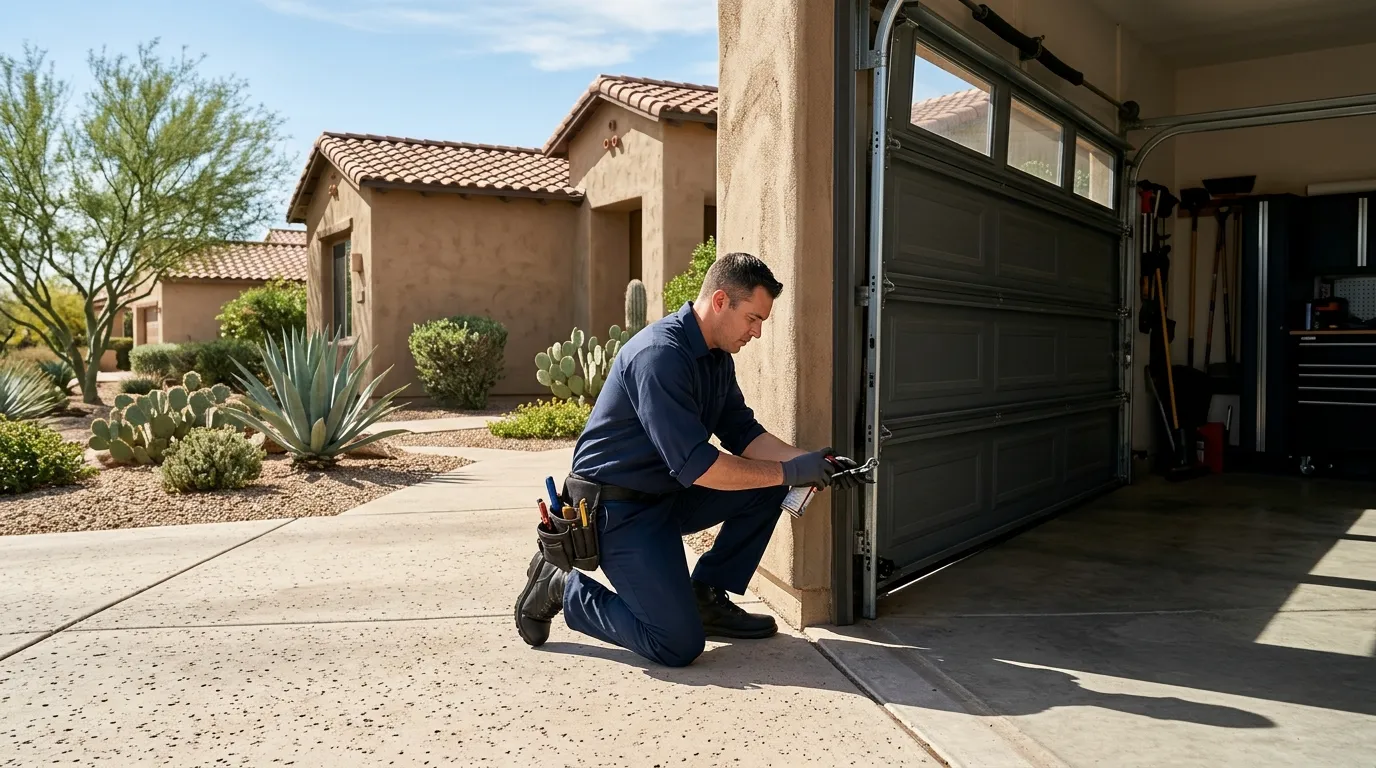
The climate band here is mild temperate, which is good news and bad news. Good, because you're not dealing with freeze-thaw cracking or ice-locked tracks. Bad, because steady humidity is what corrodes hardware over time, especially the bottom brackets and roller shafts that sit low and catch moisture off the slab. If your door is sticking or grinding on the way down, that's usually rust on the track bolts before it's ever the spring.
Houses on These Streets
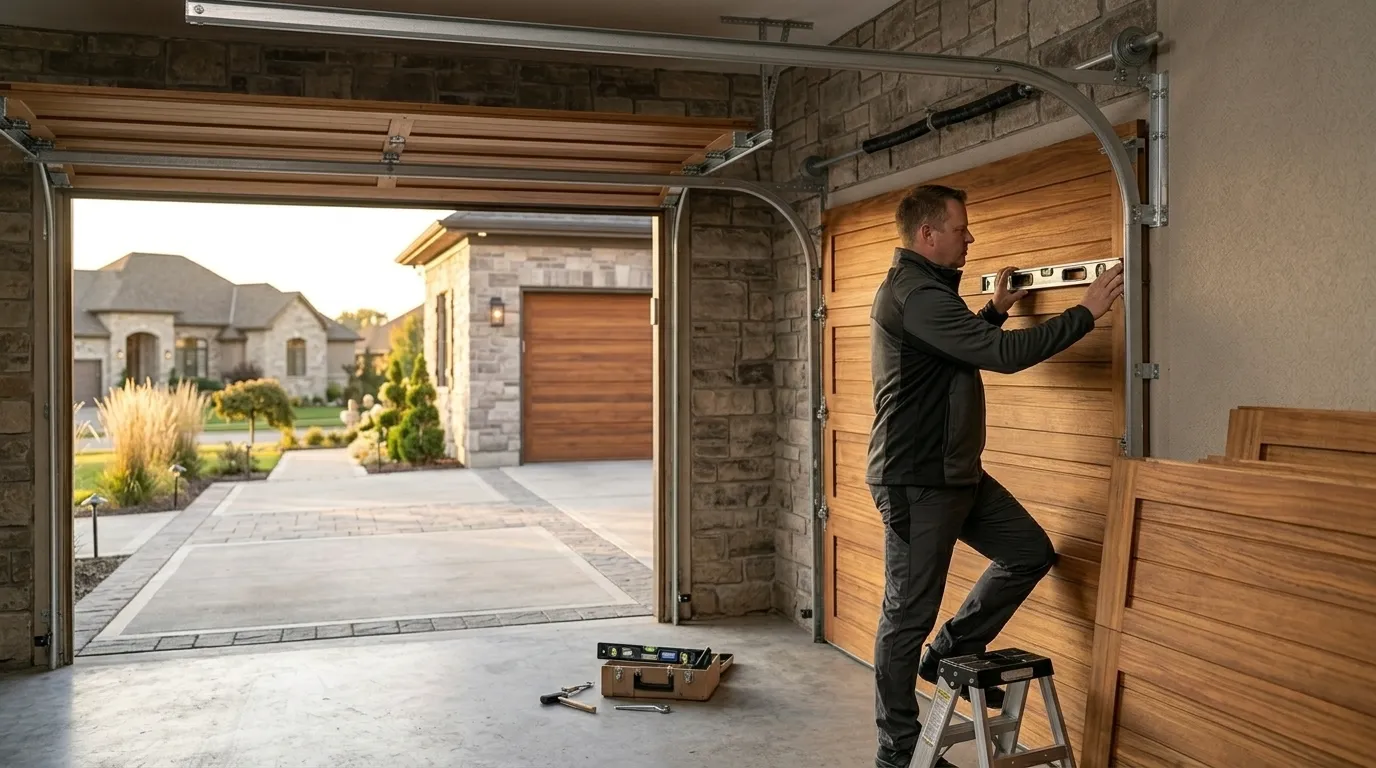
Across the wider service area there are 86,151 households, and 48,862 of the houses are owner-occupied. That ownership rate matters for how repair decisions get made here - an owner living in the house for the long haul tends to fix a spring or a cable rather than let a door sit broken, where a landlord might let it slide. The median household income across the area is $103,288, which is high enough that when an opener from the 1980s or 90s finally gives out, most owners replace it outright instead of nursing a dying motor along for another year.
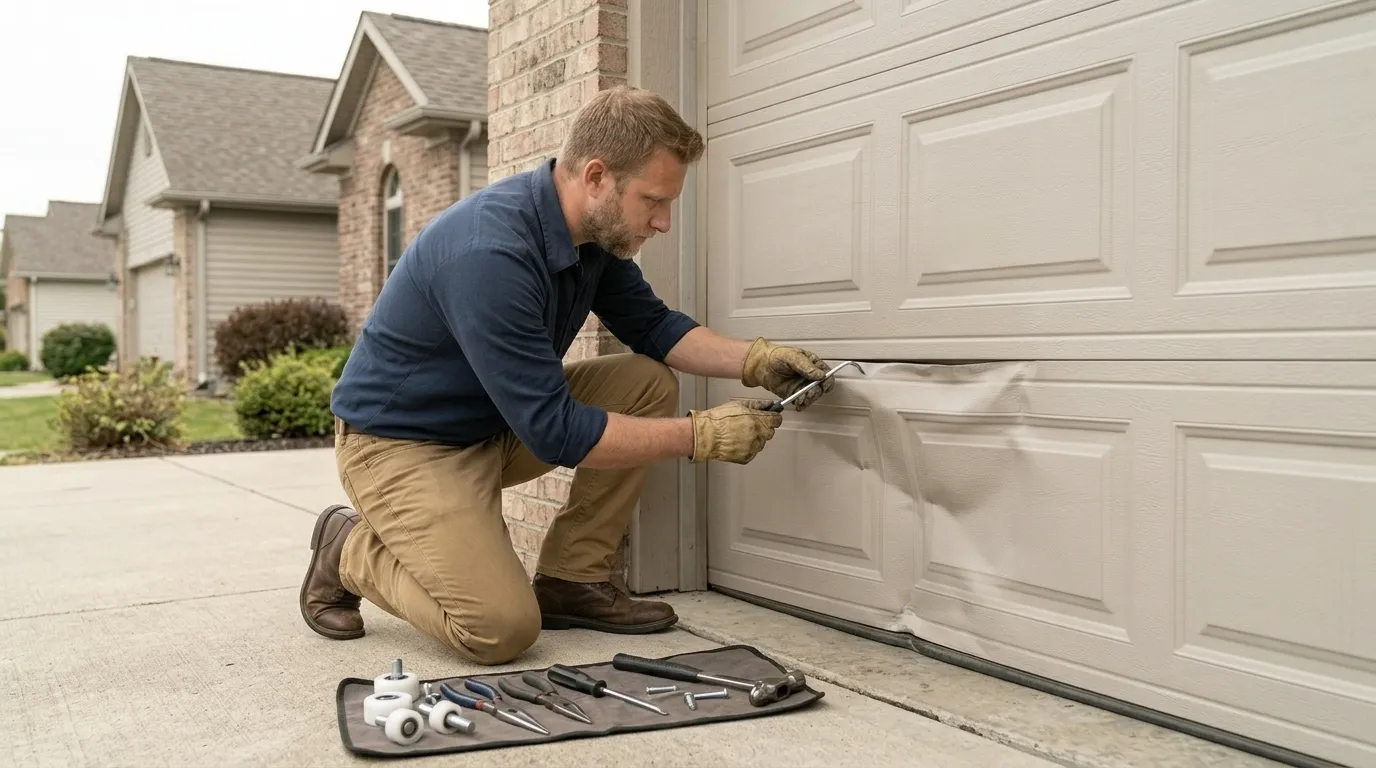
We don't have street names or specific addresses for Dinsmore, and we're not going to invent any. What we can say with confidence is that a garage built in this era, in this part of Jacksonville, is very likely running original or first-replacement hardware by now - springs, cables, and rollers that have had thirty-plus years of cycles on them. That's not a guess about your specific door. It's what the building timeline tells us about the neighborhood as a whole.
Where This Is
Dinsmore sits about nine miles northwest of the city center. Coming in from downtown, you'd pass through Mid-Westside, about a mile northwest of the center, and then Magnolia Gardens, roughly four miles out in the same direction, before reaching Dinsmore further along that line. There's no landmark we can point to inside Dinsmore itself with the information we have, but the direction and distance are consistent: this is a northwest-side neighborhood, well outside the older core blocks near downtown and Springfield.
That position matters for one practical reason - it's the same mild temperate climate band as the rest of the service area, so the wear patterns on doors here track with what we see closer to the center: humidity and age on the hardware, not freeze damage. A truck reaching Dinsmore isn't crossing into a different weather zone, just a different stretch of the same build era.