What Is on These Garages
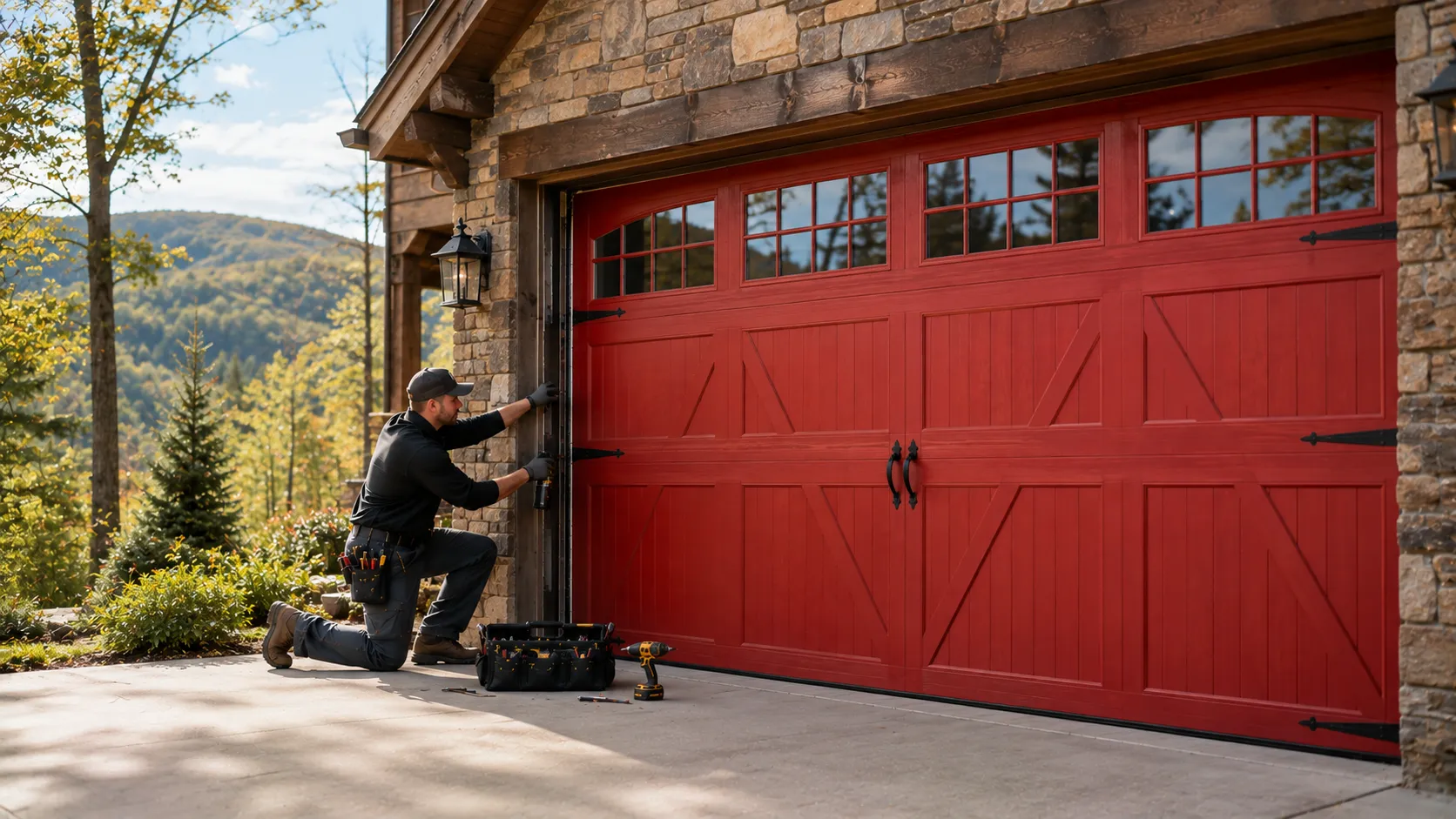
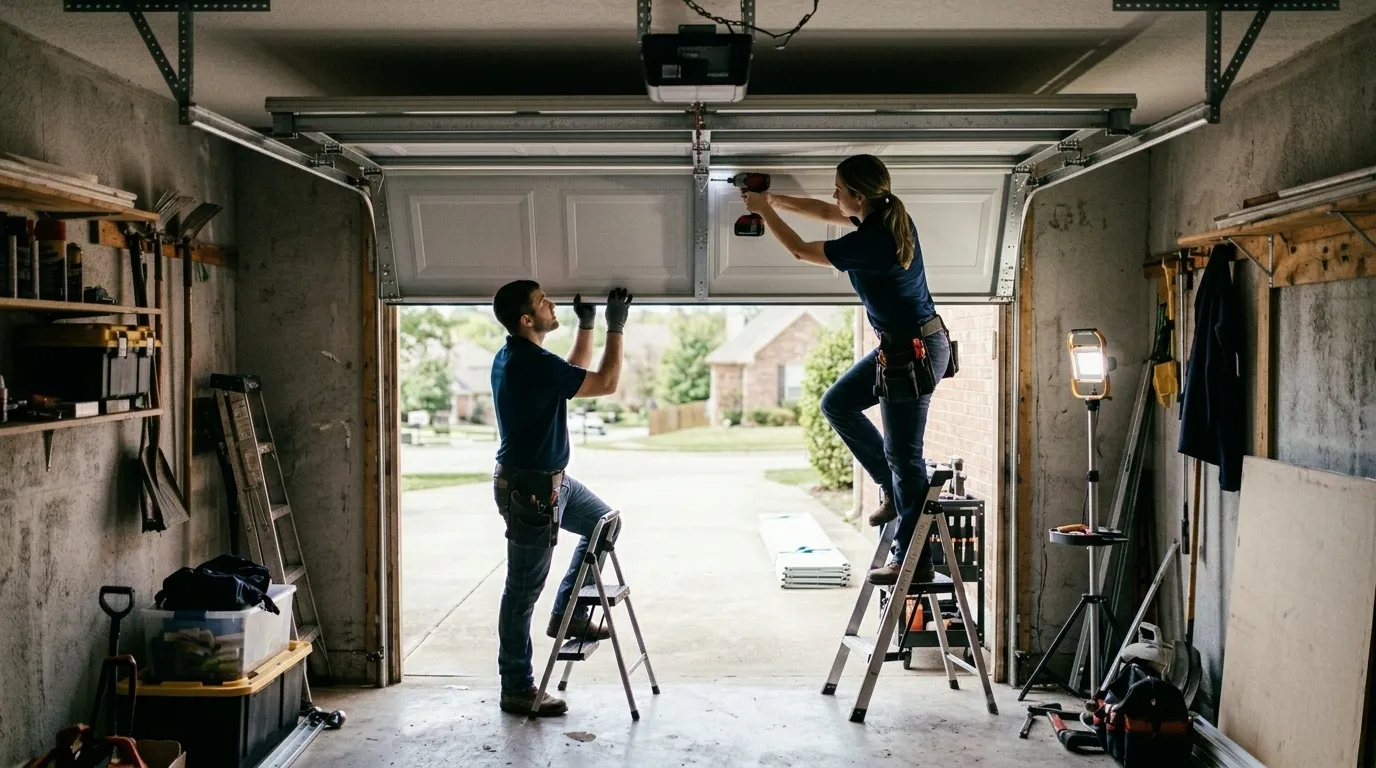
Deerwood's houses mostly went up between 1973 and 2007, with the typical build year landing around 1985. That's a long window, but it puts a lot of these garages in a predictable range for wear. A door installed when the house was built in the mid-1980s is now pushing forty years old, and even if it's had a spring swap or two along the way, the opener behind it is often the second or third one that hardware has seen.
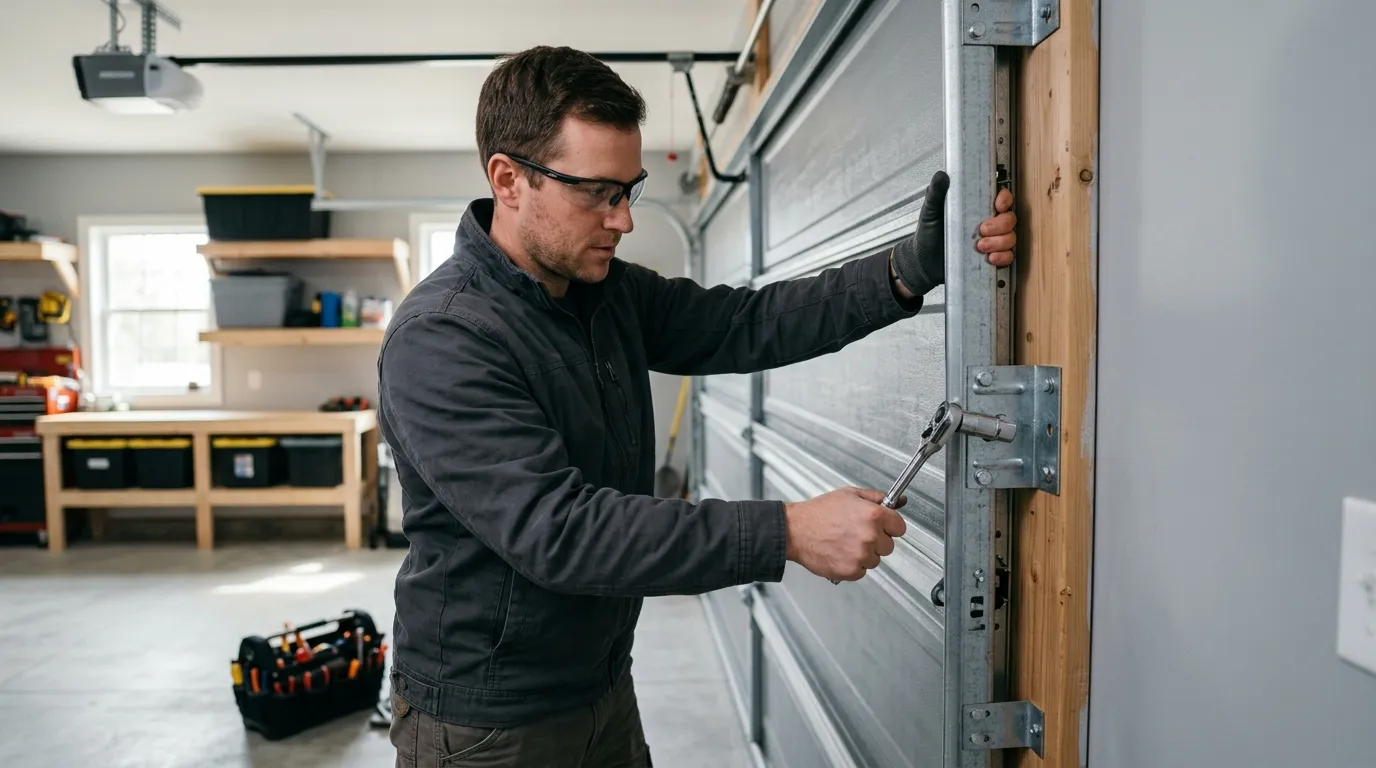
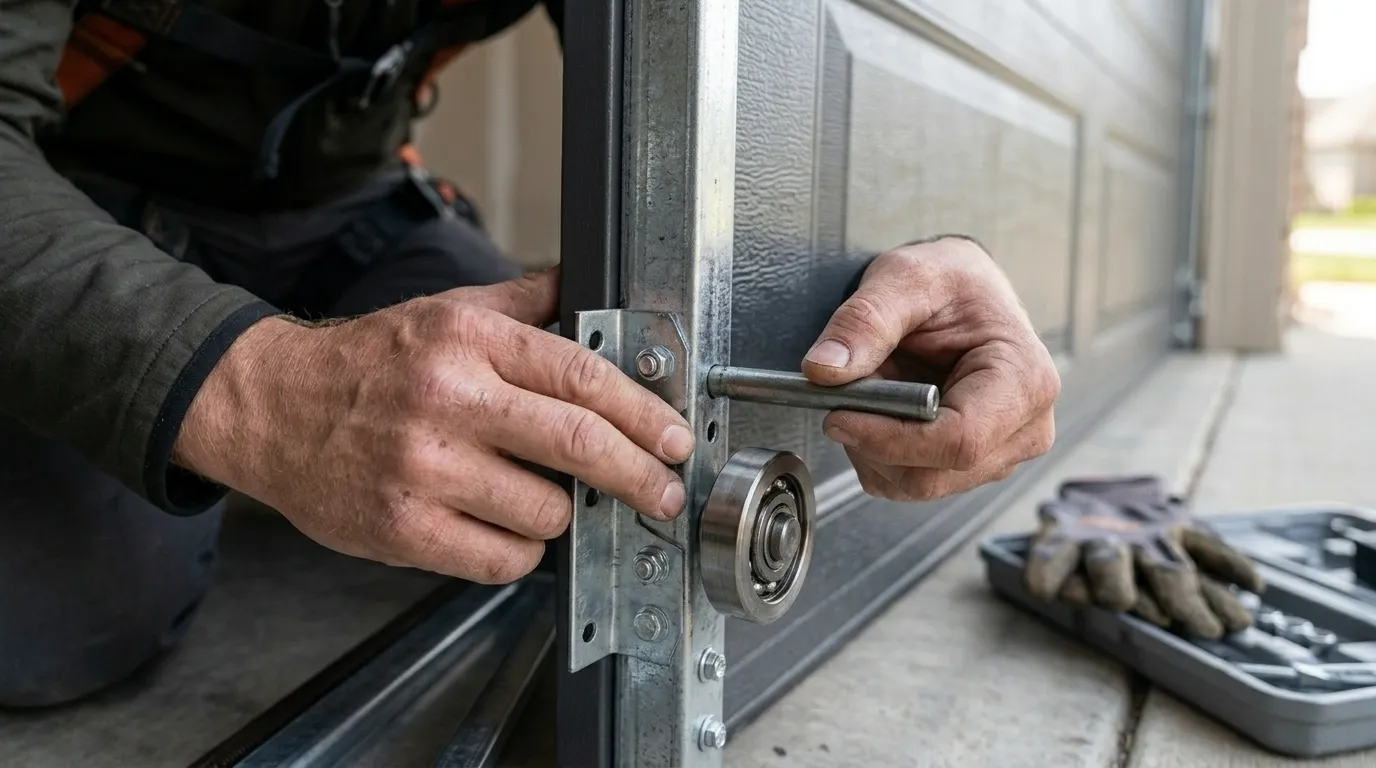
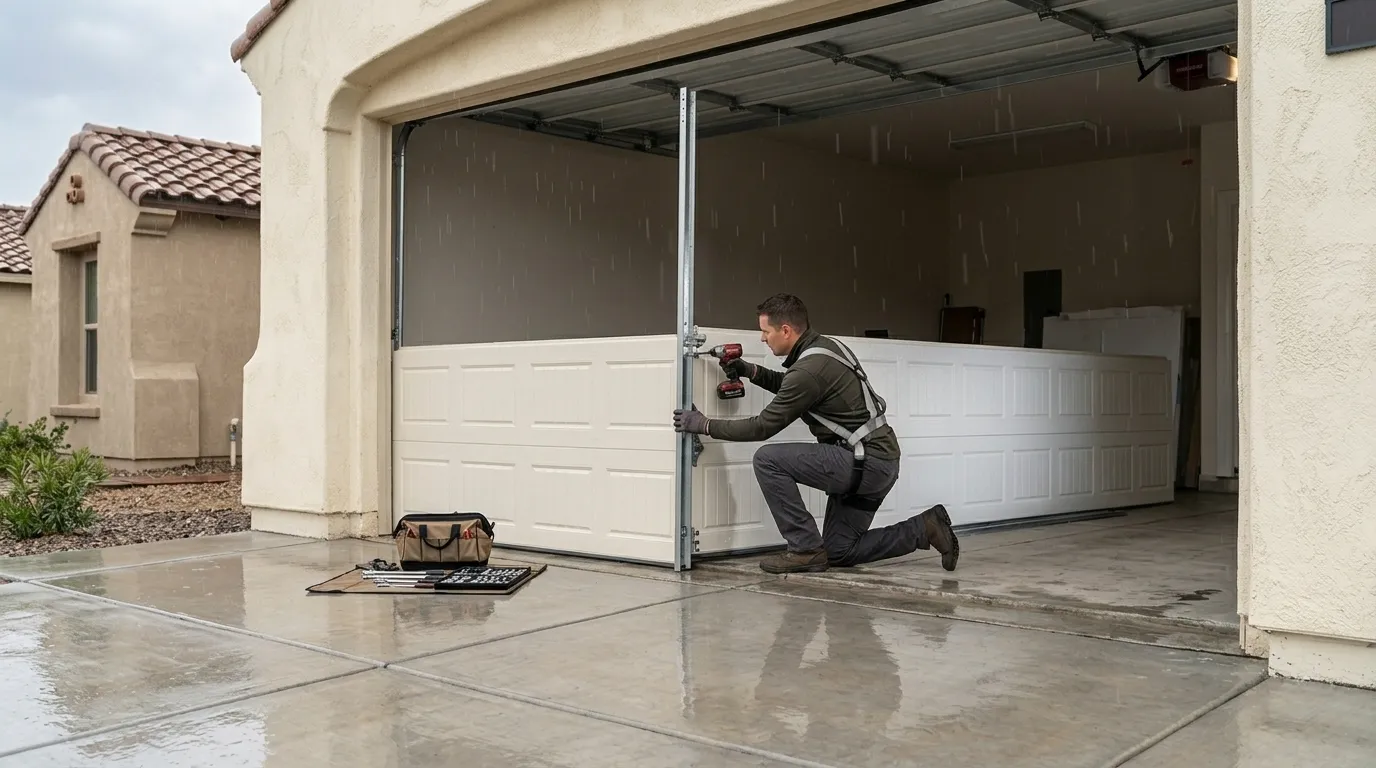
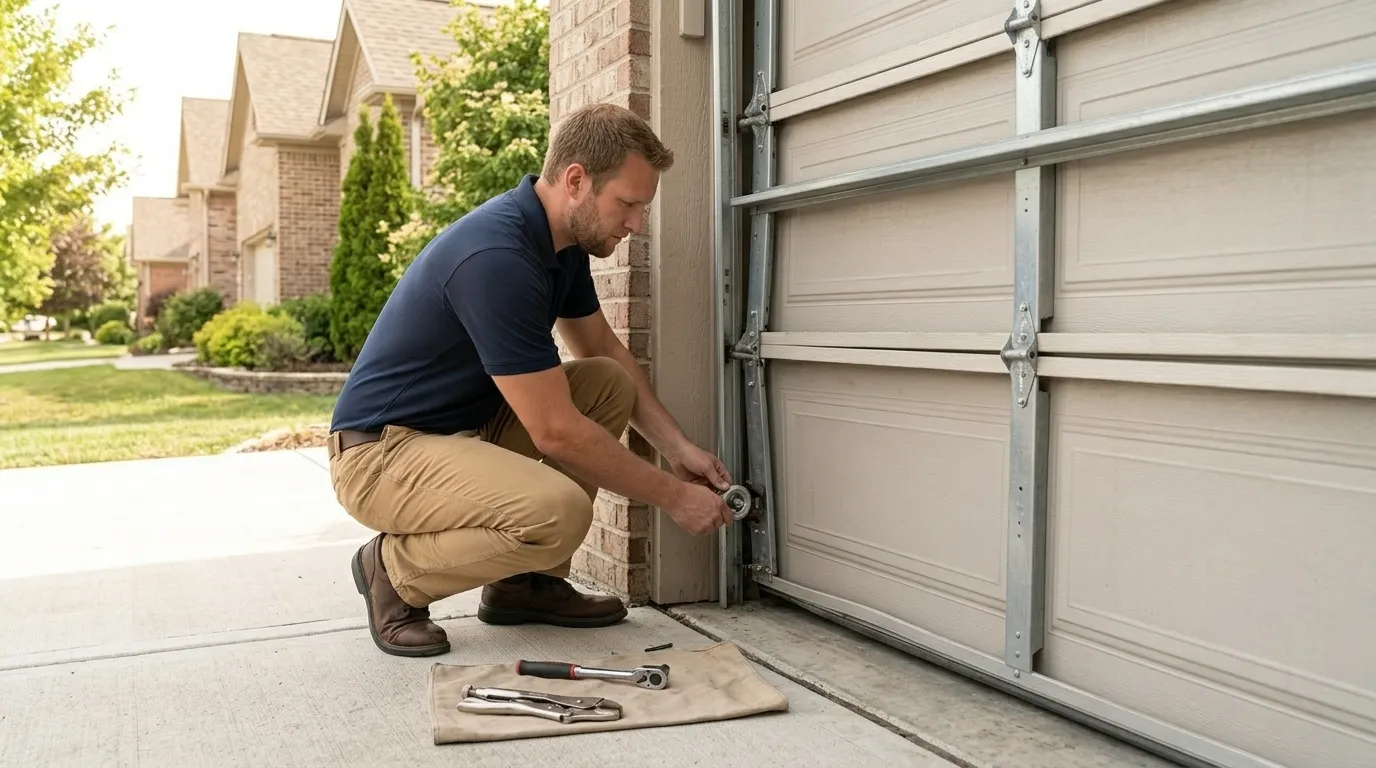
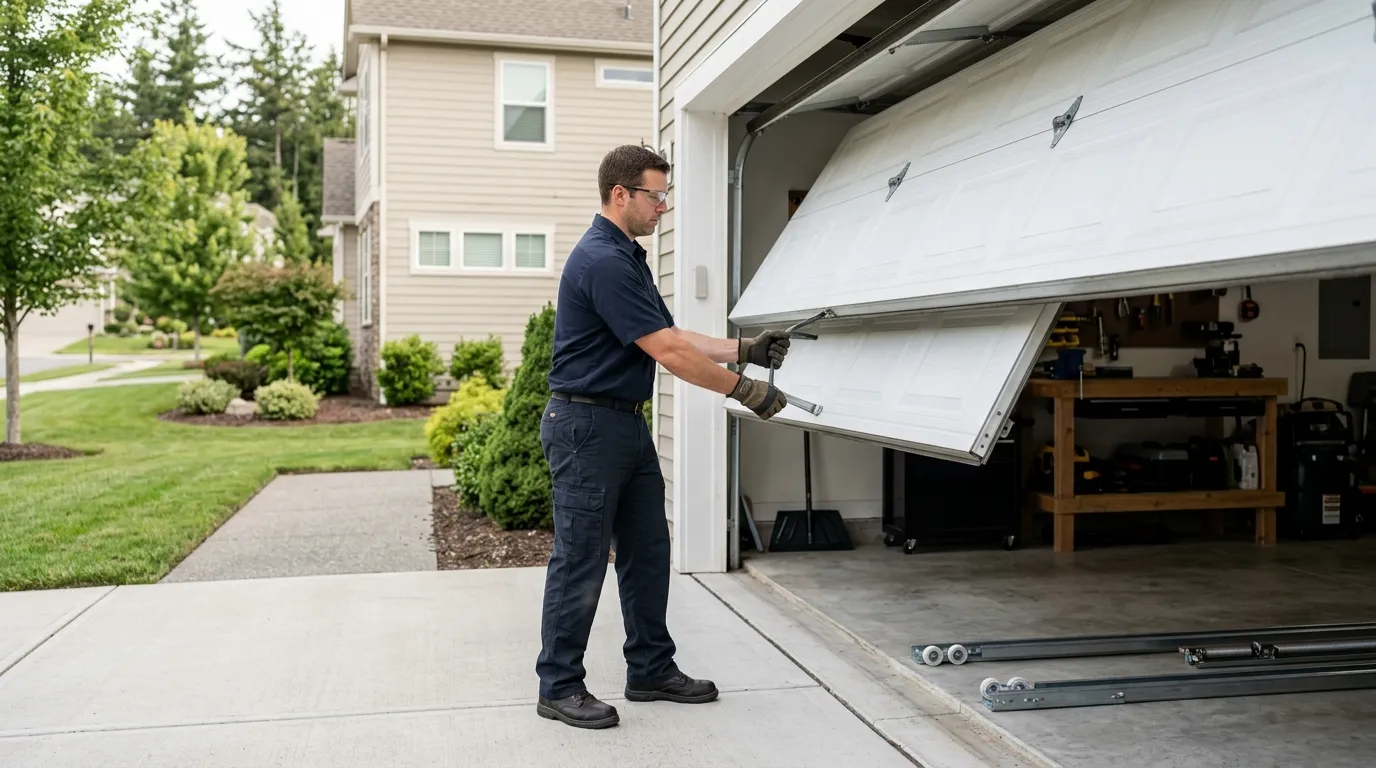
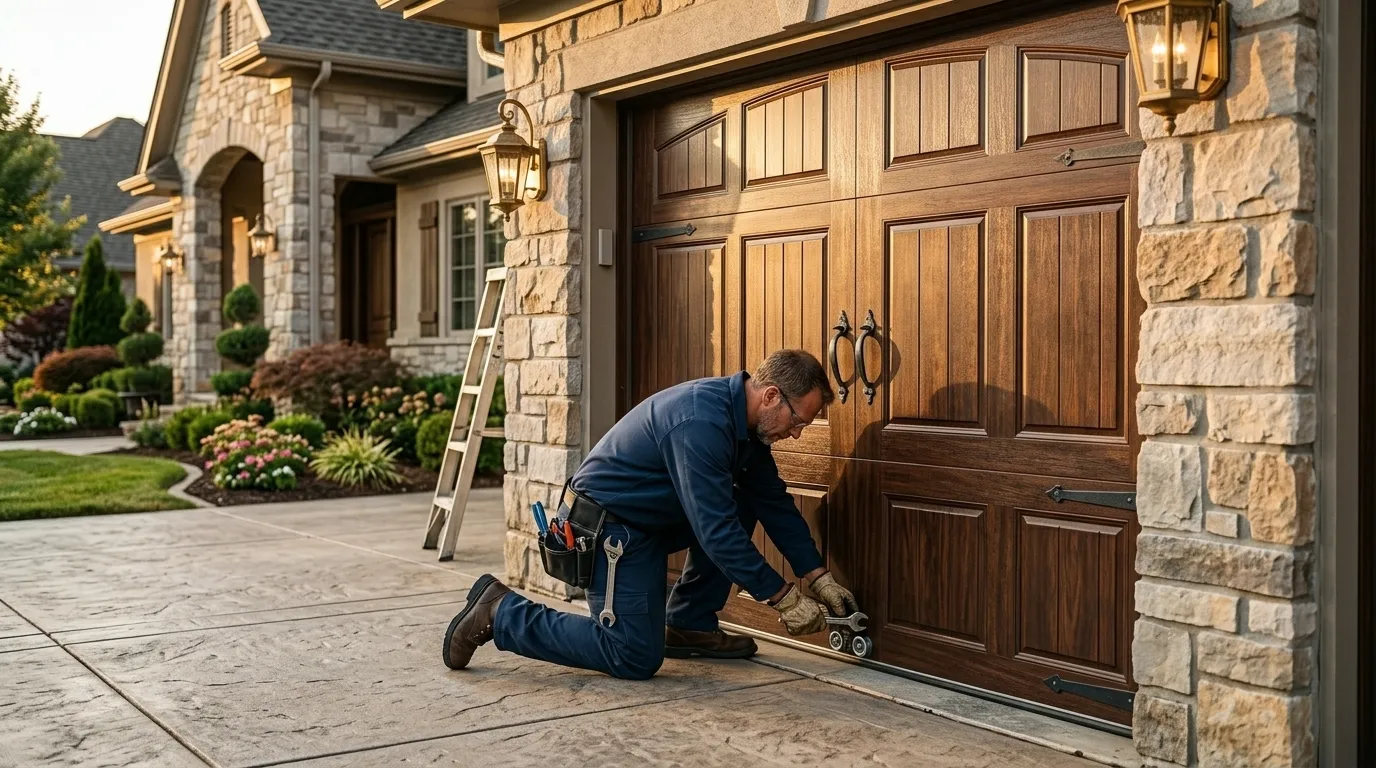
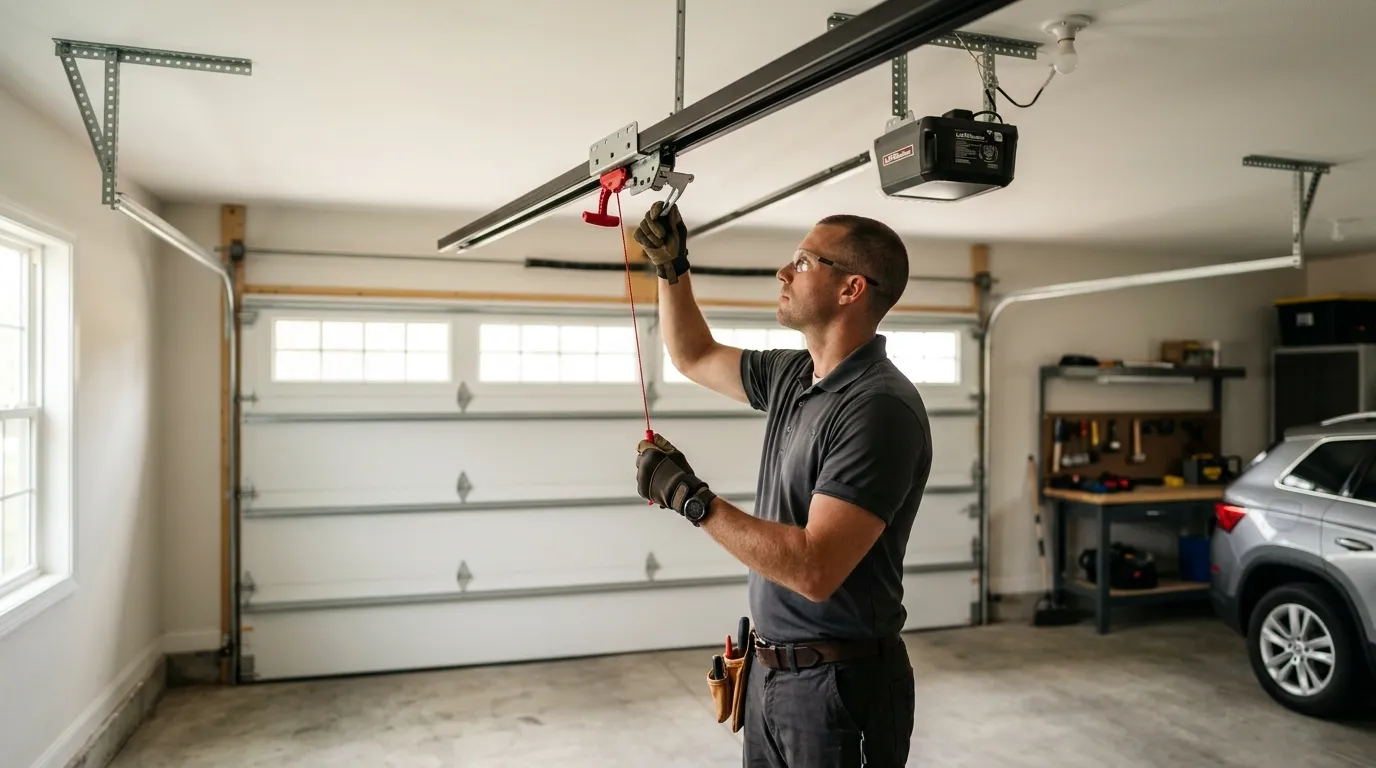
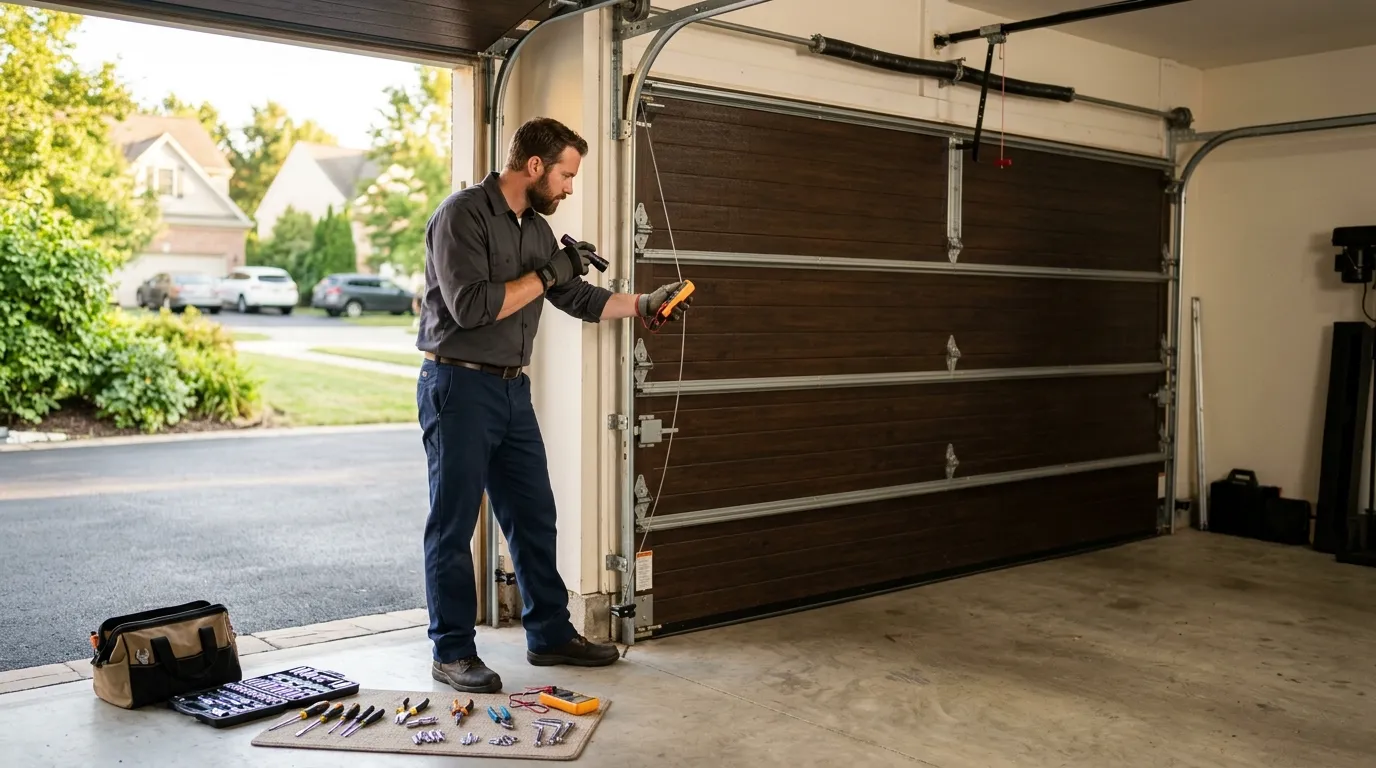
What that means on a service call: steel sectional doors, torsion springs sized for the weight of a single or double door from that era, and openers that range from older chain-drive units with a wall button to newer belt-drive models homeowners added later. We don't guess at what's behind a closed door before we look, but we can tell you the odds shift toward torsion spring failure and worn rollers the older the stock gets, and Deerwood's stock skews toward the older end of that 1973-2007 range rather than the newer end.
One limit worth naming: we don't stock every obsolete panel style. If a door is old enough that the manufacturer no longer makes a matching panel, replacing the whole section can take longer to source than the repair itself, and sometimes a full door swap ends up cheaper than waiting on one part.
Houses on These Streets
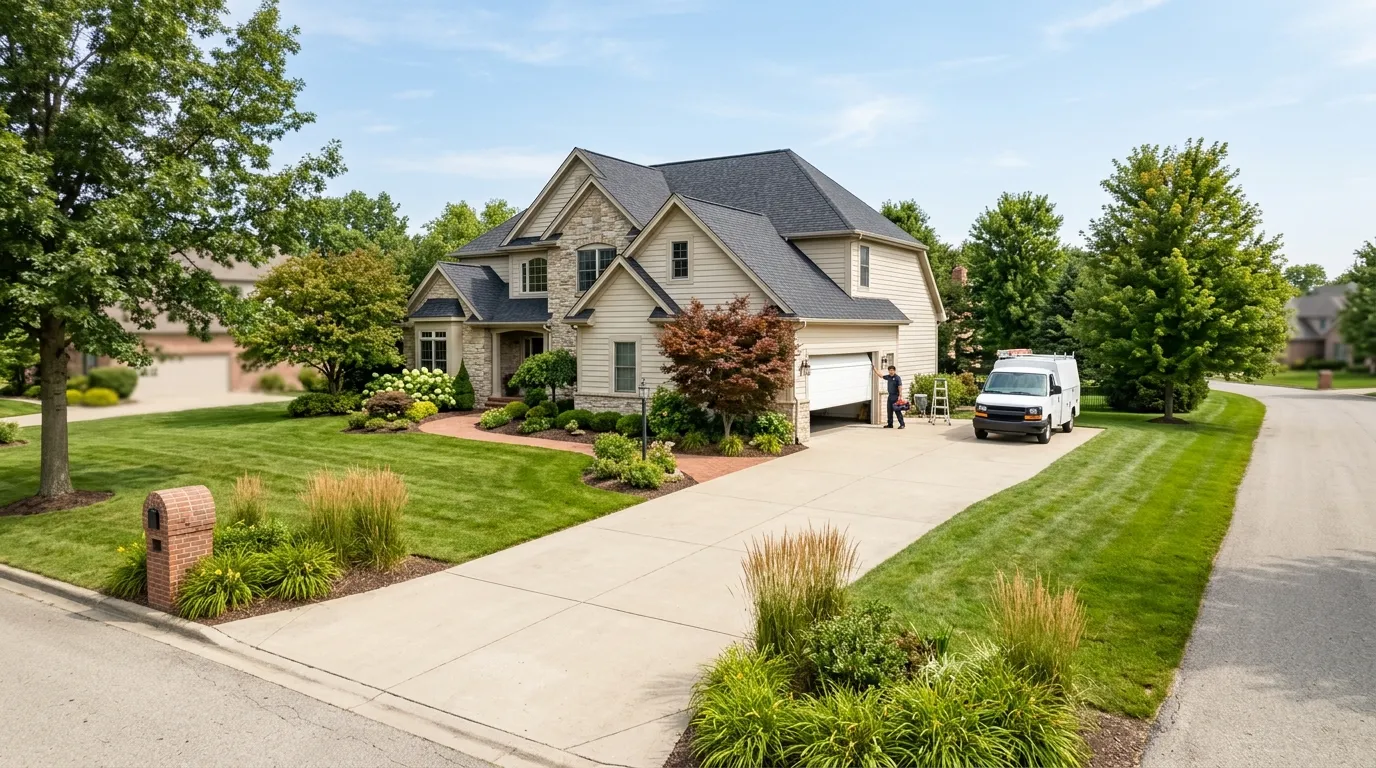
We don't have street-level detail for Deerwood, so we're not going to invent block names or landmarks to make this sound more specific than it is. What we can talk about is the housing type this era of Jacksonville development produced: single-family homes with attached one- or two-car garages, built during a long suburban construction stretch that ran from the early 1970s through the mid-2000s.
Homes from the earlier part of that range - late 1970s and 1980s - more often have side-mounted torsion springs on a single horizontal shaft, the kind of setup where a broken spring means real weight sitting on one bracket instead of two. Homes built later in the range, closer to the 2000s, are more likely to have factory extension springs or updated torsion systems installed at construction.
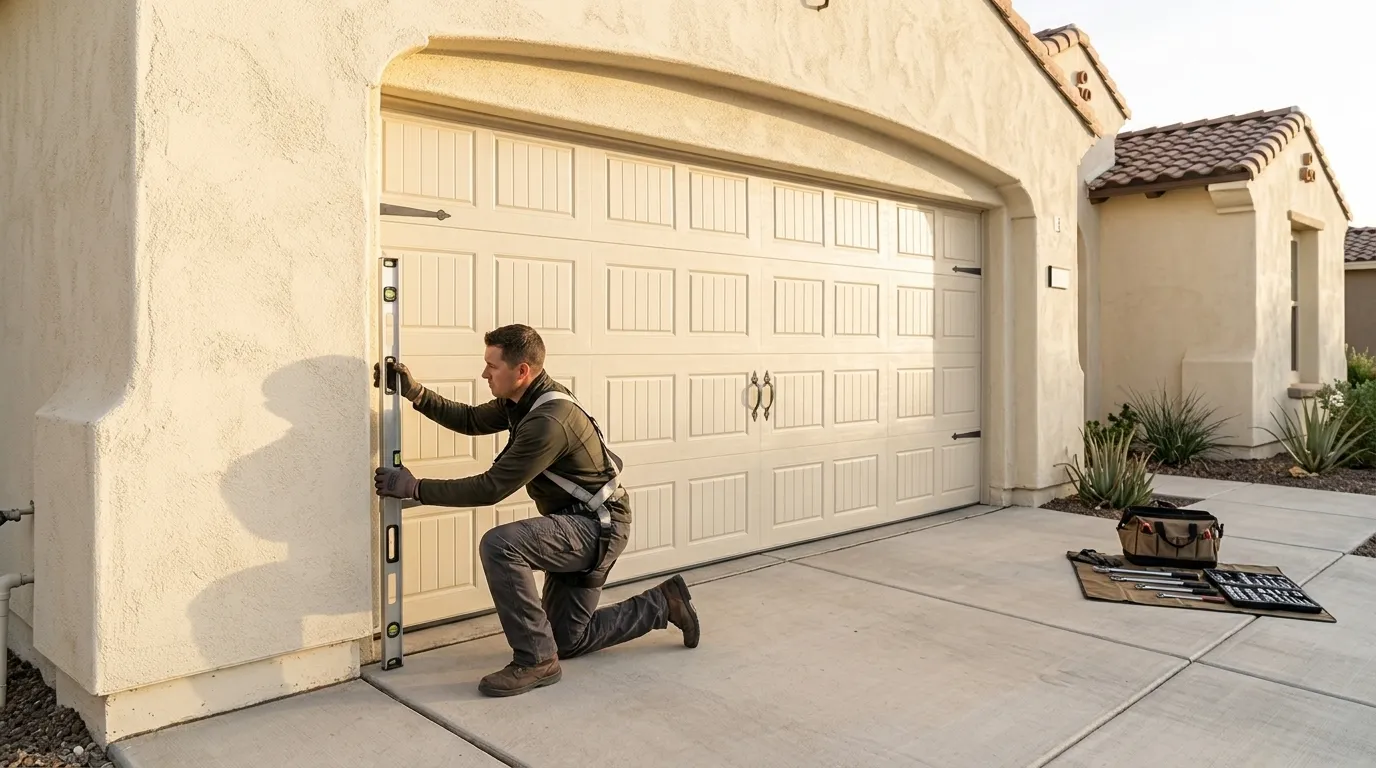
Either way, garage size and door width in this kind of development tend to run standard - single or double doors, not oversized custom openings - so parts availability generally isn't a problem. The bigger factor is just how many decades a given spring or cable has been cycling.
Where This Is
Deerwood sits about ten miles southeast of downtown Jacksonville, inside the mild temperate part of the metro's climate band. That matters more than it sounds like it should: garage door hardware here isn't fighting the freeze-thaw cycles that crack seals and swell wood doors in colder climates, so when a door fails in Deerwood it's usually wear and age, not weather damage.
We work across the broader Jacksonville service area, and Deerwood falls within the same reach as the other neighborhoods and towns we cover. We're not going to list nearby streets or landmarks we don't have on file, but the short version is: it's a southeast pocket of the city, built out over a few decades of suburban growth, and it's inside our normal service area.