What Is on These Garages
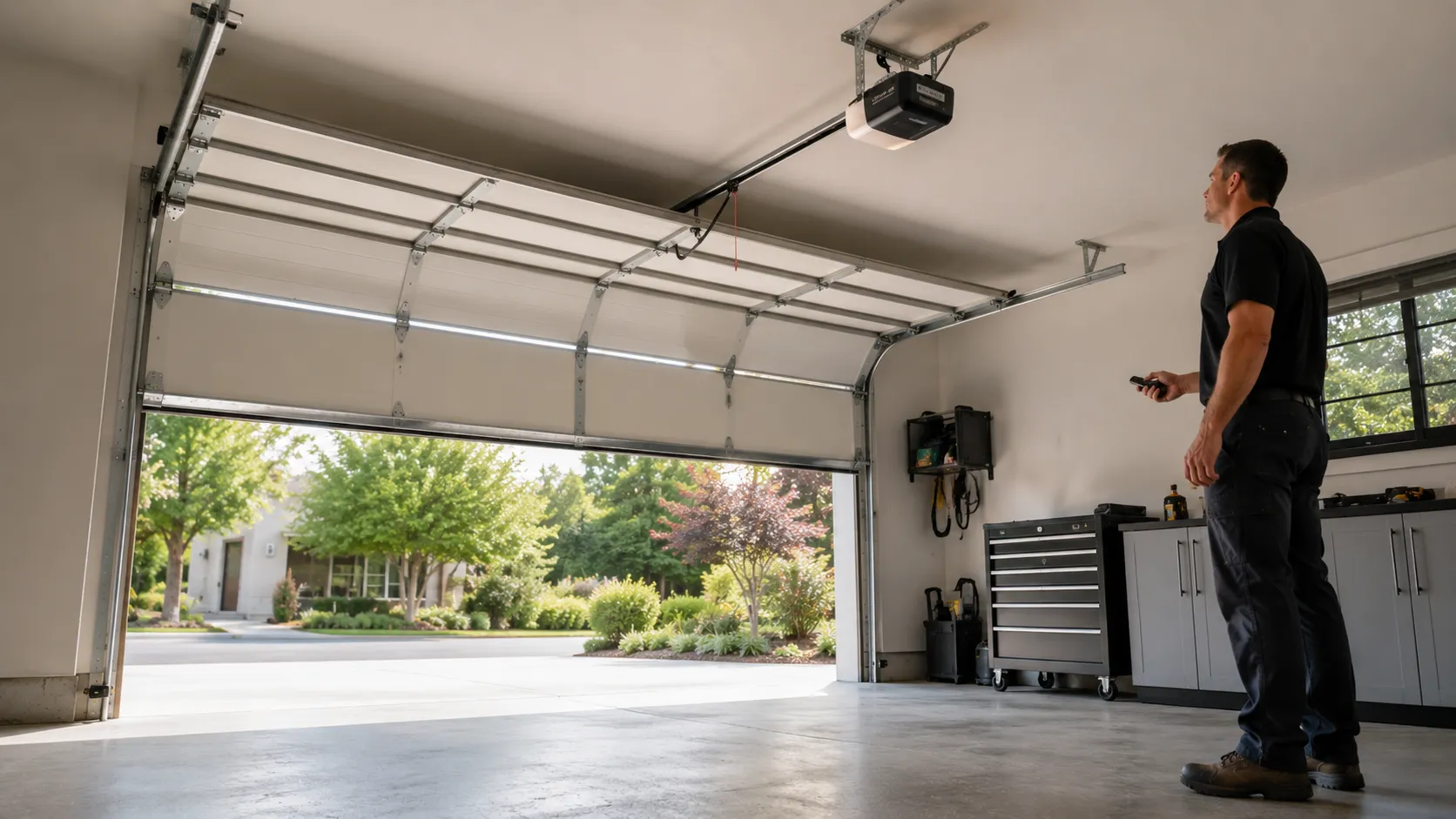
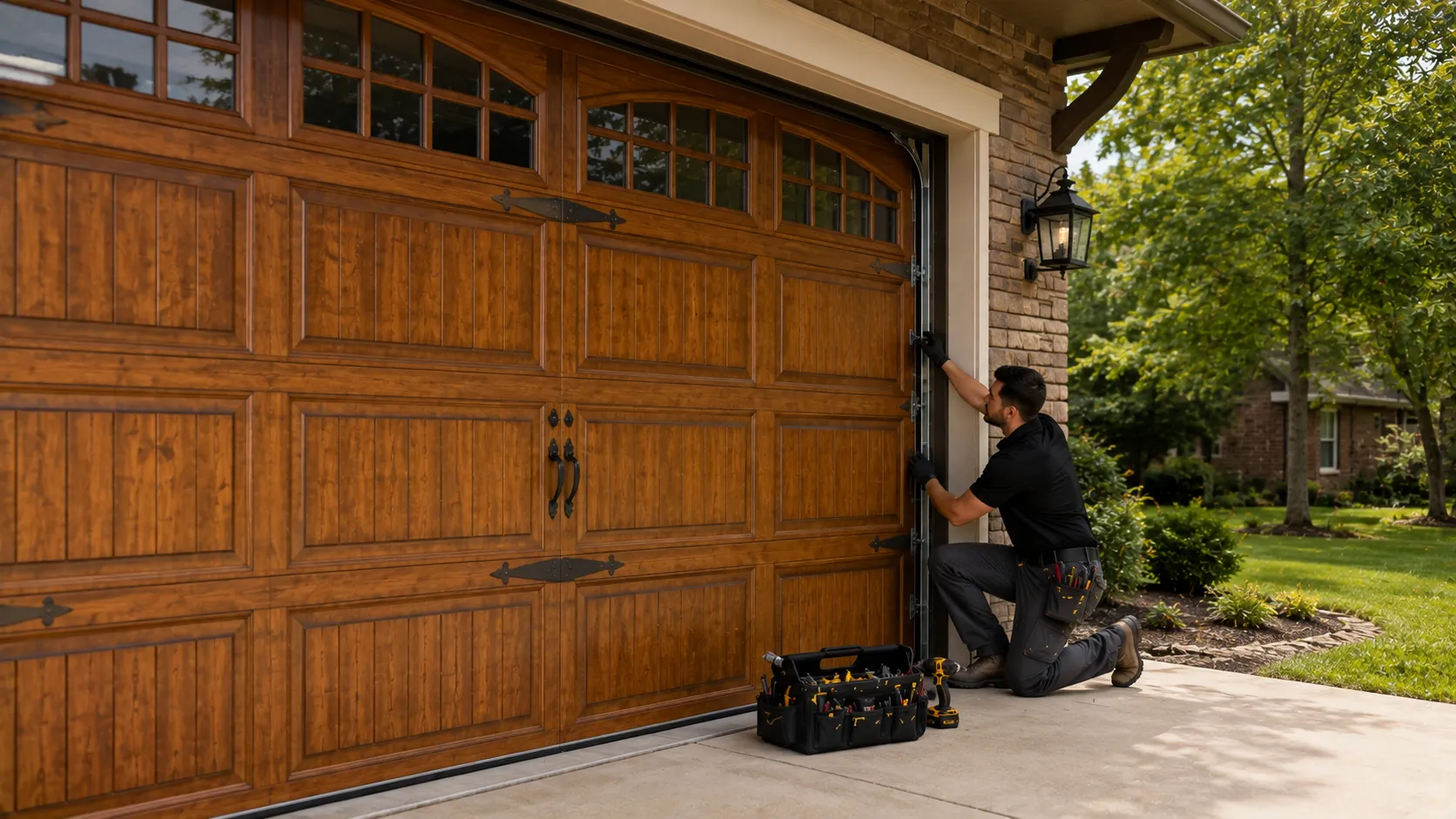
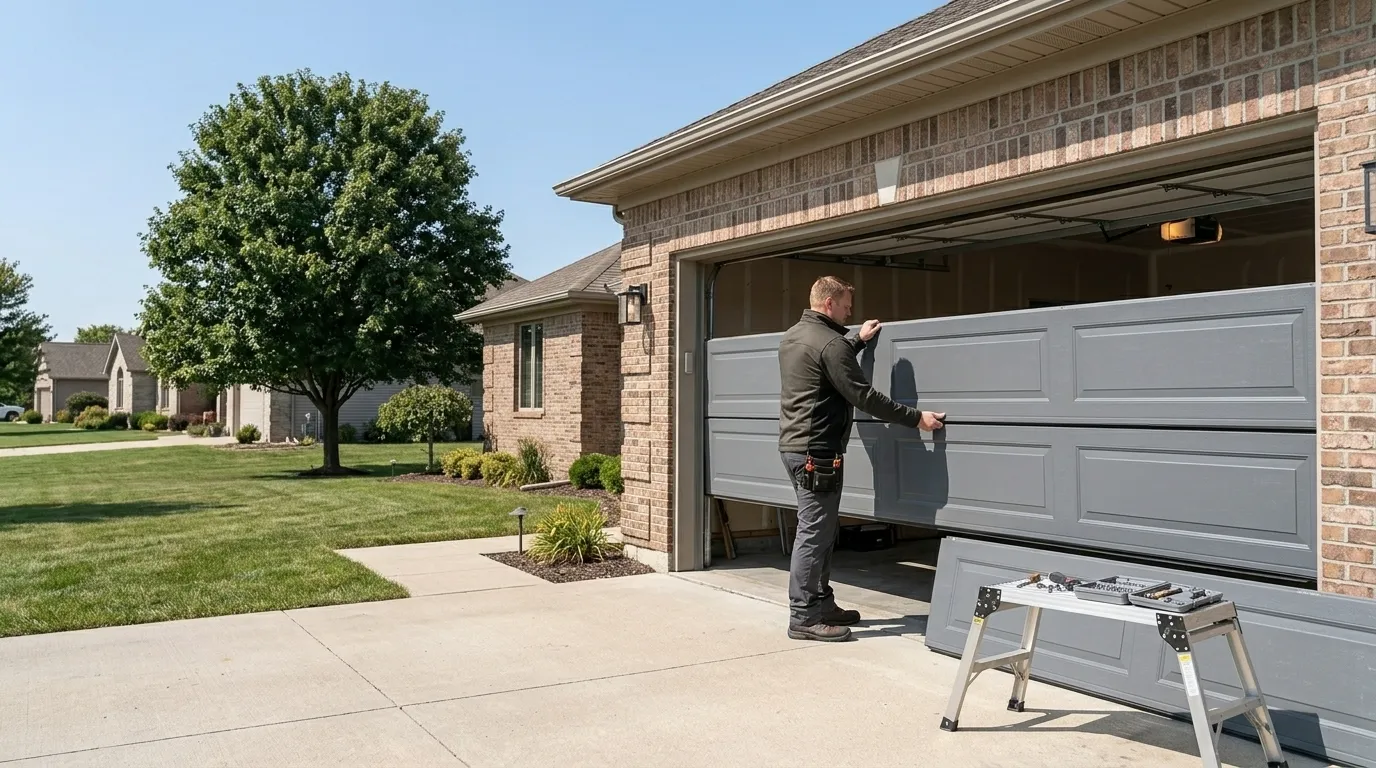
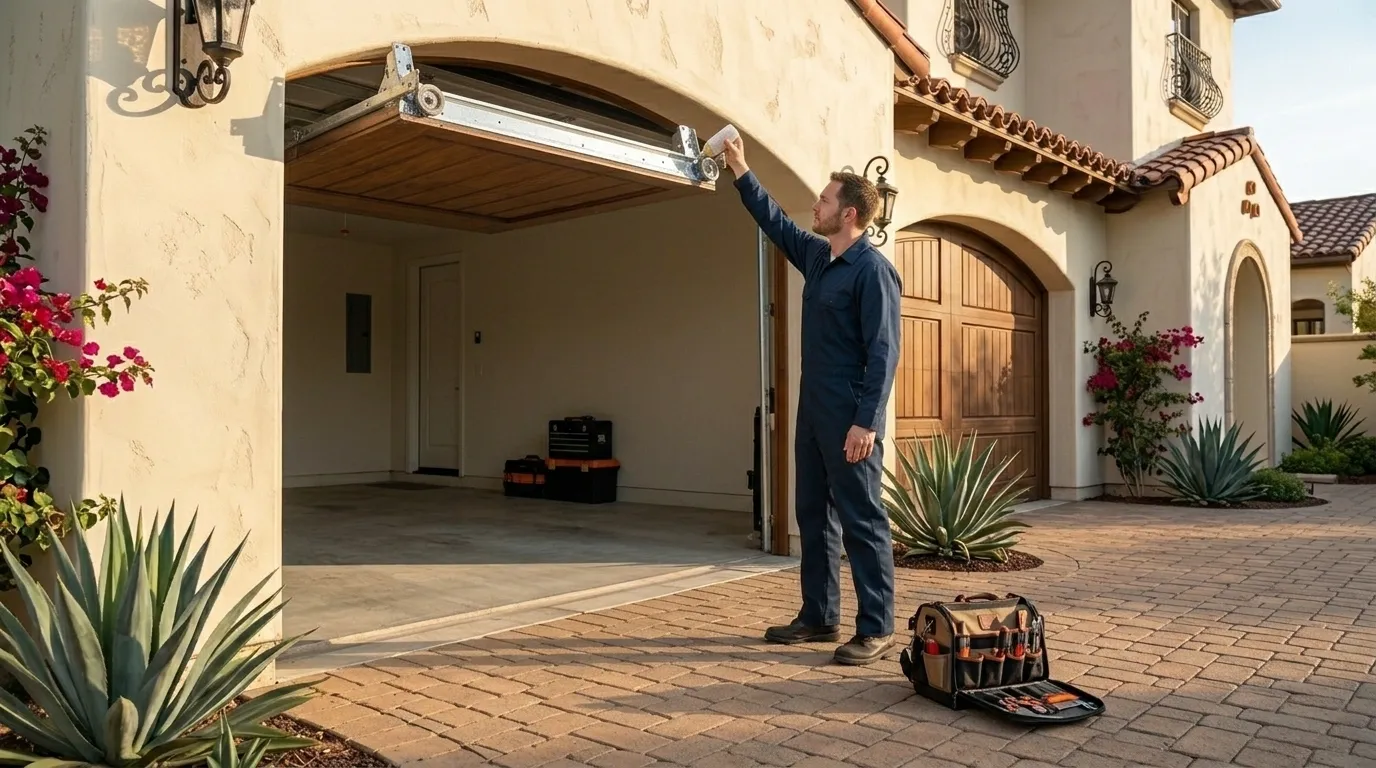
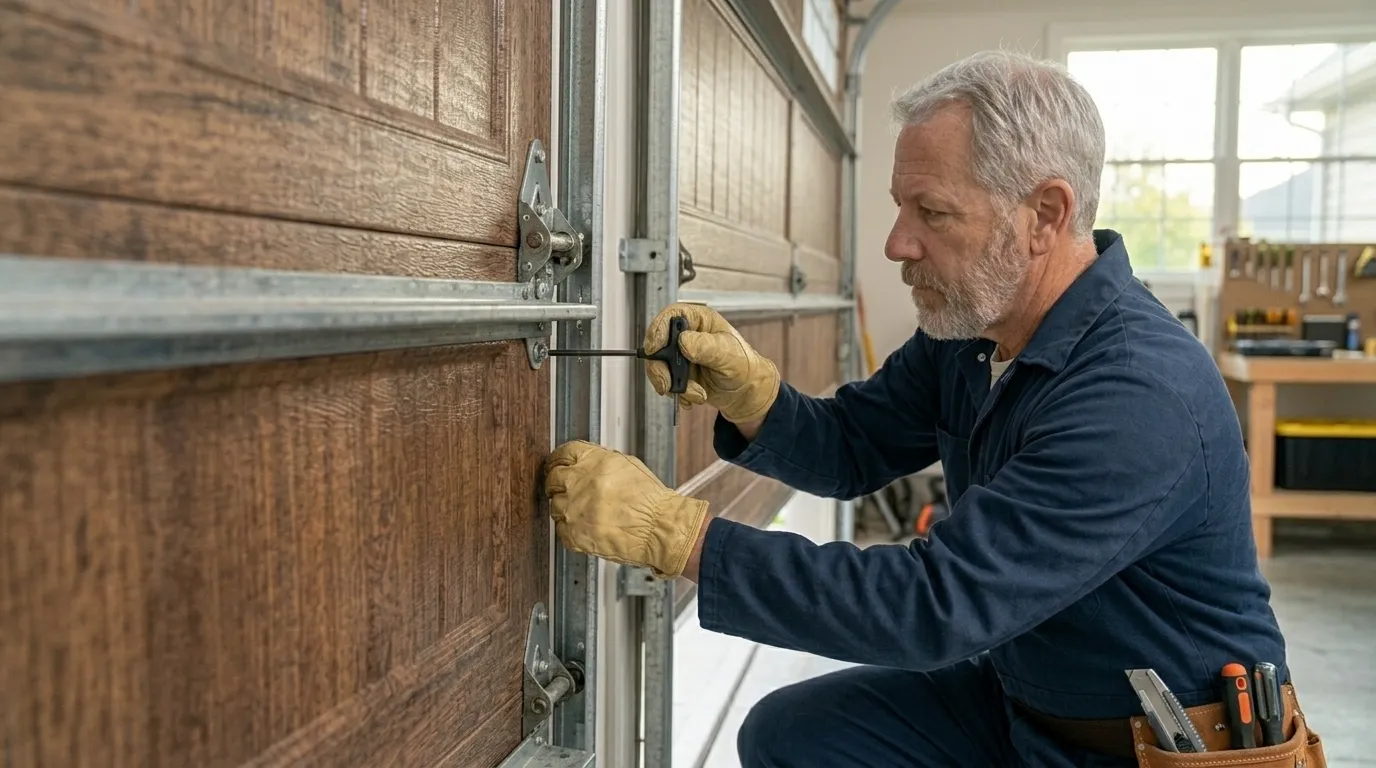
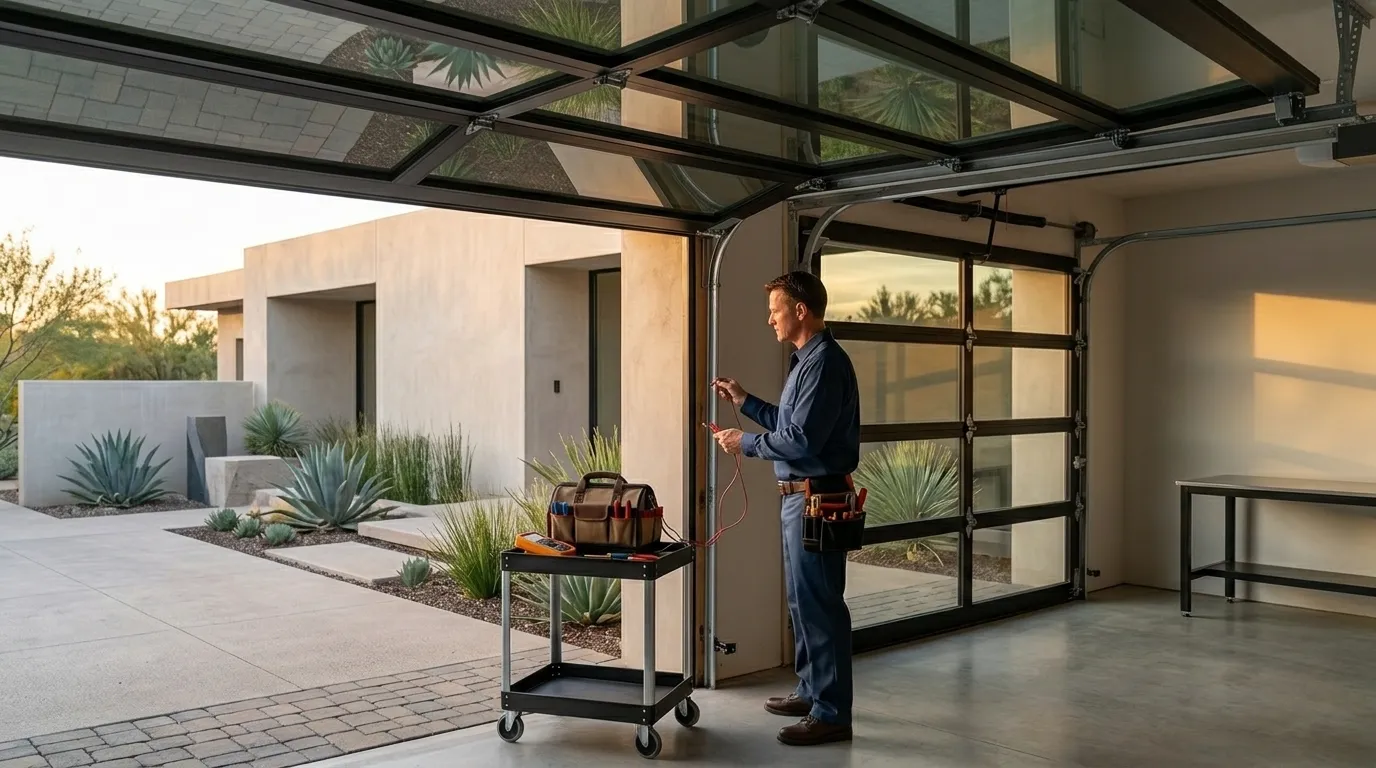
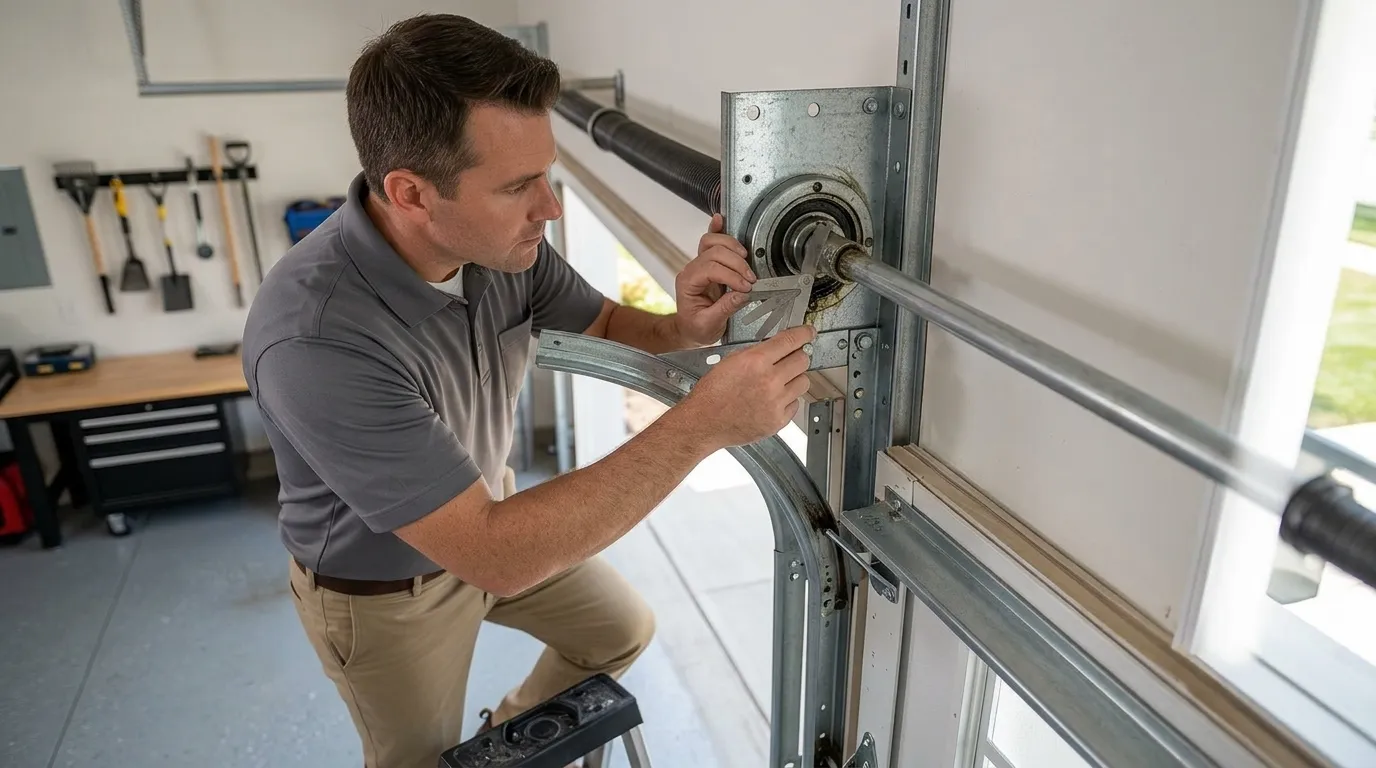
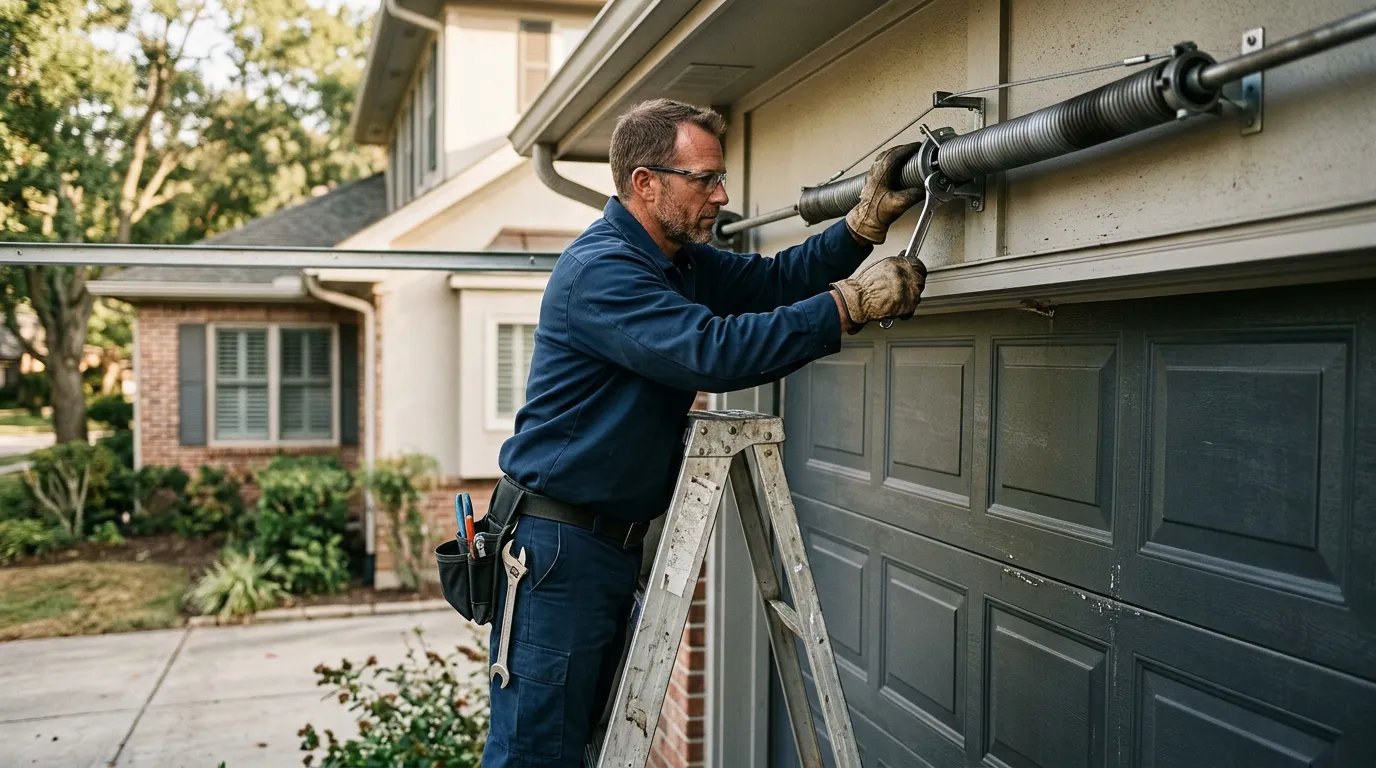
Craven sits inside a stretch of Jacksonville where the housing stock mostly went up between 1973 and 2007, with the median build year landing around 1985. That puts most garages here on steel sectional doors from a handful of manufacturing generations - not the original one-piece slab doors you'd find in an older part of town, but not new insulated models either. Torsion springs on a center bracket are the norm rather than the older side-mounted extension setup, which matters when a spring lets go and you're pricing parts.
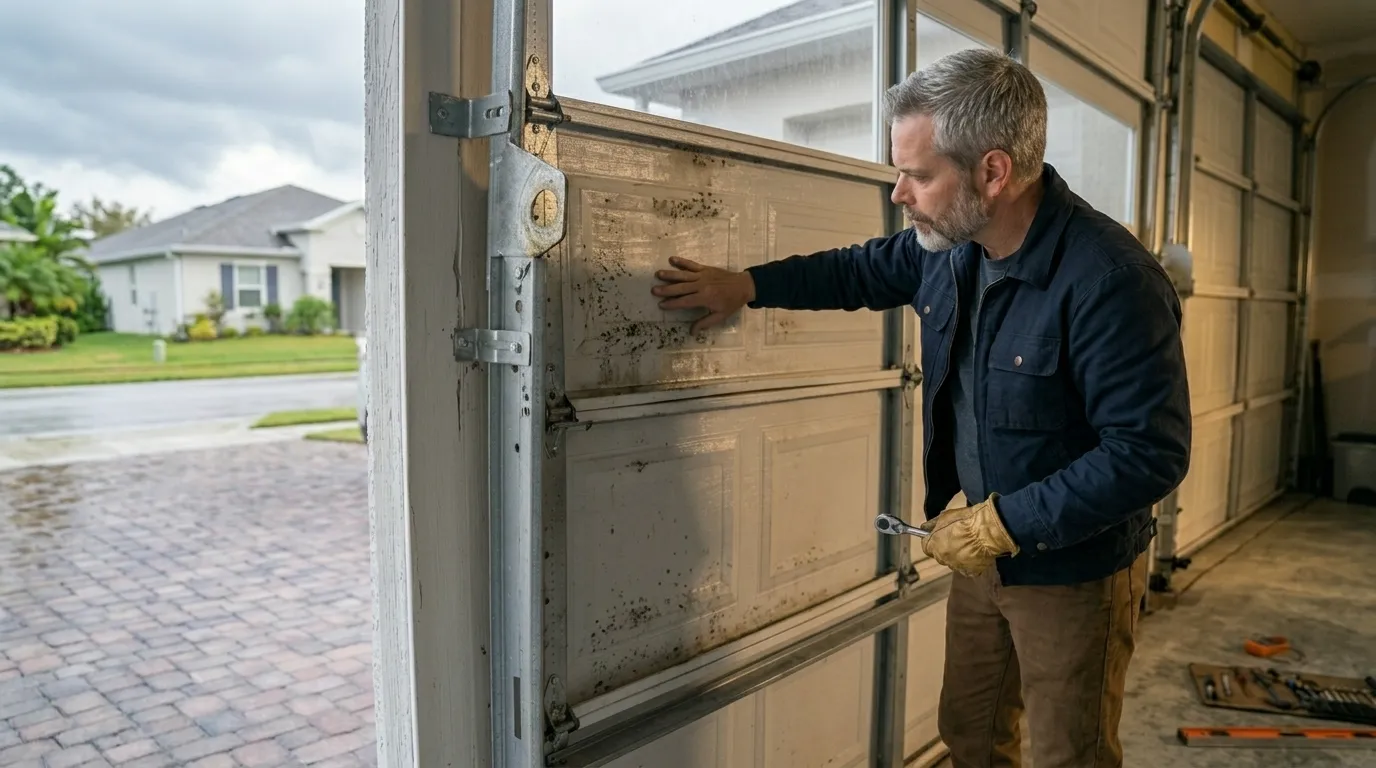
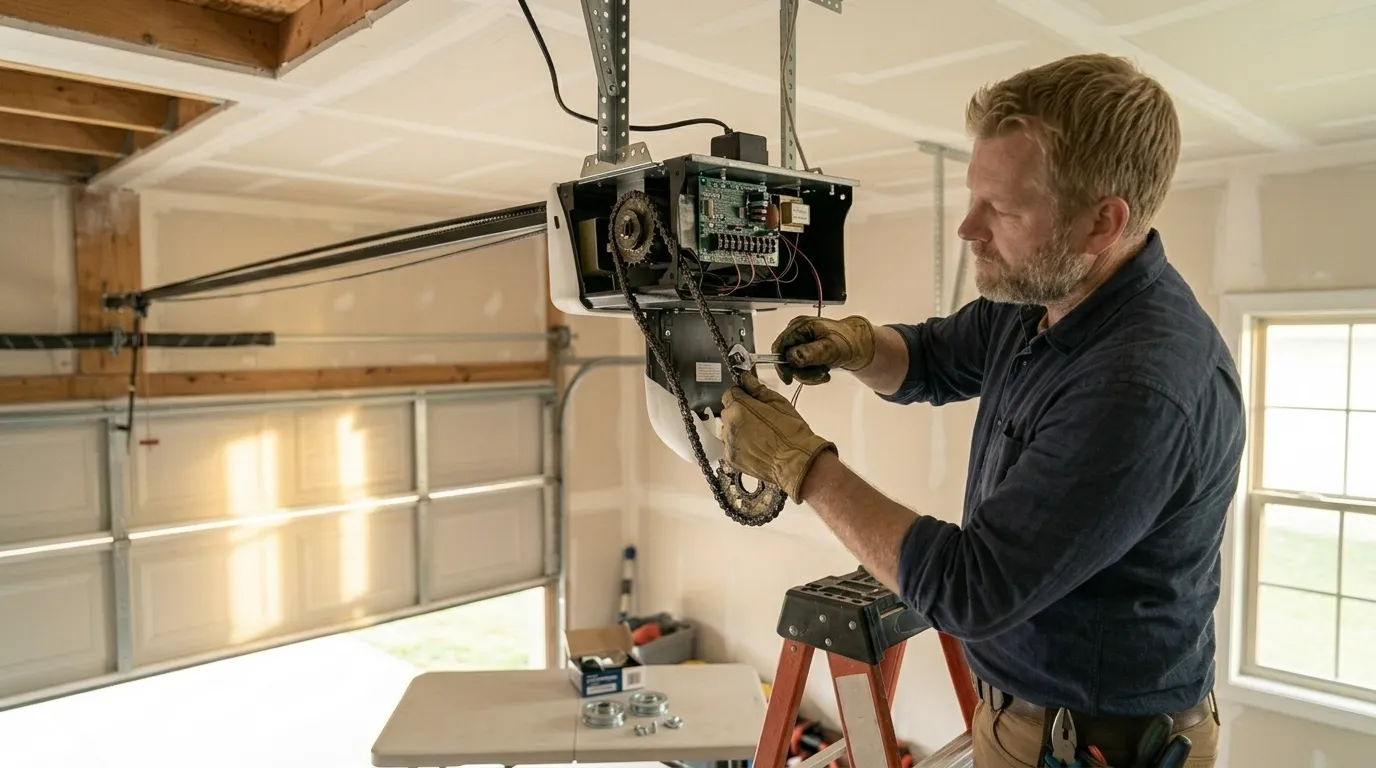
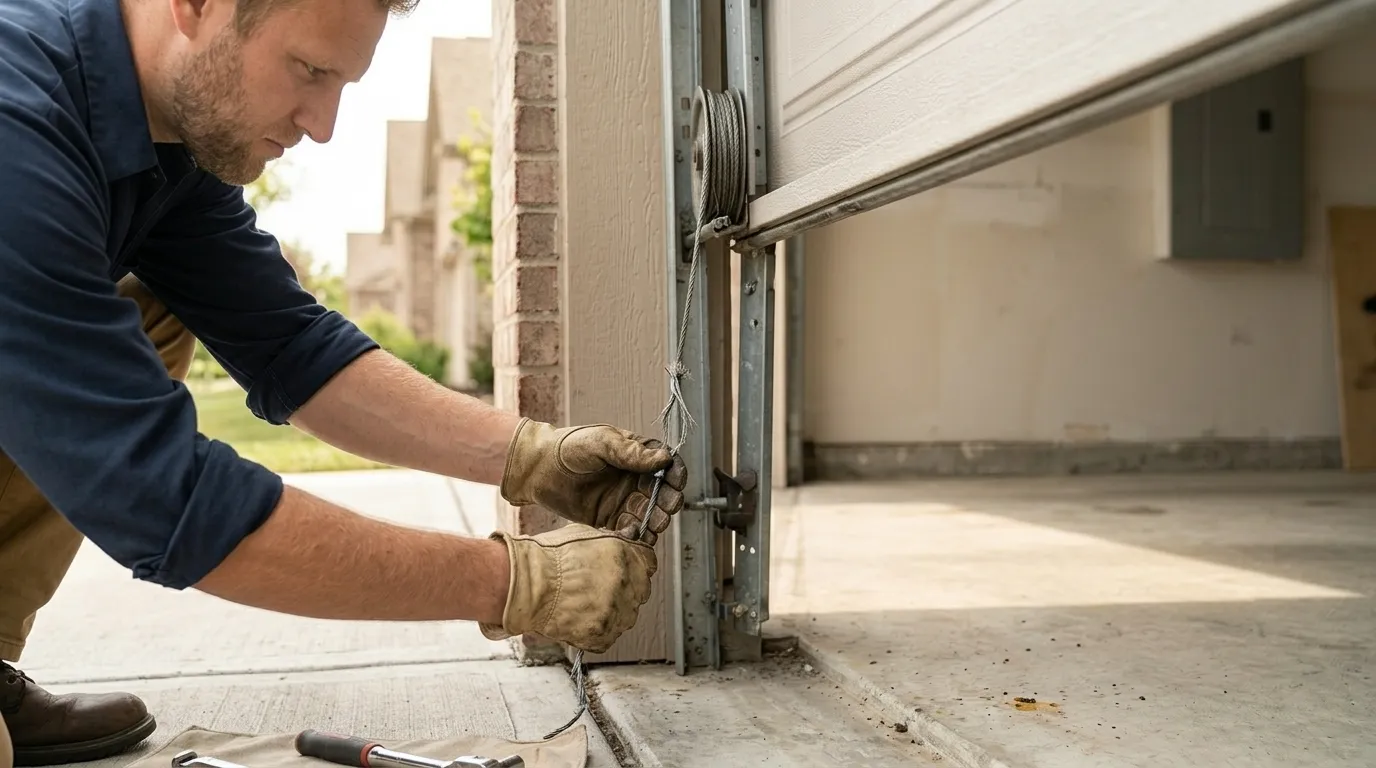
Jacksonville's climate band is mild temperate, so the failures we see on these doors are mostly wear failures - a spring that's done its 10,000 cycles, a roller that's worn its groove, an opener drive gear that's stripped - rather than doors warped from freeze-thaw or baked brittle by extreme heat swings. That's a small mercy. It means when a door on a house like this fails, it's usually one part, not the whole assembly.
We don't carry parts for every opener brand sold in that 34-year build window, and some of the older chain-drive units from the early end of that range use gears nobody stocks anymore. If that's what's on your garage, we'll tell you straight whether it's worth chasing the part or just swapping the head unit.
Houses on These Streets
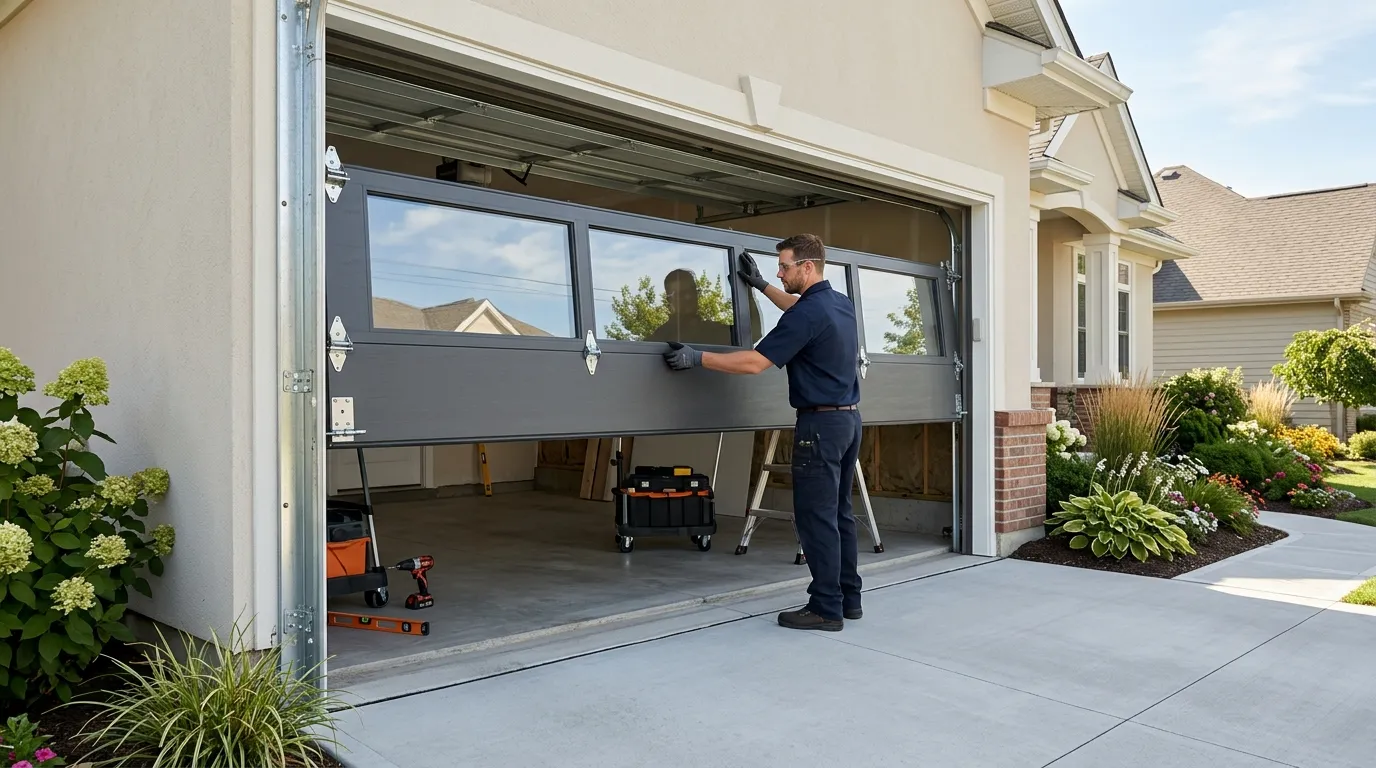
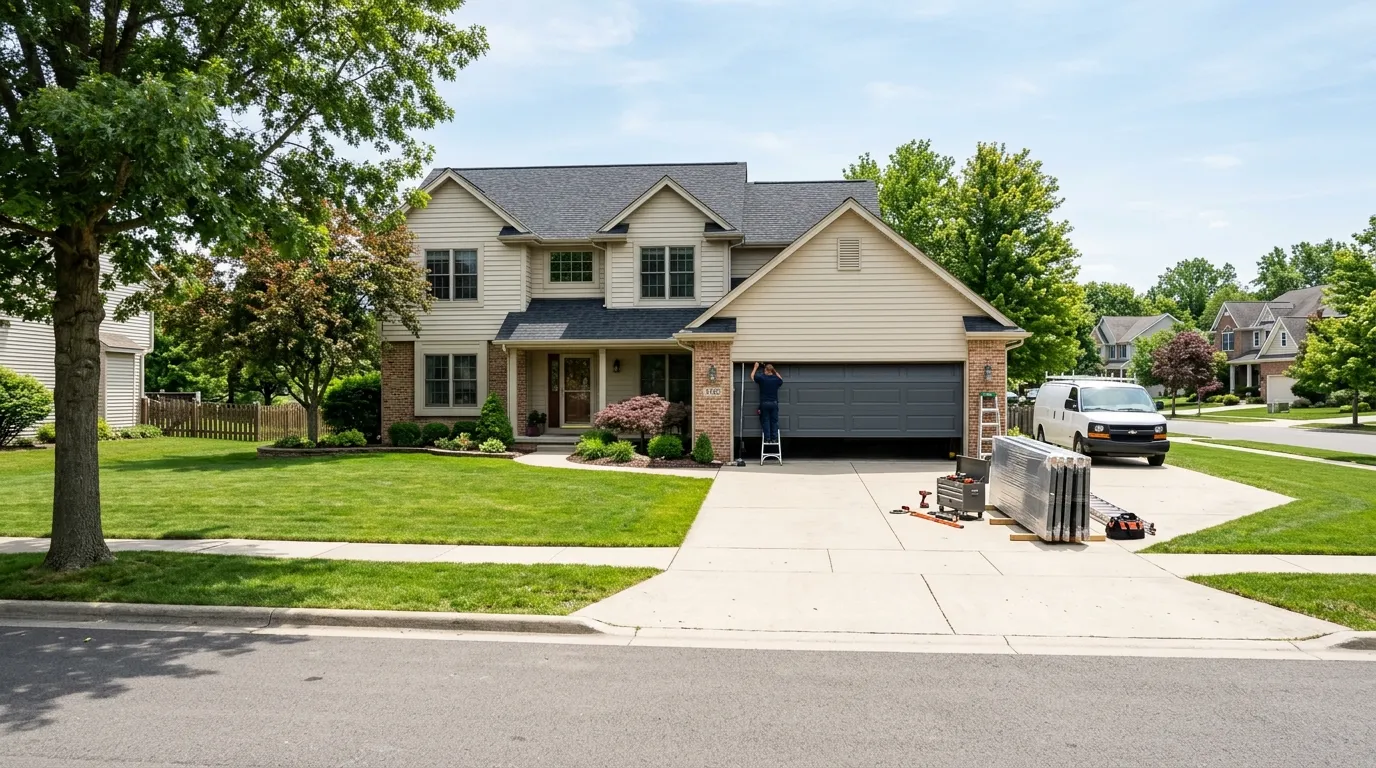
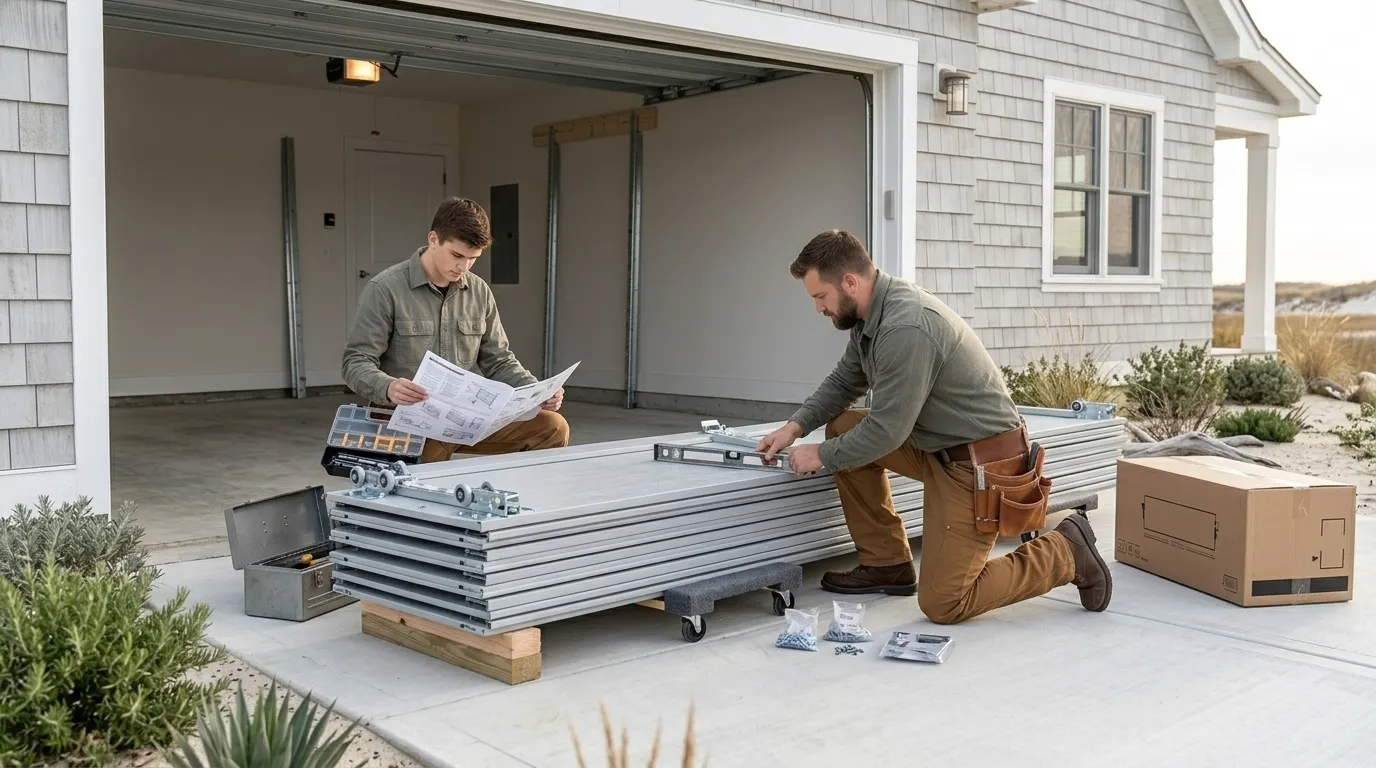
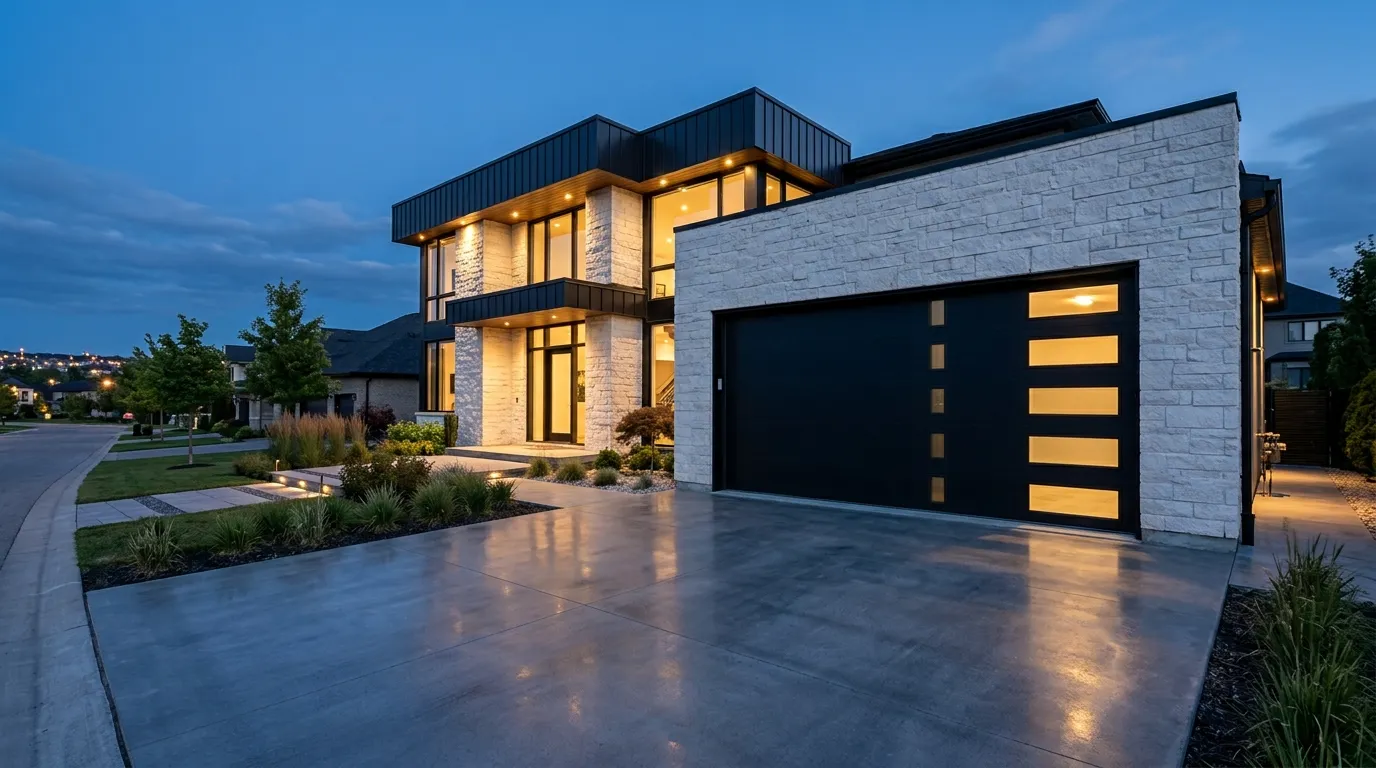
The homes built across this era in Jacksonville lean toward attached garages, single or double bay, usually facing the street rather than set back or side-loaded. With a median household income of $103,288 across the wider service area, a fair number of these garages have been upgraded at some point - a heavier door, a quieter belt-drive opener, added insulation - rather than left as they came from the builder.
That mix is what makes a neighborhood job different from a citywide one. You get original builder-grade steel doors sitting next to somebody's mid-2000s upgrade three doors down, and the fix on one tells you almost nothing about the fix on the other. We look at what's actually on the track, not what decade the house says it should have.
Across the broader service area there are 86,151 households and 48,862 owner-occupied houses, most from that same 1980s-to-90s wave of construction. Craven's stock fits that pattern closely enough that when we quote a repair here, we're drawing on a lot of very similar jobs, not guessing.
Where This Is
Craven sits roughly 10 miles SSE of the Jacksonville city center - closer in than outlying communities like Orange Park, Nassau Village-Ratliff, or Fleming Island, which run 12 to 17 miles out from that same center point. It's a straightforward run for us, not one of the far edges of the coverage area.
We don't have street-level detail to hand out for Craven specifically - no cross streets, no landmark to point to - so we're not going to invent one just to sound local. What we do know is the housing era and the service area numbers, and that's enough to tell you what kind of door and opener you're likely dealing with before we ever pull up.