What the Fix Involves
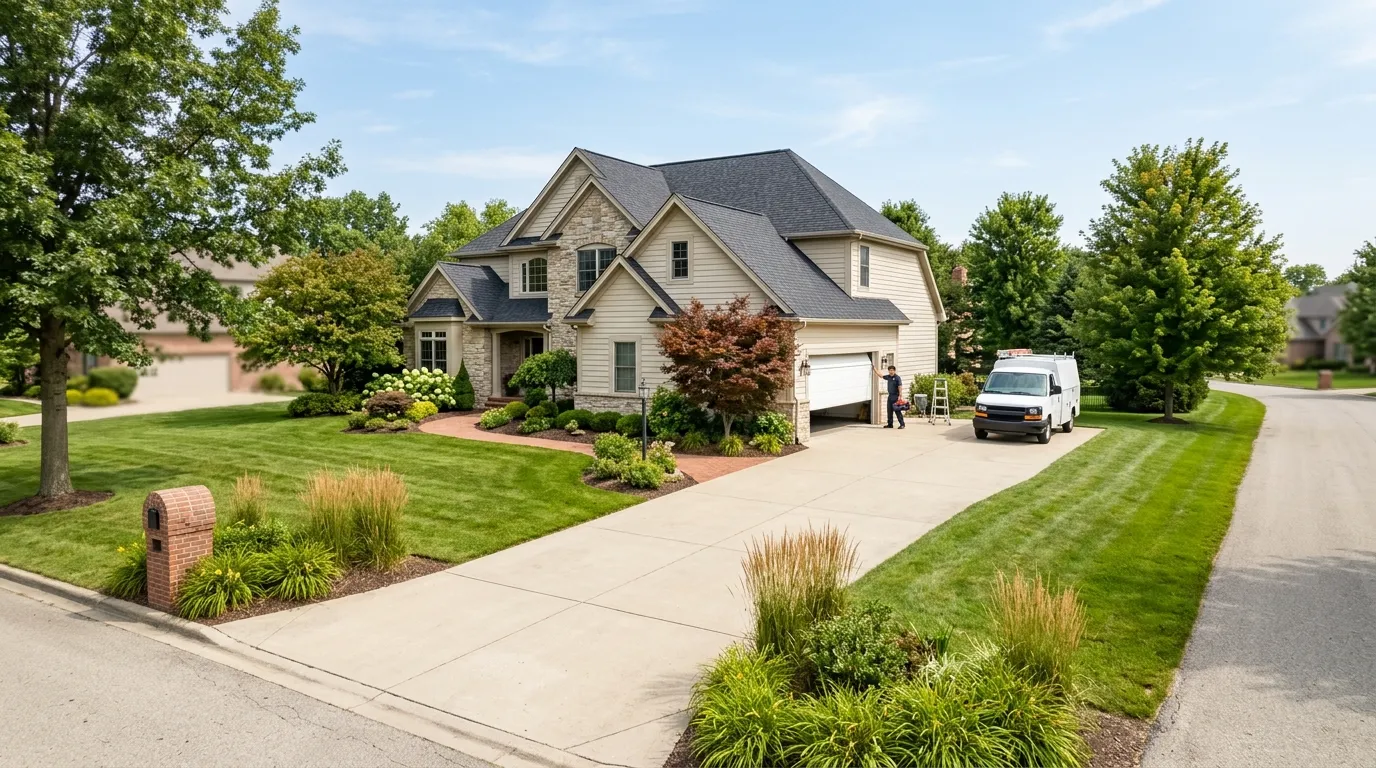
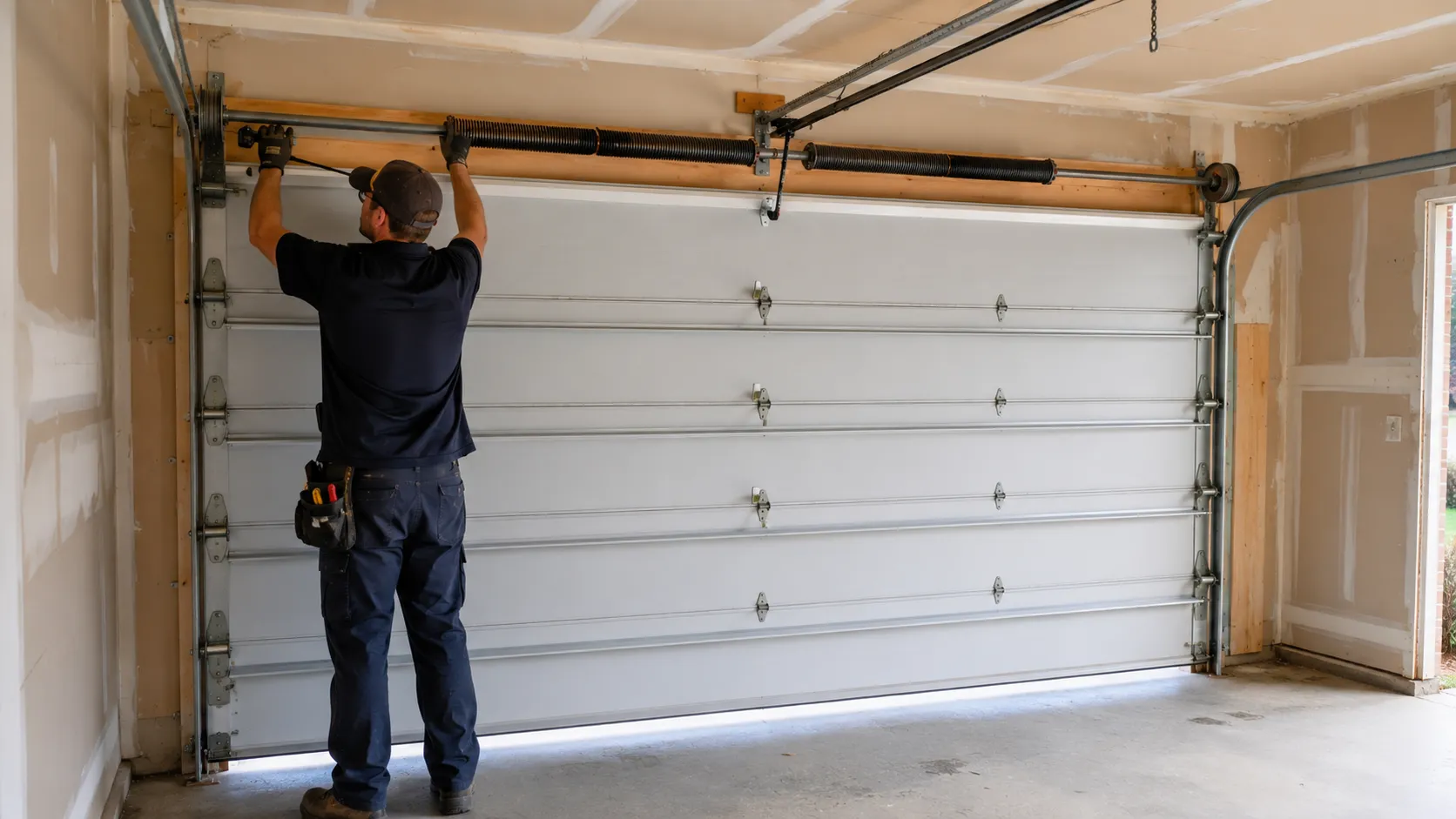
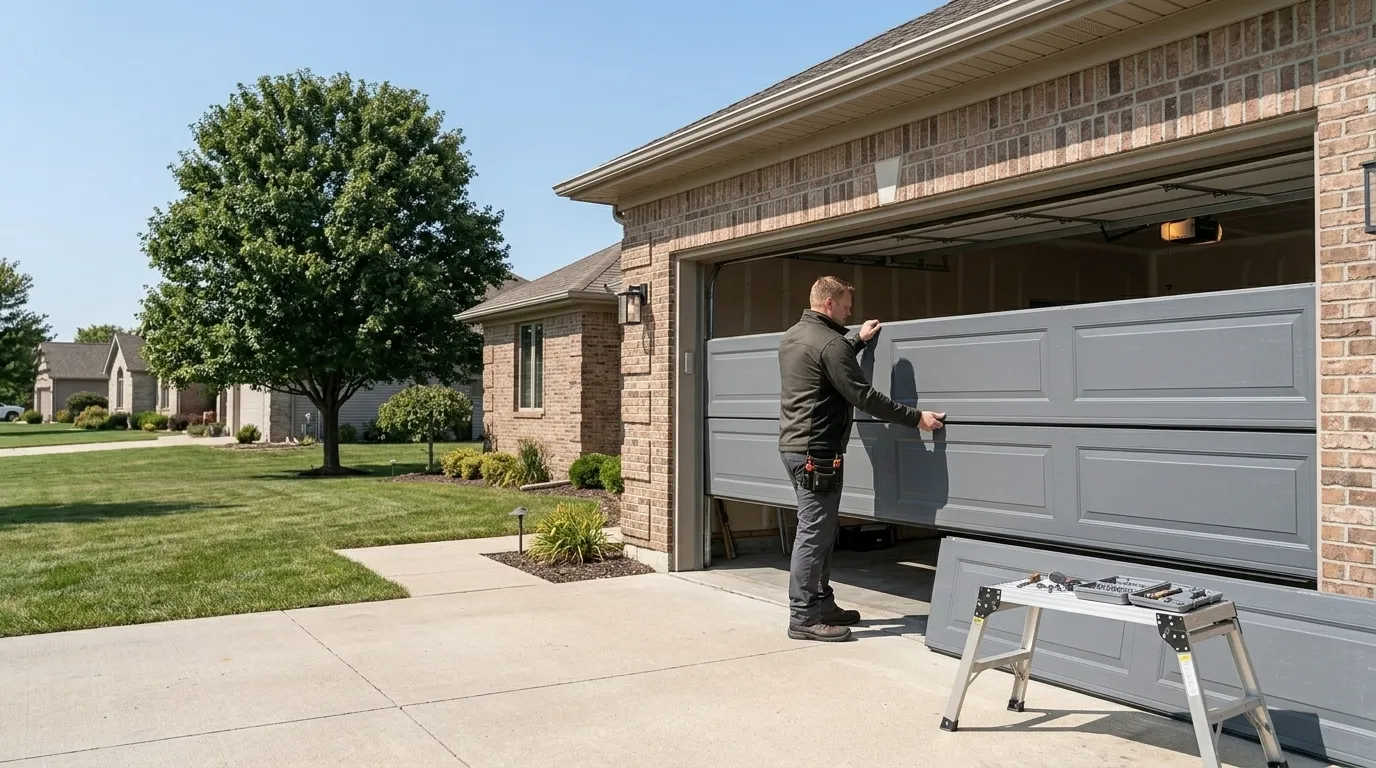
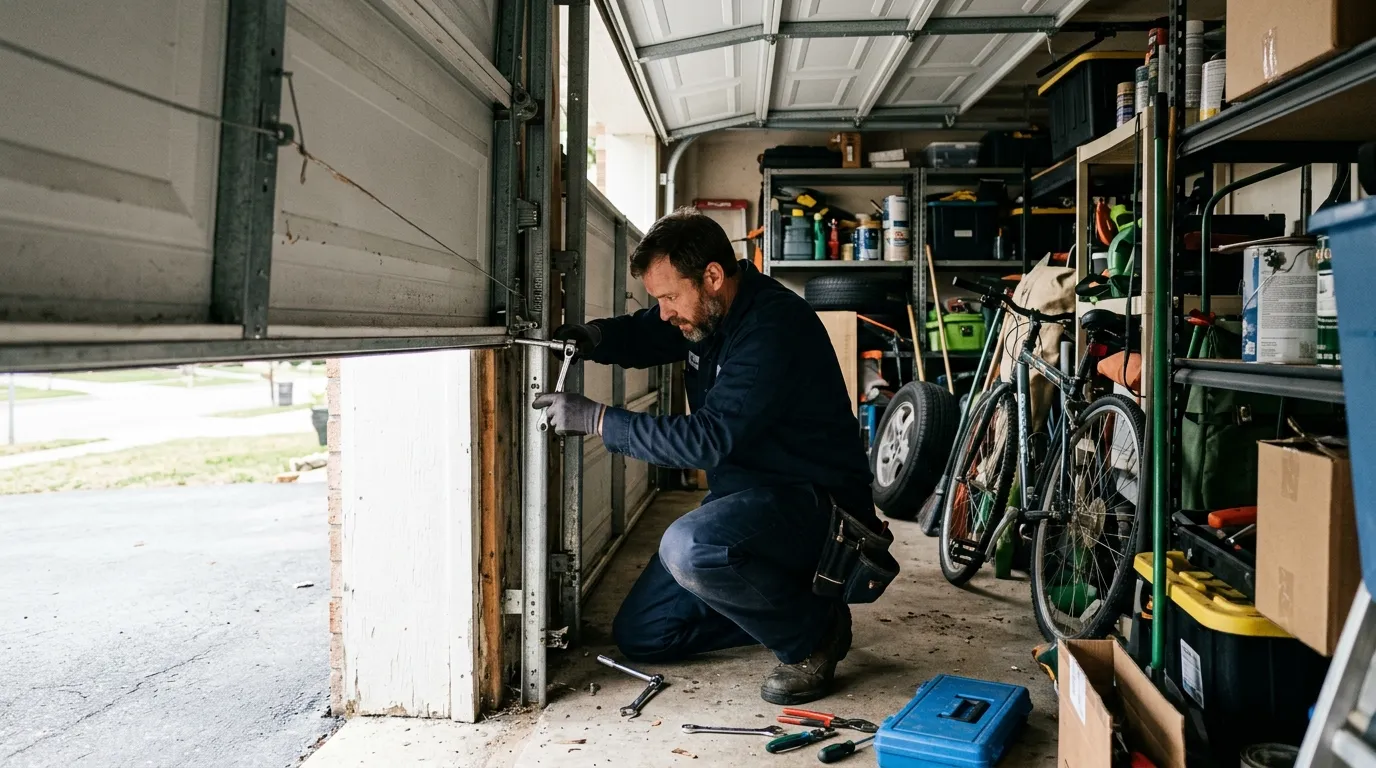
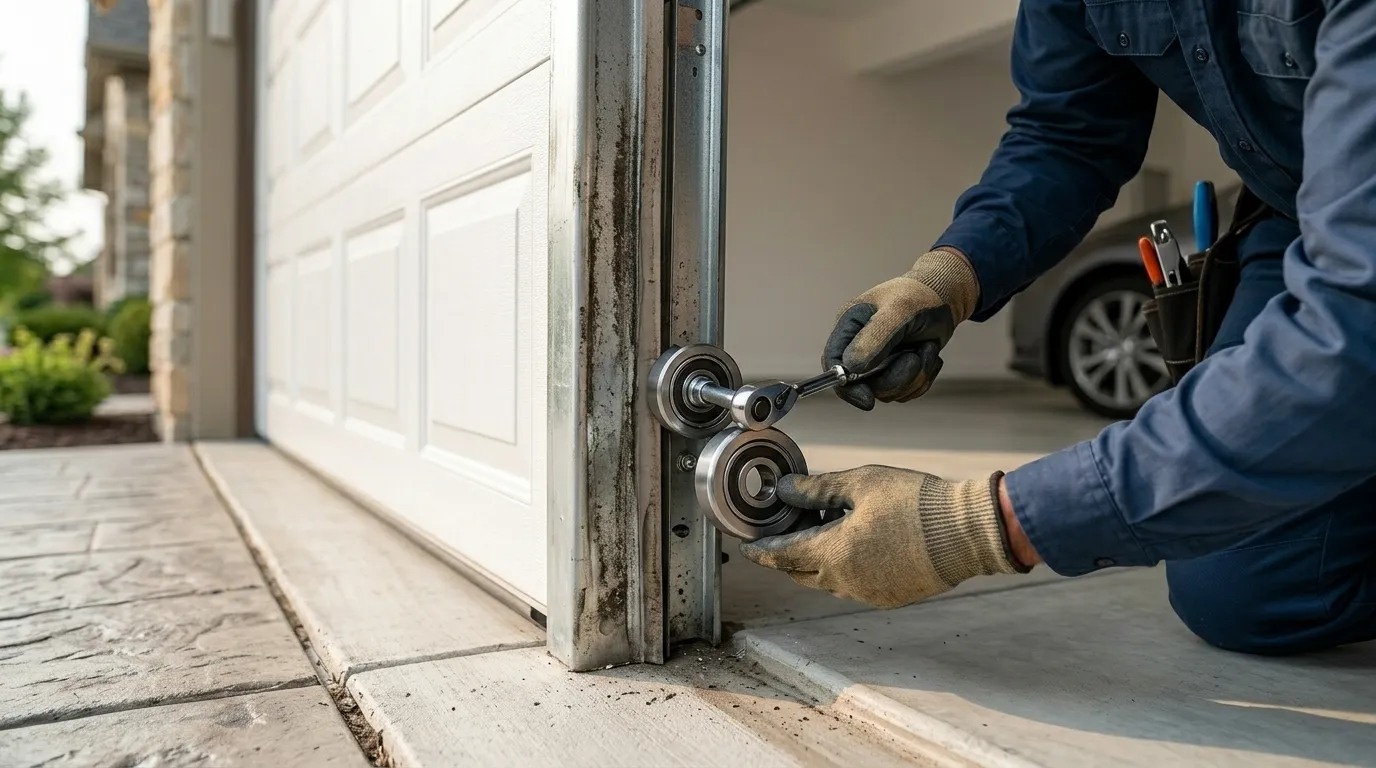
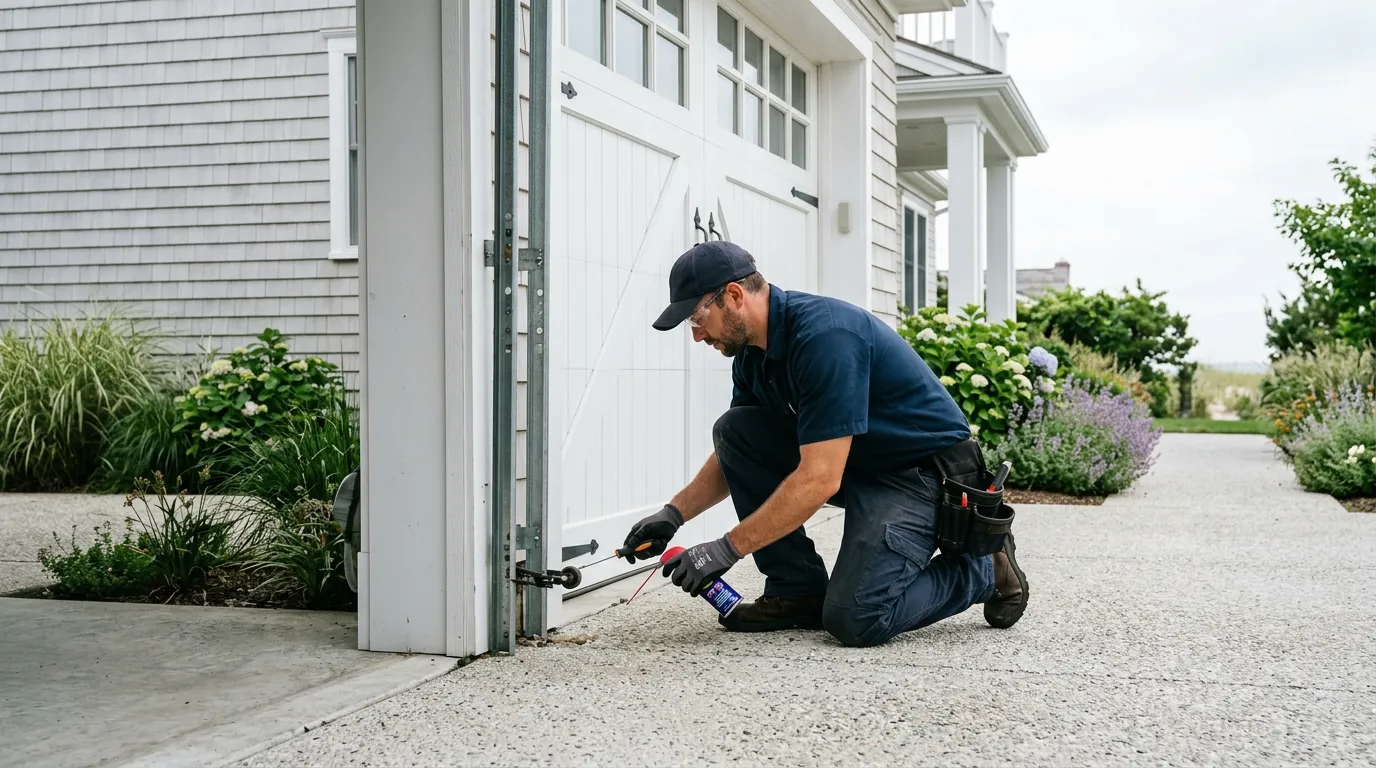
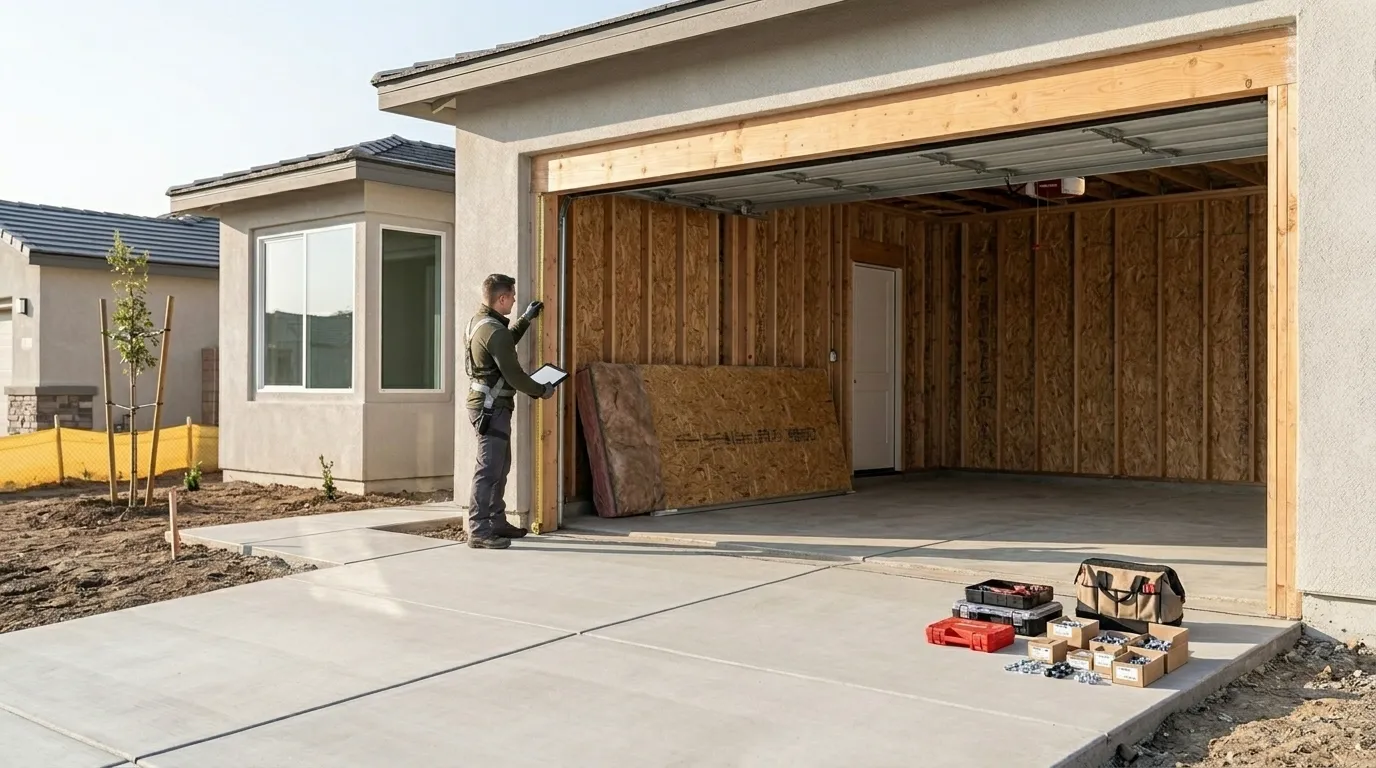
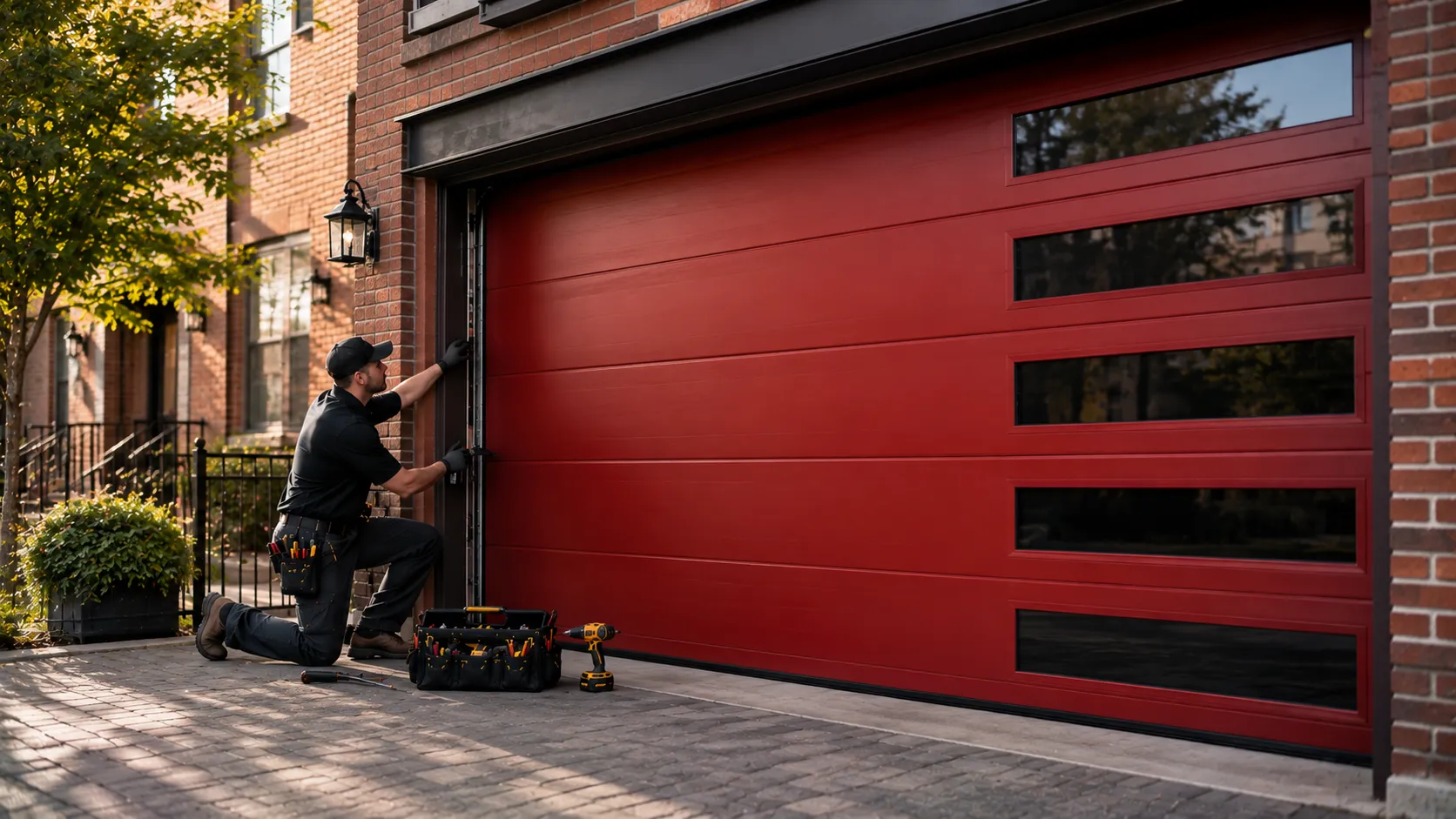
Fleming Island sits 17 miles from our Jacksonville shop, which shapes how we run a spring call out here. We don't keep a branch on the island, so when you call, we're loading the truck with spring stock sized for what this neighborhood actually has - and that's different from what we carry for older parts of the service area. Most houses here went up around 2000, well after the 1973-2007 range that covers the wider area, which means you're mostly looking at factory torsion springs on wider two-car doors, not the older extension-spring setups we still find on 1980s stock elsewhere. The fix itself is standard: matched torsion springs sized to door weight and cycle life, swapped in pairs even if only one has let go, because the other one is close behind on the same clock. We check the drums, the cable condition, and the center bearing while the door's open, since a spring failure on a newer high-cycle setup rarely comes without dragging one of those along. One limitation worth saying plainly: if your opener's circuit board also took a hit when the spring let go and the door dropped hard, that's a separate repair, and we'll tell you straight if it's cheaper to replace the opener than chase a board issue.
How It Shows Up
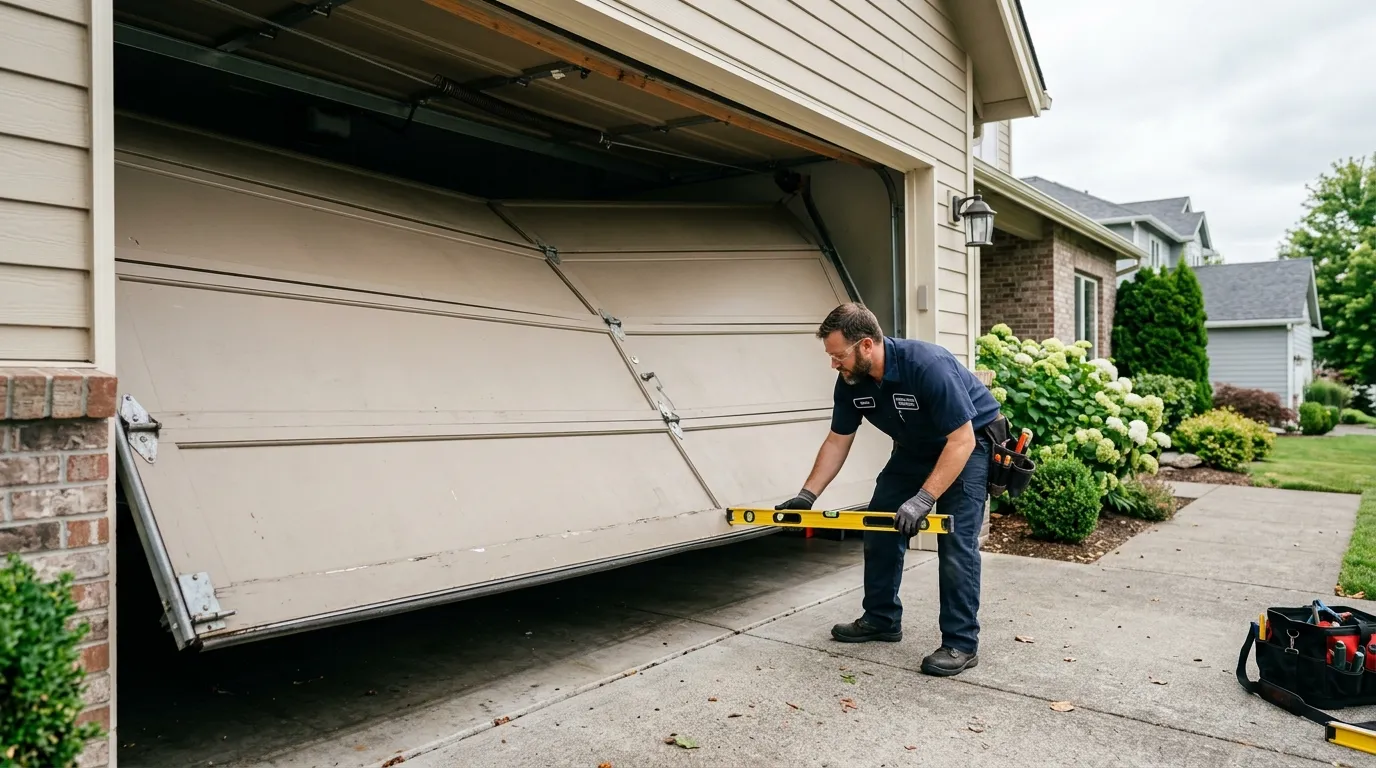
On a door installed around 2000, spring failure usually announces itself the same way: the door won't lift past a few inches, or the opener strains and reverses like it's fighting something heavier than usual. Because Fleming Island's housing stock is newer than a lot of the broader Jacksonville area, you're more likely dealing with a single failed torsion spring on a wider door rather than the paired extension springs that fail differently - a loud bang followed by a visibly slack cable on one side. The mild temperate climate here doesn't put the same stress on hardware that freeze-thaw regions deal with, so when a spring goes at 15-20 years old on a house this age, it's ordinary cycle fatigue, not weather damage. If you hear a sharp crack from the garage and the door won't budge afterward, that's almost always the spring, not the opener. Don't force it by hand or run the opener again - that's how a cable jumps its drum or a panel gets bent trying to fight dead weight it was never meant to carry alone.
The DIY Question
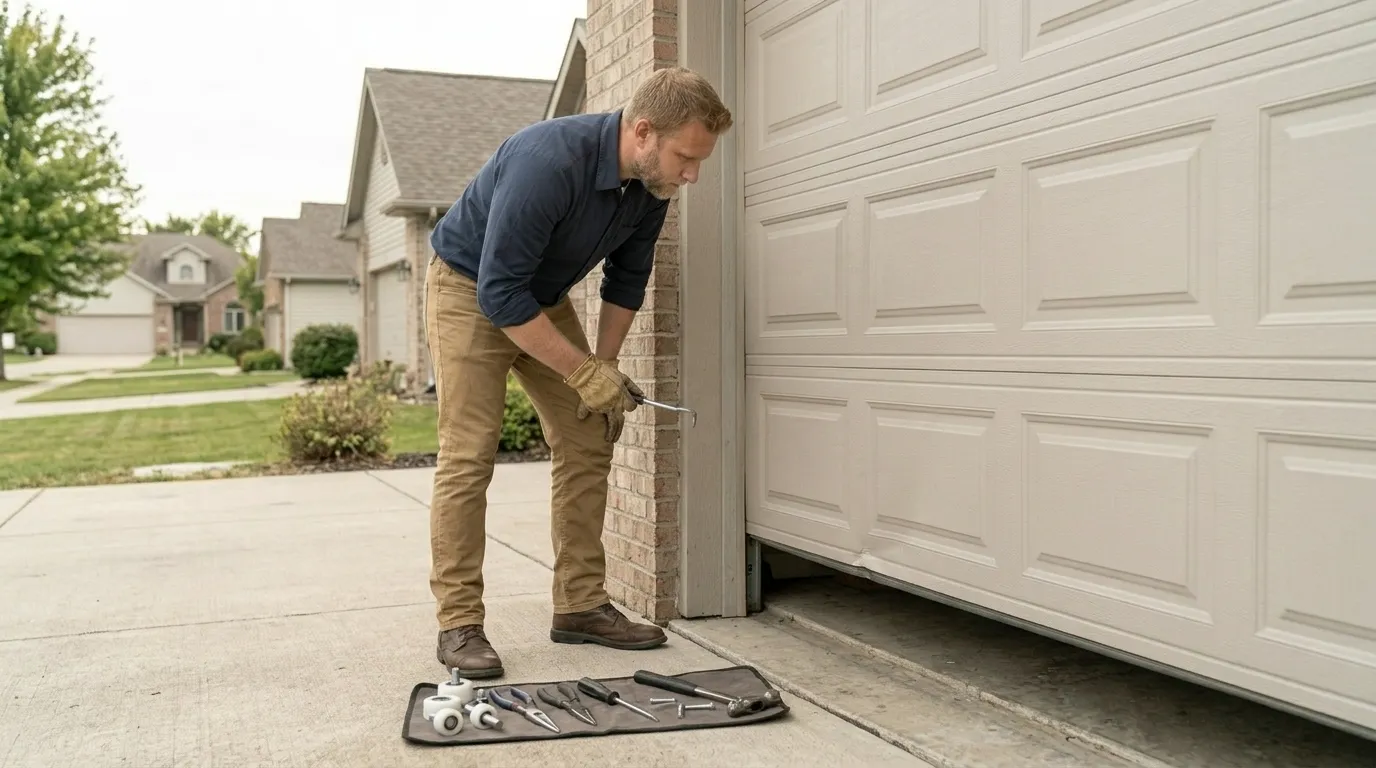
A torsion spring under full tension holds enough stored force to break bones or worse, and that doesn't change because the house is newer or the neighborhood is nicer. What does change on a 2000-era door is the spring size and the winding cone specs, which aren't universal - guessing wrong on the replacement means a door that's over- or under-sprung, and that shows up as an opener working overtime for years until something else fails early. We don't recommend homeowners here attempt the spring swap themselves, full stop. What you can safely do is disconnect the opener's emergency release and check whether the door moves freely by hand once tension is gone - that tells you if it's just the spring or if a track or roller is also involved before we make the trip. If you're comparing quotes, ask whether the tech is bringing high-cycle springs matched to your door's actual weight, not a generic size - on newer, wider doors that's the detail that determines whether this repair lasts ten years or two.