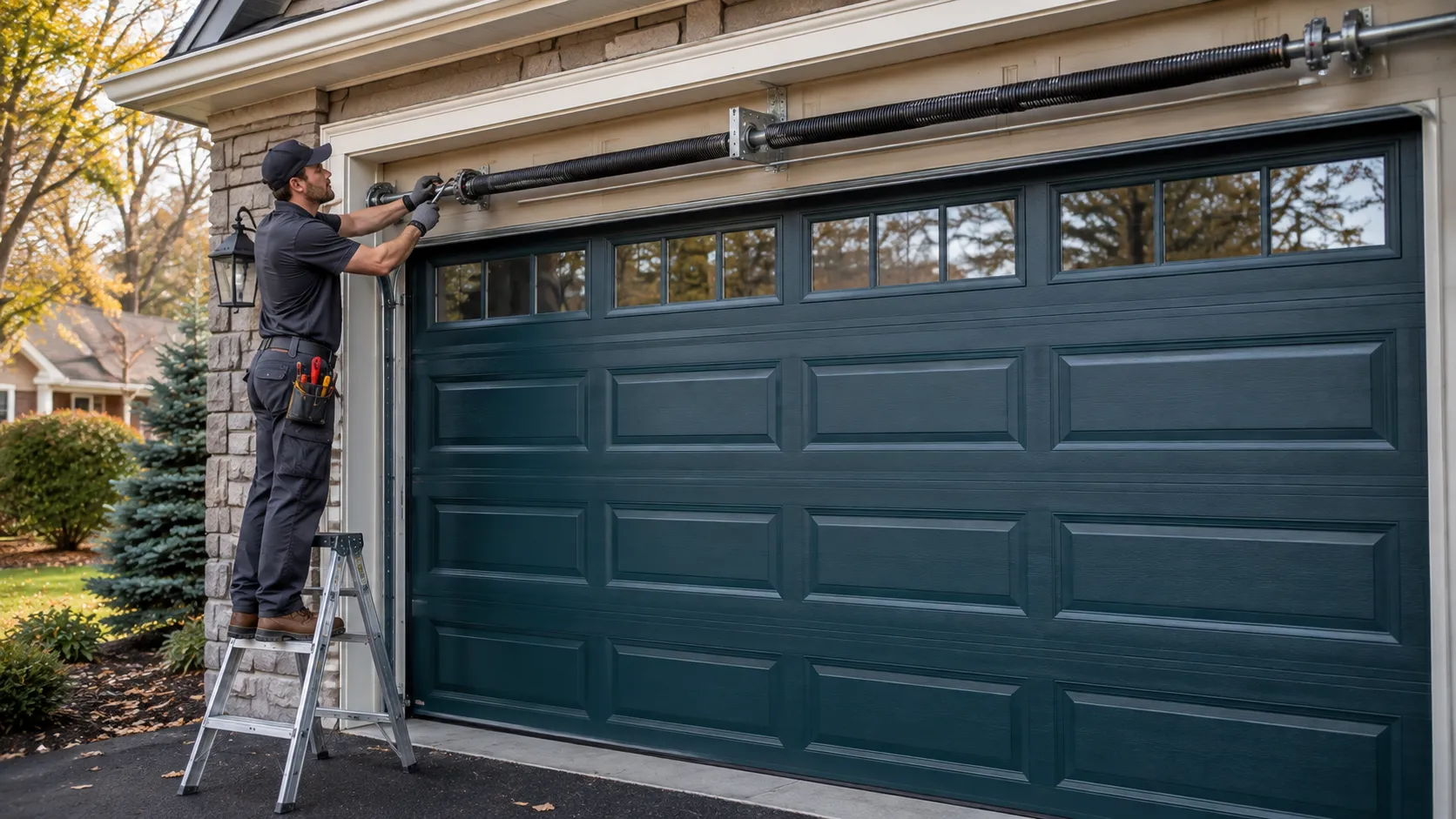
What the Fix Involves
Most houses on Fleming Island went up around 2000, which puts the hardware in a different place than a lot of what we see closer into Jacksonville, where the broader service area's housing stock runs from 1973 to 2007 with a median around 1985. A door installed in 2000 is old enough that the original torsion spring has done its 10,000-cycle run or close to it, but the owner has usually never had a reason to touch it. Nothing's broken, so nothing's been serviced.
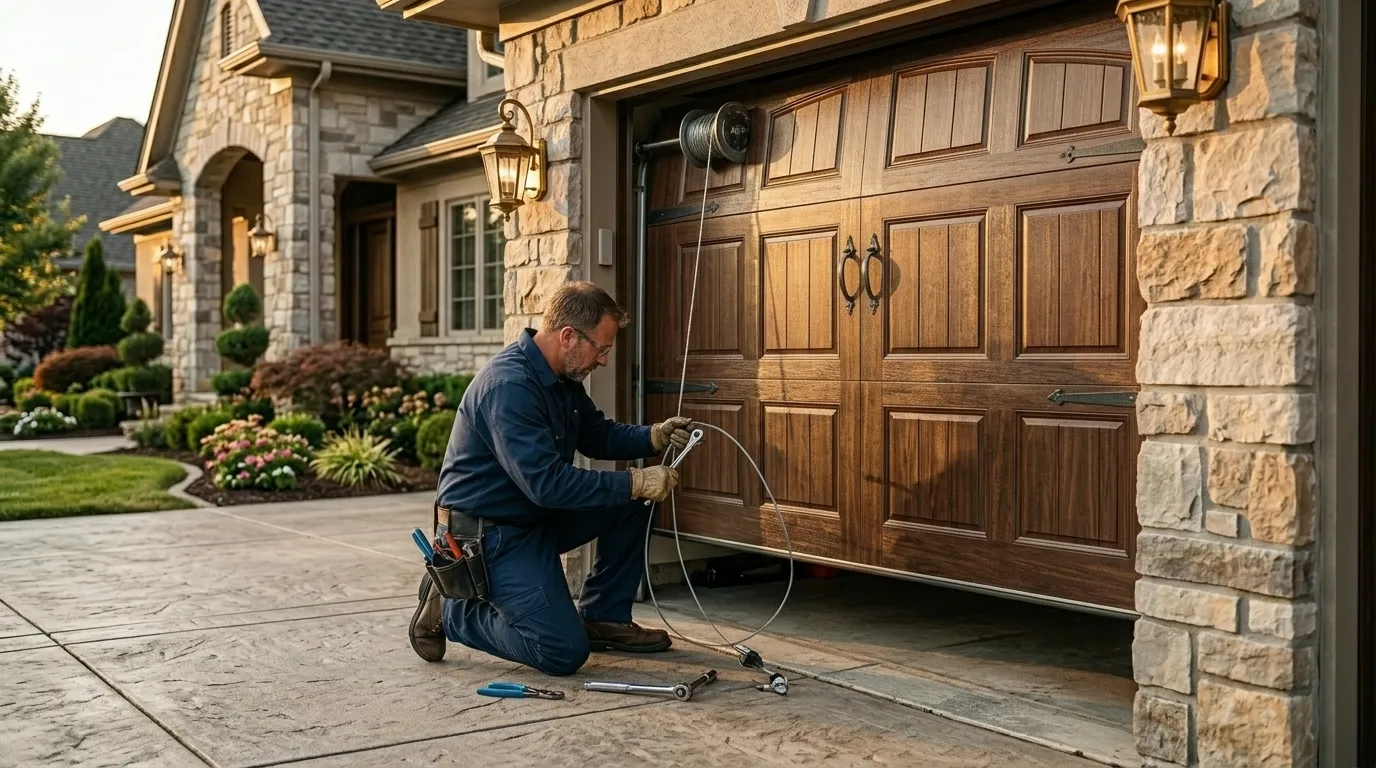
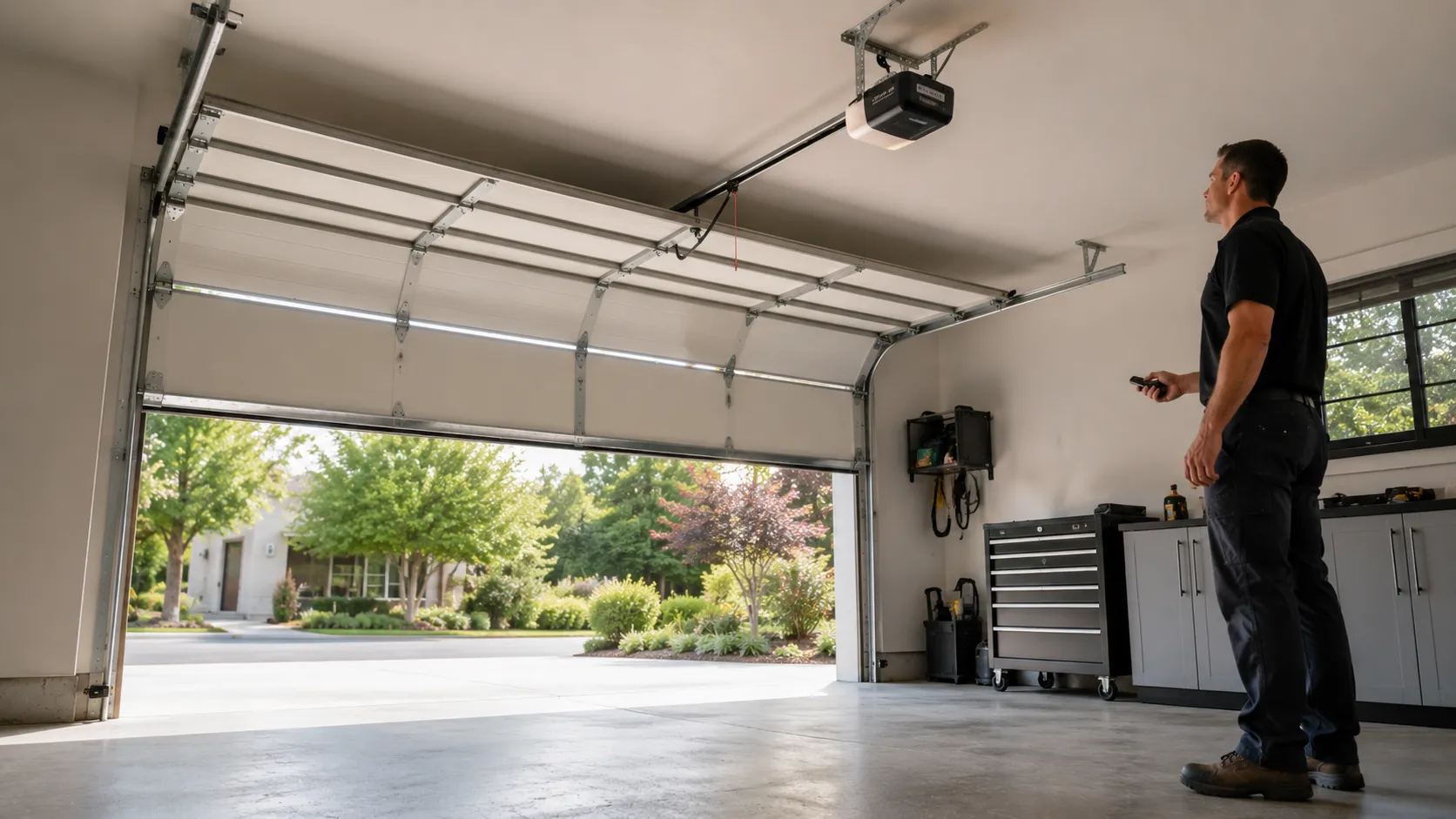
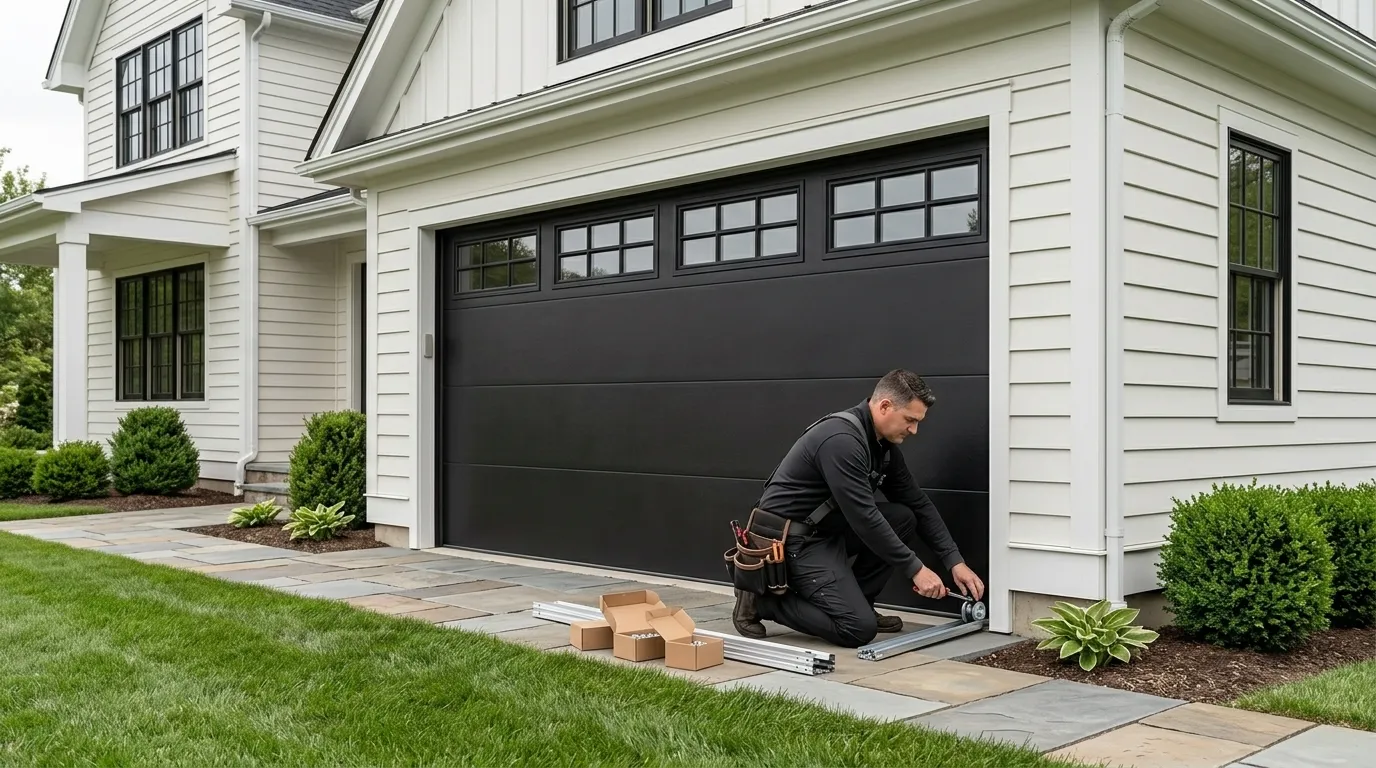
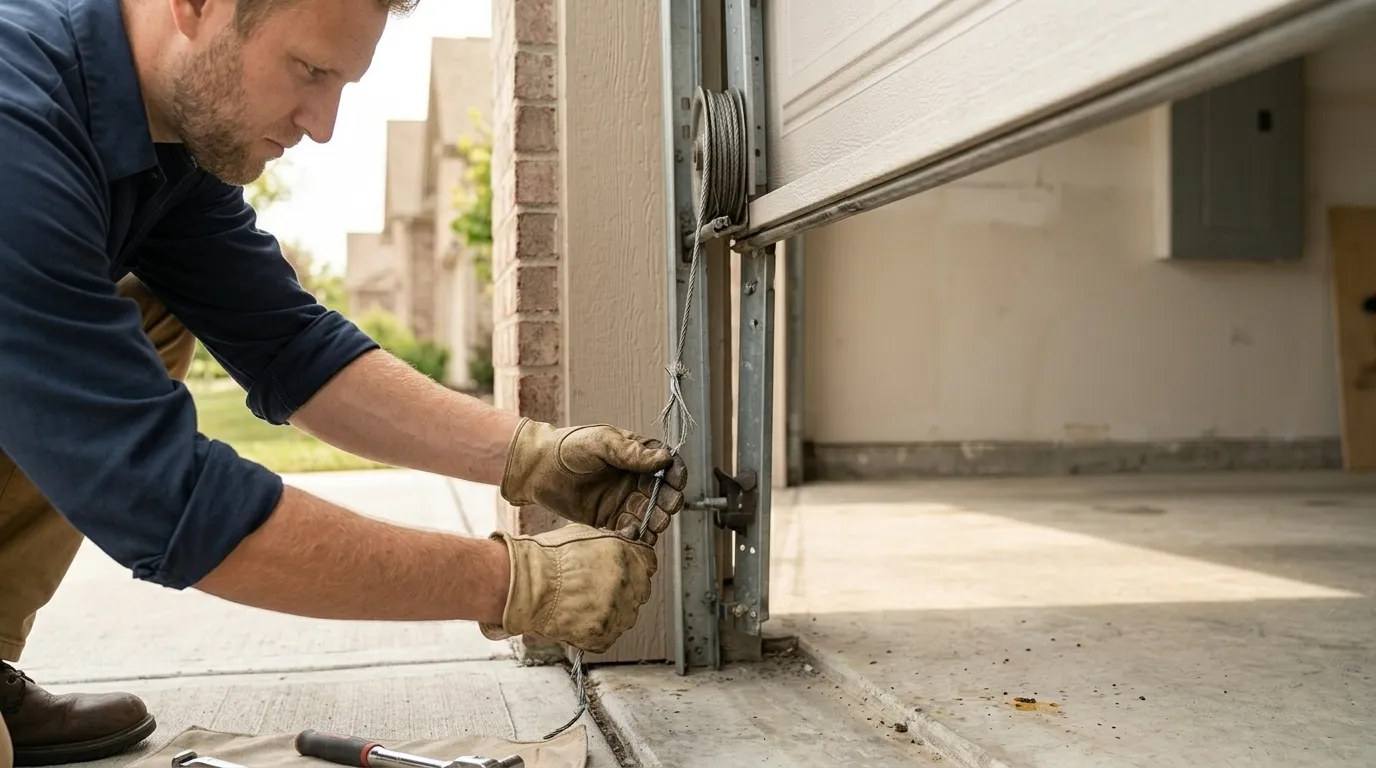
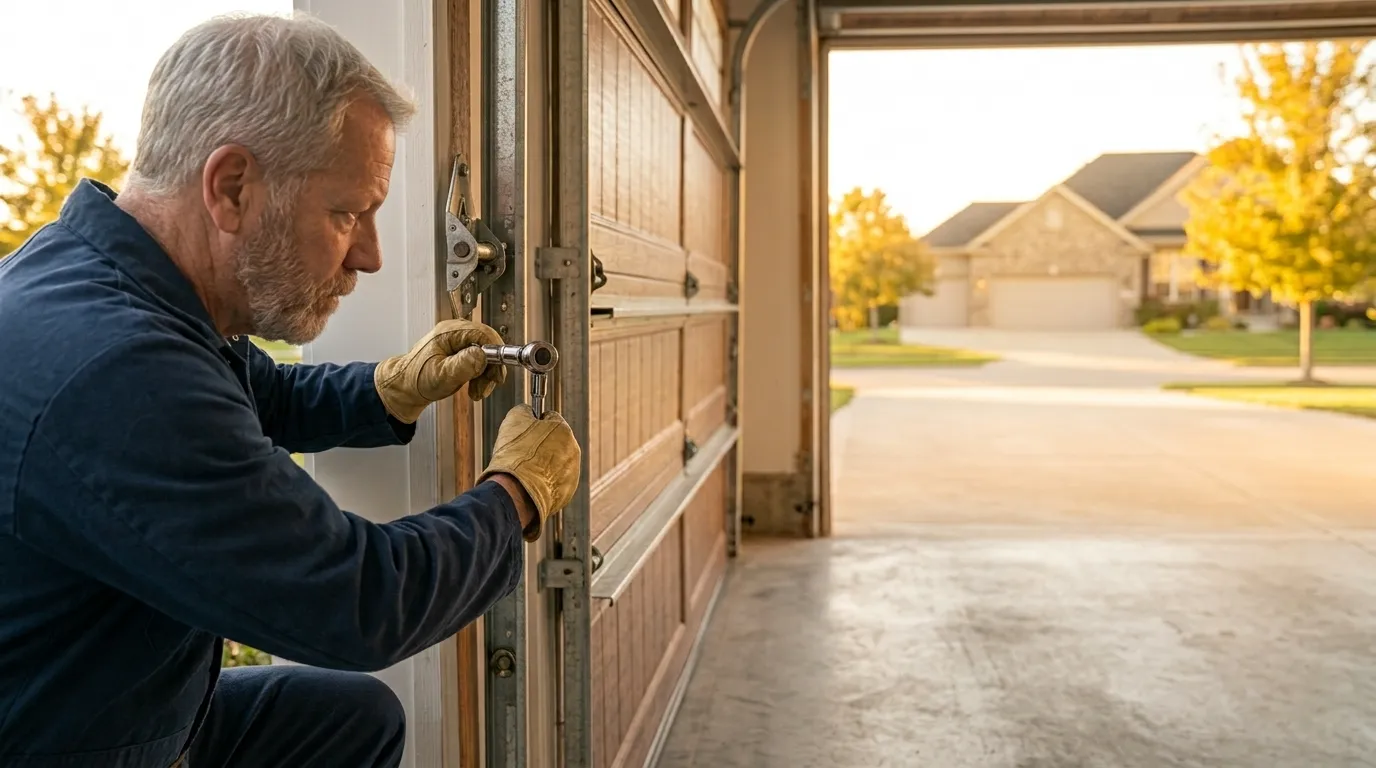
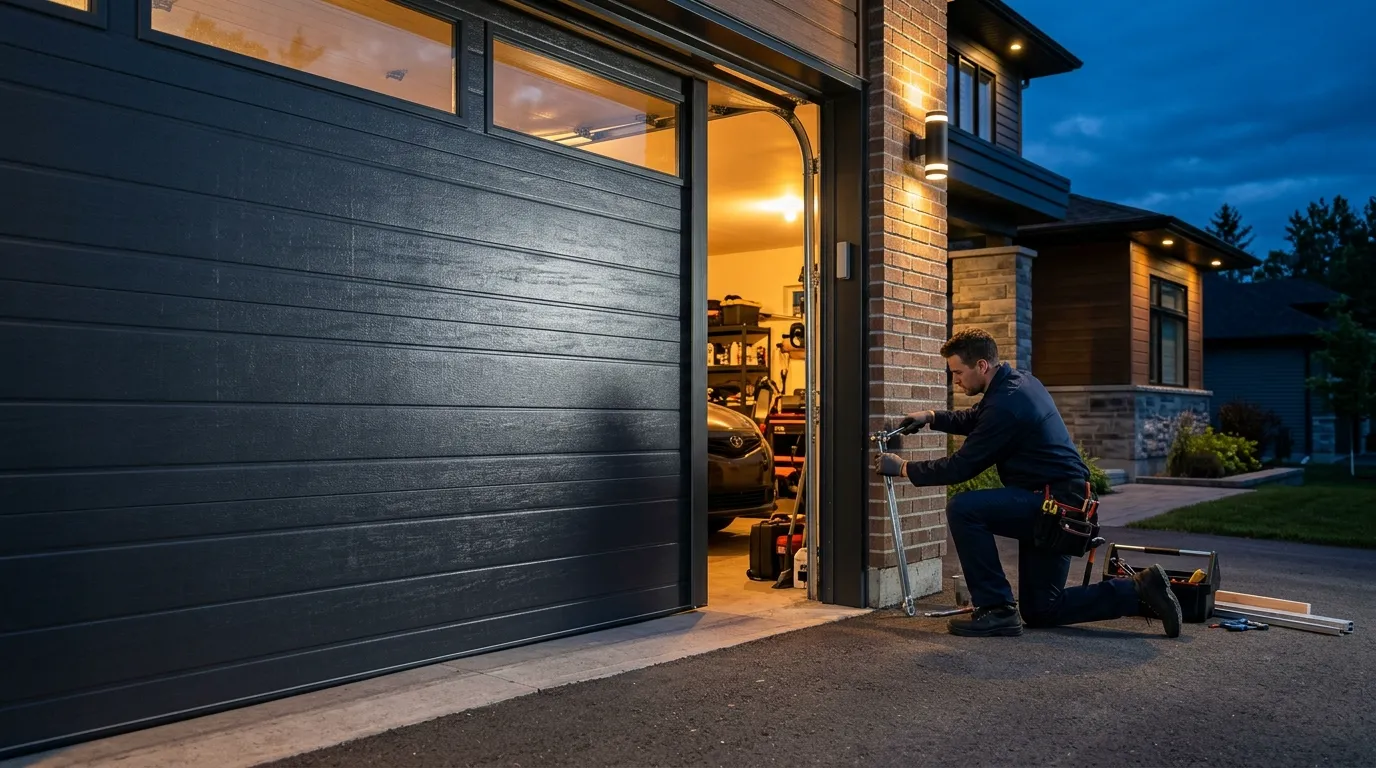
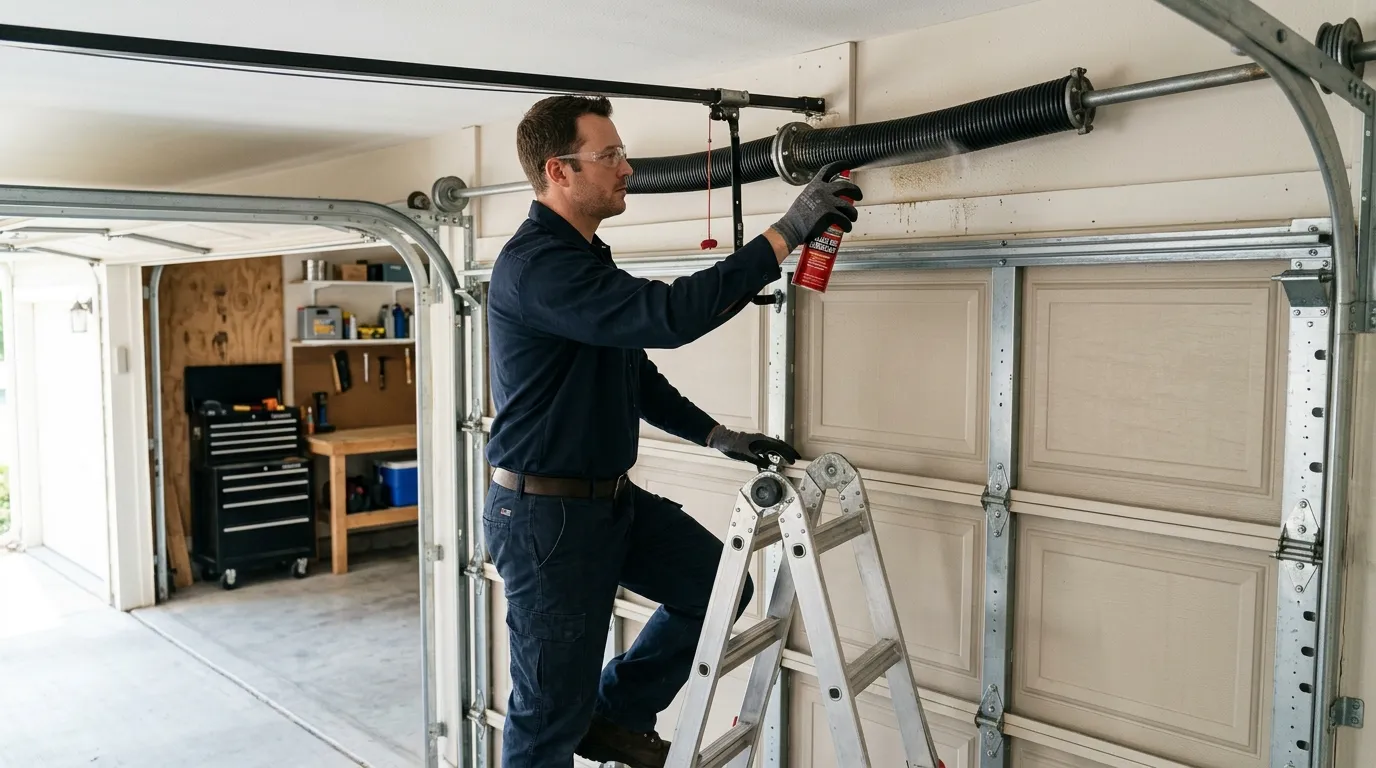
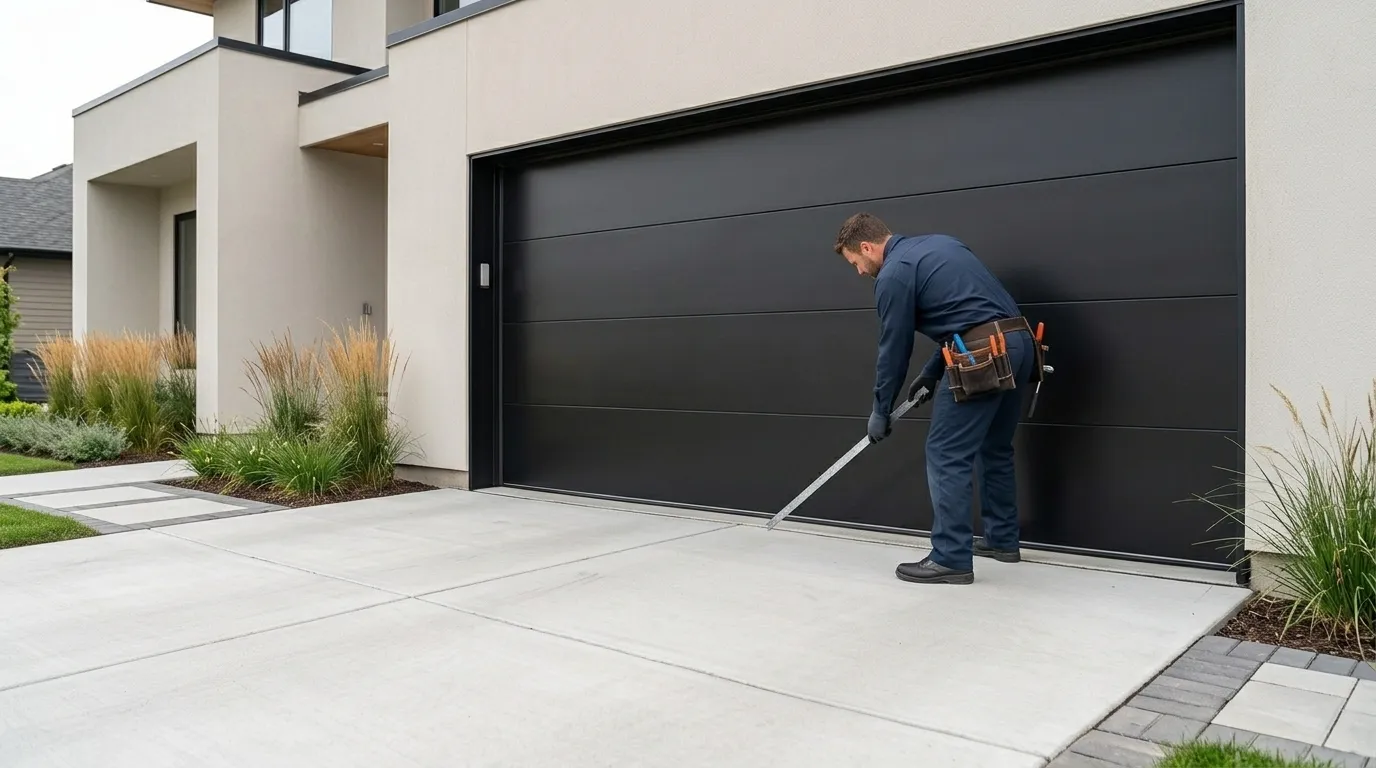
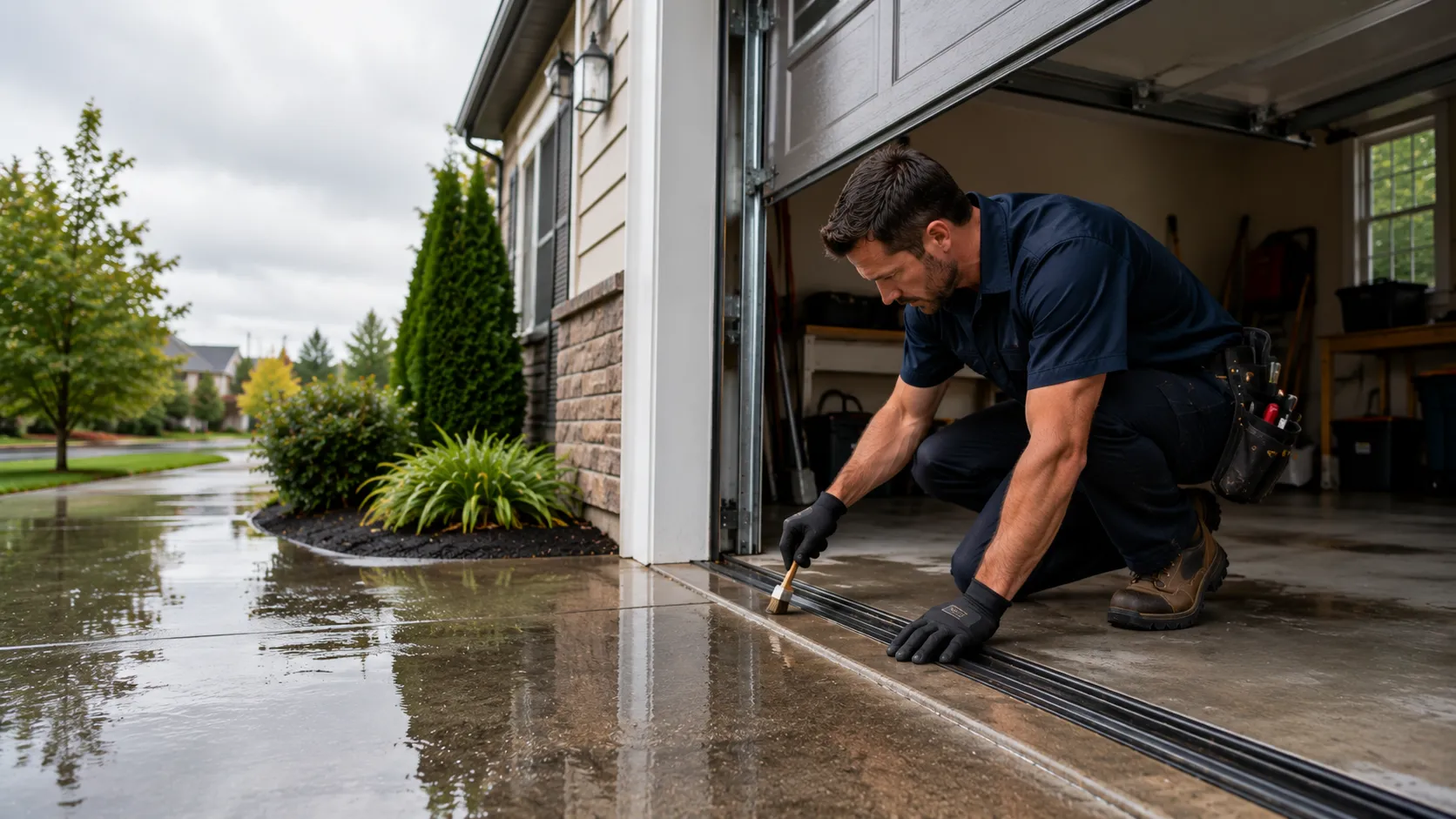
The maintenance visit on a house this age is mostly about catching wear before it becomes a call for a broken spring: checking the spring for rust and stretch, greasing rollers and hinges that have never seen lubricant, tightening the lag bolts on the track brackets that loosen with thermal cycling, and testing the opener's force settings, which drift over 20-plus years even if the opener itself still runs fine. We also check the cable drums and the bottom brackets, since those are steel parts that don't announce wear until a cable frays.
We're not swapping parts on a maintenance visit unless something's actually failing. If a spring or cable is close to done, we'll tell you and price the repair separately - a tune-up isn't a repair in disguise.
How It Shows Up
On a house built around 2000, the first sign is usually noise, not failure. A torsion spring that's a couple decades old starts to sound different under load - a low grinding thump on a lift instead of a clean pull - before it snaps. The mild temperate climate here doesn't put the same stress on hardware that a freeze-thaw region does, so corrosion on steel springs and tracks tends to be slower, but it's not zero, especially on doors facing damp shade.
Openers from that era are also starting to show their age. If the house still has its original opener from around 2000, the drive gear or the logic board is closer to end of life than an opener installed in the last ten years, and force settings that were fine at install can now let the door come down too hard on an obstruction. That's a safety setting, not a cosmetic one.
You'll also notice it in the small stuff: a door that used to close level now racks slightly to one side as rollers wear unevenly, or the remote that used to work from the driveway now needs you at the door. None of that means the door needs replacing. It usually means it's due for the check it never got.
The DIY Question
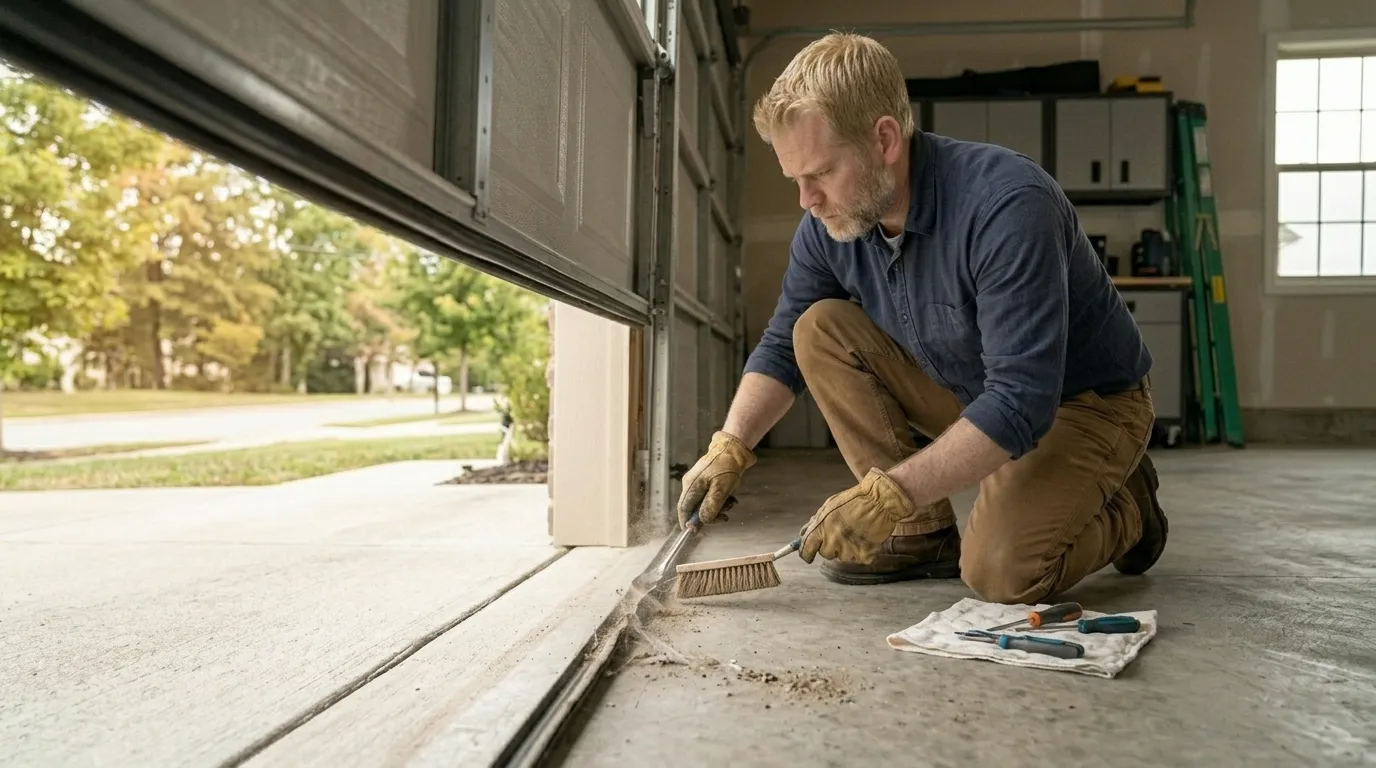
There's a fair amount an owner can do between visits: keep the tracks clear of dust and debris, wipe down and visually check the spring for surface rust, and listen for new noises rather than waiting for the door to jam. Tightening visible bolts on brackets with a wrench is fine too, as long as the door is down and the opener is unplugged first.
What you shouldn't touch is the torsion spring itself. It's under enough tension to break bones if it lets go while you're adjusting it, and on a door built around 2000 that spring has likely never been replaced or even loosened - which means nobody knows exactly how much life is left in it. That's not a DIY repair, full stop, regardless of how confident you are with a wrench.
If your door is original to a house built in 2000 and you've never had it looked at, that's the honest case for a maintenance visit rather than waiting for a failure - not because something's definitely wrong, but because at this age you're closer to the point where something will be.