What Causes It Around Here
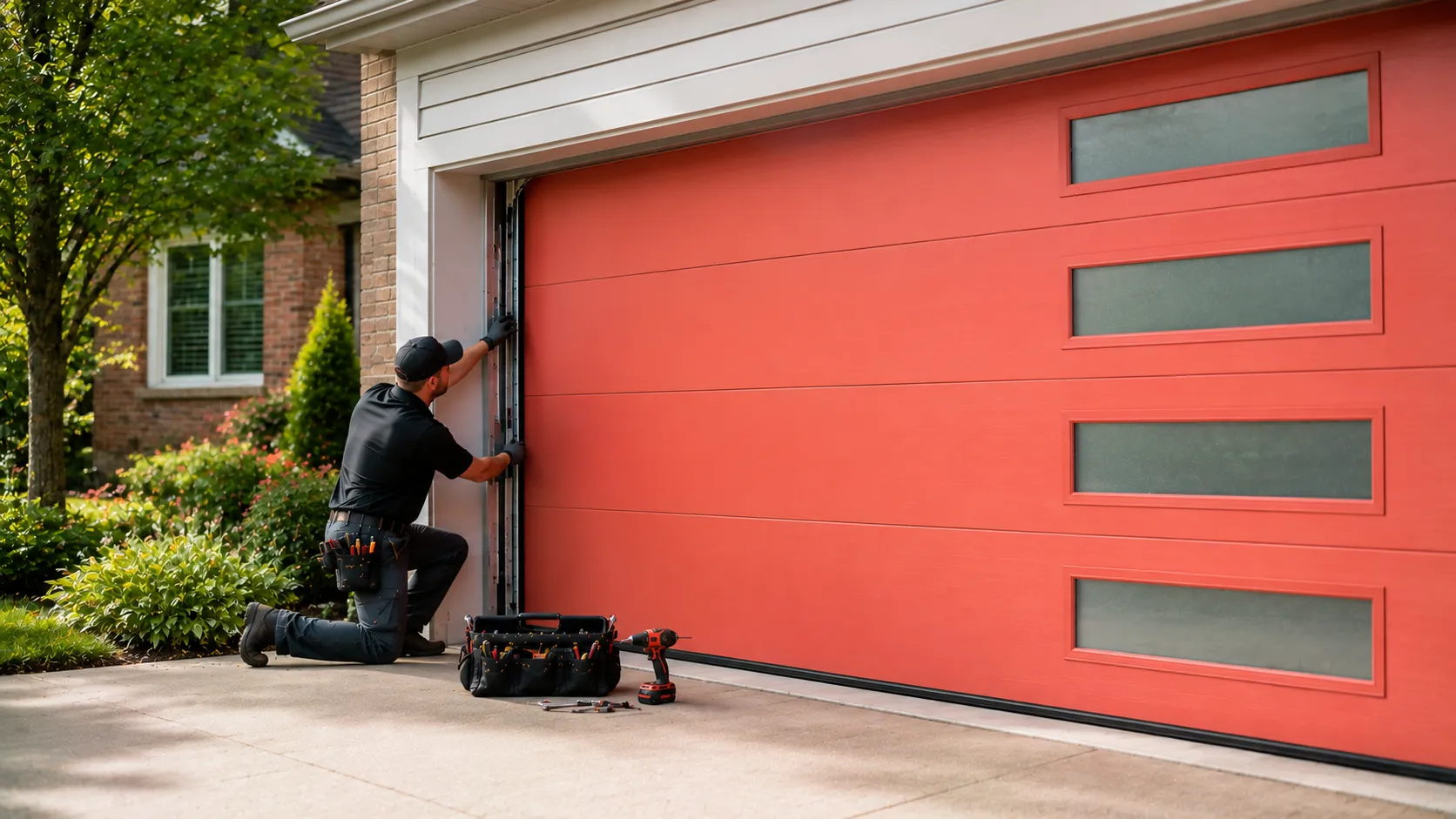
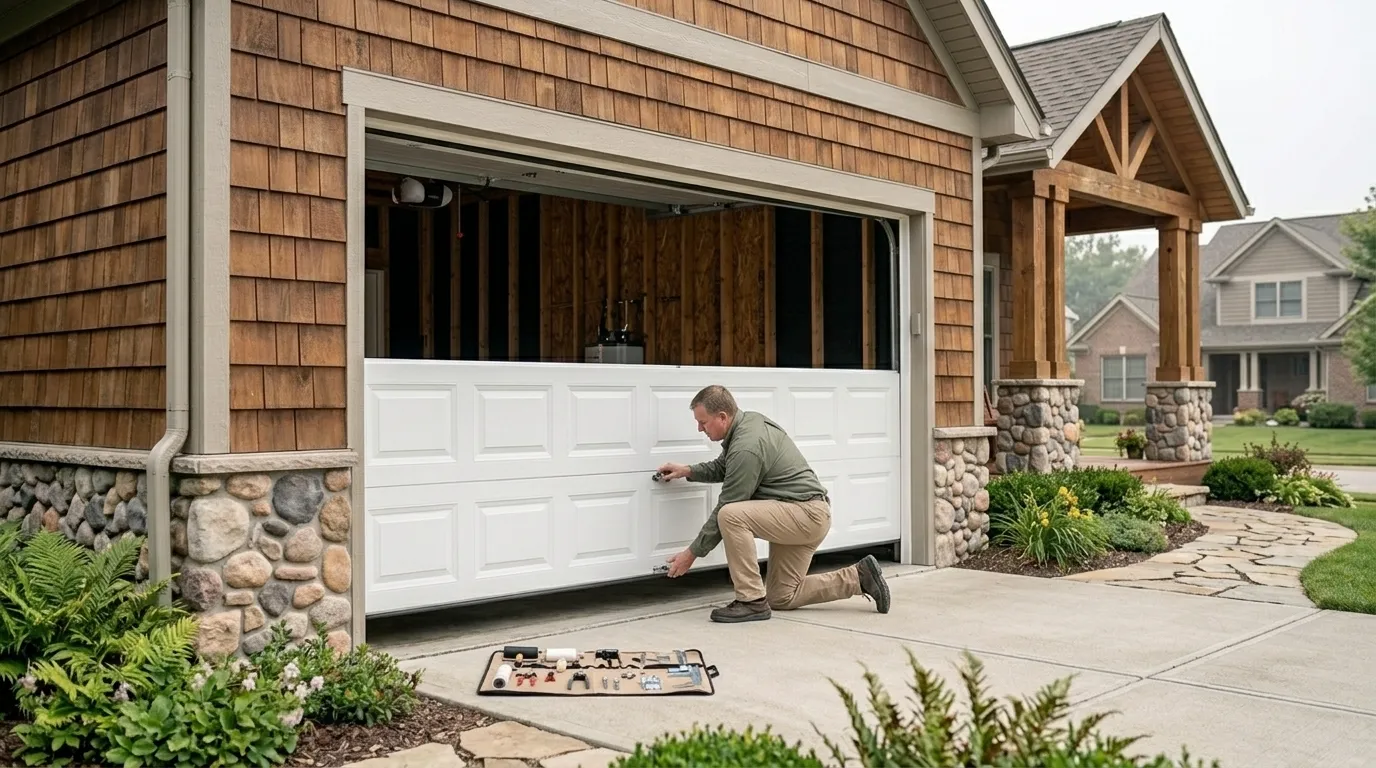
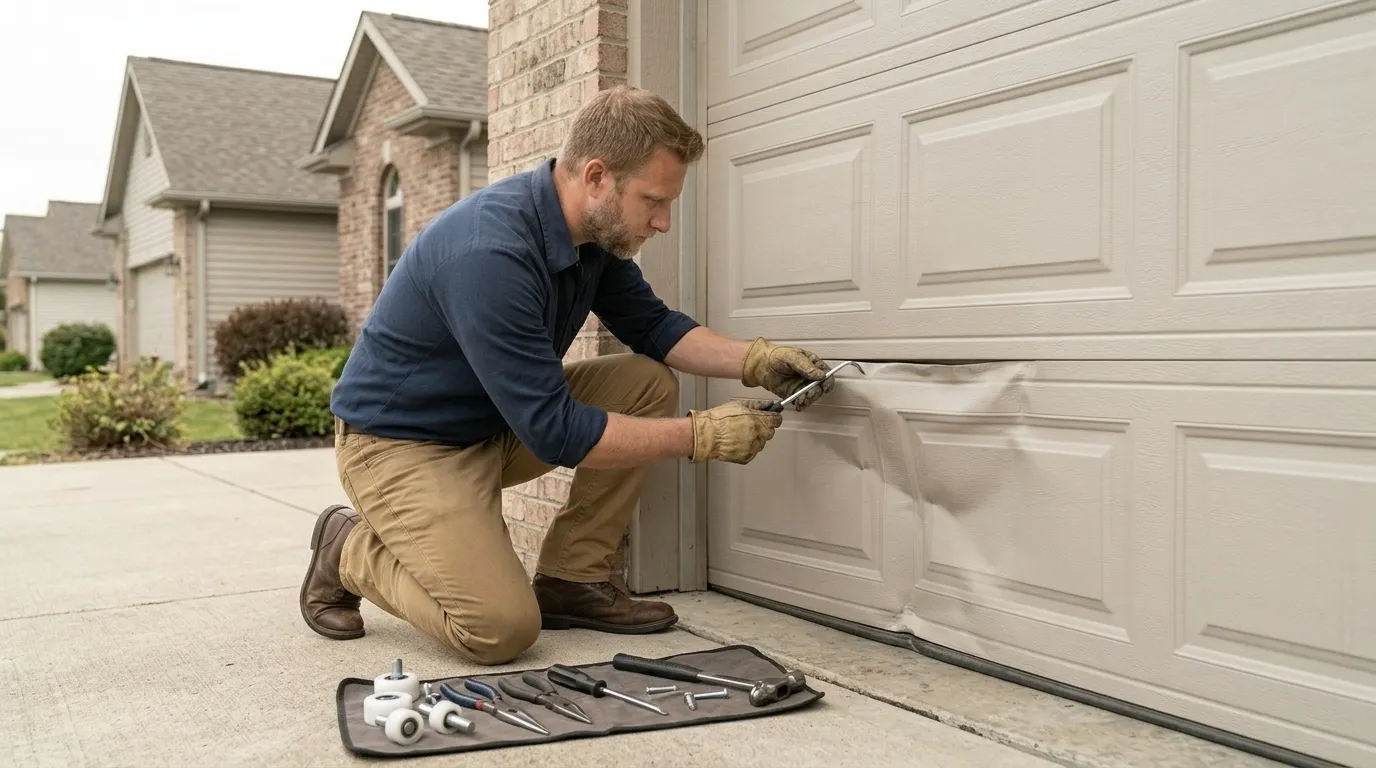
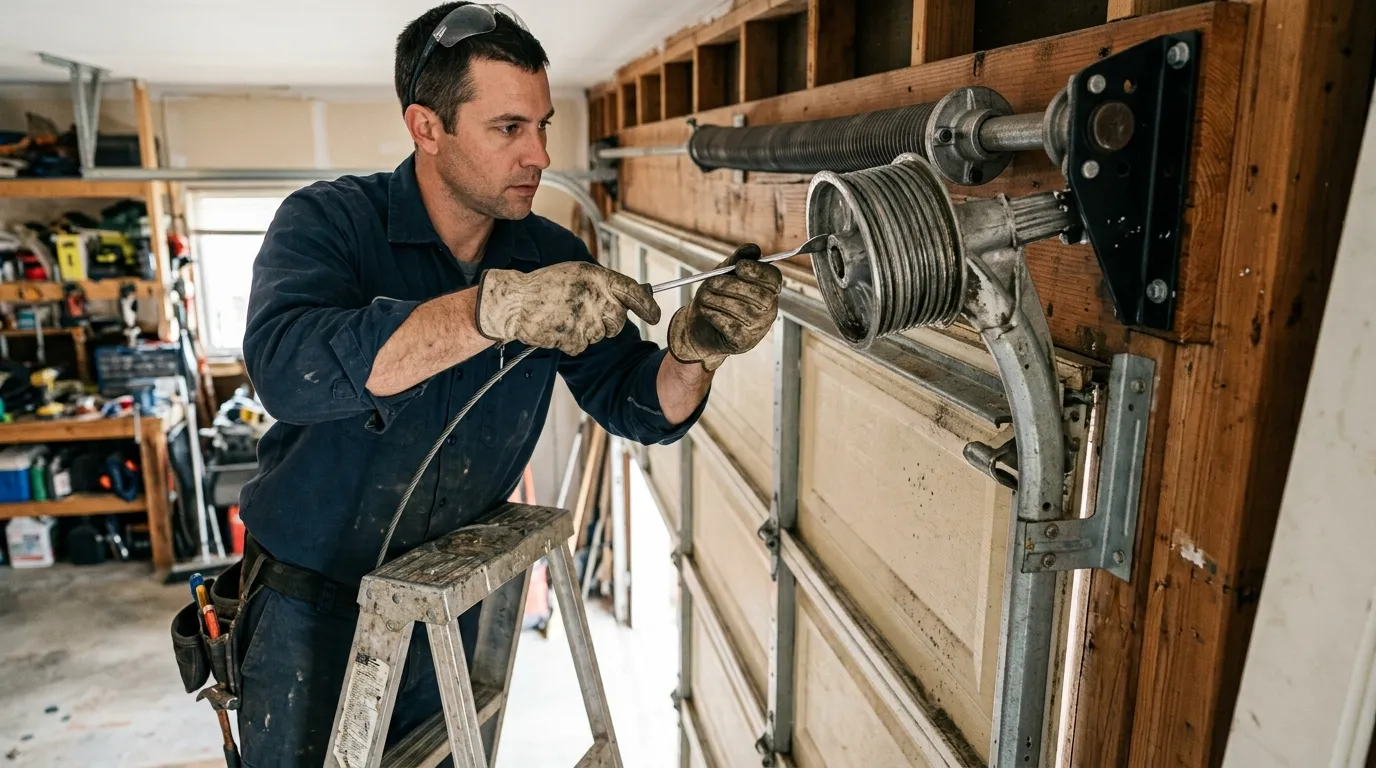
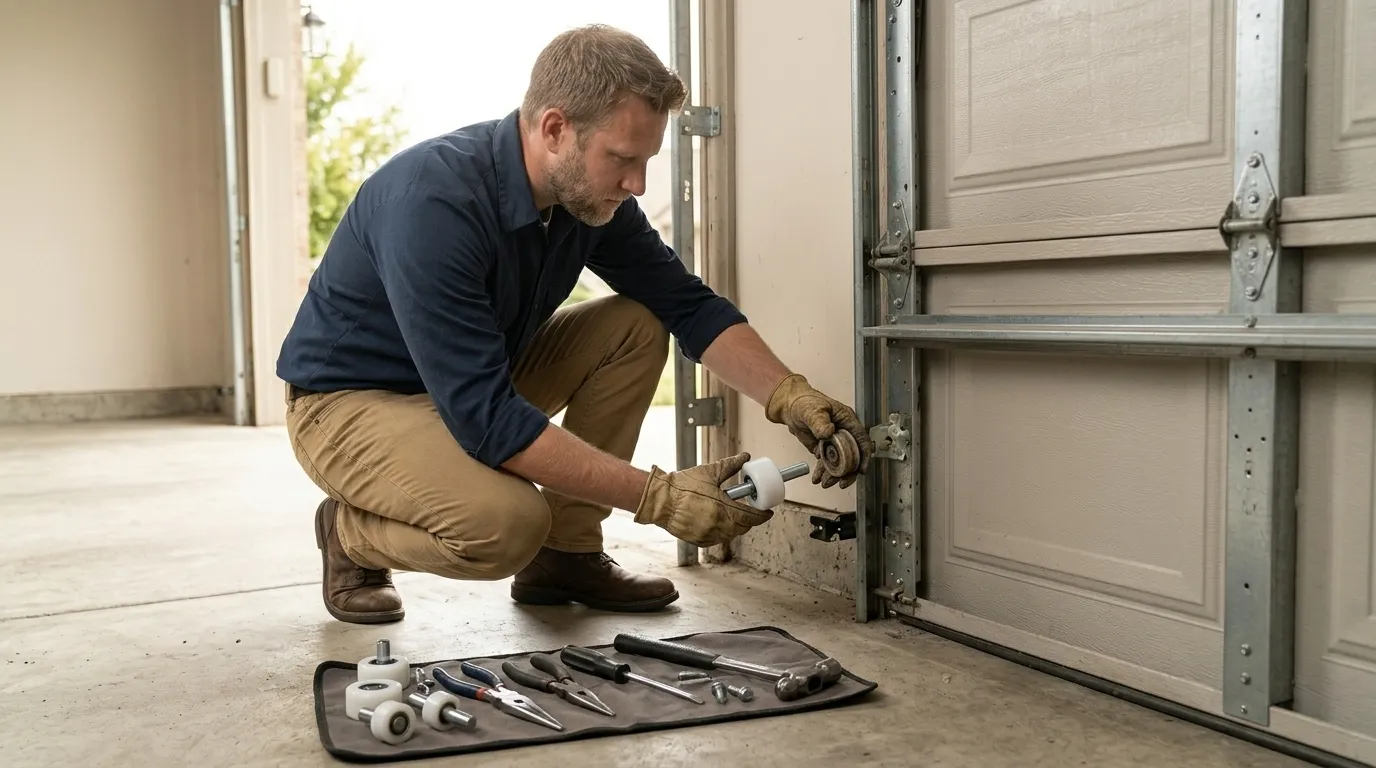
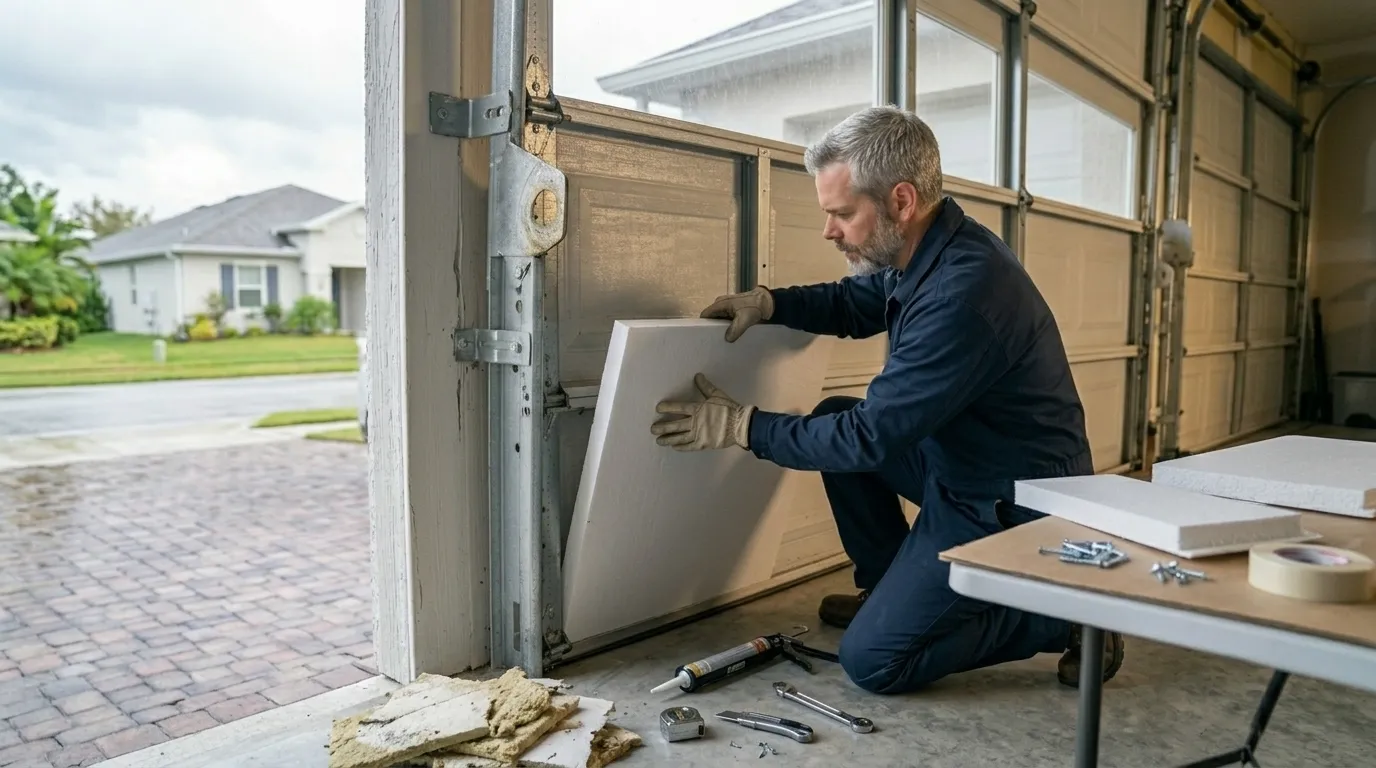
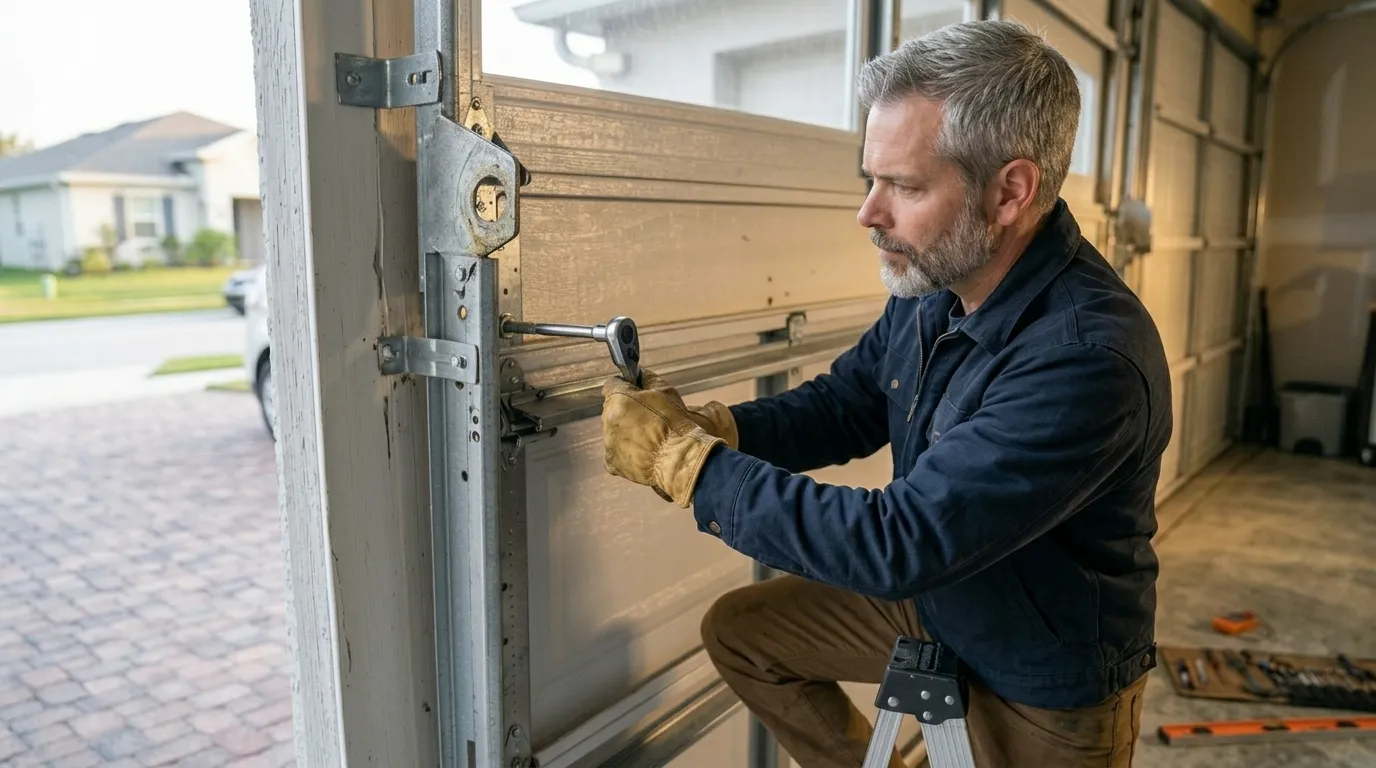
Most of the garage doors we get called out on in Jacksonville went up somewhere between 1973 and 2007, with the median build year sitting around 1985. That matters for panels because a door built in the 80s or 90s is running steel or aluminum sections that have now put in three or four decades of Florida sun and humidity. The climate here is mild temperate - we don't get the freeze-thaw cracking that ages doors up north - but we do get long stretches of heat and moisture that dry out foam-core insulation and let it separate from the skin. That's the quiet failure: a panel looks fine from the driveway but flexes or booms when the door runs, because the bond between the steel skin and the foam has let go. On top of that, a lot of these original doors used panel profiles and colors that the manufacturers don't make anymore, so a dent from a trailer hitch or a mower doesn't get a quick swap - it gets a search. Across the service area, from the older urban neighborhoods near downtown out to the newer subdivisions past we're mostly dealing with doors from that same 1970s-through-2000s window, just at different points in their life.
Getting It Booked In
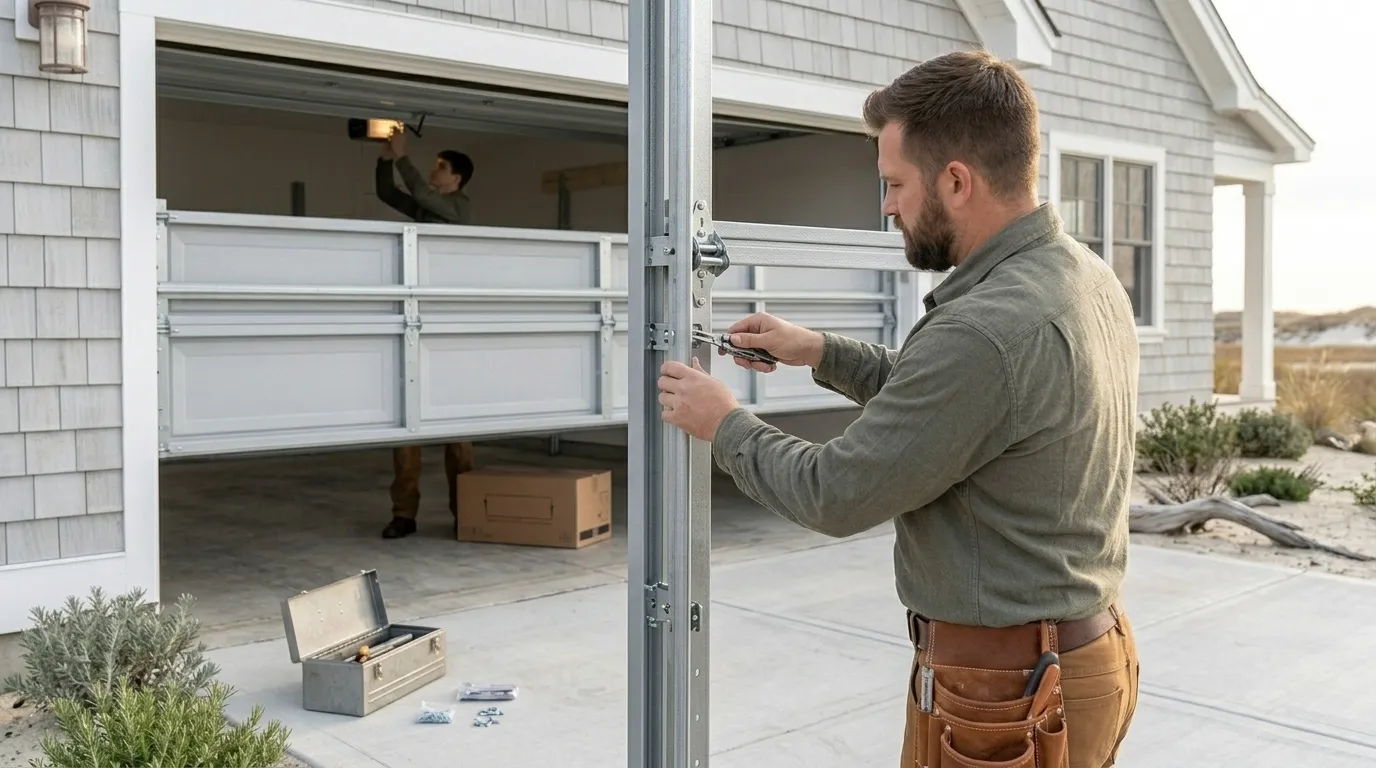
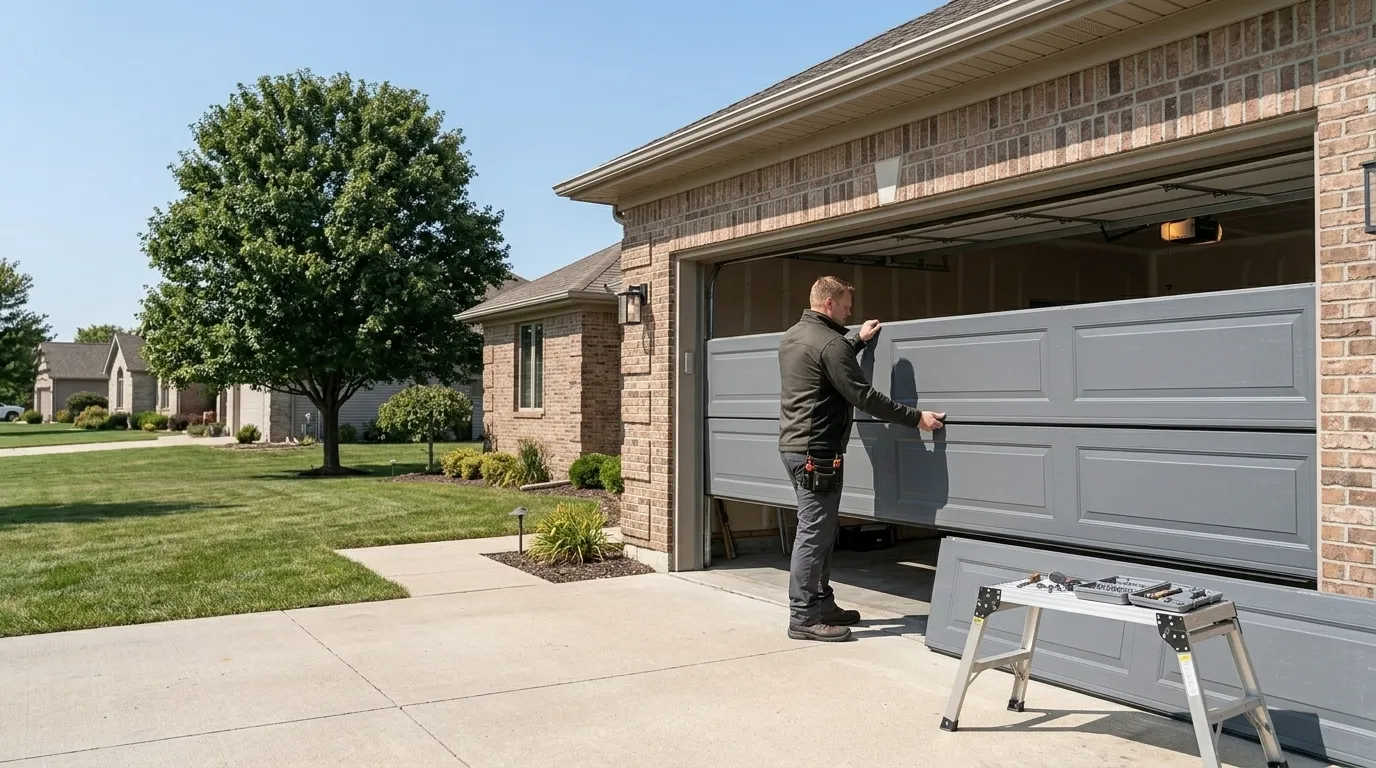
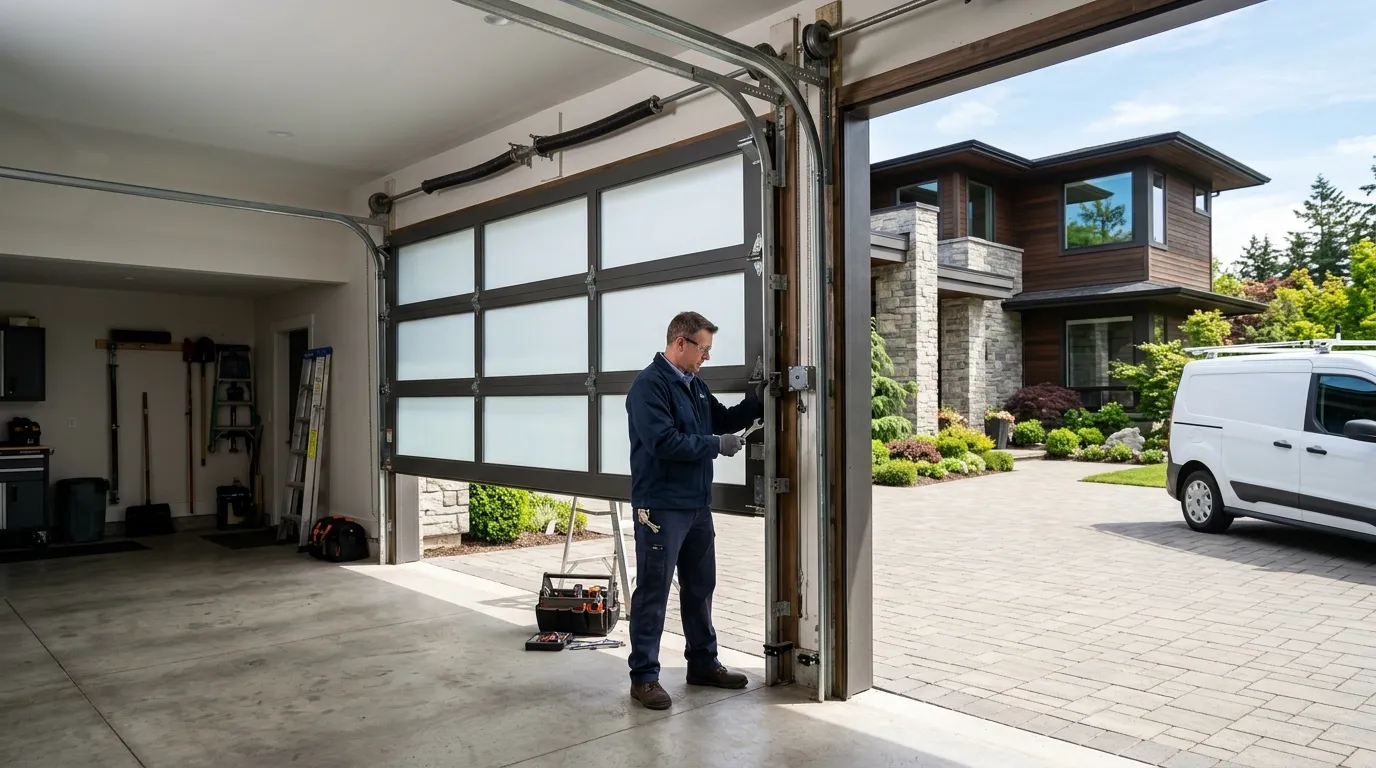
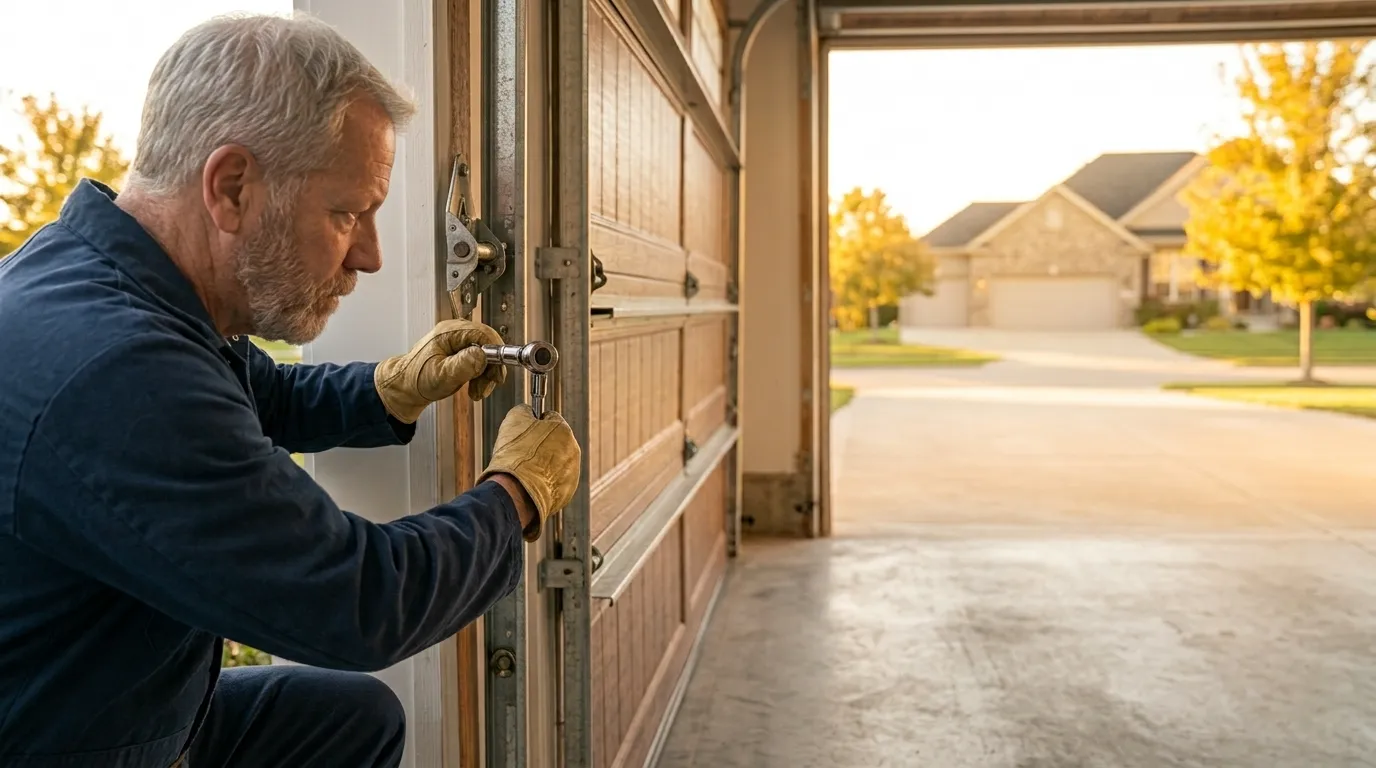
When you call about a panel, the first thing we need is what's on the door now - brand, panel style, and roughly how old it is, since that tells us whether we're ordering a matching section or looking at the door as a whole. If you can get us the model number off the sticker inside the door, or a couple of photos of the damaged panel and the ones next to it, we can usually tell you before a truck ever shows up whether this is a straightforward swap or something that needs a look in person. Booking itself is simple: we schedule a time, come out, confirm the fit, and if the part's in stock we often get it done in the same visit. If it's a panel that has to be special-ordered because the door is out of production, we'll tell you that up front rather than let you find out on the day of the job. We serve the wider Jacksonville area - out to places like Fleming Island, Orange Park, and Jacksonville Beach - so travel time depends on where you're calling from, and we'll give you a realistic window rather than a vague one.
What You Pay
We don't have a flat number to give you here because panel cost swings on a few things that vary door to door. The biggest factor is whether your door's panel style is still made - doors built closer to 1985, which is the median age of housing stock across the service area, sometimes used profiles that have since been discontinued, and matching a single section on those doors can cost more than the labor to install it. The second factor is how many panels need replacing: a single dented section is a different job than a full run across the bottom of a double-wide door. Insulated steel panels generally cost more than plain aluminum or non-insulated steel, and paint-matching an existing color adds a step too. One honest limitation: if your door is old enough that the manufacturer no longer stocks the panel at all, replacing one section can end up close to the cost of a new door, and at that point we'll tell you straight rather than sell you a patch job that won't match anyway.