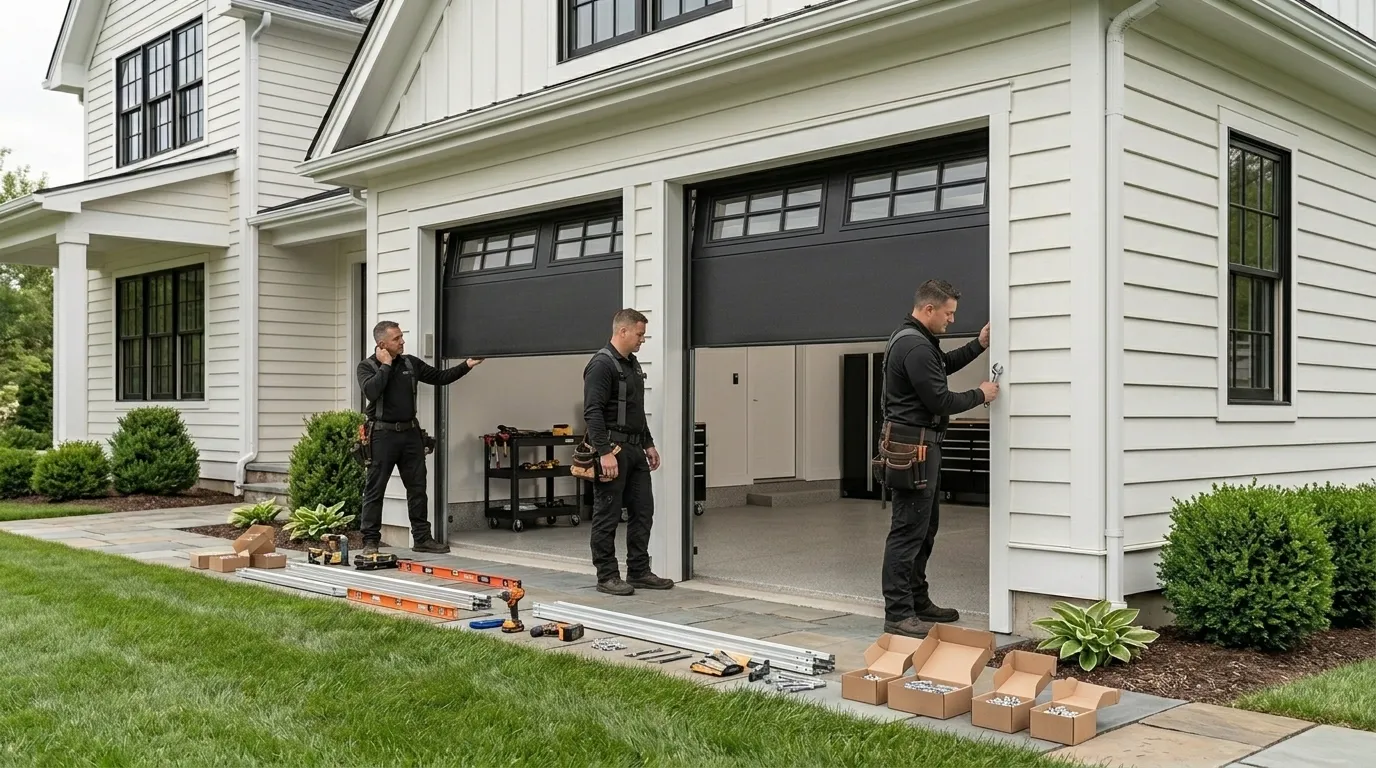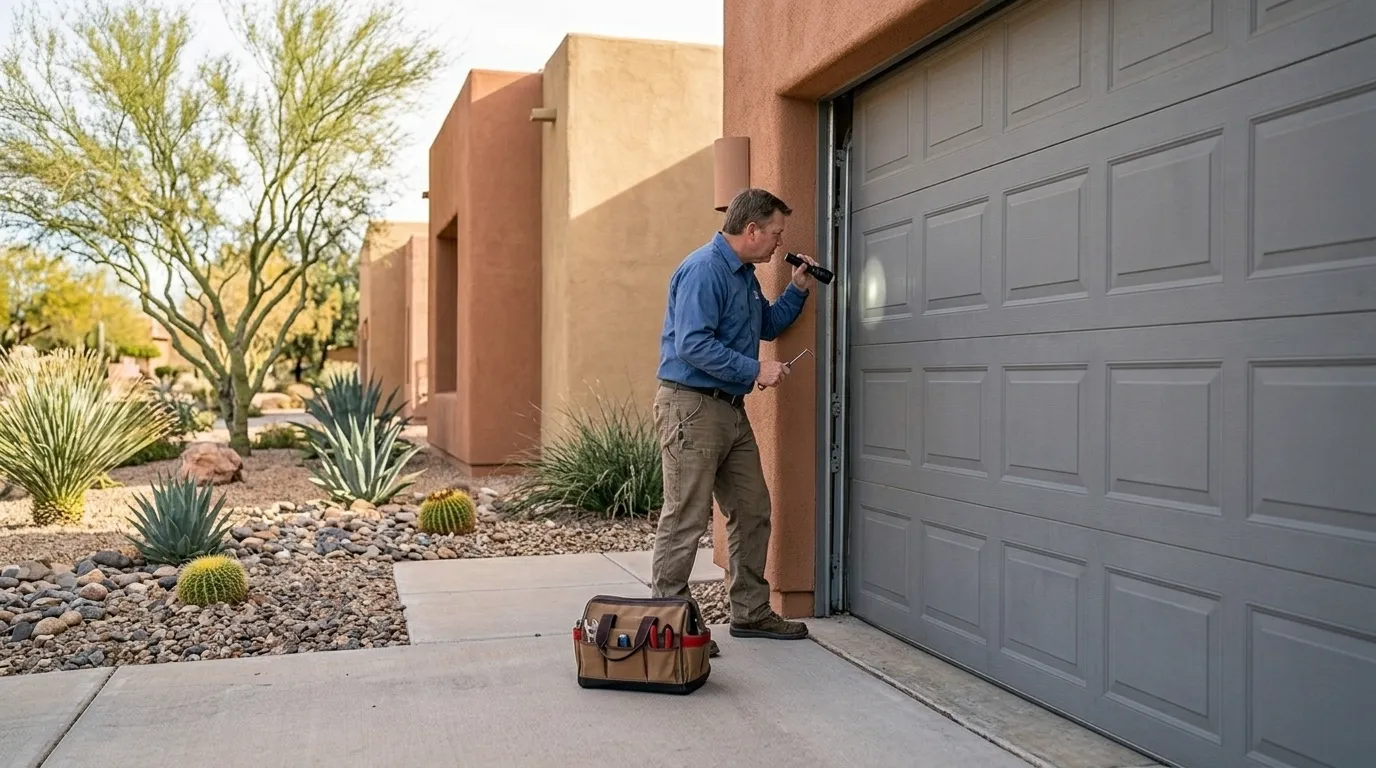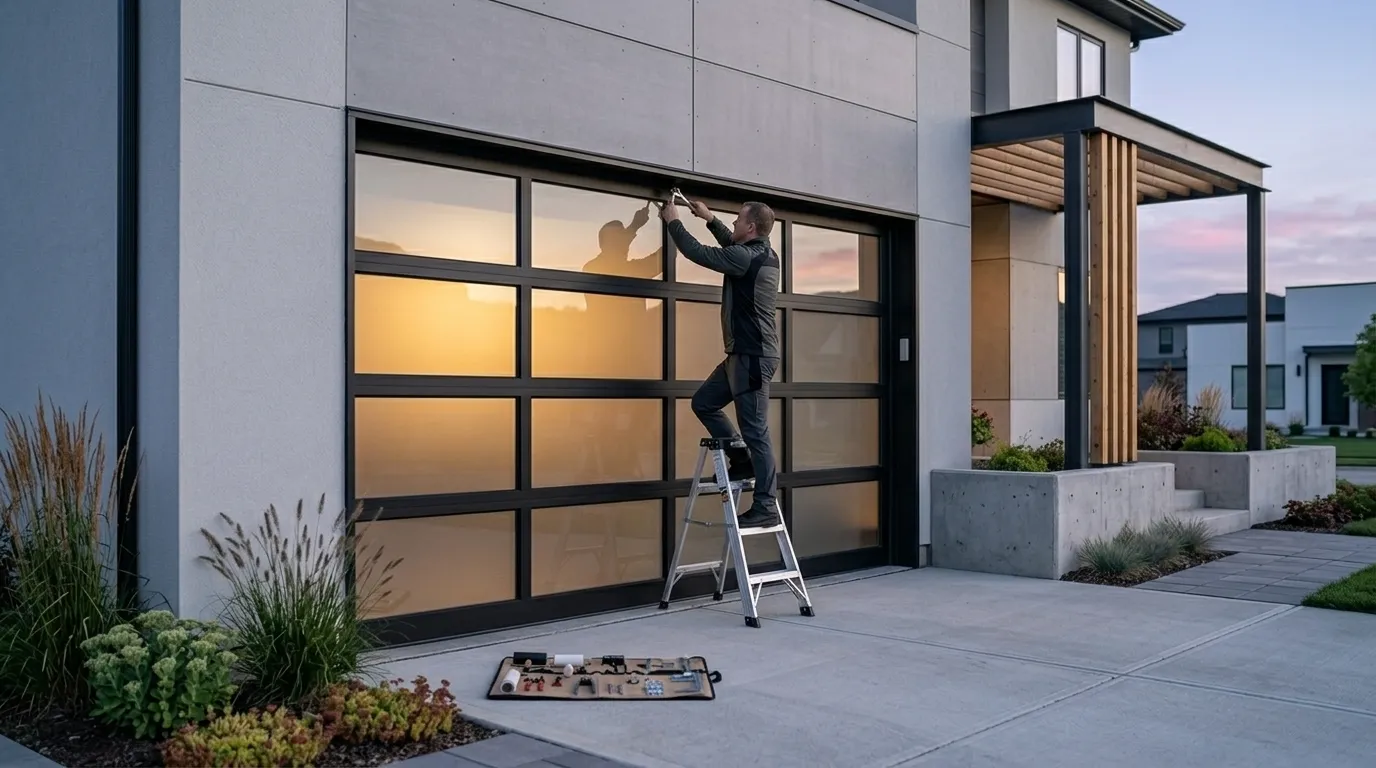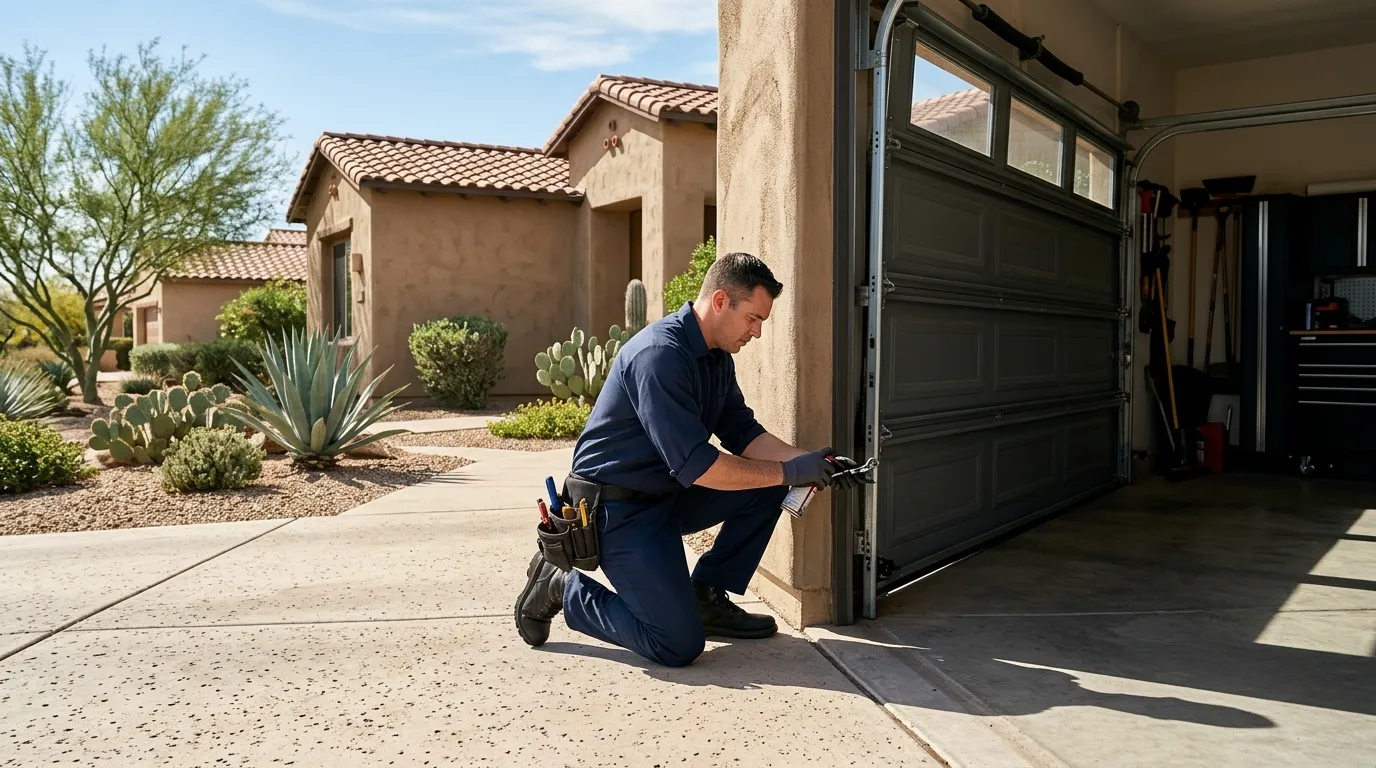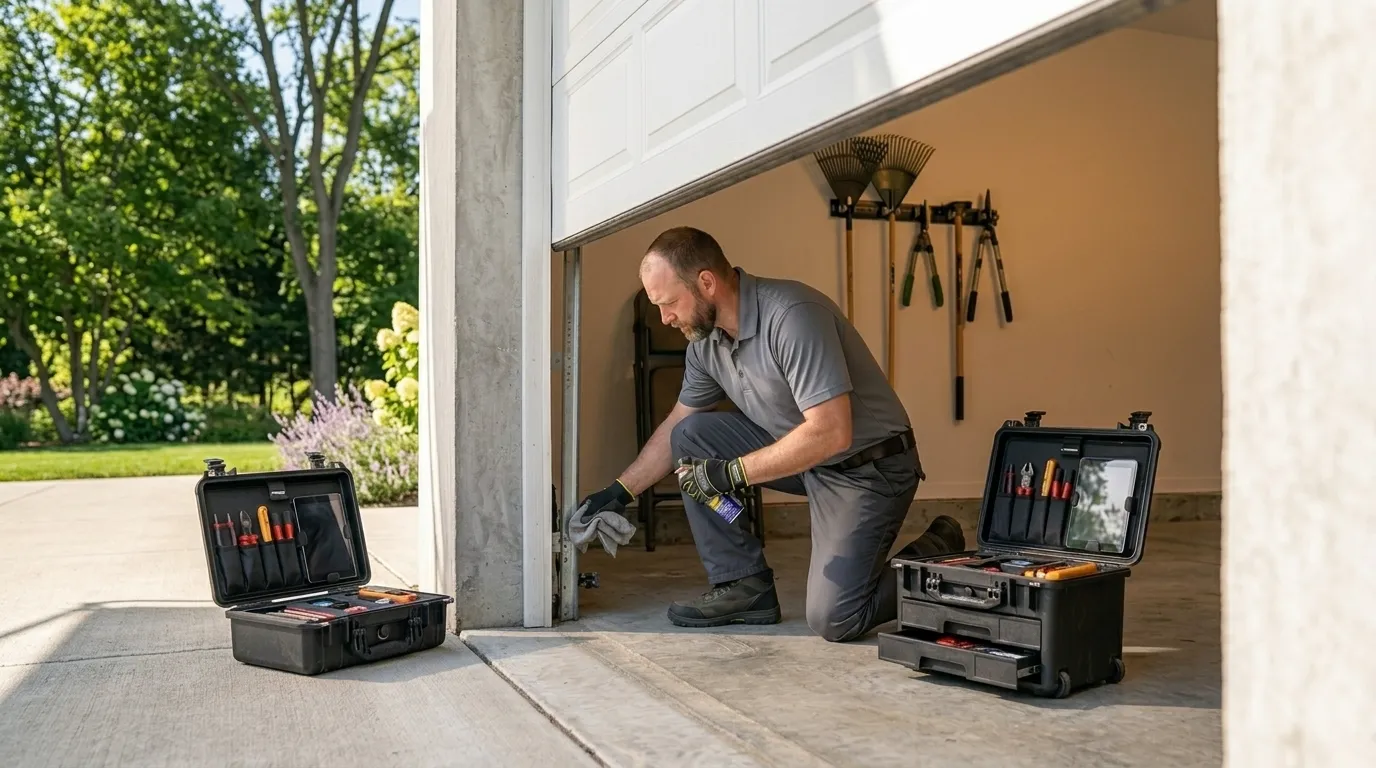
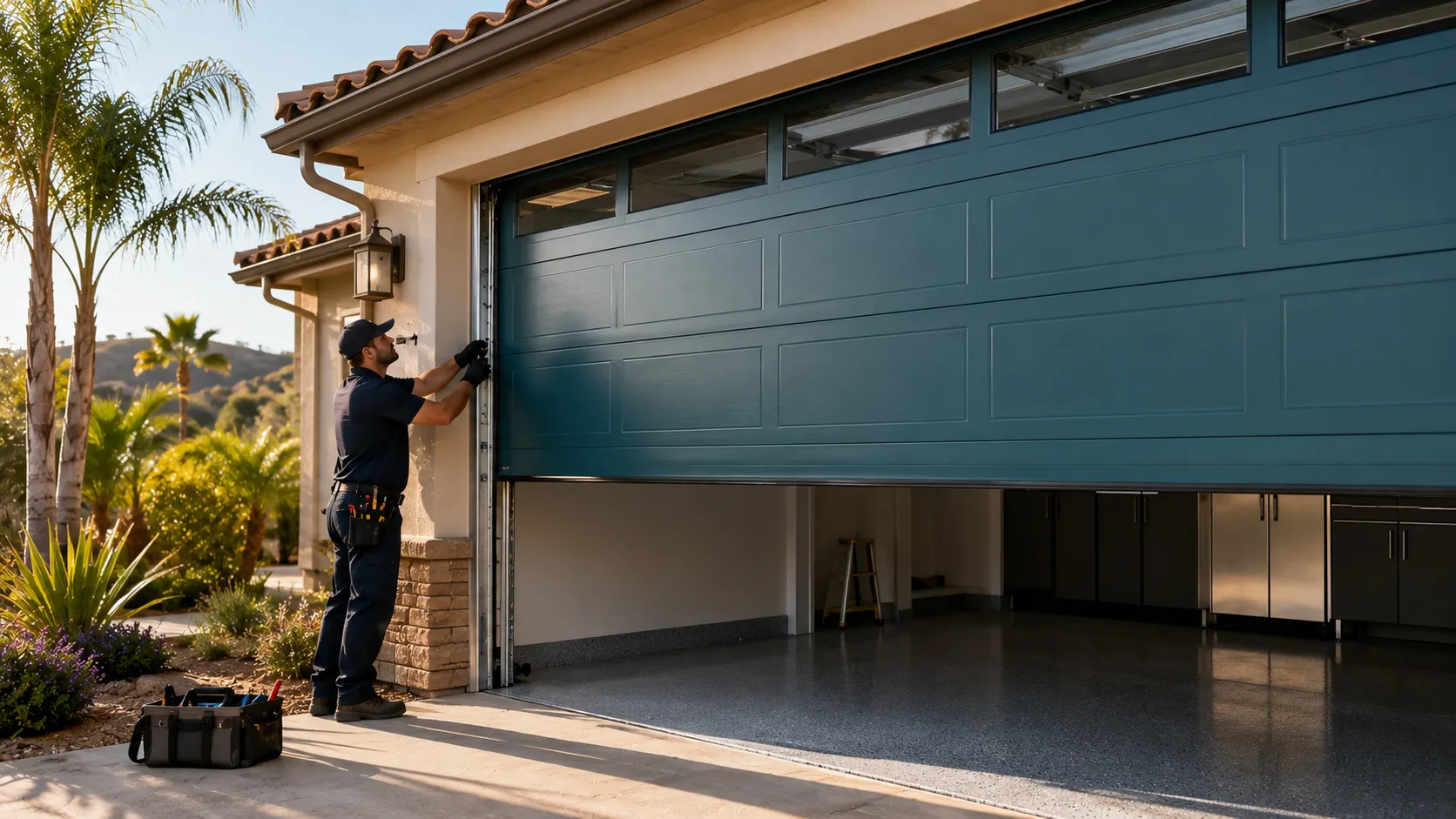
What the Fix Involves
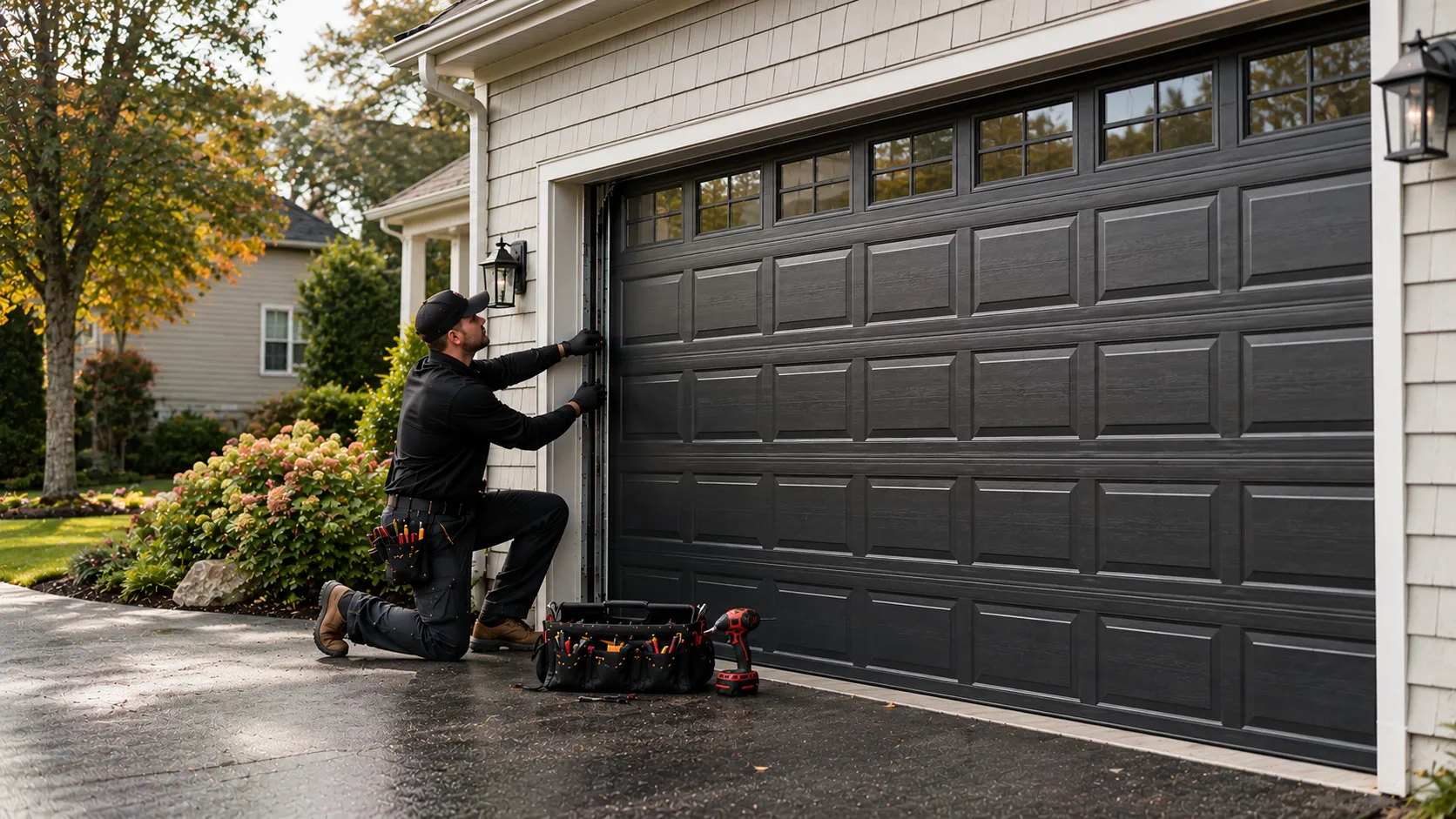
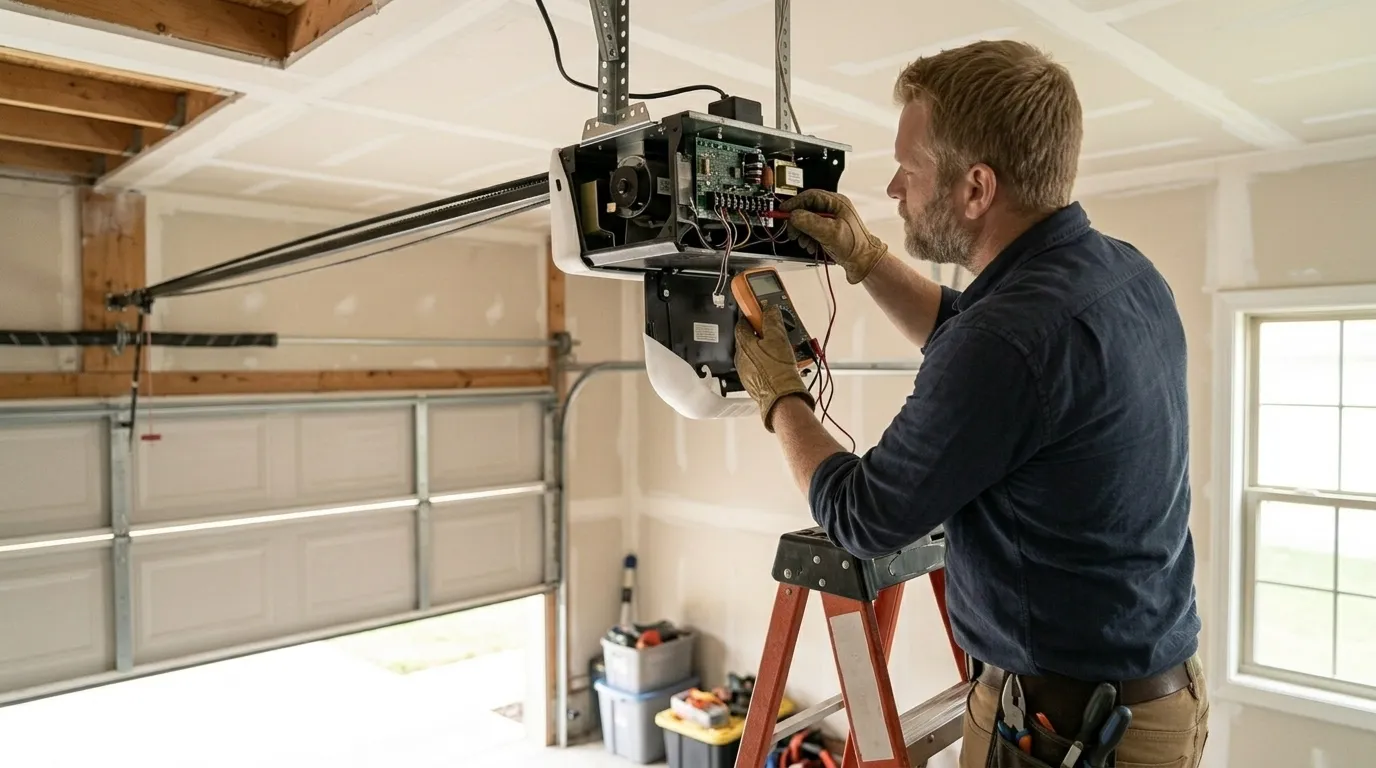
Most of the calls we get from Fleming Island aren't spring calls. The median home here was built around 2000, which puts it toward the newer end of the 1973-2007 range we see across the wider service area, and newer means a different kind of failure. You're less likely to be fighting a rusted-out one-piece door on side hardware and more likely dealing with a logic board that's stopped talking to the wall button, a photo-eye sensor knocked out of alignment, or a limit switch that's drifted so the door reverses before it seats.
That's not to say springs never go on a 2000-built house - a torsion spring is rated for a number of cycles regardless of the house's age, and after two decades most are due. But the emergency call profile here leans electronic. We carry parts for both, but if you tell us on the phone whether the door won't move at all versus moves but won't close, that alone usually tells us which truck load we need before we're on the road out from Jacksonville.
How It Shows Up
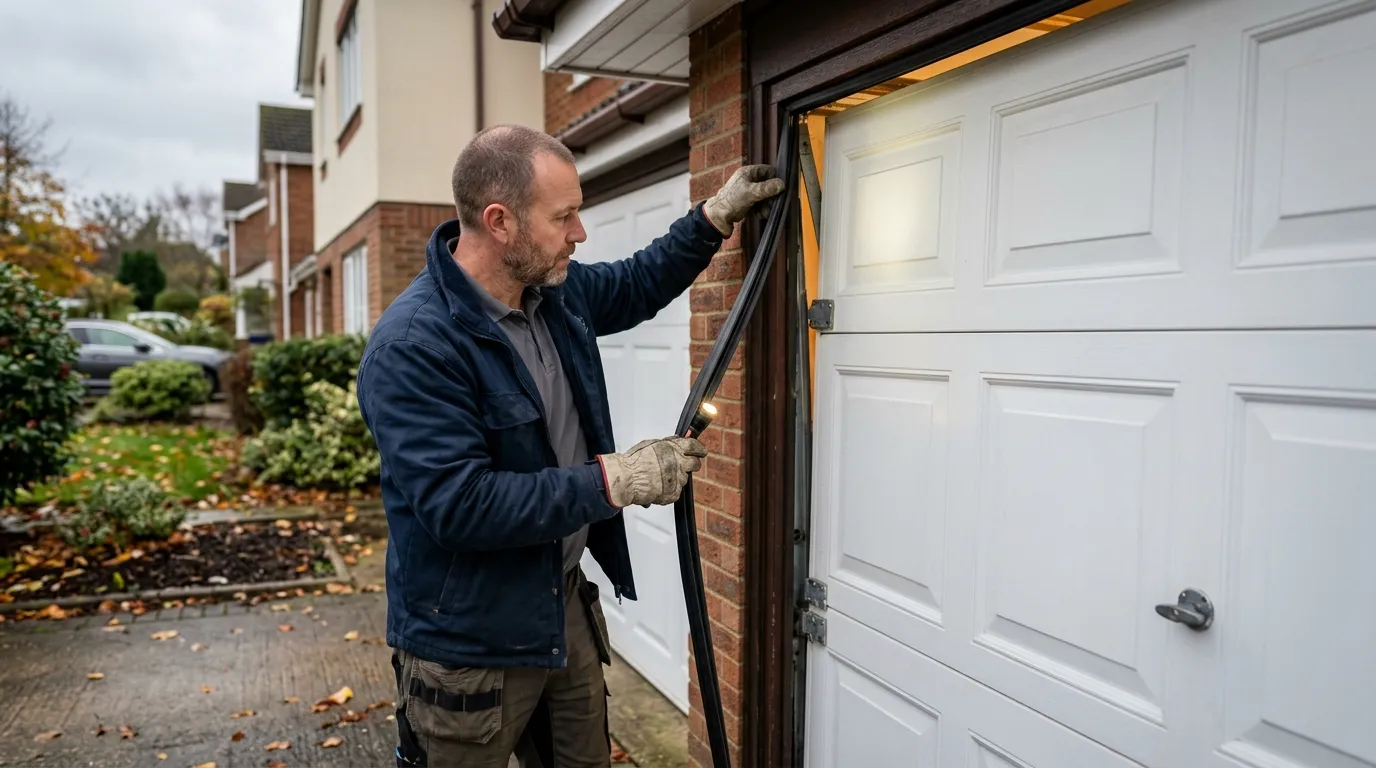
The most common story: the door reverses itself an inch off the floor, over and over, and nobody's stood in the sensor beam. That's a photo-eye out of alignment or dirty, not a safety feature malfunctioning - it's doing exactly what it's built to do when it can't confirm the path is clear. Second most common: the opener runs, you hear the motor, and the door doesn't move, which usually means a stripped drive gear inside the unit rather than anything on the door itself.
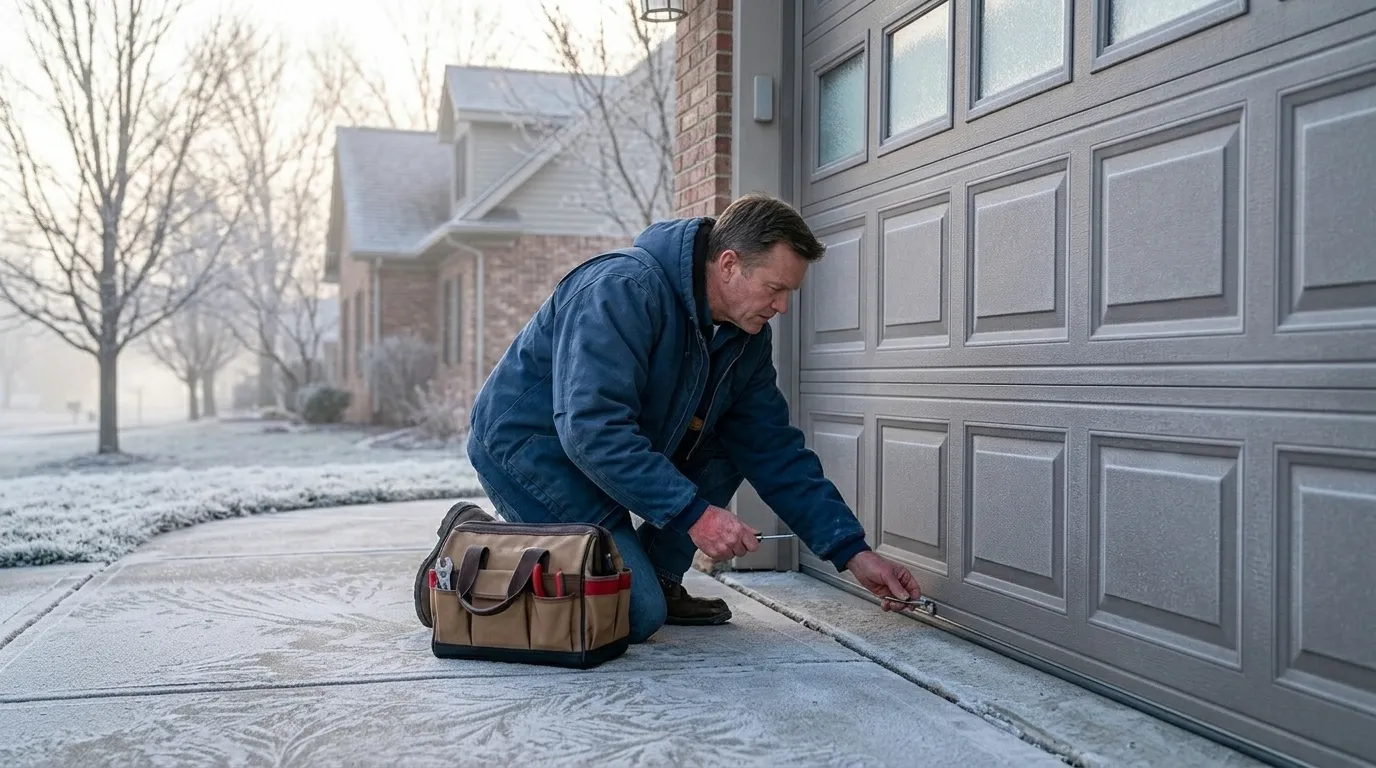
Less common but real: a cable that's jumped its drum on a double door, which will drop one side lower than the other and lock the whole door at an angle. If you see that, don't run the opener again - it can walk the door further off track. The mild temperate climate here means we don't get the frost-cracked plastic gears or ice-swollen tracks that colder-climate suburbs deal with, but summer humidity is hard on circuit boards and can corrode sensor contacts on units running fifteen-plus years, which lines up with a lot of the original openers still in these houses.
The DIY Question
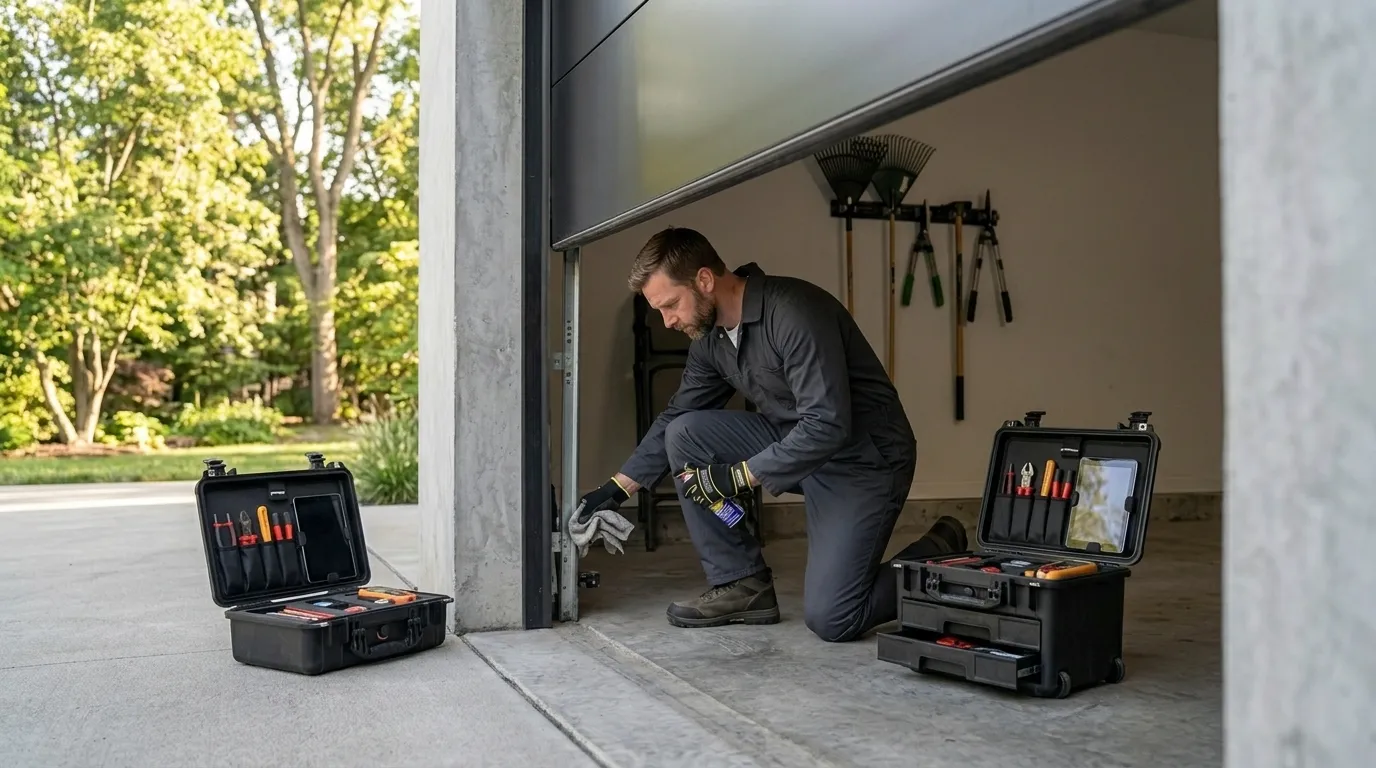
Realigning a photo-eye sensor is genuinely a DIY job - loosen the bracket screw, nudge it until the light's steady, tighten it back down. That's five minutes and no tools beyond a screwdriver.
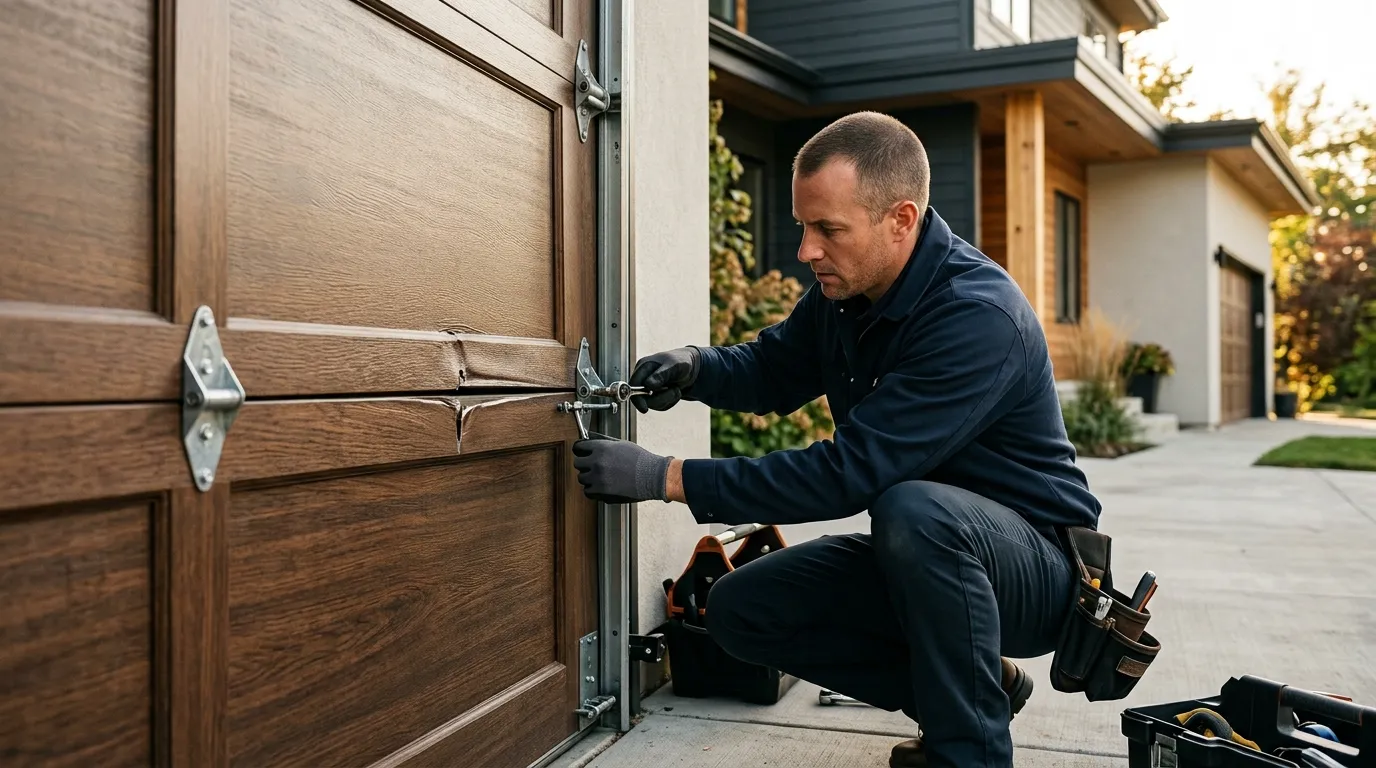
What isn't a DIY job: anything involving the torsion spring, or trying to force a door back onto a track after a cable's jumped the drum. Those store enough energy to break a hand, and we mean that plainly, not as a scare line. If the door's off track or the spring's visibly separated, leave it alone and call it in. We'd also say plainly that if your opener is the original unit from a 2000 build and the board's fried, replacing the opener outright is often the better call than chasing parts for a unit that age - we'll tell you which one it is when we're standing in front of it, not before.