What the Fix Involves
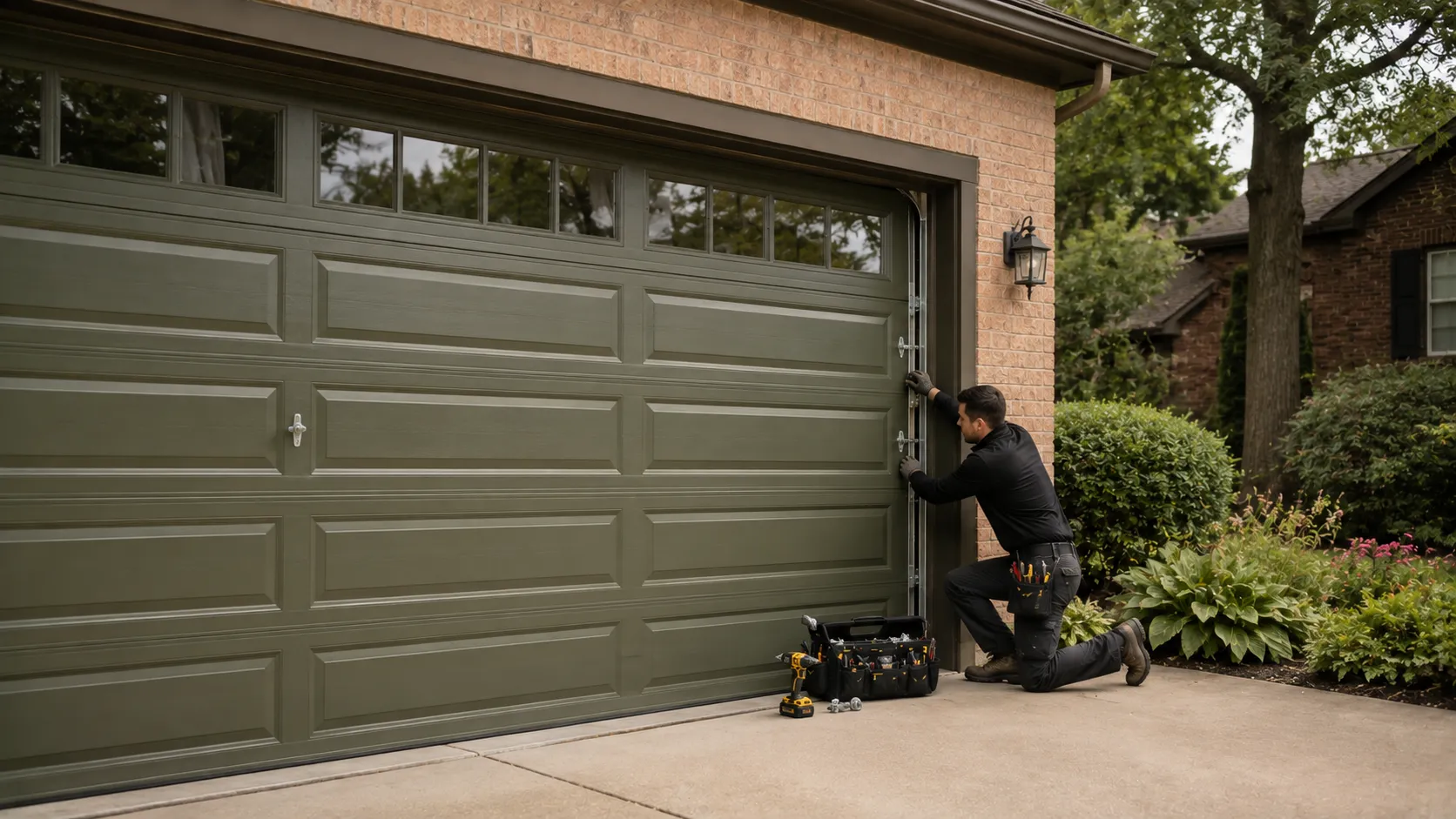
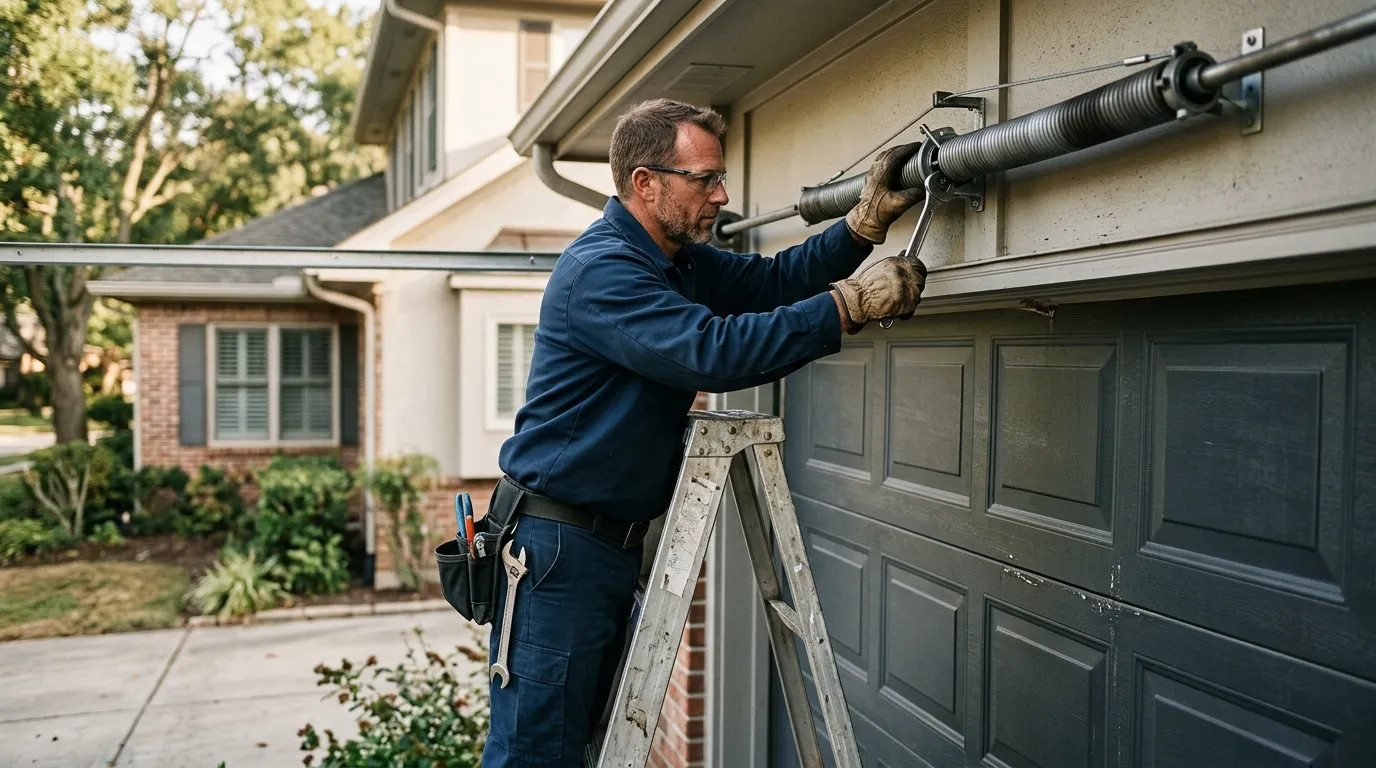
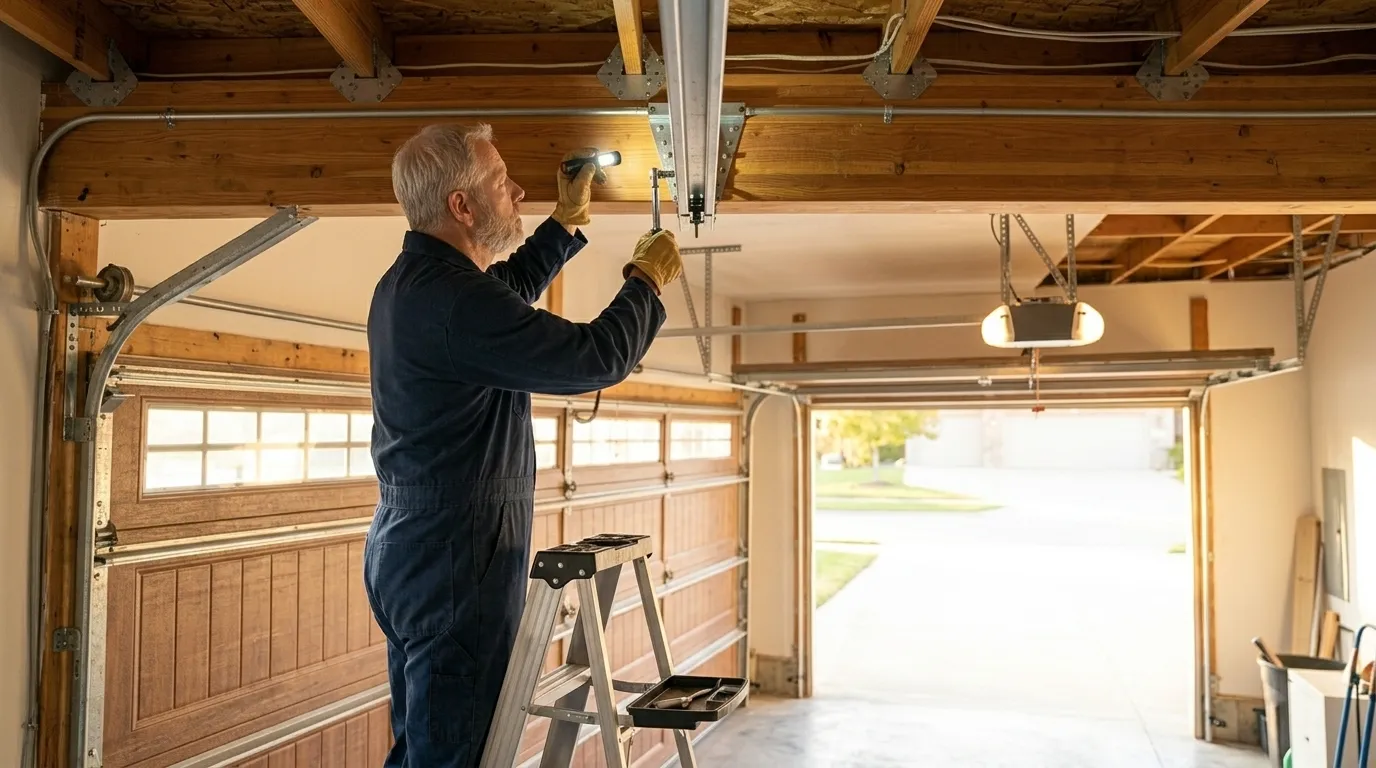
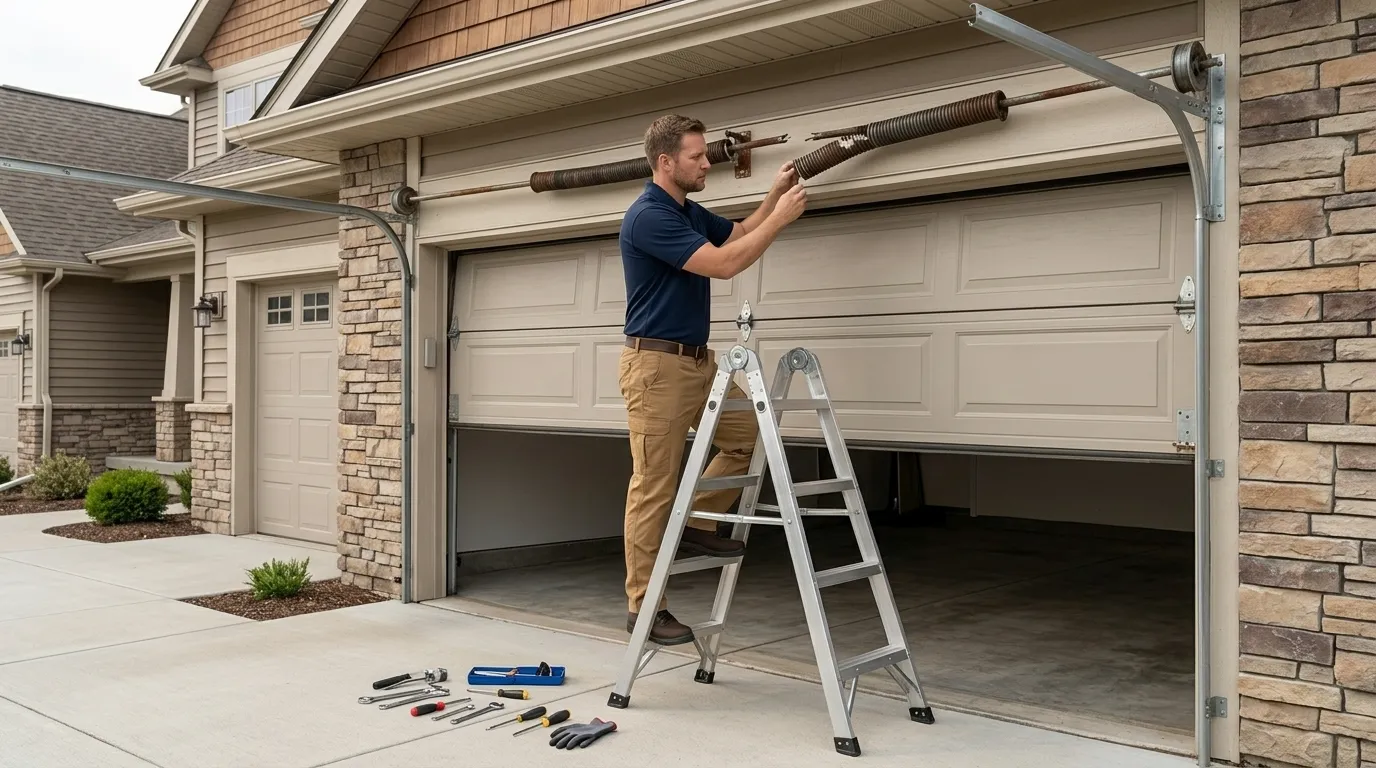
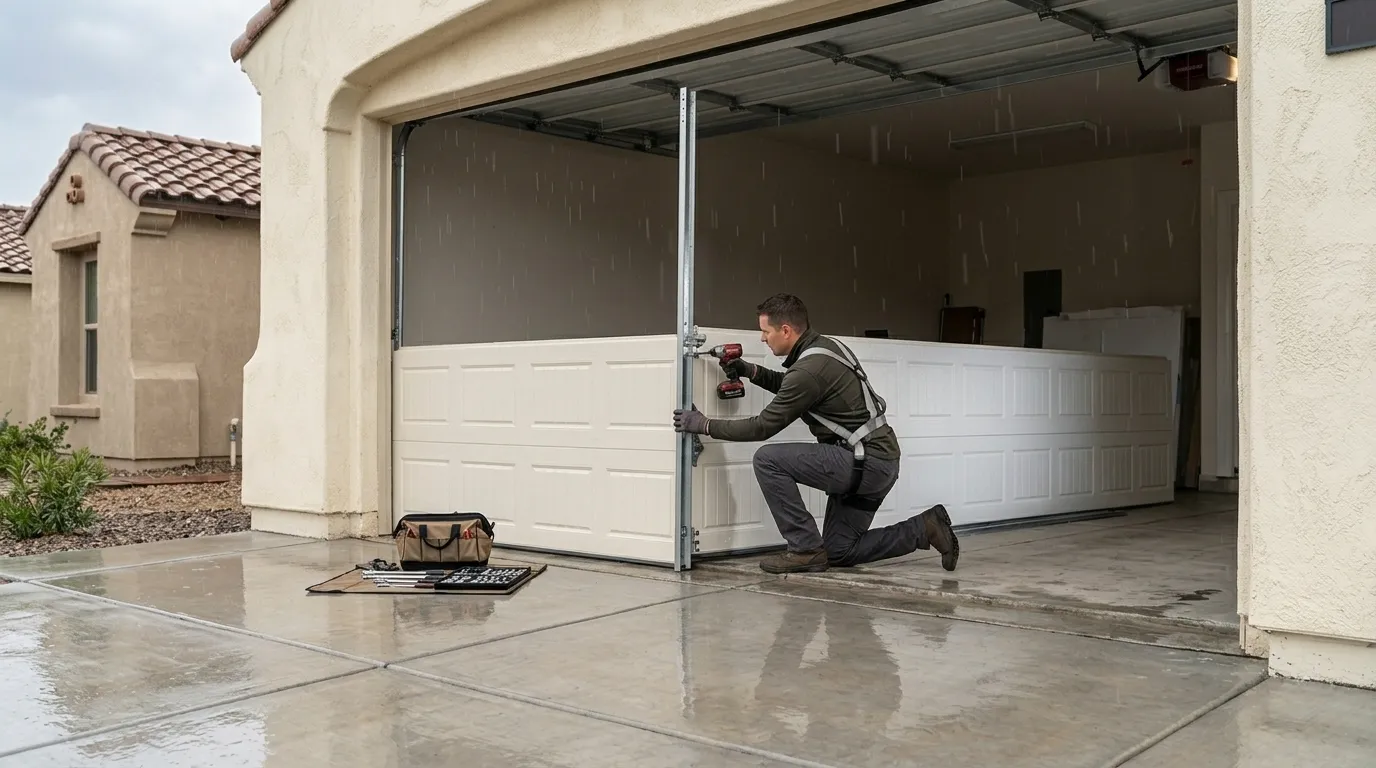
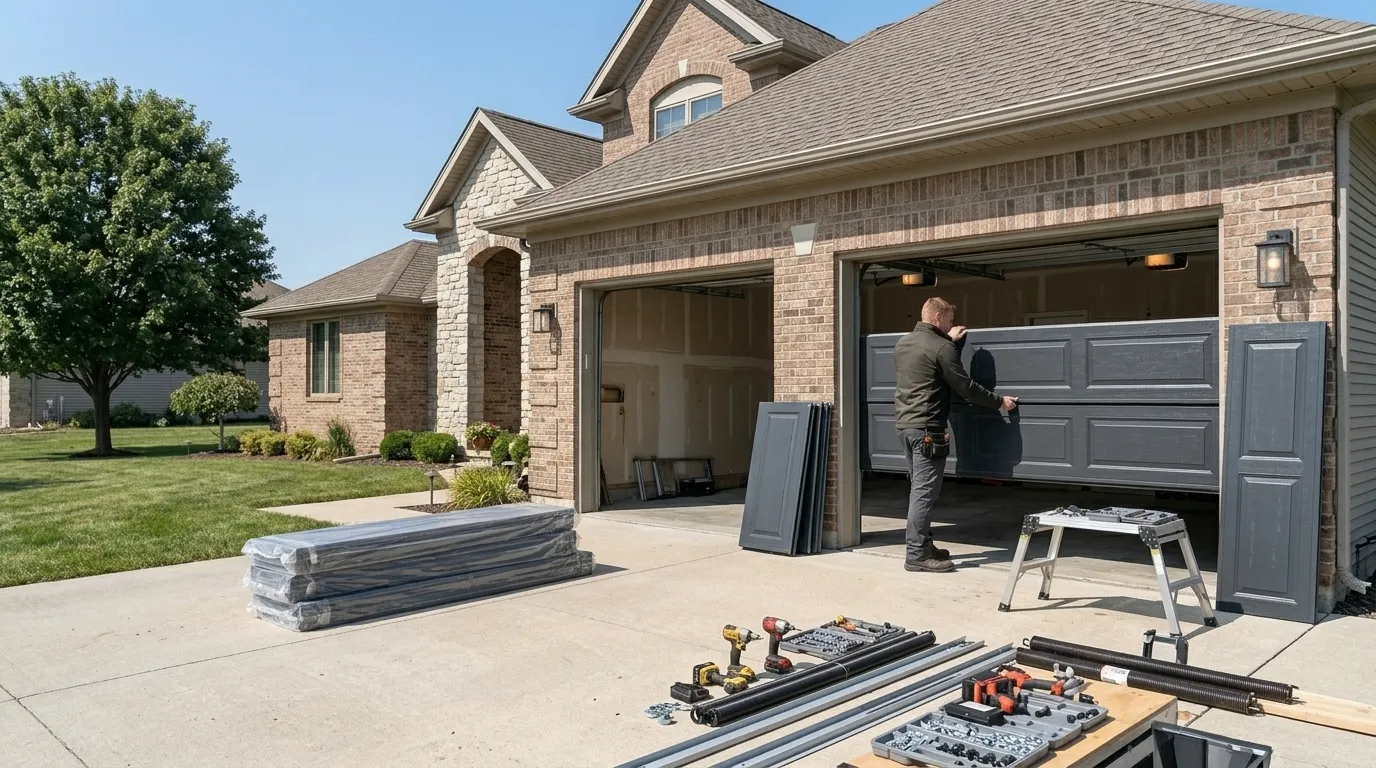
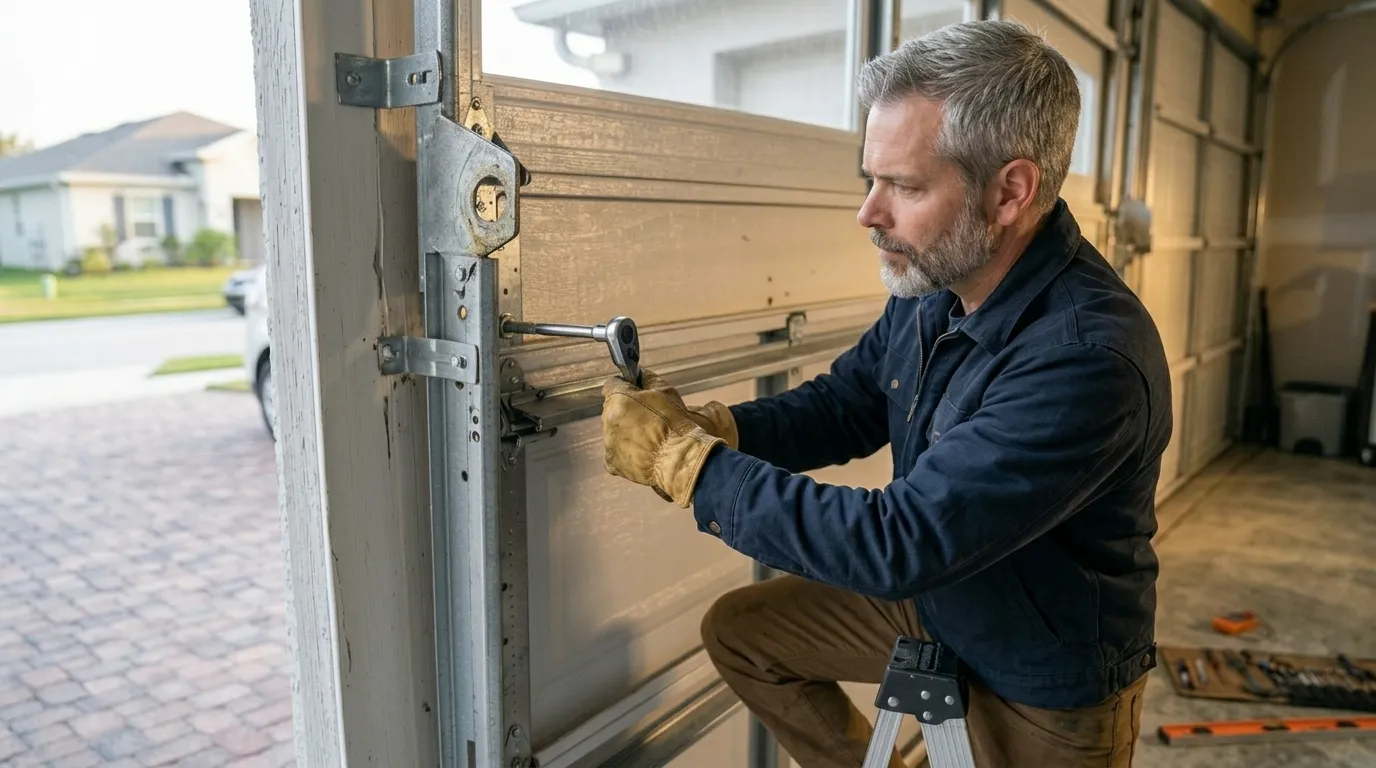
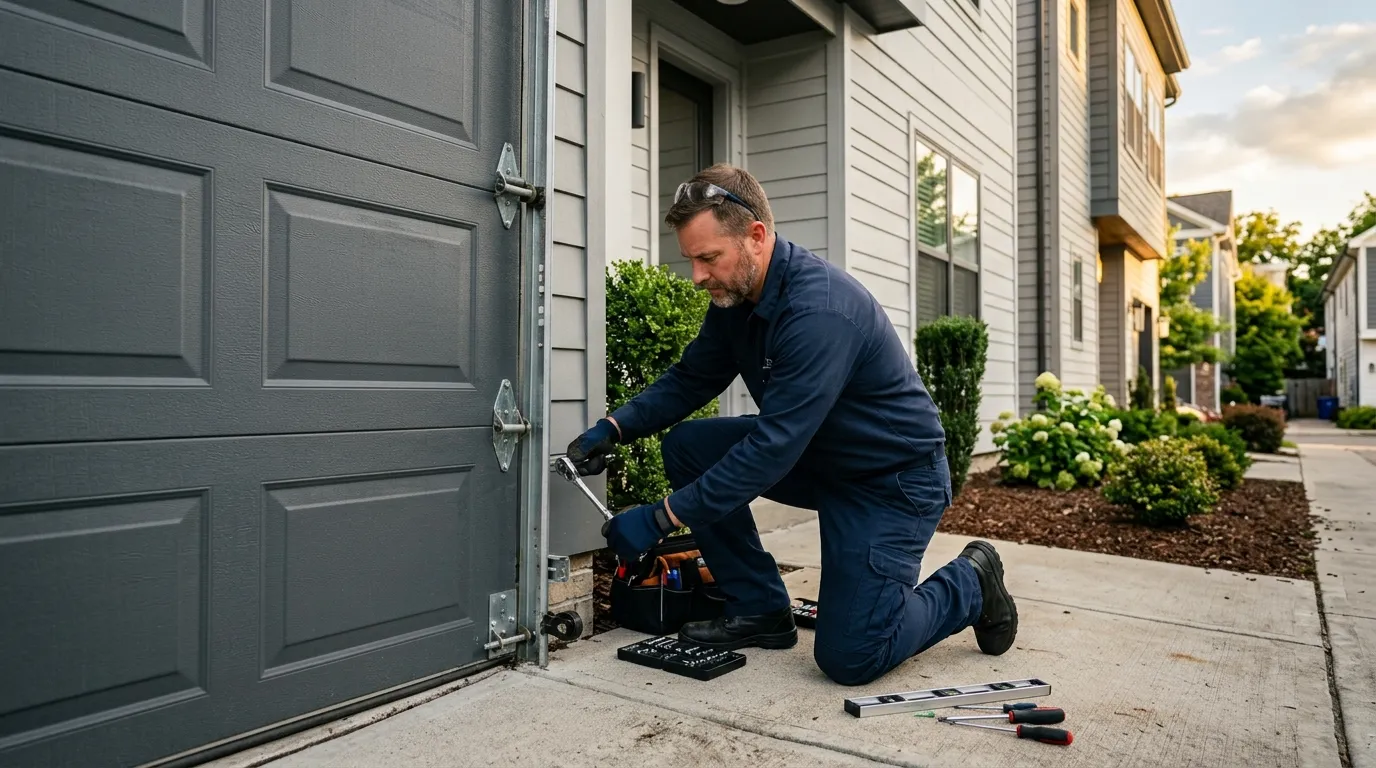
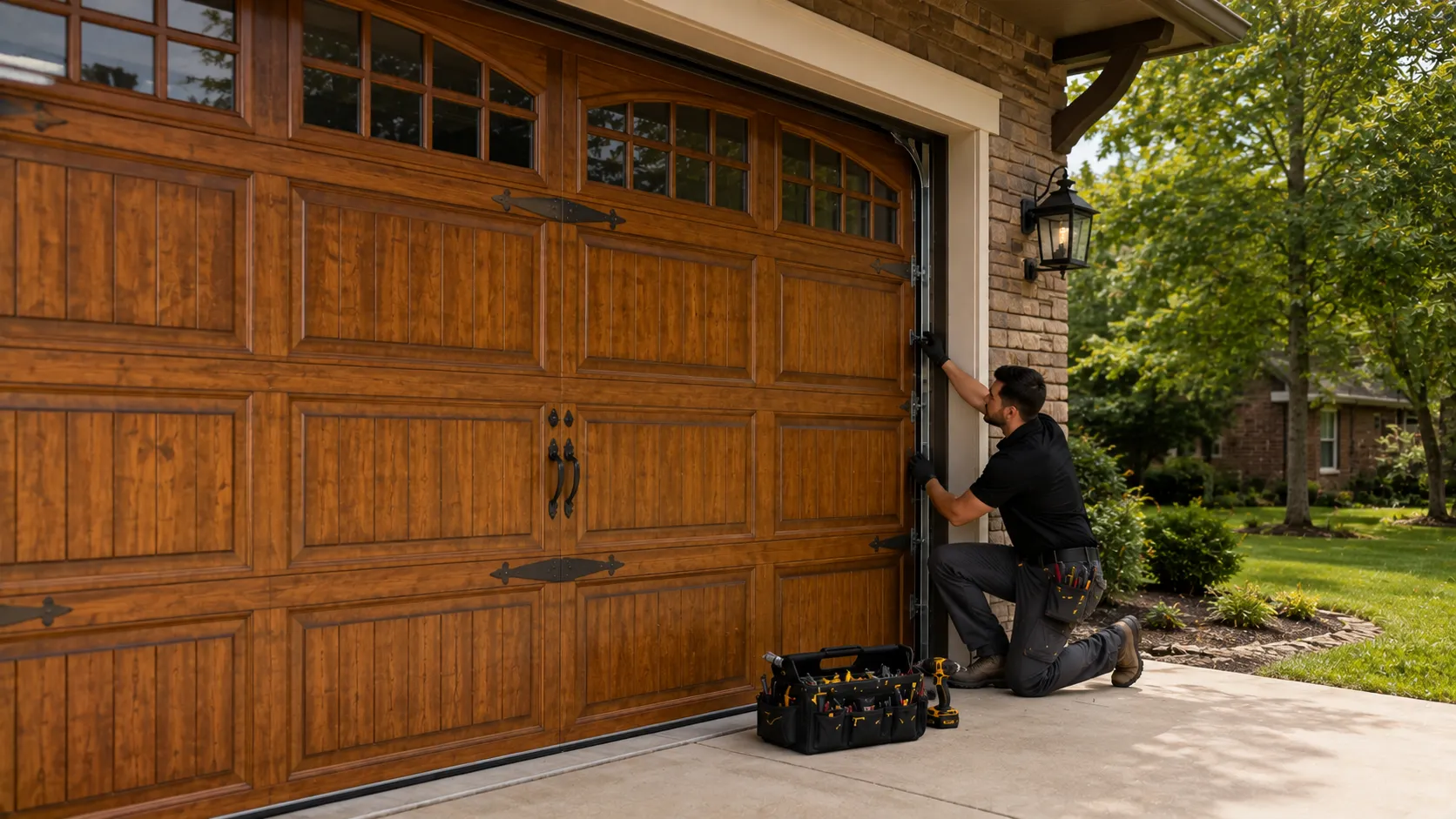
Fleming Island has about 11,297 households, which is a small enough number that the fault patterns repeat instead of scattering all over the map. Most of the housing here went up around the year 2000, which is noticeably newer than a lot of what we see closer to Jacksonville. That matters for the actual repair. A door from 2000 usually means a steel panel door on a torsion spring system with a factory opener that still has a circuit board worth troubleshooting rather than tossing. We're not pulling original one-piece doors off ancient side-mount hardware here - we're dealing with early-2000s torsion springs that are now old enough to fatigue and fail, and openers whose logic boards are starting to go after two decades of Florida humidity cycling through them. The fix, most days, is a spring replacement, a roller and cable check, or an opener board swap. We carry parts sized for that era of door because it's what actually shows up on these streets, not for the older stock we see elsewhere in the service area.
How It Shows Up
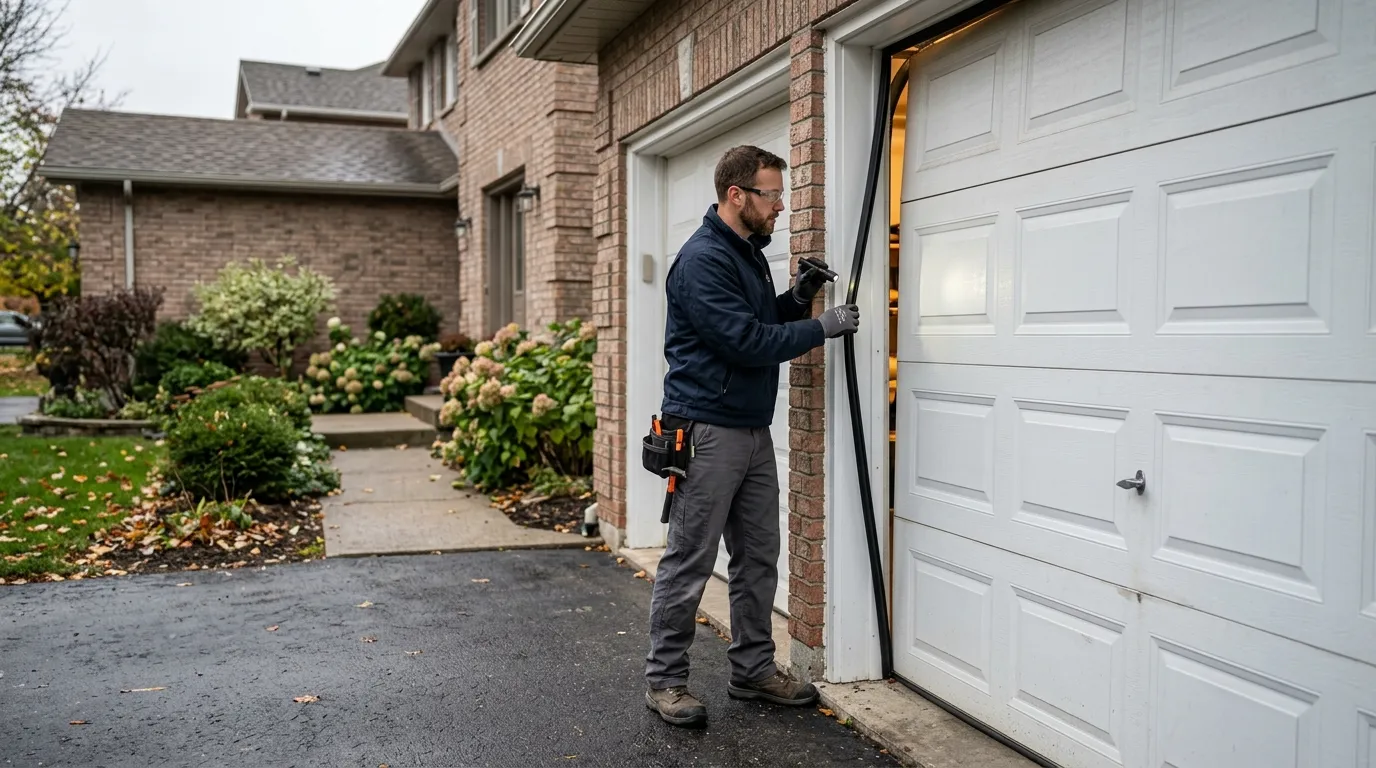
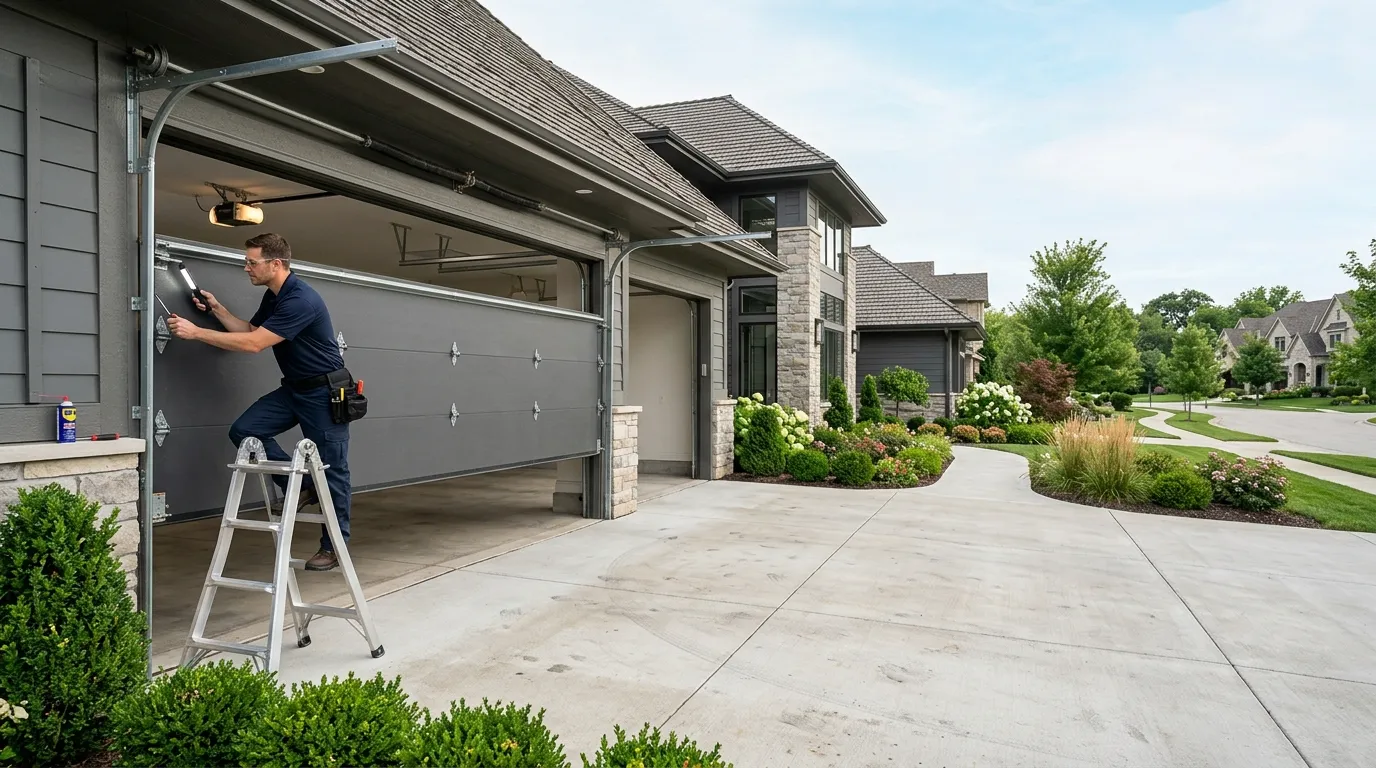
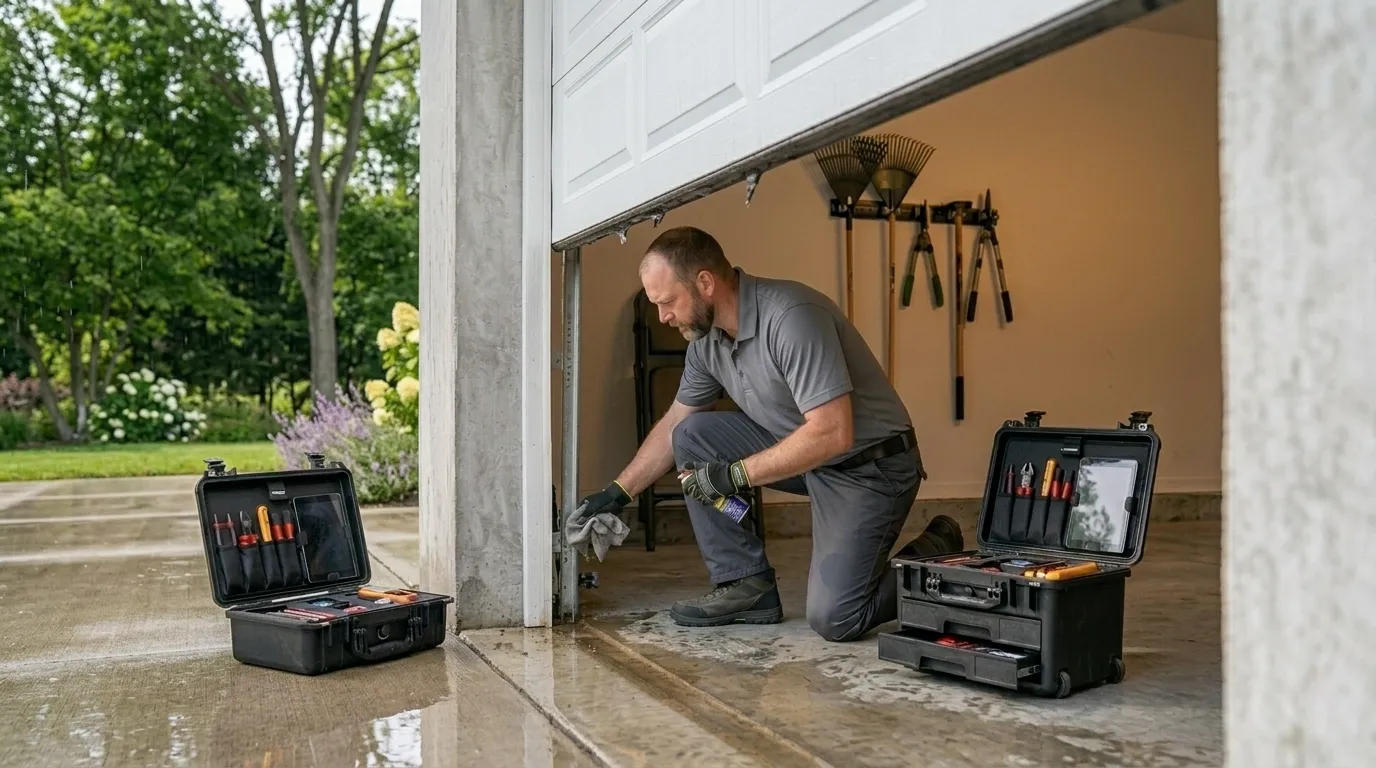
The mild coastal-influenced climate this area sits in doesn't put the door through freeze-thaw cycles, so cracked panels and frozen tracks aren't what you're calling about. What shows up instead is humidity and heat working on rubber and metal over twenty-plus years: weatherstripping that's gone brittle, torsion springs that have simply cycled out their life, and openers with sensors that drift out of alignment as the frame settles. A door that reverses randomly or refuses to close all the way is almost always a sensor or a spring balance issue on a house this age, not a broken panel. Noise is the other tell - a door built around 2000 with its original rollers is due for that swap now, and a grinding or popping sound on the way up usually means exactly that. None of this is dramatic. It's wear catching up to a door that's old enough to need attention but not old enough to need full replacement.
The DIY Question
Torsion springs store enough force to break a hand or worse, and that doesn't change based on how new the door is. If the door won't budge, or a spring has visibly separated, that's not a weekend project - call it in. Where you can actually help yourself: check that nothing's obstructing the photo-eye sensors near the floor, listen for where the noise is coming from before we arrive, and don't keep hitting the opener button if the door is stuck partway, since that's how a motor burns out on top of a spring problem. One honest limit: if the opener board itself has failed and the model is old enough that the manufacturer's stopped making that board, replacement of the opener is usually cheaper and faster than hunting a discontinued part. We'll tell you straight when that's the case instead of running up a bill chasing a repair that isn't worth it.