What the Fix Involves
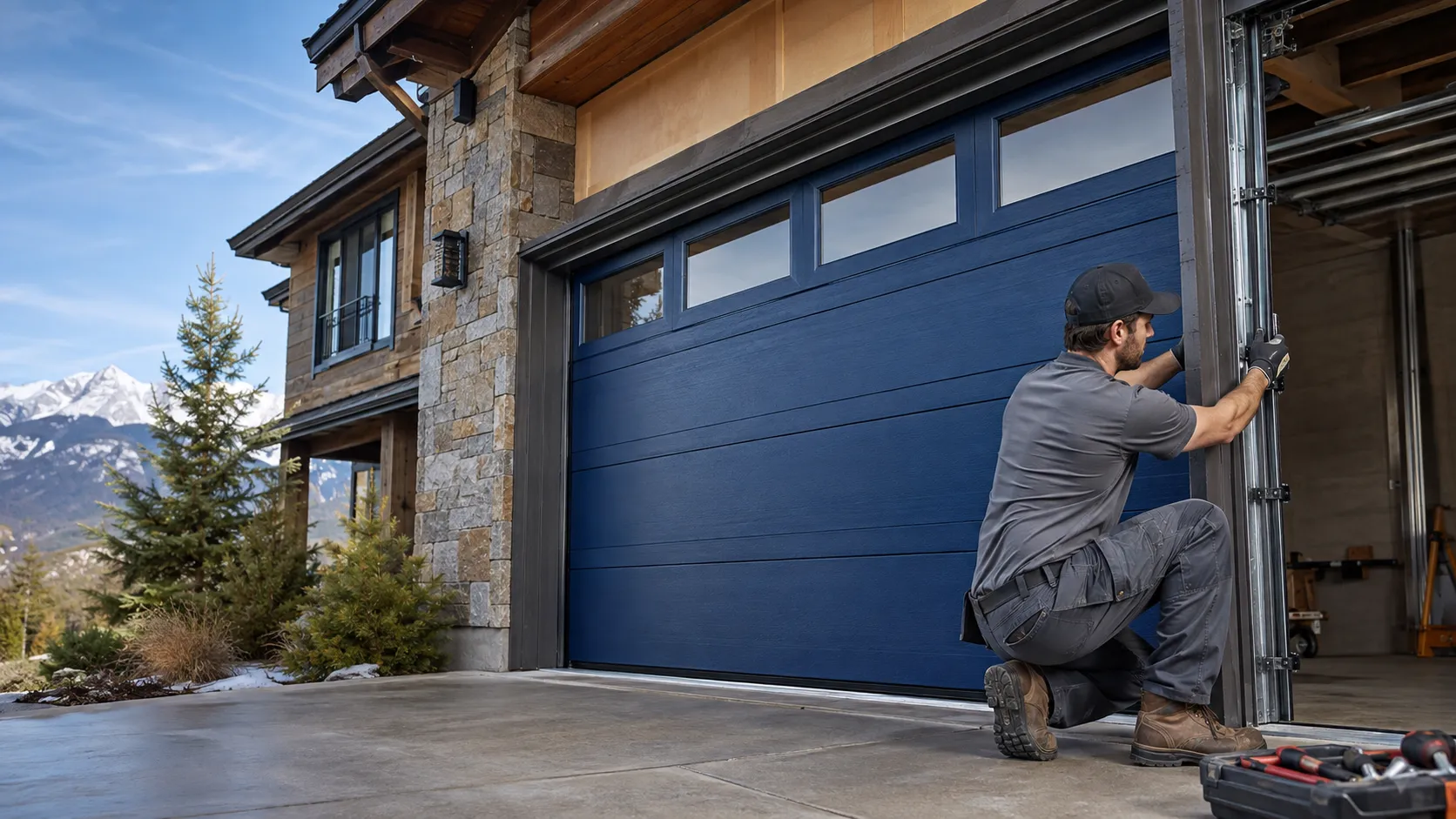
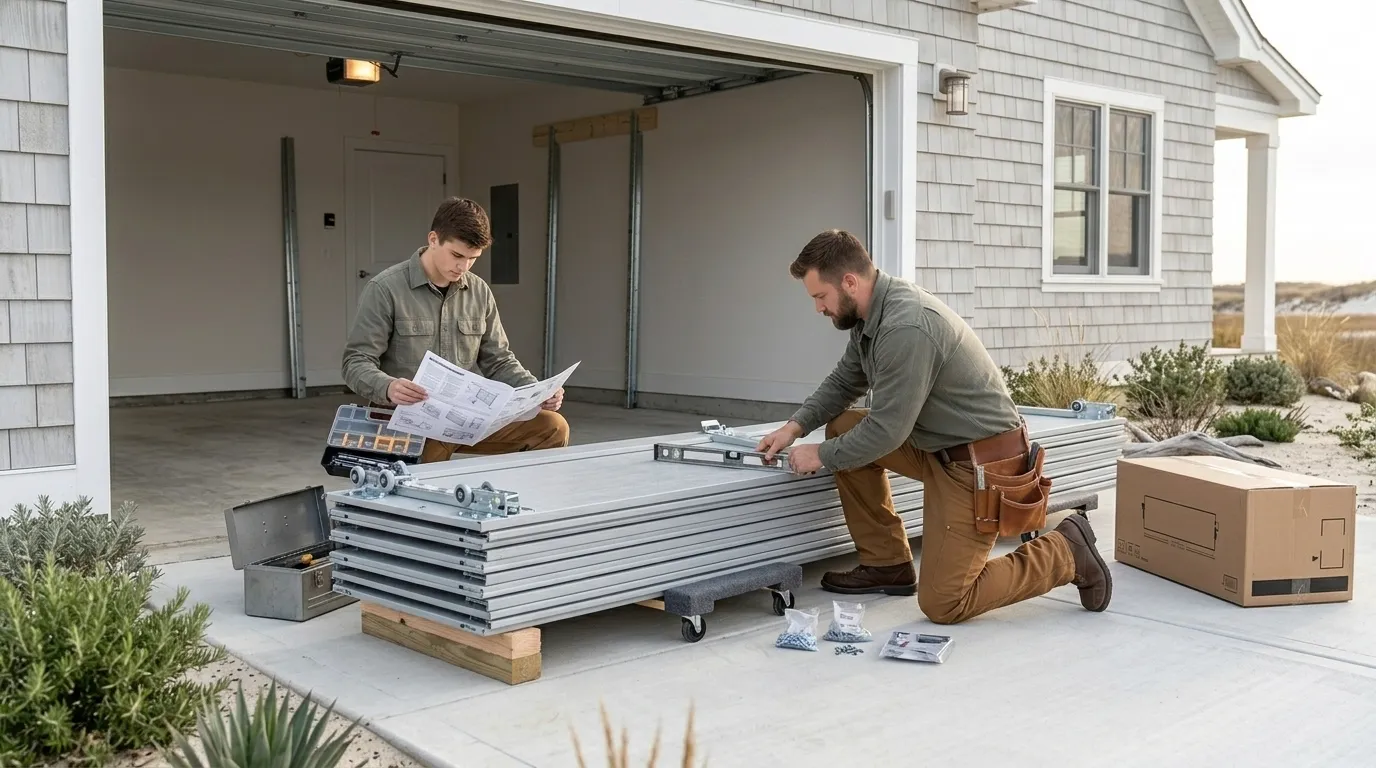
Most garage doors in Fleming Island went up around 2000, which puts this stock a good fifteen years newer than the broader Jacksonville service area, where the median build year runs closer to 1985. That matters for an opener install because a 2000-era door is almost always a full steel sectional, two-car width, heavier than the single-panel doors on older streets across the river. The original opener on a door like this was sized to that door's weight class at the time - usually a 1/2 HP chain or screw drive - and it's rarely the right unit if you're replacing a dead motor with something off a shelf.
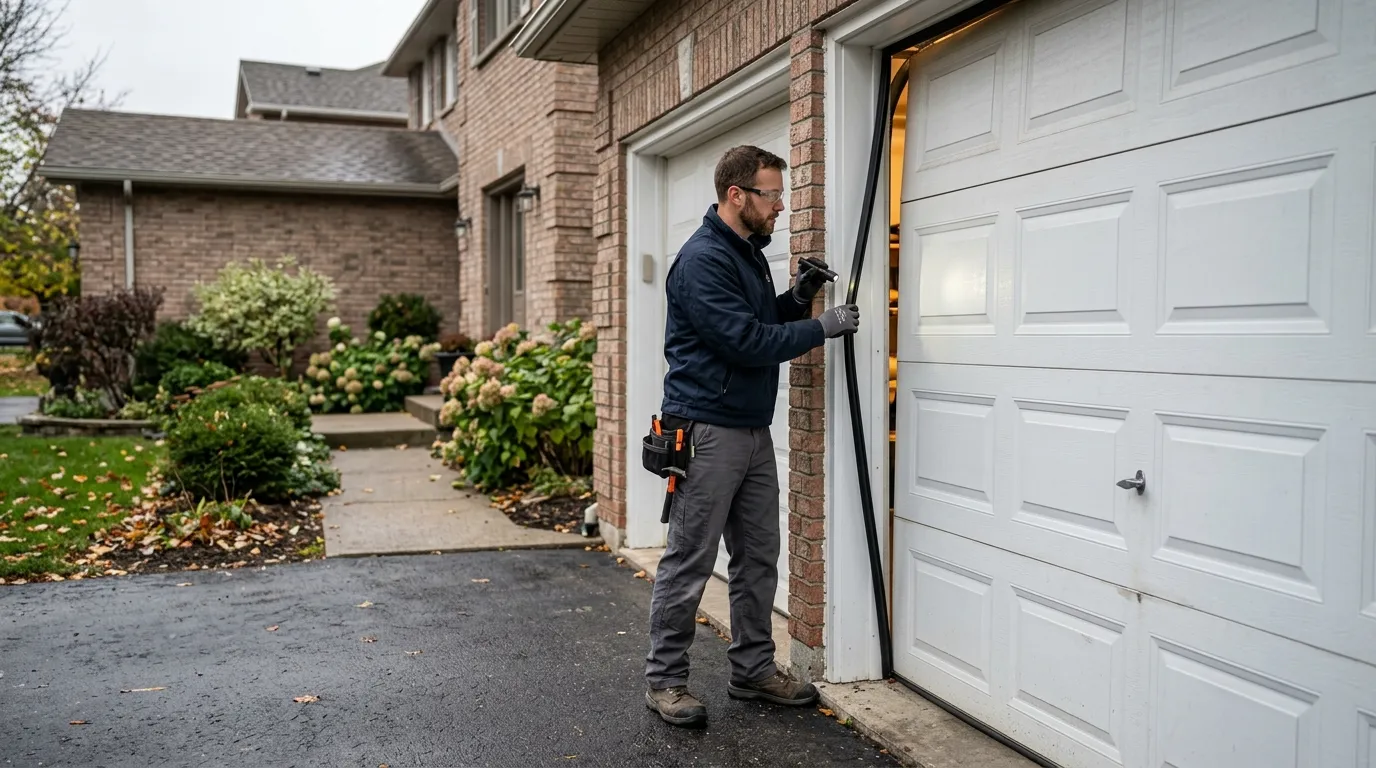
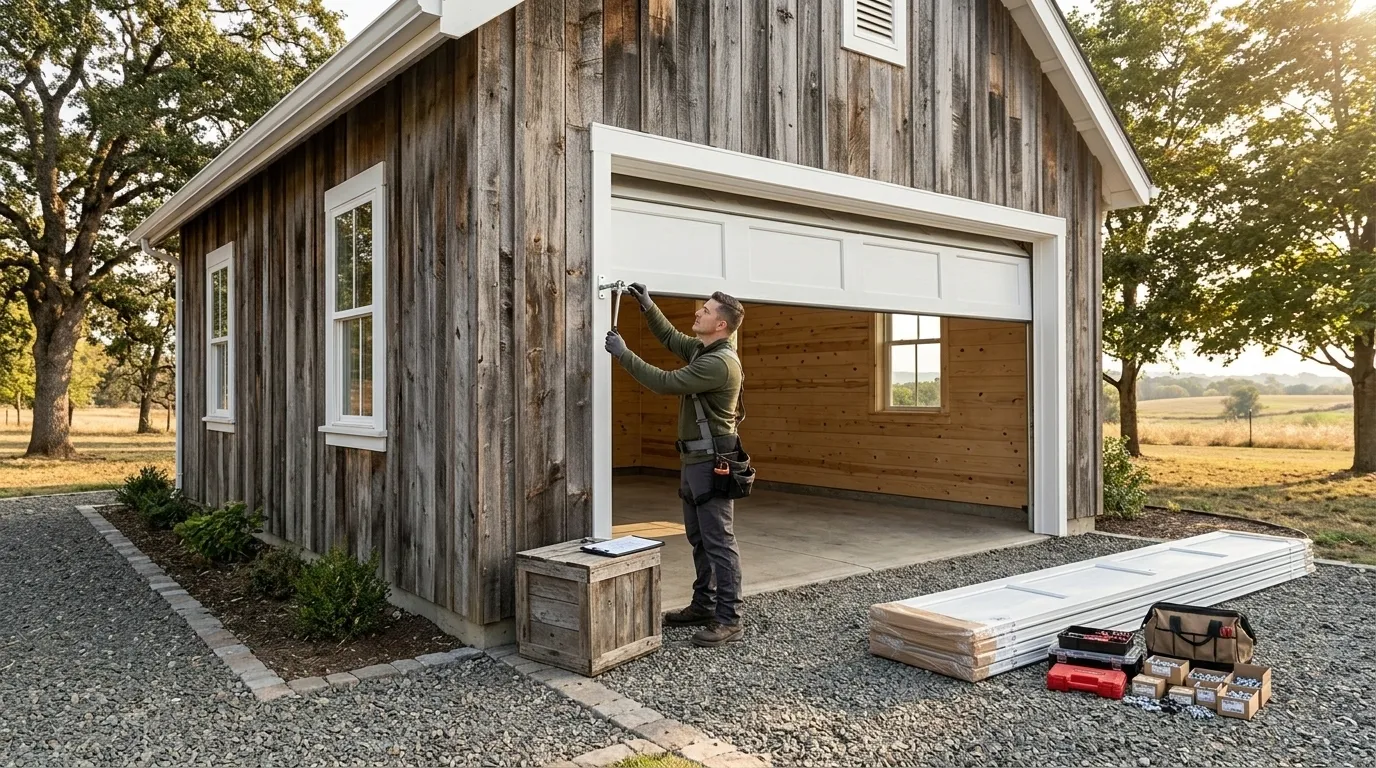
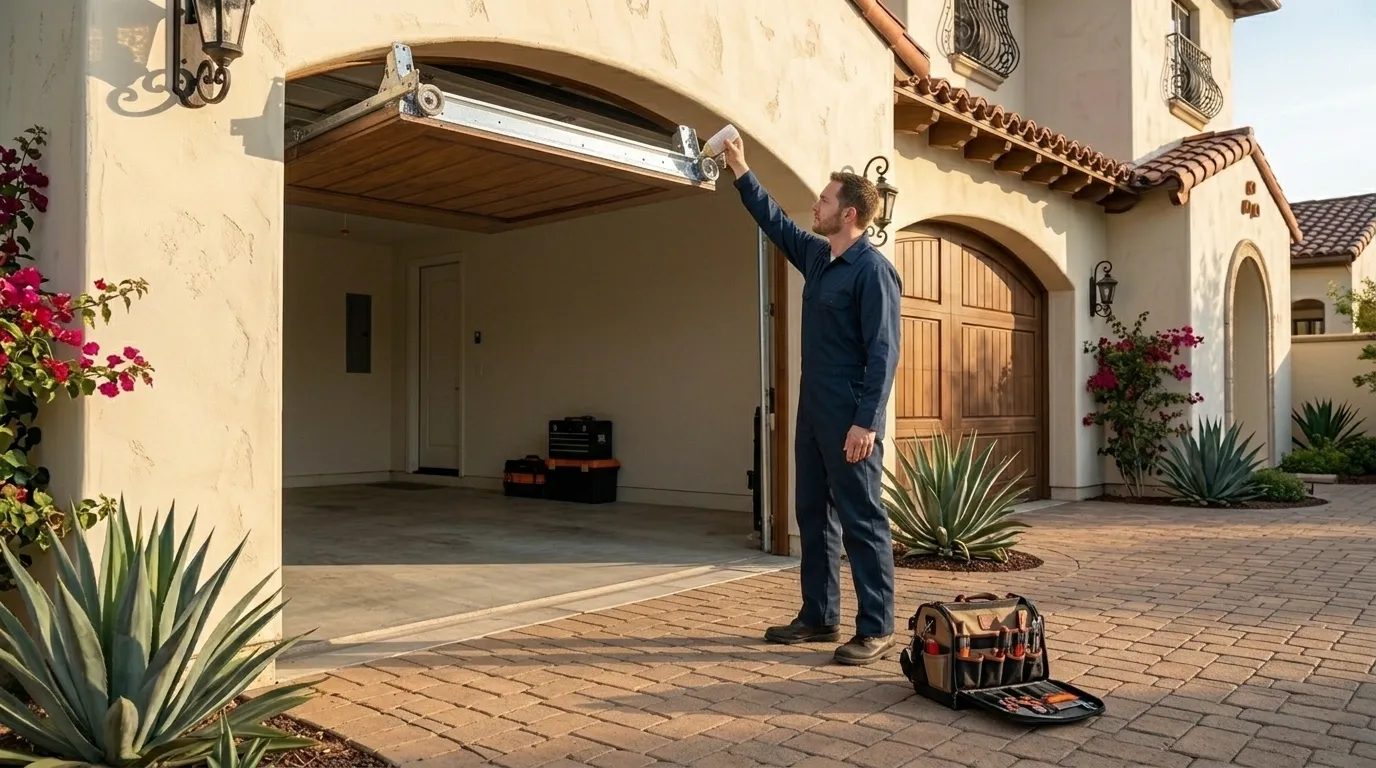
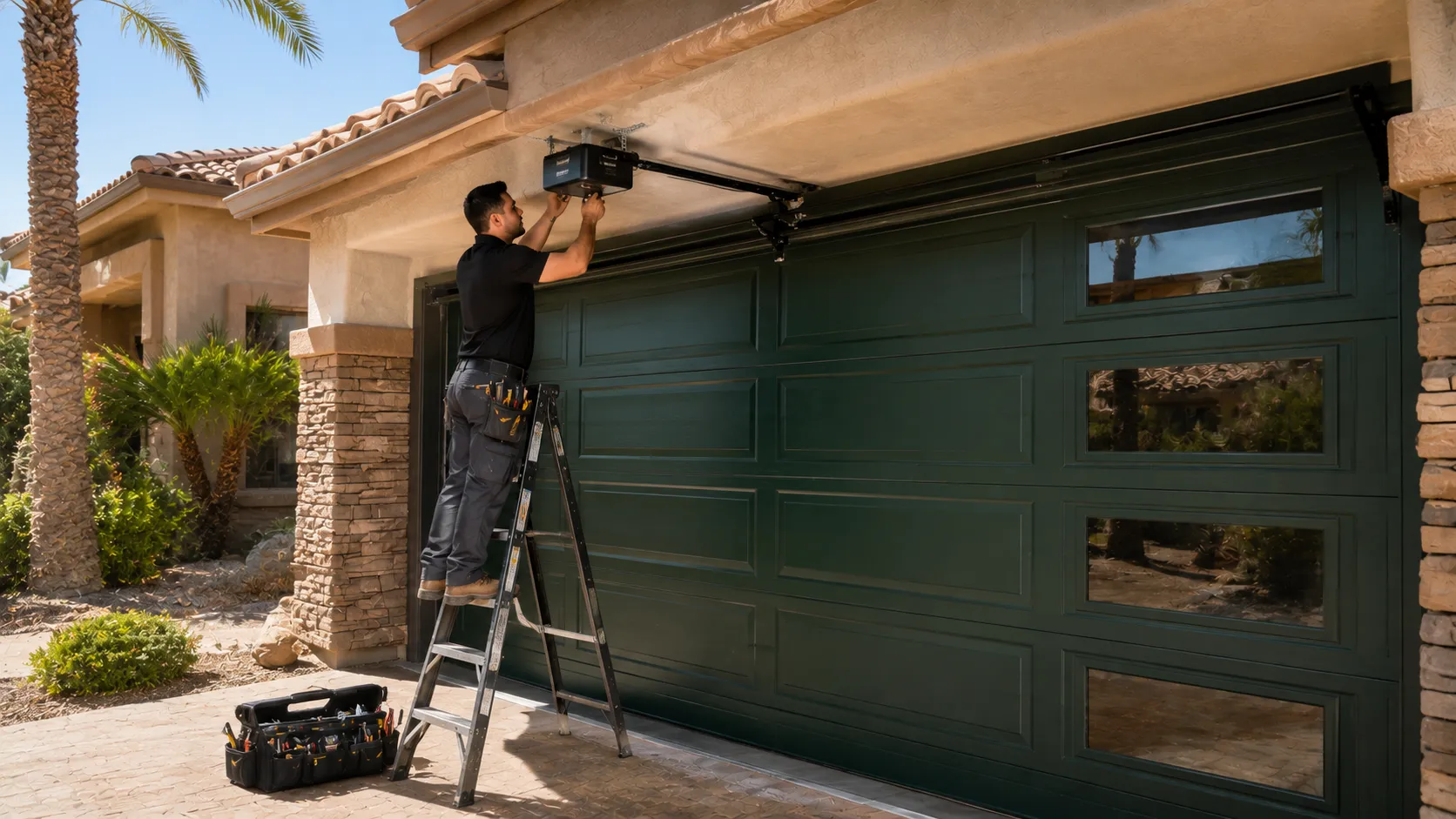
We size the new opener to the actual door in front of us: track length, spring balance, and whether the door's steel skin has picked up extra weight from insulation retrofits over the years. We also check the header clearance, since builders in this era sometimes squeezed less room above the door than newer codes call for. The install itself is the motor, the rail, the trolley, the sensors, and the wiring back to a switch - straightforward work, but only if the door underneath it is still in balance. An opener bolted to a door that's out of adjustment just wears out faster.
How It Shows Up
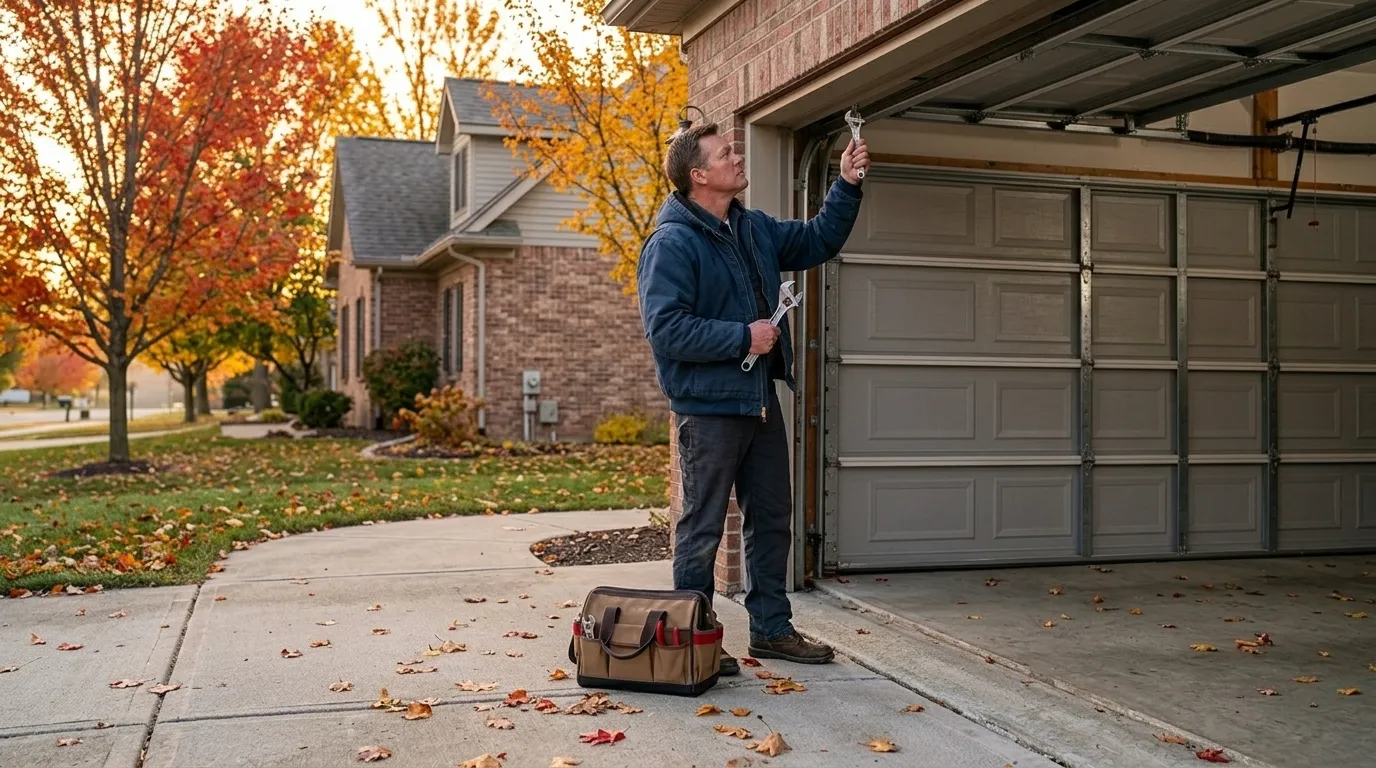
The calls we get from this side of the river tend to be about openers going quiet rather than doors falling apart - a sign the doors themselves are holding up fine at twenty-plus years old, but the electronics inside the opener head are past their working life. Circuit boards fail, logic boards stop reading the remote, and on a lot of these early-2000s units, the remote itself is an old fixed-code type that a locksmith or big-box store can't match anymore.
Humidity plays a role too. Fleming Island sits in the same mild, humid climate band as the rest of the area, and that steady moisture is hard on opener circuit boards and on the steel worm gear inside chain-drive units, especially in a garage that isn't conditioned. You'll often see the opener labor to lift the door, then stall, before it finally won't respond to the remote or the wall button at all. That's usually a gear or capacitor going, not the motor itself - though by the time a unit is old enough, replacing the whole head is the more sensible call than chasing parts for a discontinued model.
The DIY Question
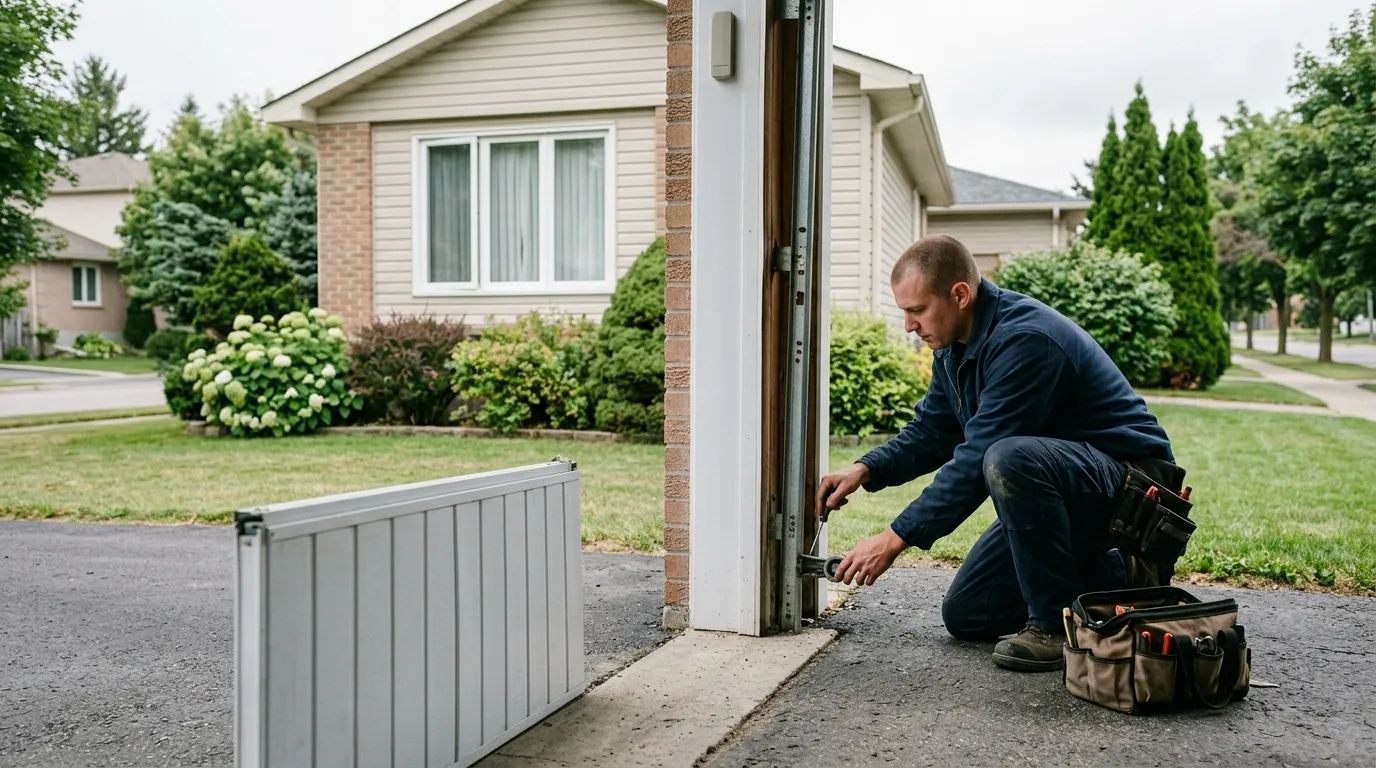
Swapping an opener yourself is doable if you're comfortable on a ladder and patient with wiring a photo-eye sensor pair correctly - that part trips up more DIY jobs than the motor mount does. Where it gets risky is the header bracket and the attachment to the door itself; get that wrong on a two-car steel door and you're not looking at a callback, you're looking at a door that drops.
Our honest limitation: we don't stock every opener model on the truck, particularly the higher-end battery-backup units that seem to be more common in requests from this side of the river. If you want a specific model, tell us when you book so we can have it on hand rather than making you wait on a second trip. For a straightforward swap on a door that's still in good balance, DIY is fine. For anything involving the header, the spring system, or a door pushing twenty-plus years old, that's where we'd rather you call.