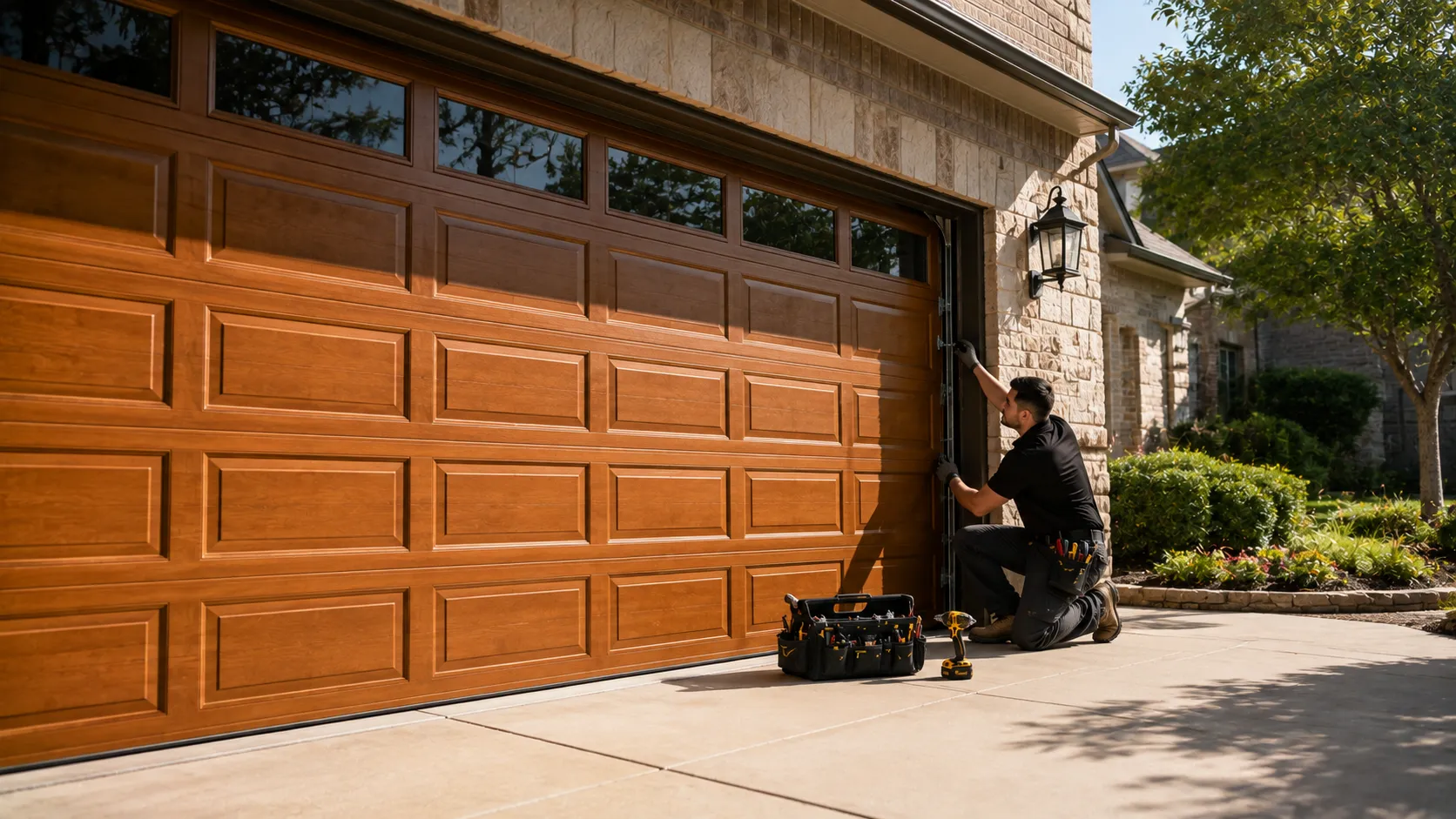
What the Fix Involves
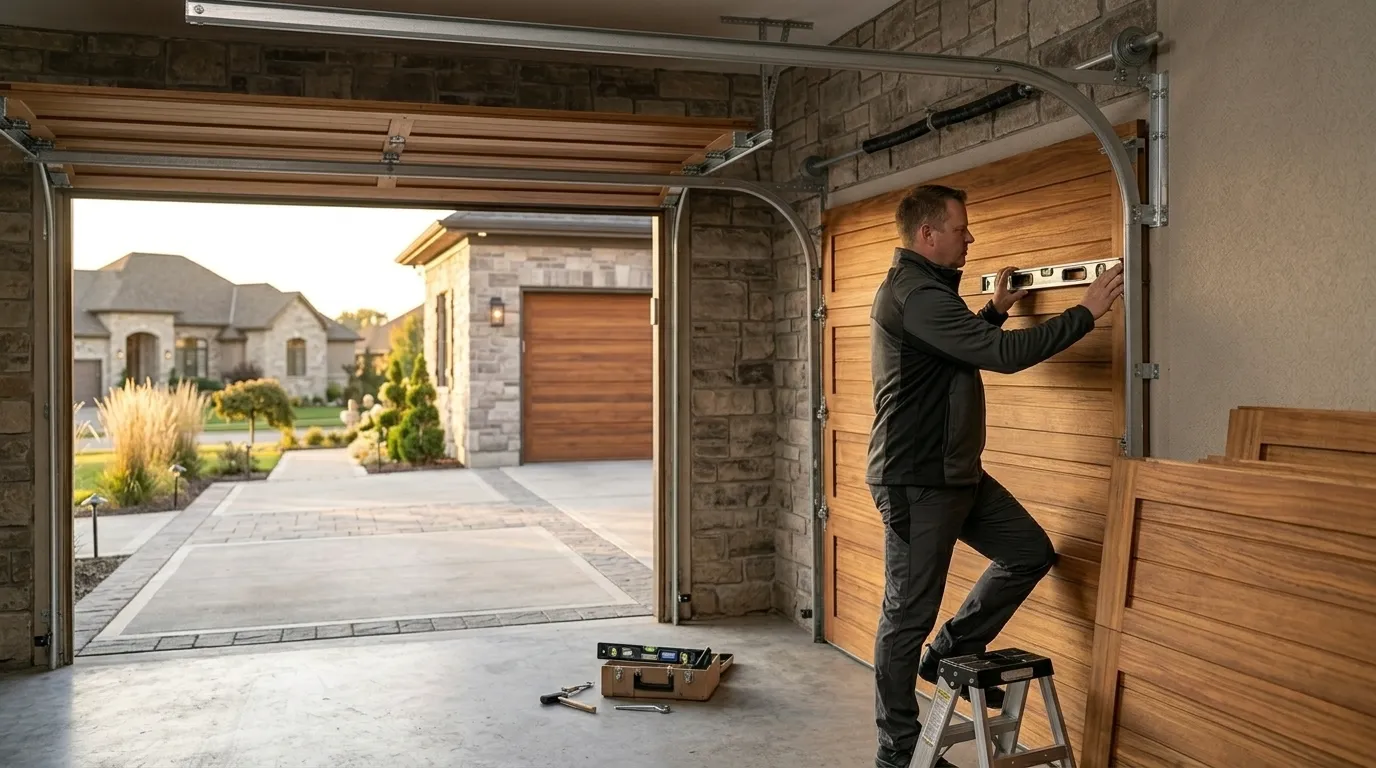
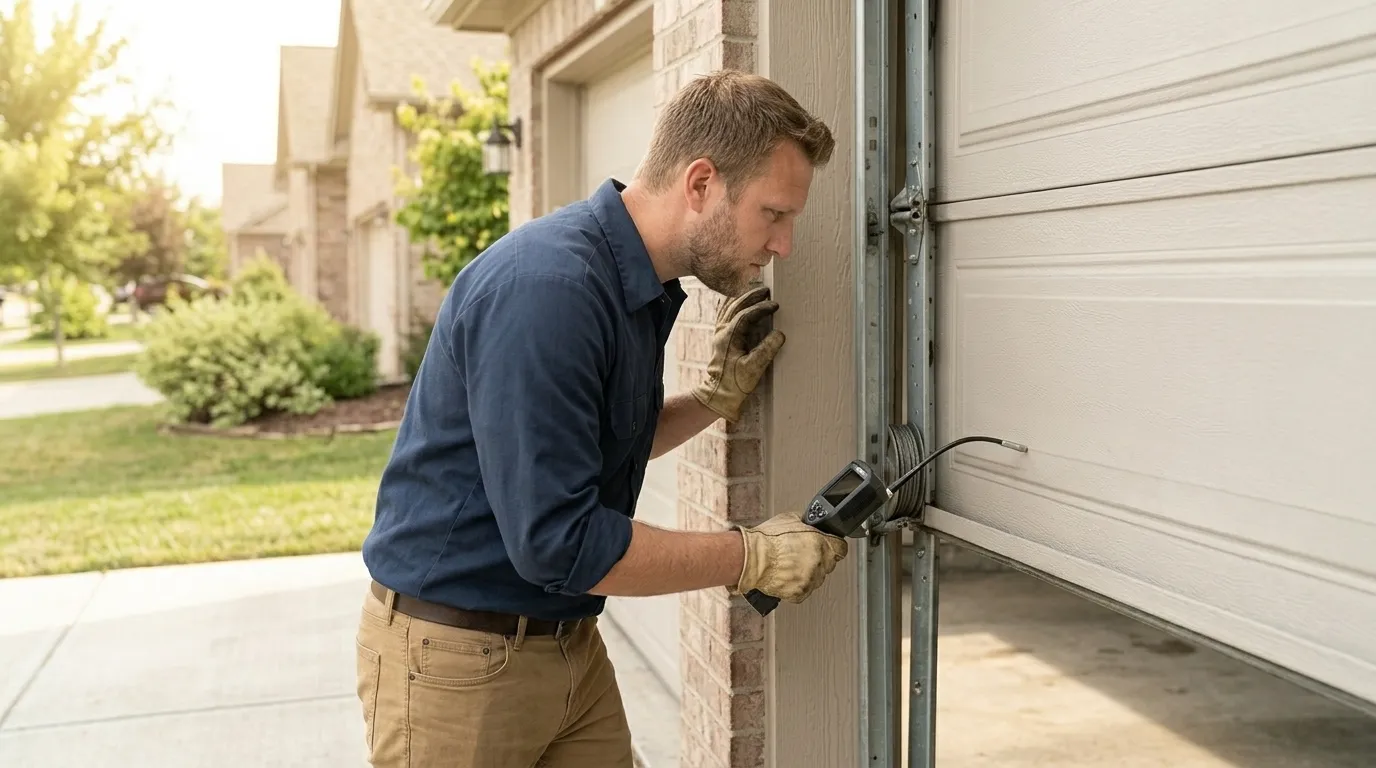
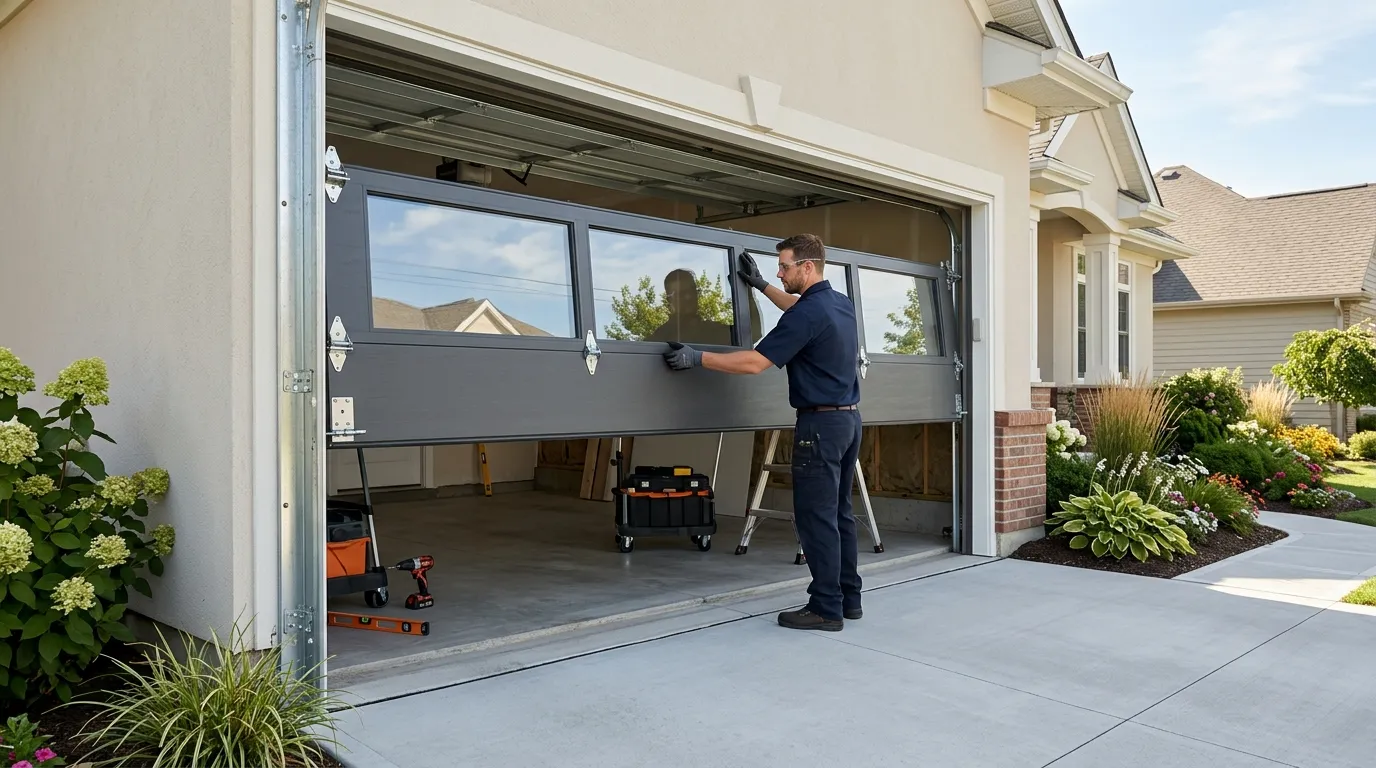
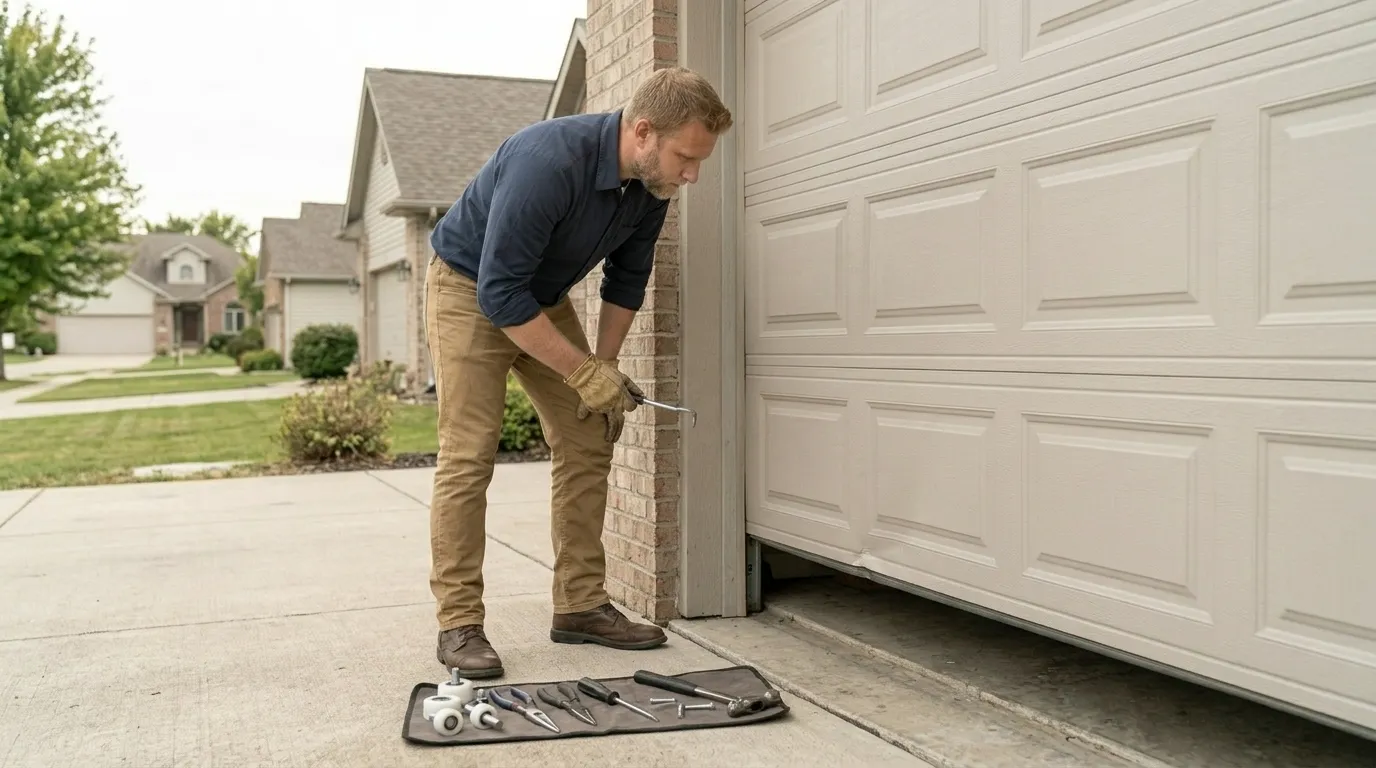
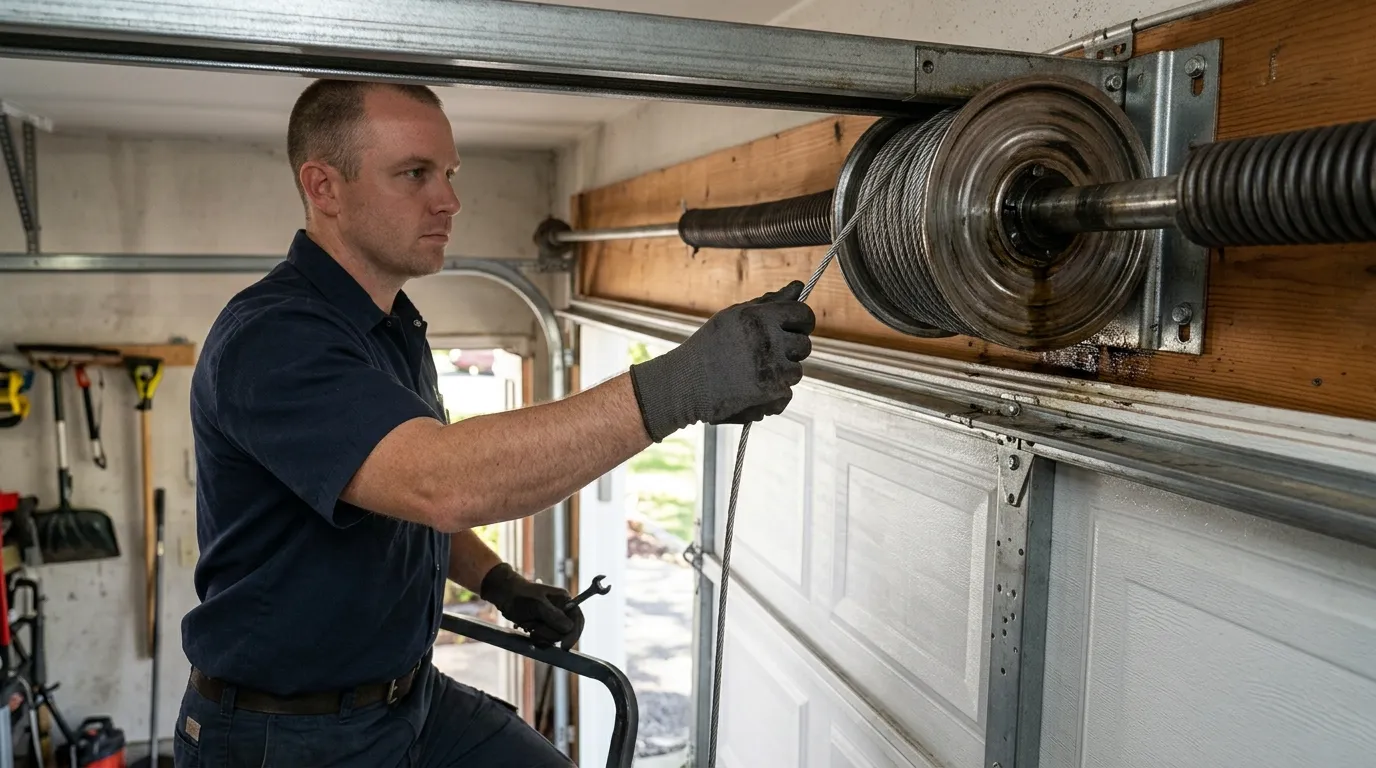
Most houses in Orange Park went up around 1975, which puts this pocket of the service area a full decade ahead of the broader median build year of 1985 across the rest of our coverage. That matters for spring work because a door installed in the mid-1970s was almost certainly built with a single torsion spring on a solid steel shaft, sized for a heavier one-piece or early sectional door. Later doors, from the 1980s and 90s stock that dominates most of the surrounding areas, tend to run dual springs and lighter panels. A tech pulling up to an Orange Park garage needs to know which era he's dealing with before he even opens the truck. The fix itself is straightforward once the setup is identified: measure the wire size, the wind direction, and the drum, then replace the broken spring (or both, if one has gone) with a matched pair rated for the door's actual weight, not a generic size. We don't epoxy a cracked coil or wind down a spring that's already fatigued elsewhere on the shaft - if the shaft itself is pitted or the drums are cracked from decades of use, that gets called out and priced separately, because reusing worn hardware just moves the failure a few months down the road.
How It Shows Up
On a house from this era, the door usually announces a broken spring with a loud bang from the garage, often mid-morning or evening when the temperature swing is biggest, since older torsion springs lose tension unevenly as the metal ages. Afterward the door feels like dead weight - it won't stay up on manual lift, or the opener strains and reverses partway through the cycle. Because Orange Park's climate sits in the same mild temperate band as the rest of the service area, you're not dealing with hard freeze-thaw cycling that snaps springs outright; here it's closer to plain fatigue after 40-plus years of daily cycles on original or first-replacement hardware. A cable that looks slack on one side, or a door that hangs crooked by an inch or two, is often the spring giving out unevenly rather than a track problem.
The DIY Question
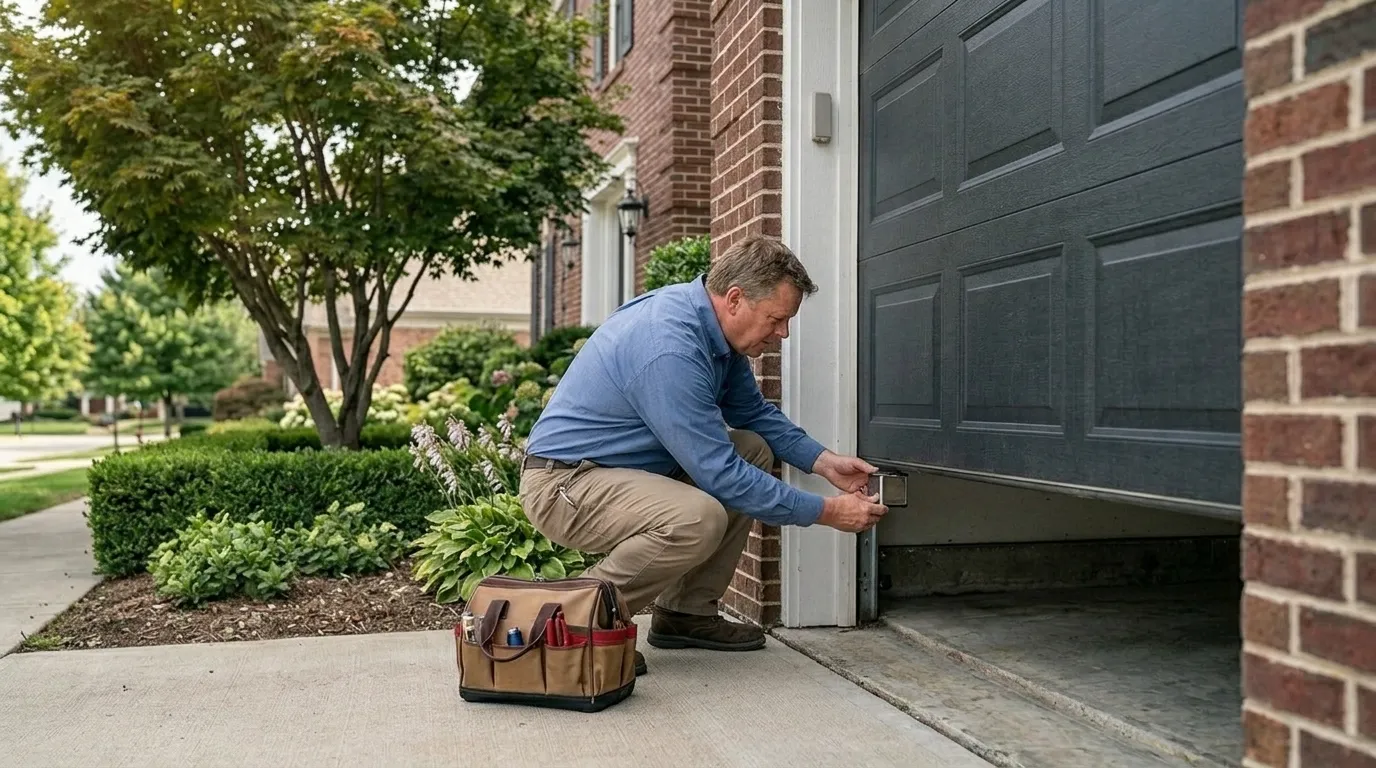
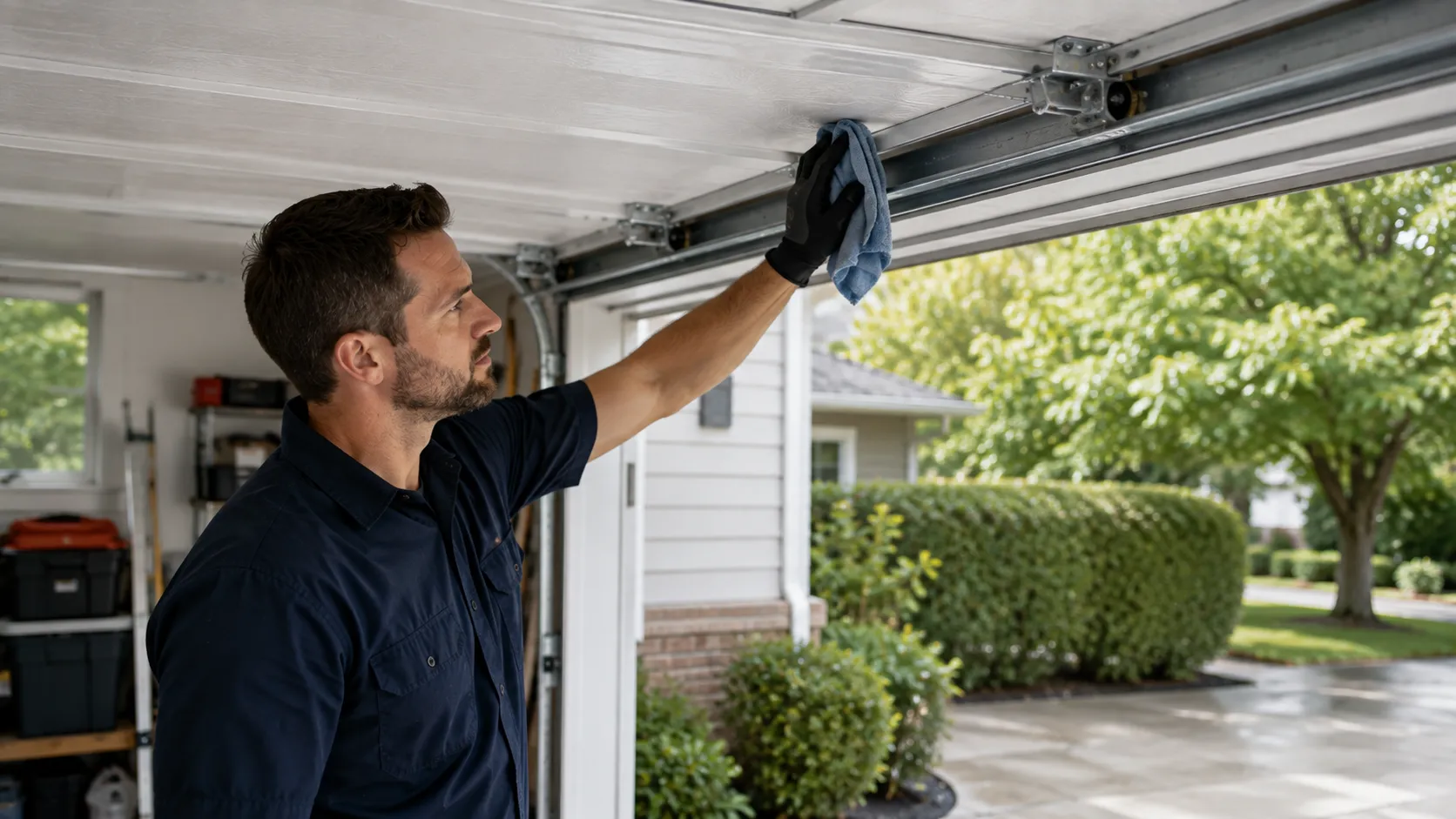
A torsion spring under full wind can put someone in the hospital, and that risk doesn't change based on the town. What does change here is that a 1975-era door is more likely to have a single, heavier spring than the dual lighter springs common on newer doors - which means more stored energy in one unit, not less. Winding bars, a decent extension ladder, and knowing the door's exact wire gauge and wind length aren't optional; guessing on any of those is how people lose fingers or crack a shaft. Lubricating the coil, checking cables for fraying, or tightening a loose bracket bolt - fine to do yourself. Unwinding or winding a torsion spring is not.
What Causes It Around Here
The core cause is age lining up with usage. A median household income of $74,564 in Orange Park is lower than the roughly $103,288 median across the wider service area, and that tends to track with owners holding onto original doors and openers longer rather than replacing proactively - which means more of this suburb's springs are running well past their rated cycle count before they finally let go. Add in a mild climate with no serious freeze stress, and failure here is driven almost entirely by cycle fatigue on aging hardware rather than weather extremes. Doors that have never had a spring replaced since the house was built in the mid-70s are, at this point, simply due.