What the Fix Involves
Most garage doors in Orange Park went in around 1975, about ten years ahead of the median build year for the wider Jacksonville service area, which runs 1973 to 2007 with a midpoint closer to 1985. A door from that mid-70s run is almost always steel, single layer, no foam backing, hung in sections that are heavier per square foot than anything made today. The panels are usually the plain flush or long-raised-panel style that was standard before insulated doors became common, sized to the 16x7 or 9x7 openings that were typical for the era's garages.
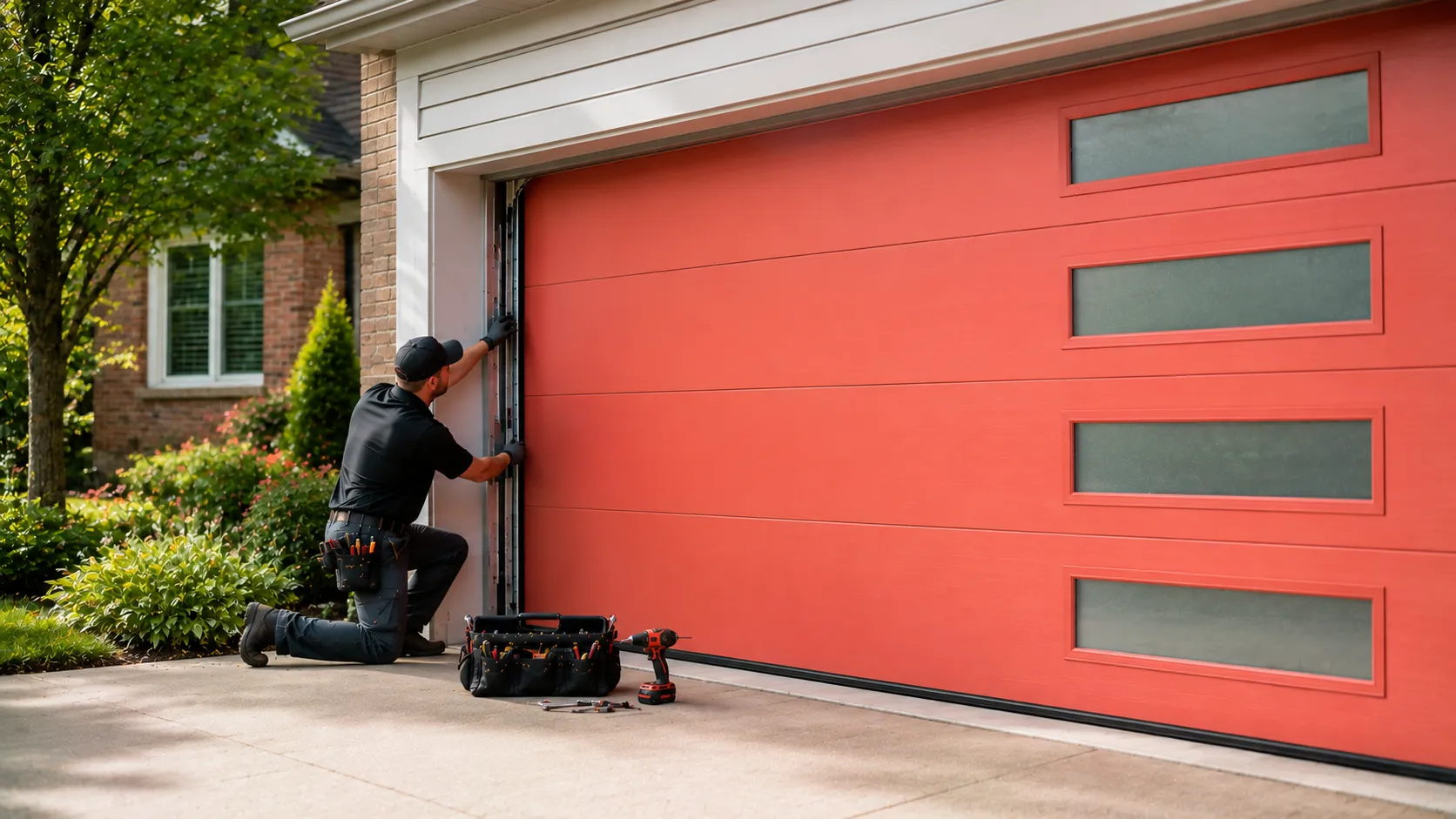
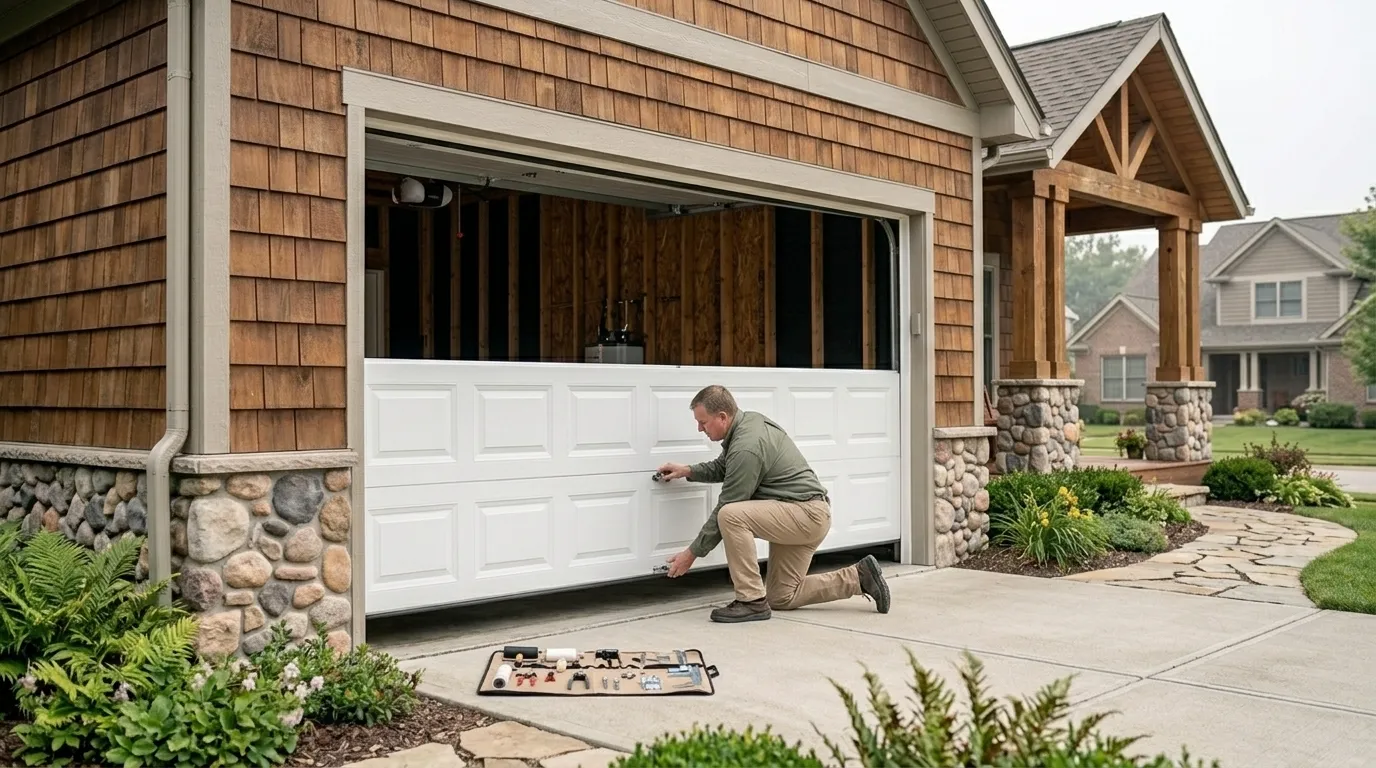
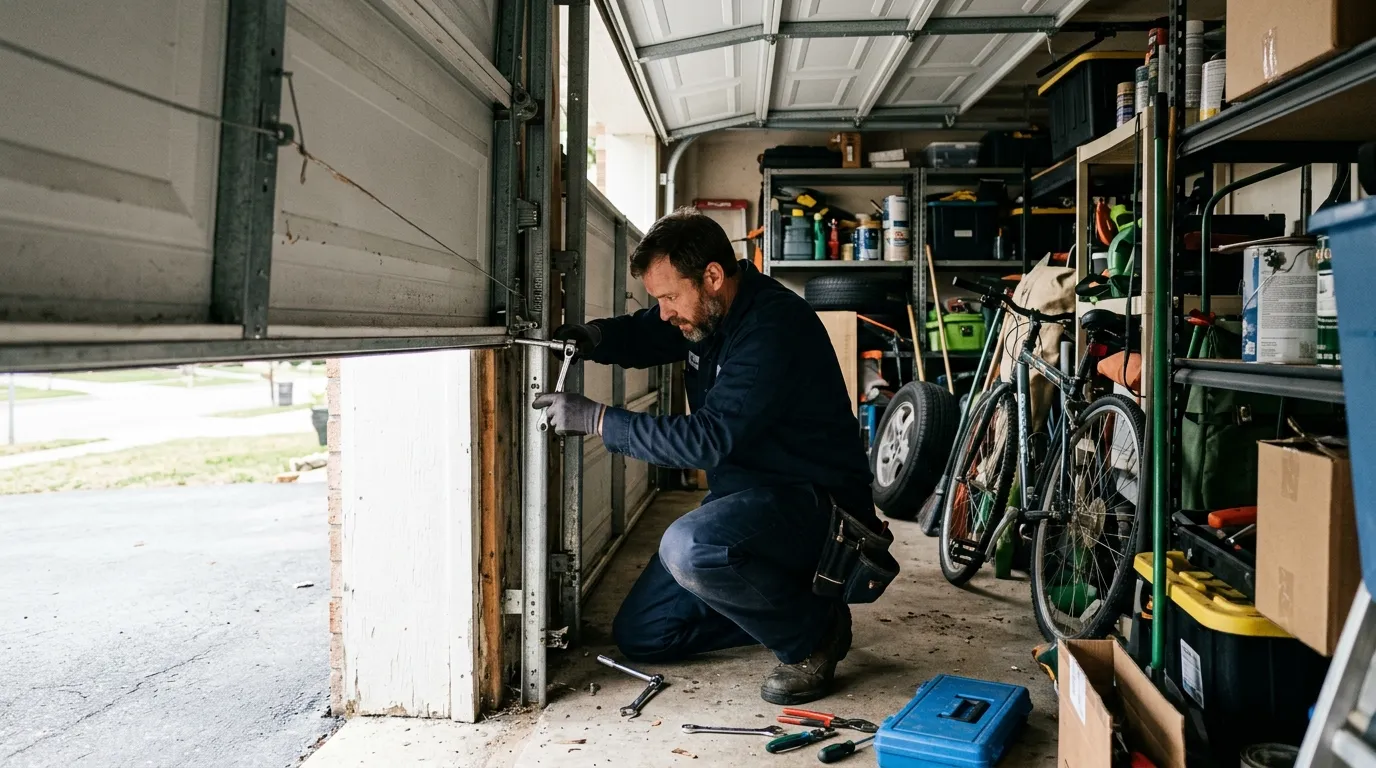
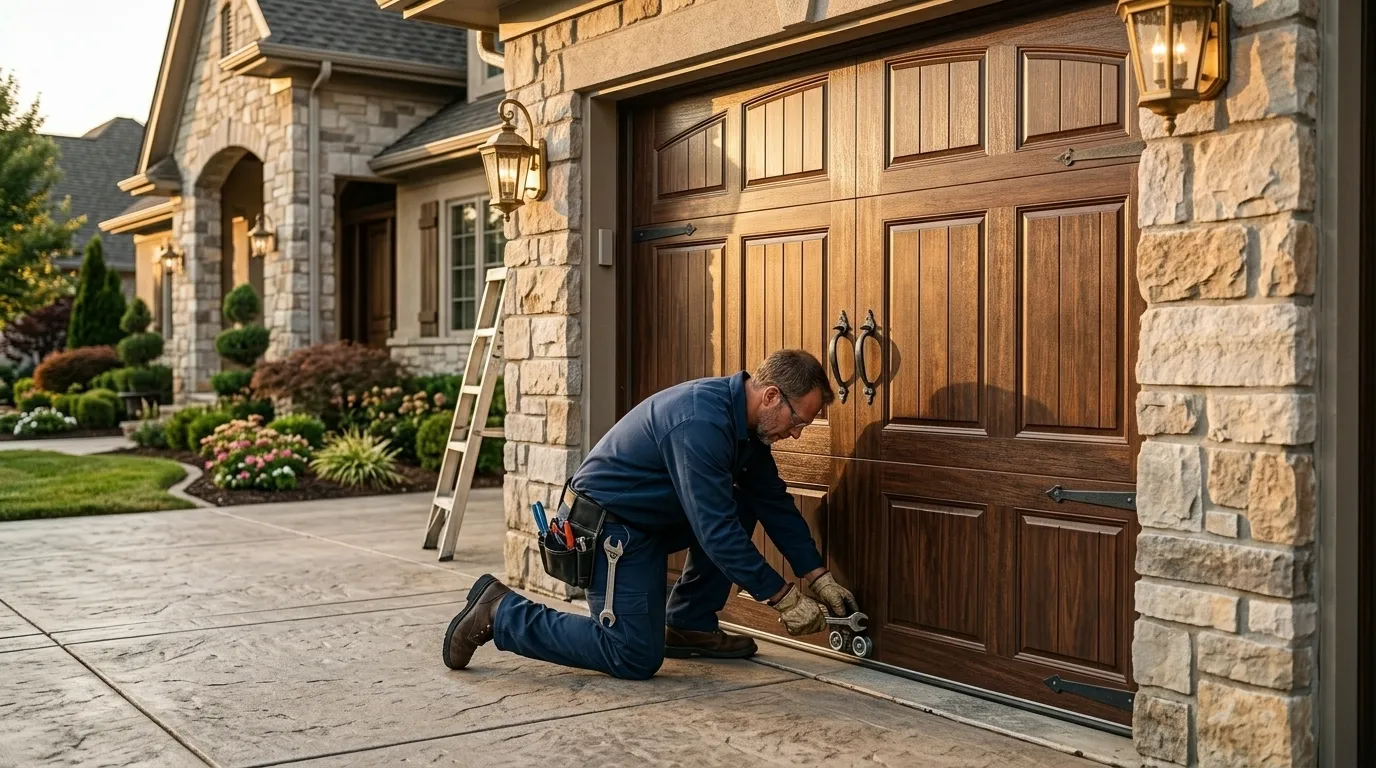
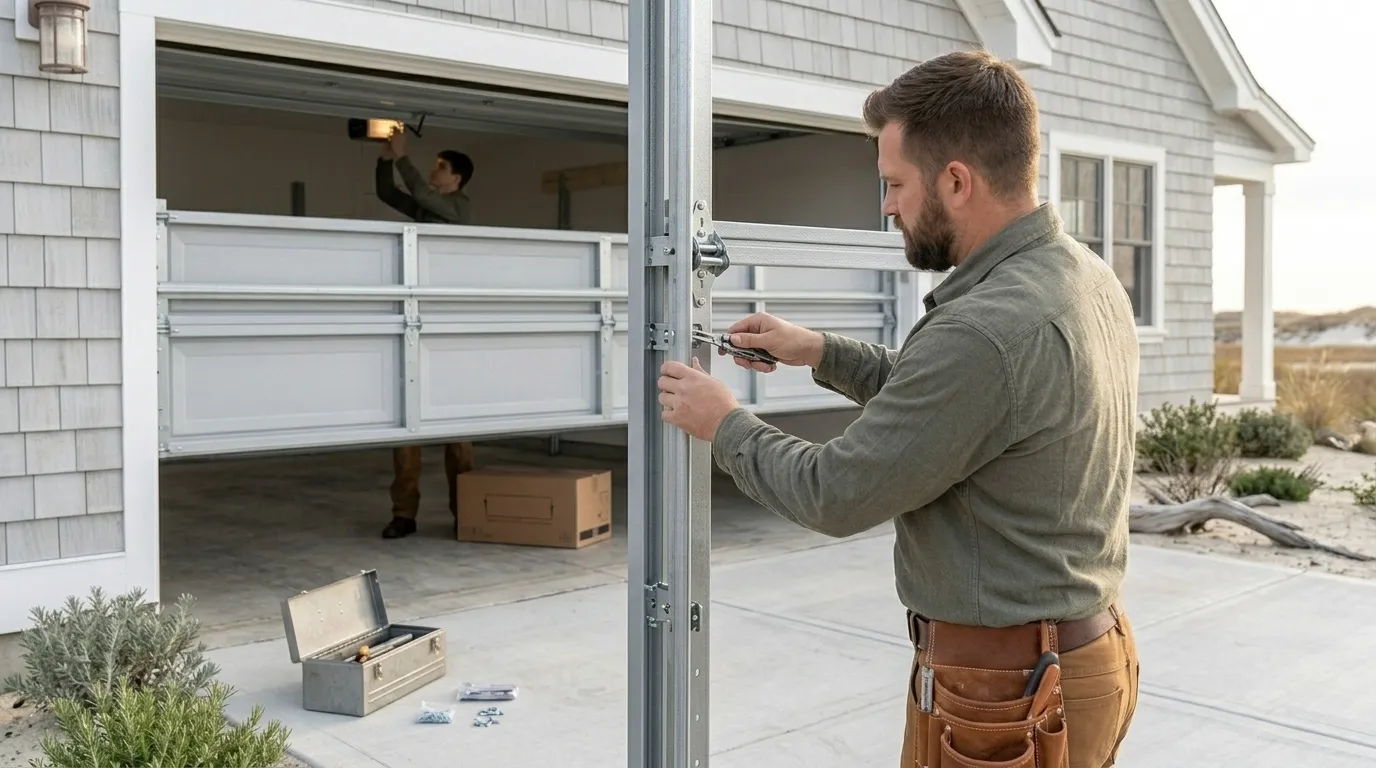
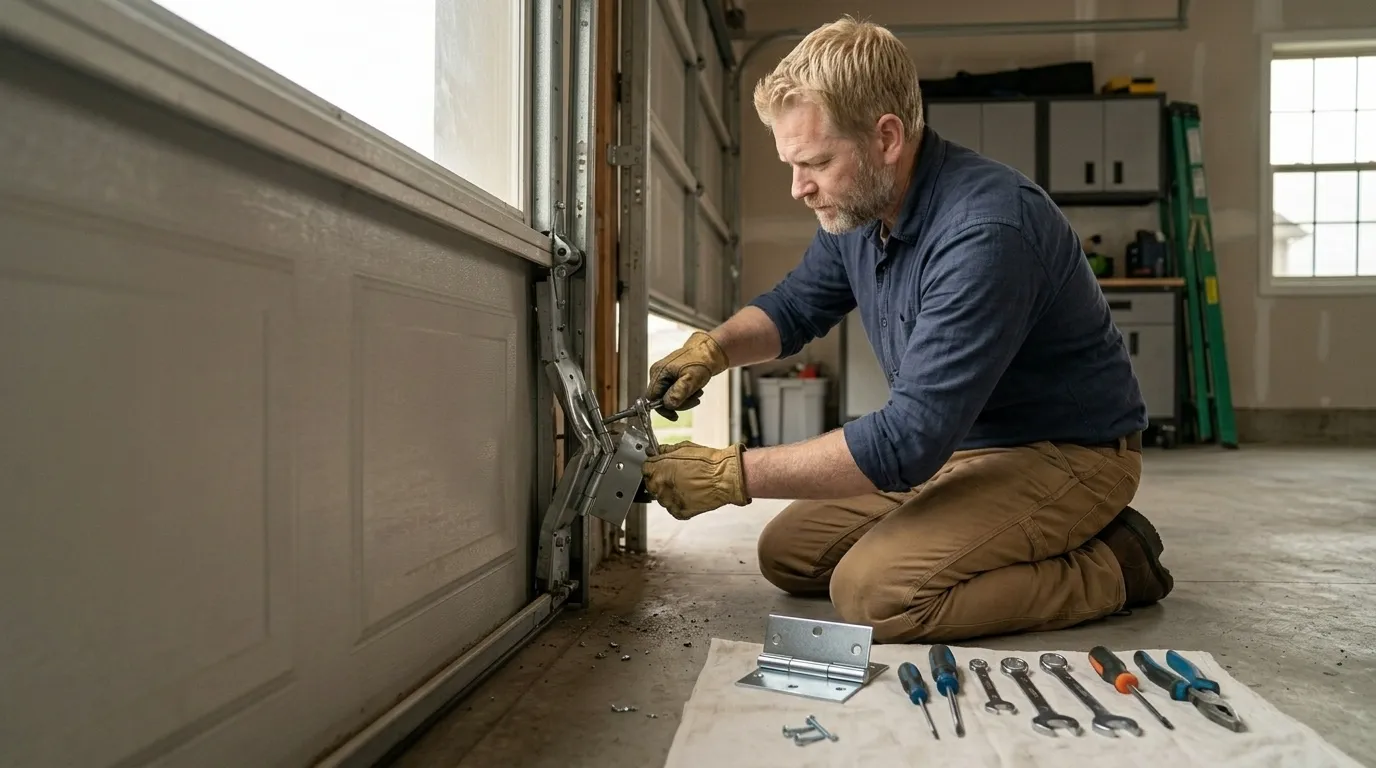
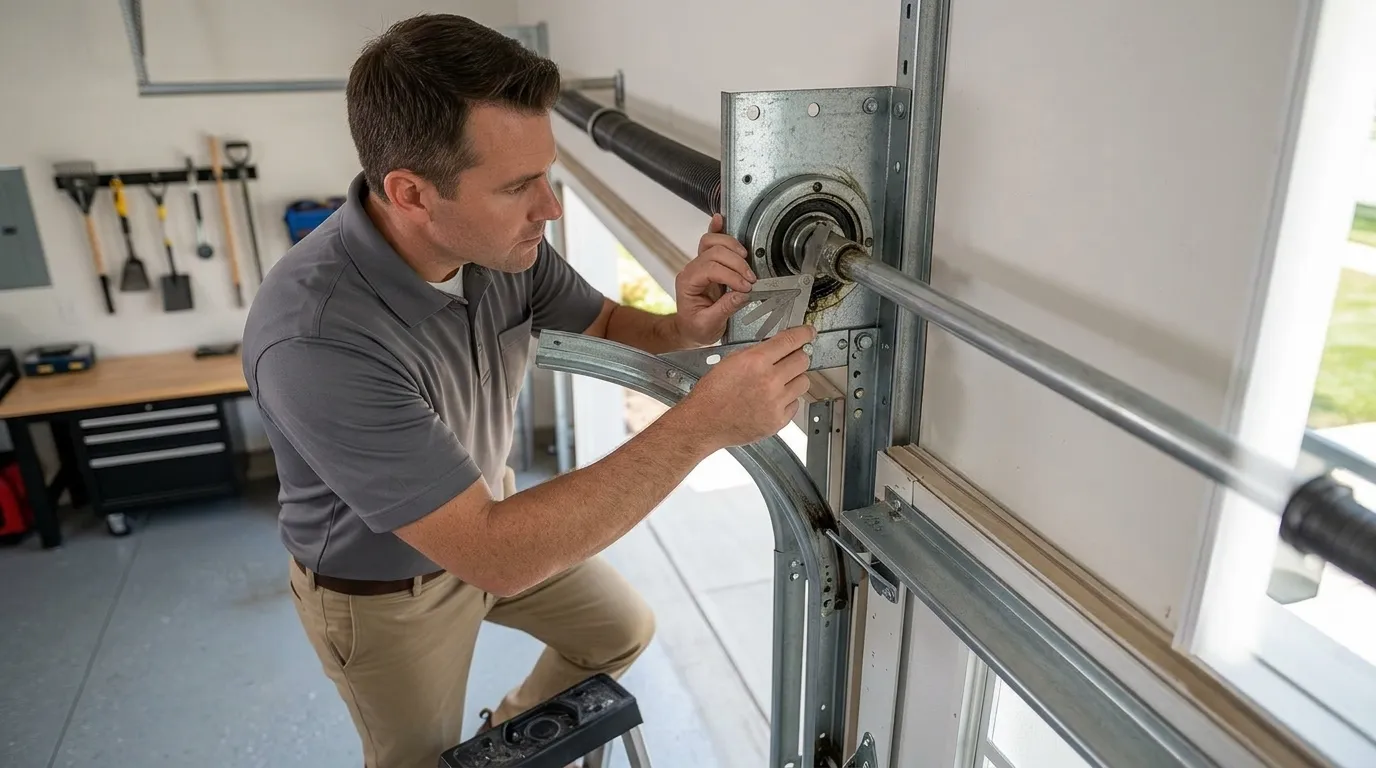
When one section gets damaged - a dent from a car bumper, a crack from age, rust creeping up from the bottom rail - the fix is rarely a single new panel snapped in. Panel lines from the 1970s are frequently discontinued, so the job usually means sourcing a close match in gauge and profile, or replacing the section next to it too so the color and rib pattern don't look patched together. We check the track and rollers at the same time, since original hardware from a door that old is often original, period, not upgraded.
How It Shows Up
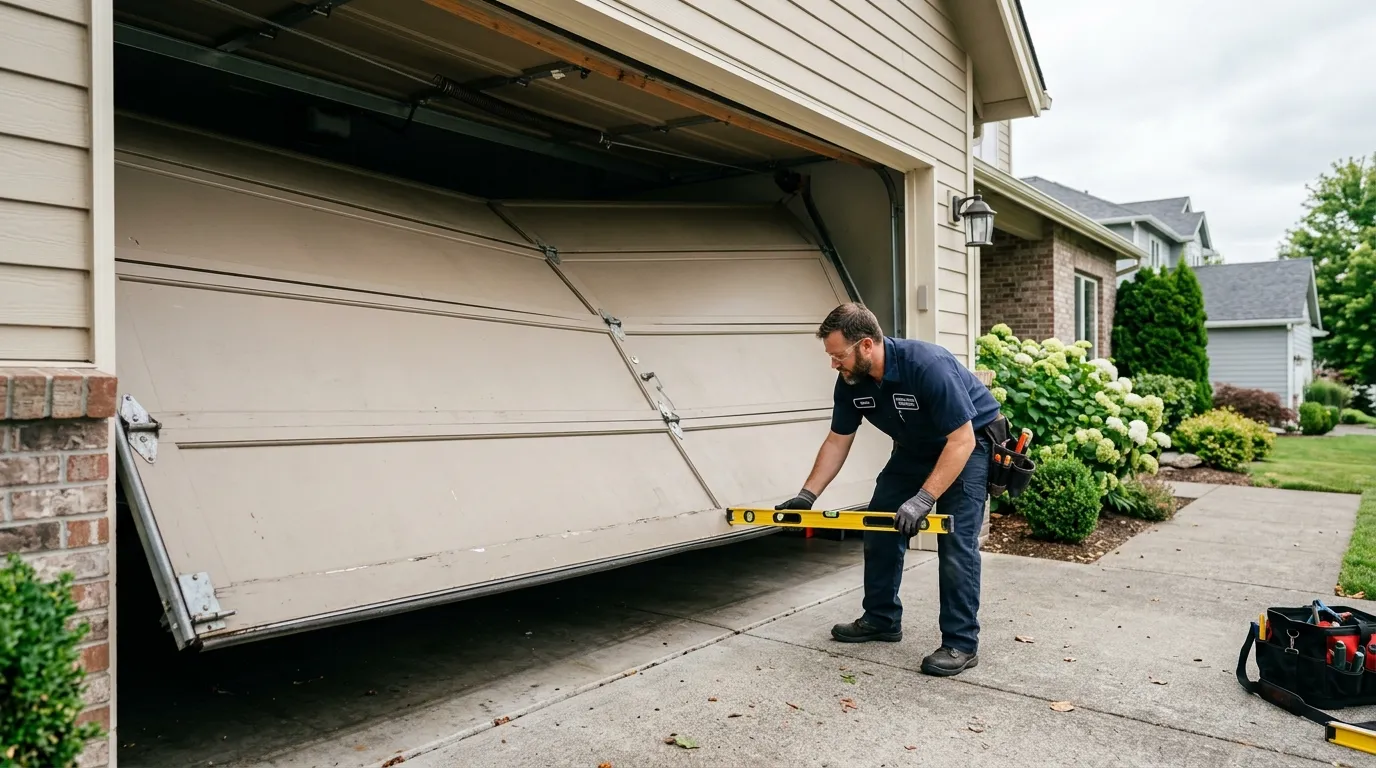
A damaged panel on a door this age doesn't always announce itself right away. You might notice a section that bows slightly when the door is down, a seam where daylight shows through that wasn't there before, or a corner that's started to rust from the inside out where moisture worked into the steel over the decades. Mild, humid stretches common to this part of Florida don't cause sudden failure the way a hard freeze-thaw climate would, but they do let rust work slowly at any point where the galvanized coating has worn thin - which on a door built around 1975 is most joints and screw points by now.
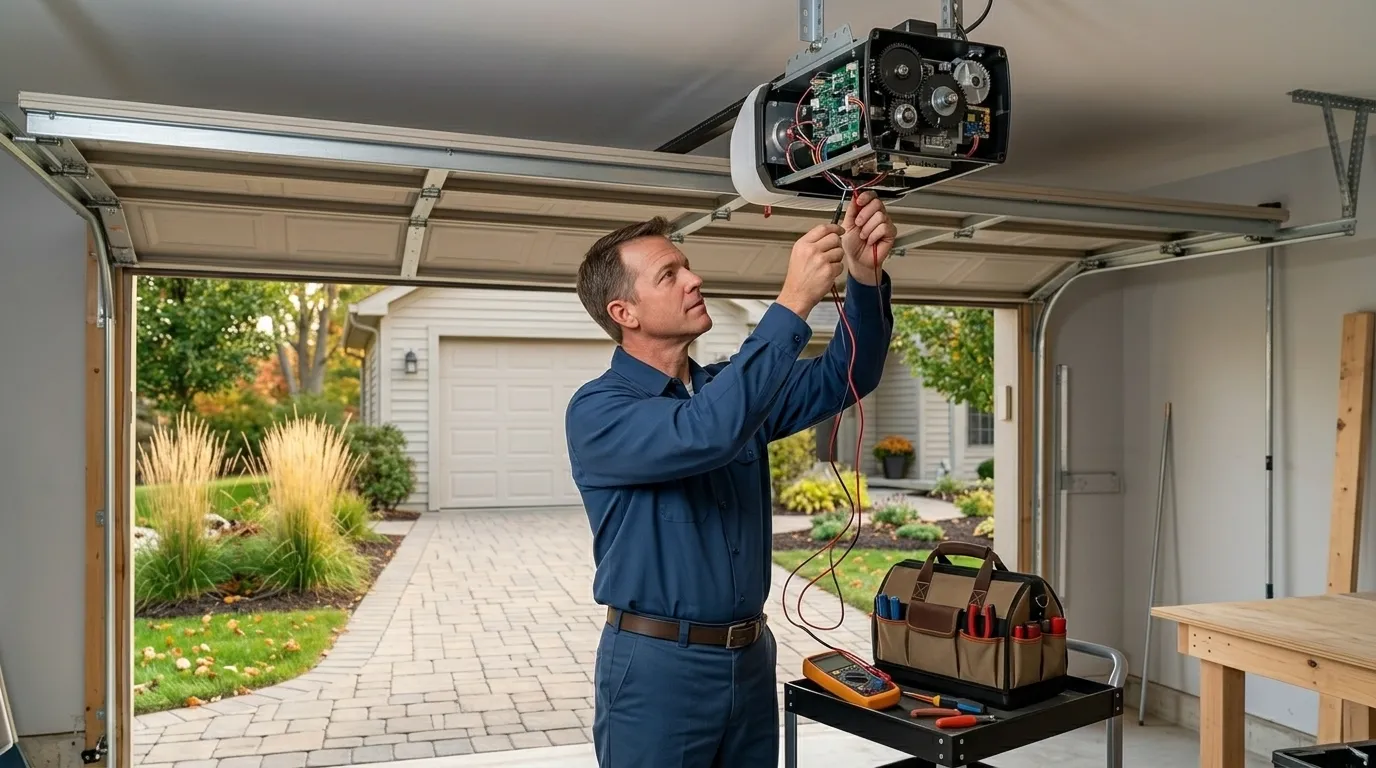
Sometimes it's simpler: a ladder tips into the door, a trailer hitch backs into the bottom section, and the dent is obvious the same afternoon. Either way, once one panel is compromised, the door doesn't seal or run true anymore, and the opener has to work harder to pull a section that's no longer flat.
The DIY Question
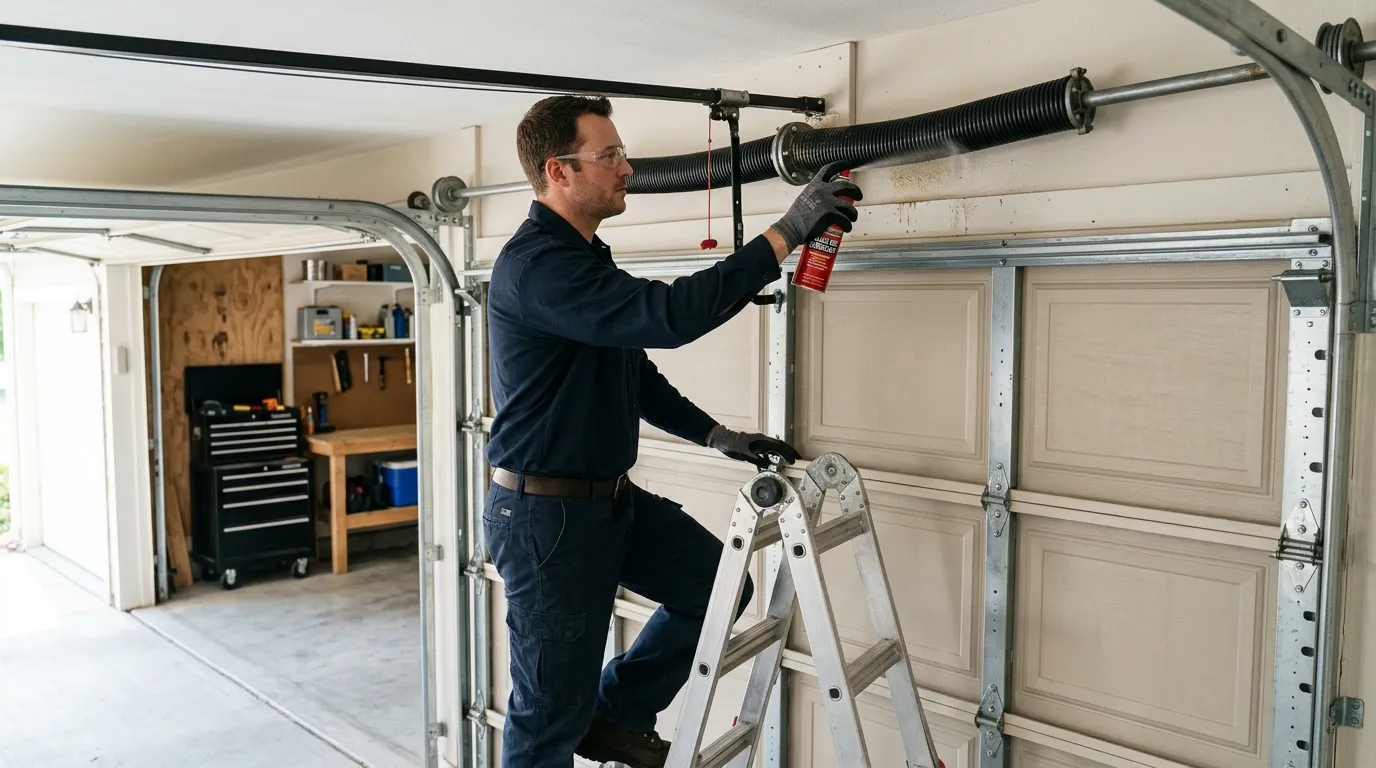
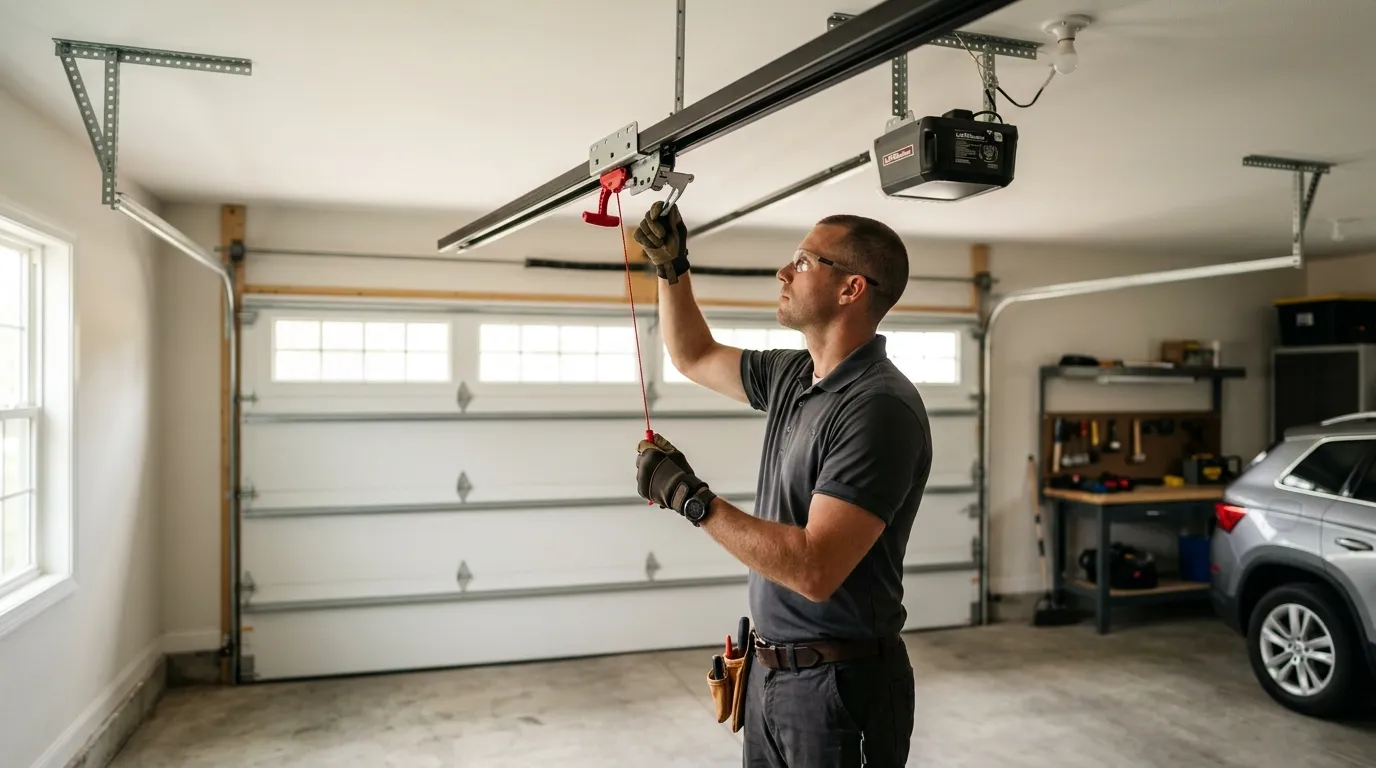
A single dented panel on a modern sectional door is sometimes a reasonable DIY project - a few bolts, a new section, done in an afternoon. A door from around 1975 is a different animal. The panels are heavier gauge steel than what's sold today, the hole patterns for hinges and rollers don't always line up with new stock, and the springs on a door that old are already carrying decades of fatigue you can't see from the ground.
We'll say plainly: if the rest of the door is in rough shape - multiple rusted sections, a track that's bent, an opener straining audibly - a panel swap alone isn't worth doing. At that point you're patching a door that's due for full replacement, and a homeowner is better served putting the money into a new door than into keeping a fifty-year-old one limping along one panel at a time. That's a call we'll make honestly when we're standing in front of it, not one we'll make over the phone.
What Causes It Around Here
The biggest factor is simply age. With most Orange Park garages built around 1975, well before the median for the broader Jacksonville area, the doors here have had roughly a decade more exposure to sun, humidity, and daily use than the typical door across the rest of the service area. That extra decade shows up as thinner galvanizing, more rust at the seams, and panels that have gone slightly out of true from years of a spring carrying more load than it was rated for toward the end of its life.
Orange Park sits about 12 miles from Jacksonville, and the housing stock in this pocket leans older than the newer subdivisions further out - areas like Fleming Island that came later. Median household income here runs lower than the wider area's, which we mention not to make assumptions but because it's often the reason a homeowner asks about a single panel repair instead of a full door swap - and honestly, on a door with otherwise sound hardware, that's often the right call.