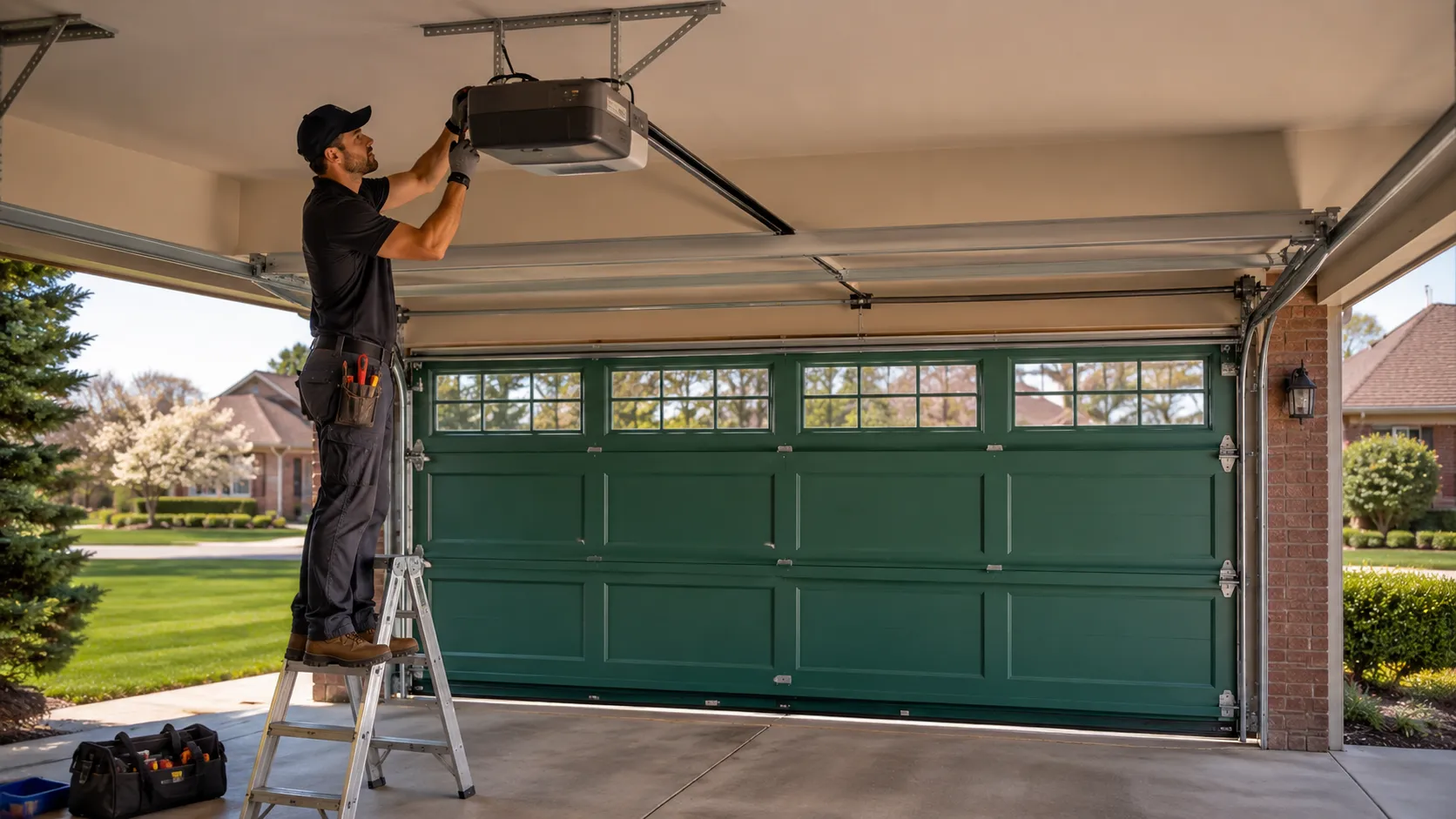
What the Fix Involves
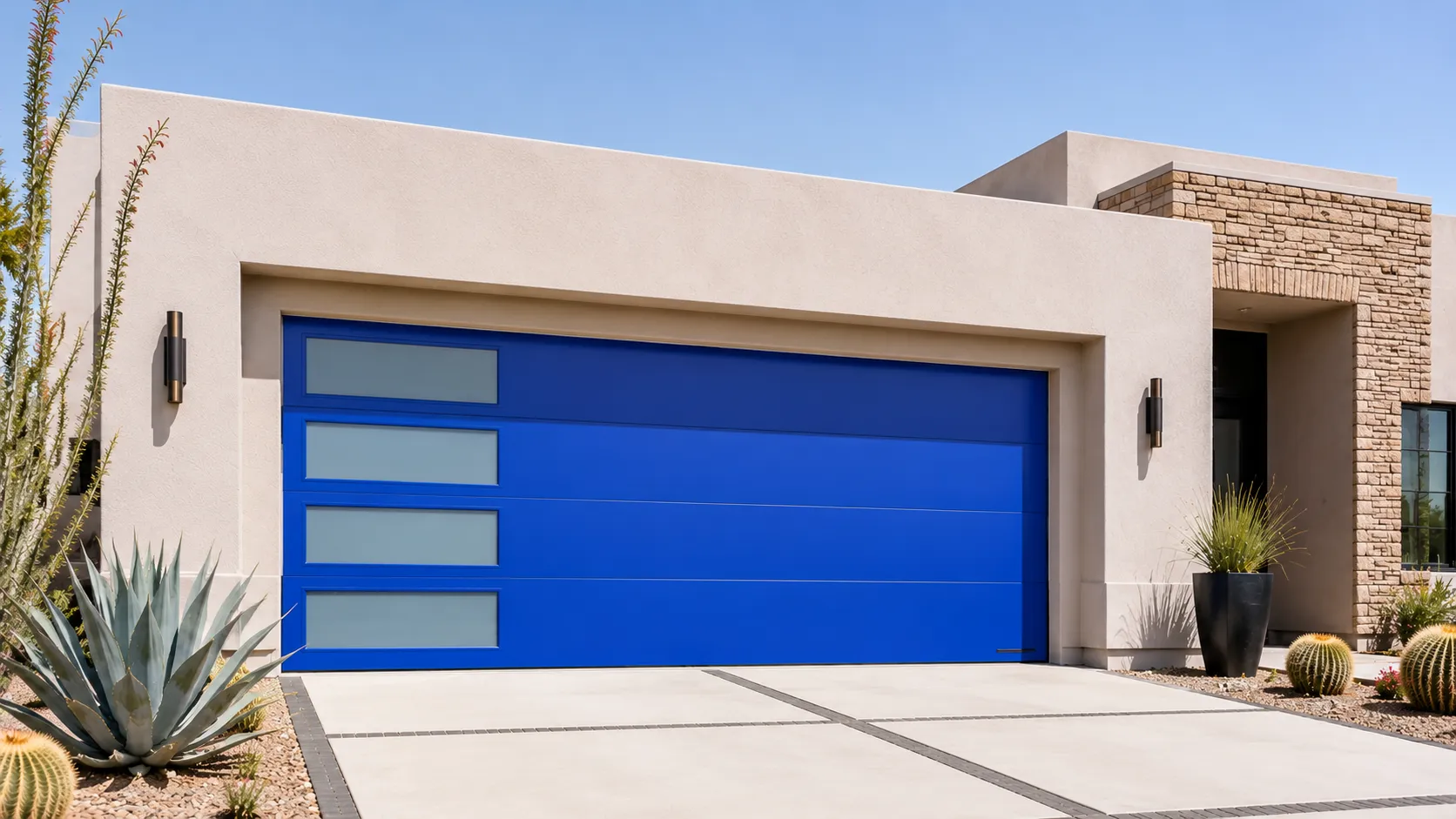
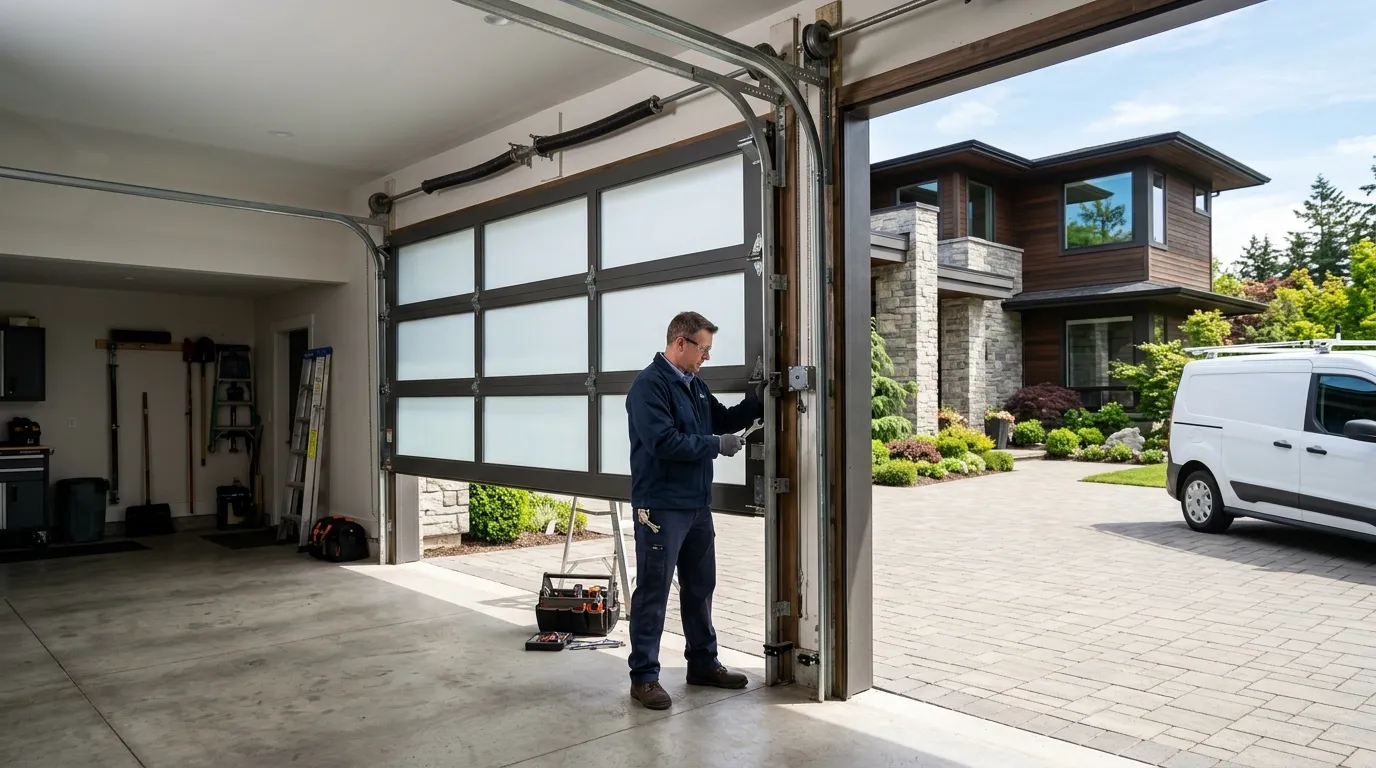
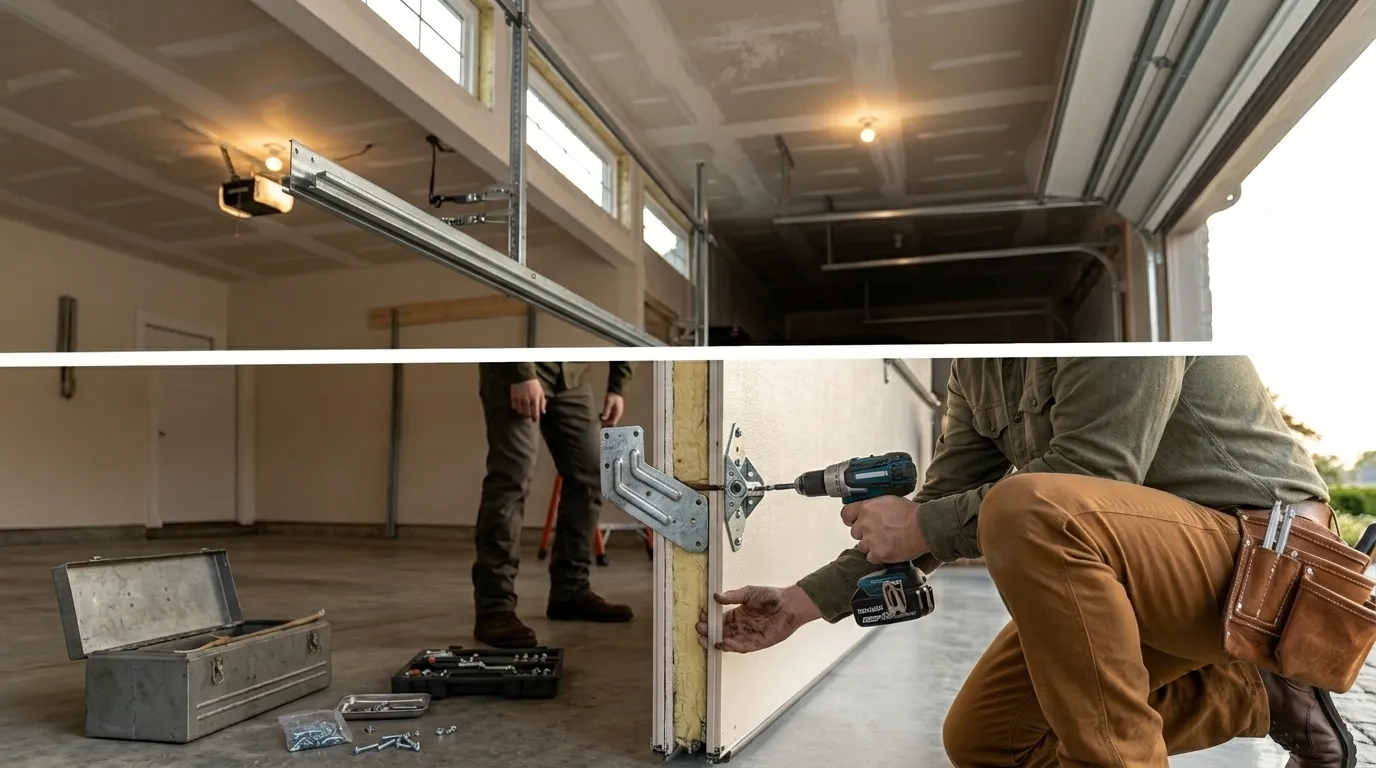
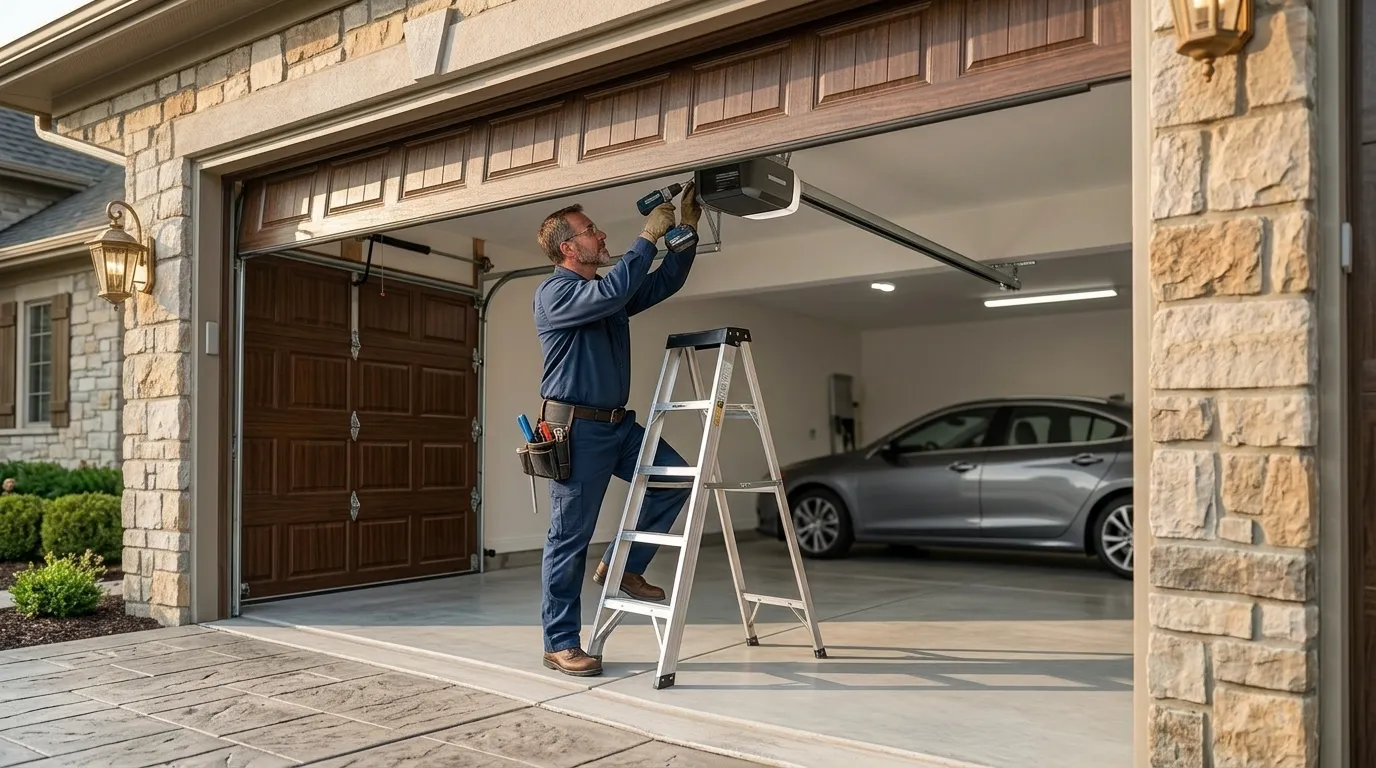
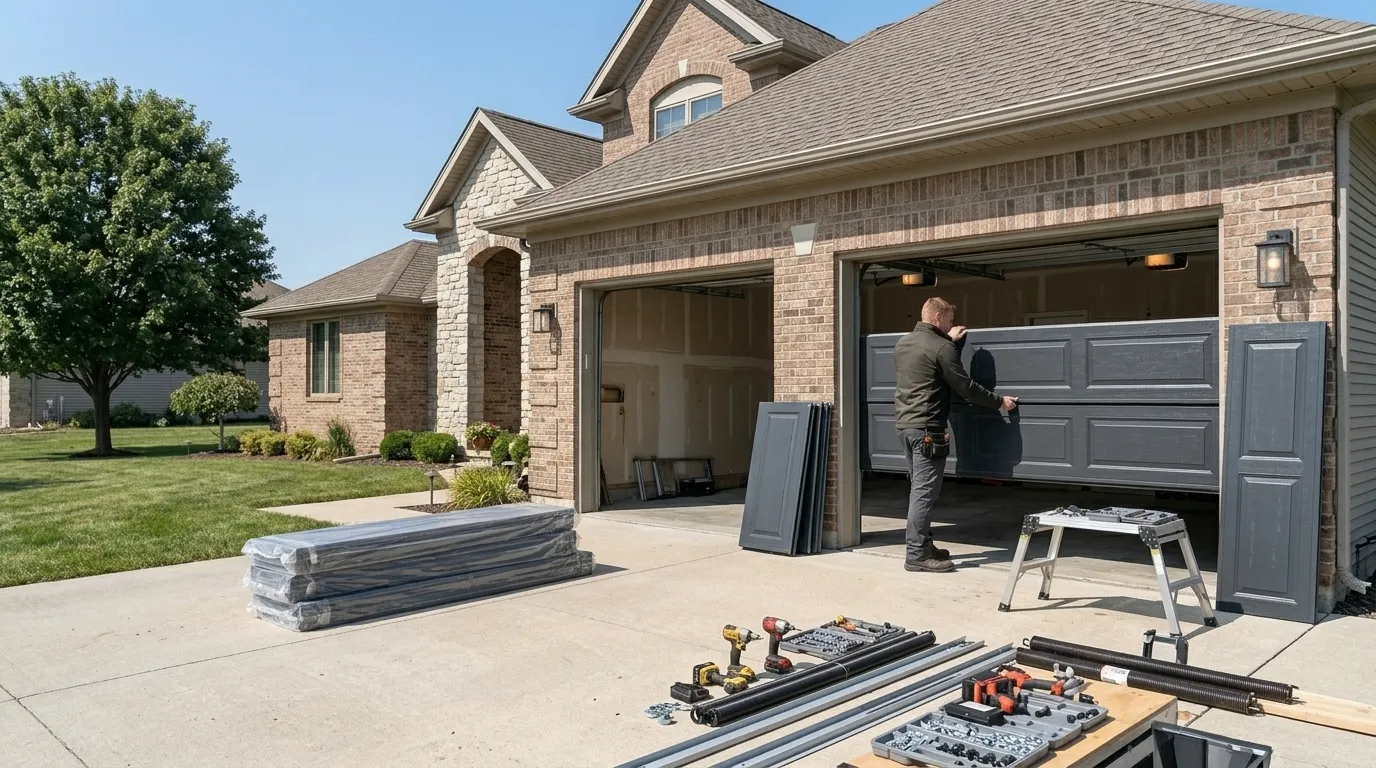
At a median household income of $74,564, Orange Park sits below the wider Jacksonville service area's $103,288 figure, and that gap matters when you're deciding between another spring repair and a full new door. On a house built around 1975 - the median year for this suburb - you're usually looking at a door and track assembly that's been patched more than once already. A new install here means pulling the old section door, the track, and often the opener bracket, then setting a door sized to the same rough opening but built with modern coil-spring or torsion hardware rated for the mild coastal-temperate climate this area sits in, no extreme freeze cycles to plan around, but real humidity swings that matter for steel and finish choice. We size the door to the opening, match the jamb condition, and install the opener mount fresh rather than reusing a bracket that's flexed for decades. If the framing around the opening has shifted or rotted, that gets flagged before the door goes in, not after. We travel out from Jacksonville for this job, about 12 miles, so we schedule the full install in one visit rather than splitting it across trips.
How It Shows Up
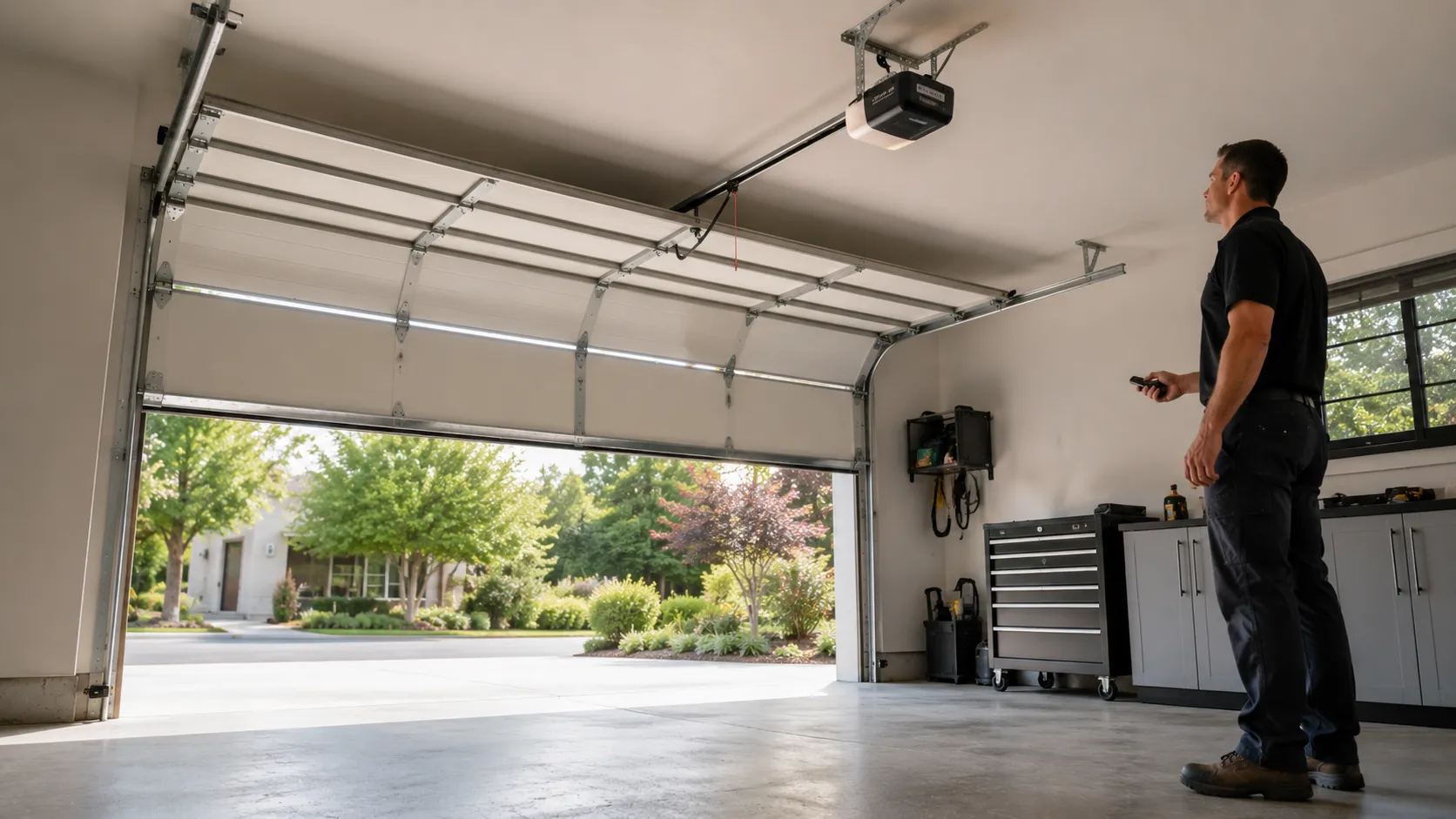
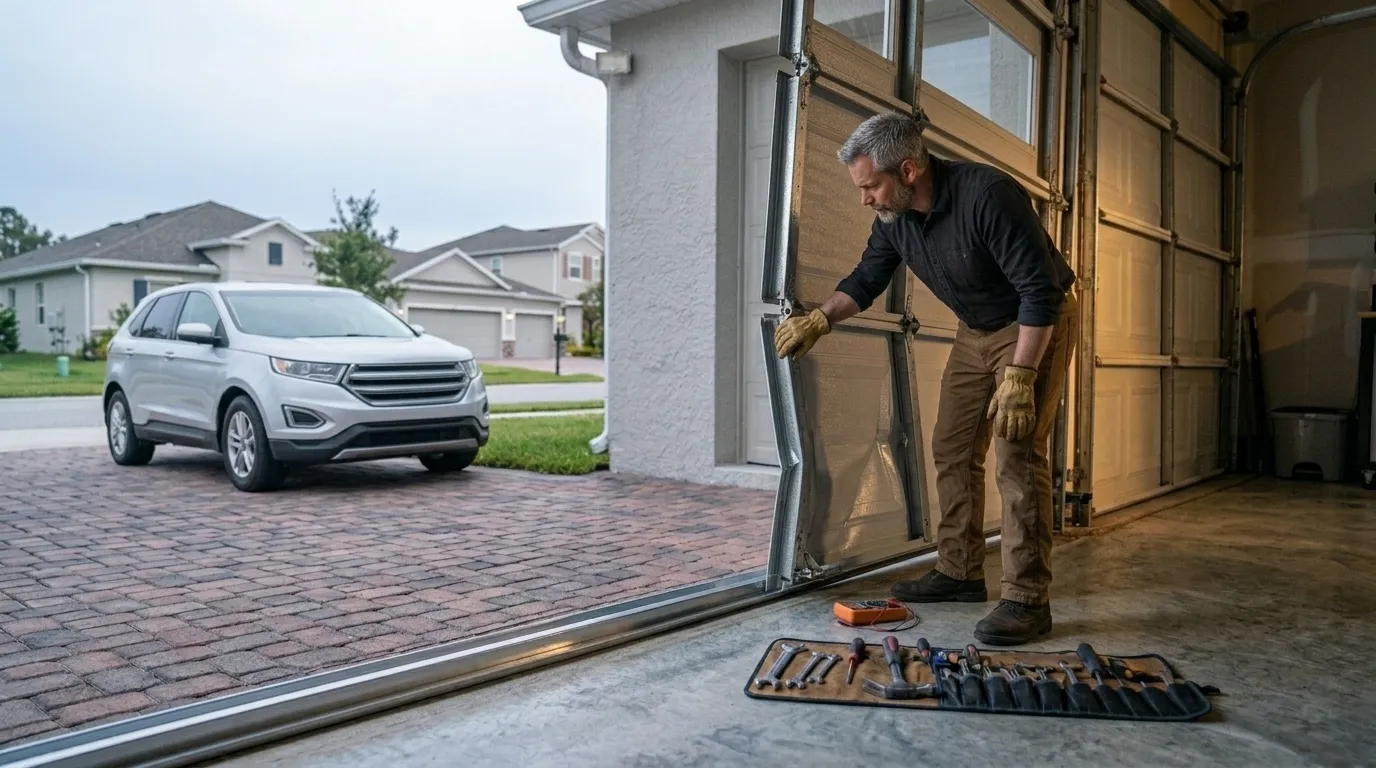
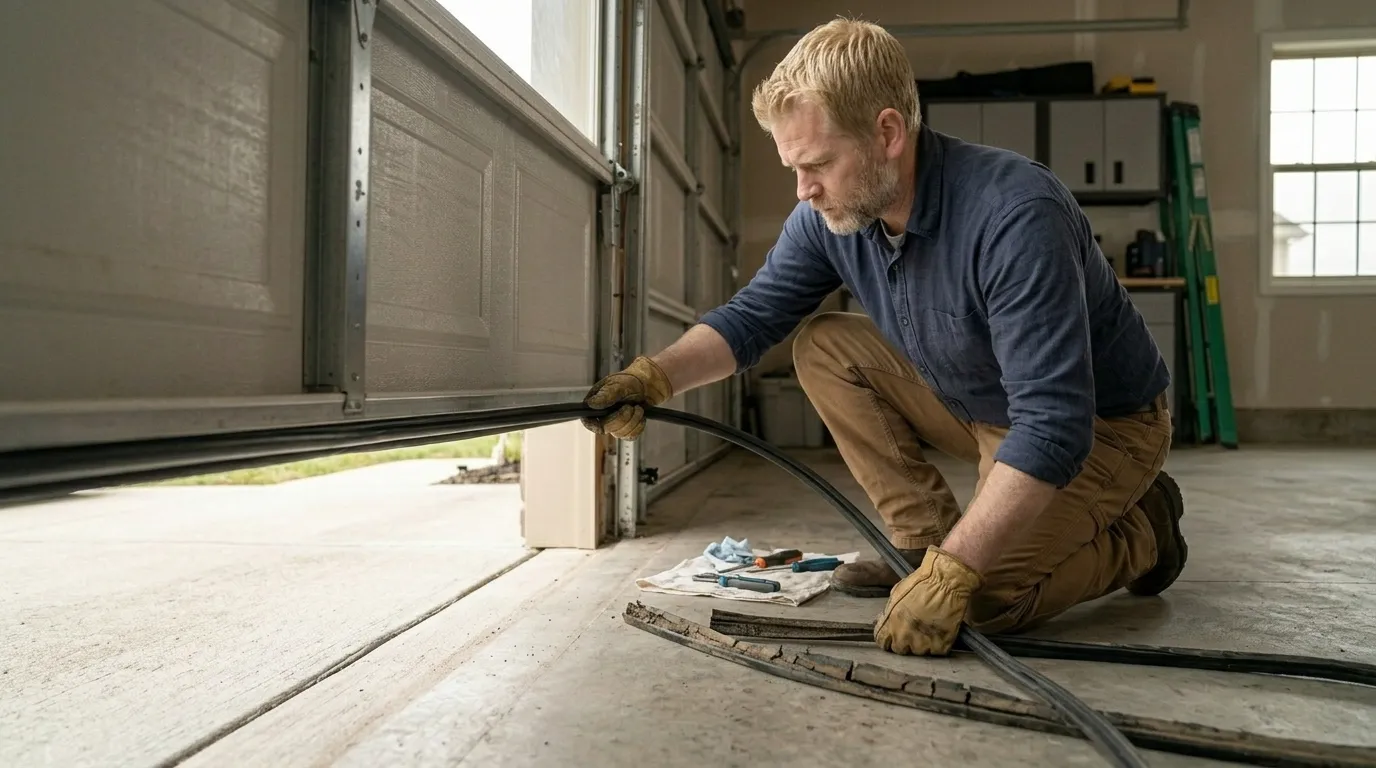
On a 1975-era Orange Park house, the tell isn't usually a dead spring - it's a door that's been re-sprung once or twice already and is now sagging at the bottom corners, with panels that don't sit flush anymore. You'll see daylight gaps at the sides when it's down, or the door needs a shove to clear the last foot of travel. Openers on these houses are often the second or third unit installed over the years, mounted on brackets that were shimmed for the original door and never re-leveled. When a homeowner calls about a door that
The DIY Question
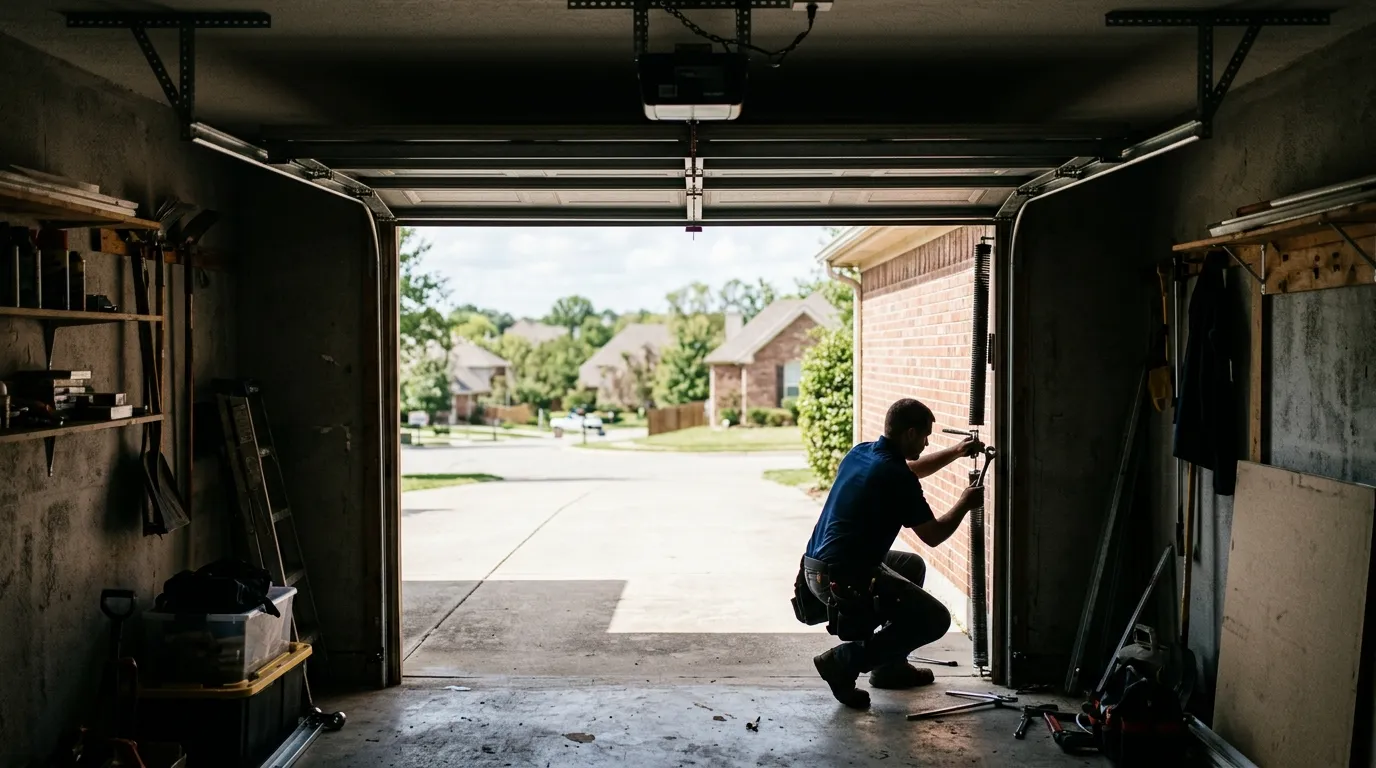
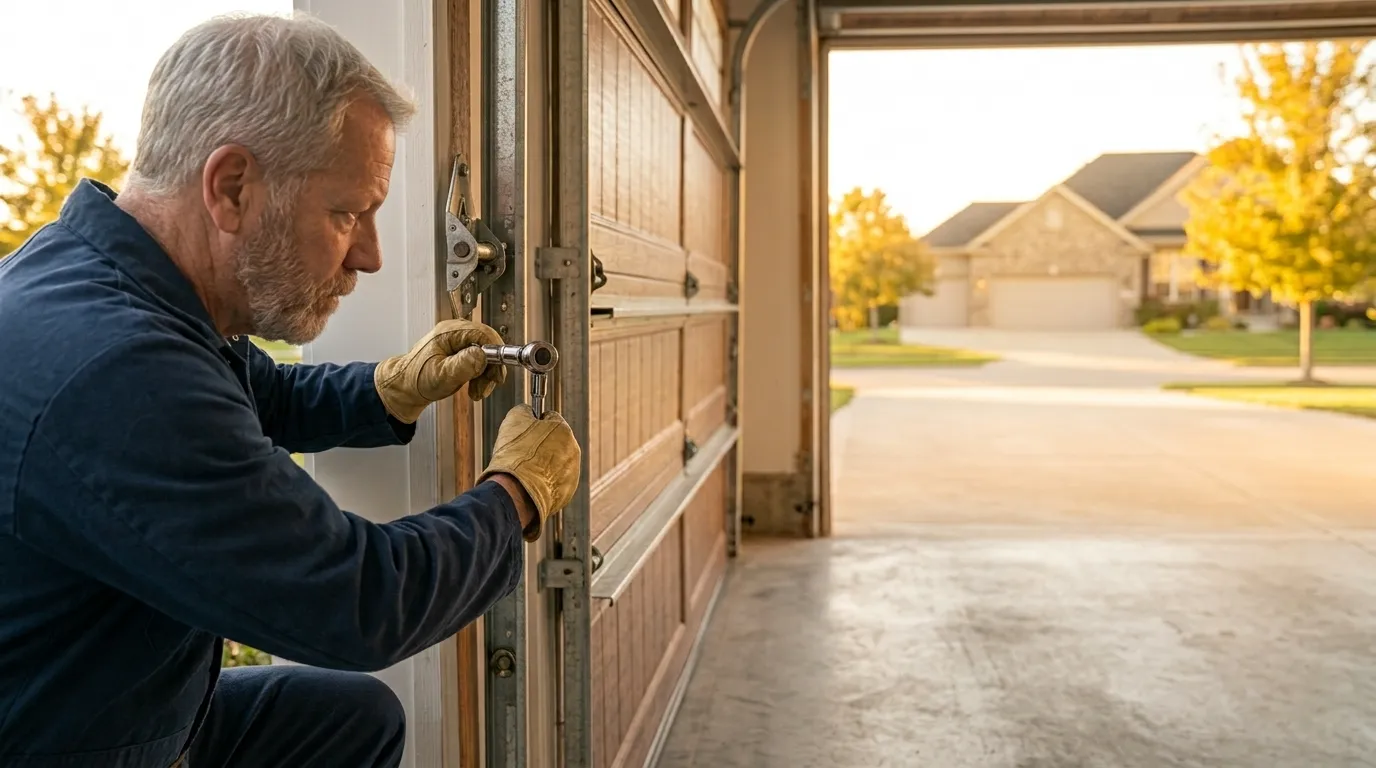
A new garage door is not a bolt-together kit job, even though the panels ship close to ready. The torsion spring alone is under enough tension to break a wrist or worse if it's wound wrong, and on a 1975-built opening, the jamb is rarely square anymore after fifty years of settling - something a DIY install won't catch until the door binds. At Orange Park's income level, the appeal of doing it yourself to save the labor line is real, and we get that. But a door that's shimmed wrong at install will chew through rollers and hinges in a fraction of the time a correctly squared door lasts, which erases the savings within a couple of years. If you're set on doing the demo yourself, pulling the old door and clearing the opening before we arrive is reasonable and it does trim the visit. Winding the spring and setting the new door plumb is where we'd tell you to stop and call.
What Causes It Around Here
Most of the failures we see on Orange Park calls trace back to the house's age. A door installed when the home was built in the mid-1970s has usually had its spring replaced at least once, sometimes with hardware that doesn't quite match the original rating. Add in the mild, humid climate typical of this part of the Jacksonville area, no hard freezes but real moisture in the air most of the year, and steel tracks and hinges corrode faster than a dry climate would produce, even without visible rust yet. None of that shows up overnight; it's fifty years of small wear compounding until a panel cracks or a spring lets go on a cold morning. That's the case for planning a replacement on your schedule rather than waiting for the door to fail on its own.