What Can Go Wrong
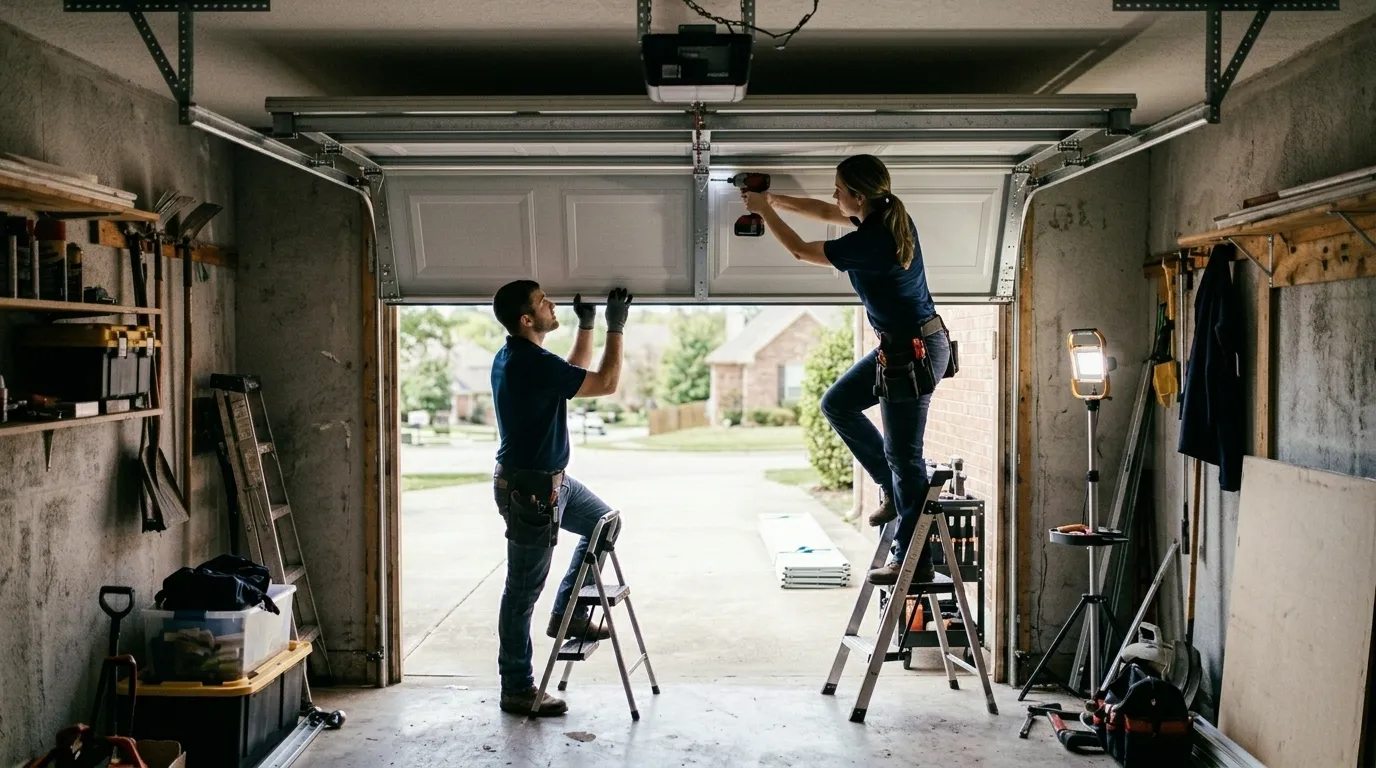
Lakeside sits about 15 miles from our Jacksonville shop, which changes how we handle a maintenance visit here. We're not swinging by on the way to another job in this pocket of the service area - a trip out to Lakeside gets its own slot on the truck's schedule, so when we come, we go through the whole door rather than just the one squeak you called about.
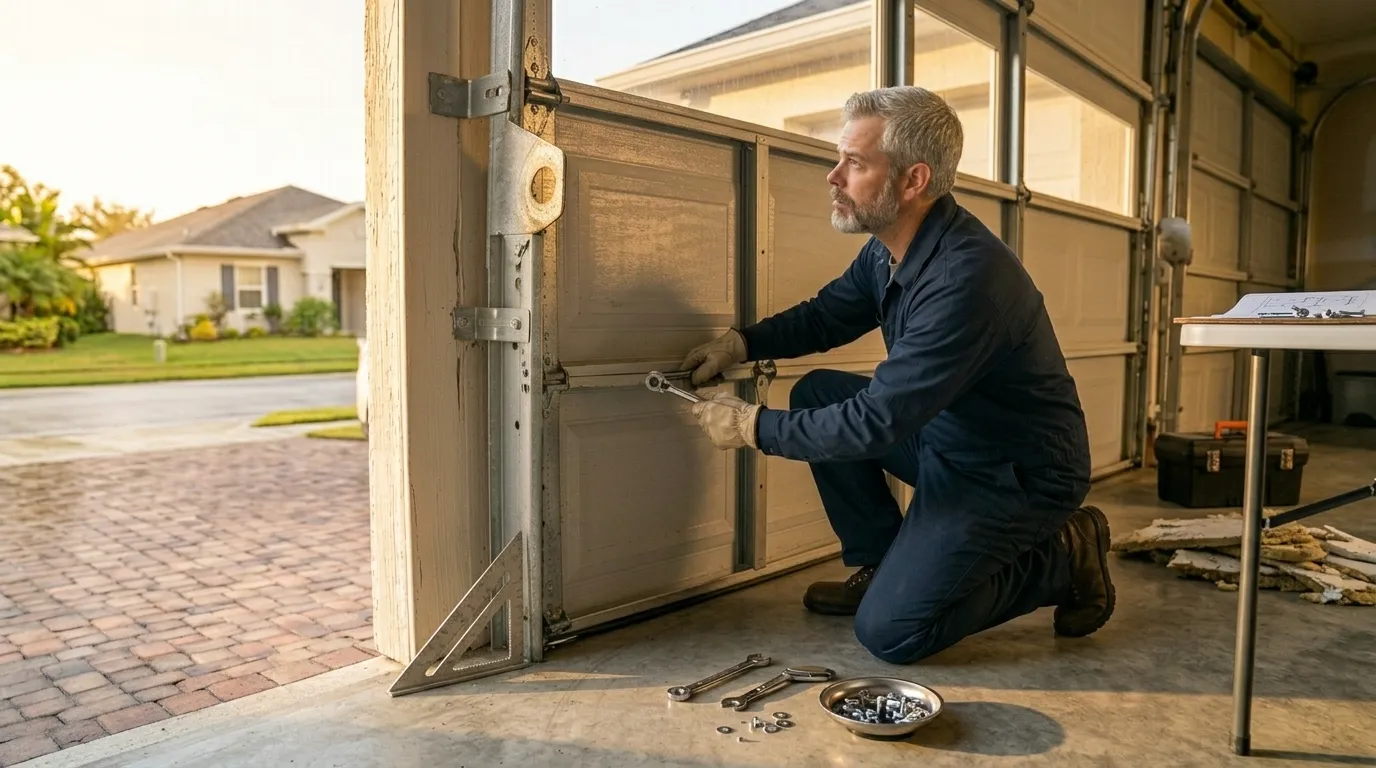
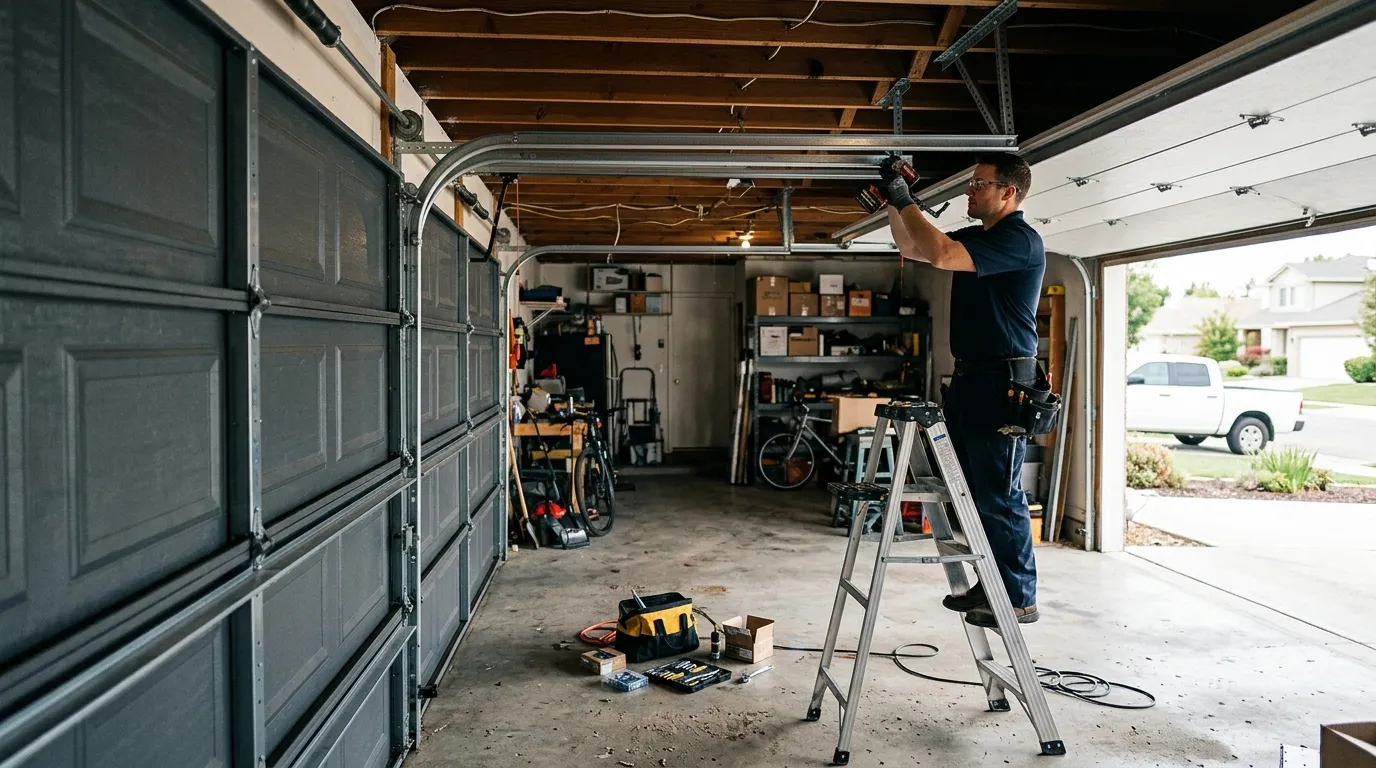
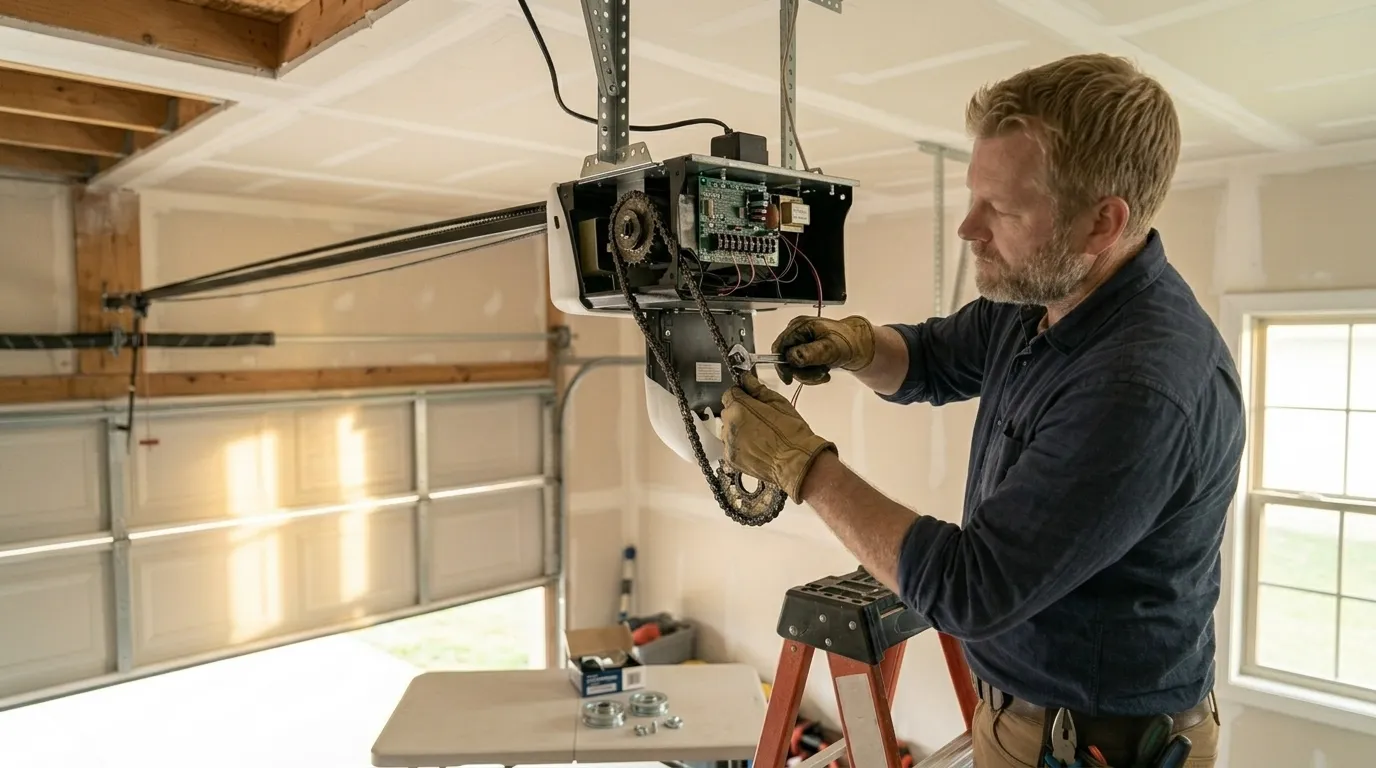
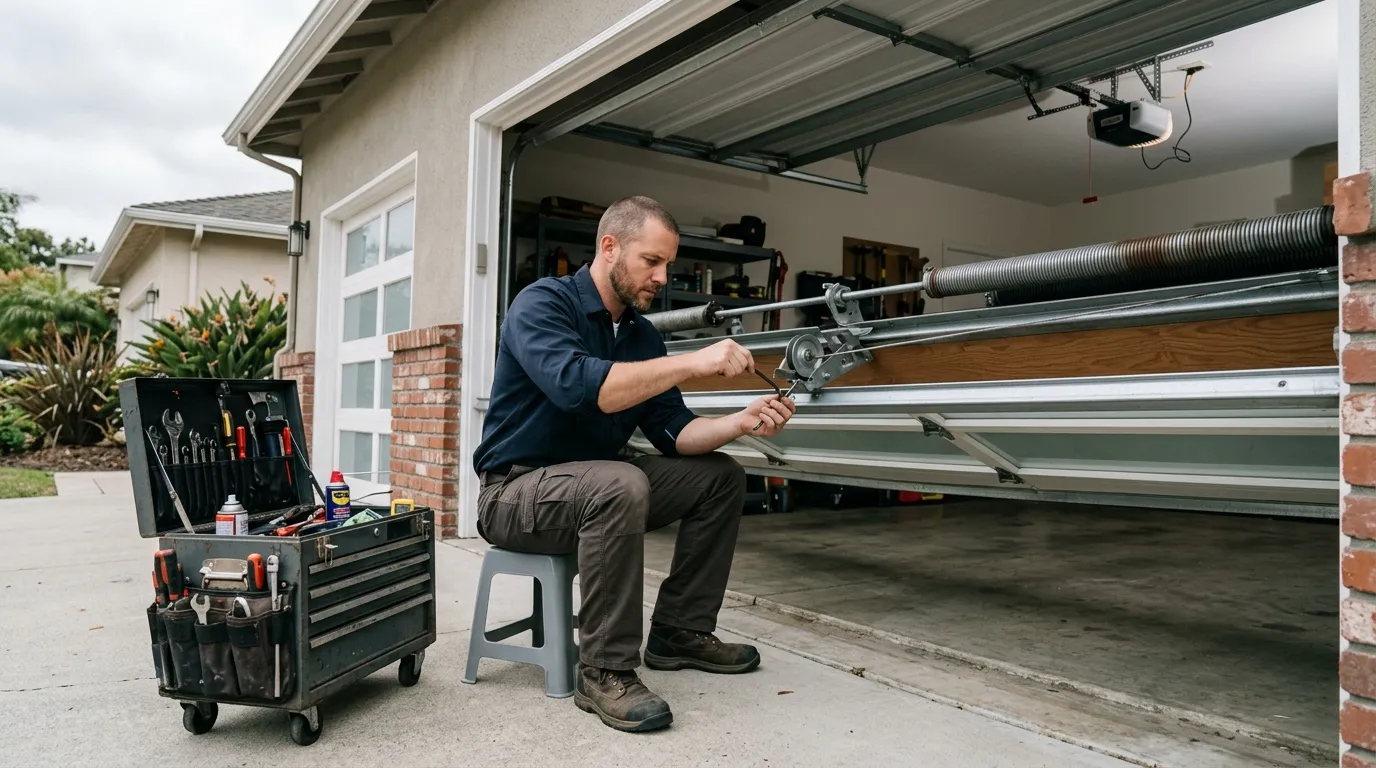
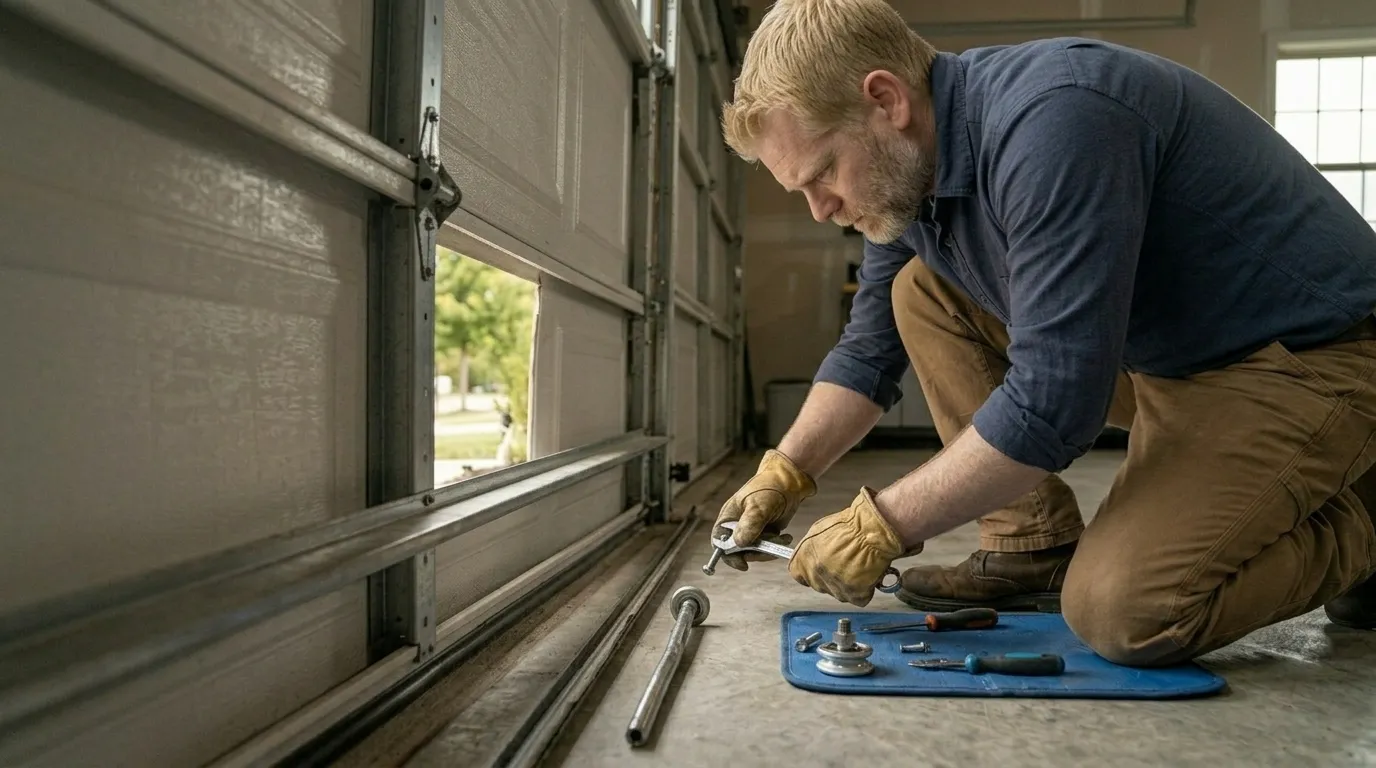
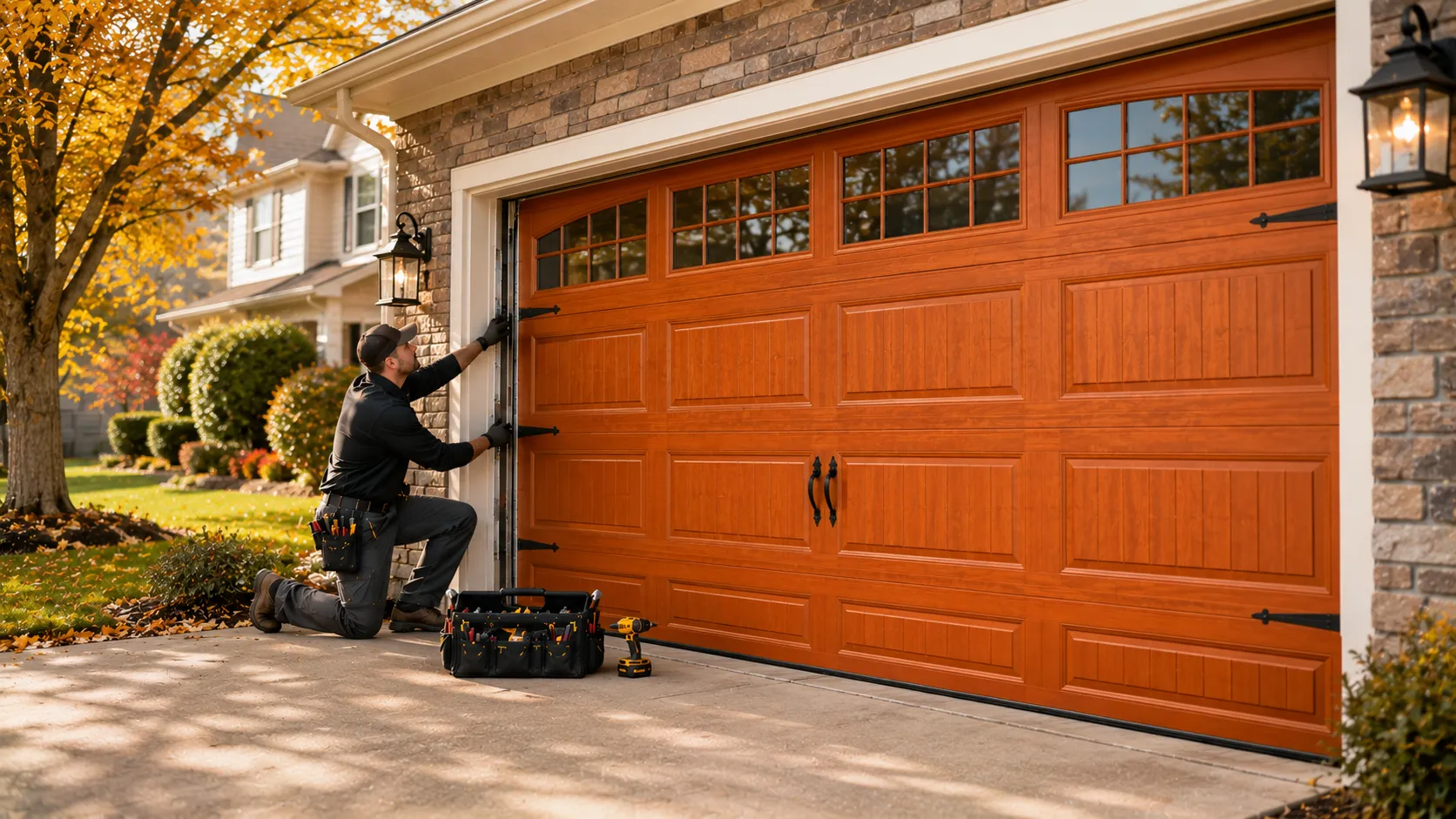
Most of what we find on these visits is what you'd expect from a door that's roughly forty years old: torsion springs that have lost tension and are making the opener strain, rollers worn enough to rattle in the track, and hinges with slack that lets a panel flex more than it should. On a lot of these houses the hardware has never been touched since it left the factory. None of it is dramatic on its own, but stacked together it's how a door goes from a little noisy to stuck halfway up.
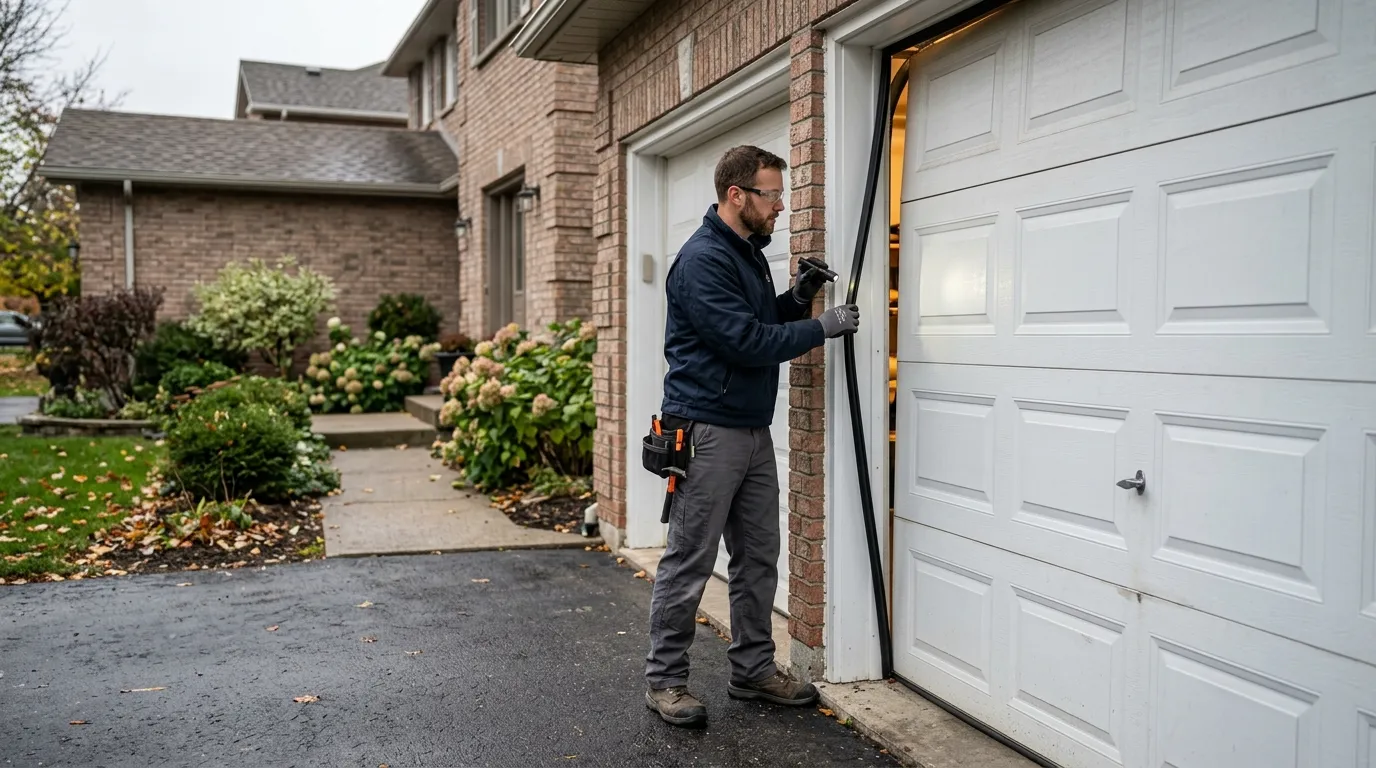
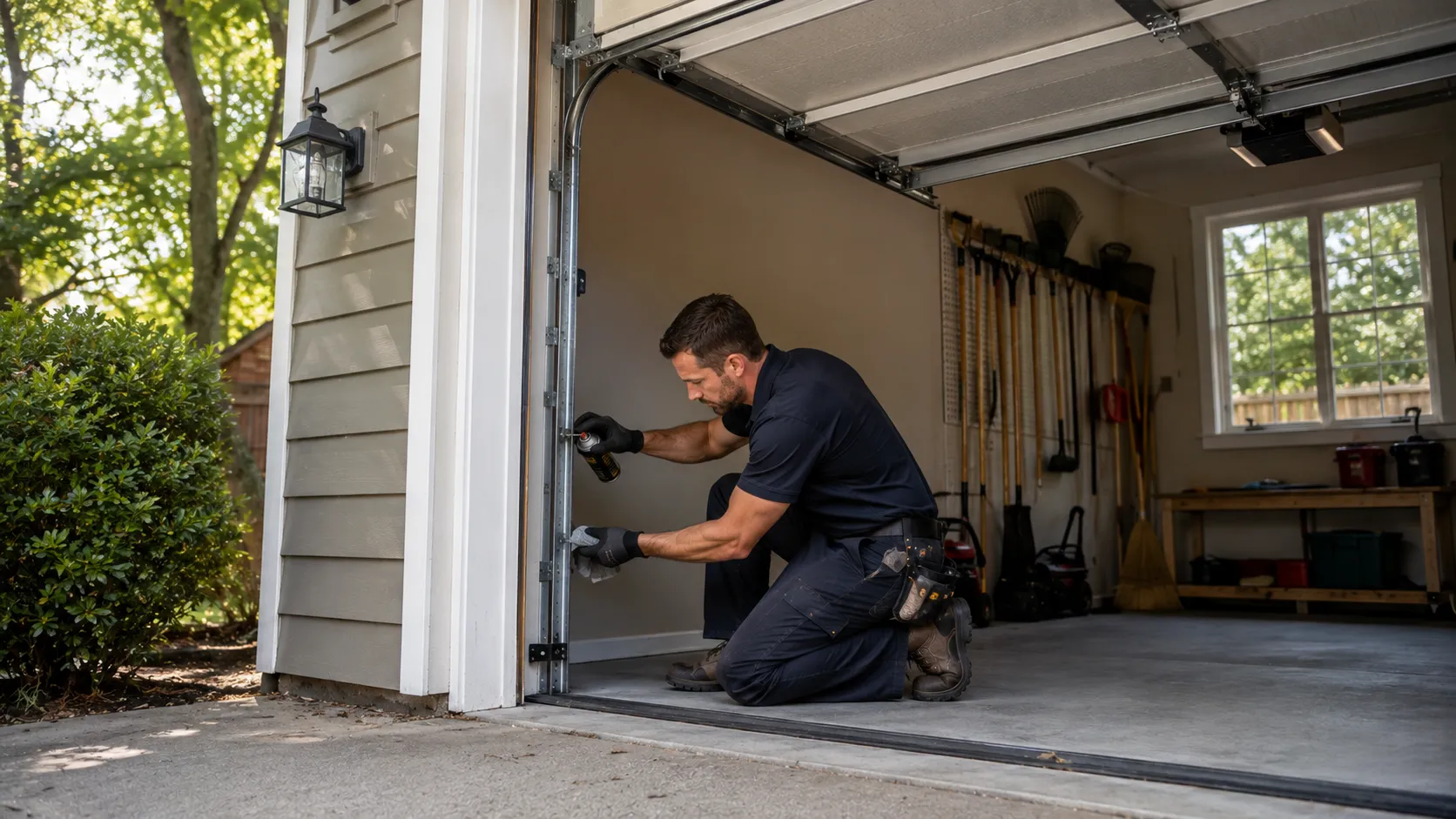
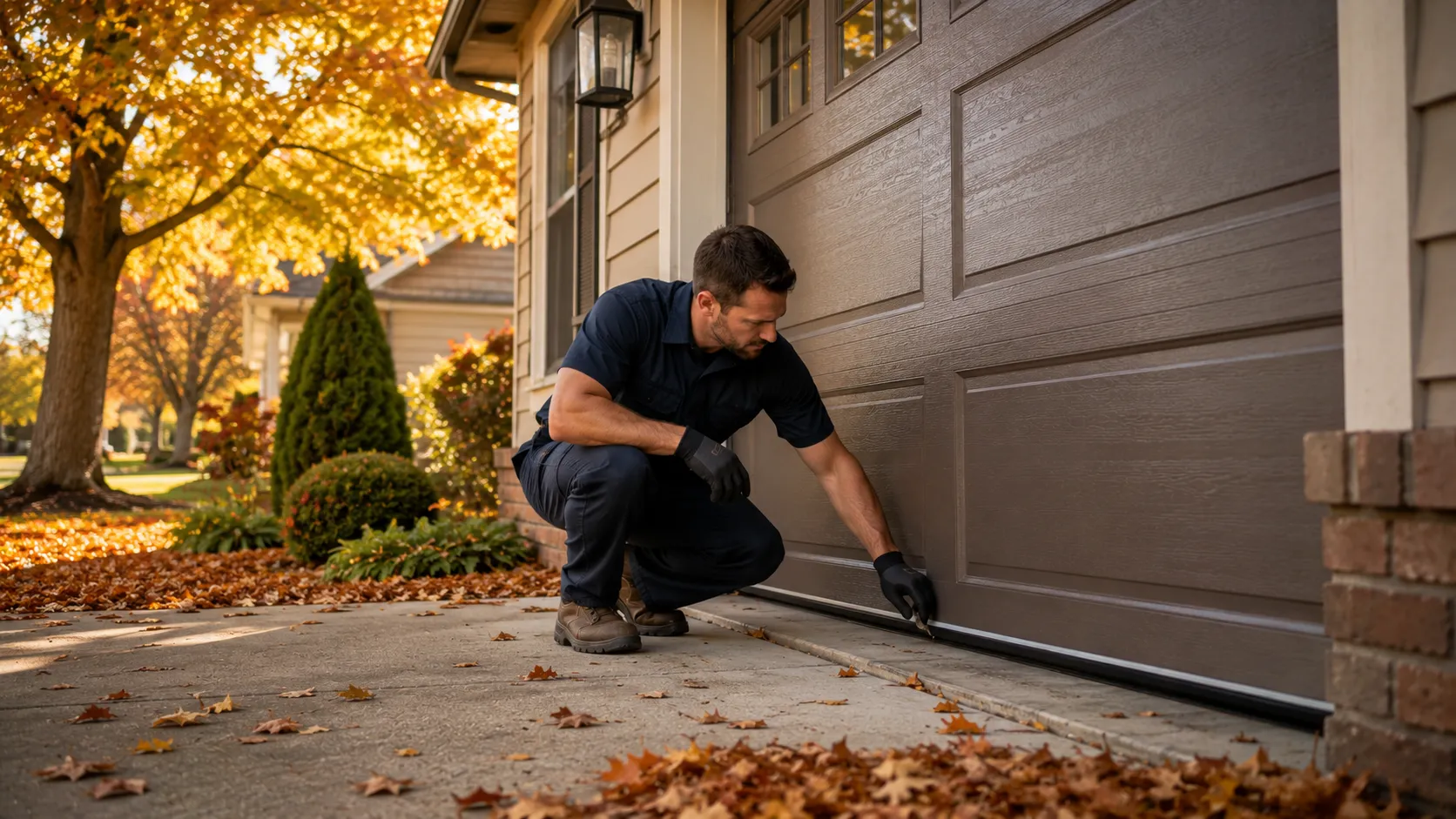
We also check the bottom seal and weatherstripping, since a gap there is usually the first thing an owner notices even though it's rarely the root problem. If your opener's force settings haven't been adjusted in years, that's often tied to the same spring fatigue - the motor is compensating for a spring that isn't holding its half of the door's weight anymore.
What Causes It Around Here
Lakeside's housing stock lines up with the median build year across this part of the service area - around 1984, inside the broader 1973-2007 range we see in the 1980s-90s homes that make up most of the neighborhoods we cover. That matters for maintenance because doors and openers installed in that window are old enough that original springs and rollers are near or past their rated cycle count, but not so old that parts are impossible to find.
The climate here is mild temperate, so we're not dealing with the freeze-thaw cycles that crack seals or seize track hardware the way colder regions do. What gets these doors instead is steady humidity and heat working on lubrication and on rubber seals over decades - grease dries out, seals go brittle, and a spring that's been under tension since the mid-80s simply fatigues on schedule. It's wear, not weather shock, which is why a lot of these doors fail quietly instead of all at once.
Parts We Carry
For a door from this era we carry standard torsion springs sized for typical residential double and single doors, nylon and steel rollers, hinges, and cables sized to match the springs we're swapping. We also stock bottom seal and weatherstripping cut for standard track widths, since that's the most common wear item on a house this age regardless of the door brand.
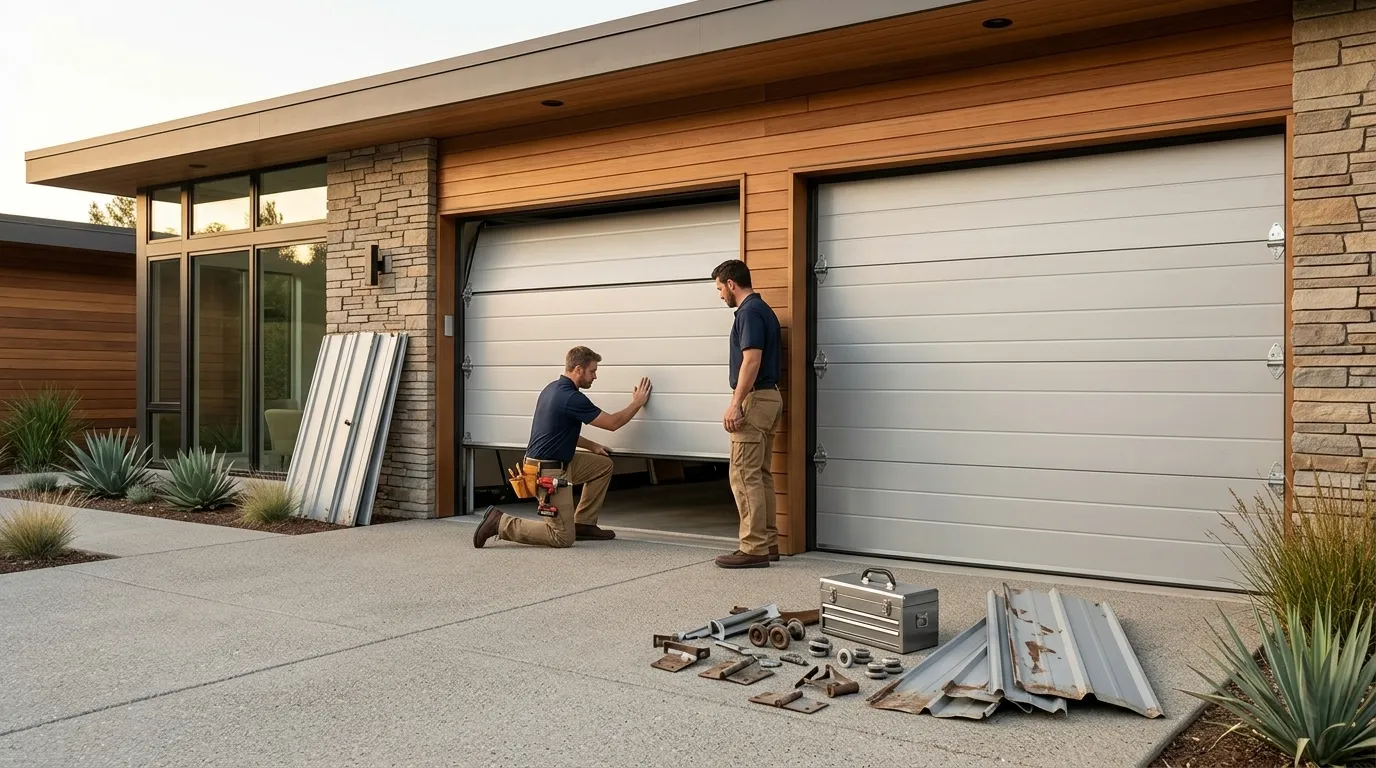
What we don't carry on the truck are odd or discontinued panel sections - if a section is cracked or dented, that's usually a separate order from the manufacturer, and we'll tell you the lead time honestly rather than promise a same-visit fix. For most Lakeside homes, though, the spring, roller, and seal work covers what maintenance actually needs.