What Can Go Wrong
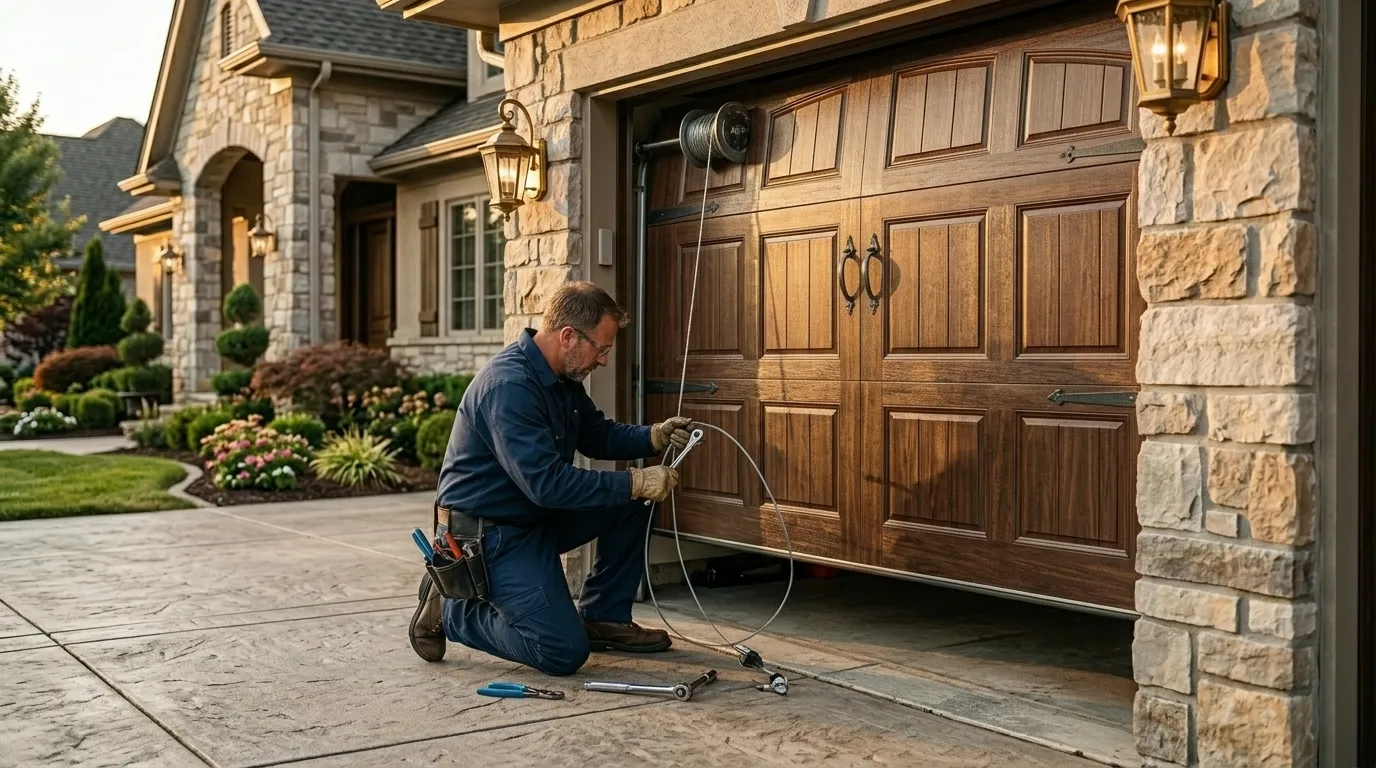
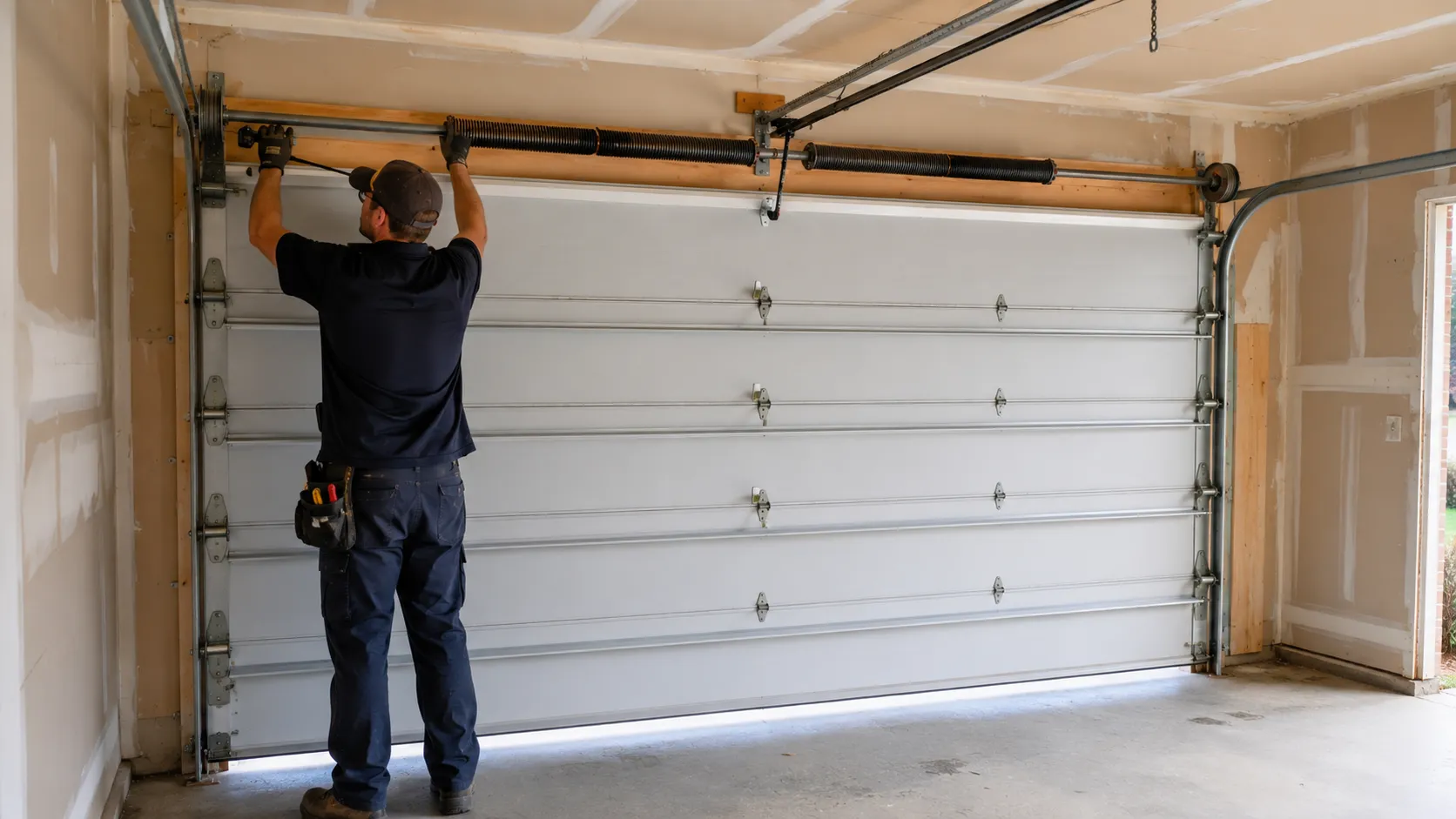
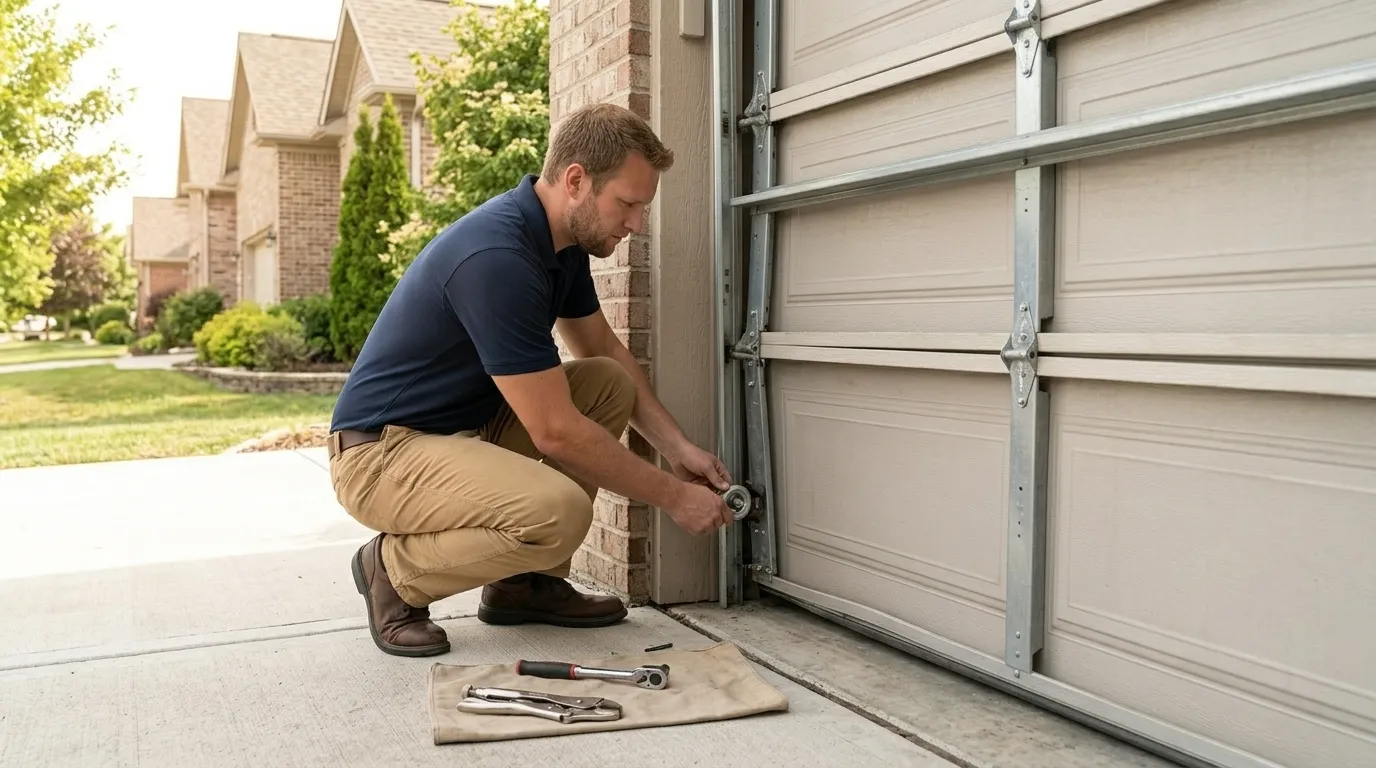
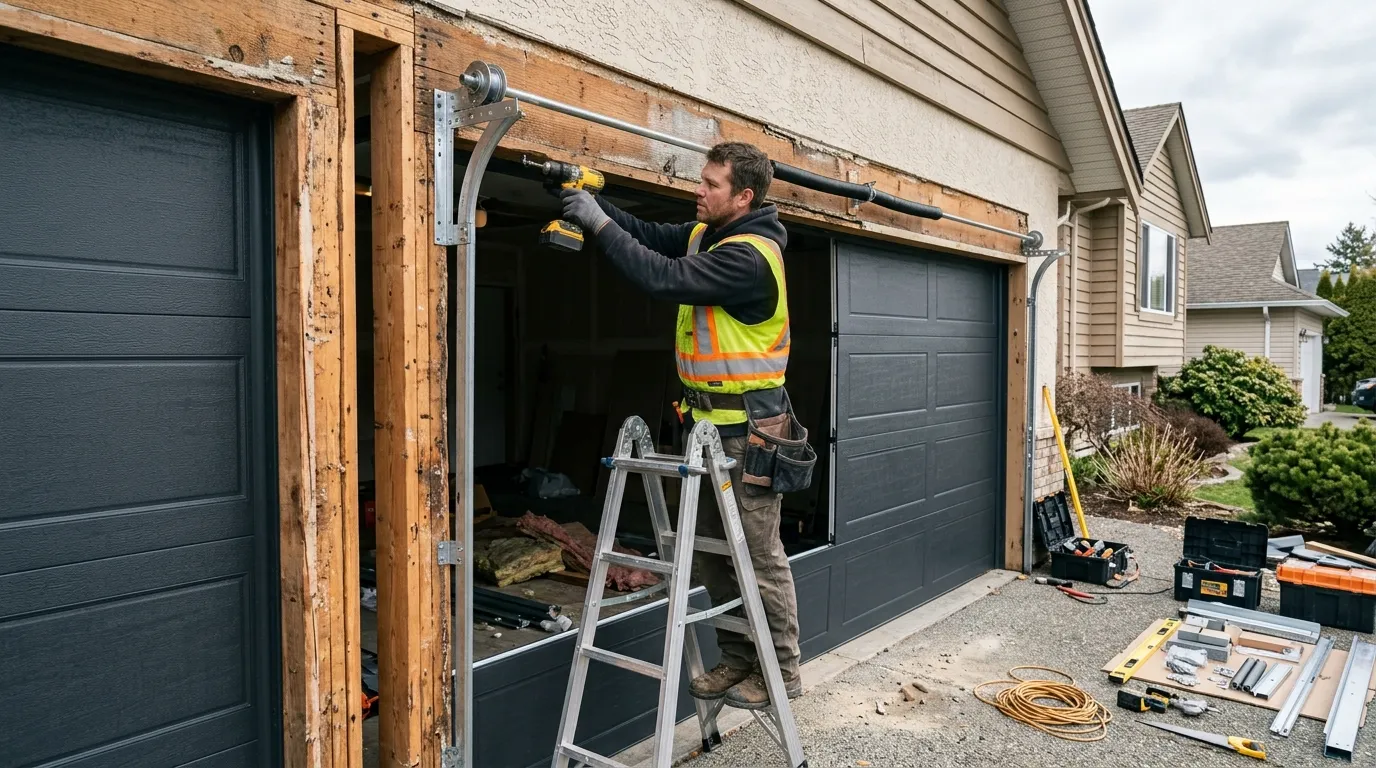
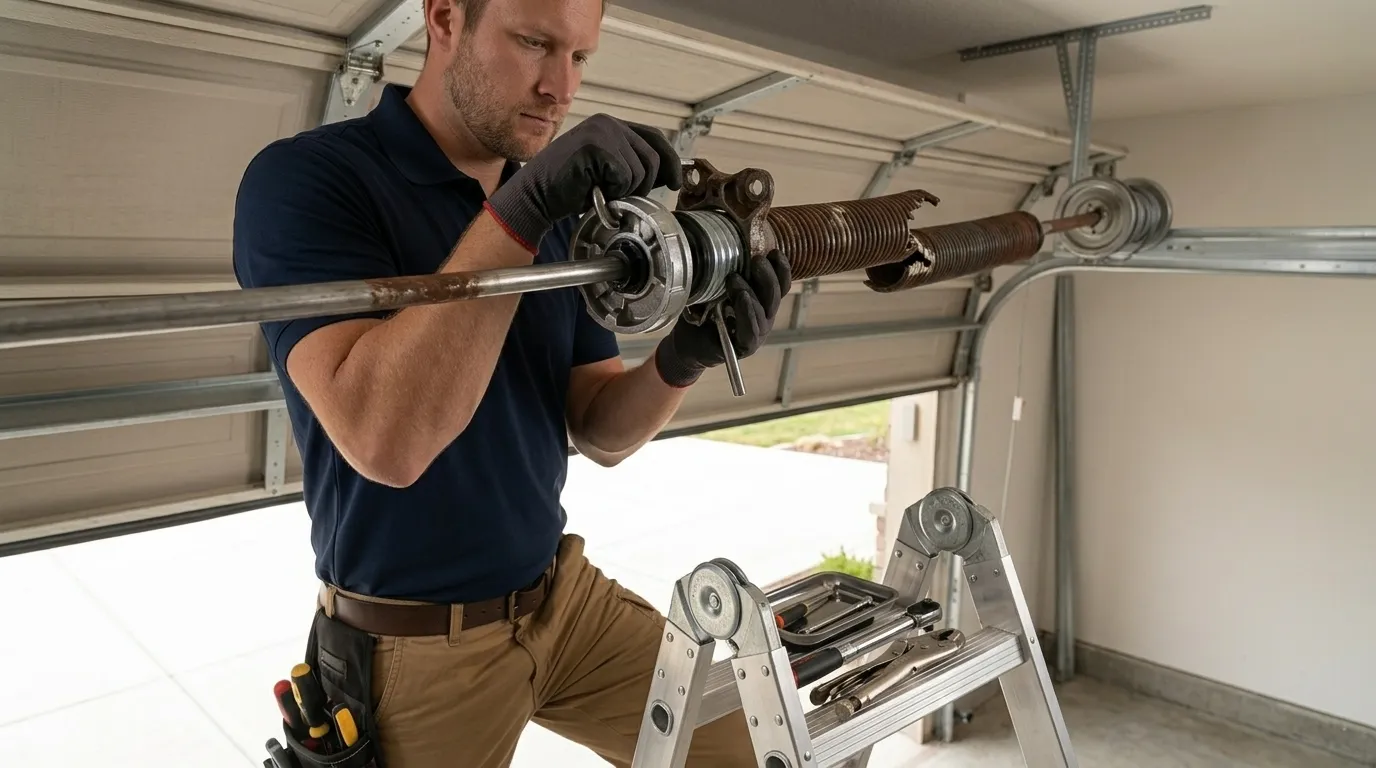
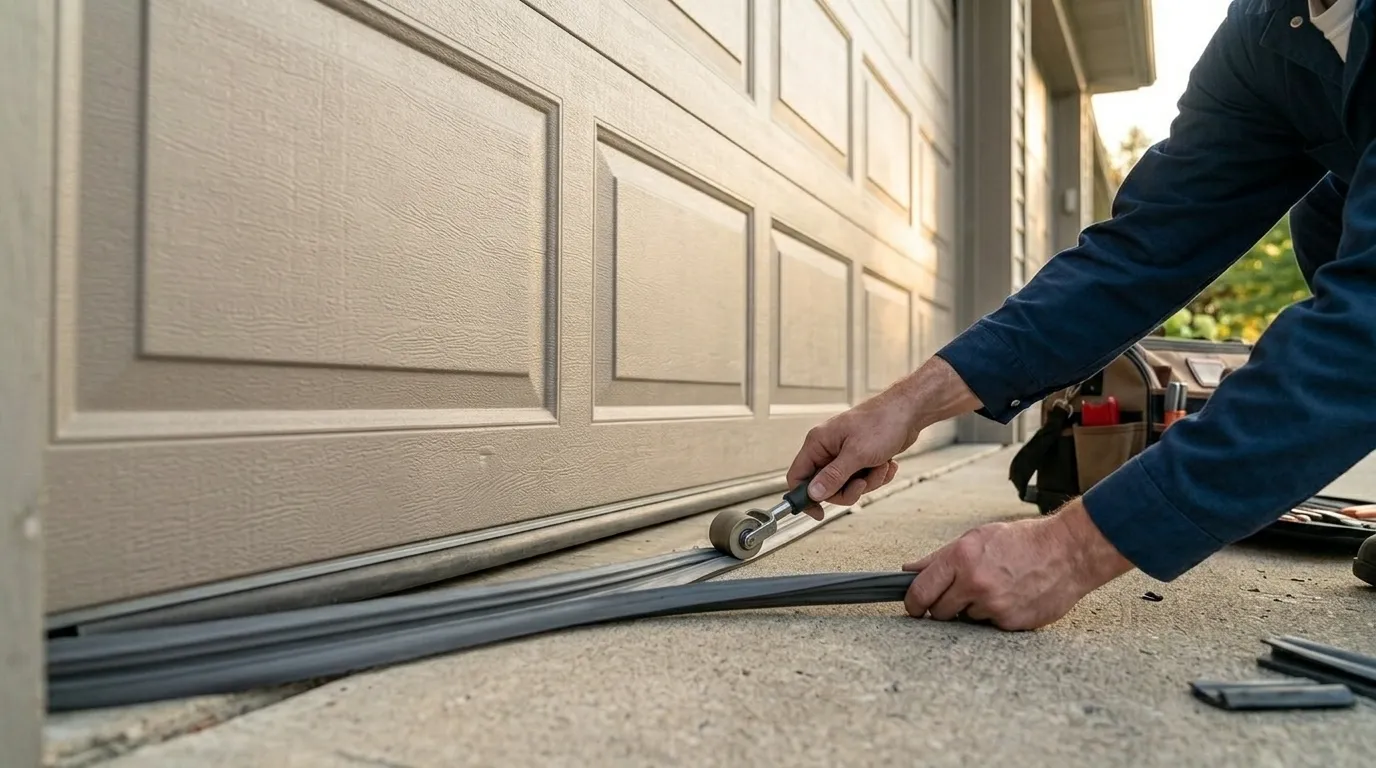
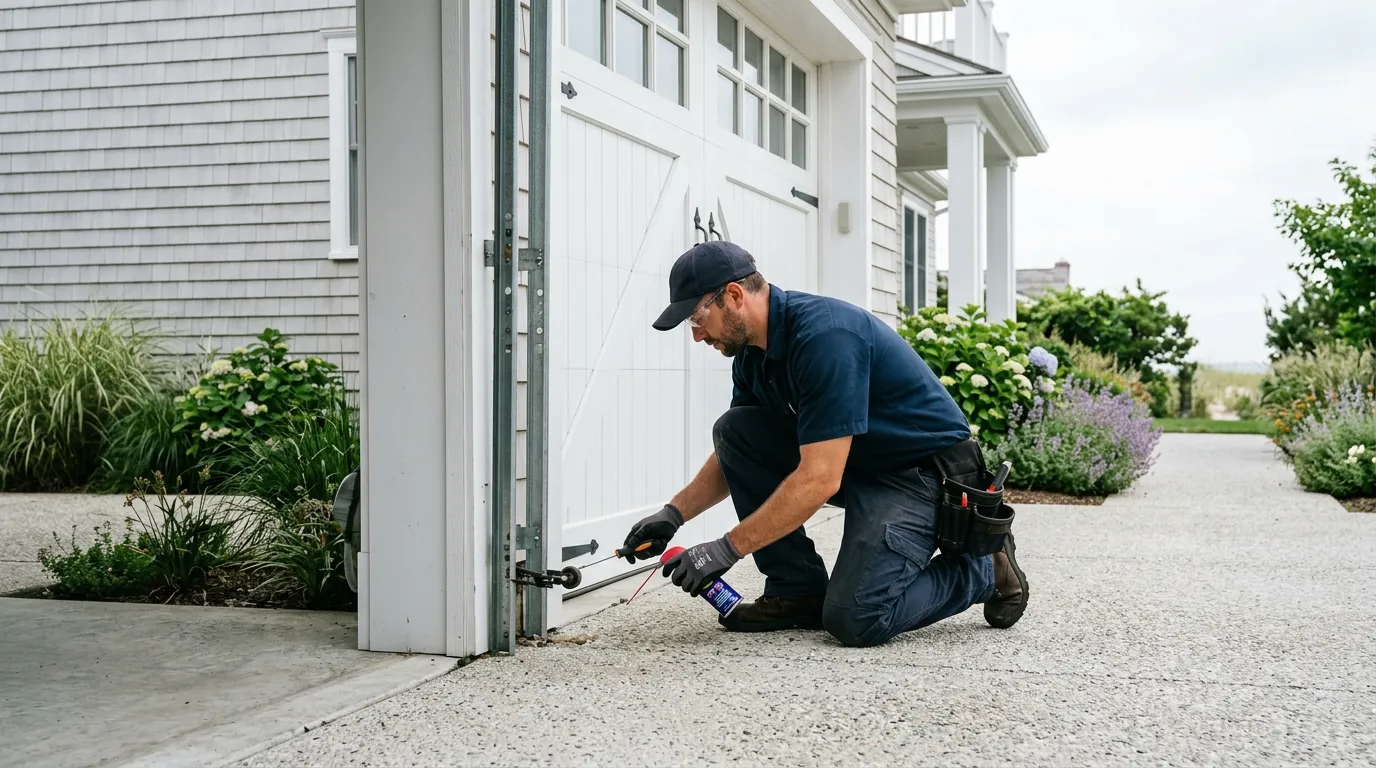
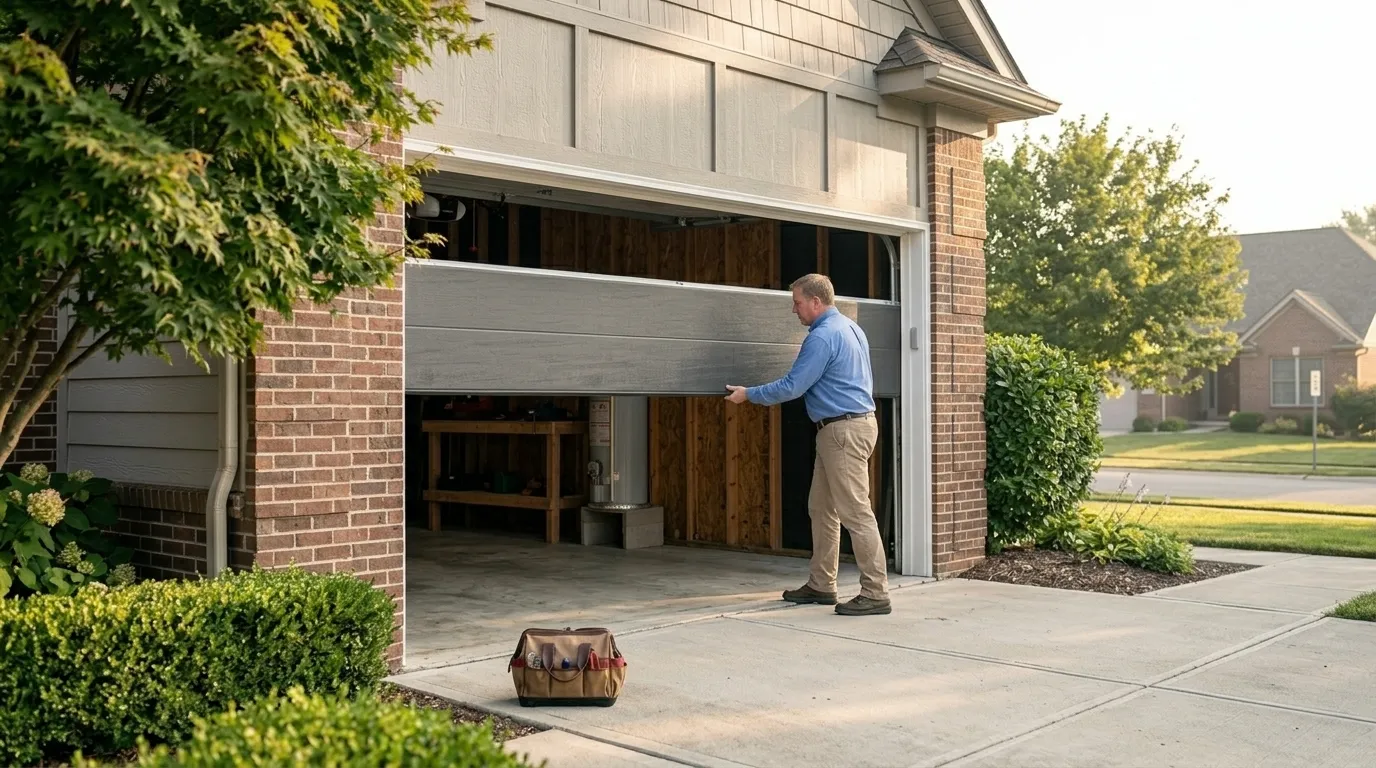
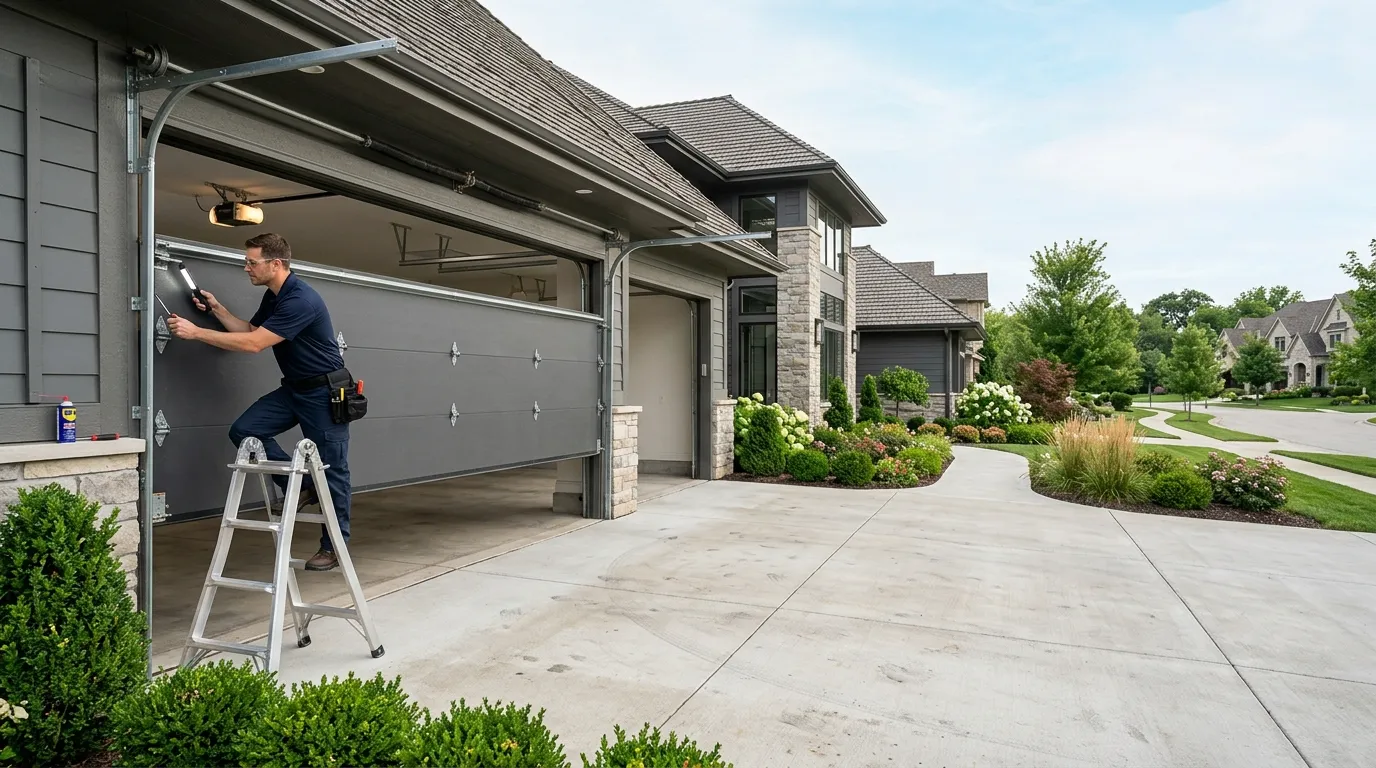
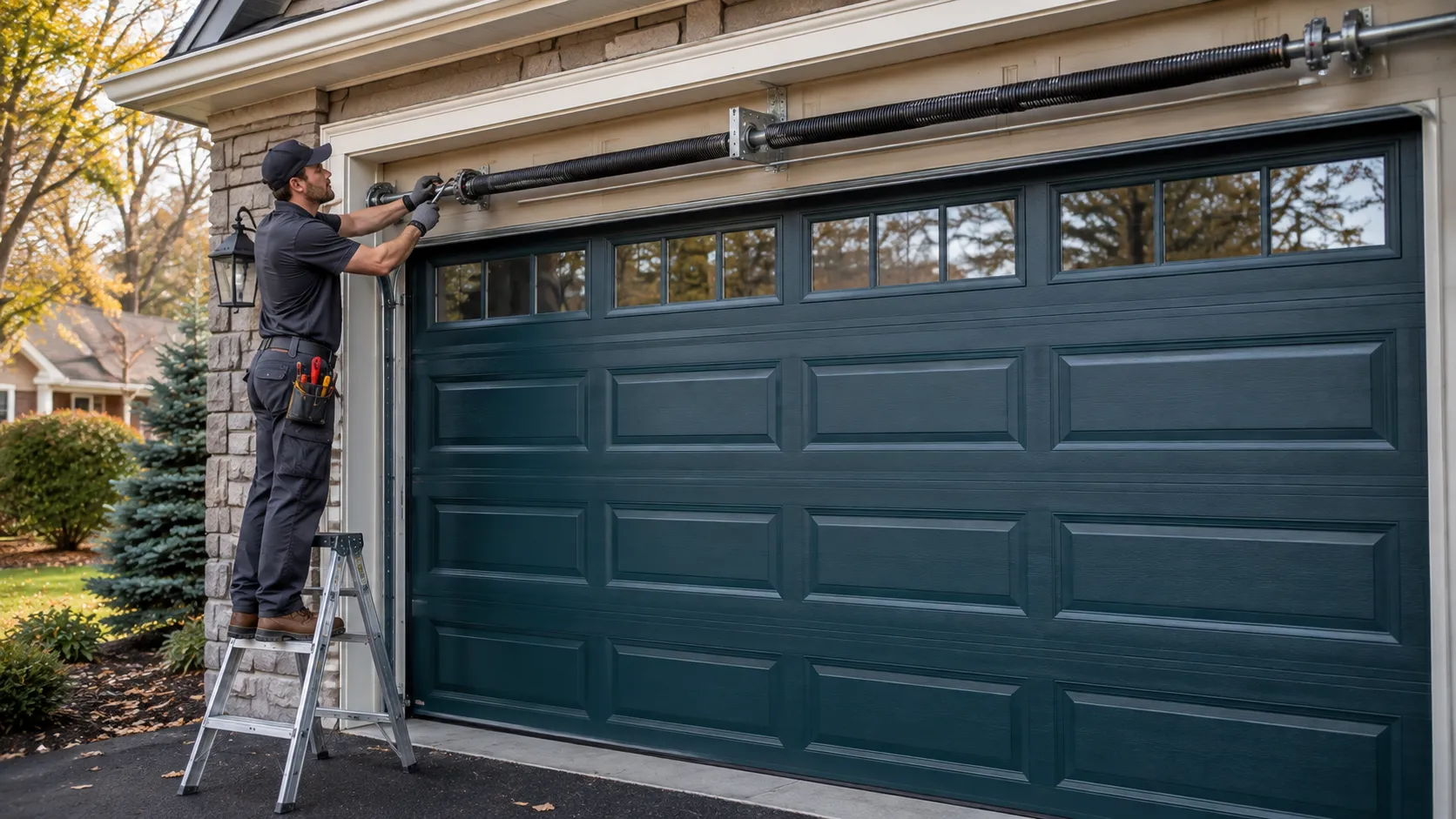
Most houses in Lakeside went up around 1984, which puts this neighborhood squarely in the wave of Jacksonville-area construction that ran from the early 1970s into the 2000s. Doors from that build year were almost always steel sectional panels on extension or early torsion spring setups, paired with openers that got swapped out at least once or twice over the last four decades. What breaks now is what you'd expect from hardware that age: a torsion spring that finally gives out after thousands of cycles, a cable that frays where it wraps the drum, rollers that have worn their track grooves wide, or an opener logic board that just stops responding one humid afternoon. On a house built in 1984, the original springs are long gone, but whatever replaced them is often 15-20 years old itself, and that's the part that tends to fail without warning - usually when the door is halfway up or halfway down. A stuck door on a single-car garage isn't the same emergency as a jammed double door blocking the only way to get a car out for work, and we treat those differently when you call.
What Causes It Around Here
Jacksonville's mild temperate climate doesn't put the same stress on garage door hardware that you'd see in a place with hard freezes or big humidity swings season to season - there's no ice expansion cracking panels, no repeated freeze-thaw loosening bolts. That's the good news for a neighborhood like Lakeside. The wear here comes mostly from age and use: steel springs fatigue on a cycle count regardless of weather, nylon rollers dry out and crack over enough summers, and openers from the 1990s and 2000s reach the end of their circuit board life on their own schedule. Because Lakeside's housing stock clusters in that 1980s-90s range along with a lot of the surrounding area, we see the same handful of failure patterns repeat house after house - it's less about any one storm event and more about hardware that's simply put in its years. That said, we don't have specific data on flooding or wind events for this particular pocket of the county, so we're not going to claim storm damage is common here just because it sounds plausible - what we know is the age of the housing stock, and that tells us plenty already.
Parts We Carry
Given that most doors in this part of the county were installed or last replaced sometime in the 1980s or 90s, we carry the torsion and extension springs sized for that generation of steel sectional doors, along with standard-lift cable and drum sets, nylon and steel rollers, and hinges in the common residential gauges. Opener parts are trickier - logic boards and drive gears for openers from that era are increasingly hard to source new, and on some of the older chain-drive units we'll recommend a full opener swap rather than hunting for a discontinued part, because the labor to chase down obsolete electronics often costs more than a new unit. We stock what covers the bulk of what we find on 1970s-through-2000s Jacksonville-area doors, but if a job needs a specialty panel or a custom-width track, that's a lead-time item we'll flag before we start, not after.