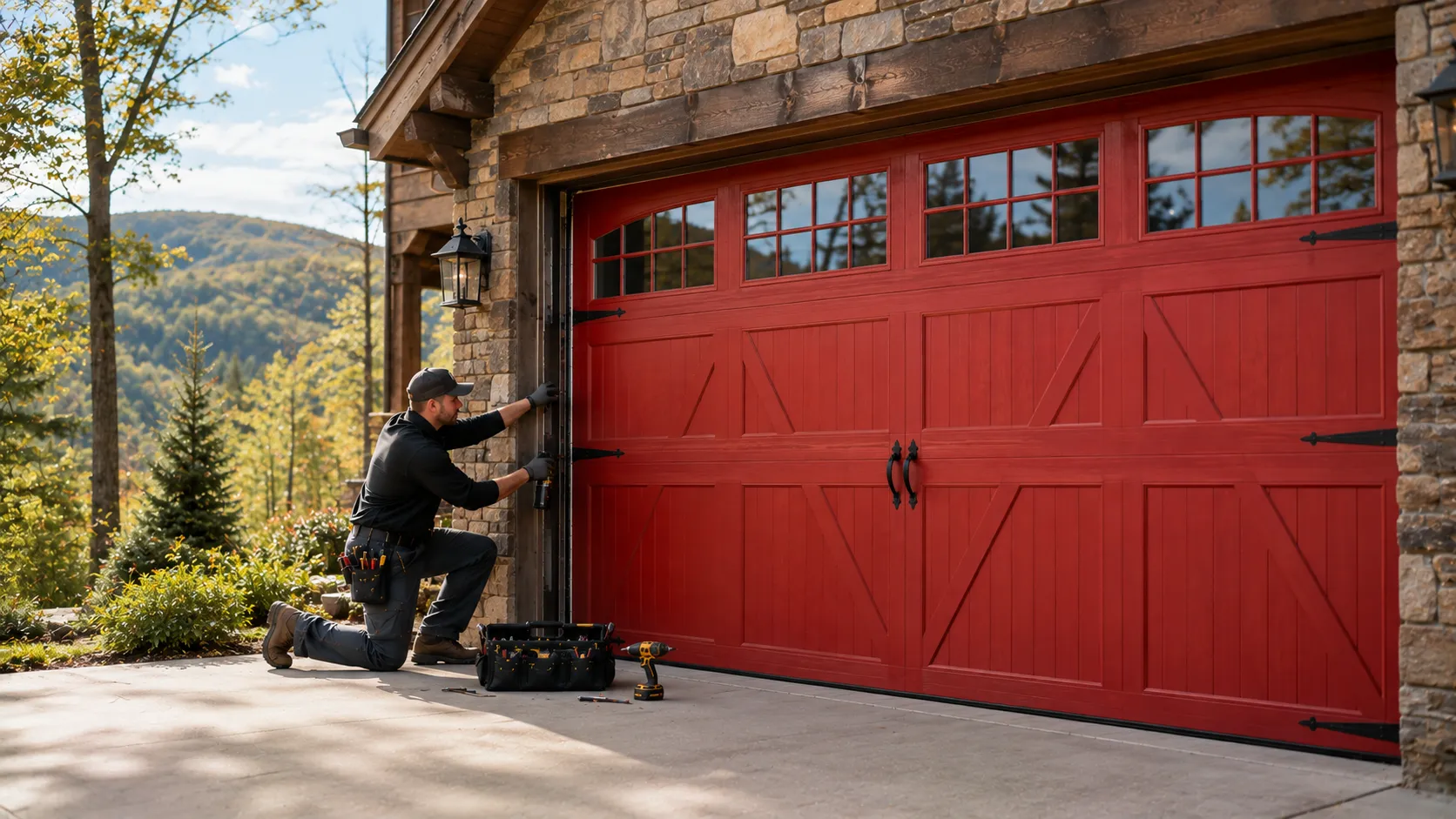
What Can Go Wrong
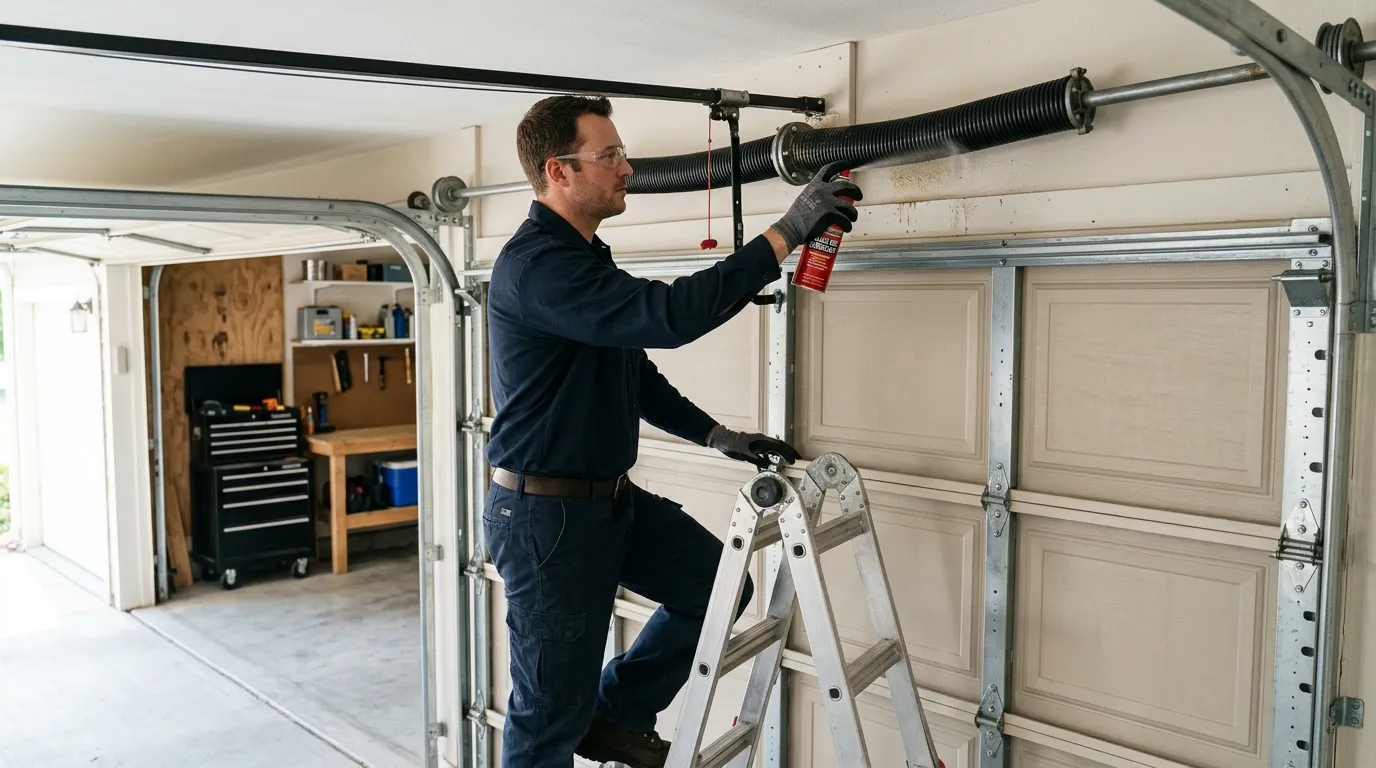
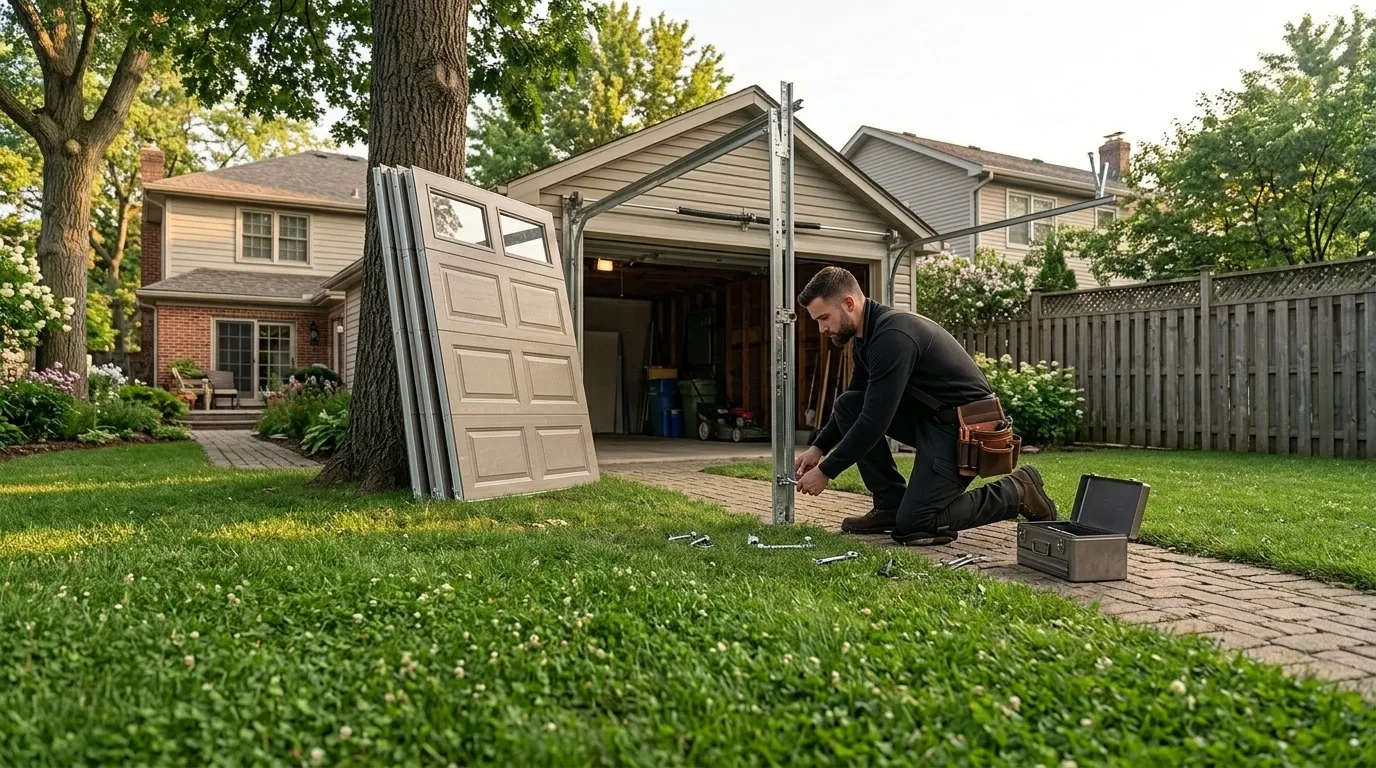
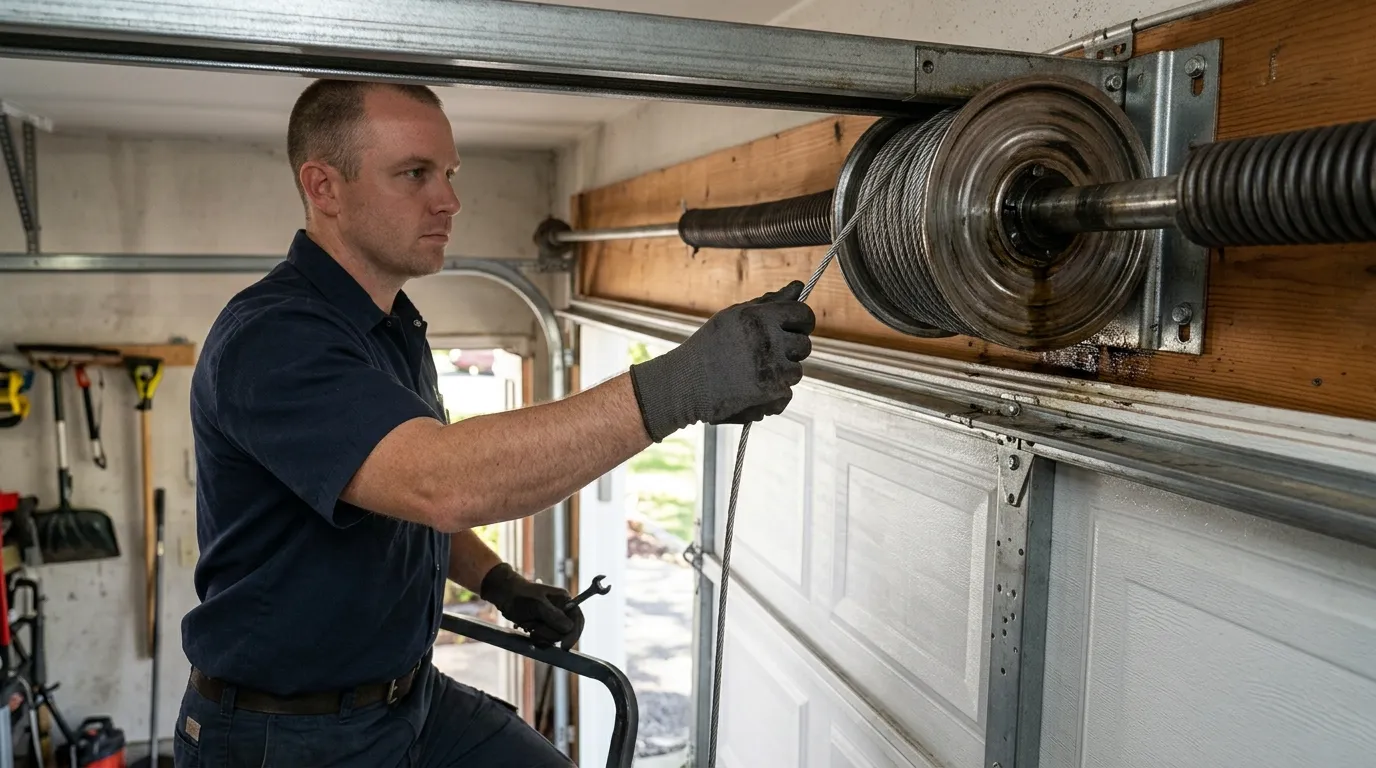
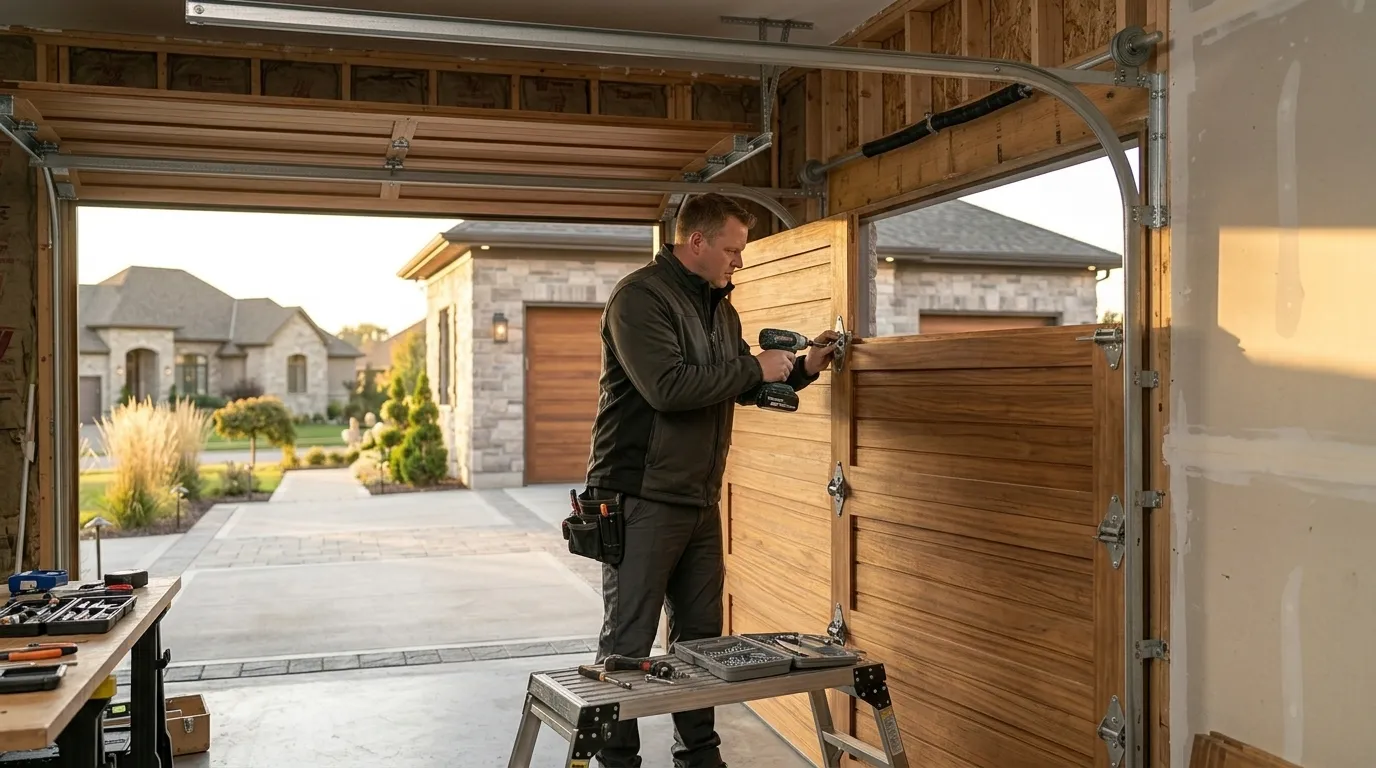
The call we get most from Lakeside isn't a door that won't open at all - it's a door that slams the last foot of travel, or one that shudders and reverses partway down. That's almost always a spring that's lost tension unevenly, or rollers that have worn past round after decades in the same track.
Median year built in Lakeside runs right around 1984, and that number matters more than people think. A door installed in the mid-80s is on its second or third opener by now, but the track, the hinges, and often the springs are original or close to it. Steel gauge from that era is thinner than what's sold today, and the hardware was sized for lighter doors than the insulated replacements a lot of owners have swapped in since. That mismatch is where we see bent track and torn cables - the spring is rated for the old door, the door on it now is heavier.
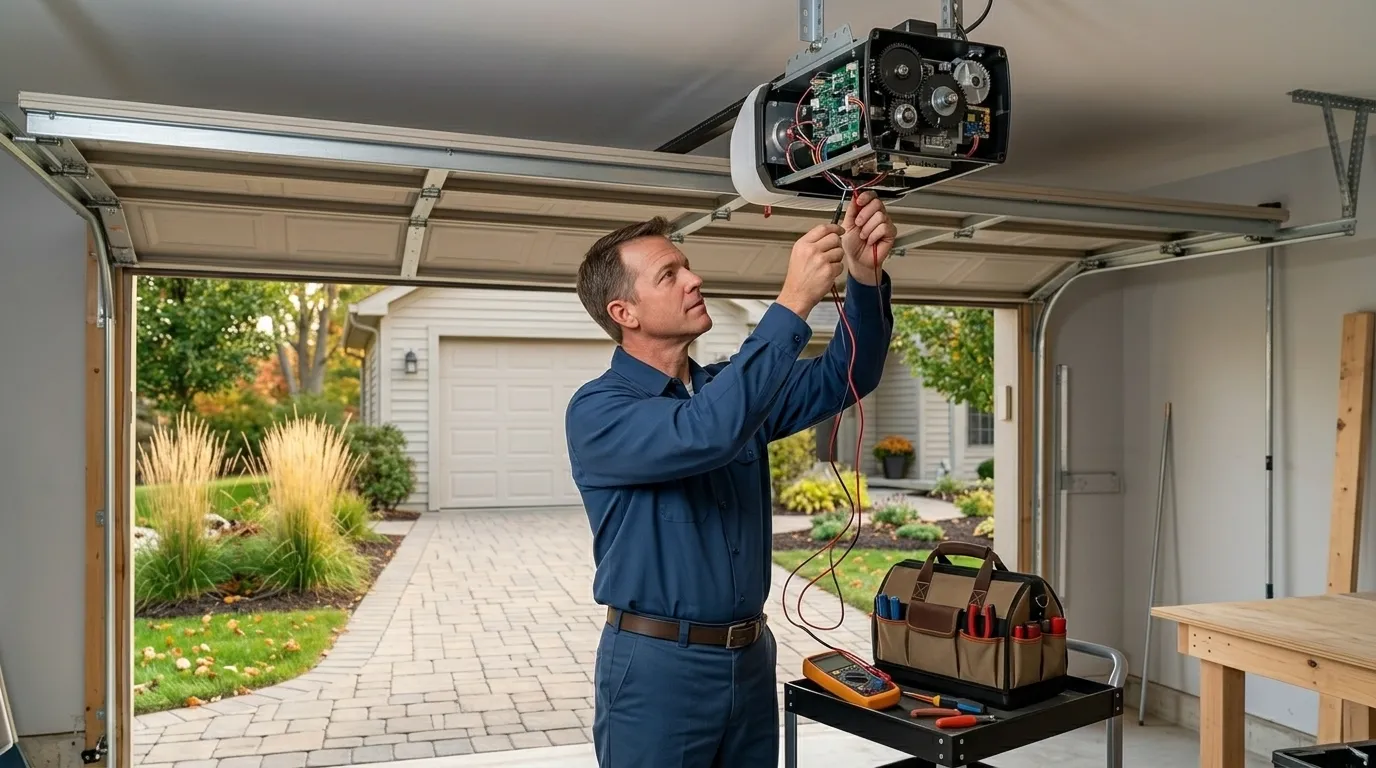
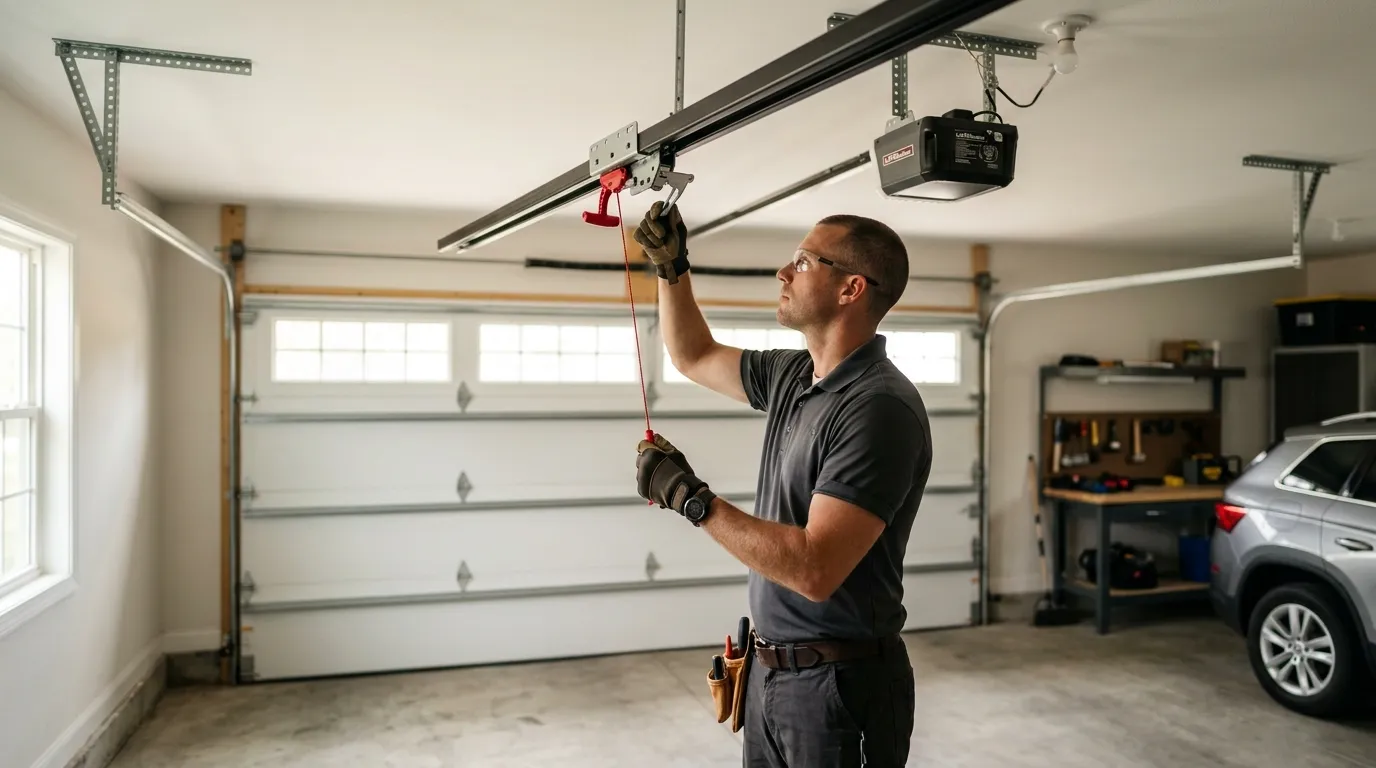
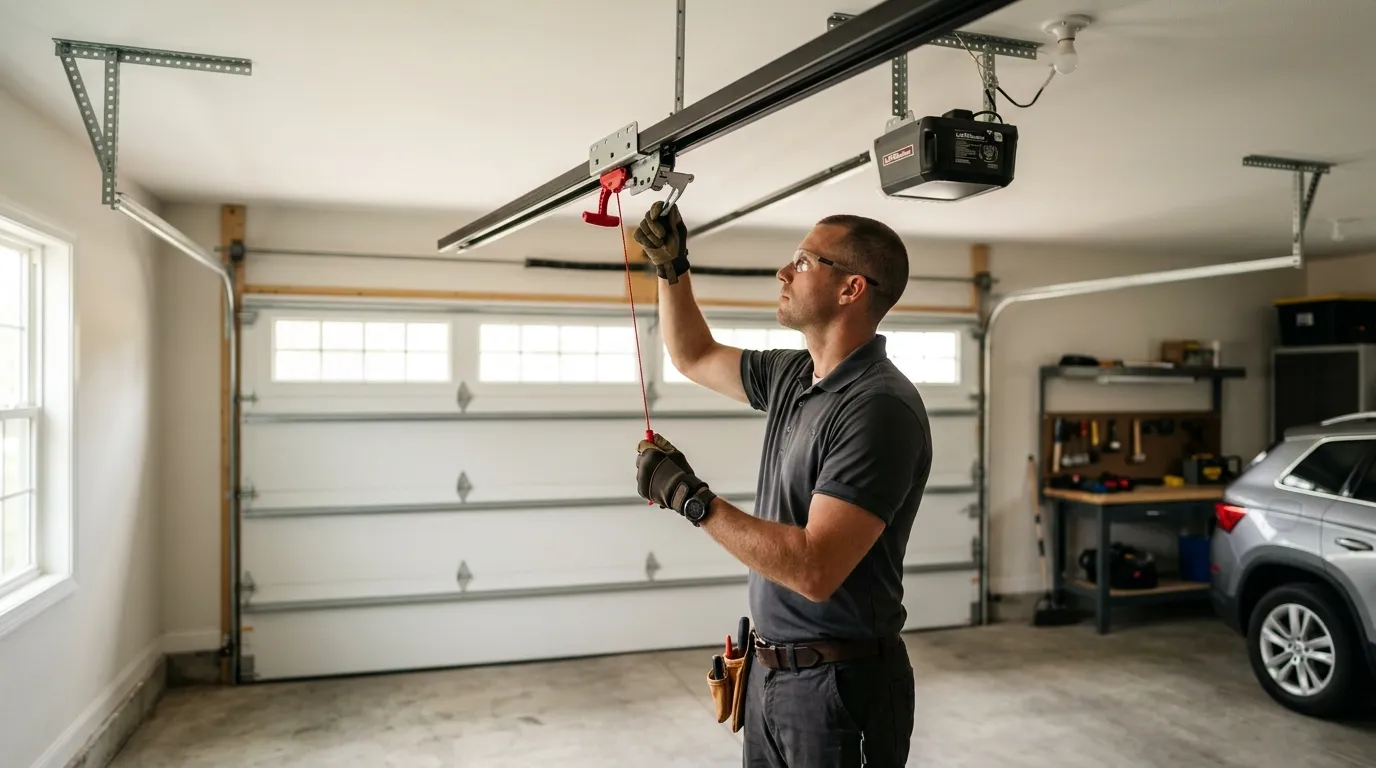
Openers from that build era, or the first replacement openers installed in the 90s, also tend to be chain-drive units without any of the force-sensing safety features required in newer models. When one of these finally gives out, we're not just swapping a part - we're often telling an owner the whole unit needs to come out because parts for it stopped being made years ago. That's not a sales pitch, it's just where a 40-year-old drivetrain ends up.
What Causes It Around Here
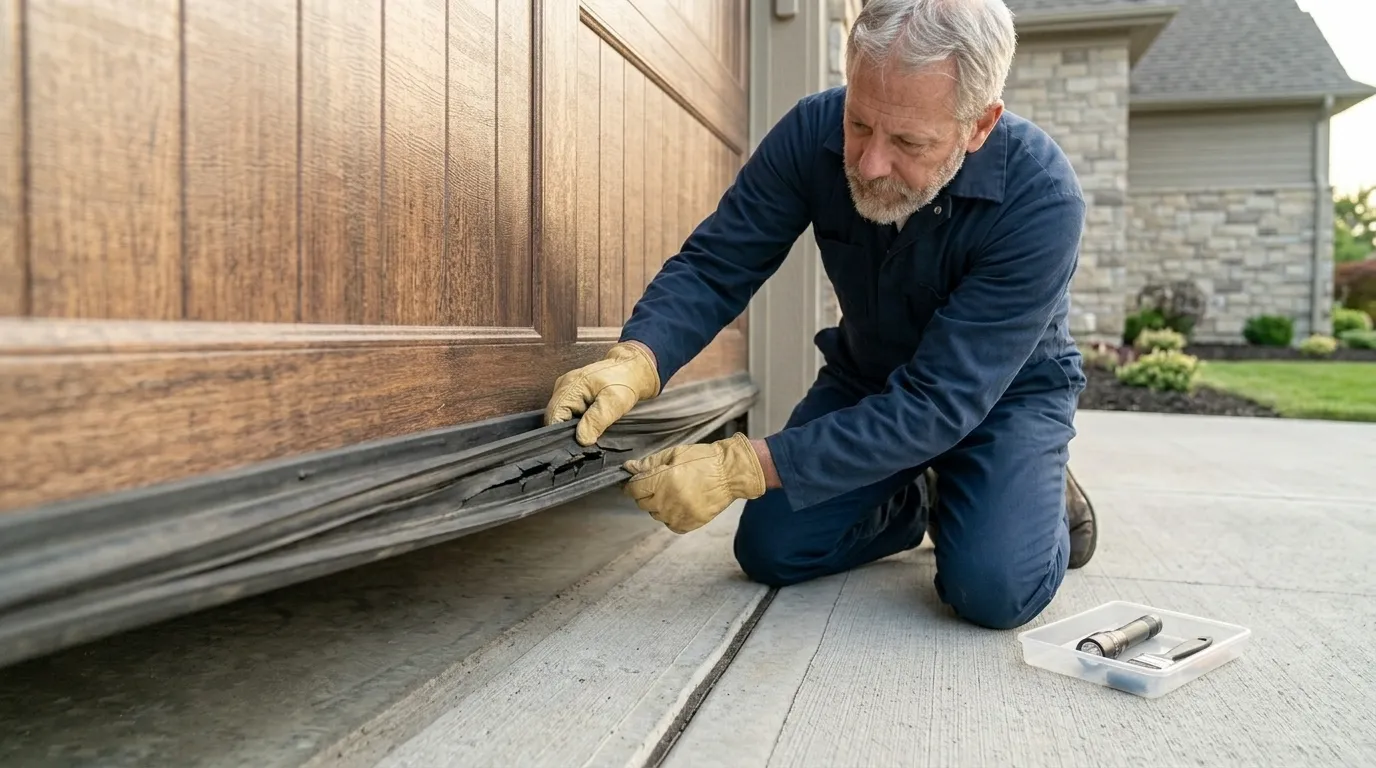
Jacksonville's mild temperate climate doesn't put the stress on garage doors that hard freeze-thaw cycles do further north, and that's the one break Lakeside gets. There's no ice splitting seals, no snow load on the header. What the climate does instead is slow and steady: humidity works into any exposed steel, and on a door pushing 40 years old, factory galvanizing has usually worn thin at the hinges and roller stems.
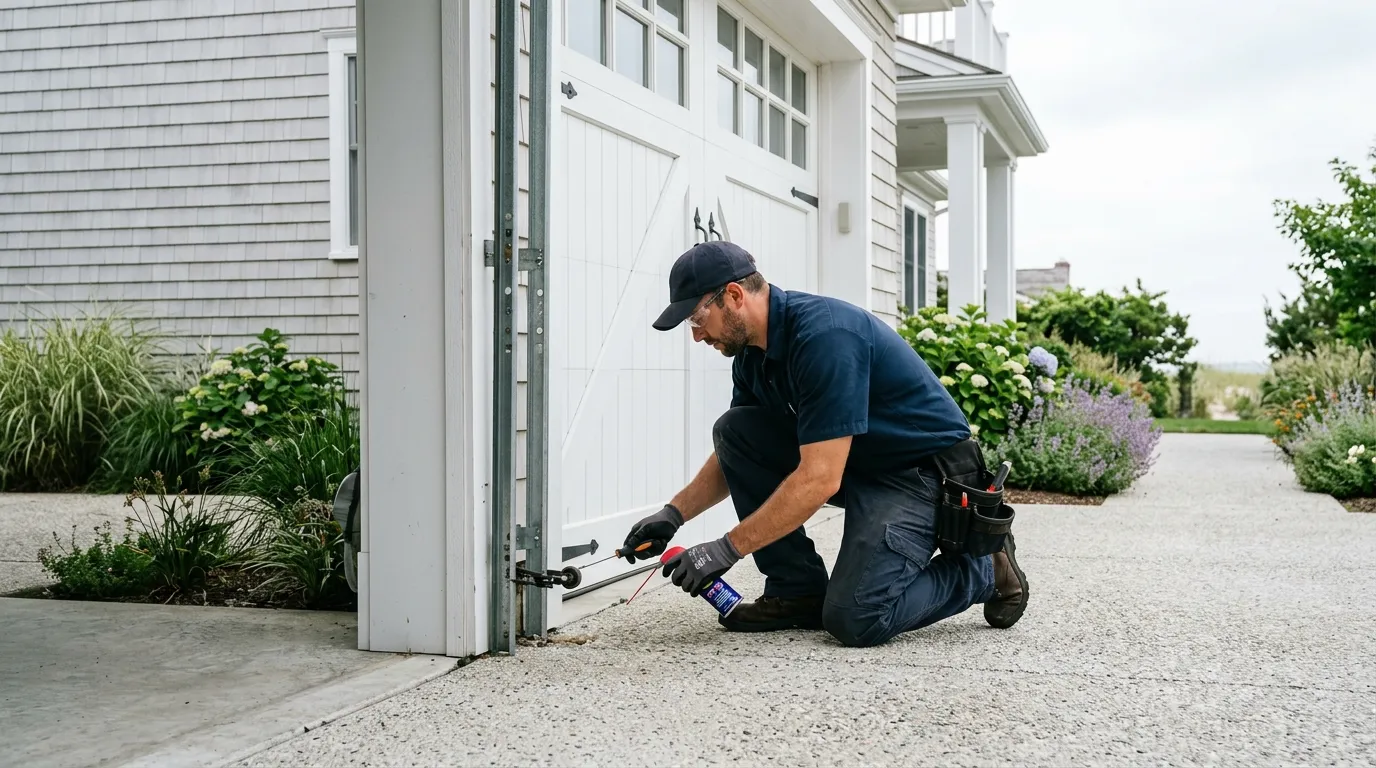
That corrosion doesn't announce itself. It shows up as a roller that's gone from smooth-rolling to gritty, or a hinge pin that's seized enough to bind the panel against the track. Combine that with the heavier-door, lighter-spring mismatch we see on original 1984-era installs, and you get a door that's fighting itself every time it cycles - which is exactly what shortens opener life and snaps cables early.
We're not going to tell you Lakeside gets some unique weather event that causes this. It doesn't. What it has is housing stock old enough that the slow wear has caught up with a lot of doors at roughly the same time, which is why we're seeing more spring and hardware calls out of this part of the service area than out of newer subdivisions.
Parts We Carry
For the torsion and extension spring setups common on Lakeside's mid-80s builds, we carry a working range of spring sizes on the truck, along with the heavier-gauge cable that original-era hardware often needs once the factory cable has stretched or frayed.
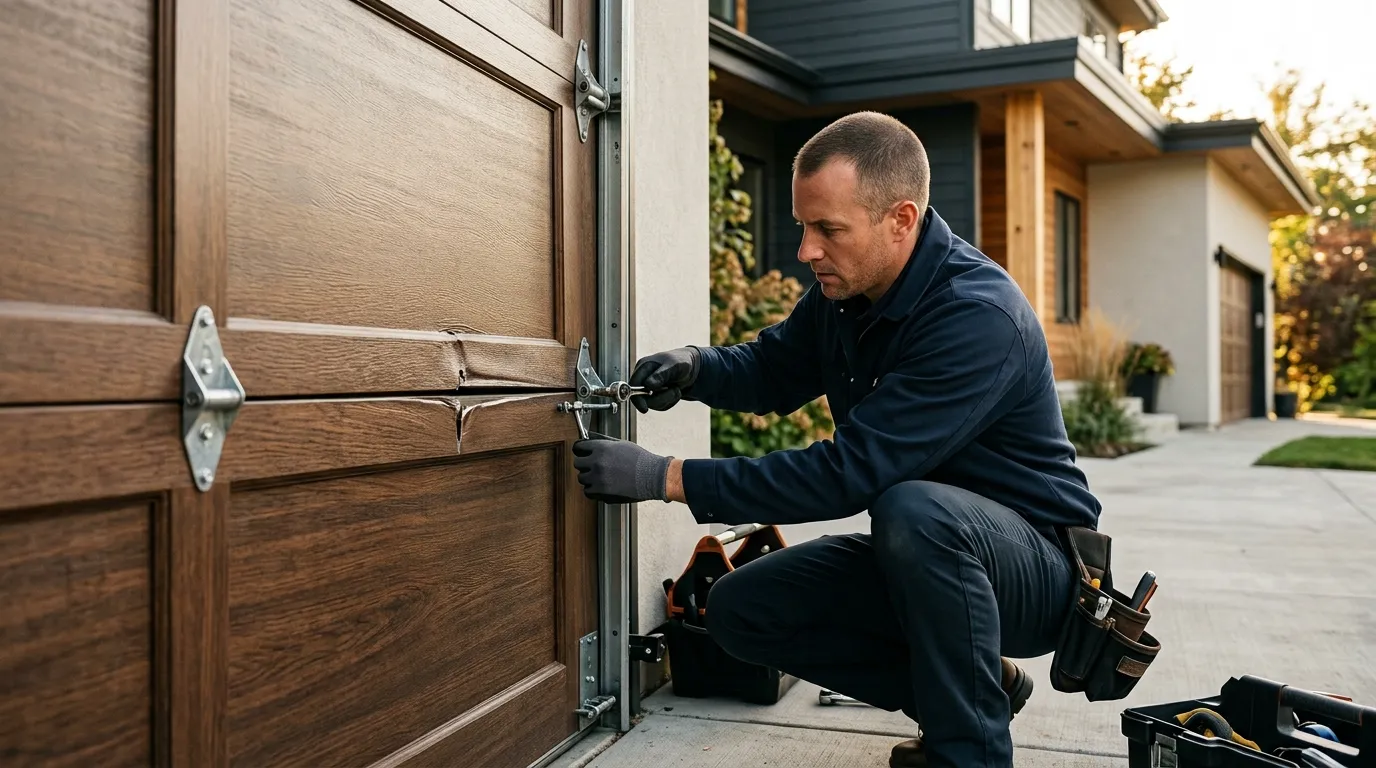
Rollers and hinges are the other frequent swap - we stock both the older steel roller style still found on many original doors here and the nylon rollers most owners upgrade to when we're already in the track anyway. Track sections and end bearing plates cover the bent-track calls that come from a heavier replacement door running on lighter original hardware.
On openers, we carry current chain and belt-drive units to replace the chain-drive units that were standard when a lot of these houses were built. We stock these because they're what actually needs replacing on doors of this vintage, not because they're the most profitable line to sell - a straightforward roller and hinge service call is a smaller ticket, and we'd rather do the job that's actually needed.