How It Shows Up
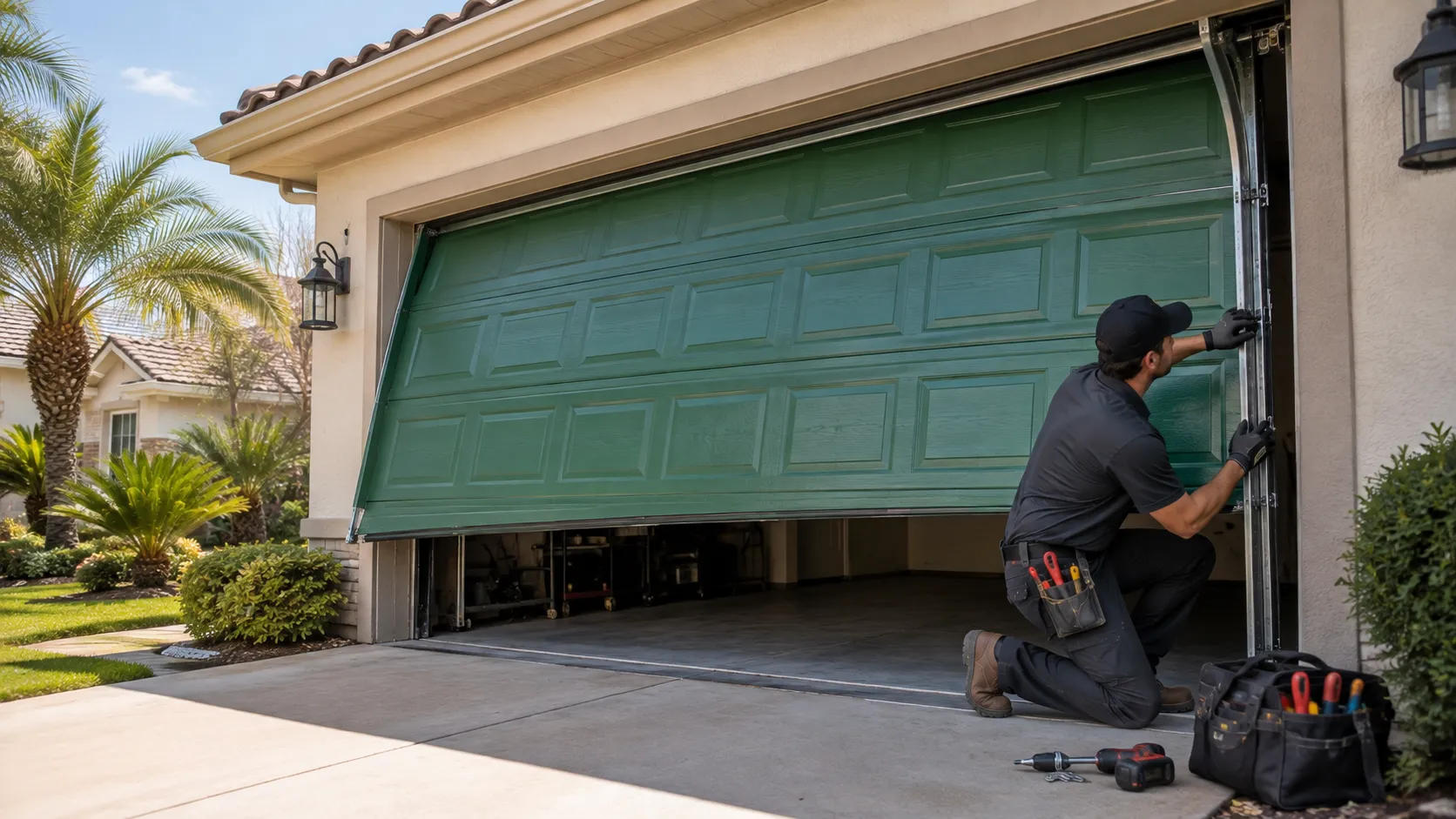
If your house in Jacksonville Beach went up anywhere near 1983 - the median build year for this stretch of coast - there's a good chance the torsion spring on your door has never been swapped. Homes here sit inside the broader 1973 to 2007 building wave across the service area, with a median around 1985, and most of that stock still carries whatever spring the original installer hung. You'll notice it first as a heavier door: it takes real muscle to lift by hand, or the opener strains and groans before it catches. Sometimes there's a loud bang from the garage - that's the spring letting go, not the opener failing. A door that free-falls the last foot of travel instead of settling down slow is another tell, and it's one a lot of owners here mistake for a track problem instead of a spring problem. On an original-hardware door, spring failure is usually the first big mechanical thing that goes wrong, not the last.
What Can Go Wrong
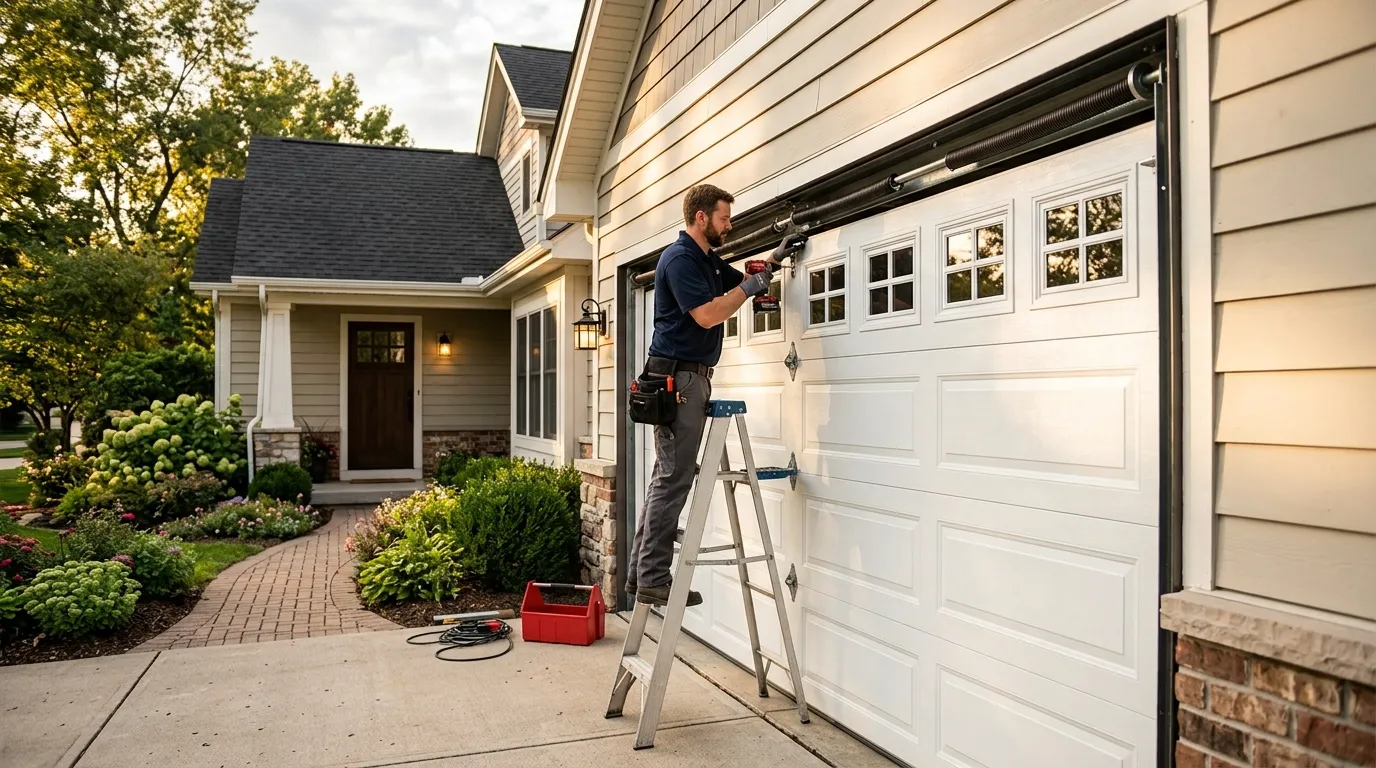
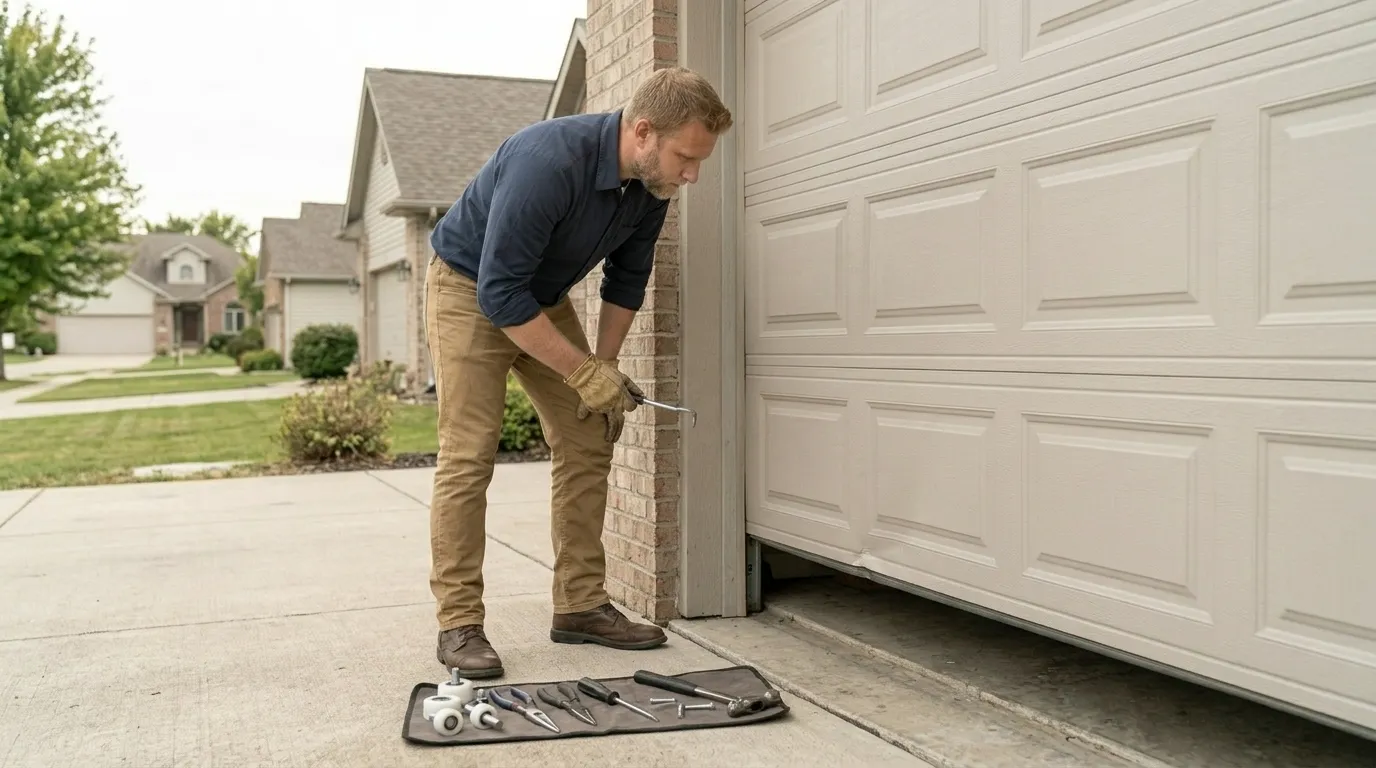
Two spring types show up on these doors: torsion springs mounted on a bar above the opening, and extension springs stretched along the horizontal tracks. Torsion springs usually fail clean - one side snaps, the door goes lopsided or won't budge, and you'll see a gap in the coil where it let go. Extension springs tend to stretch out gradually first, so the door gets slower and heavier over months before a hook or the spring itself finally gives. Either type can take a cable with it when it fails, and a snapped cable under tension is genuinely dangerous - it's whipped hard enough to mark drywall. On original hardware from a house this age, we also check the rollers and the end bearing plates while we're in there, since they've usually gone that same 40 years without attention and often fail not long after the spring does.
What You Pay
We don't have a flat number to quote here sight-unseen - torsion and extension setups price differently, and a double-door torsion job runs different hardware than a single-door extension setup. What we can tell you: Jacksonville Beach carries a median household income of $115,825, higher than the $103,288 median across the wider service area, and most of the doors we see here are still on original builder-grade hardware rather than something upgraded along the way. That combination means when a spring finally goes on one of these houses, it's often the very first mechanical failure that door has had - nobody's replaced anything on it before, so there's no partial-upgrade puzzle to work around. For the general pricing rundown we quote across the service area, see our spring repair page for Jacksonville.
What the Fix Involves
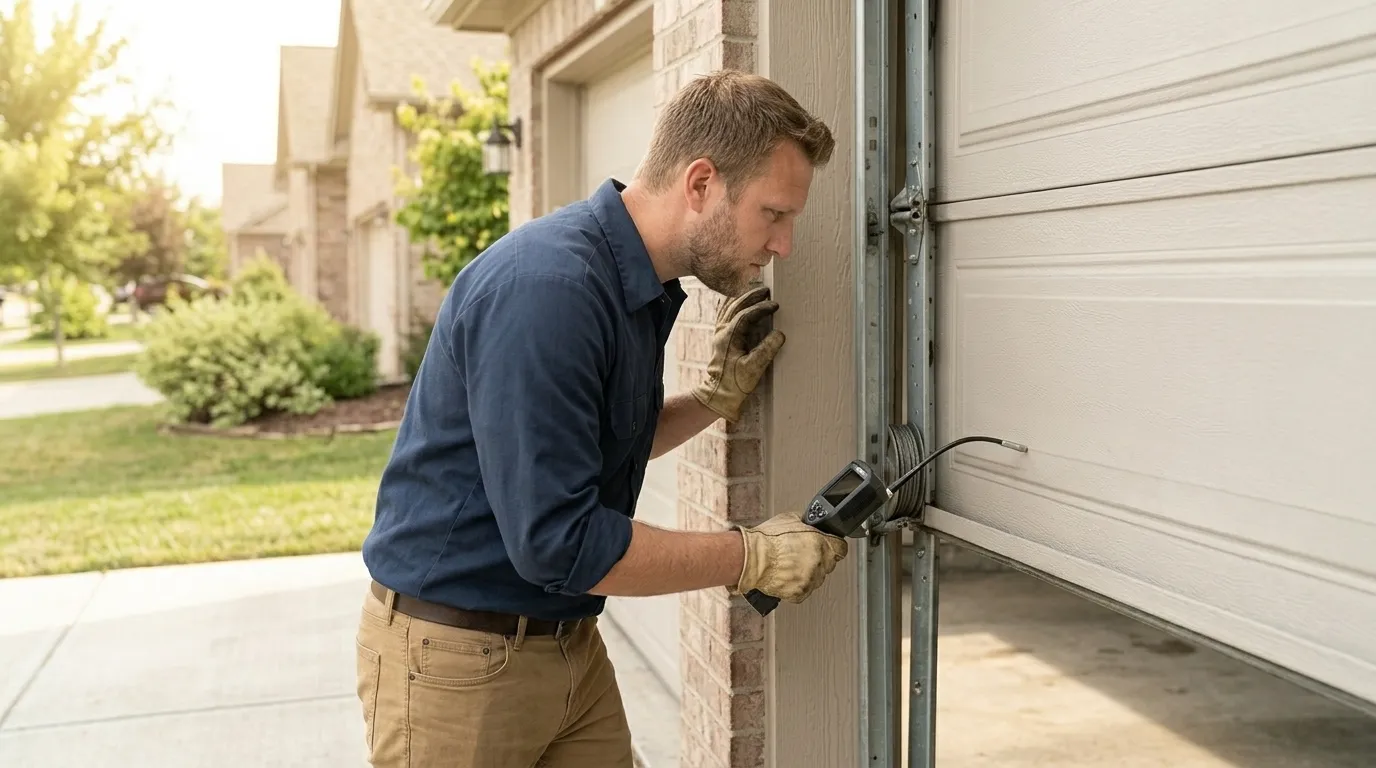
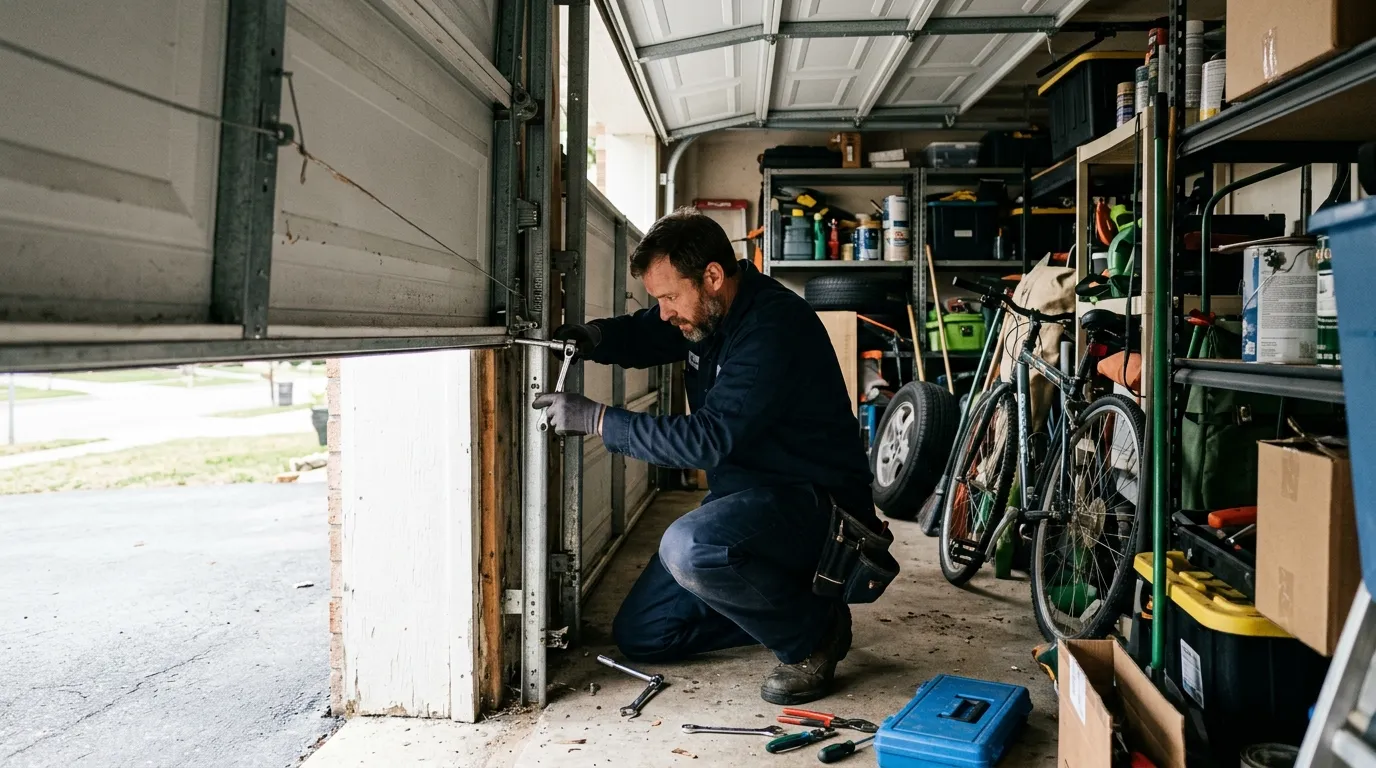
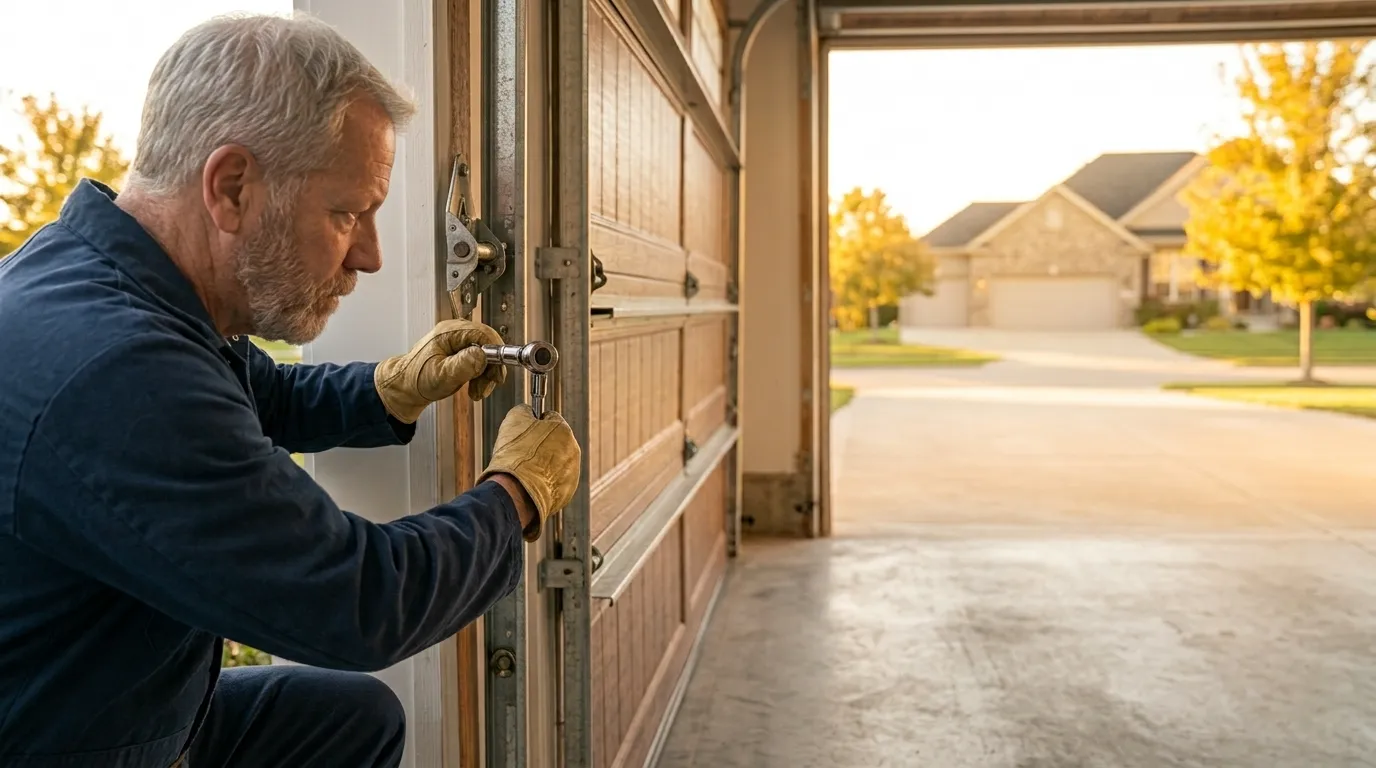
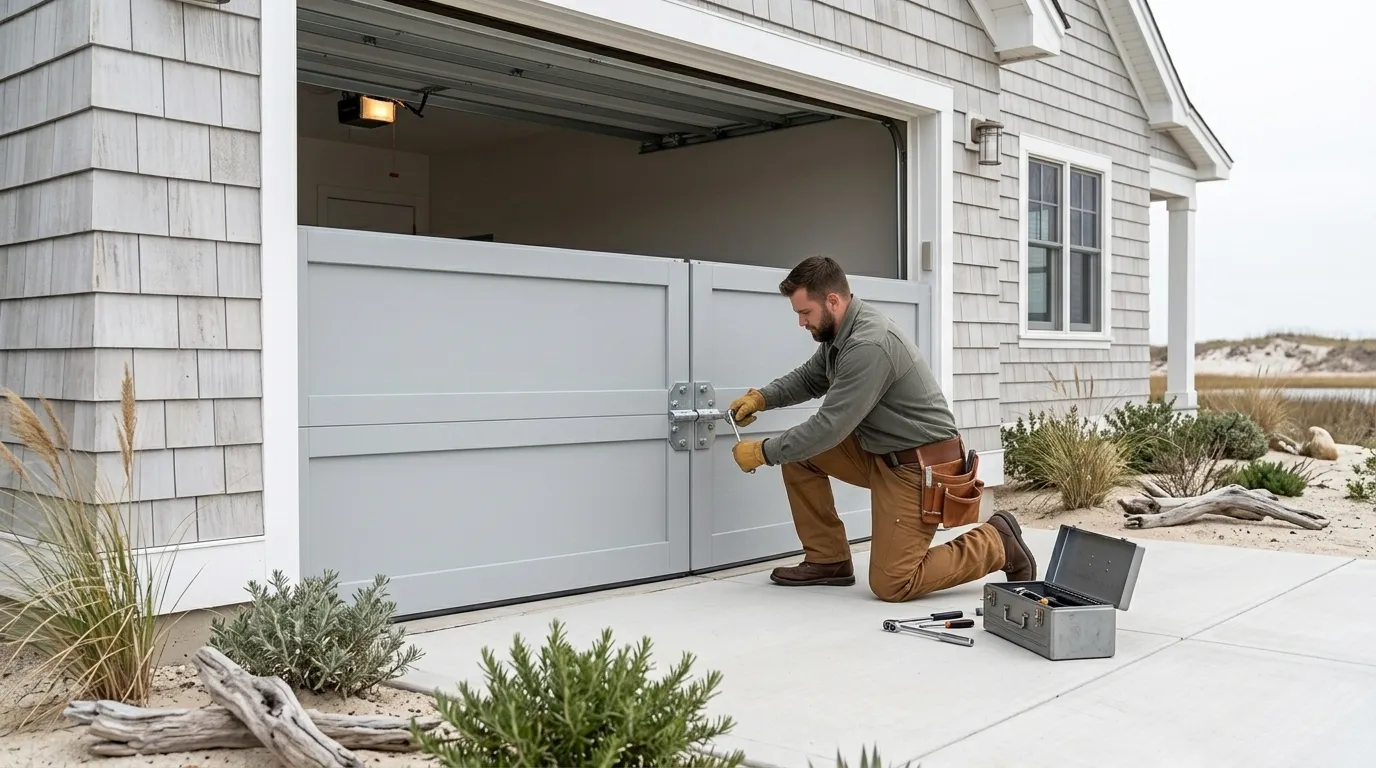
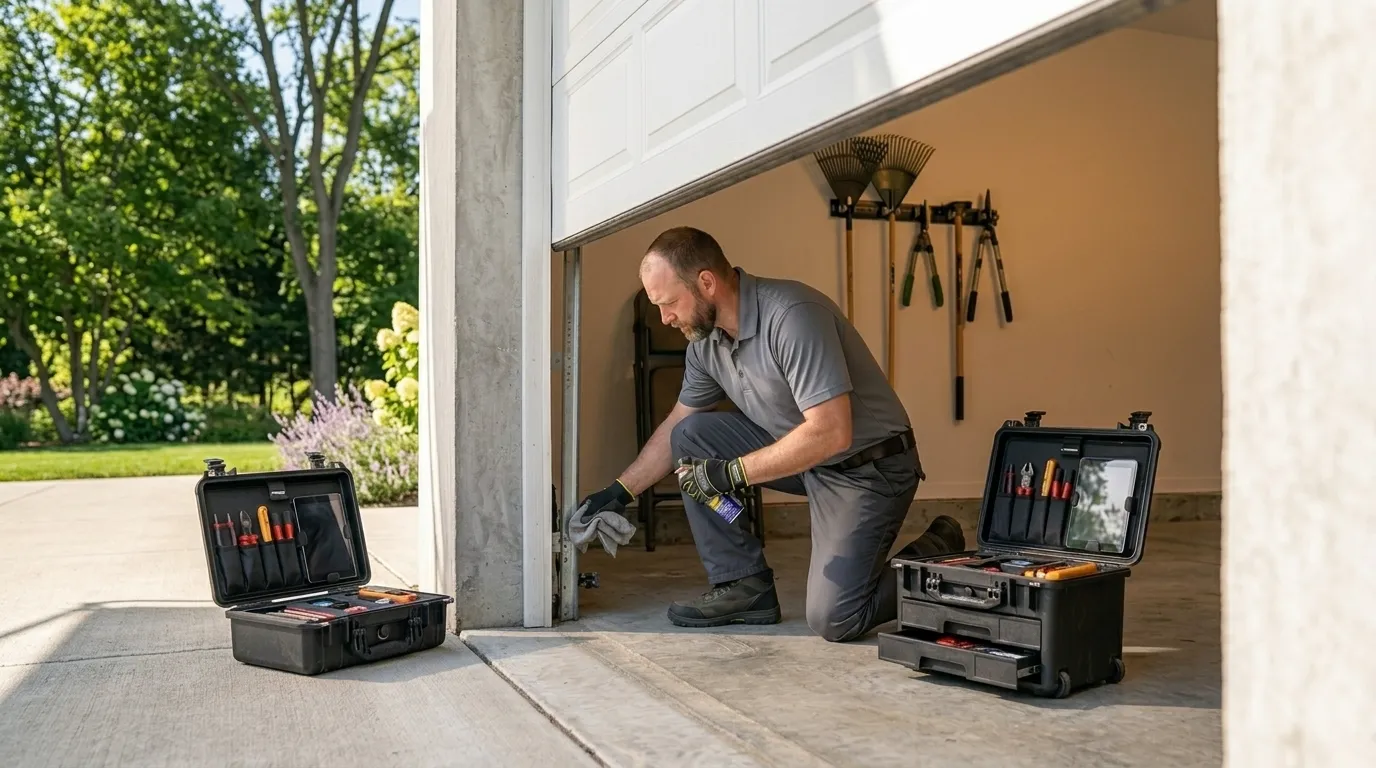
For a torsion spring, we unwind the old one under control with winding bars, pull it off the shaft, and match the new spring to the door's weight and the drum size - wire gauge and coil length both matter, and a spring that's close but not matched wears fast or throws the door off balance. For extension springs, we swap the pair together even if only one has failed, because the surviving spring is usually close behind it on cycle count. While the door's down, we check the cables for fraying, the rollers for wear, and the end bearings, since original-era hardware this age tends to fail as a set rather than one part at a time. We test the balance afterward by hand - a properly sprung door should hold still at waist height, not drift up or drop down on its own.