How It Shows Up
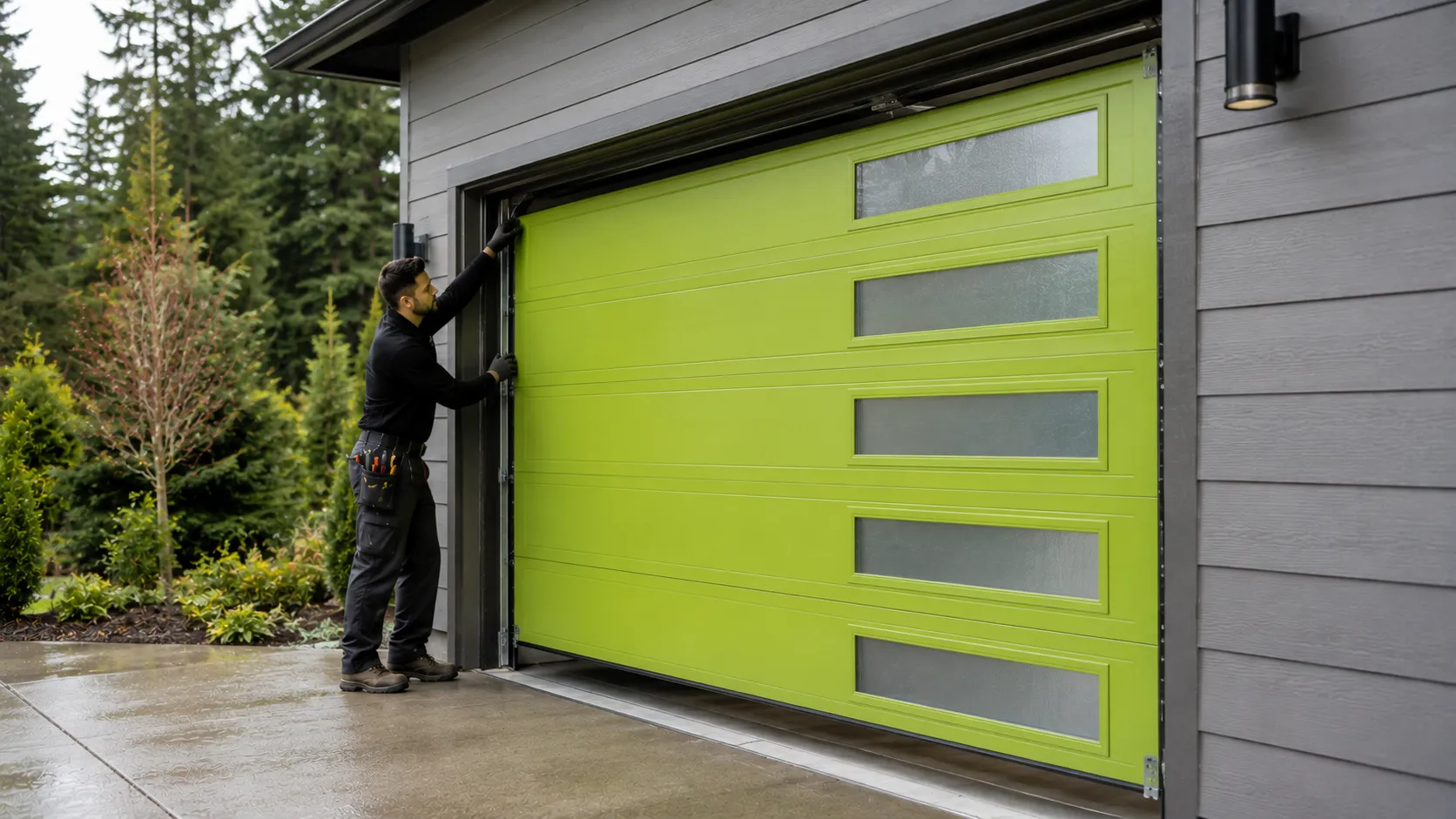
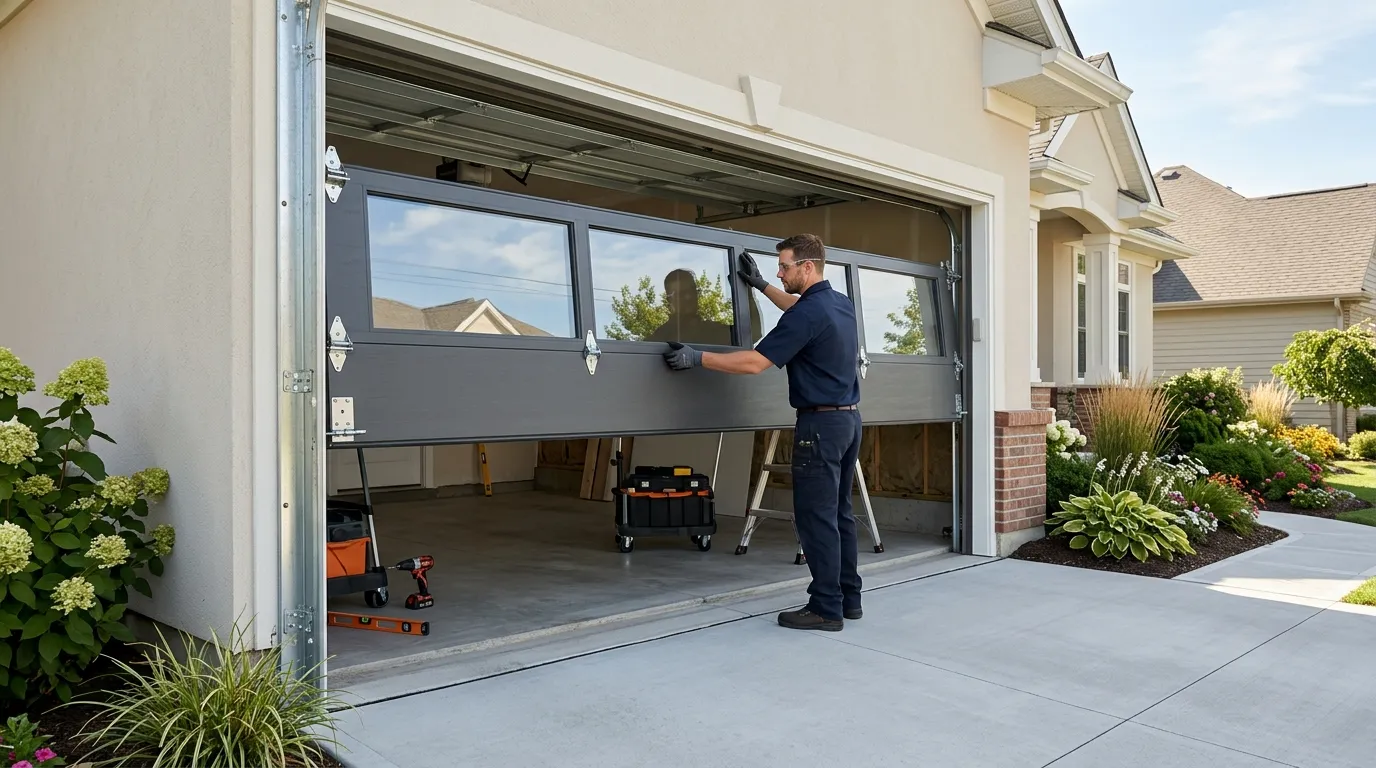
Jacksonville Beach sits 17 miles from our shop in Jacksonville, and that drive shapes how an install day actually runs. We don't stage a truck in town overnight, so a new door job here gets scheduled as a full day: one trip out with the door, the track, the opener, and every bracket needed to finish it in one visit rather than two. That means we measure twice before we load the truck, because a missing part isn't a quick run back to the shop, it's another 17 miles each way. Most of the calls we get out here aren't emergency swaps, they're planned replacements, homeowners who've watched a door get harder to lift for a year or two and decided to do it right before it fails on them. That's the shape of the work in this suburb: fewer rush jobs, more first-time installs on original hardware that's simply reached the end of its run.
What Can Go Wrong
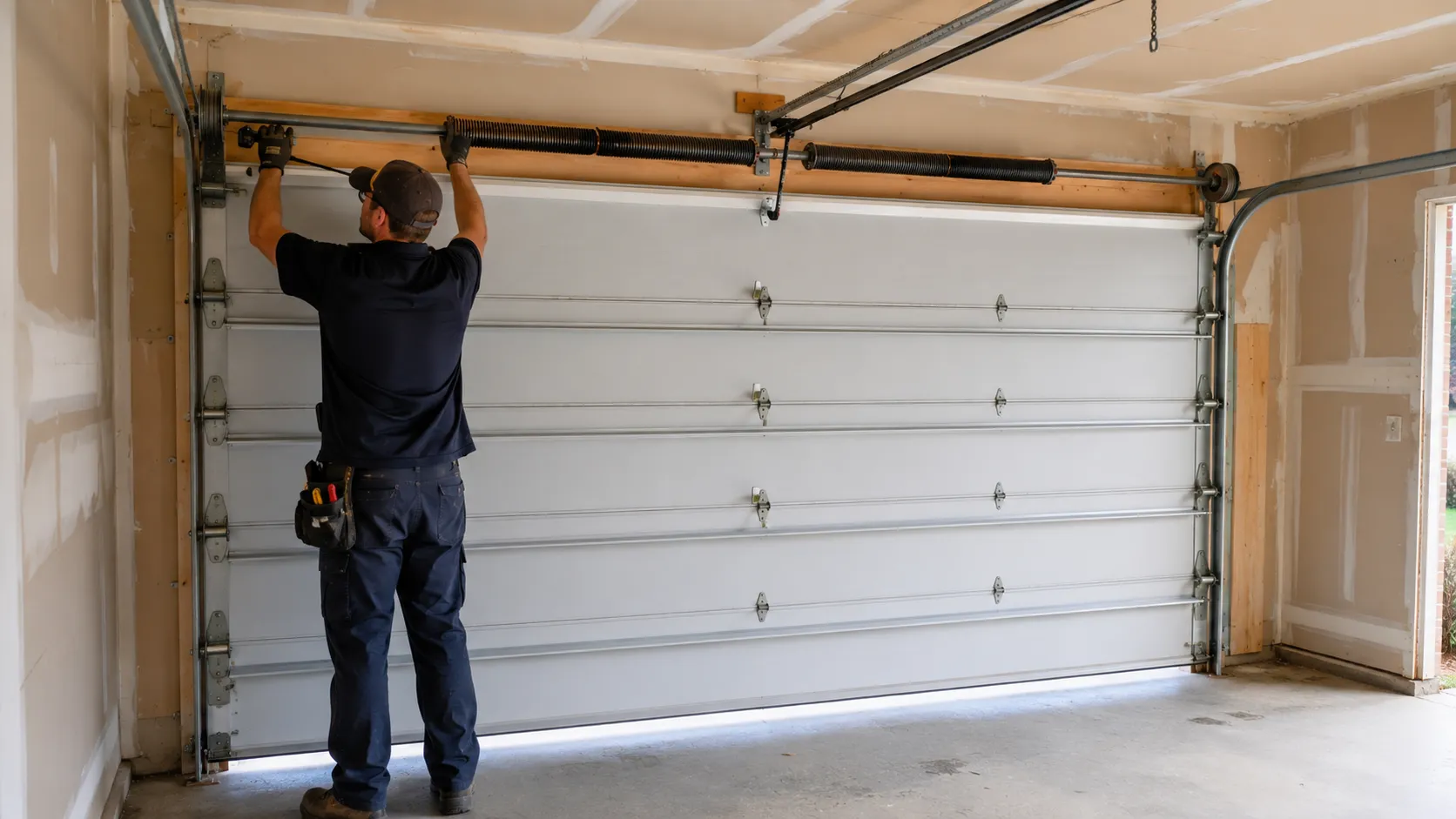
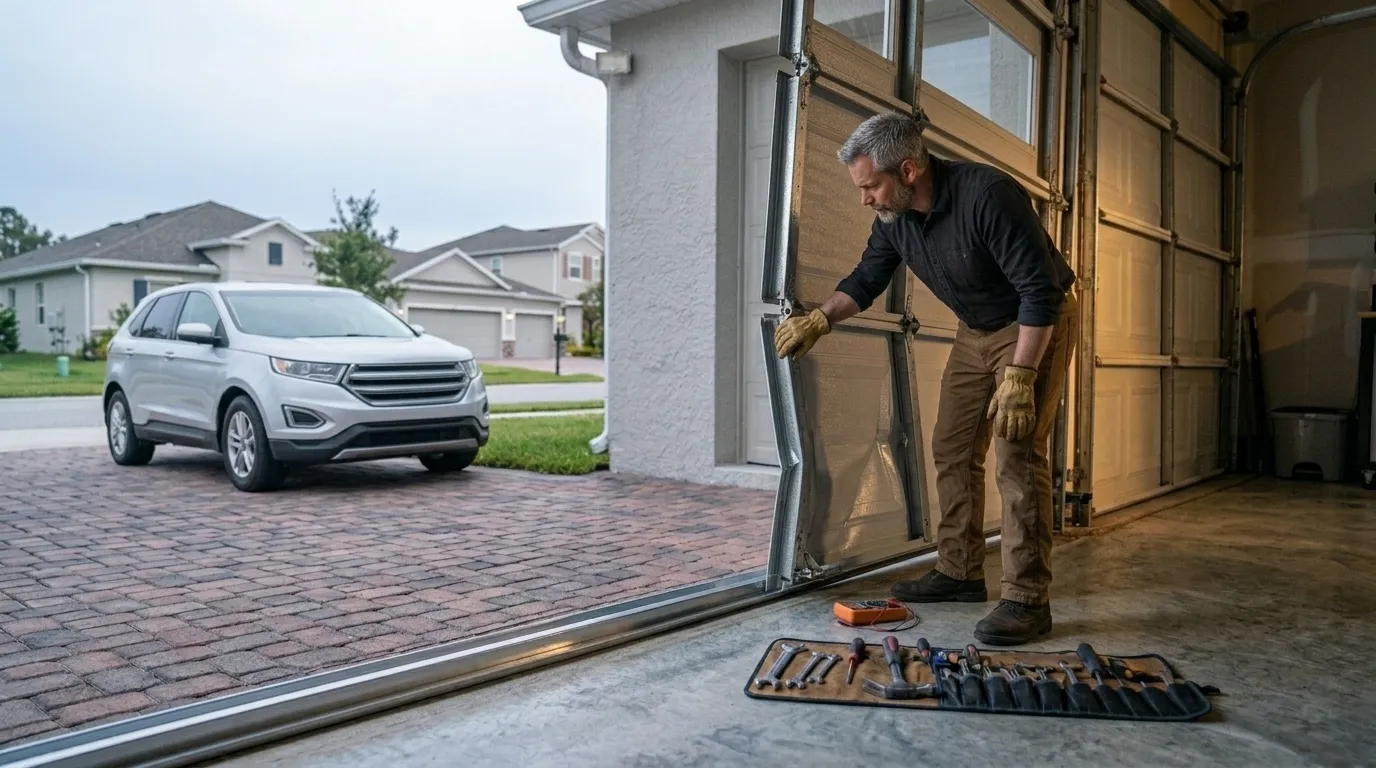
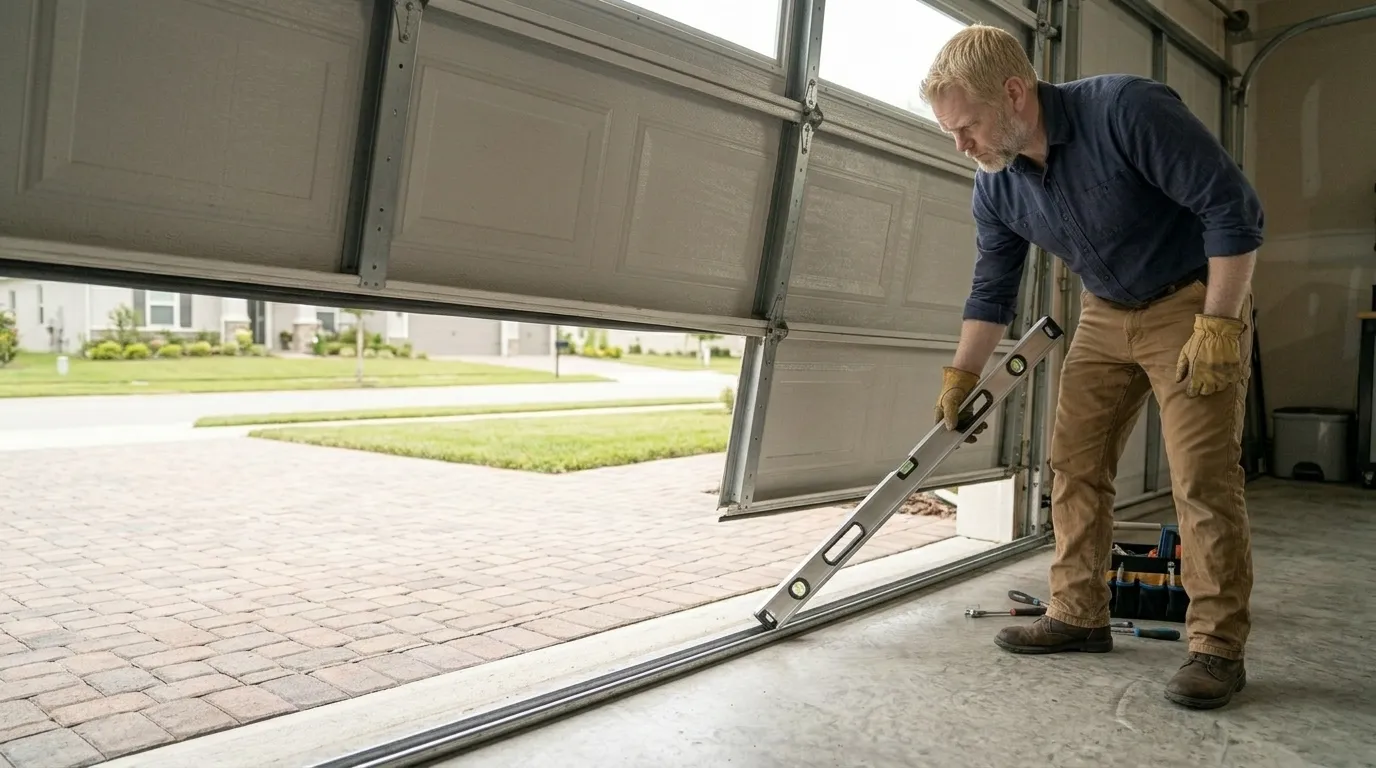
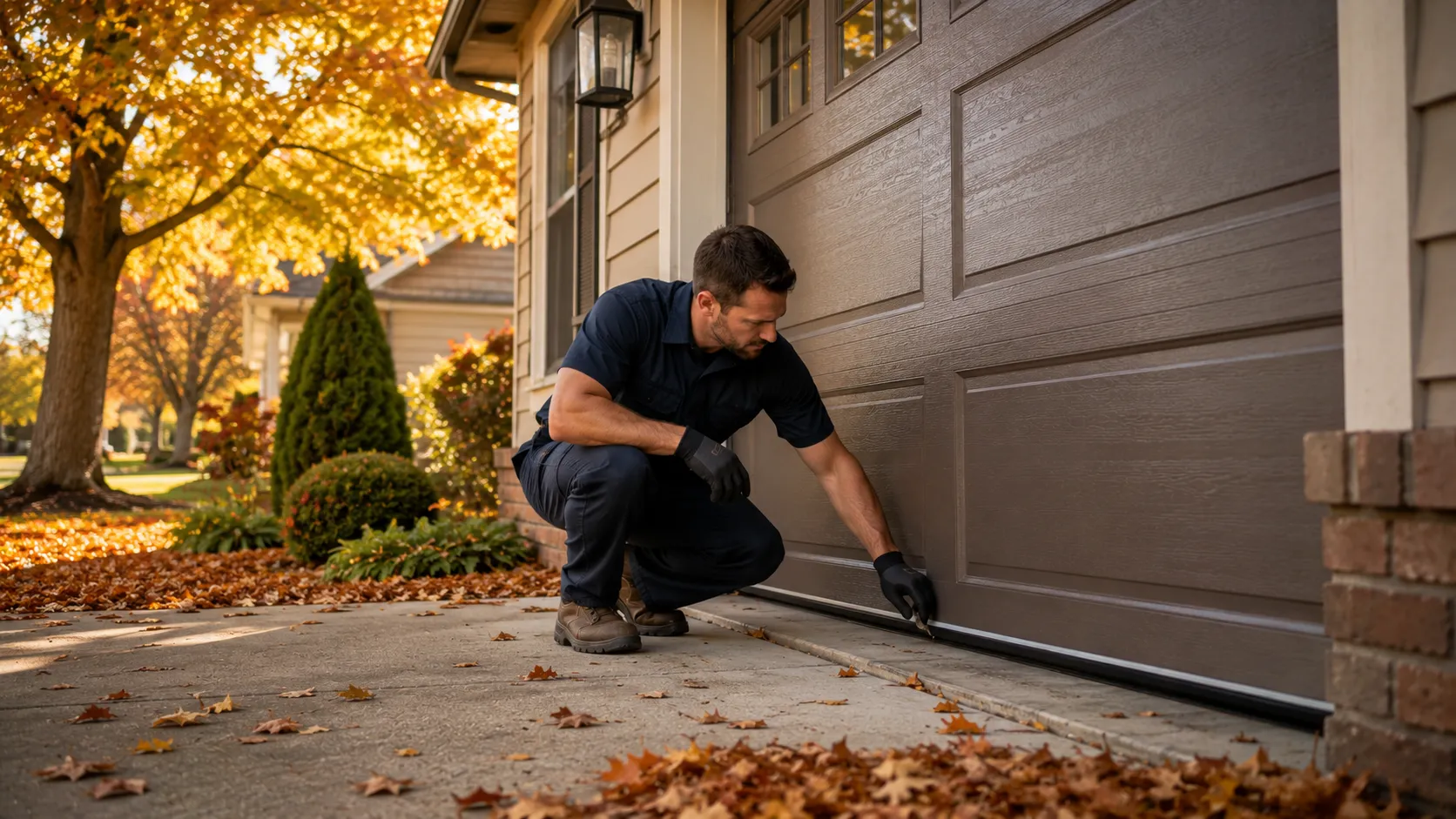
A lot of the houses along this stretch of the beach went up in the early 1980s, which puts the original door and opener setup at over forty years old if nobody's touched it. On a job that old, the failure isn't usually the door panel, it's what's behind it: a torsion spring rated for a lighter door than the one that's actually hanging on it, track that's been reset a few times and is no longer plumb, or an opener bracket bolted into wood that's softened. When we swap in a new door, we're not just hanging a panel, we're checking whether the header and jamb can actually take the hardware a modern door needs. Skip that check and the new door inherits the old install's problems on day one.
What You Pay
We don't have a Jacksonville Beach-specific price list to hand you here, and we're not going to invent one. What we can tell you is that a new install quote depends on door size, insulation level, and whether the opener and track need replacing along with the panel, and that number gets set on-site, not over the phone. Median household income in our broader service area runs around $103,288, and Jacksonville Beach runs higher, closer to $115,825, which tends to shift the mix of doors homeowners choose here toward heavier insulated panels rather than the base steel option. That's a pattern, not a price we're quoting you.
What the Fix Involves
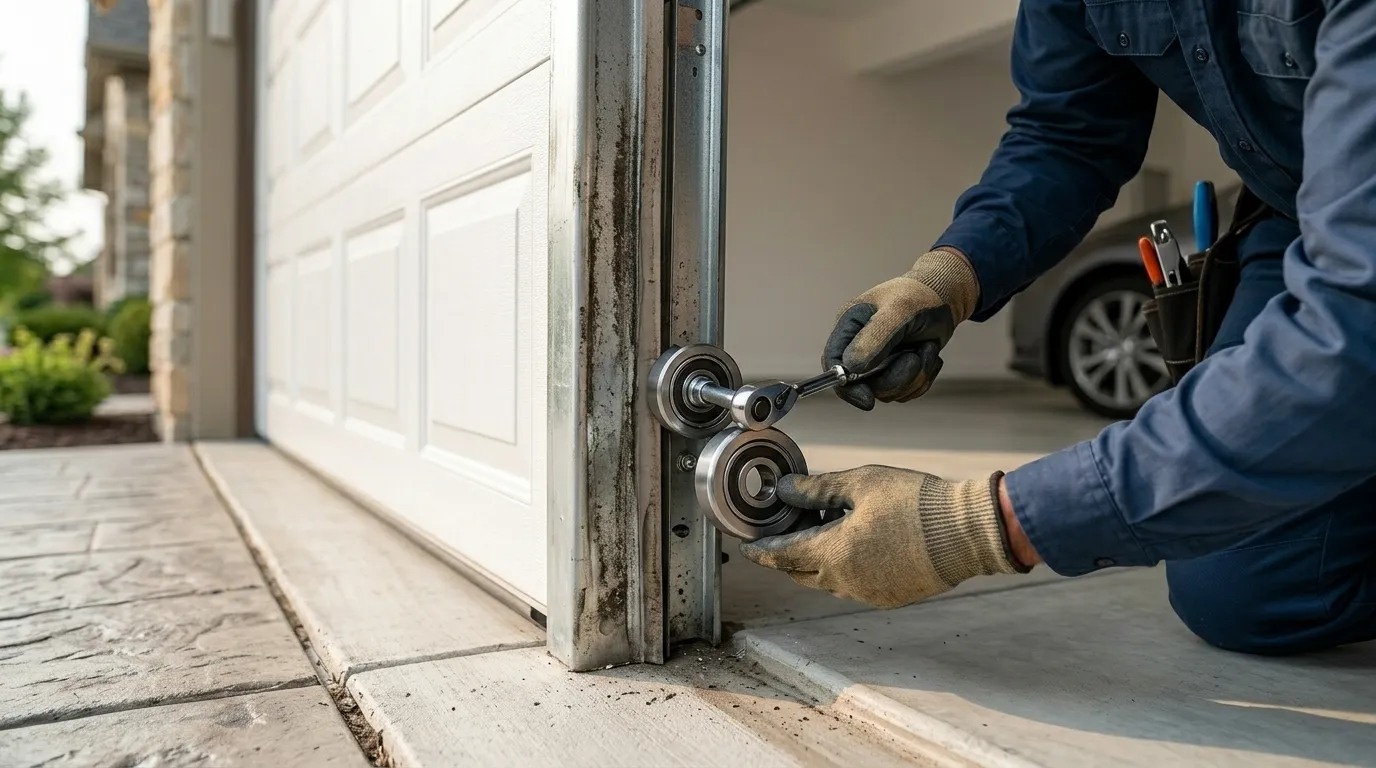
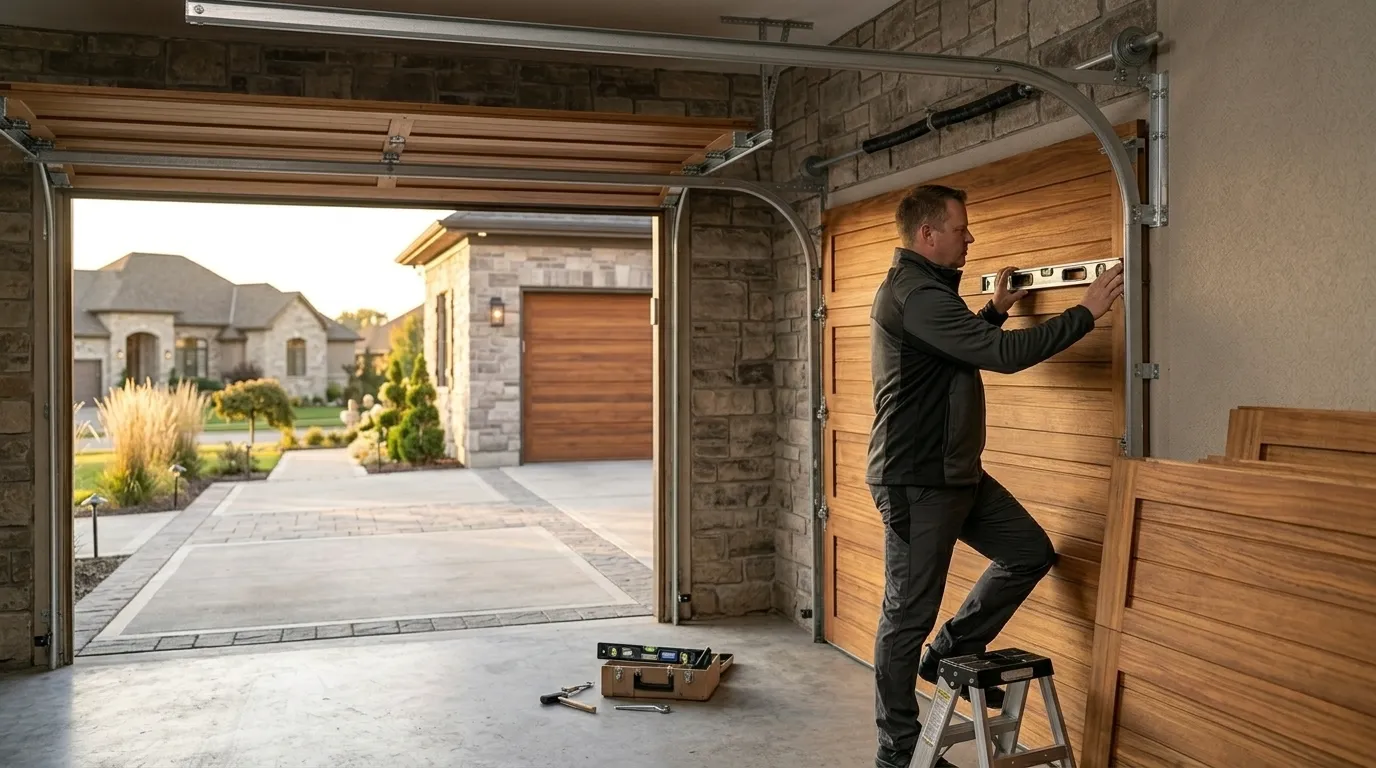
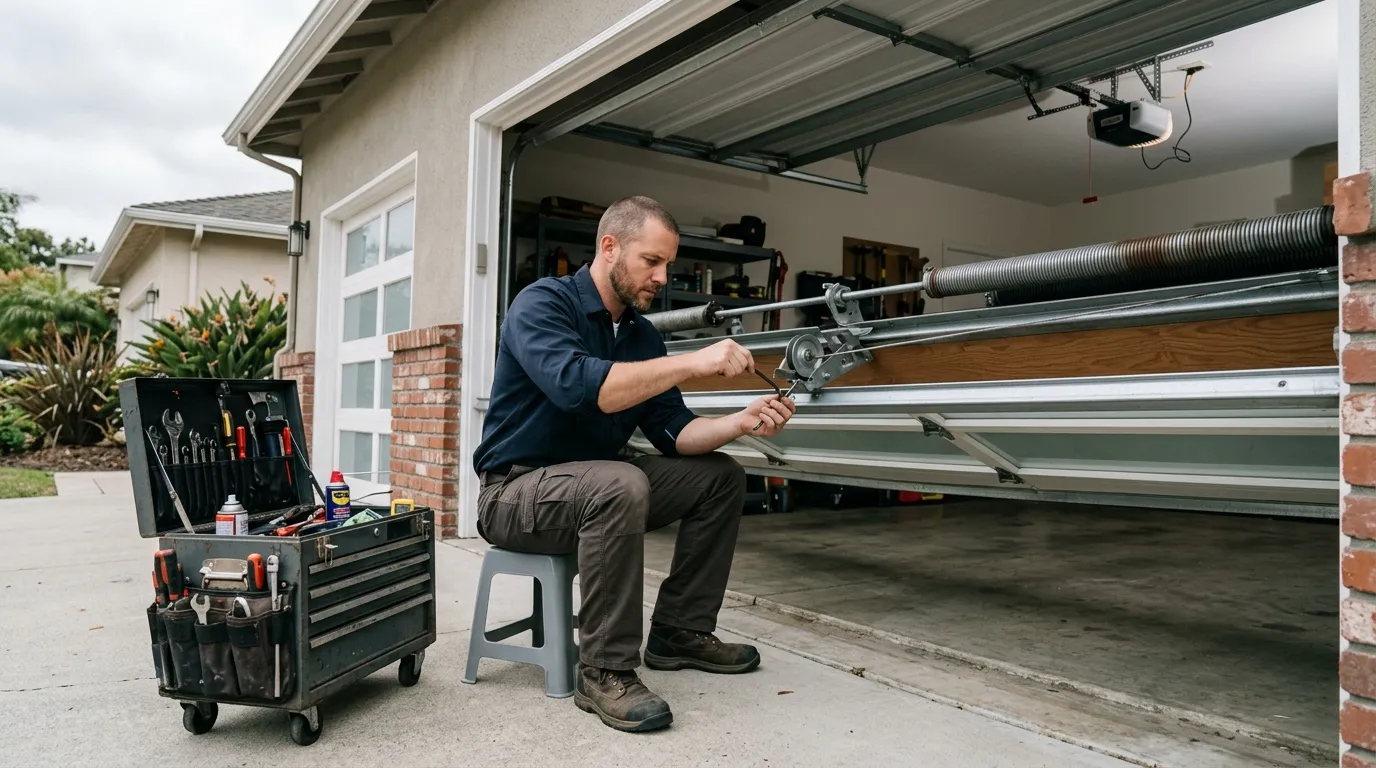
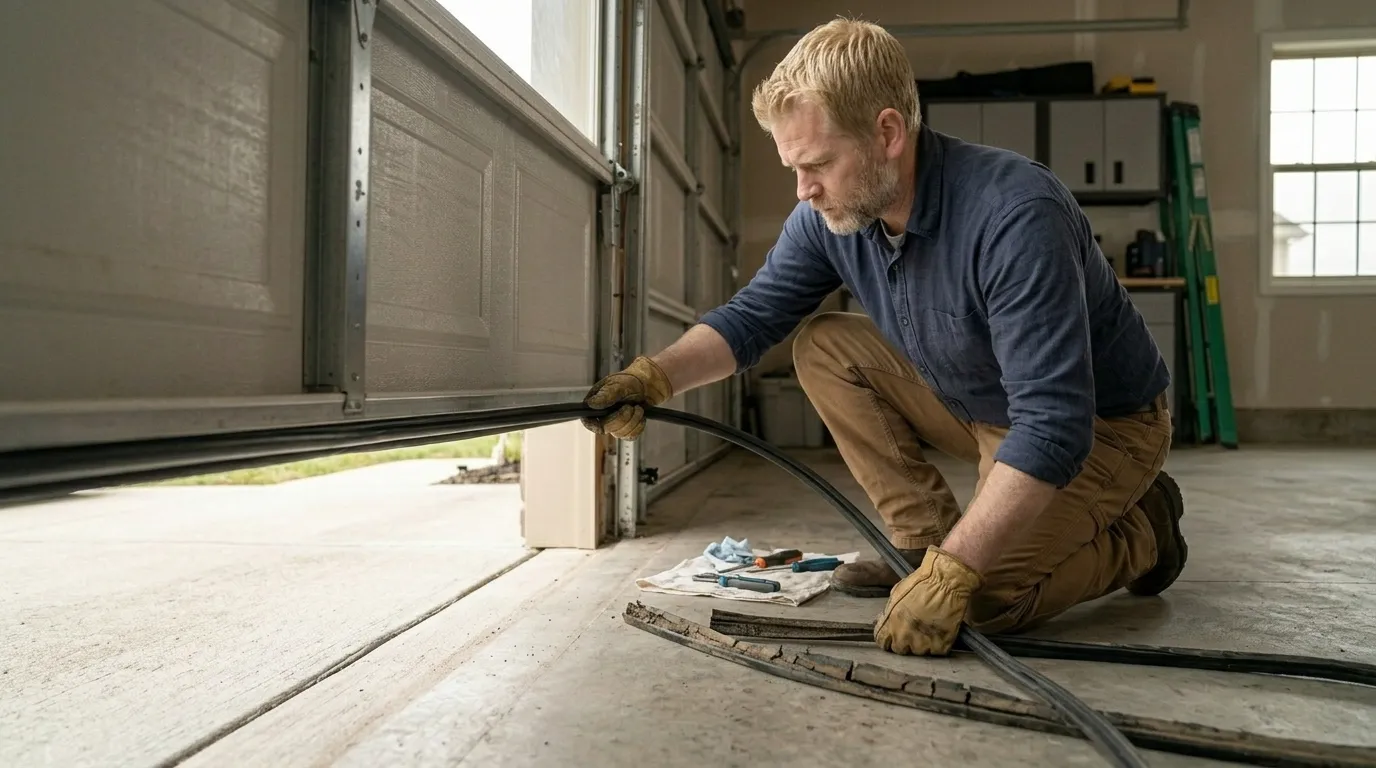
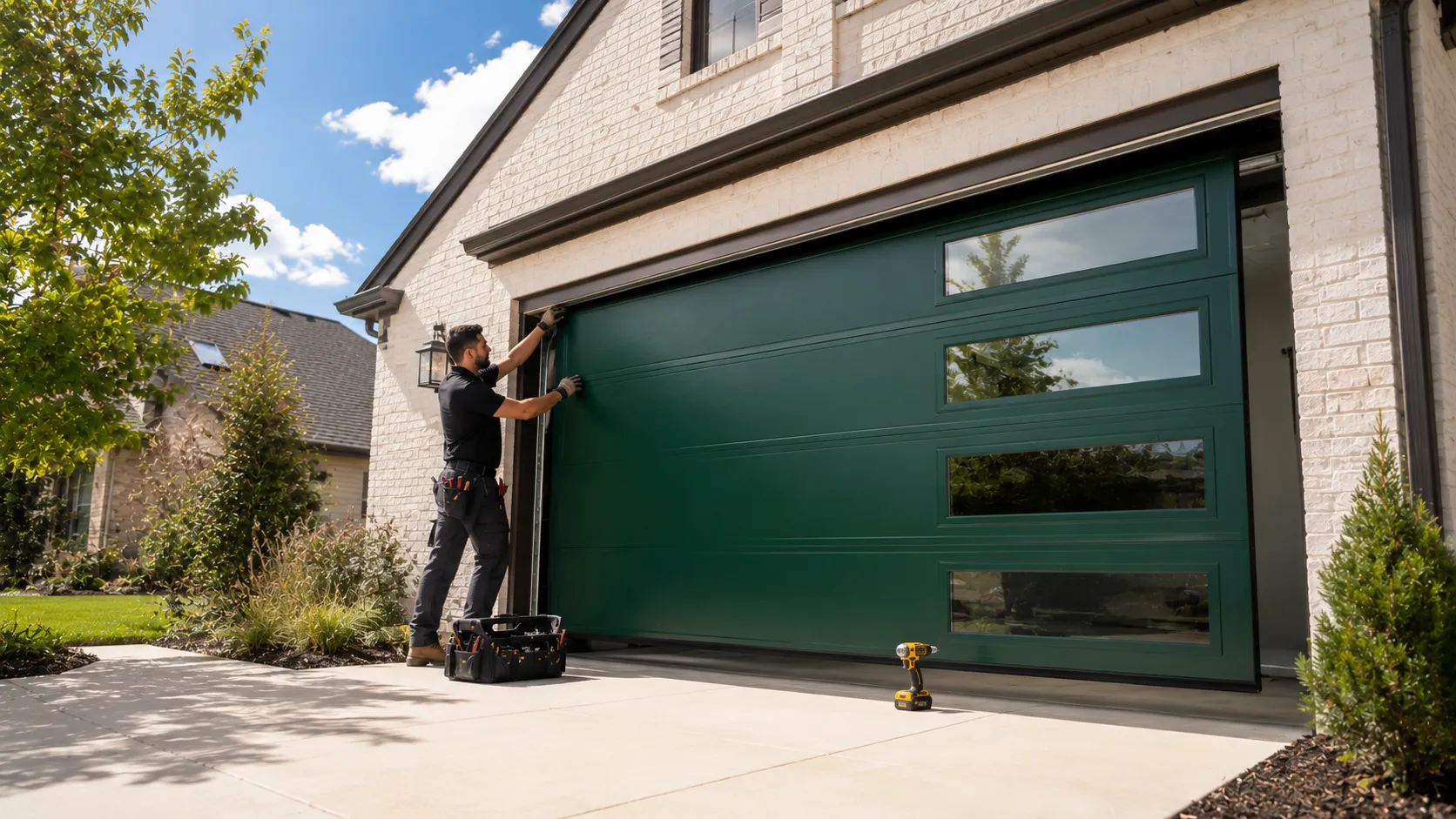
A proper new install starts with pulling the old door and hardware completely, not just hanging a new panel on old track. We check the header for rot or old fastener holes, replace track and rollers as a set rather than mixing new rollers with a bent old track, and size the torsion spring to the actual weight of the door going in, not the one that came out. If the opener is original to a house from the early 80s, we're usually replacing it too, since parts for openers that old are hard to source and not worth chasing down. The whole job gets tested under load, cycled a dozen times, and the travel limits set before we call it finished.