How It Shows Up
The median home in Jacksonville Beach was built around 1983, which puts it right in the middle of the broader 1973-2007 build window we see across this service area (median 1985). A door installed when that house went up is now on its third or fourth decade of daily cycling. What that looks like in practice: a torsion spring that's gone soft and lets the door drop the last foot instead of settling, a chain-drive opener that grinds before it lifts, or a panel seam that's started to separate at the hinge because the steel has fatigued. None of this is dramatic. It's just age catching up with hardware that was standard for its time - single torsion spring on a center bracket, a opener with a sensor eye added later as code caught up. If your door still has the original spring and opener from a 1983-built house, you're past the point where either one is expected to hold.
What Can Go Wrong
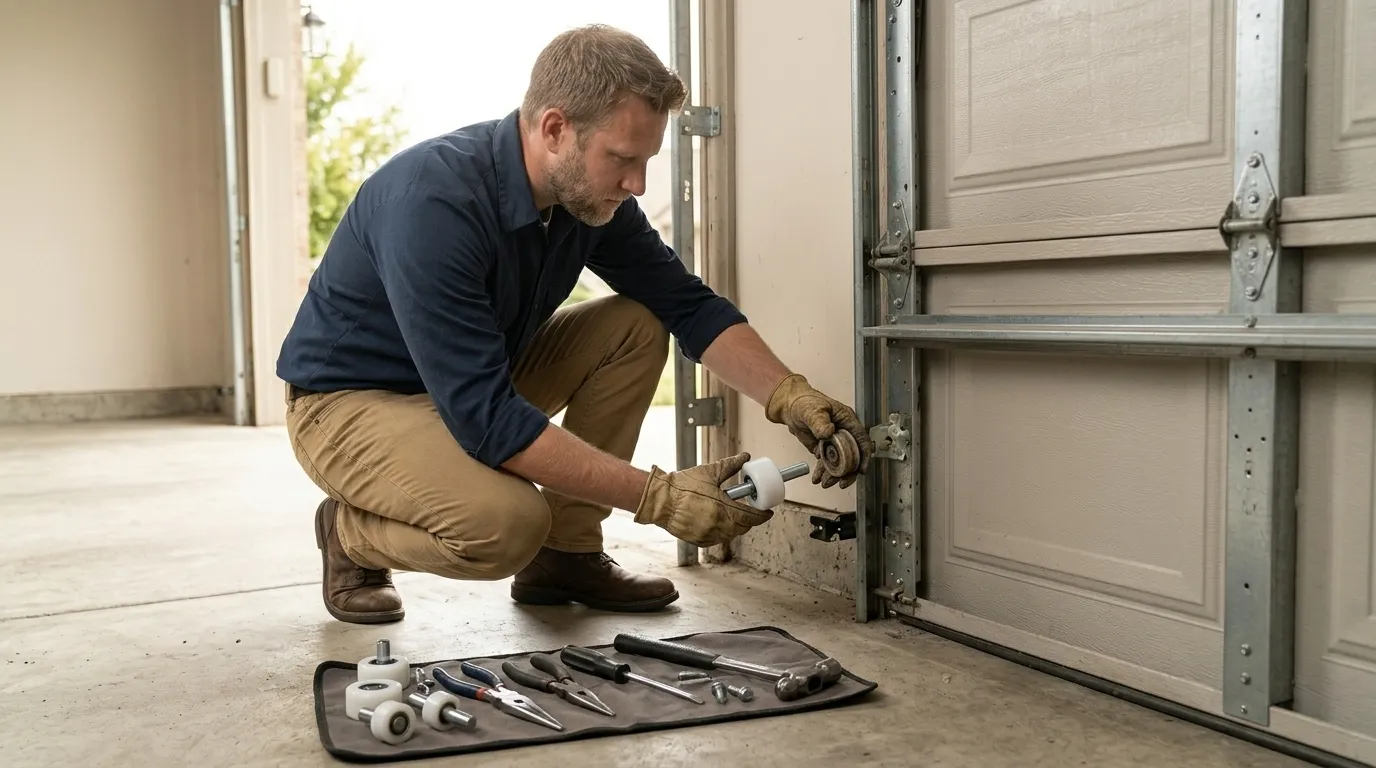
Springs fail on a cycle count, not a calendar, so a house from the early 1980s is more likely to be due than a newer build in the same area. The failure itself is usually sudden - a bang, then the door won't lift or drops fast on the way down. Openers from that era, or replacements installed decades ago, tend to go a different way: the logic board degrades, the door reverses for no reason, or the remote range shrinks to nothing. Rollers and hinges wear more gradually - you'll hear it before you see it, a grind or a shudder partway through the travel. Cables fray at the drum end and usually don't announce themselves until they let go. None of these are unique to any one house, but the odds of hitting one climb fast once a door has been in service for 30-plus years, which describes a large share of the doors in this part of the county.
What You Pay
We don't have Jacksonville Beach-specific pricing to publish here, so we won't put a number on the page that isn't backed by something real. What we can tell you is what drives the cost on a call like this: whether it's a spring-only repair or the opener needs replacing too, whether the track and rollers are original 1980s hardware (which sometimes means non-standard spacing that takes longer to match), and whether the panel itself needs replacing versus just the mechanism behind it. Jacksonville Beach's median household income runs higher than the average across the areas we serve, but that doesn't change what parts cost - it just means we're not going to guess at a figure to make the page feel complete.
What the Fix Involves
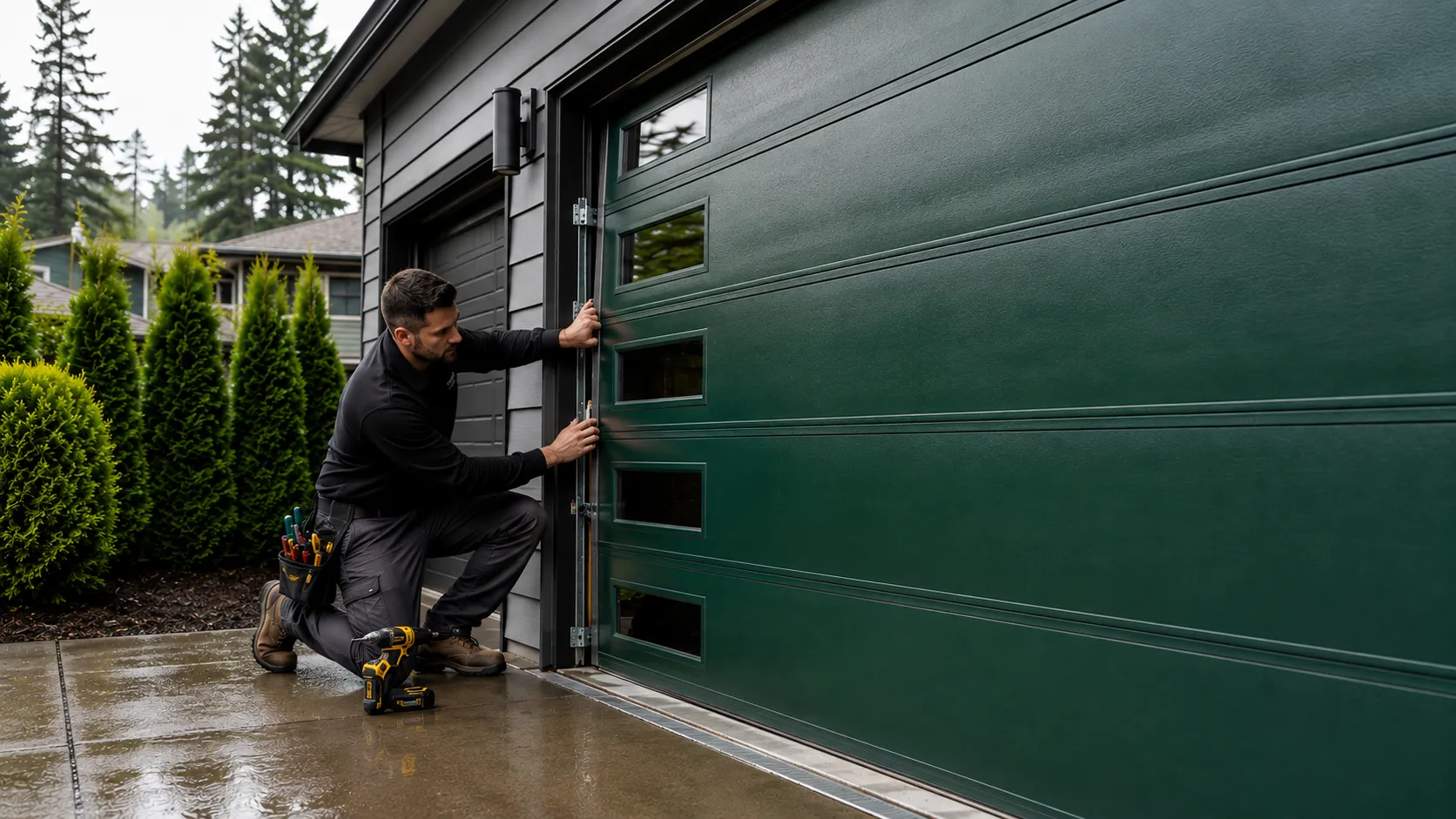
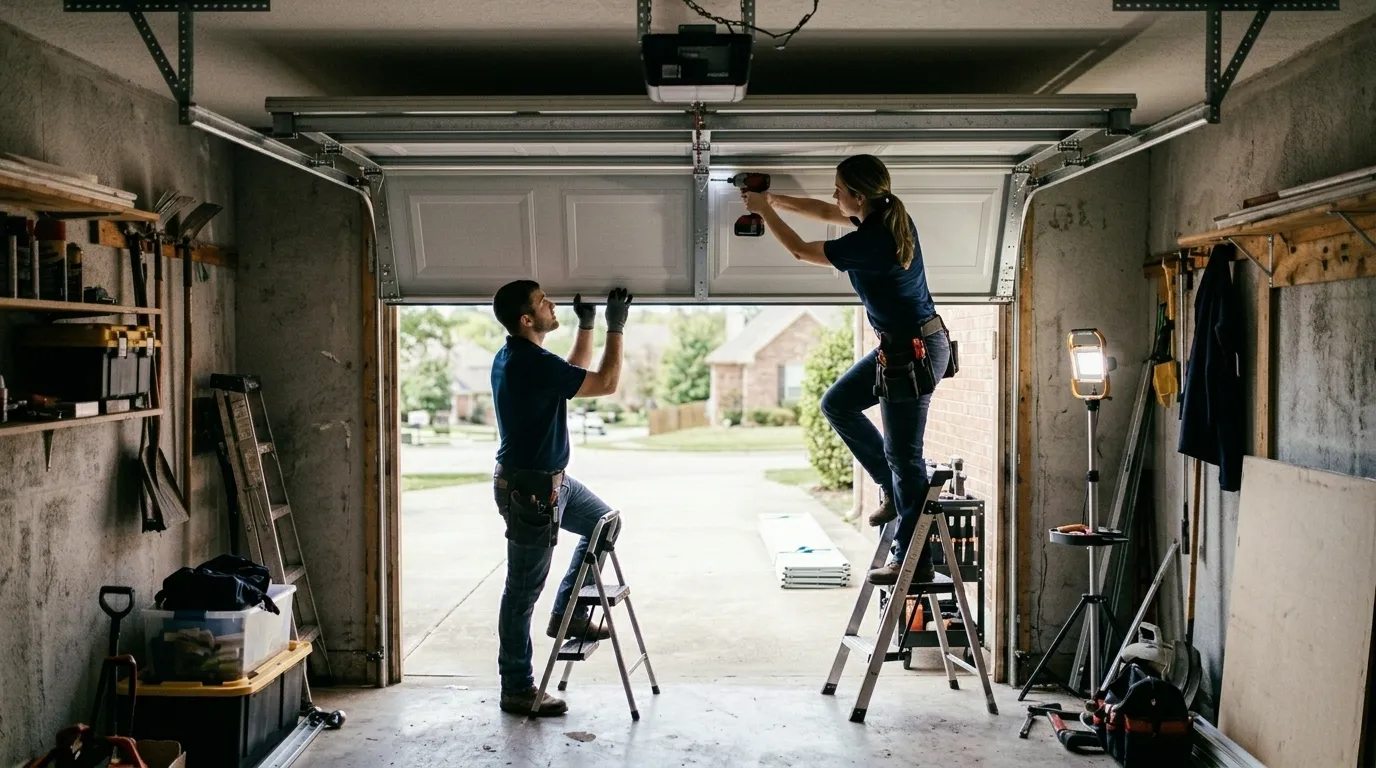
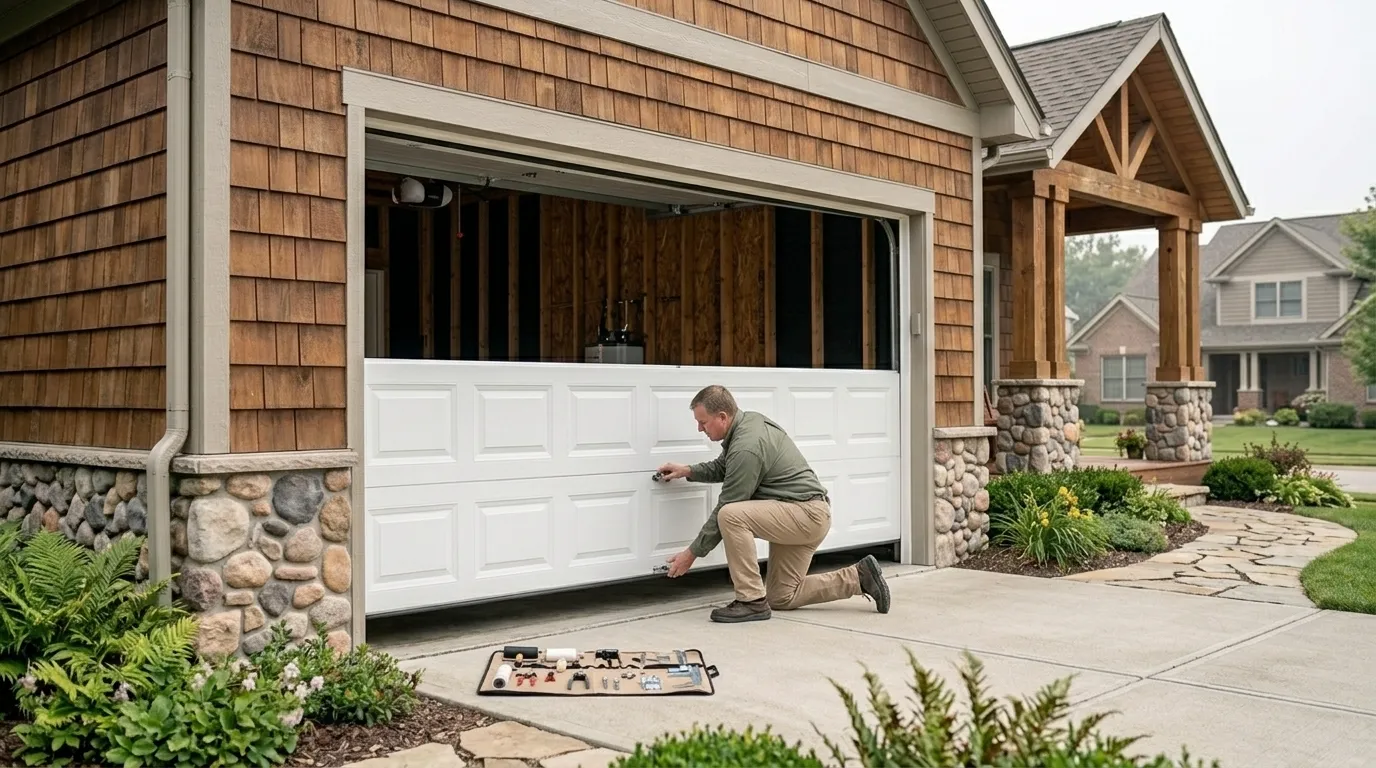
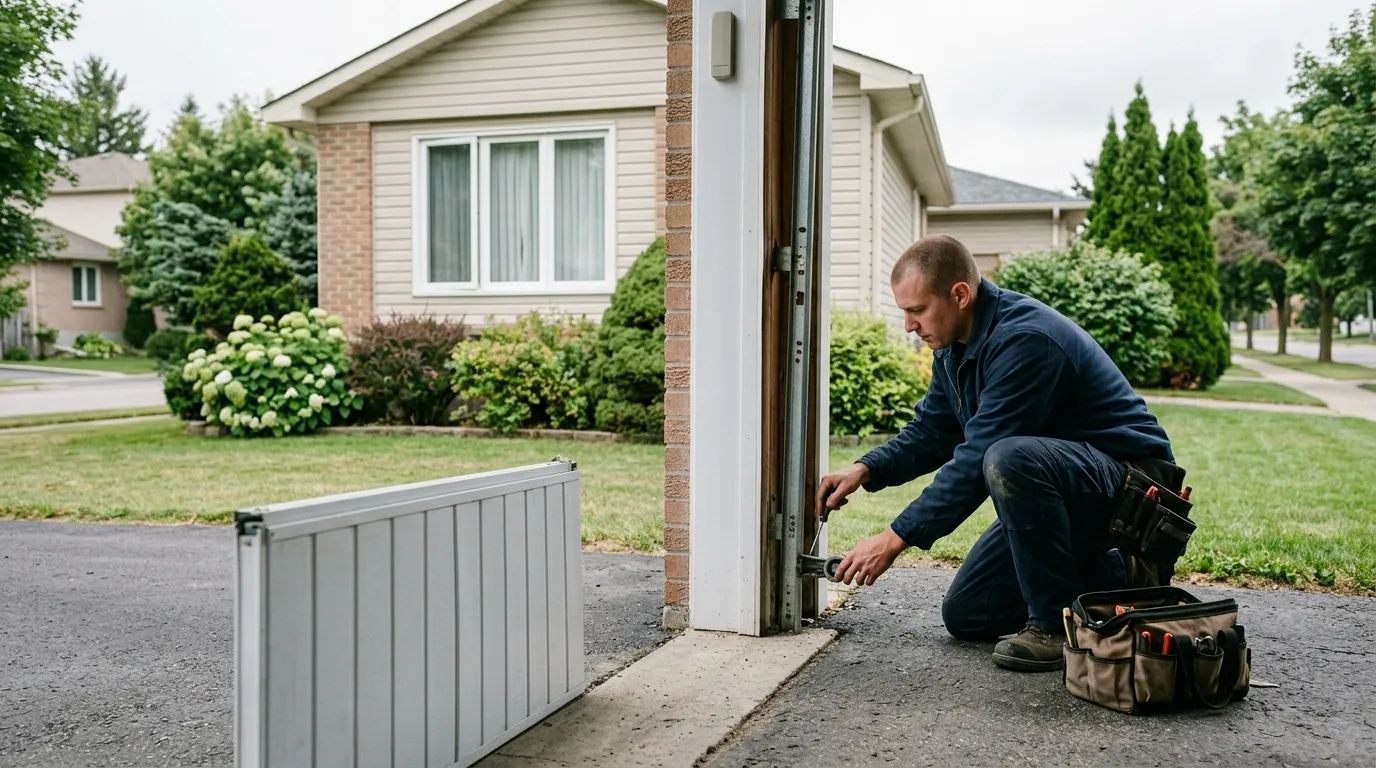
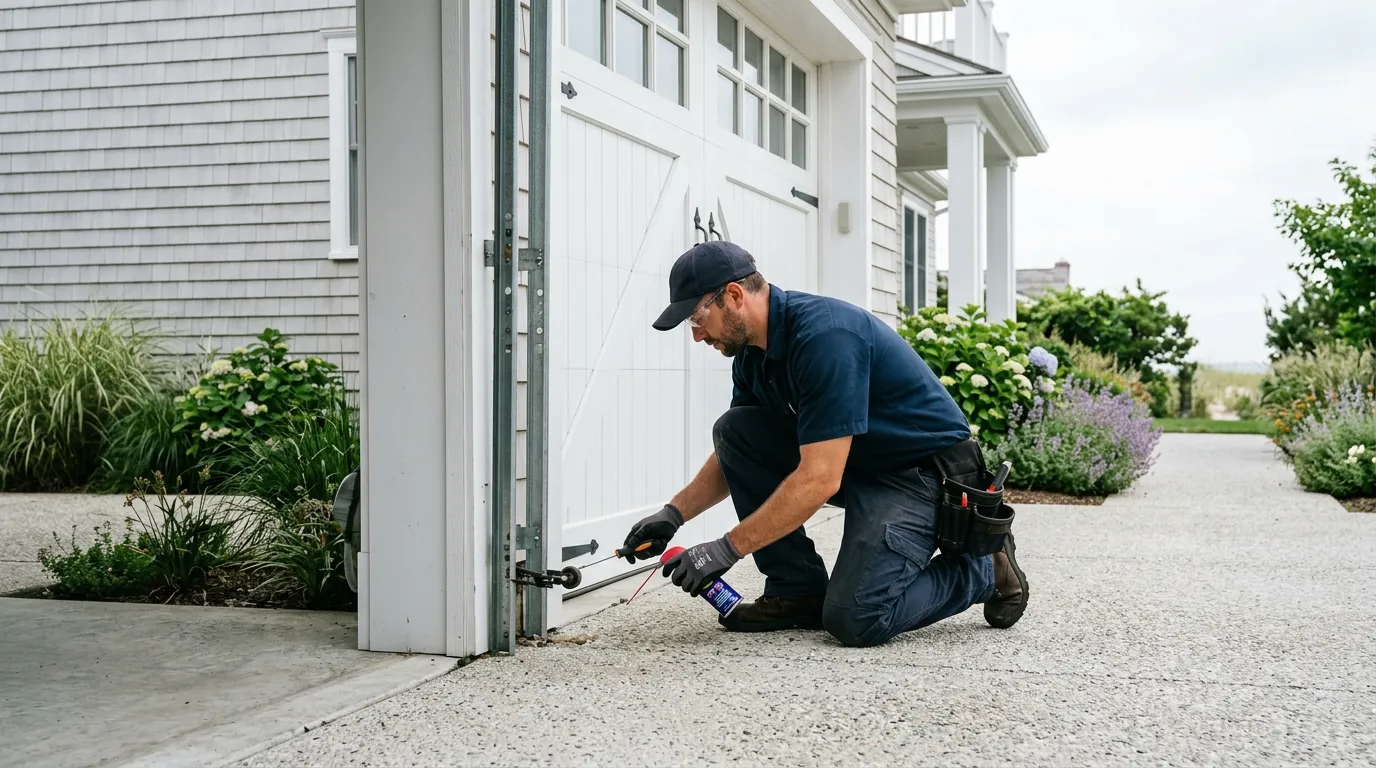
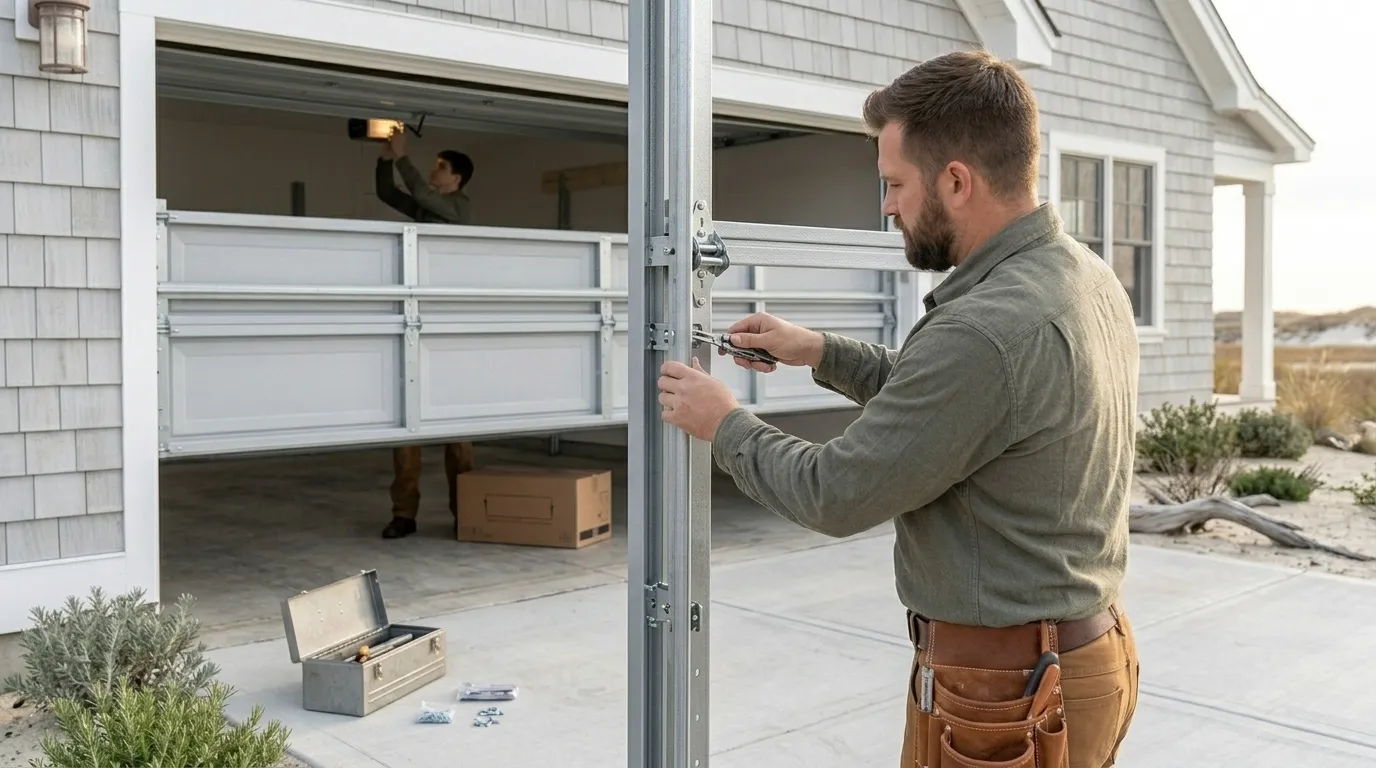
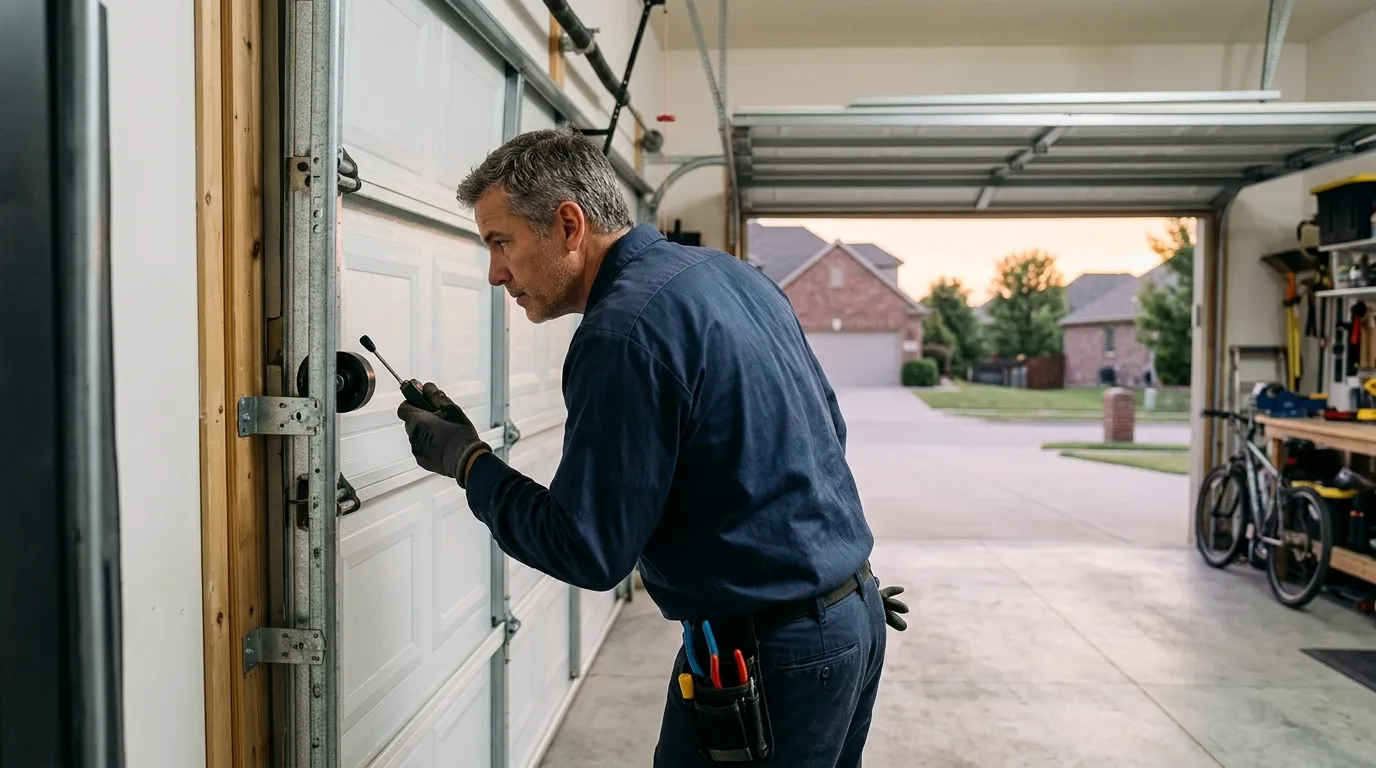
For a spring job on a house from this era, the work is usually replacing a single torsion spring on a center bracket setup, checking the drum and cable at the same time since they take the same wear. If the opener is original or close to it, we'll test the logic board and the safety sensors before touching the spring - no point replacing one and finding out the other was the actual problem. Track alignment gets checked too; on older housing stock the bracket spacing sometimes isn't what a modern kit assumes, so a repair can take an extra step to match hardware that predates current standard sizing. We're not going to install a universal part and call it done if it doesn't actually fit the track it's going into.