Serving Jacksonville, FL & nearby
(904) 920-0032
Jacksonville, FL

Spring Repair for Fruit Cove's Newer Garage Doors

Fruit Cove homes built mostly after 2002 run heavier torsion springs on taller doors. We travel from Jacksonville to fix broken springs fast and correctly.

Spring Repair for Fruit Cove's Newer Garage Doors
Jacksonville, FL
8 services
5 service areas
Diagnosis first, then the fix

Parts We Carry

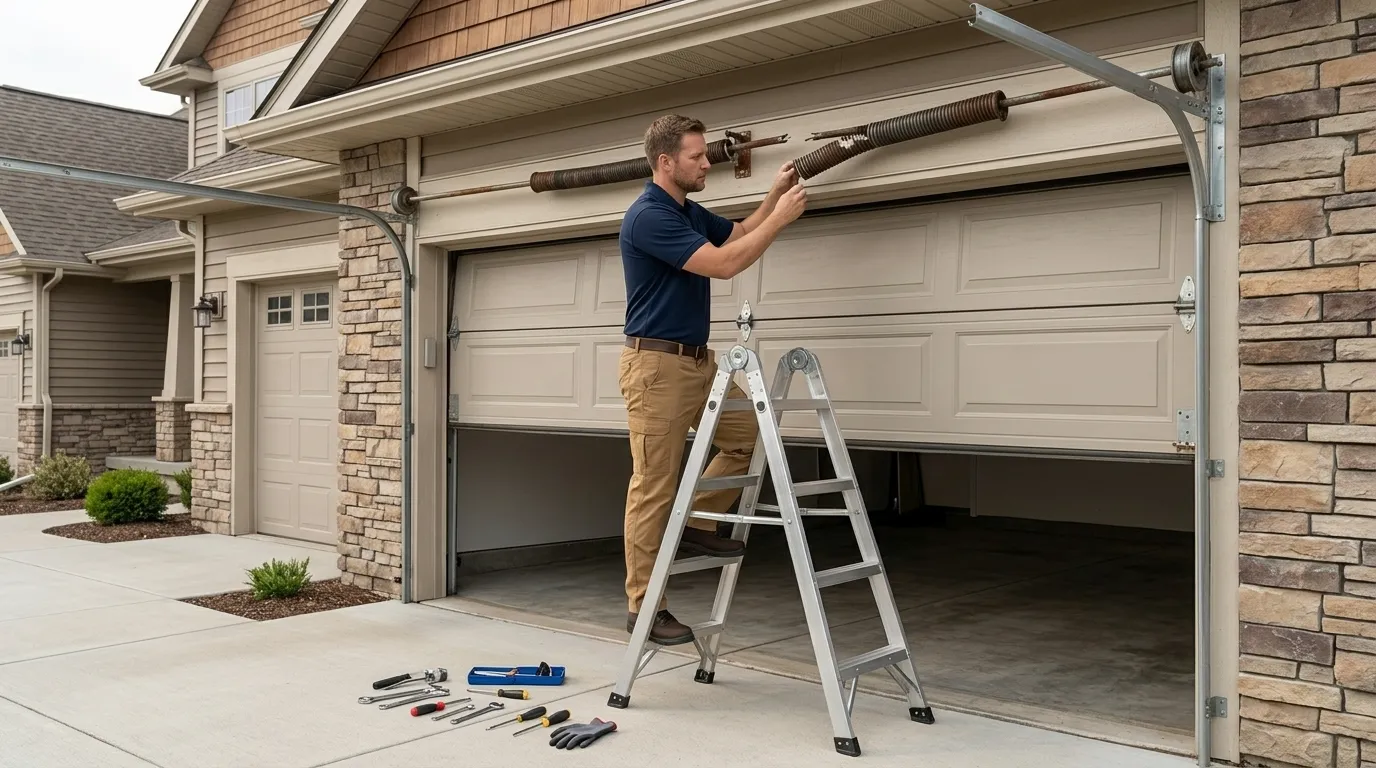
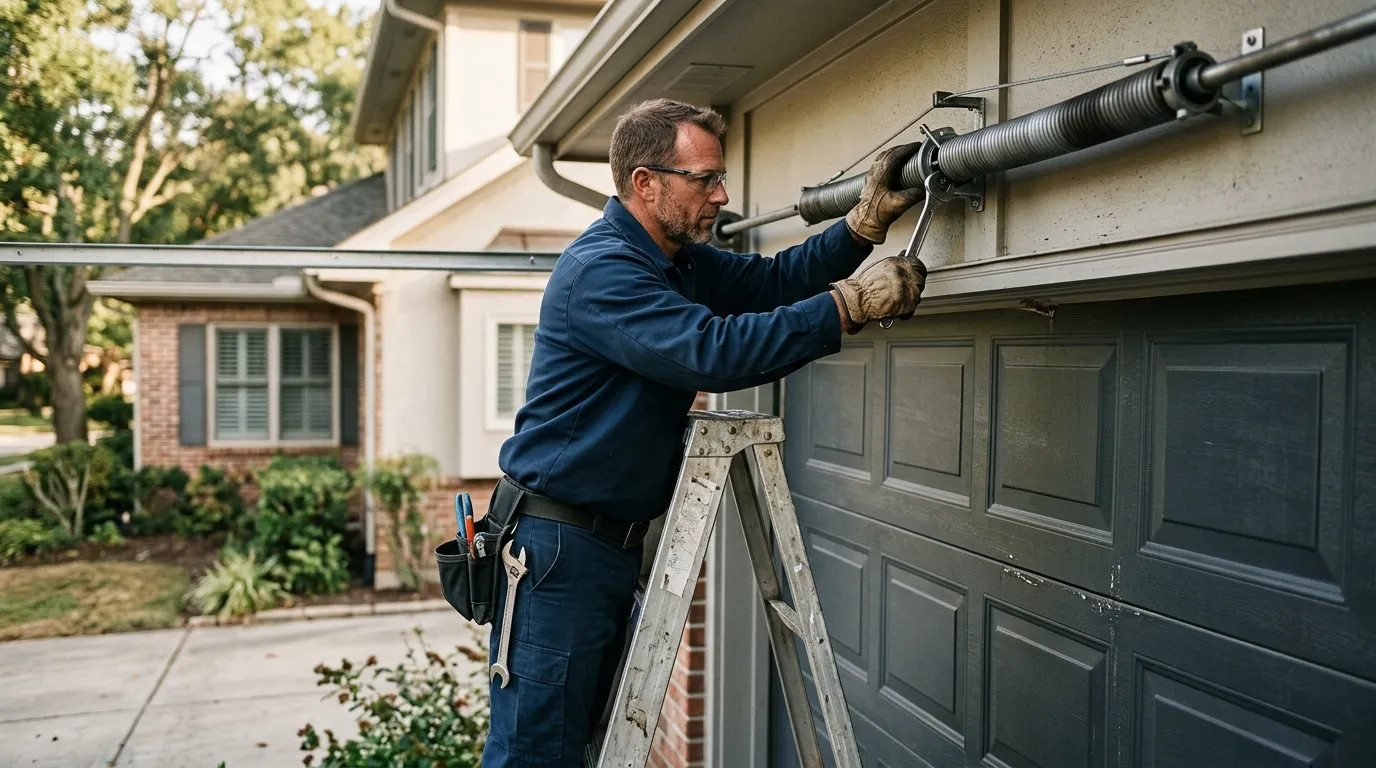
Fruit Cove's houses went up mostly after the turn of the century, well past the 1973-2007 window that covers most of the wider Jacksonville area. That later build date matters for springs: builders in this stretch favored taller garage openings, often 8 feet instead of the 7-foot standard from the 1980s stock elsewhere in the service area. Taller doors need longer torsion springs with a different wind count, and they're heavier per square foot once you add insulated steel or faux-wood overlay panels, which were common upgrades in newer subdivisions.

We carry a range of torsion spring sizes on the truck because guessing wrong on wire gauge means a second trip. For Fruit Cove calls we bring stock sized for taller, heavier doors first, since that's what we find most often out here, but we still measure before we cut anything. We also carry standard extension springs for the smaller number of older or side-hinge setups that predate the main building wave.

What we don't stock is anything specialty-order: certain low-headroom torsion conversion kits or oversized commercial-grade springs need to come from a supplier, and that can mean a short wait. We'll tell you upfront if your door falls into that category rather than jury-rig a fix that won't hold.

How It Shows Up

The most common call from this area is a door that won't move at all, or one that jerks partway up and stops. On a heavier, taller door, a broken torsion spring puts more strain on the opener's gears trying to compensate, so you'll sometimes hear grinding before the spring actually snaps. That's different from what we see on older, lighter doors elsewhere in the county, where the spring usually goes first with a loud bang and no warning.

Because this area's homes are newer, we see fewer rusted-through springs from decades of humidity cycling and more fatigue failures - the coil simply reaches the end of its rated cycle count. Florida's mild, humid climate still shortens spring life some, but it's not the dominant factor here the way it is on 1980s-era stock.

If you notice the door sagging unevenly on one side, or the cable looks slack on one drum but not the other, that's usually a single broken spring on a two-spring system - the door can still limp partway up, which fools people into thinking it's a minor issue.

The DIY Question

Don't do this one yourself. A torsion spring on a tall, heavy garage door stores a dangerous amount of tension, more than the shorter springs on older, lighter doors elsewhere in the region. Winding or unwinding it with hand tools instead of proper winding bars has put people in the hospital.

What you can safely check yourself: whether the opener is getting power, whether the manual release cord is pulled (which disconnects the opener from the door entirely), and whether the tracks are visibly bent or the rollers are off the rail. None of that requires touching the spring.

If you're comfortable with tools and want to save the trip, replacing rollers or tightening loose hardware on the track is reasonable DIY territory. Springs are not. We'd rather tell you that plainly than have you find out the hard way.

What You Pay

We don't have a published price list to quote here, and Fruit Cove's newer, taller doors sometimes cost more to fix than the older stock elsewhere in the service area simply because the springs and cables are longer and heavier. We'll give you a number after we see the door and its opener, not before.

We travel to Fruit Cove from Jacksonville, about 17 miles out, so factor a short drive into scheduling - we're not based in the neighborhood. That's the honest limitation: we can't offer a same-hour walk-in the way a shop physically in town could, but we do bring the parts most likely to fit what this area's housing stock actually needs, which cuts down on return trips.
How it works

From “it’s stuck” to “it’s fixed”

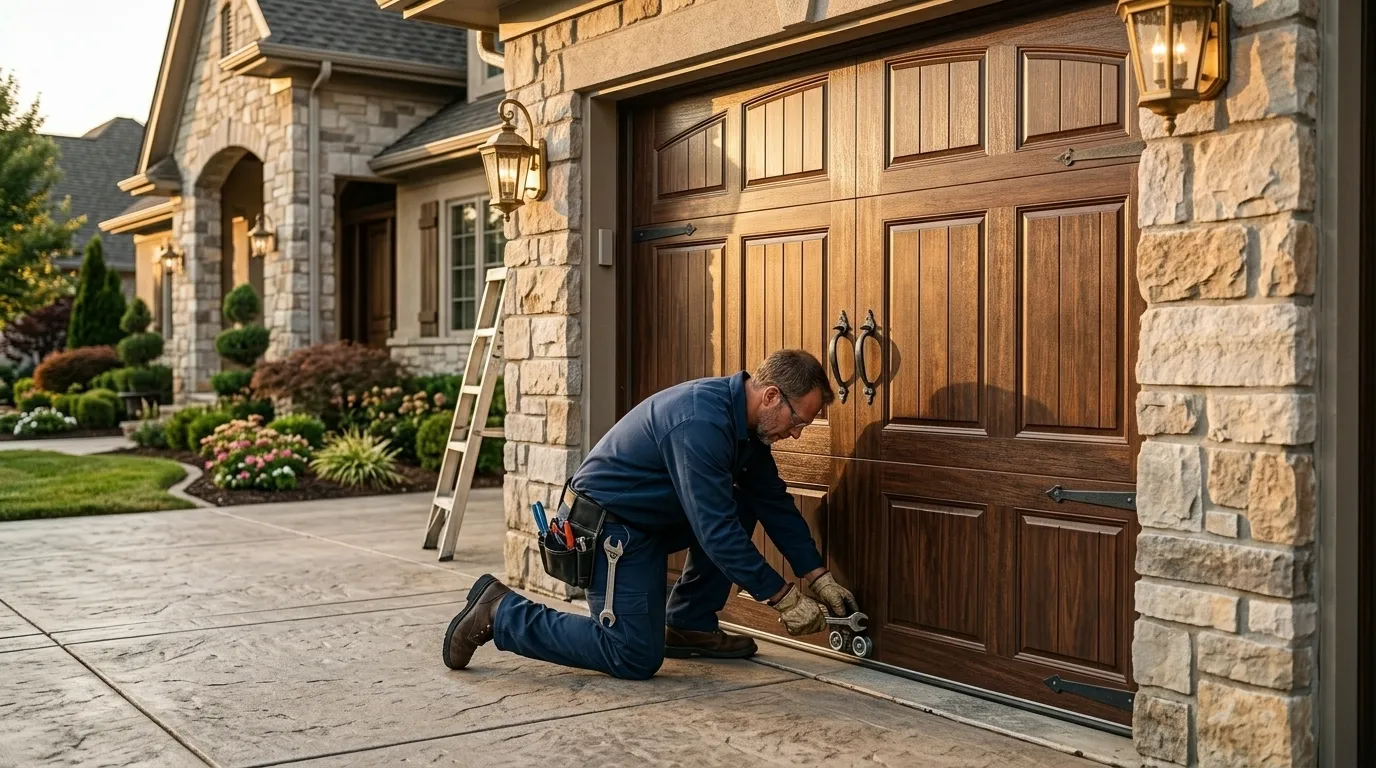
Tell us what’s wrong - Jacksonville garage door service

Tell us what’s wrong

Describe the symptom - won’t open, loud bang, opener runs but the door won’t move.

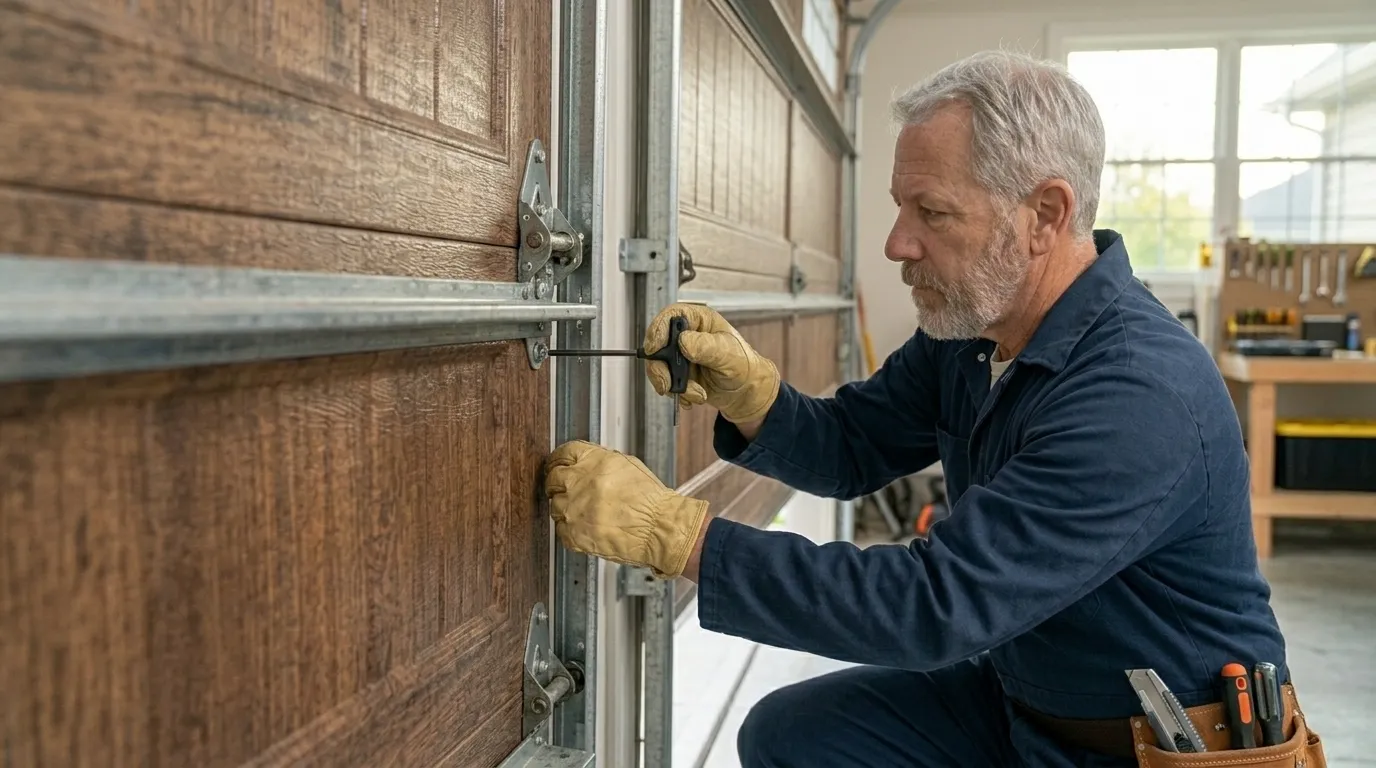
On-site diagnosis - Jacksonville garage door service

On-site diagnosis

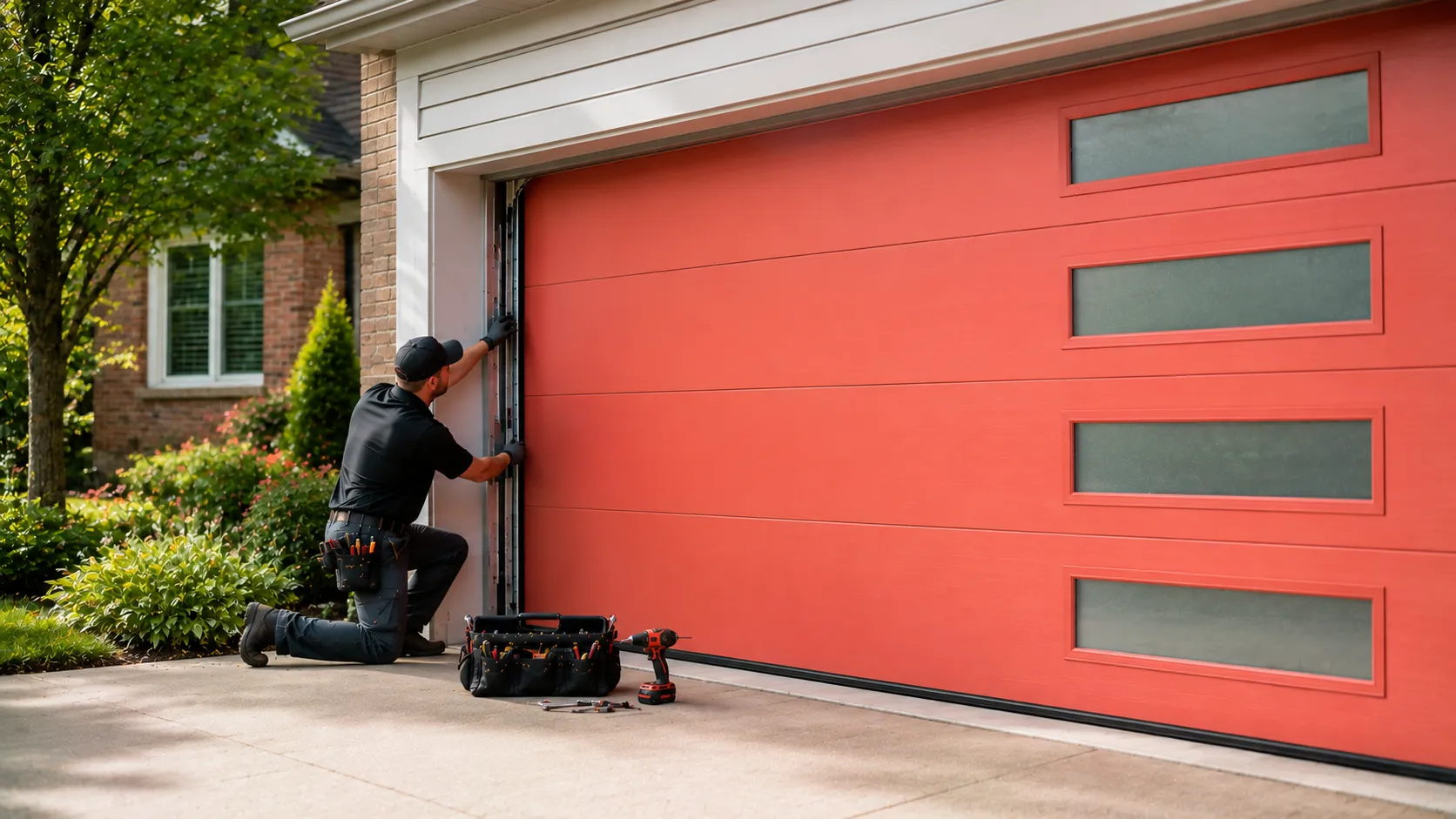
A technician tests the door under power and by hand and finds what actually failed.

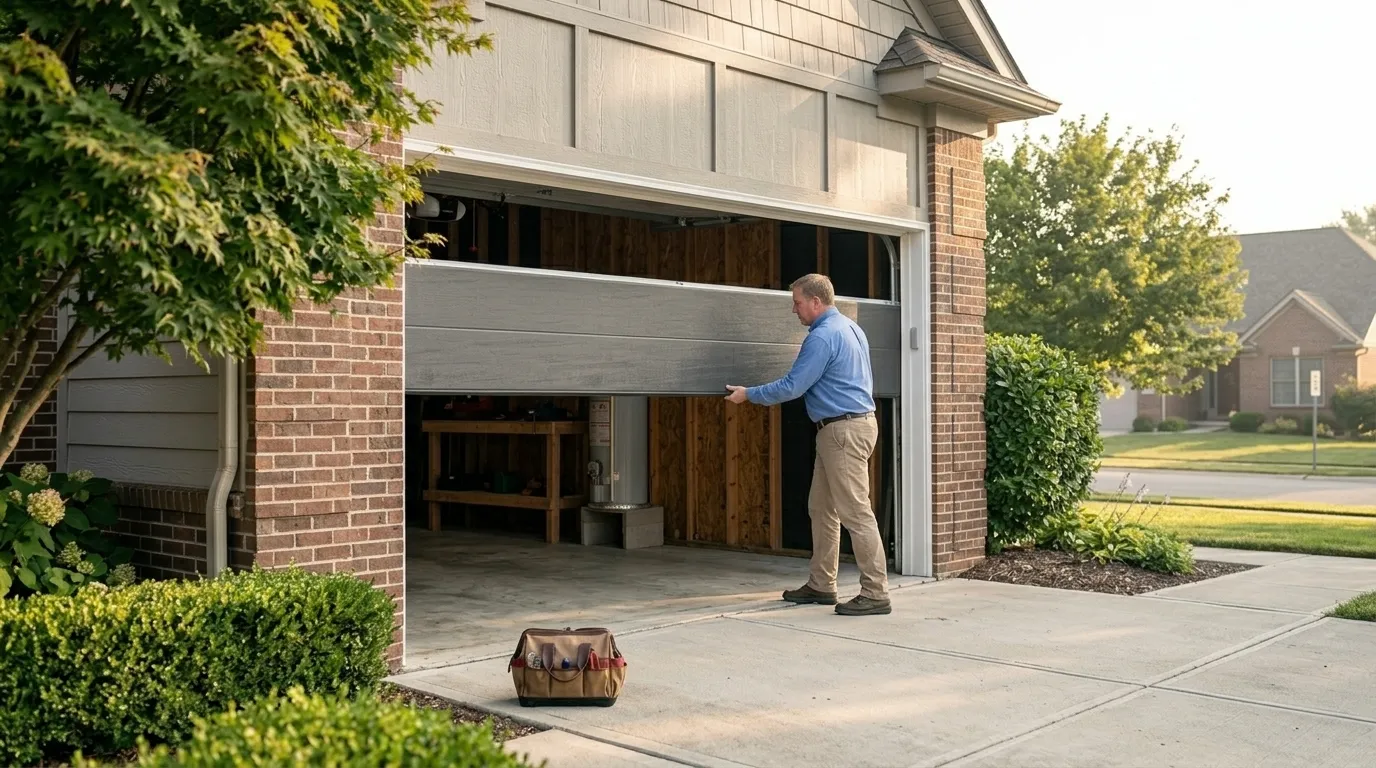
Clear, up-front plan - Jacksonville garage door service

Clear, up-front plan

You get the fix that’s needed and what drives the cost - before any work starts.

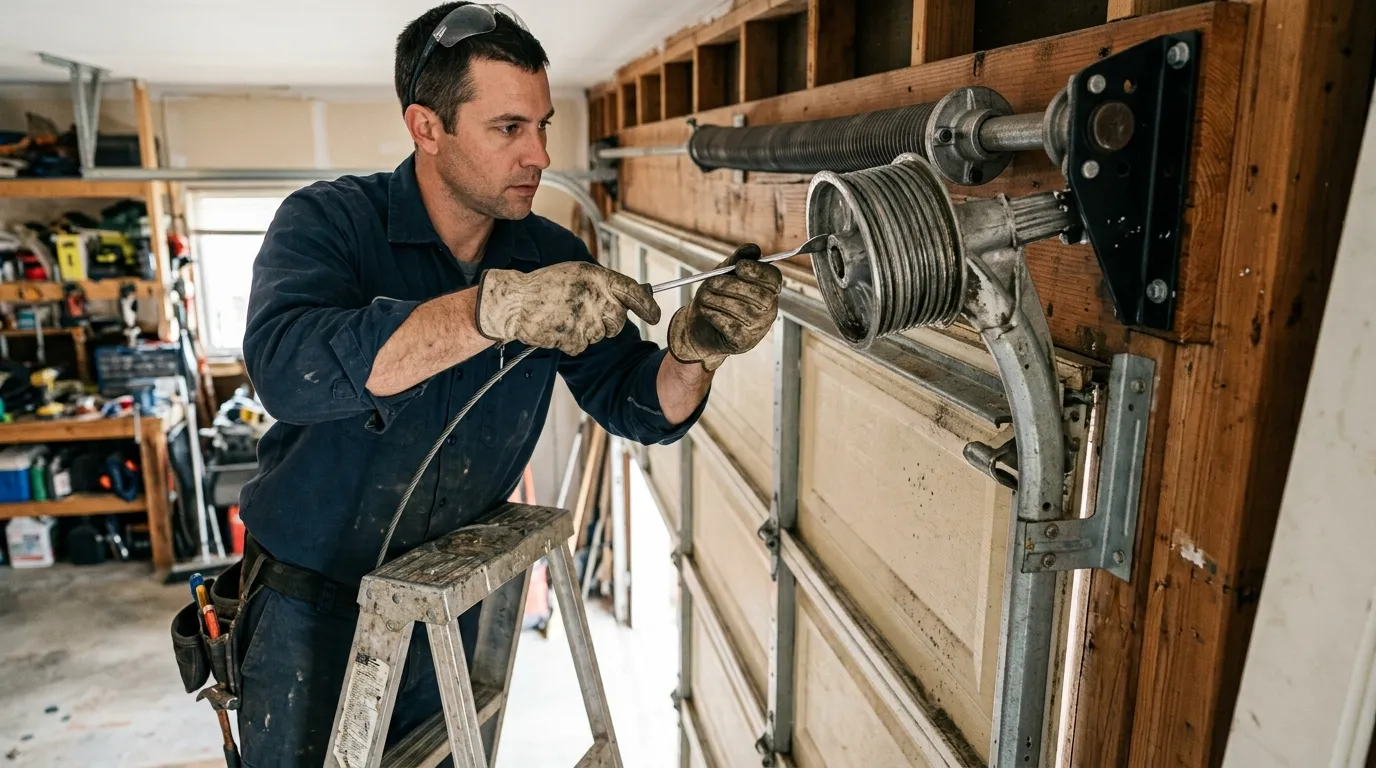
Repaired & tested - Jacksonville garage door service

Repaired & tested

The repair is done, the door is set true and tested, and the work area left clean.

Serving Jacksonville, FL - tell us what your door’s doing and we’ll take it from there.

How we work

What to expect

A straight, honest approach on every Jacksonville job - diagnosis first, the right parts, and clean work.

01

Diagnosis first

Every visit starts by finding what actually failed - not a pre-written parts list.

02

The right part for the door

Springs and openers matched to the door’s weight and age, so the fix holds up.

03

Straight answers

When a repair makes more sense than a replacement - or the reverse - you hear it plainly.

04

Clean, careful work

Tension released safely, hardware set true, the door tested under power before we leave.

1,009,833Residents in Jacksonville
8Garage door services
5Neighborhoods & suburbs
FLServing Jacksonville, FL
Questions

Frequently asked

Straight answers about garage door repair in Jacksonville. Still unsure? Ask us directly.

Why do Fruit Cove garage doors need different springs than other parts of Jacksonville?

Most Fruit Cove homes were built after 2002, later than the 1973-2007 range typical of the wider service area, and builders here often used taller 8-foot door openings with heavier insulated panels. That means longer torsion springs with a different wind count than the shorter springs common on older, 7-foot doors elsewhere.

How fast do springs wear out on newer doors like these?

Newer torsion springs here tend to fail from cycle fatigue rather than rust, since the housing stock is younger and hasn't had decades of humidity exposure. The mild coastal climate still plays a role over time, but a fatigue failure usually gives less warning than a corrosion failure - the coil just lets go.

Do you have a shop in Fruit Cove?

No, we work out of Jacksonville and drive out to Fruit Cove, about 17 miles away. We don't keep a local branch or offer instant walk-in service here, but we bring the spring sizes this area's taller, newer doors typically need.

Can I replace a torsion spring myself to save money?

We don't recommend it. Torsion springs on tall, heavy doors like the ones common in Fruit Cove hold enough stored tension to cause serious injury without the right winding bars and technique. Rollers, hinges, and track alignment are safer DIY tasks - leave the spring to someone with the right tools.

Ready to get your garage door sorted?

Tell us what it’s doing and where you are in Jacksonville - we’ll take it from there.

8Services offered
5Areas covered
Diagnosisfirst, then the fix
Request a QuoteCall