Parts We Carry
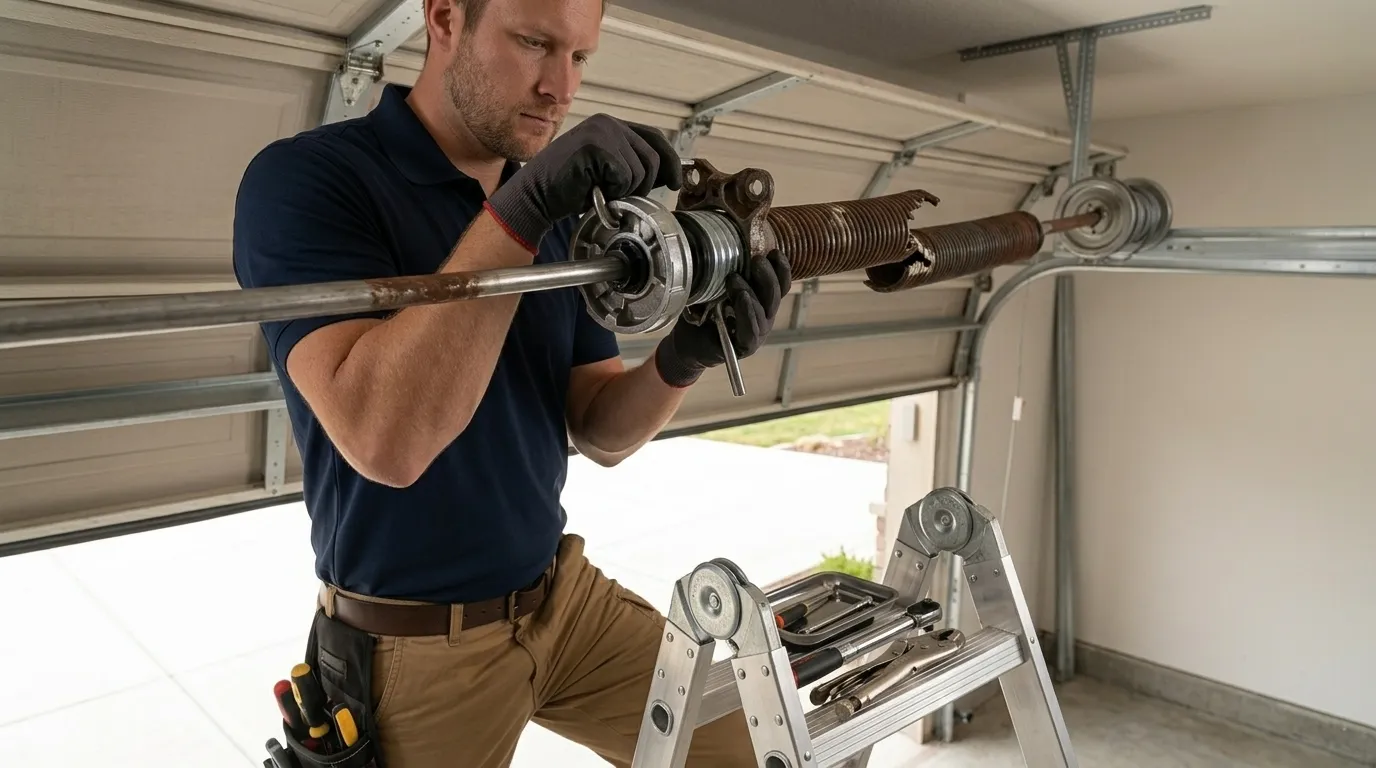
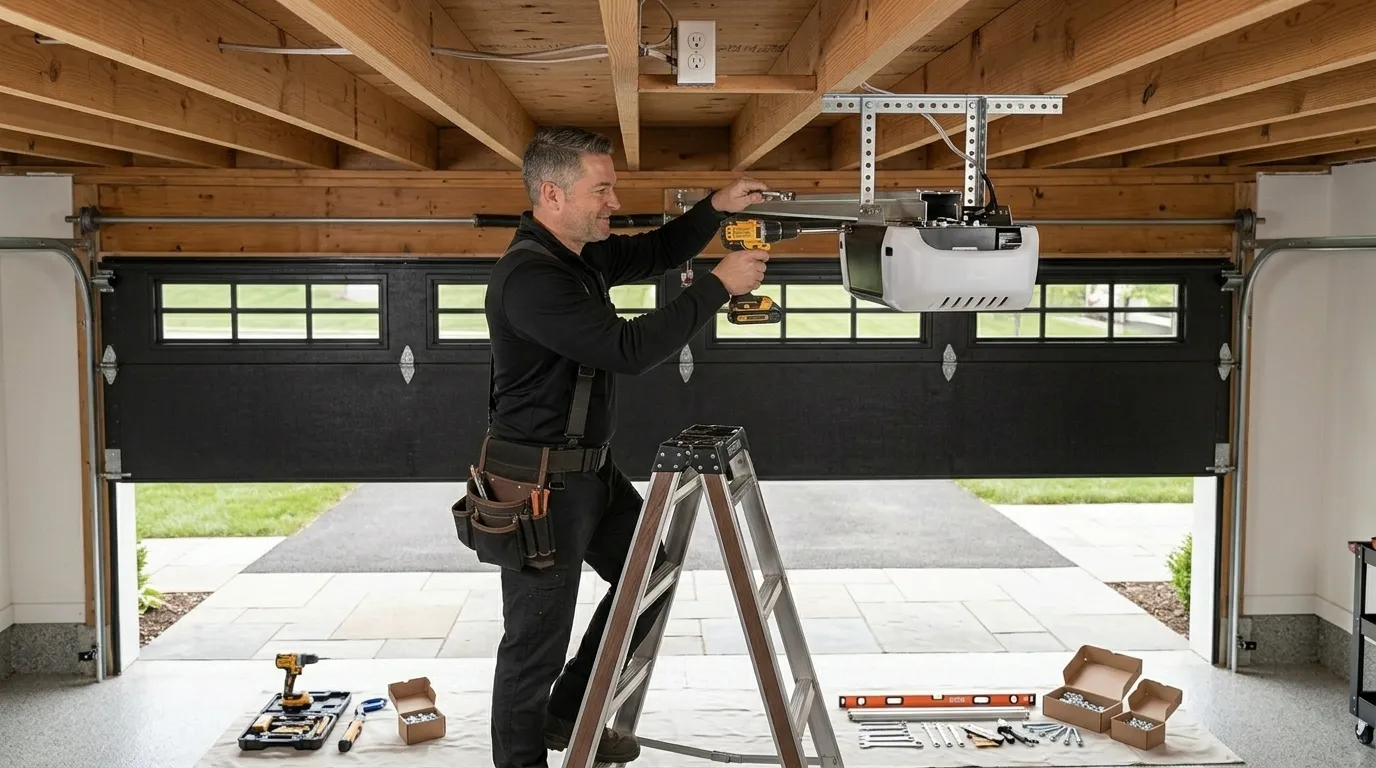
Fruit Cove sits about 17 miles from our Jacksonville shop, which changes how a truck gets loaded before it ever leaves. We're not driving out with a guess - we're driving out with the parts that match what's actually on the wall in a house built around 2002, which is the median build year for this area. That means steel torsion springs sized for lighter modern sections, not the heavier one-piece slabs you'd find on 1980s stock closer in. It means belt and chain openers from the last two decades, with circuit boards and safety sensors rather than the older mechanical reversing units. We stock standard-wind torsion springs, extension spring pairs, nylon and steel rollers, and the common photo-eye and logic-board parts for openers made after the mid-90s. What we don't carry on the truck is anything built for a door style this area mostly skipped - the old wood-panel one-piece doors on side-mounted hardware. If a house here happens to have an older door swapped in from somewhere else, that part may need a call ahead so the trip isn't wasted. One trip, right parts, is the whole point of loading for the town you're actually going to.
How It Shows Up
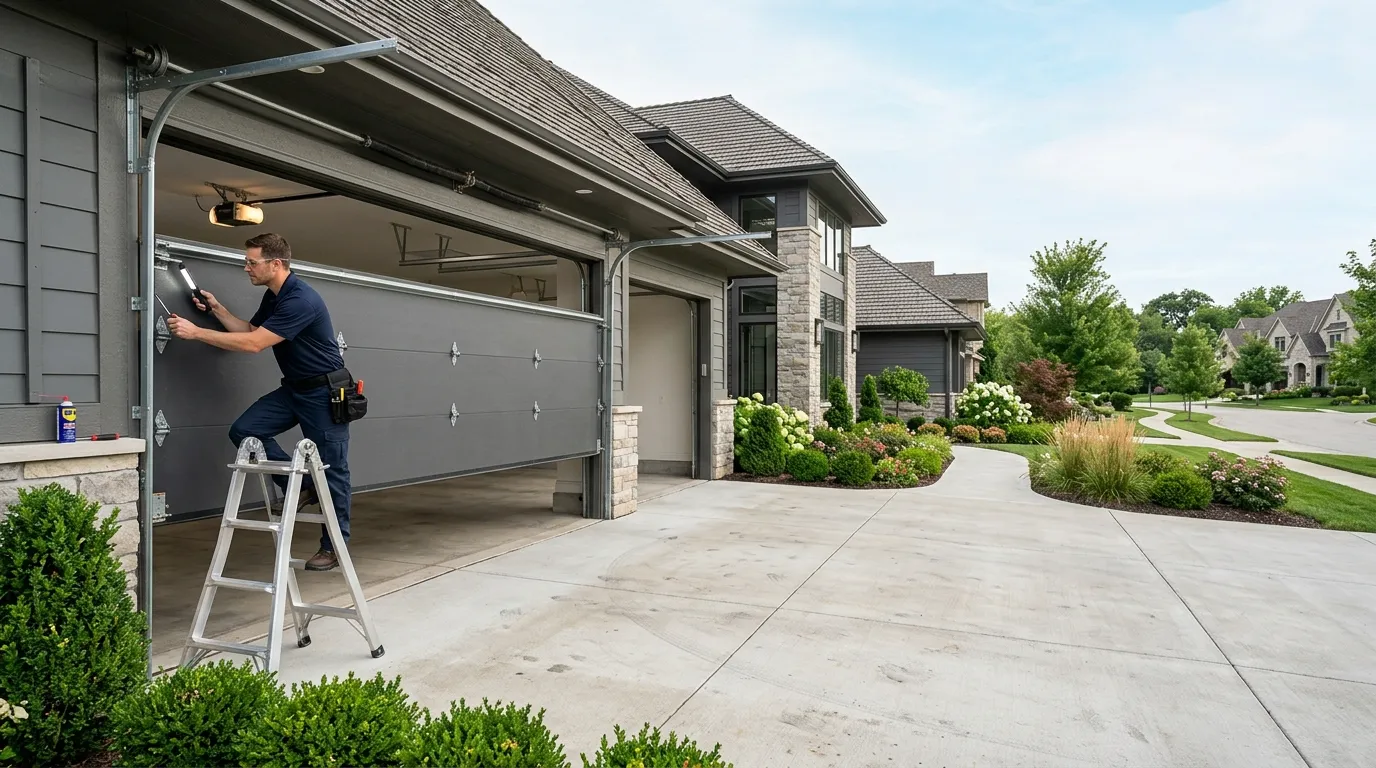
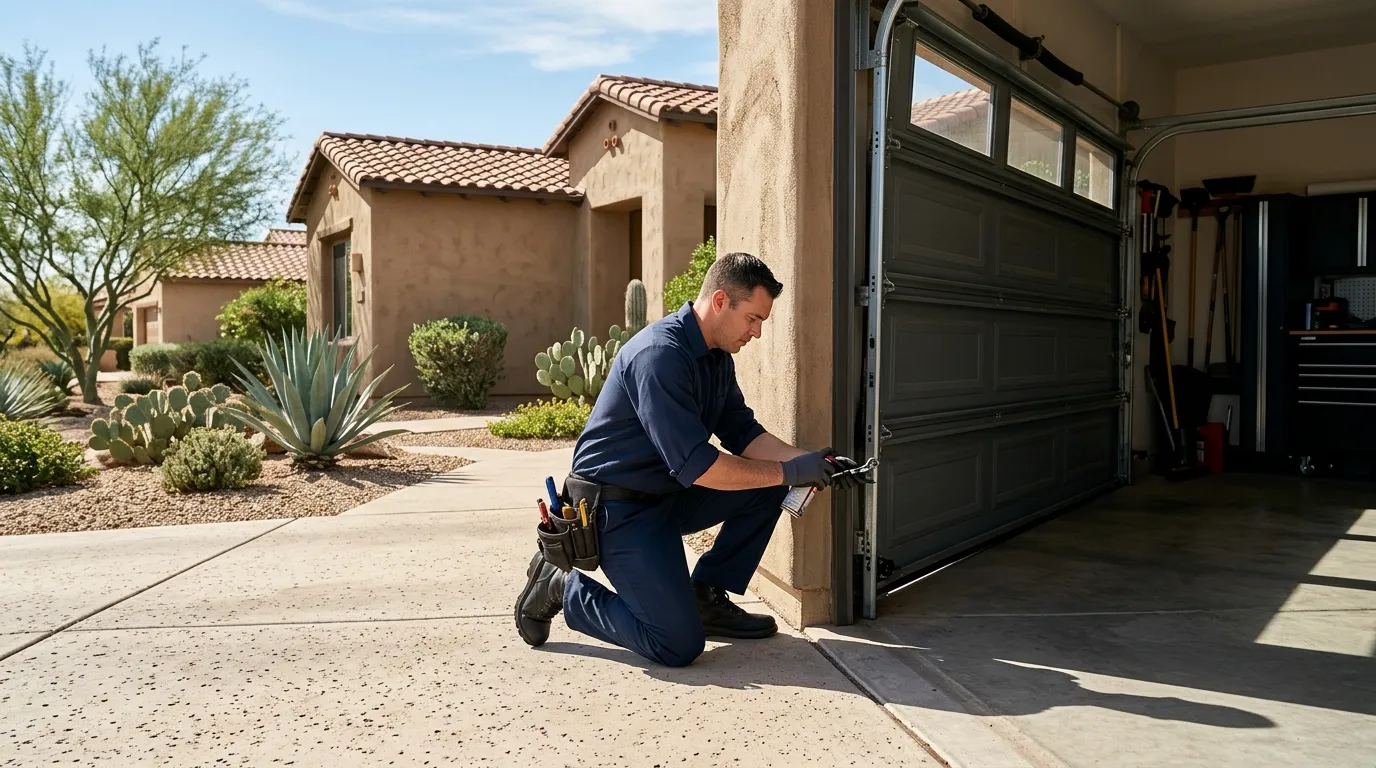
With most of Fruit Cove's housing going up after 2000, the failures we see out here lean toward opener electronics and worn rollers rather than the spring snap you get on much older stock. A door that reverses itself halfway down, or won't respond to the wall button at all, points to a logic board or a misaligned photo eye - common on the sensor-equipped openers that came standard once code required them. Cables fraying at the drum, torsion springs going soft after years of daily cycling, and rollers grinding in the track are the other regular calls. The area's mild temperate climate means we're not chasing frozen tracks or ice-locked springs the way a colder region would - humidity and heat cycling are harder on rubber seals and opener belts than on steel hardware itself. A household income above $137,000 in this area also tends to mean two-car garages with openers used multiple times a day, which shortens the life of belts and rollers faster than a door that only opens on weekends.
What You Pay
We don't post flat prices for emergency calls because the job itself - a spring swap versus an opener board versus a full cable replacement - drives the cost more than the address does. What we can say is that Fruit Cove's newer housing stock, built mostly from 2000 on, tends to mean fewer surprises once we're on site: standard door sizes, standard hardware, fewer of the odd retrofits you find on much older houses. That keeps a repair closer to a straightforward job instead of turning into a hunt for a part nobody makes anymore. The honest limitation: if your door or opener is one of the rare older units in this area, or a specialty size, parts may need to be ordered, and that changes both the price and the timeline. We'll tell you that up front, before any work starts, not after.